
Starting to wonder if my kit lens is holding me back...
Discussion


I've got a Sony Alpha A200, which I actually use with the Minolta 28-80 macro lens from my last film SLR, I just prefer it to the 18-70 kit lens that came with the Sony.
But I'm now starting to wonder if it is perhaps holding me back a little. If I was to consider a new lens, what would you go looking for?
But I'm now starting to wonder if it is perhaps holding me back a little. If I was to consider a new lens, what would you go looking for?
Yes, but that's an unfair comparison (assuming you're comparing with what you see straight out of your camera)as many images on here have been produced by expensive equipment, extensively processed inc sharpened by various methods before being posted. You really need to compare like for like.
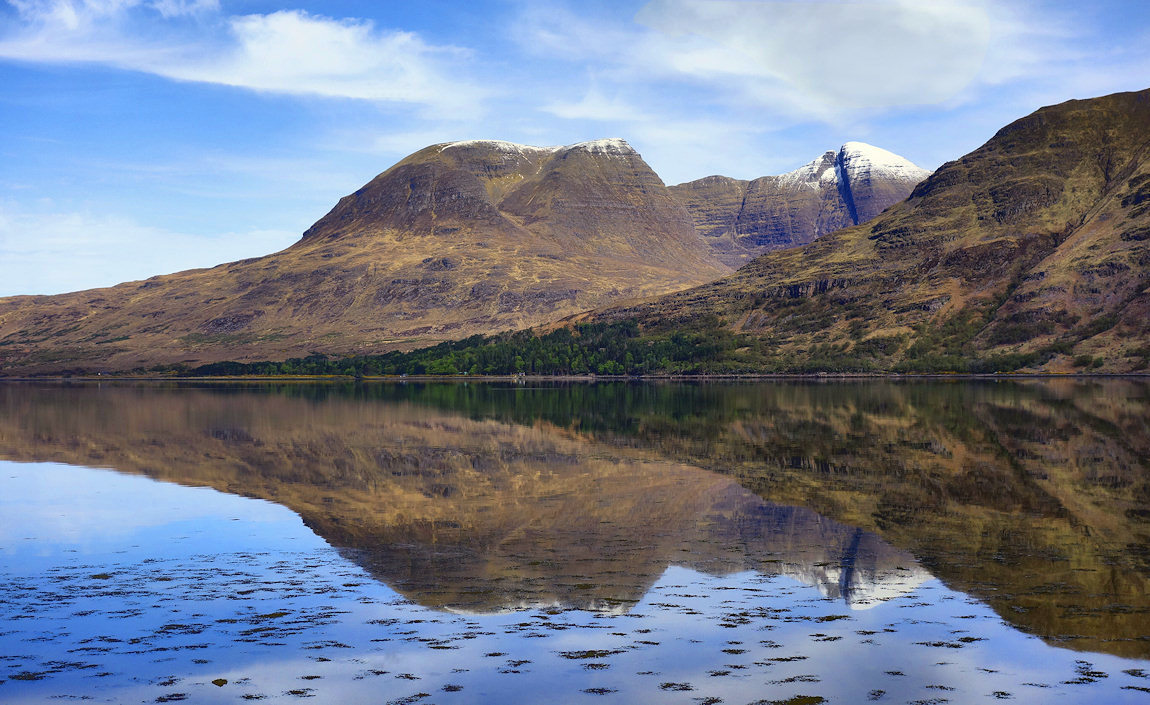
Sharpness in the digital age is twofold. Yes you need to get the image in focus when you take it, but after that 'sharpness' is largely to do with processing - not only in making the initial JPG but then re-sharpening if reszing. Counter-intuitively, the smaller you make an image the softer it gets. So it may be that your lens is OK but what happens afterwards is not optimal. Or maybe you're missing the focus point or not using enough DOF. Can't tell without a sample.
I'd suggest you probably need to tweak your mindset with respect to processing... Whilst I think we'd all agree manipulation can be taken too far ('too' being a very subjective thing!) there are loads of things going on between taking the picture and viewing it on computer screen (or in any other form) that are going to change the image - a little bit of processing knowledge just helps you to regain your own control of the image!
As Simpo has already mentioned, resizing an image (even if done by the computer when displaying it without you being conscious of the fact) 'crushes' the pixels used to provide the eye with edges between things... I'm not claiming to be an expert, just aware of the fact that the quality of my images went up massively once I understood the need to adjust things like sharpening!)
As Simpo has already mentioned, resizing an image (even if done by the computer when displaying it without you being conscious of the fact) 'crushes' the pixels used to provide the eye with edges between things... I'm not claiming to be an expert, just aware of the fact that the quality of my images went up massively once I understood the need to adjust things like sharpening!)
Megaflow said:
I don't do any post processing, call me an old fart, but I see that as picture editing, not photography.
 Old Fart!!!
I'm sorry - I think you are wrong. The digital sensor is NOT like film. The digital sensor has certain in-built characteristics. One aspect of which is that the image needs a degree of sharpening. Whether you let the camera do this in-situ or you take control outside it matters not. A memory card is not like a film!!! You will need to embrace at least some post processing for the best results.
Megaflow said:
I don't do any post processing, call me an old fart, but I see that as picture editing
Maybe not, but if you shoot JPG the camera is doing it. Compare a straight RAW with the JPG the camera makes from it and you'll see the difference. We're not talking about adding fake skies or gold alloys, simply extracting the best from the recorded information.Megaflow said:
I don't do any post processing, call me an old fart, but I see that as picture editing, not photography.
I'm going to agree with the rest on here. Apologies if I drone on, but I had a conversation the other day which is relevant.I've worked in recording studios for the past 25 years, and we wouldn't DREAM of getting an orchestra in, bunging up some mics and then mastering. If a piece is 5 minutes long it will generally take 10 minutes to record and then an hour of two to post process. We'll crop out any extraneous noises, sharpen the image using E.Q. and alter the curves to extract the best possible sound from the instruments. If we don't, we end up with a flat, lifeless image that nobody wants to hear.
I used to do as much post processing in a dark room using film as I do with digital. I'd crop, dodge, burn... like all photographers did, to try and create the best image possible. Why wouldn't we?
Cameras are pretty bloody stupid. 99 times out of 100 what comes out of a DSLR doesn't look like what we saw. As has been mentioned, You already do post processing by shooting JPG. You are letting the guy from Sony do all the work - and believe me, he's not particularly good at it!
We occasionally get posts in here saying 'Straight out of the camera' as if that is some sort of badge of honour. Perhaps 1 in 1000 shots needs no work at all to improve them... the other 999 do. The 'Straight out of the camera' shots I've seen in here would all (IMHO) have been improved with a little attention.
Us keen 'togs will clone out any extraneous dust marks, sharpen the image (99% of the time needed, especially when re-sized) and alter the curves to extract the best possible contrast and depth. If we don't, we end up with a flat, lifeless image that nobody wants to see.
...and then there's photography as art... (another time I think).
So. To my conversation. A good friend of mine who lives up here saw this image I took last week: http://www.stevecarter.com/random/May13-2.jpg and said. "Is it real or is it doctored?" I responded: "Both - and if you ever say that to me again I'm coming over to your house and I'm going to let your tyres down".
[/soapbox]
We'll just call you Doctor Carter from now on then!
I had never thought about the fact the Man from Sony doesn't see the scene you do! What next? The camera is connected to the cloud and a Man from Sony can sort out your image for you - all you see is the finished JPEG?
I think that business plan could single-handedly revive the fortunes of the Japanese economy......... or maybe not.
I had never thought about the fact the Man from Sony doesn't see the scene you do! What next? The camera is connected to the cloud and a Man from Sony can sort out your image for you - all you see is the finished JPEG?
I think that business plan could single-handedly revive the fortunes of the Japanese economy......... or maybe not.
You should always shoot in RAW surely? That way you're getting the least amount of processing from the camera. Taking in JPG means that you've let the guy who designed the electronics make some processing decisions for you on how best to enhance your pic.
Edited by Tonsko on Sunday 19th May 19:02
 k off Safari.
Gassing Station | Photography & Video | Top of Page | What's New | My Stuff