
New Engines And Trim For Alfa Brera And Spider
1750 TBi and new diesel for Alfa's coupe and convertible pairing
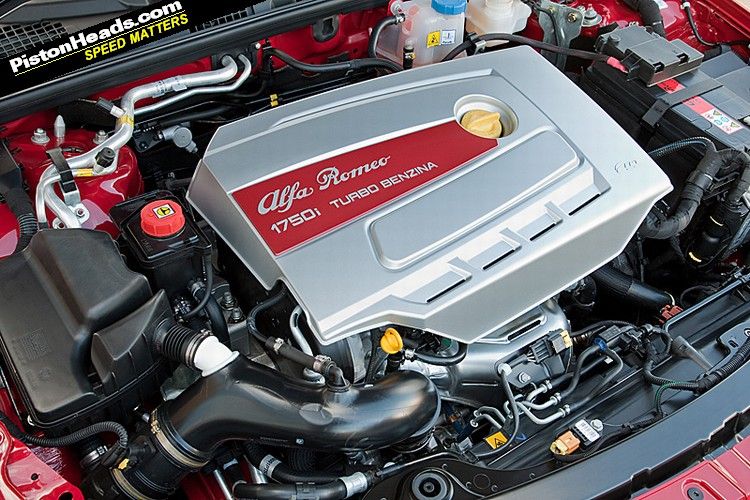
The 197bhp 1750 TBi petrol and 168bhp 2.0 JTDM turbodiesel were both launched last year in the Alfa Romeo 159. In a more heated form, the 1750 TBi petrol engine has also found its way beneath the bonnet of the Alfa Romeo Giulietta we drove in Italy recently.
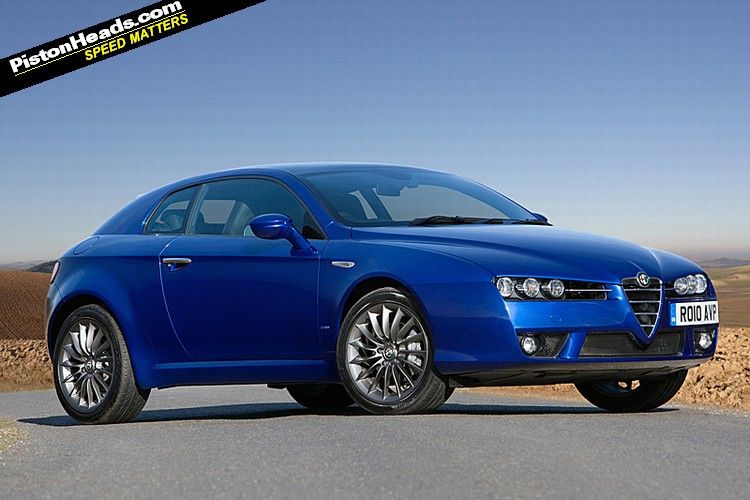
In the Brera and Spider the new 16-valve, twin overhead camshaft 1742cc motor is good enough for 0-62mph in 7.7secs for the Brera and 7.8secs for the Spider, while both top out at 146 mph.
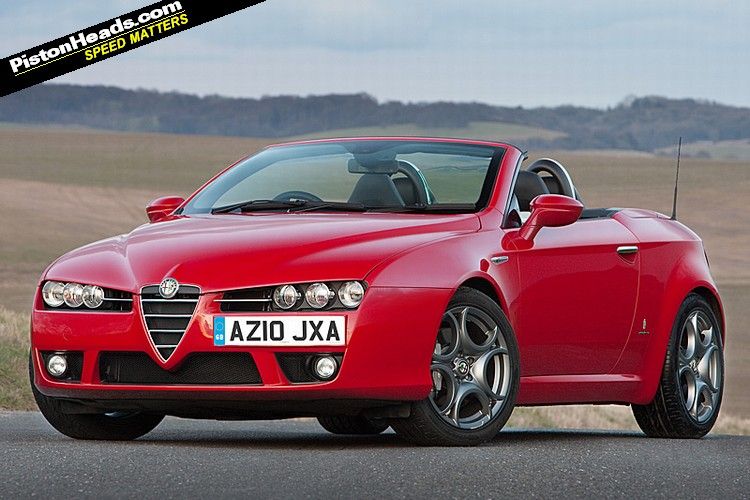
The new turbodiesel, meanwhile, develops its maximum torque of 266lb ft between 1750rpm and 2500rpm.
The 0-62mph sprint in the diesel is dealt with in 8.8secs in the Brera and 9.0secs in the Spider. Top speed is 135mph. Of course, the key appeal of the diesel is its tax-friendly status: CO2 emissions are reduced to just 142 g/km
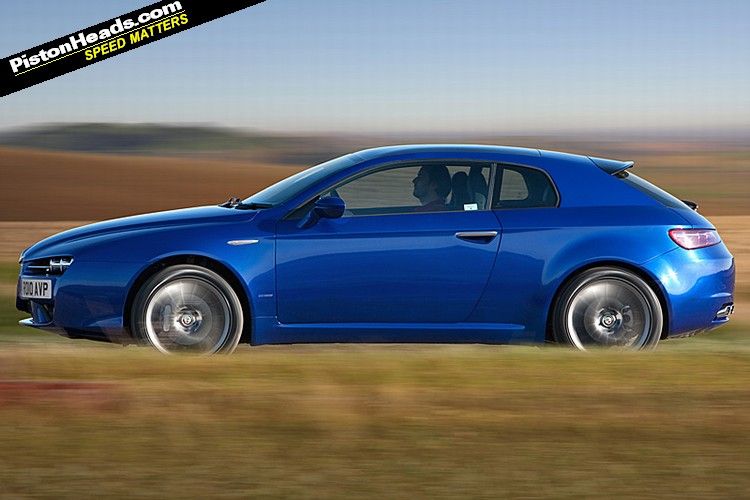
Stat fiends can pore over the finer technical details of the new engines with our shamelessly-stolen-from-Alfa's-press-release tech spec below.
 |
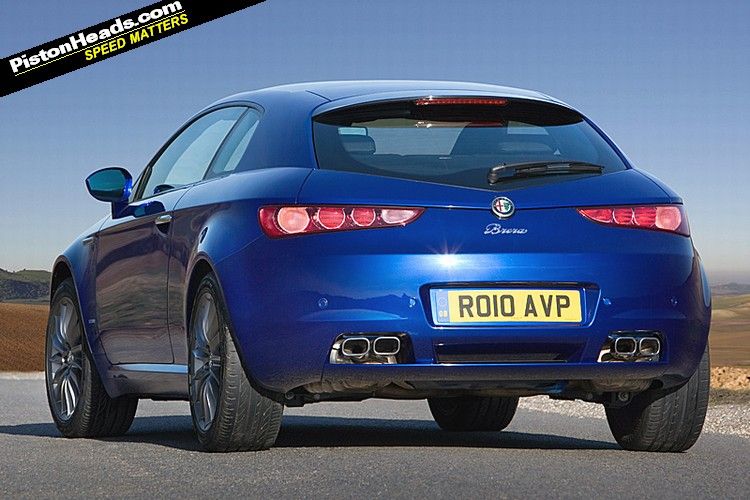 |
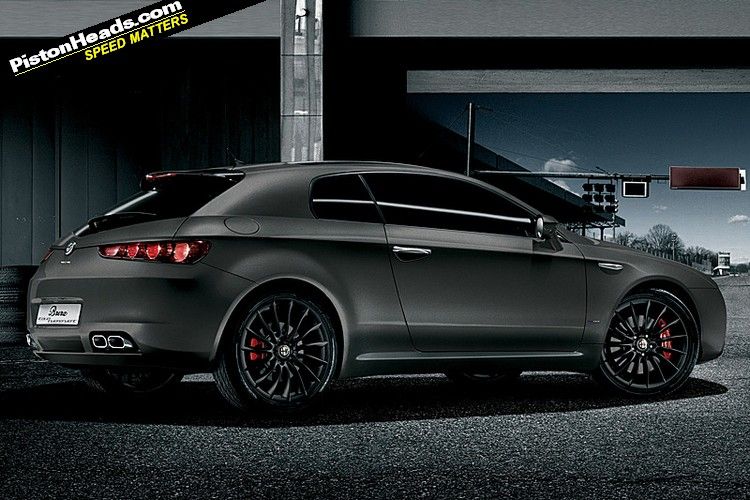 |
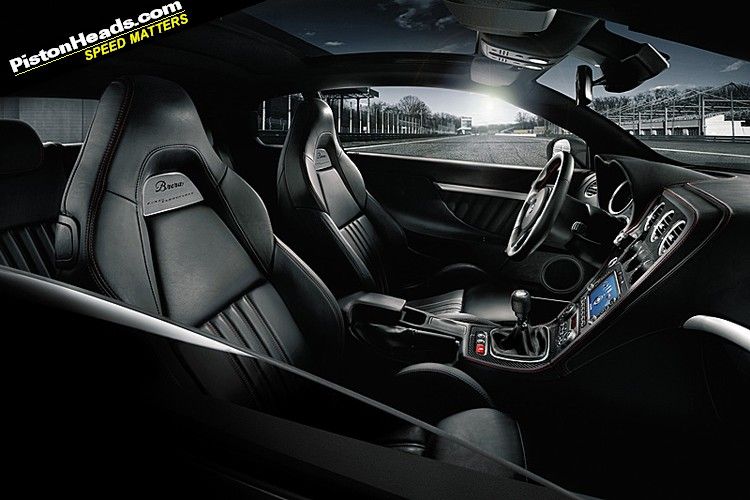 |
TECHNICAL SPECIFICATIONS
ALFA BRERA
| Characteristics | 1750 TBi | 2.0 JTDM |
| No of cylinders, arrangement | 4 in line, transverse front mounted | 4 in line, transverse front mounted |
| Bore x stroke (mm) | 83 x 80.5 | 83 x 90.4 |
| Displacement (cc) | 1742 | 1956 |
| Compression ratio | 9.5 : 1 | 16.5 : 1 |
| Max power output bhp (kW-EC) at rpm | 200 (147) 5000 | 170 (125) 4000 |
| Peak torque Nm(kgm-EC) at rpm | 320 (32.7) 1400 | 360 (36.7) 1750 |
| Timing system | 2 OHC, 4 valves per cylinder, variable valve timing, direct injection Belt drive, roller rocker arms | 2 OHCs (toothed belt), hydraulic tappets, 4 valves per cylinder, MultiJet direct injection with turbocharger and intercooler |
| Fuel feed | Direct injection with turbocharger integrated with ignition, scavenging functional mode | Bosch EDC 16C39 electronic engine management system |
| ELECTRICAL SYSTEM (12V) | ||
| Battery: capacity (Ah) / Generator (A) | 90/120 | 90/100 |
| TRANSMISSION | ||
| Drive | Front | Front |
| Number of gears Final ratio | 6 + 1R - 3.545 | 6 + 1R - 3.545 |
| TYRES | ||
| Standard version | 225/50 R 17 | 225/50 R 17 |
| STEERING SYSTEM | ||
| Steering system | Rack and pinion with power steering | Rack and pinion with power steering |
| Steering diameter kerb-to-kerb m) | 10.7 | 10.7 |
| SUSPENSION | ||
| Front | Independent with double wishbones and anti-roll bar anchored via ball joints | Independent with double wishbones and anti-roll bar anchored via ball joints |
| Rear | Independent with Multilink design | Independent with Multilink design |
| BRAKES – (DISCS) | ||
| Front (mm) | Ventilated 330 x 28 D, fixed aluminium calliper with four 42 mm pistons | Ventilated 330 x 28 D, fixed aluminium calliper with four 42 mm pistons |
| Rear (mm) | Solid 292 x 22 D, combined 42 mm floating calliper | Ventilated 292 x 22 D, combined 42 mm floating calliper |
| WEIGHTS – TANK CAPACITY | ||
| Fuel tank (l) | 70 | 70 |
| Kerb weight DIN (kg) | 1430 | 1480 |
| Max towable weight (kg) | 1450 | 1500 |
| PERFORMANCE | ||
| Top speed mph (km/h) | 146 (235) | 135 (218) |
| Acceleration (driver + 30 kg) 0-62 mph (s) | 7.7 | 8.8 |
| 0-1000 m (s) | 28.9 | 30.2 |
| FUEL CONSUMPTION – EMISSIONS* | ||
| urban cycle mpg (l/100 km) | 23.9 (11.8) | 39.8 (7.1) |
| extra-urban cycle mpg (l/100 km) | 47.1 (6.0) | 64.2 (4.4) |
| combined cycle mpg (l/100 km) | 34.9 (8.1) | 52.3 (5.4) |
| Exhaust emissions – CO2 (g/km) | 189 | 142 |
| Emissions Standard | Euro 5 | Euro 5 |
| ALFA SPIDER | ||
| Characteristics | 1750 TBi | 2.0 JTDM |
| No of cylinders, arrangement | 4 in line, transverse front mounted | 4 in line, transverse front mounted |
| Bore x stroke (mm) | 83 x 80.5 | 83 x 90.4 |
| Displacement (cc) | 1742 | 1956 |
| Compression ratio | 9.5 : 1 | 16.5 : 1 |
| Max power output bhp (kW-EC) at rpm | 200 (147) 5000 | 170 (125) 4000 |
| Peak torque Nm(kgm-EC) at rpm | 320 (32.7) 1400 | 360 (36.7) 1750 |
| Timing system | 2 OHC, 4 valves per cylinder variable valve timing, direct injection Belt drive, roller rocker arms | 2 OHCs (toothed belt), hydraulic tappets, 4 valves per cylinder, MultiJet direct injection with turbocharger and intercooler |
| Fuel feed | Direct injection with turbocharger integrated with ignition, scavenging functional mode | Bosch EDC 16C39 electronic engine management system |
| ELECTRICAL SYSTEM (12V) | ||
| Battery: capacity (Ah) / Generator (A) | 90/120 | 90/100 |
| TRANSMISSION | ||
| Drive | Front | Front |
| Number of gears Final ratio | 6 + 1R - 3.545 | 6 + 1R - 3.545 |
| TYRES | ||
| Standard version | 225/50 R 17 | 225/50 R 17 |
| STEERING SYSTEM | ||
| Steering system | Rack and pinion with power steering | Rack and pinion with power steering |
| Steering diameter kerb-to-kerb m) | 10.7 | 10.7 |
| SUSPENSION | ||
| Front | Independent with double wishbones and anti-roll bar anchored via ball joints | |
| Rear | Independent with Multilink design | |
| BRAKES – (DISCS) | ||
| Front (mm) | Ventilated 330 x 28 D, fixed aluminium calliper with four 42 mm pistons | Ventilated 330 x 28 D, fixed aluminium calliper with four 42 mm pistons |
| Rear (mm) | Solid 292 x 22 D, combined 42 mm floating calliper | Ventilated 292 x 22 D, combined 42 mm floating calliper |
| WEIGHTS – TANK CAPACITY | ||
| Fuel tank (l) | 70 | 70 |
| Kerb weight DIN (kg) | 1490 | 1540 |
| Max towable weight (kg) | 1450 | 1500 |
| PERFORMANCE | ||
| Top speed mph (km/h) | 146 (235) | 135 (218) |
| Acceleration (driver + 30 kg) 0-62 mph (s) | 7.8 | 9.0 |
| 0-1000 m (s) | 29.2 | 30.5 |
| FUEL CONSUMPTION – EMISSIONS* | ||
| urban cycle mpg (l/100 km) | 23.7 (11.9) | 39.8 (7.1) |
| extra-urban cycle mpg (l/100 km) | 46.3 (6.1) | 64.2 (4.4) |
| combined cycle mpg (l/100 km) | 34.5 (8.2) | 52.3 (5.4) |
| Exhaust emissions – CO2 (g/km) | 192 | 142 |
| Emissions Standard | Euro 5 | Euro 5 |
*according to 1999/100EC directive


In other words, I'll wager it'll drive very like the stock 2.0TFSi engine from VAG, which is to say like a diesel with a slightly higher redline. From what evo said, it doesn't even sound very good either (also un-Alfa).
So, welcome to the effects of 'eco-friendly' car design - boring car engines which focus on emissions not driving pleasure, now even from Alfa!
 (
(Plus points - if the curb weight is to be believed, they're not much heavier than a V6 GTV now.
Some of us don't WANT to travel very quickly, we want to DRIVE a car. And all this diesel-like low-down torque does is improve the CO2 figures, improve the off-the-line acceleration stats (which is for chavs and pub-bragging rights only), and make the car more difficult to drive smoothly and progressively.

Some of us don't WANT to travel very quickly, we want to DRIVE a car. And all this diesel-like low-down torque does is improve the CO2 figures, improve the off-the-line acceleration stats (which is for chavs and pub-bragging rights only), and make the car more difficult to drive smoothly and progressively.

Some of us don't WANT to travel very quickly, we want to DRIVE a car. And all this diesel-like low-down torque does is improve the CO2 figures, improve the off-the-line acceleration stats (which is for chavs and pub-bragging rights only), and make the car more difficult to drive smoothly and progressively.
Some of us don't WANT to travel very quickly, we want to DRIVE a car. And all this diesel-like low-down torque does is improve the CO2 figures, improve the off-the-line acceleration stats (which is for chavs and pub-bragging rights only), and make the car more difficult to drive smoothly and progressively.
Also - you're talking out of your arse. Low down torque makes a car difficult to drive smoothly and progressively????


If you've a turbocharged engine delivering peak-torque below 2,000rpm, then it's going to be harder to obtain fine-increment adjustments in power from that engine, particularly with modern DBW throttles (and their associated delay). Out of our 3 cars (all of which I drive regularly), the Golf is the hardest to drive smoothly.
What we need now is a limited edition of the 1750 Turbo (like the Prodrive models) with a 100 - 150kg diet for those that still love alfa coupes and but want a true divers car to a cruiser.
What we need now is a limited edition of the 1750 Turbo (like the Prodrive models) with a 100 - 150kg diet for those that still love alfa coupes and but want a true divers car to a cruiser.
1750Tbi kerb weight = 1430kg
If you've a turbocharged engine delivering peak-torque below 2,000rpm, then it's going to be harder to obtain fine-increment adjustments in power from that engine, particularly with modern DBW throttles (and their associated delay). Out of our 3 cars (all of which I drive regularly), the Golf is the hardest to drive smoothly.
What we need now is a limited edition of the 1750 Turbo (like the Prodrive models) with a 100 - 150kg diet for those that still love alfa coupes and but want a true divers car to a cruiser.
1750Tbi kerb weight = 1430kg
So now, the heaviest one is the V6 Q4 Q-Tronic at 1625kg. The manual V6 Q4 is 1605kg, the fwd V6 is 1540kg, and the 2.2 was 1445kg.
The problem is that they didn't really publicise the weight loss, other than with the Prodrive cars, so a lot of people (and a lot of magazines) still quote the weight of the original, heavier, launch cars.
The 1750TBi in this guise isn't going to set the heather on fire, but remember that this is the entry-level petrol engine, and is quicker, lighter, and more economical than the 2.2 it replaces.
If you've a turbocharged engine delivering peak-torque below 2,000rpm, then it's going to be harder to obtain fine-increment adjustments in power from that engine, particularly with modern DBW throttles (and their associated delay). Out of our 3 cars (all of which I drive regularly), the Golf is the hardest to drive smoothly.
I agree that this engine will certainly not be as much fun as the old V6 but I will wait until I have driven one before passing judgement on just how far behind it is.

Gassing Station | General Gassing [Archive] | Top of Page | What's New | My Stuff