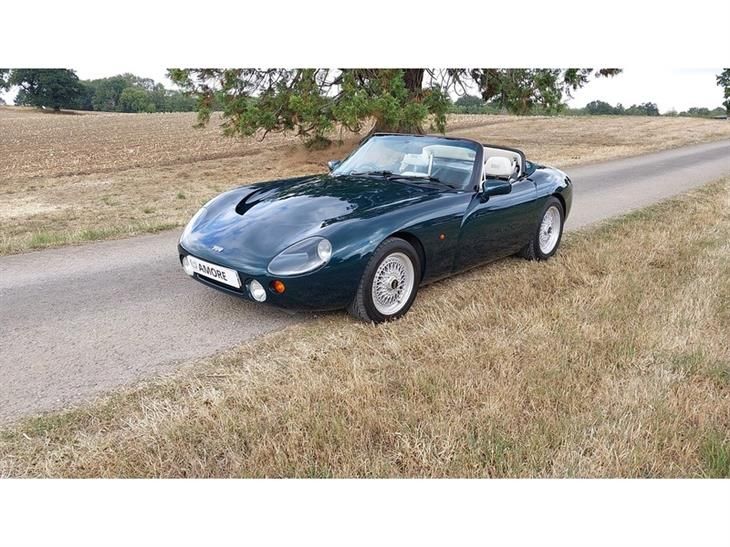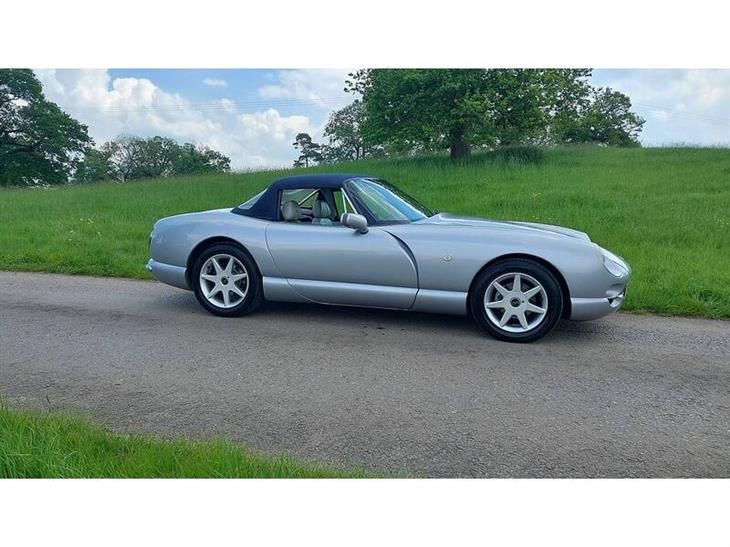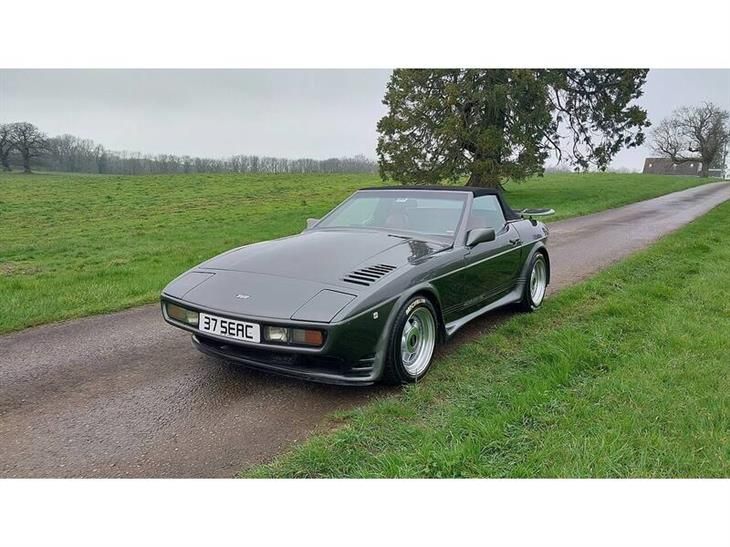
If you've lowered your car window to hear the sound of a TVR pass then
you'll no doubt have lusted after the various models produced during the
early 90's, all of which provided amazing aural entertainment.
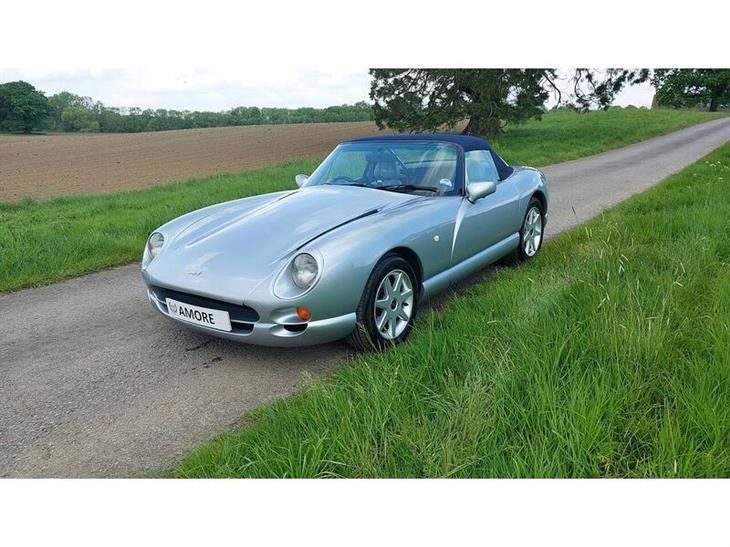
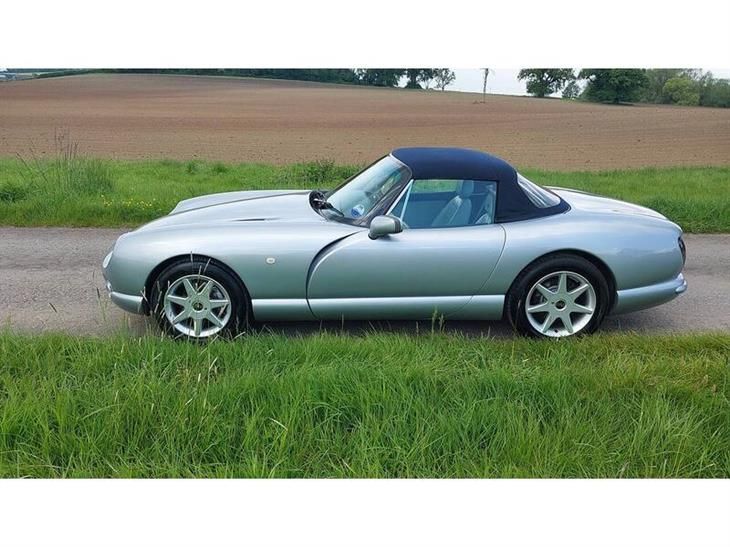
Whilst good Griffiths and Chimaeras are still commanding prices well
north of £10K, you can still get your foot on the TVR ladder with the
equally pretty little S Series. Great examples can be had for the correct
side of the £10K barrier and running costs are cheaper too.
Many people look upon the S Series as the entry level car to
the range. It is of course, but it's also a superb car in its own
right. With simple mechanicals, Ford running gear and a TVR tuned exhaust
note the S still represents great value when compared with more modern
roadsters. It comes with 2.8/2.9 litre V6 or 4 litre V8, making
1.8 four pot Mazdas seem a little lacking in oomph. Whilst the V6 isn't as
quick as it's more macho V8S big brother, the torquey nature of the Ford
engine does make it very easy to drive and a very easy car to have fun in.
Drop a cog, ease the throttle down and you'll wonder what TVR did to wring
such a gorgeous engine note from the venerable Granada engine.
Ride and Handling
Riding in an S can be a culture shock for those more used to modern
Euroboxes or cutesy modern roadsters. This is a sportscar from the old
school. Aside from the obvious wind and engine noise, be prepared for
(initially disconcerting) rattles and clunks particularly when driving on
rough road surfaces.
You sit very low in the S Series which can also be a little
intimidating when in traffic until you get used to it. The cars also ride
very low (older cars will have soggy springs too) and bumpy roads and
speed bumps are a constant source of unease. The exhaust is routed under
the chassis and is the first point of contact with the tarmac. It's the
front down pipes which take the brunt of it and it's not uncommon to see
them bashed into half the bore they should be. Aside from checking your
springs and driving carefully it's a fact of life that you will ground
out. That said, the cars are tough as old nails and will take a real
hammering.
Push hard on a rough surface and the ride is skittish. There's far more
chassis feedback than in a Griffith or Chimaera but you don't always want
that level of feedback! It's not as refined as those later models which
have a more solidly built feel overall.
On track the S is simply huge fun and a great introduction
to sports cars. Its handling is entertaining yet inherently safe. You'll
feel like you're cornering on your door handles and it will sound as if
you're at the limit thanks to some very squealy tyres! Push harder and
you'll find the edge of the envelope is still a long way off. Build up a
good turn of pace around a track and you'll find the S is more likely to
suffer understeer than oversteer. Give it enough welly and you'll get the
back end out eventually but you'll have to try a lot harder than you might
expect.
Living with an S
Living with an S isn't too difficult. They are very tough cars and even
when treated to plenty of hard driving they stand up to it remarkably
well. Some parts are becoming more difficult to get hold of now but unless
you pick up a particularly tired example then you won't be searching for
parts often enough to cause you too much ongoing grief. The prevalence of
Ford parts helps so even the likes of Kwik-Fit will be able to sort you
out in a post-trackday-no-brakes-left scenario.
In
terms of boring practicalities, the boot is small, especially with the
roof in it so you'll need to invest in some soft bags for your luggage. If
it's your only car then you need to work out how to move furniture in
future too! The top roof panels stows in the boot so if you're planning a
trip to Europe, you'll be travelling light.
Running Costs
Parts such as trailing arms and steering racks are becoming
increasingly difficult to get hold of, but find a good specialist garage
or ask other owners on the Gassing Station and you'll soon know what the
score is.
Find a local specialist to look after your car if you don't plan on
doing it yourself. Many TVR dealers aren't that keen on looking after the
older cars now and you'll be paying higher labour rates than you need.
Budget on running costs (servicing, maintenance, tyres etc.) of about
around £1500 per year for 10,000 miles. Sadly insurers still classify the
S in group 20.
Buying

Delaminating windscreens are a common problem on
TVRs due to the flexing of the body. Don't worry about it. |

The V6 is Not a thing of beauty. Check for leaks
and damage to exhaust. |

Crazed GRP around stressed points rarely gets
worse. |

Wheels can get scuzzy if the lacquer peels off.
Repolishing possible but beware of damaged 8 spokes as replacements
are are rare as hen's teeth. |

Front spotlights on later models. These are prone
to stone chipping. Indicators are easily damaged by parking too
close to a wall. Replacements indicator lenses are about £12. |
Whilst the cars are tough, finding one that is cosmetically perfect as
well as mechanically sound is increasingly difficult. Less than 3,000 were
built and a fair proportion will have been consigned to hedgerows by now.
If you find a car in the right colours that's in good condition then
you'll need to move quickly as they are increasingly in demand.
Have a look over the car yourself, but unless you're very familiar with
them get an expert to give their assessment or you may end up worrying about some things unnecessarily. Ask the owner if they'll take
it to a local dealer or specialist. The price of an hour's labour is
considerably cheaper than the AA or RAC's inspection services (and
specialists will know the weak points better).
Don't be put off by surface corrosion on the chassis (even TVR's newer
cars are known to have the paint flaking off within a couple of years),
but do have a prod for anything more serious. Springs and shocks are often
neglected by owners so give them a good check. Replacing them isn't too
expensive.
The engines are good old workhorses with the Ford unit well capable
of enduring 100,000+ miles without any drama. The V6 unit isn't
very smooth in this environment and can sound quite tappety. Check for
leaks but expect some minor seepages in older cars.
The bodywork is likely to suffer some minor crazing and stress cracks
but GRP is incredibly strong generally. Panel alignment won't be to modern
standards so don't assume the car has been bashed if panels aren't quite
straight. The doors are likely to have sagged on their hinges in most S's.
Tolerate some sagging but if it's bad then it can be an expensive job to
sort properly.
The cooling system is particularly important in these cars as they do
get very hot when worked hard. Check for leaks and check the state of the
coolant. A recored radiator costs around £250 and most cars get through a
few in their lifetime.
Don't worry about leaks from the roof. Either garage the car or get a hood cover. If
the car does leak then don't spend months trying to track it down - it's
not worth the effort!
Do it now!
With the cars now commanding prices of between £5K and £10K most
dealers aren't bothering with them any more so you will probably have to
buy privately. Be patient and you'll still find some superb cars out
there, but be prepared to snap them up quick as TVR's high profile these
days means that smart entry level cars are in great demand.
You might be surprised at what you let yourself in for when you get one
though. I don't mean in terms of the car, but the unexpected benefits. The
social scene that goes with owning a TVR is something I hadn't banked on
when I bought mine. I'm not talking trunnion polishing and car shows
either but track days, beer and trips abroad - be prepared, it will
change your life!
|