
(Ugly) Aerodynamic Wheels
Discussion


smithyithy said:
On one of the Manthey Racing cars I'm guessing?
Correct, found it - https://www.pistonheads.com/gassing/topic.asp?h=0&...


The things on the front wheels of the integrale are for brake cooling.
This type of wheel is probably the most aerodynamic. Used on a few road cars, the Lister Jaguars, the Escort Cosworth Monte Carlo.

A common feature on cars at the Boneville Salt Flats. I think they were called moon discs.

This type of wheel is probably the most aerodynamic. Used on a few road cars, the Lister Jaguars, the Escort Cosworth Monte Carlo.
A common feature on cars at the Boneville Salt Flats. I think they were called moon discs.
Edited by SlimJim16v on Thursday 20th October 11:01

iphonedyou said:
ro250 said:
I'm still coming to terms having just learned here that Tesla call wheel trims "aero covers".
Because they're aerodynamic covers over the alloys underneath, no?Have they renamed tyres "dynamic road grippers"?
anonymous said:
[redacted]
Not bizarre at all.Both the aircon and the drag of the wheels 'consume' energy over a given distance.
More energy will be saved by turning the a/c off than by changing from mostly open wheels to mostly closed wheels.
Obviously not having a/c could be uncomfortable for everyone in the car, the looks of the wheels is a subjective thing.
This is far more relevant to EVs than ICEs of course.
cuprabob said:
I also don't get the obsession with diamond cut finishes which again in my opinion are not robust enough to last a UK winter.
Everything has them, and they all look horrid.All I see when I see a car on the optical illusion thin spoke, black painted, diamond cut wheels is Ripspeed Halfords multi-fits.
Only car that looked good with diamond cut faces in recent years was the 19" rims on an E46 M3.
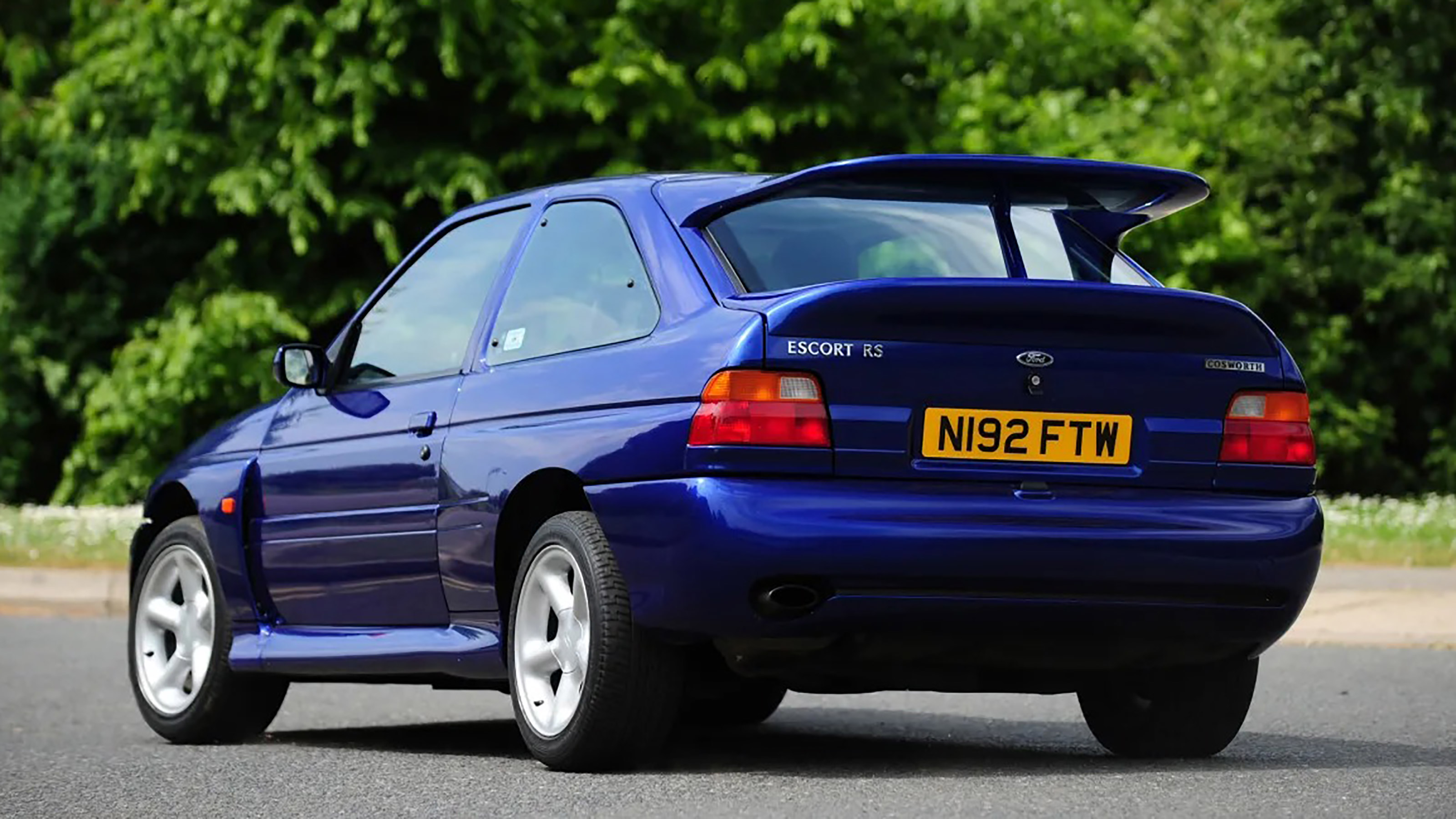
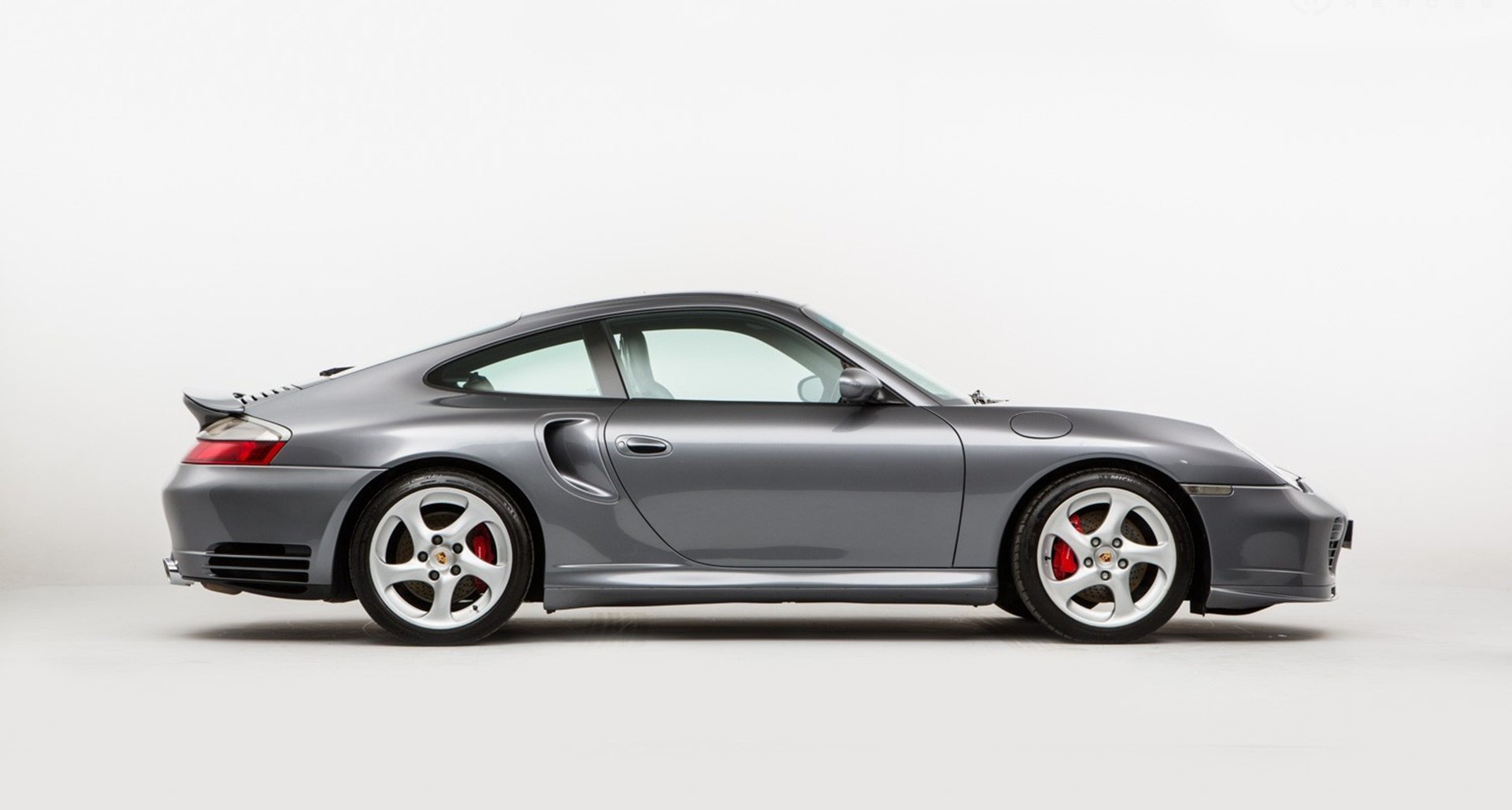
I'm keen to campaign to bring back sidewalls, and I think maybe far spokes need a return too.
How great do these look???

Some data based (slightly rounded) reasoning for the aero wheel argument on 2 similar cars which shall remain nameless:
On an ICE, air resistance might account for 8kWh/100km
On an equivalent BEV, air resistance would account for around 6kWh/100km
So not much difference (the EV has a lower Cd driving the difference in the above figures).
However, when you consider that the total energy consumption of the ICE car is approx 110kWh/100km, of which 85kWh is engine losses (including waste heat), while the EV total is 26kWh/100km...
As a percentage, air resistance is about 8% of total energy in an ICE, but anywhere from 20-25% in an EV.
This is why you're seeing them much more prominently on EV's. The benefit of an aero wheel in absolute terms is the same on an ICE, but it makes such a small overall difference due to the engine losses, that it wasn't required to anywhere near the same level as it is on a BEV.
In terms of the real world difference, a 21" aero optimised wheel vs a 21" completely open, lightweight optimised wheel is approx 5% of EV range. The higher the speed (e.g. motorway driving) the higher the impact. At <40mph/city driving, the difference becomes negligible.
Incidentally the same proportional energy argument applies to rolling resistance as well, which is why low rolling resistance tyres again have much greater impact as a percentage in an EV than they do an ICE (again, easily in the order of 4-5% range).
On an ICE, air resistance might account for 8kWh/100km
On an equivalent BEV, air resistance would account for around 6kWh/100km
So not much difference (the EV has a lower Cd driving the difference in the above figures).
However, when you consider that the total energy consumption of the ICE car is approx 110kWh/100km, of which 85kWh is engine losses (including waste heat), while the EV total is 26kWh/100km...
As a percentage, air resistance is about 8% of total energy in an ICE, but anywhere from 20-25% in an EV.
This is why you're seeing them much more prominently on EV's. The benefit of an aero wheel in absolute terms is the same on an ICE, but it makes such a small overall difference due to the engine losses, that it wasn't required to anywhere near the same level as it is on a BEV.
In terms of the real world difference, a 21" aero optimised wheel vs a 21" completely open, lightweight optimised wheel is approx 5% of EV range. The higher the speed (e.g. motorway driving) the higher the impact. At <40mph/city driving, the difference becomes negligible.
Incidentally the same proportional energy argument applies to rolling resistance as well, which is why low rolling resistance tyres again have much greater impact as a percentage in an EV than they do an ICE (again, easily in the order of 4-5% range).
SuperPav said:
Some data based (slightly rounded) reasoning for the aero wheel argument on 2 similar cars which shall remain nameless:
On an ICE, air resistance might account for 8kWh/100km
On an equivalent BEV, air resistance would account for around 6kWh/100km
So not much difference (the EV has a lower Cd driving the difference in the above figures).
However, when you consider that the total energy consumption of the ICE car is approx 110kWh/100km, of which 85kWh is engine losses (including waste heat), while the EV total is 26kWh/100km...
As a percentage, air resistance is about 8% of total energy in an ICE, but anywhere from 20-25% in an EV.
This is why you're seeing them much more prominently on EV's. The benefit of an aero wheel in absolute terms is the same on an ICE, but it makes such a small overall difference due to the engine losses, that it wasn't required to anywhere near the same level as it is on a BEV.
In terms of the real world difference, a 21" aero optimised wheel vs a 21" completely open, lightweight optimised wheel is approx 5% of EV range. The higher the speed (e.g. motorway driving) the higher the impact. At <40mph/city driving, the difference becomes negligible.
Incidentally the same proportional energy argument applies to rolling resistance as well, which is why low rolling resistance tyres again have much greater impact as a percentage in an EV than they do an ICE (again, easily in the order of 4-5% range).
Your 6 kWh/100km value for EV drag is an aggregated value based around a specific drive cycle.On an ICE, air resistance might account for 8kWh/100km
On an equivalent BEV, air resistance would account for around 6kWh/100km
So not much difference (the EV has a lower Cd driving the difference in the above figures).
However, when you consider that the total energy consumption of the ICE car is approx 110kWh/100km, of which 85kWh is engine losses (including waste heat), while the EV total is 26kWh/100km...
As a percentage, air resistance is about 8% of total energy in an ICE, but anywhere from 20-25% in an EV.
This is why you're seeing them much more prominently on EV's. The benefit of an aero wheel in absolute terms is the same on an ICE, but it makes such a small overall difference due to the engine losses, that it wasn't required to anywhere near the same level as it is on a BEV.
In terms of the real world difference, a 21" aero optimised wheel vs a 21" completely open, lightweight optimised wheel is approx 5% of EV range. The higher the speed (e.g. motorway driving) the higher the impact. At <40mph/city driving, the difference becomes negligible.
Incidentally the same proportional energy argument applies to rolling resistance as well, which is why low rolling resistance tyres again have much greater impact as a percentage in an EV than they do an ICE (again, easily in the order of 4-5% range).
I think it's important to explain that the instantaneous value is speed dependent and increases exponentially with speed.
It starts at zero and be can be as high as 25 or 30 when at say 100 mph.
Conversely the value for rolling resistance is quasi-independent of speed and will remain essentially fixed at say 5 or 6 kWh/100km.
Could you elaborate what the value for rolling resistance is for your nameless EV?
As much as I hate to admit it... The tesla idea of having "nice" wheels with optional, more aerodynamic but uglier covers is very sensible.
It's better than offering two different types of wheel (as that slows production) and makes it easy for you to decide what you prefer...
Eg if you have a long journey it's more worth your while to have them, than lots of short journeys round town.
It's better than offering two different types of wheel (as that slows production) and makes it easy for you to decide what you prefer...
Eg if you have a long journey it's more worth your while to have them, than lots of short journeys round town.
Yes, you're absolutely right, the values are from an aggregated WLTP combined cycle on both cars. The EV *total* energy usage also includes a 7kWh/100km cabin heating load manually overlaid for a 0-deg ambient scenario, which would not be part of the WLTP cycle, but this doesn't impact any of the other numbers.
Rolling resistance 7.5kWh/100km (ICE) vs 5kWh/100km(EV) - EV on low rolling resistance tyres, ICE on "normal" summer tyres.
The cycle itself is not massively unrepresentative for a lot of people, but as I said previously, motorway usage would have very pronounced variation driven by these factors, whereas city usage would primarily be influenced by the heating requirement for example (7kW heat pump working whether you're doing 1mph or 100mph, whereas in autumn/spring you might be seeing 500W of heating/cooling load)
Rolling resistance 7.5kWh/100km (ICE) vs 5kWh/100km(EV) - EV on low rolling resistance tyres, ICE on "normal" summer tyres.
The cycle itself is not massively unrepresentative for a lot of people, but as I said previously, motorway usage would have very pronounced variation driven by these factors, whereas city usage would primarily be influenced by the heating requirement for example (7kW heat pump working whether you're doing 1mph or 100mph, whereas in autumn/spring you might be seeing 500W of heating/cooling load)
iphonedyou said:
ro250 said:
I'm still coming to terms having just learned here that Tesla call wheel trims "aero covers".
Because they're aerodynamic covers over the alloys underneath, no?If they described them as wheel trims you would have a lot of people wondering why you put weird plastic trims over alloys.
Edited by 98elise on Thursday 20th October 16:35
Plymo said:
As much as I hate to admit it... The tesla idea of having "nice" wheels with optional, more aerodynamic but uglier covers is very sensible.
It's better than offering two different types of wheel (as that slows production) and makes it easy for you to decide what you prefer...
Eg if you have a long journey it's more worth your while to have them, than lots of short journeys round town.
They still have options. The basic alloy + aero covers is the standard fitment IIRC.It's better than offering two different types of wheel (as that slows production) and makes it easy for you to decide what you prefer...
Eg if you have a long journey it's more worth your while to have them, than lots of short journeys round town.
xu5 said:
I gather that reducing drag is an important part of efficiency for an EV hence the fitment of aerodynamic wheels, but pretty much invariably I find the design of such wheels quite ugly. What is it that makes a wheel aerodynamic, having a flat face?
I tend to favour more traditional designs like a five to ten spoke motorsportesqe style. What kind of difference would changing the wheels of a EV make to efficiency?
Aero wheels have been around for decades. I'm pretty sure someone started a thread similar to this a few months ago and there were loads of examples given.I tend to favour more traditional designs like a five to ten spoke motorsportesqe style. What kind of difference would changing the wheels of a EV make to efficiency?


Gassing Station | General Gassing | Top of Page | What's New | My Stuff