
Porsche 993 Buying Guide - Body
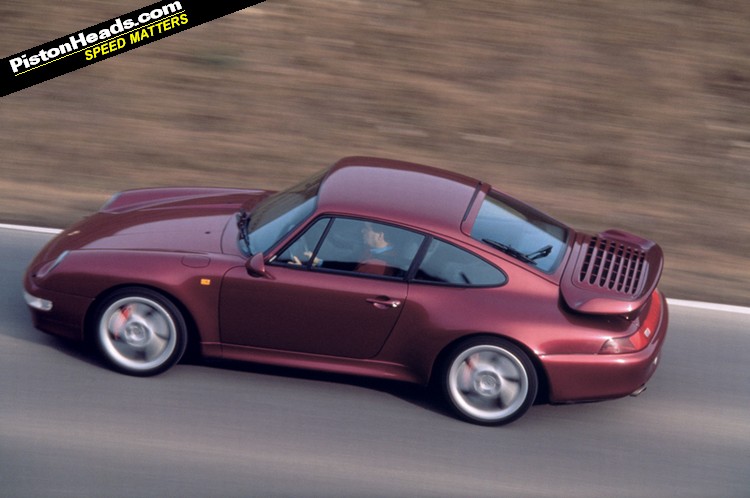
Even so, the 993’s bodyshell was 80% new compared to the 964’s, with only the roof and bonnet of the 964 making it on to the 993. Styled by Brit Tony Hatter, the 993 incorporated a pop-up rear spoiler that automatically sprang up at 50mph and retracted at 5mph.
The body itself is 20% stiffer than the 964’s and is made of steel that is hot zinc galvanised. For this reason, rust on a 993’s body is a good indicator of poor repairs. Look for rust around the lower edges of the front and rear screens, and check the rear bumper stays by feeling for any movement when the rear bumper is pushed and pulled. Also look under the front bumper for signs of rust brought on by the long nose connecting with sleeping policemen or kerbs. It’s easy to overlook this area and there are air vents just ahead of the front wheels. If these vents are damaged, it means a whole new bumper to make good the repair.
Search for Porsche 993 911s here
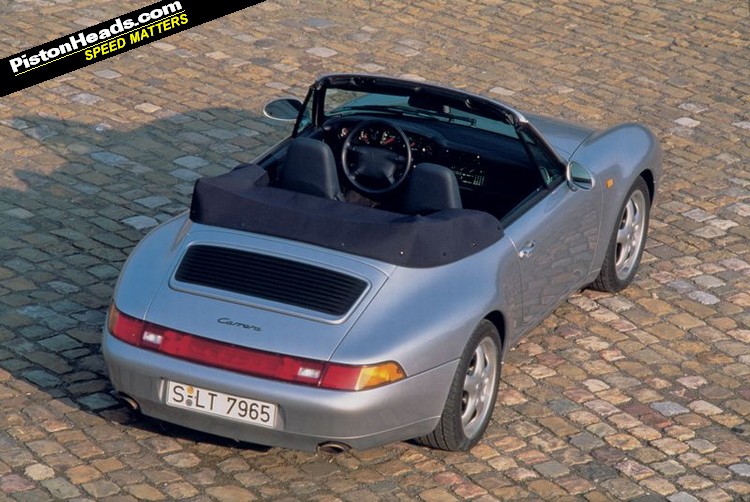
The Targa uses the same body as the Cabriolet and the Targa roof is simply fixed in place instead of the soft-top. There’s additional bracing around the windscreen in the Targa to help it drive more like a coupe than a cabrio.
When looking at any 993, there are three places where the VIN (vehicle identification number) appears. Check the one in the logbook matches all three, which can be found on a metal tag fixed just under the front-mounted petrol tank, on the Vehicle Identification Label fixed to the right-hand side B-pillar and on a label sited in the left-hand lower corner of the windscreen.
While looking under the bonnet for the VIN tag, have a look at the paint on the chassis legs. Porsche didn’t spray colour coats all the way along these sections and left them in a white base coat. Any part that has been sprayed here may have had crash repairs, so tread carefully.
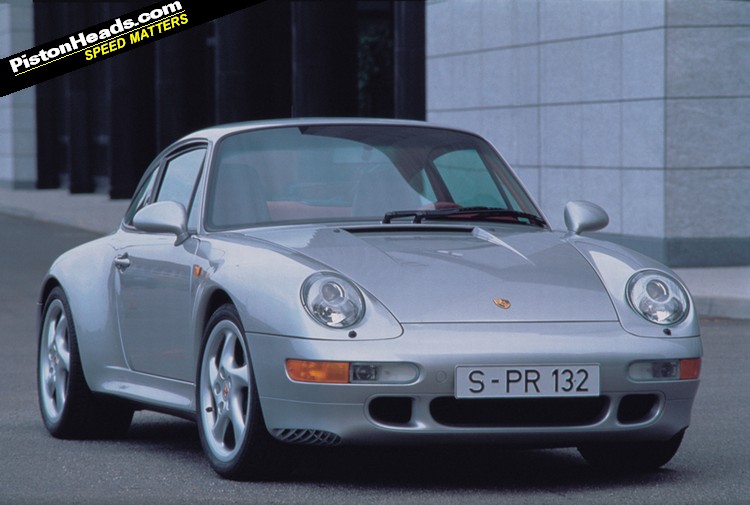
The RS and GT2 have unique body additions, so be sure these are present and in good condition when buying as replacements are costly. With the Turbo and Carrera S models, look for damage to the broader rear wings, which increase the Turbo’s width by 60mm over a Carrera 2’s. The GT2’s bolt-on arch extensions are prone to damage and its bi-plane rear wing can pick up stone chips. Also look for damage to the delicate aluminium doors and bonnet of the GT2.
Headlights are easy to remove thanks to a small lever in the front luggage compartment releases the headlights for bulb replacement. Some owners have upgraded to Xenon headlights and recommend the swap.
Also inside the boot, the RS has a strut brace between the front suspension turrets, which have spherical joints and stiffer bushes. The RS’s bodyshell is also seam welded rather than spot welded for extra strength, and its wheelarches were gently pulled to clear the larger wheels and tyres. A unique front bumper with splitter is fitted along with a trademark whaletail rear spoiler. The Turbo also had a large ‘tea tray’ rear spoiler, sill mouldings and flared wheelarches. All 993s came with a 75-litre fuel tank, while a 92-litre tank was an option.
Porsche 993 - Introduction
Porsche 993 - Powertrain
Porsche 993 - Rolling Chassis
Porsche 993 - Body (viewing now)
Porsche 993 - Interior
Porsche 993 - General Experiences
Porsche 993 - Insurance (Sponsored link)
Search for Porsche 993 911s here


One classic is the 'creaking windscreen' that afflicts 993s. Not sure how to solve it...
Headlights are pathetic but there is an HID upgrade available and it's strongly recommended.
Minor correction to the above text - the strut brace was not standard on the RS - it was only fitted to 'Club Sport" versions (I think - I'm sure someone here knows for sure) but was probably available as an option on non-CS cars.
The air-bag wheel is a bit clumsy and definitely out of character for an RS. The "Club Sport" wheel is a great upgrade - much nicer to handle and, being an inch smaller diameter, has the effect of speeding up the steering a little which also suits the car nicely.
Gassing Station | Porsche General | Top of Page | What's New | My Stuff