
Triumph TE-1 prototype gets Williams battery tech
New EV is said to be lighter, faster and furnished with a longer range than its rivals. Looks good too
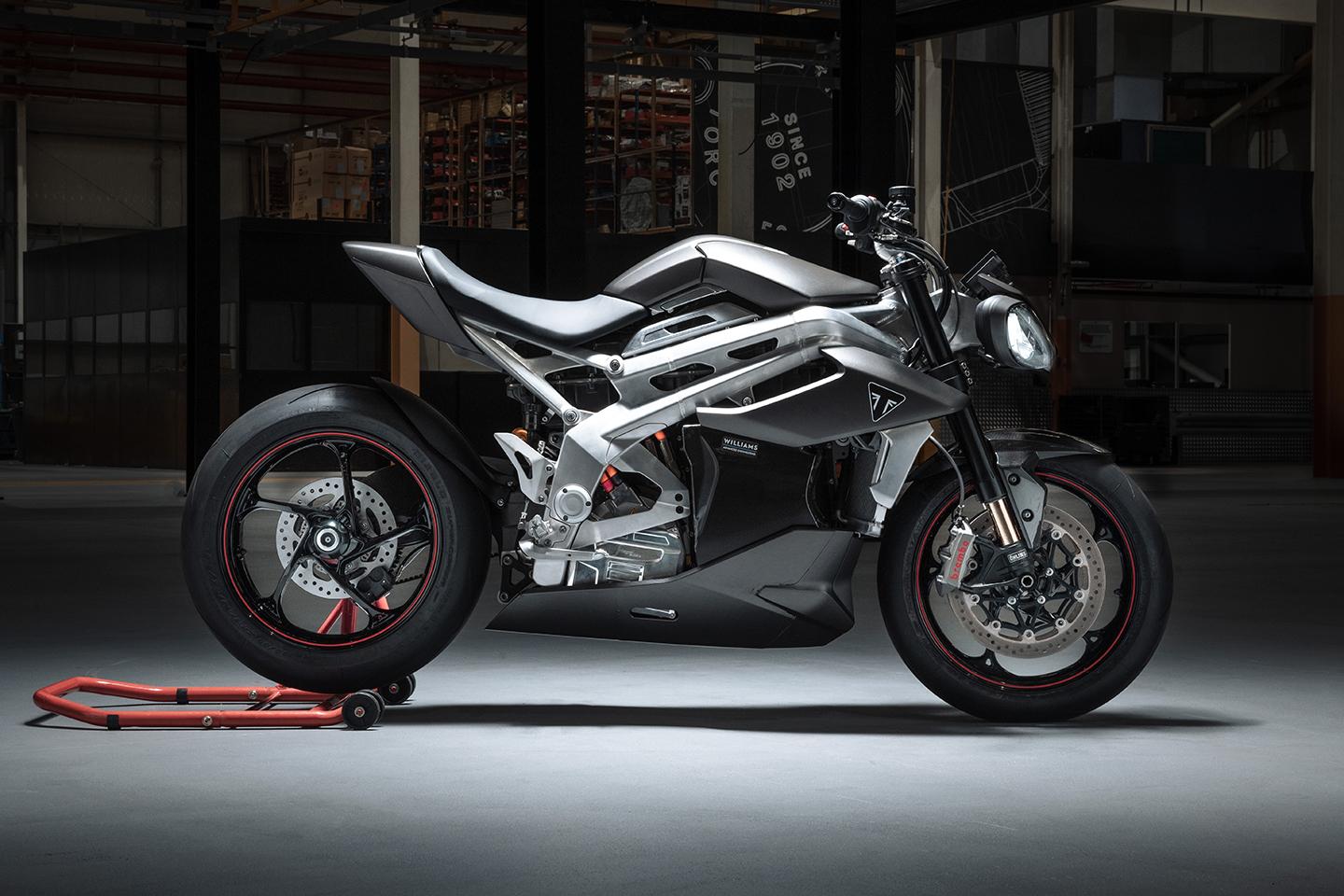
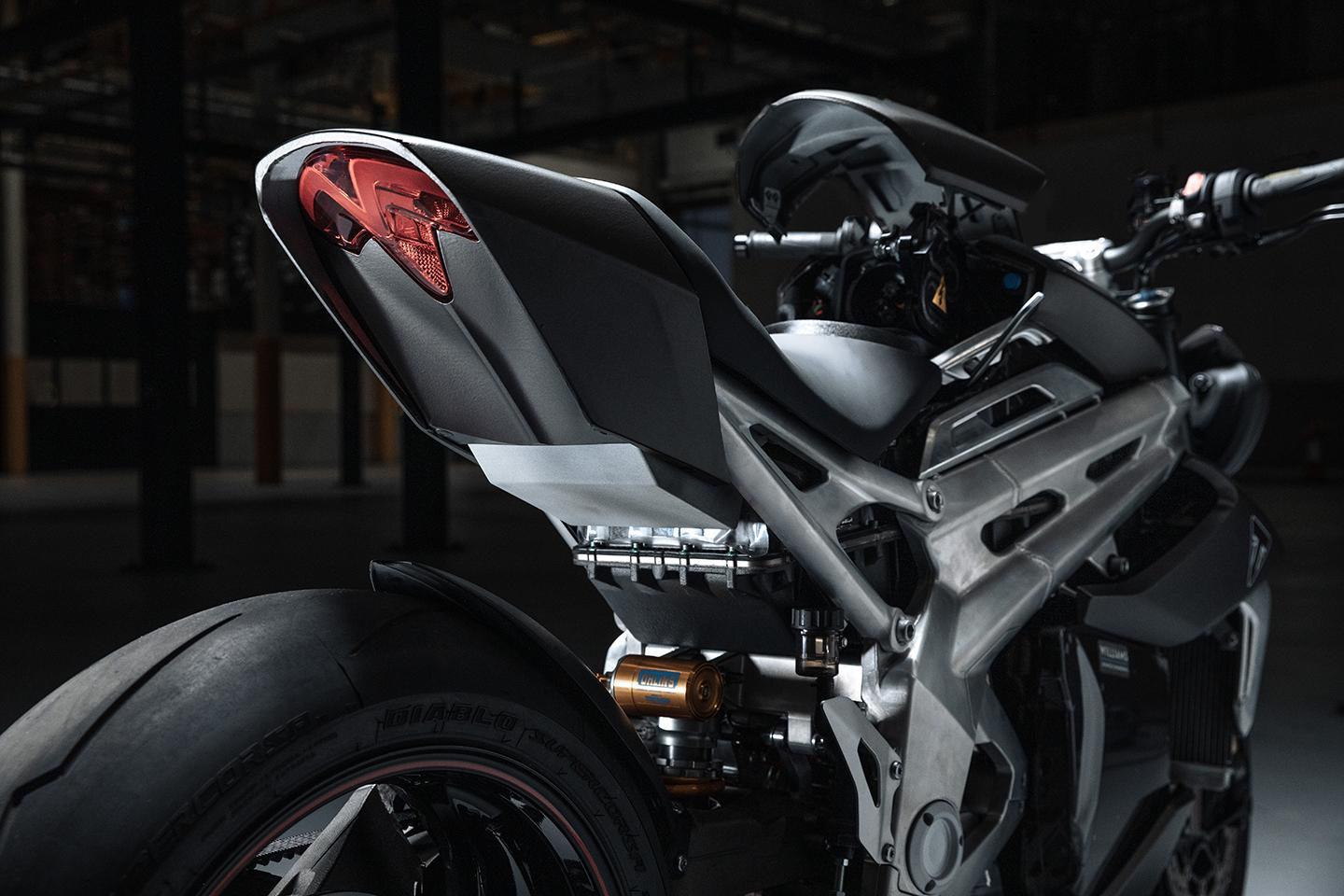
If you're into motorbikes then there's a good chance that a Triumph triple will captivate you in the way that a flat-six, V8 or V12 car does. But just as there's a need to accept things are changing in the world of four wheels, the world of two wheels is in a state of flux, too. There are electric motorbikes already, of course - some of them from emerging manufacturers and some from the old guard, like the Harley Davidson Livewire. And then there's the forthcoming Triumph TE-1, which is now a completed prototype.
Triumph claims the TE-1 will set new standards for electric bike performance, with class-leading power, efficiency, charging time and range. This is thanks to the assistance of Williams Advanced Engineering (WAE) on the design of the battery, software and high-voltage electrics. WAE skills are well known in the field of battery technology - we recently reported on WAE's sale to Fortescue Metals Group, which is looking to develop EVs for heavy-industry products. The TE-1 project also involved Integral Powertrain Ltd and the University of Warwick.
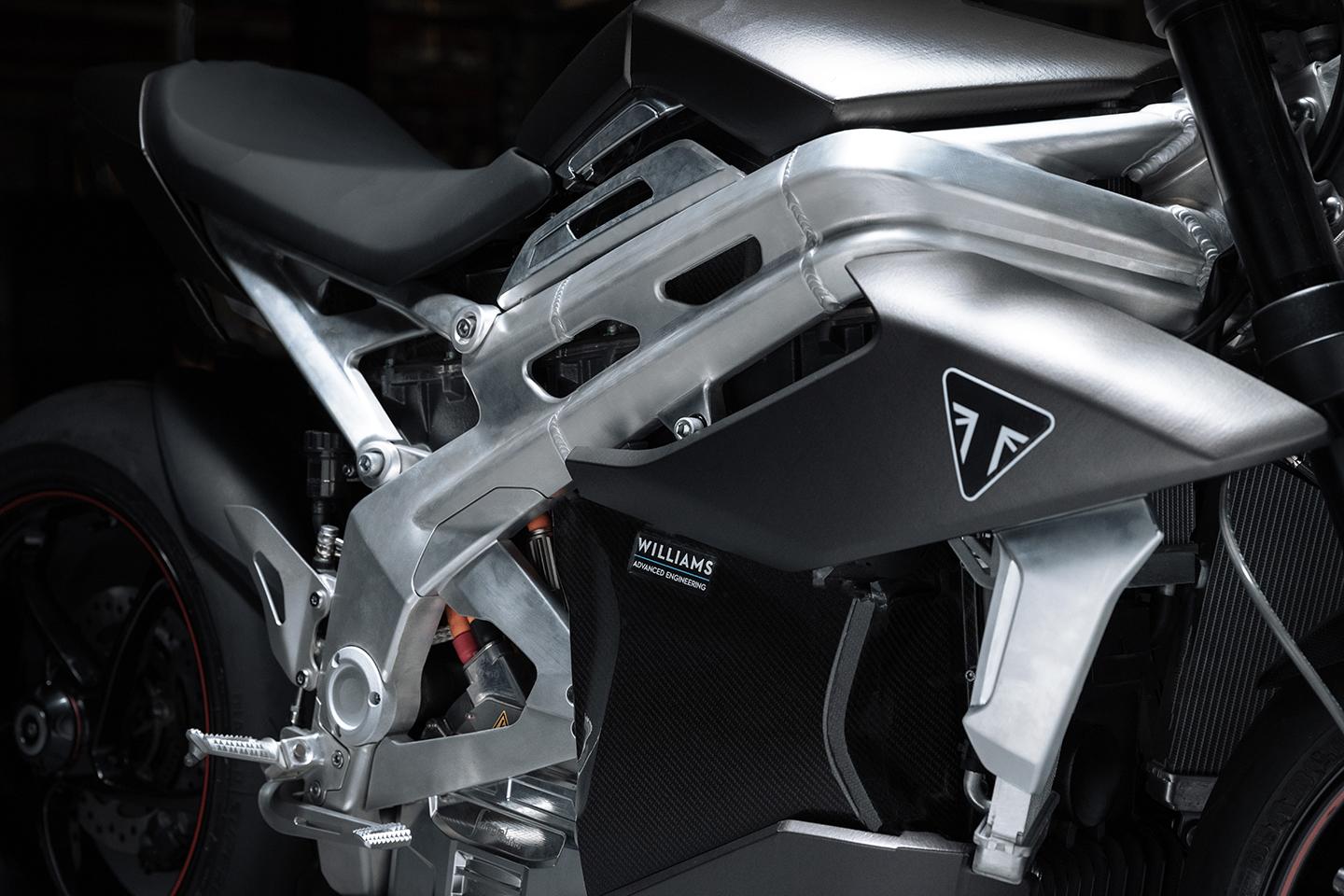
The concept uses WAE's cutting-edge battery module technology. This is centred around 21,700 cylindrical cells with a storage capacity of 15kWh. It's liquid cooled with a DC/DC converter and gives the TE-1 peak motor power of 177hp, as well as a continuous motor output of 109hp, regardless of the state of charge of the battery.
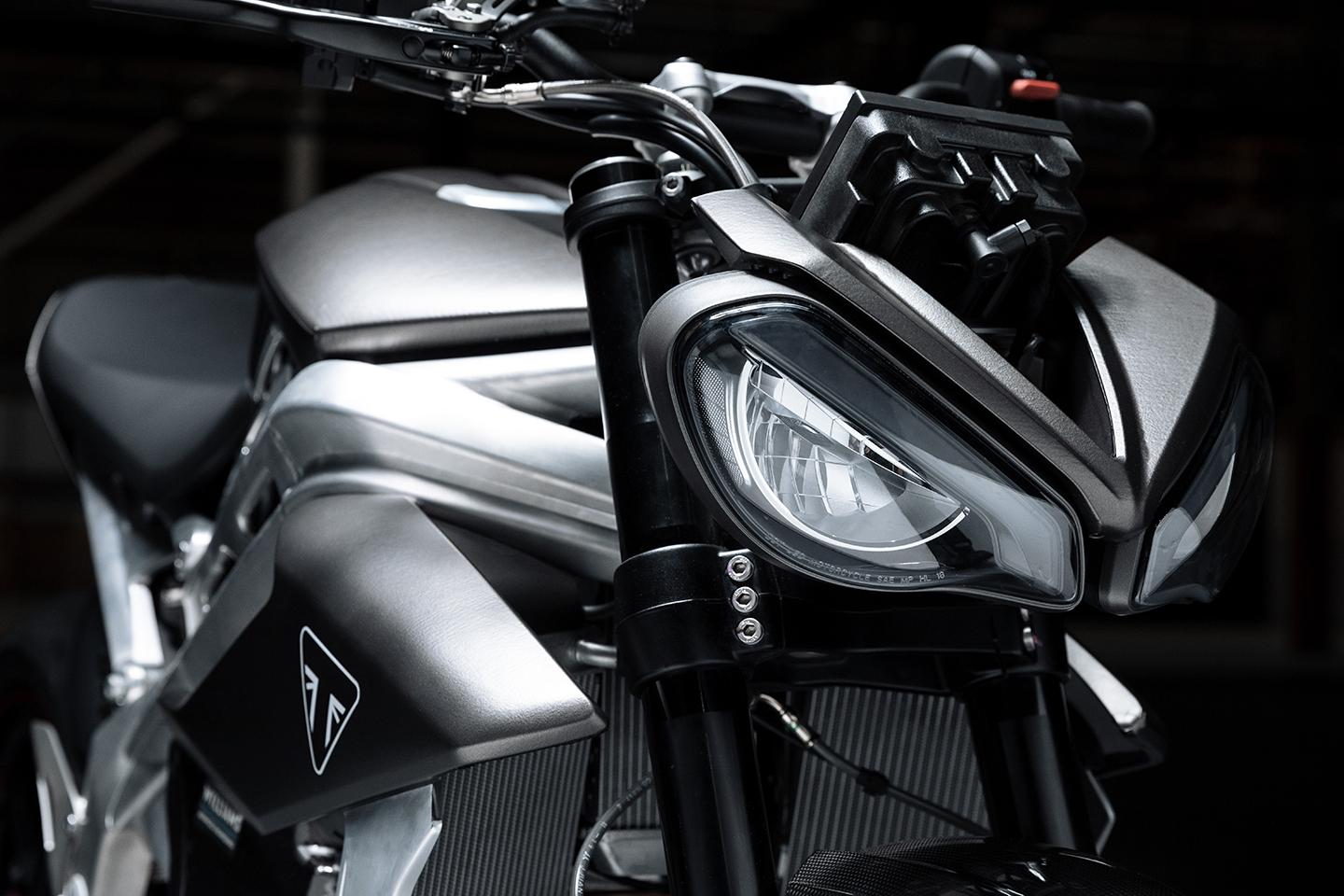
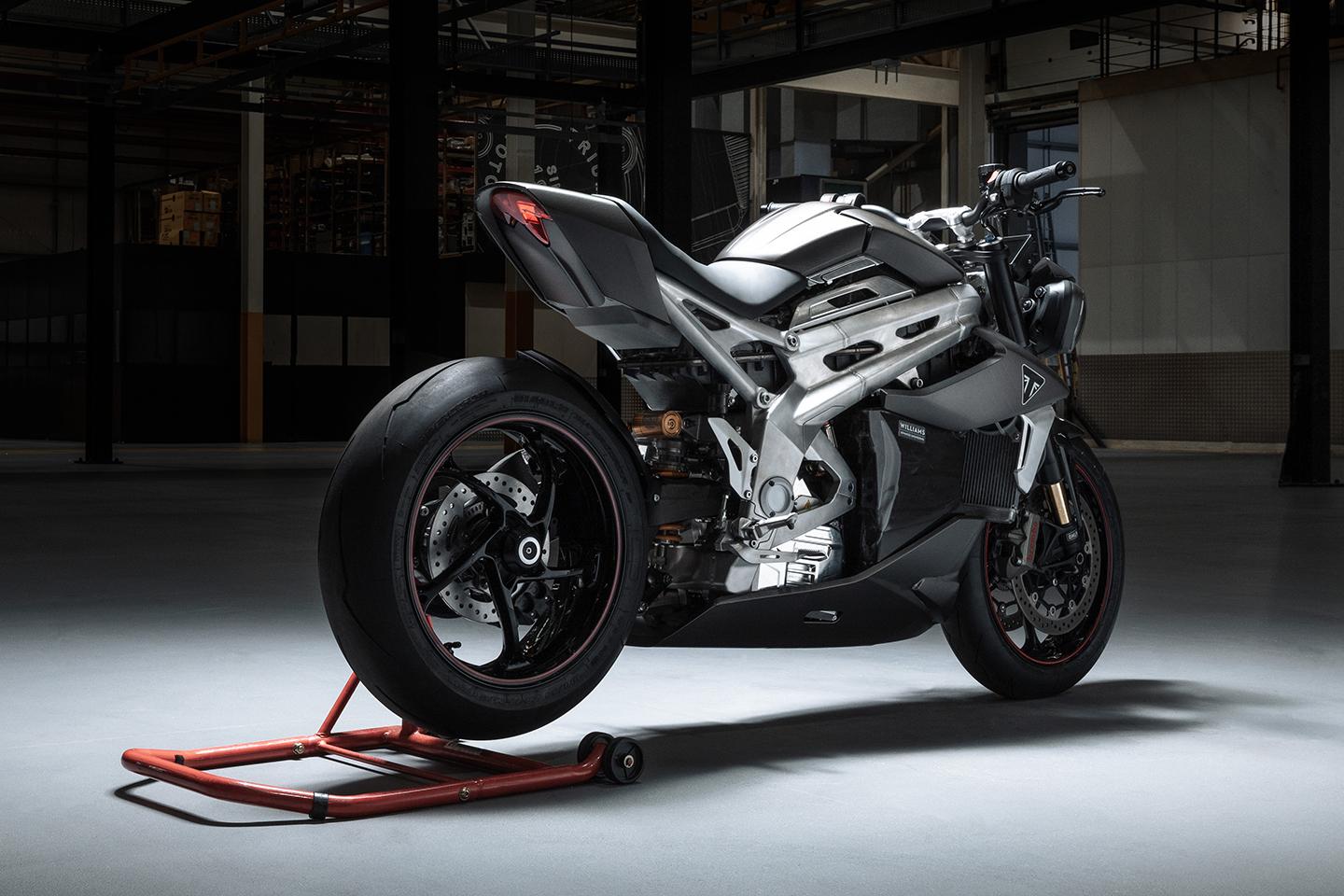
The design is also said to reduce the overall weight of the bike, which at 220kg represents a significant reduction on the 251kg Livewire. The 120-miles WMTC range also beats the Harley's by 20 miles, and with 360-volt charging, the TE-1 can go from 0-80% charged in just 20 minutes. That is significantly quicker than any of its main rivals.
The gains come mostly from integrating the high-voltage systems with appropriate materials and WAE's latest technology. The battery pack is semi-structural and includes a lot more componentry compared with a typical motorcycle battery pack. For example, its bespoke control unit has been integrated into the battery pack to minimise weight. It's part of a 'holistic, integrated approach to the problems associated with an EV motorcycle.' Apparently the biggest challenge was delivering the targeted electrical storage, power and packaging while keeping the centre of gravity low enough to achieve Triumph's dynamic targets.
Now the prototype demonstrator is complete, full live testing of the TE-1 is set to run over the next six months. This will be at Triumph's state-of-the-art facilities and will include rolling road and track assessments to produce the final setup and calibration for the production models. And if they can sell it for around £15,000 in the UK, there is bound to be considerable interest in - not just because of the performance claims, but also because it looks sensational.


If it climbs up to 20K, which I reckon is quite likely (why not charge more of a premium than a Speed??), well there's other bikes that are of interest and probably better spec'd.
Regarding the price: I think 15k GBP should be absolutely achievable. Electric drivetrain components are commodities nowadays with prices reflecting that. Production/purchasing prices for the main components according to my experience (based on a volume of 10k/year and mainly off the shelf solutions):
- electric motor with 130kW peak power: 500 USD
- inverter/charger: 800 USD
- battery pack 15kWh: 2000 USD
 ).
If somehow they did get it down to that price then they would have a decent waiting list as it would make a decent commuter over 4 years.
More of a query/concern would be the lack of noise and vibration.
Smashing around on my 'Blade, you could always gauge the general speed, corner entry, acceleration from a mixture of vibration, noise and visual signal, with the speedo probably one of the last inputs. All of these sensory elements make up the general "picture" of what is going on, and if I am likely to end in a ditch in the next 5 seconds.
Without the vibration and noise, I wonder if we are going to see an increase in accidents (rider error) due to removal of those important sense inputs and the rider brain only working on visual signals - i.e. how blurry the lines in the road are.
Either way, would love to find out.
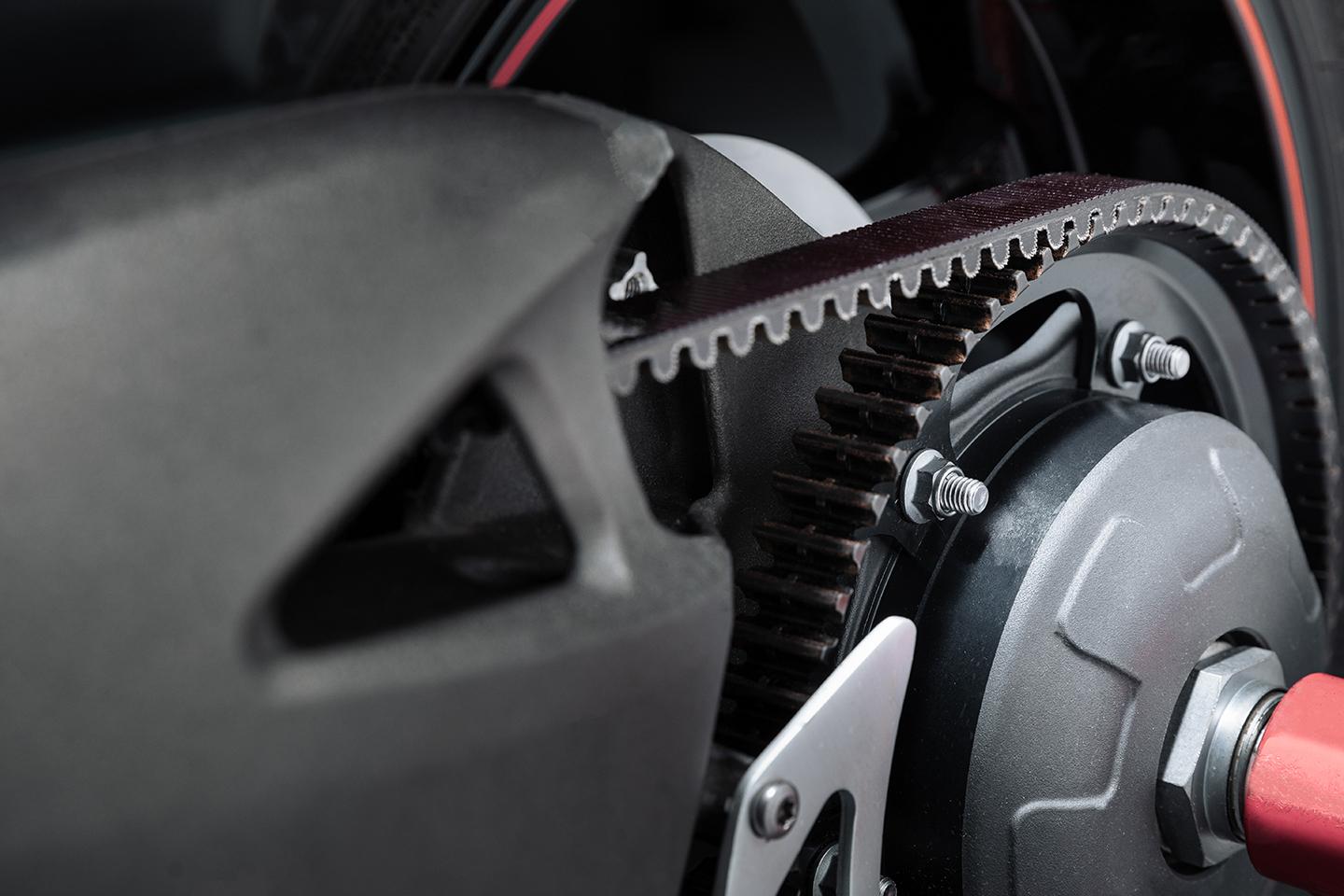
I’m delighted to see the belt drive application. I’ve had several bikes over 30 years of riding and don’t understand why belts aren’t more widely used. They are virtually maintenance free, clean, quiet, strong and reliable. I had a Buell for nine years and the belt drive performed without fault. Harley Davidson hang onto some fairly archaic and agricultural stuff but adopted belts decades ago. I love my Speed Triple but going back to chain drive was a downside.
Triumph’s handle sublimely so I hope they’ve carried that forward with the new power plant.
As for the price, even £20k doesn’t seem outrageous. Take a look at the price of brands such as Ducati, Aprillia, H-D and BMW running with ICEs.
Well done Triumph. The future’s looking bright.
not a biker myself (would hurt or kill me) but this is just lovely...
ok, almost no sound, but that can be a plus, driving those curvy roads and almost silent area's, enjoying the speed, but not waking up people who call the police because a fast rider (lots of noise/sound) if they almost can't here you, they stay inside or in the bushes, but get no alert, hey a fast biker coming to disturb 'your' (everyone's) space, so I can see the potential for bikers.
Here in the Netherlands a lot of curvy dike roads are some days closed of for bikers because of the sound of racing...
with such EV bike you can race in whisper mode, not alert those and you can still enjoy the pull those monsters can make, could be a plus.
Forums | General Gassing | Top of Page | What's New | My Stuff