
Aston partners with Britishvolt on new batteries
Collaboration announced with Aston Martin's first EV now just three years away
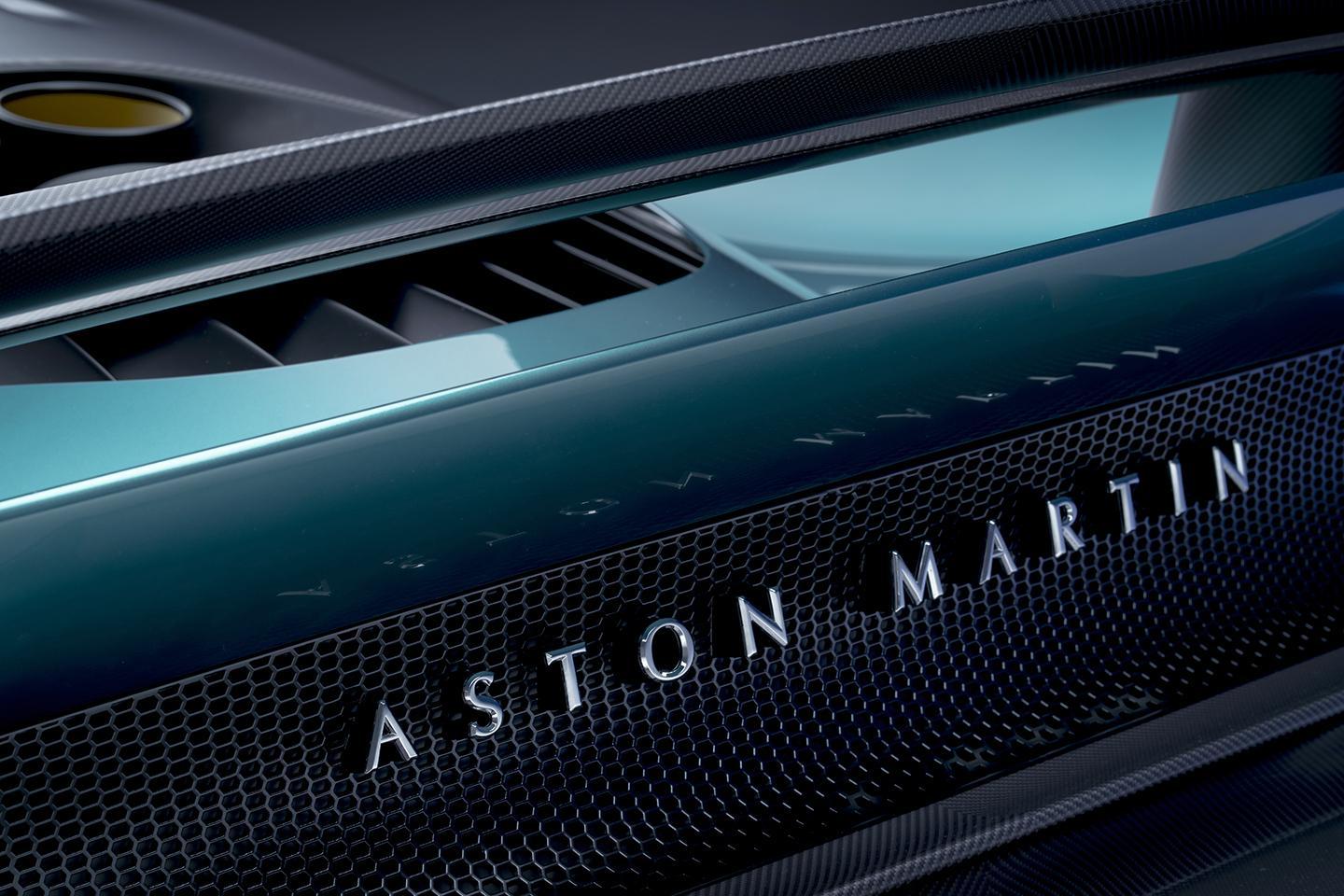
There have been many memorable collaborations between Aston Martin and third parties over the years. Think of the Cosworth-tweaked V12 that powered cars like the One-77, the road-ready Vulcans converted by RML and, of course, various Zagato icons from decades past. Now there's another partnership Aston Martin will hope lives as long in the memory, with a Memorandum of Understanding signed with Britishvolt to develop batteries.
Aston's first EV is due in 2025, and its ambition is nothing if not bold: the car is targeting "new standards of repeatable on track performance, charging time and range." Which would be quite something given how fast the technology is progressing; to be top of the tree in three years' time would be some achievement. And potentially mean a genuinely viable electric Aston Martin for track use, which would be cool. The new model will combine the battery tech with Aston's own talents - "engineering mastery, beautiful design and extreme personalisation", in other words.
Given the ambition, the timeframe, and the fact that Aston hasn't made anything with less than eight cylinders since the 3.2-litre DB7 went out of the production (we're not counting the Cygnet), it makes sense to bring in some external expertise. Britishvolt is said to be the UK's "foremost investor" in lithium-ion battery tech, the plan now for the two companies to design, develop and industrialise new packs, which will be bespoke to Aston.
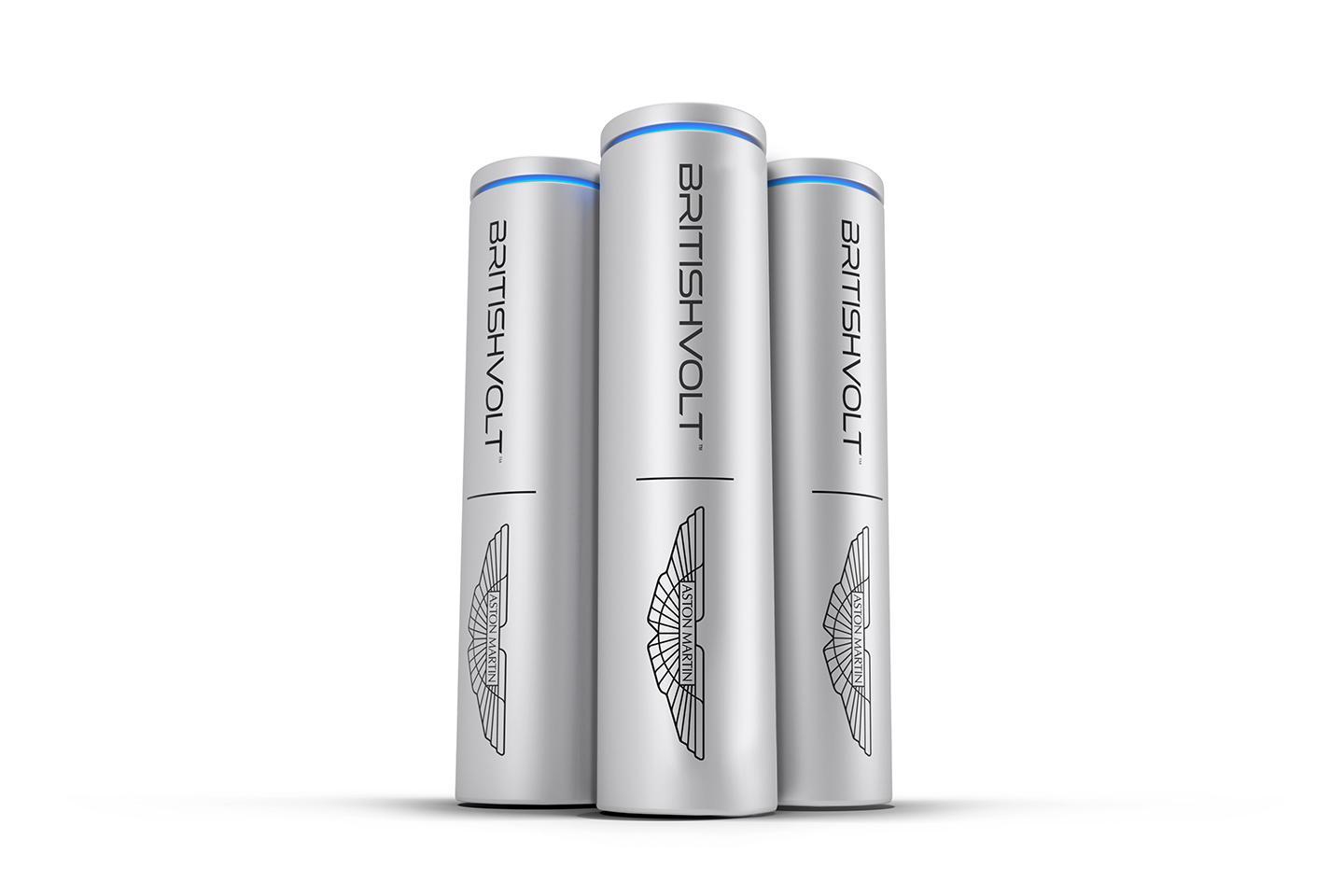
Interestingly, the press release states that the agreement with Britishvolt is "complementary" to the existing arrangement with Mercedes-Benz. "Any investment will be funded by existing capital expenditure commitments to developing electric vehicles." Today's announcement follows Aston's big recruitment drive last year, with 176 engineers brought in during 2021, notable among them specialists in electrified platforms.
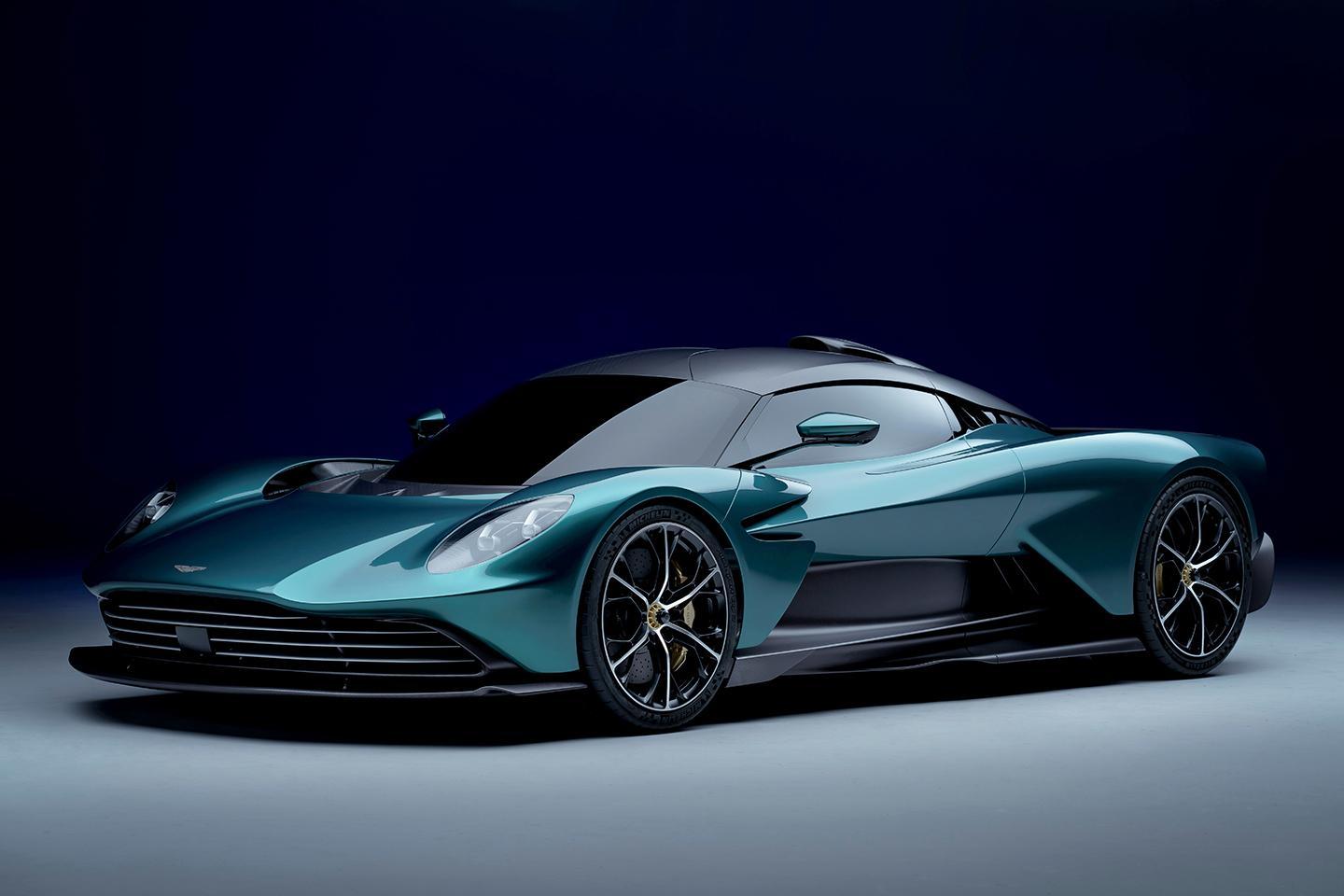
There'll be plenty to get on with, too, as Aston pushes towards a fully electrified line up by 2030. As well as the pure electric car coming in 2025, the plug-in Valhalla will be here in 2024 and every new Aston product from 2026 will have an electrified option.
Britishvolt CEO and founder Orral Nadjari said of the deal: "We are excited about the prospect of an all-electric Aston Martin powered by Britishvolt's low carbon, sustainable battery cells. Collaboration like this is the only way forward for a successful energy transition." Of course, if all this is just not cricket to you - i.e. an Aston Martin without an engine is like a roast dinner without meat - don't forget that the new V12 Vantage is due very soon as well. Which is another way of saying that ICE Astons are likely to bow out in spectacular fashion.


Repeatable "on track" performance? Why, litterally nobody takes their Aston on a track day, and the very few that do drive round very slowly, because they don't want to throw £150k worth of car into the barriers / gravel when they run out of talent in their heavy, powerful car.... And driving a big heavy powerful car round a track uses massive amounts of energy, meaning you either need huge batteries (meaning it gets even heavier) or you get just a couple of laps before you've run out of 'lecy
Charging time?
Really, once you are into a battery the size AML are going to need to fit (> 100kWh) you are entire charging network limited. Yes, your battery can accept 350kW, but how many chargers can actually give you 350kW, and given that most Aston owners are going to live in a posh house(s), then how many of those will have any home charger greater than 22kW (answer = none). As Tesla have shown, a genuine 200 odd kW of charging power (approx 600mph charging speed) delivered across a wide range of batery SoC is all you need for a practical luxury BEV.
Range:
Aston can't break the laws of physics. Historically they have set incredibly lofty targets (like building a better sports car than Porsche or Ferrari) and missed them by a mile. If they want range, then they willl have to fit a very big battery. There is no short cut to this. And it gets worse, because as a low volume player who can't afford to do everything themselves (they are no Tesla afterall) they will have to buy battery cells from someone else, and in this market, volume demand always wins. For example, you ring up the head of Panasonic Energy Storage, ask for some batteries, but find VW has already bought them all but if you ask really nicely they will find you some 'seconds' and you can have them next christmas. Partnering with BV is obviously a good move to secure a logistics chain, but it certainly doesn't grant them some magic capability on cell performance.....
What Aston could do is push really hard on the SoC used by their vehicles, effectively getting the max range by allowing the cells to be completely discharged and fully recharged everytime. The problem is, the lifetime / robustness analysis vs useable energy trade off is complex. Get it wrong and not only will customers cars fail, they may even catch on fire! The big OE's sensibly released their cars will large buffers at the top and bottom of their batteries, then had those cars report back there useage statistics until they had a statistically big enough pool of data to be able to make a valid assessment and to open up the limits on the cells. This takes time, and fleet mileage. It's not something you just release and go with....
So, yes, a nice press release, but the relaity is that a viable BEV has difficult to engineer compromise, and if you really want to "beat Porsche at their own game" ultimately to need to outspend them, and can they afford to do that? (anyone want to guess what Porka spend on developing the Taycan battery pack?)
https://www.britishvolt.com/news/britishvolt-power...
What would be the expected time to build the factory and start battery production? 2 years?
"We've partnered with a battery firm, for what it's worth, because we'll be bust by 2025, because we always almost are, especially now that our Russian customer base has dried up"
"We haven't bothered with any of that track nonsense stuff. We just leave Porsche to that. We know that our cars are heavy, and our customers are fat and old, and they won't ever take it round a track. Our customers just like to pose in the car and pretend that they are you know who with the vodka martini...."
"We are going to push hard to a grand return to form, to create an ultra luxury, high performance, beautiful GT car that people the world will lust after and want to own. That car will combine performance, balanced handling, and beautifully subtle styling. That car will leverage all the intrinsic benefits of a modern Battery Electric Powertrain to deliver effortless performance whatever the road, and packages that effectiveness with contempory elegance, for which Aston Martin is rightly world renowned."
Now that's a BEV i'd like to see :-)
https://www.britishvolt.com/news/britishvolt-power...
What would be the expected time to build the factory and start battery production? 2 years?
https://www.britishvolt.com/news/britishvolt-power...
What would be the expected time to build the factory and start battery production? 2 years?
https://www.britishvolt.com/news/britishvolt-hands...
This is only for site preparation work, they were hoping to start construction of the actual factory late autumn early winter, we are at the end of that time frame now and no further updates.
Full production is not scheduled to be till 2027, no published dates for the first battery off the production line.

Repeatable "on track" performance? Why, litterally nobody takes their Aston on a track day, and the very few that do drive round very slowly, because they don't want to throw £150k worth of car into the barriers / gravel when they run out of talent in their heavy, powerful car.... And driving a big heavy powerful car round a track uses massive amounts of energy, meaning you either need huge batteries (meaning it gets even heavier) or you get just a couple of laps before you've run out of 'lecy
Charging time?
Really, once you are into a battery the size AML are going to need to fit (> 100kWh) you are entire charging network limited. Yes, your battery can accept 350kW, but how many chargers can actually give you 350kW, and given that most Aston owners are going to live in a posh house(s), then how many of those will have any home charger greater than 22kW (answer = none). As Tesla have shown, a genuine 200 odd kW of charging power (approx 600mph charging speed) delivered across a wide range of batery SoC is all you need for a practical luxury BEV.
Range:
Aston can't break the laws of physics. Historically they have set incredibly lofty targets (like building a better sports car than Porsche or Ferrari) and missed them by a mile. If they want range, then they willl have to fit a very big battery. There is no short cut to this. And it gets worse, because as a low volume player who can't afford to do everything themselves (they are no Tesla afterall) they will have to buy battery cells from someone else, and in this market, volume demand always wins. For example, you ring up the head of Panasonic Energy Storage, ask for some batteries, but find VW has already bought them all but if you ask really nicely they will find you some 'seconds' and you can have them next christmas. Partnering with BV is obviously a good move to secure a logistics chain, but it certainly doesn't grant them some magic capability on cell performance.....
What Aston could do is push really hard on the SoC used by their vehicles, effectively getting the max range by allowing the cells to be completely discharged and fully recharged everytime. The problem is, the lifetime / robustness analysis vs useable energy trade off is complex. Get it wrong and not only will customers cars fail, they may even catch on fire! The big OE's sensibly released their cars will large buffers at the top and bottom of their batteries, then had those cars report back there useage statistics until they had a statistically big enough pool of data to be able to make a valid assessment and to open up the limits on the cells. This takes time, and fleet mileage. It's not something you just release and go with....
So, yes, a nice press release, but the relaity is that a viable BEV has difficult to engineer compromise, and if you really want to "beat Porsche at their own game" ultimately to need to outspend them, and can they afford to do that? (anyone want to guess what Porka spend on developing the Taycan battery pack?)
TX.
https://www.britishvolt.com/news/britishvolt-hands...
This is only for site preparation work, they were hoping to start construction of the actual factory late autumn early winter, we are at the end of that time frame now and no further updates.
Full production is not scheduled to be till 2027, no published dates for the first battery off the production line.
Forums | General Gassing | Top of Page | What's New | My Stuff