
Nyobolt reimagines the Elise as fast-charging EV
Designed by Julian Thomson, engineered by Callum - and capable of recharging in just six minutes...
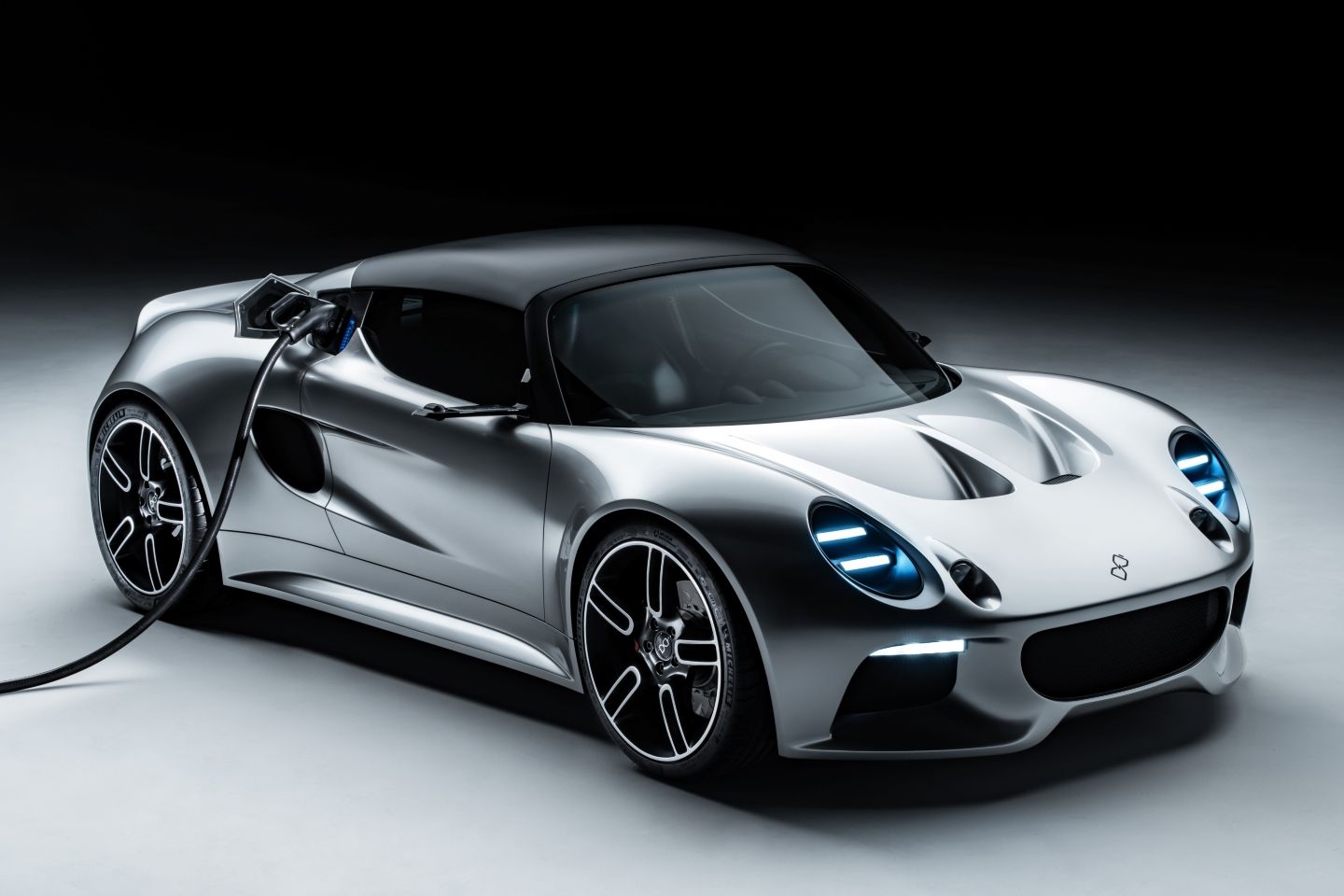
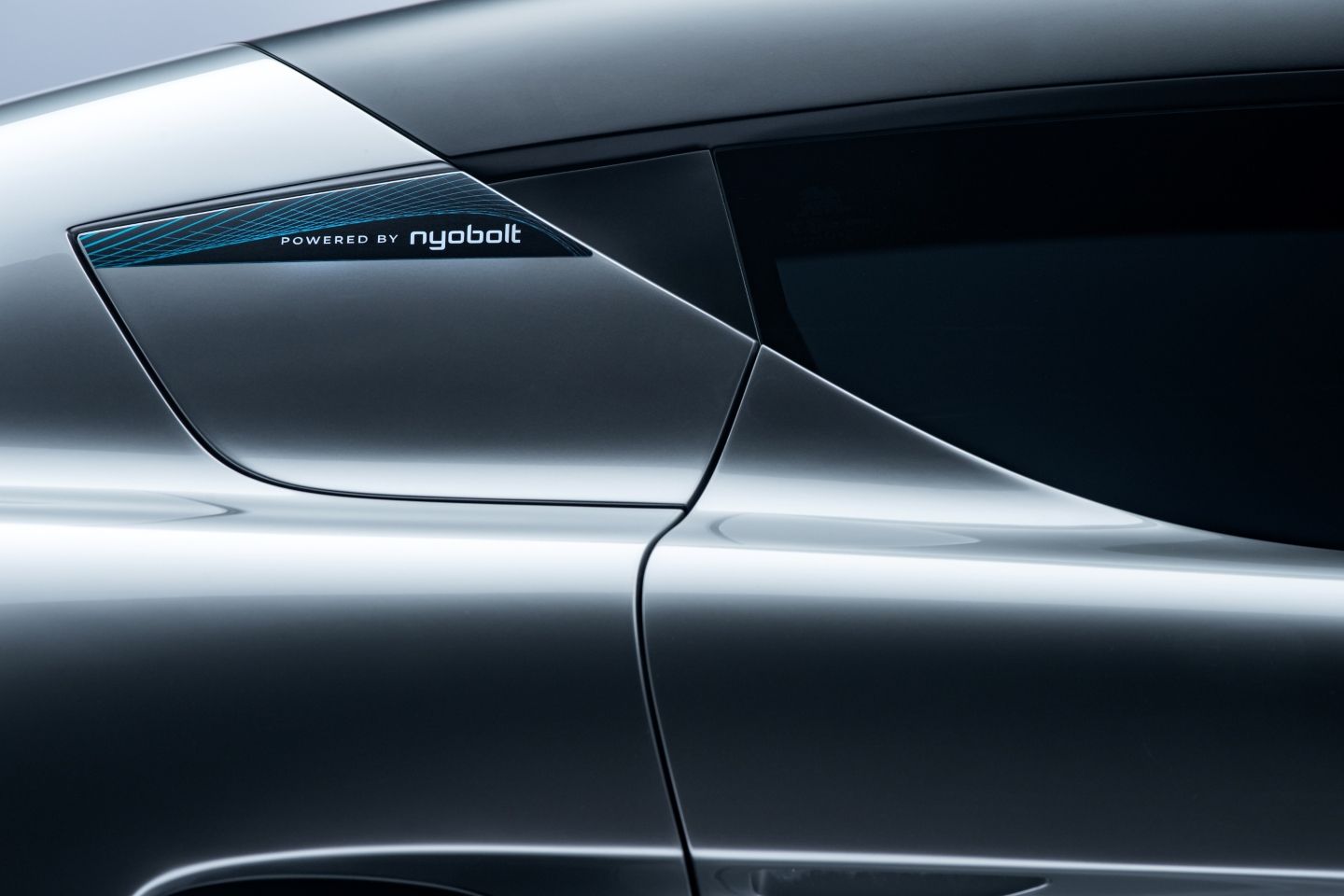
Ever wondered what Julian Thomson’s Lotus Elise would look like if it came out today? Well, wonder no more. The car you see here is basically it. It looks very much like a Series I Elise, but only after someone’s connected a live cable at the rear and a negative cable at the front, then shoved several thousand volts through it to give it some more attitude. That sounds a bit like Frankenstein’s monster, but this is not the work of Dr. Frankenstein. Thomson’s monster isn’t sown together, it doesn’t have bolts sticking out of its neck, and it’s not monstrous in the least. In fact, it looks rather fantastic. And shoving several thousand volts through an Elise isn’t that far from the reality here.
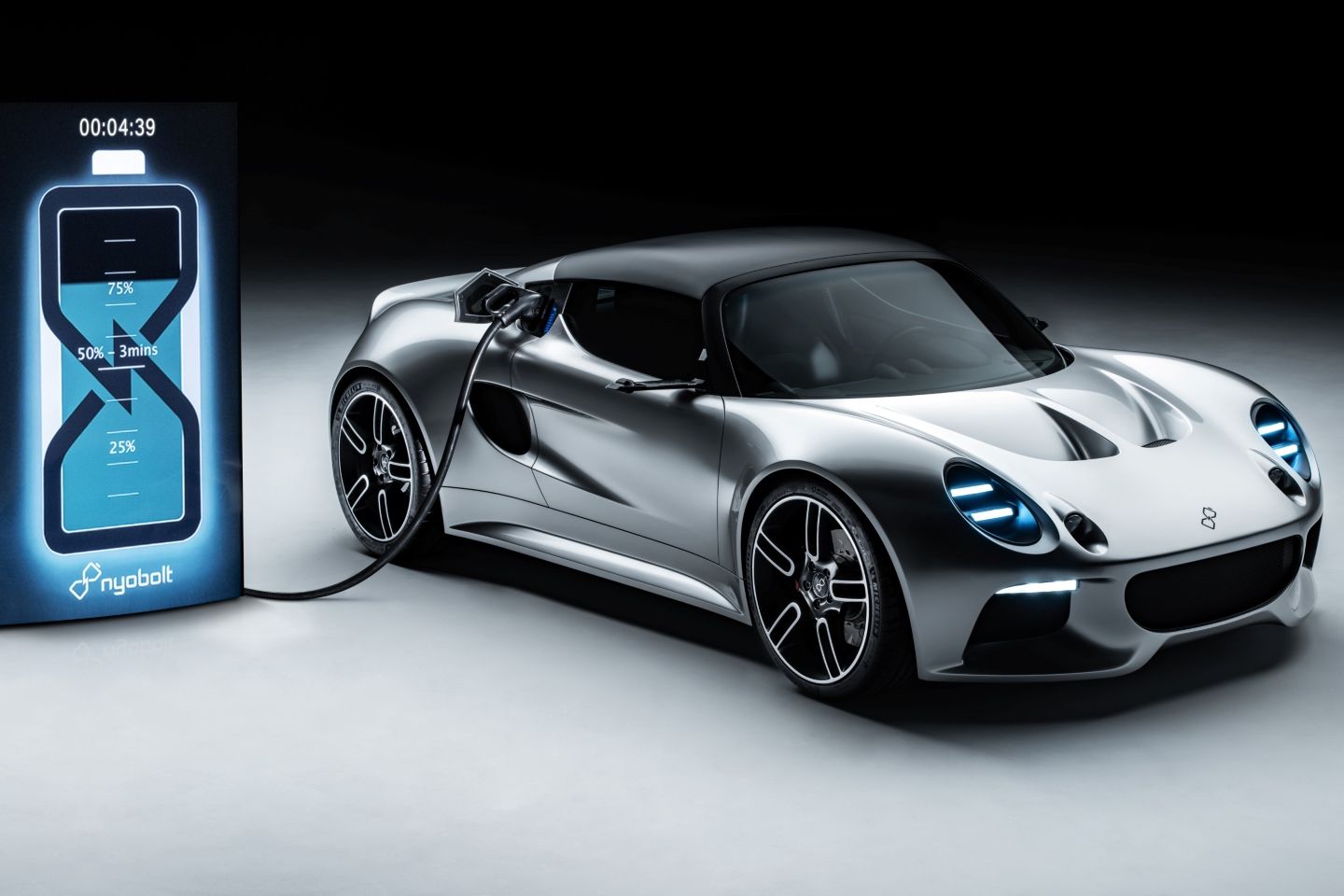
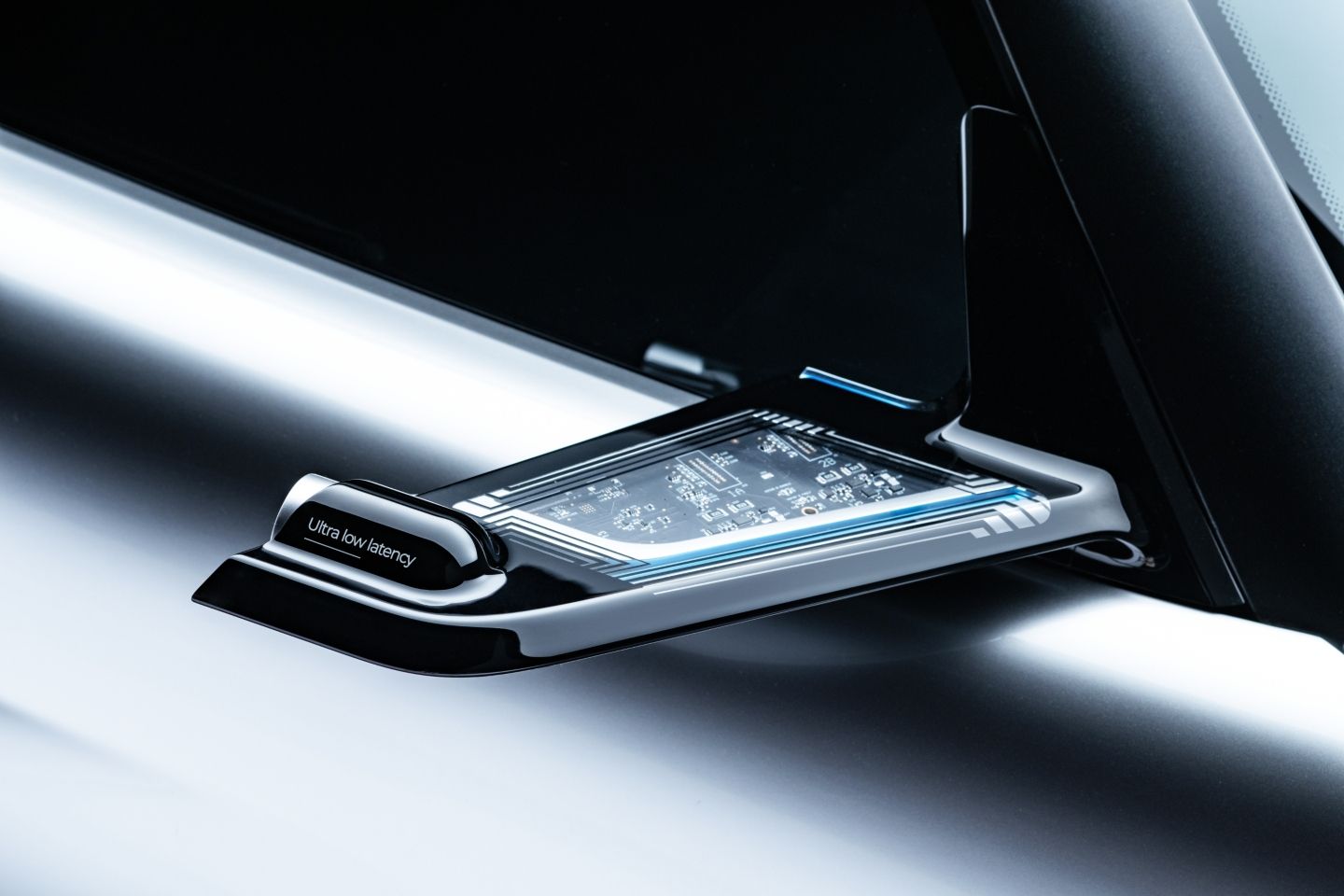
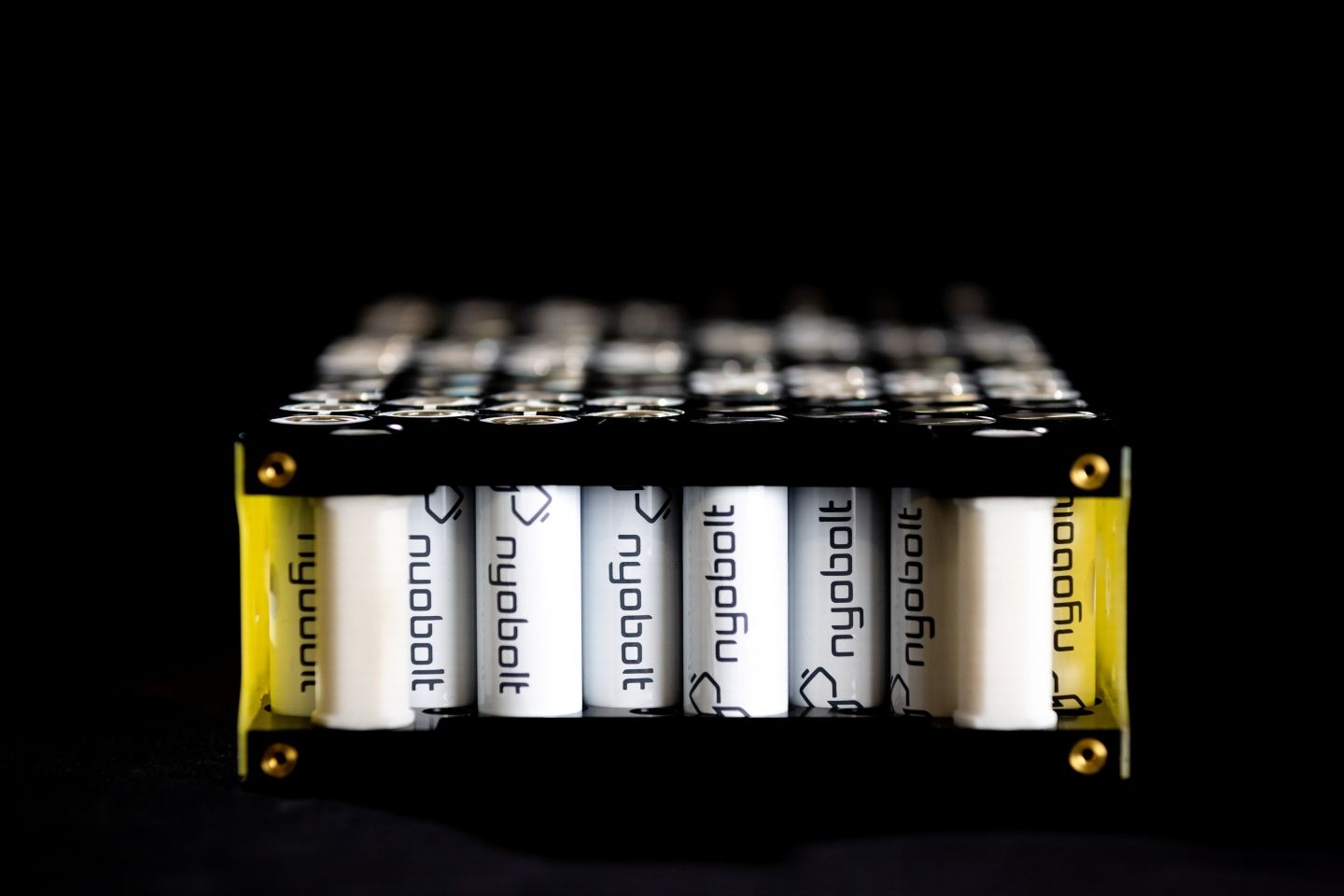
First, some background. For one thing, this isn’t called an Elise. It’s called the Nyobolt EV, and is the work of a partnership between EV battery innovator and producer, Nyobolt, Thomson and Callum. In basic terms, Nyobolt had some new, clever-sounding, lithium-ion batteries it was working on and needed a car to demonstrate them in. The thing about these new batteries is that they’re able to charge much, much quicker than regular lithium-ion batteries. The 35kWh battery in the Nyobolt EV is claimed to be able to charge from zero to 100 per cent in just six minutes.
Nyobolt hasn’t quoted the charging rate but says that the six-minute figure is using the ‘existing charging infrastructure. To make sure that’s true, I did some maths. To work out the charging rate sounds like it's jolly complicated but, even for a simpleton like me, it’s actually pretty straightforward. Just convert the charging time from minutes to hours, then divide the battery size by that. In this case, 6 divided by 60 equals 0.1 hours, and 350 divided by 0.1 is 350kW. So what a top-whack Ionity charger delivers, then. Yep, that claim stacks up.
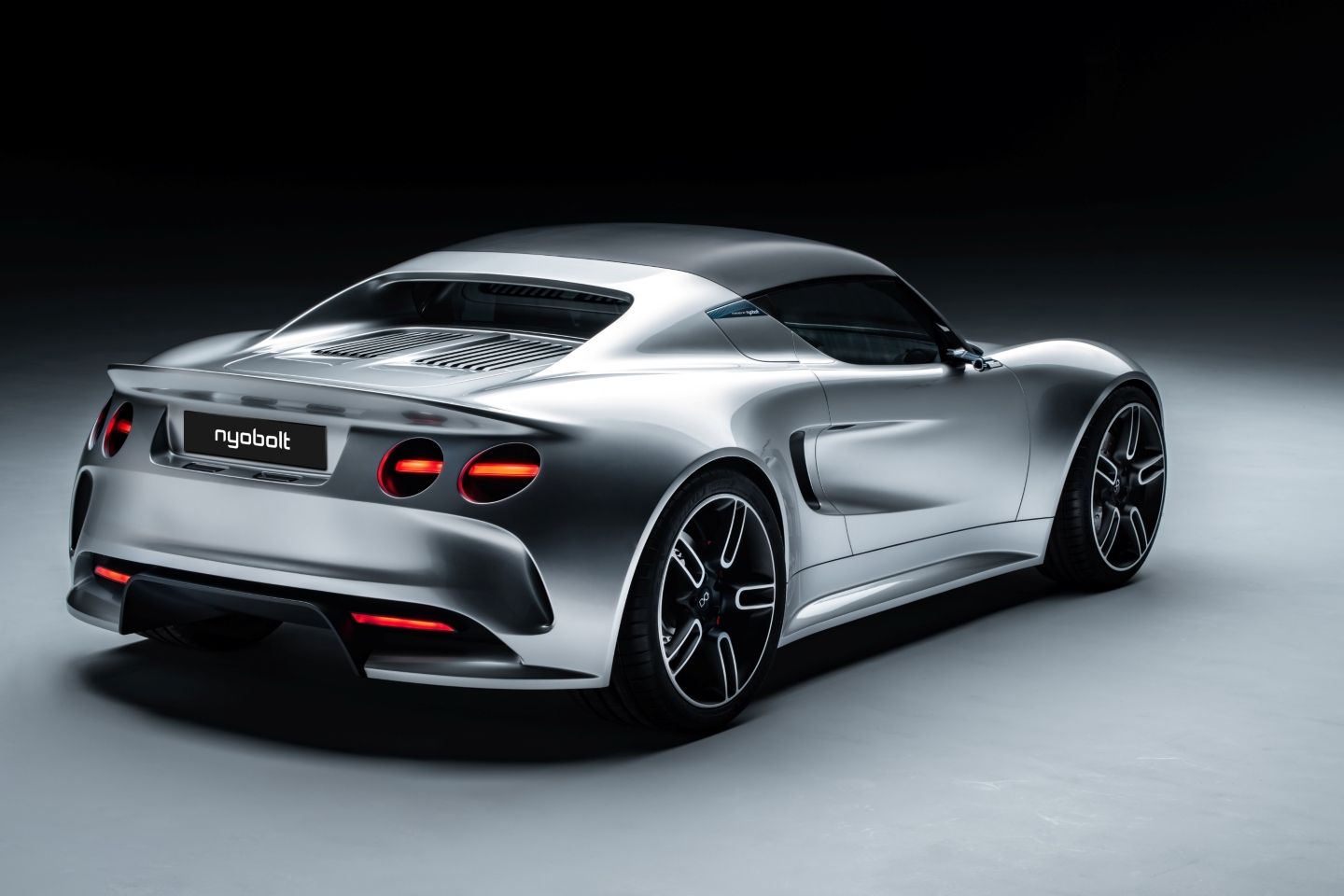
This, then, is a huge win for EVs. While most manufacturers are busy fitting bigger and heavier batteries to their cars to deal with range anxiety and, therefore, make lengthy charging stops less common but also lengthier, the other way of coming at the problem is simply to make the batteries charge quicker. That way you’re getting nearer to the petrol-powered scenario of a splash and dash. A six-minute stop is almost that. And according to Nyobolt, that would give you a range of 155 miles, which for a sports car, seems acceptable.
There’s an issue with repeatedly fast charging of lithium-ion batteries, though, which is degradation. Fast charging generates a lot of heat due to the higher current flow, and the higher temperatures can speed up the breakdown of the battery’s components. And during a fast charge, the lithium ions are zooming between the electrodes, which increases the chemical reactions within the battery that forms unwanted and damaging by-products. Both these scenarios increase a battery's drop-off in capacity over time.
Nyobolt claims to have solved this issue, too. It says that its battery has been subjected to ‘over 2,000 fast charging cycles without significant performance loss’. It can also be charged to more than 80 per cent without damage – another thing that put excessive stress on Li-ion batteries. What this means, if it all stacks up, is that instead of using massive batteries, we could all be using cars with smaller batteries, which means less weight.
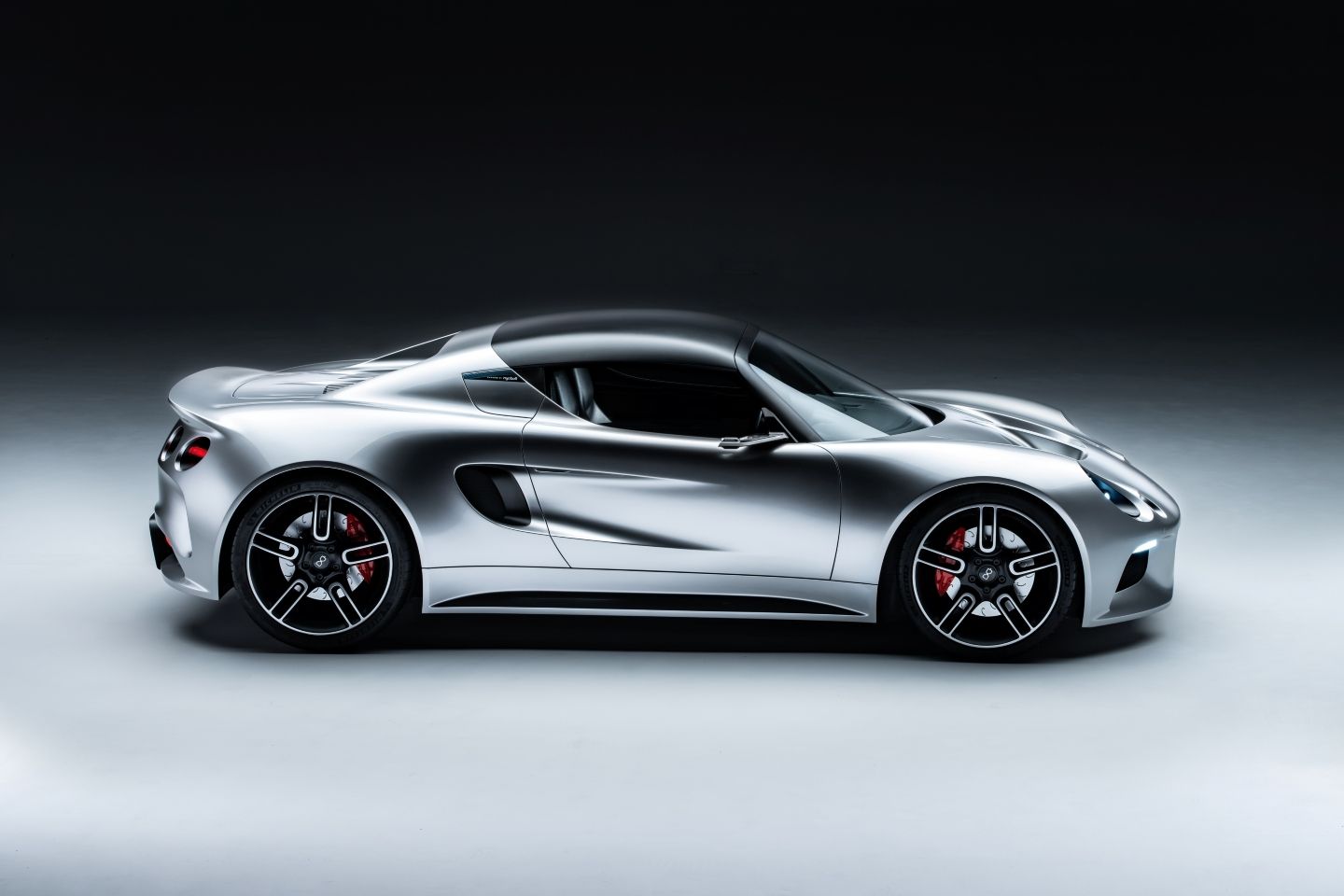
Low weight brings us neatly back to its Elise-like wrapping. It’s the perfect fit for a reincarnated ‘Elise’ to be delivered with a low-weight battery. After all, the point of that car was, largely, its lack of weight, and Nyobolt says that its EV is ‘set to weigh close to one tonne’. Sure, that’s heavier than the original Elise, but is it lighter than that other electric Elise – the Tesla Roadster? Well, that car weighed just over 1,300kg with a 53kWh battery, so how much lighter is the Nyobolt? When pressed, the company told me it’s targeting a weight of ‘1,246kg with the dynamic prototype’. That doesn’t sound that great, then, but a lot of time has passed between now and 2008, when the Tesla was launched.
Nyobolt says the cells in its battery are of comparable weight to the standard high-performance battery cells of today. In that case, the 35kWh battery is not the problem, it’s the car. And cars today have a lot more tech and have to perform a lot better in a crash, so it’s unsurprising that one designed today will struggle to compete for lightness with something from 15 years in the past. For a start, this car is bigger than the original Elise. We’re told it’s 150mm longer and 100mm wider, which, by my reckoning, puts it at 3,876mm long and 1,819mm wide. Interesting, that’s actually shorter than the Tesla Roadster, which was based on a Series 2 Elise with a modified chassis to take the battery pack. The Nyobolt EV also has 19-inch wheels, but to try to save weight the bodywork is made of lightweight composite panels.
So, if Nyobolt has made the batteries and Thomson designed the way it looks, who, you might ask, is putting it all together? That’s where Callum comes in – yes, the company co-founded by Ian Callum. Callum himself isn’t mentioned anywhere in the press pack in terms of design, but his company has been charged – sorry, I know – with engineering the car and bringing it forward as a working prototype.
‘With Callum and Nyobolt working hand-in-hand, a system-level approach has addressed each element from materials, to cell, to pack, to drivetrain, to whole vehicle. The final collaborative design therefore reflects the original vehicle’s premise of a high power-to-weight ratio within an exquisite package’.
As with any technology that is in its relative infancy, but has huge market potential, there are many budding businesses out there all shouting they have the next big breakthrough. And like all of them, we’ll need to wait until the finished product can be peer-reviewed to see what the benefits of Nyobolt’s batteries truly are. But if they stand up to scrutiny, there are reasons to be optimistic. A lithium battery that can be charged repeatedly at 1,600 miles per hour – that's over double that of a Kia EV6 using an identical charger – is something very interesting indeed. It means potentially we no longer need big batteries, just more fast chargers.
Think of a world where EVs are getting much lighter. That would have a huge impact on how they handle – lighter nearly always means more enjoyable, after all – and it also dilutes the questions about the amount of rare earth metals that are being consumed by battery production. I say dilutes, because this battery isn’t one of the newer, lithium iron phosphate (LFP) batteries that don't contain cobalt, but it’s smaller, therefore it has less cobalt in it. Faster charging batteries might also reignite the interest of the aviation industry and heavy hauliers, which seem to have ruled out EVs altogether. There’s another reason, however, why I wish this company and this car success, though. And that is, as prototypes go, it looks really rather good, don’t you think?


I realise its a concept but the stats work and if you charged it at home over night then could drive go a track drive fast charge drive again and then home seems like a winner
That is not at all how the charging curve for lithium batteries work, hell, it's not how the charging curve for any batteries work.
All that aside, what a pity Thomson didn't design the S2 and later Elises and Exiges. Much better looking than Carr's efforts.
We have an EV that in ideal weather does about 250miles on a charge, so one charge at the weekend does most weeks commuting and normal use.
On the rare occasion we need to drive more than 250 miles in one day (maybe 5-10 times a year) a 30-40minute stop at a charging point is a welcome break after driving for 4 hours for something to eat and a bathroom break. It's not an issue unless there's not a charger available.
Public high speed chargers are much more expensive than charging at home too (70p vs 16p per unit) so best avoided if possible.
I'd expect the vast majority of drivers are in a similar boat usage wise so improved availability of reliable public chargers is more important than speeding up the charge process IMO

I can do best part of 400 miles in my 718 and empty the tank in less than 100 on a track day. I recall my S2 Elise would go a lot further than 150 miles on a tank as well
Forums | General Gassing | Top of Page | What's New | My Stuff