
SMMT confirms new car sales up for 2023
1.9m registrations is best since 2019, with a record year for EVs
It would be reasonable to say that the past few years have been topsy turvy for new car sales, what with lockdowns, supply chain issues and a cost of living crisis. In 2024 there’s the mandate on zero emissions vehicles, too, where 22 per cent of a maker’s sales must be EV. For now, though, there’s some good news to celebrate, with 2023 recording 1,903,054 new car sales. That marks a 17.9 per cent increase on 2022, and comfortably surpasses ‘21 and ‘20. We’re still some way off 2019’s 2,311,140, but it’s a move in the right direction.
As is often the case, EVs are the big talking point. UK registrations of battery electric cars last year came in at 314,687, which is more than 2020 and 2021 combined (298,932). Interestingly, however, overall market share dropped ever so slightly (from 16.6 per cent to 16.5) as other powertrains took their slice of sales. For those really keen on the numbers, here goes: the SMMT now categorises cars into diesel (71,501 registrations in 2023), petrol (774,484) mild hybrid diesel (70,933), mild hybrid petrol (291,196), plug-in hybrid (141,311), hybrid (238,942) and battery electric vehicle).
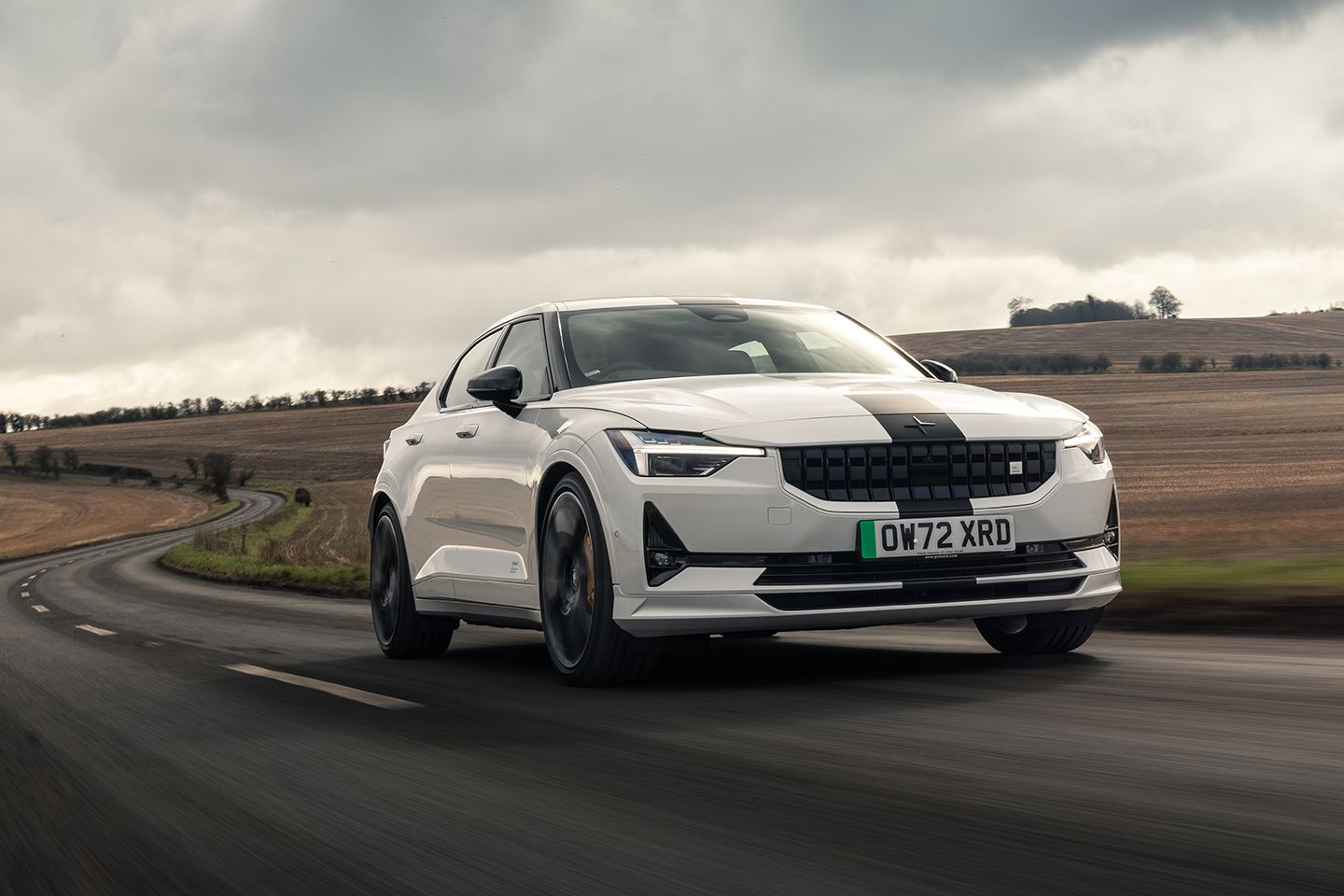
The best selling EVs were as might be expected: there were 35,899 Tesla Model Ys registered in the UK last year, placing it fifth in the overall rankings (behind the Ford Puma in first, then Nissan Qashqai, Vauxhall Corsa and Kia Sportage). Behind it in the EV tally were the MG 4 (21,715), Audi Q4 e-tron (16,757) and Tesla Model 3 (13,536), with the Polestar 2 rounding out the top five with 12,542 units. The rest of the top 10 was made up of the VW ID 3, Kia e-Niro, BMW i4, VW ID 4 and Skoda Enyaq. BEVs accounted for one in six new cars registered in 2023.

Perhaps unsurprisingly given soaring domestic energy bills (and the demise of the plug in car grant), only one in 11 private buyers bought an EV last year; the bulk of those registrations (77 per cent) were accounted for by business and fleet buyers, with tax incentives still in place. As noted in the SMMT’s release, ‘the UK is the only major European market with no consumer BEV purchase incentives – but it is now also the only market with mandated minimum targets for new ZEV registrations.’ Erk. Today’s report echoed the industry suggestion that a temporary VAT reduction on new BEVs for private buyers might help spur demand.
Despite the concern, the most recent published outlook for 2024 suggests the market will grow again, with around 1.97m units registered and BEV market share increasing to 22.3 per cent (439,000 units). The latest prediction will come in February.
SMMT’s Chief Executive Hawes added: “With vehicle supply challenges fading, the new car market is building back with the best year since the pandemic. Energised by fleet investment, particularly in the latest EVs, the challenge for 2024 is to deliver a green recovery. Government has challenged the UK automotive sector with the world’s boldest transition timeline and is investing to ensure we are a major maker of electric vehicles. It must now help all drivers buy into this future, with consumer incentives that will make the UK the leading European market for ZEVs.” Over to you, then - will 2024 be the year you make the switch to EV? Do you require further incentivising? Or perhaps you’re already there and won’t look back. The floor is yours…


https://www.smmt.co.uk/vehicle-data/car-registrati...
Not a subsidy as such, but a substantially lower tax bill for an employee.
Not a subsidy as such, but a substantially lower tax bill for an employee.
The UK did not even follow Norway's example.
The NHS has the additional burden put on it by the fumes from burning fossil fuel.
We all pay tax and as a working person surely you should desire a cleaner environment if not for yourself how about your children.
So why just pick on EVs. Plenty of used ones on the market now at not silly money.
but i do think next year will be the troubling year with the much higher interest rates, household budget squeeze, the huge EV depreciation kicking in and withthe cost of pcp/finance deals
We subsidise hundreds of merit goods that are better for society and penalise lots of goods with externalities. No difference here

For example, for a base-model MG 4, these are the monthly costs:
- 20% tax payer - £388.19 / month
- 40% tax payer - £346.56 / month
- 45% tax payer - £322.37 / month
Beyond the sales timing, there's also a degree of market conditioning they will benefit from applying too - make the pricing of EVs less attractive last year to then drop them this year to a level that appears a bargain but was actually previously artificially high.

Forums | General Gassing | Top of Page | What's New | My Stuff