
Jari-Matti Latvala: Rally1 cars 'too complicated'
Toyota rally boss tells PH what it's like to drive the fastest WRC cars in history, and why change was needed
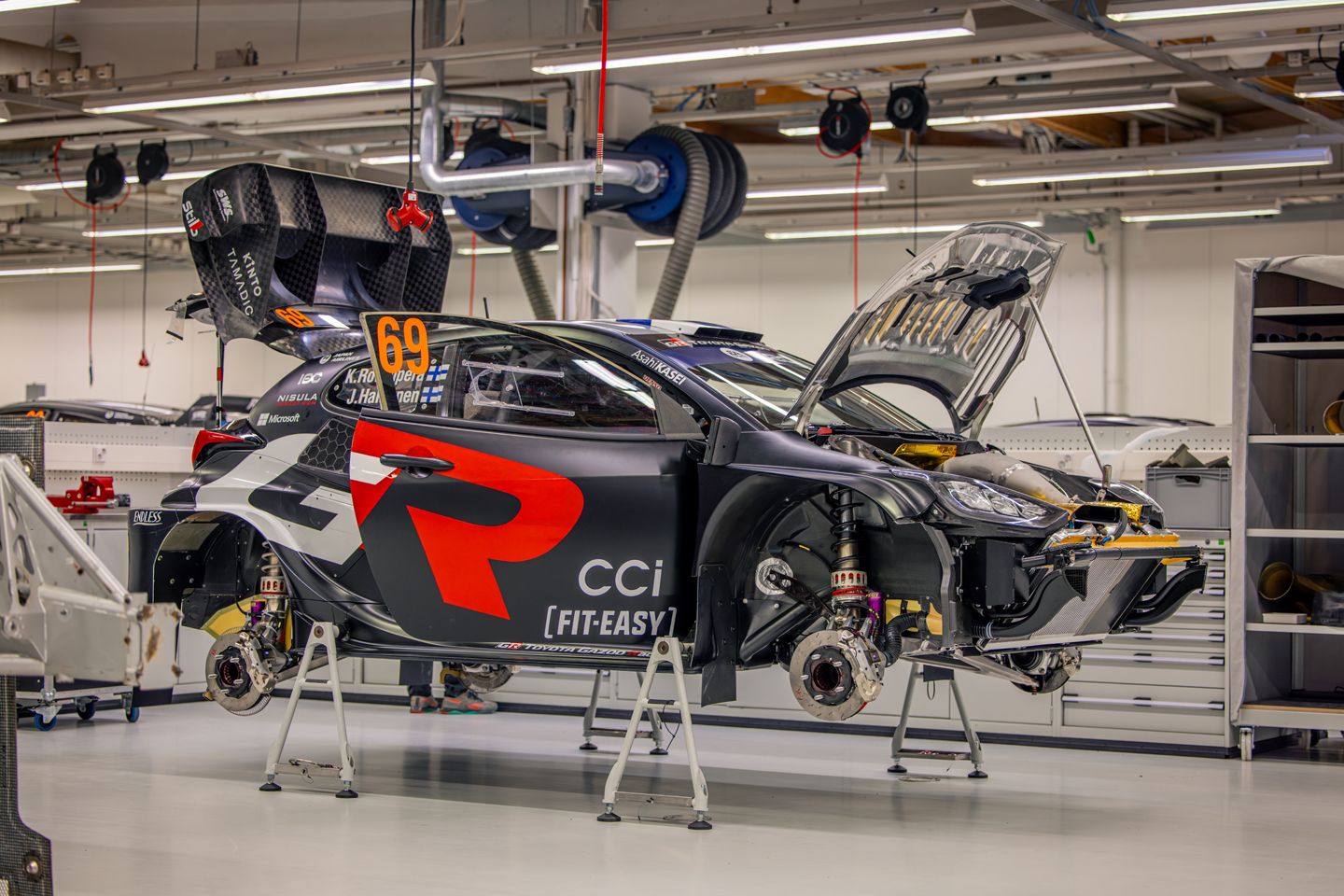
And there you have it: the fastest World Rally Cars in history are about to be severely pegged back, as the FIA has announced that, from 2025, the ballistic Rally1 cars that compete at the front of the WRC field will drop their hybrid element in a bid to save costs. A reduction in the air restrictor will also limit next year’s cars, while the crazy aero that has played a prominent role in the WRC since 2017 will be watered down to rein in the awe-inspiring speeds of the current generation cars.
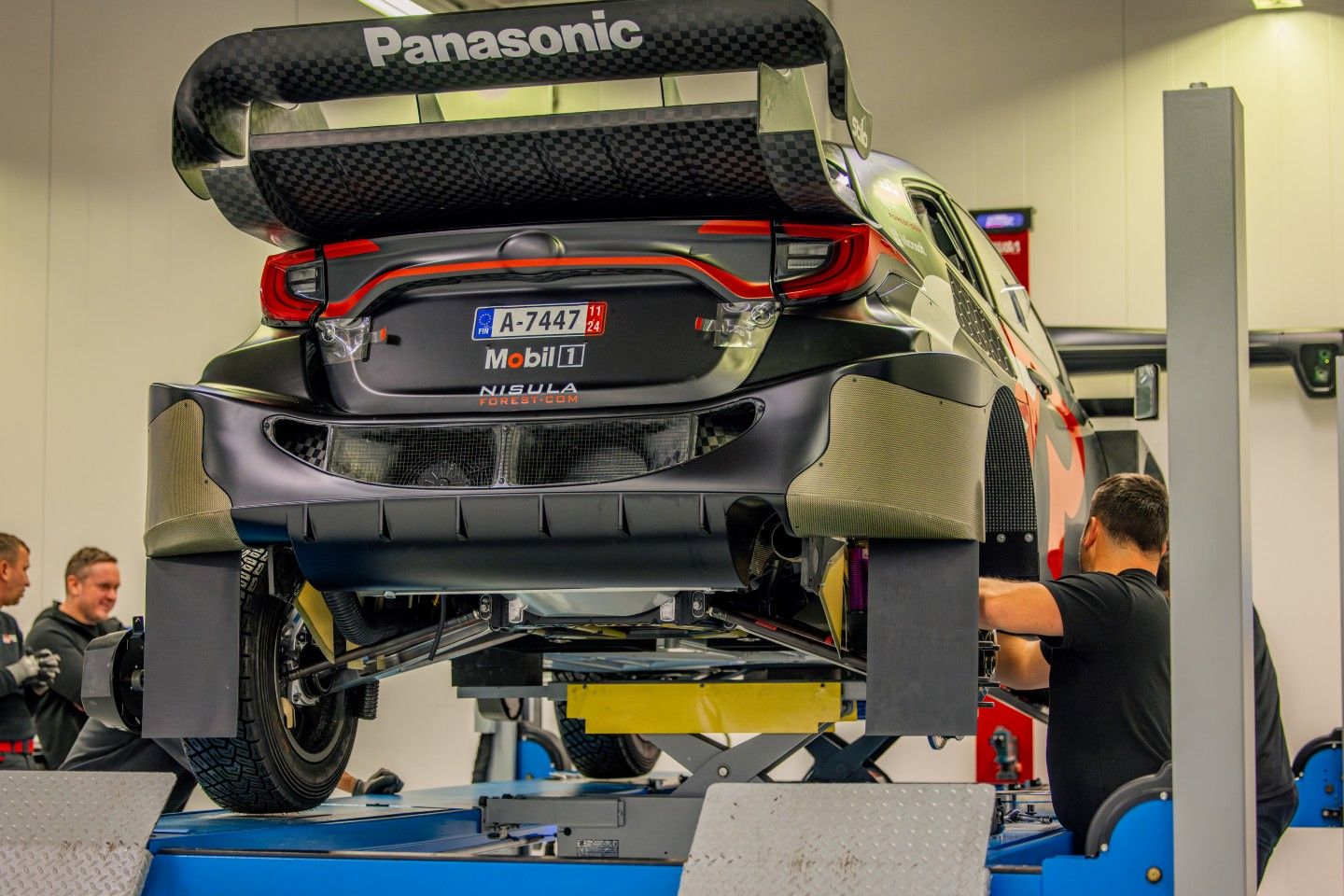
The future of the Rally1 ruleset, which was only introduced in 2022, had looked uncertain in recent months after the introduction of a 100kW hybrid system failed to bring in new manufacturers and sent costs soaring. Removing the system should free up over 80kg of weight, but it’ll also mean drivers won’t get a periodic 120hp boost during stages. Then, in 2026, further restrictions will come in place that’ll see engine power capped at around 330hp, which isn’t far off what the pre-2017 era cars were producing. Rally1 cars are here to stay, they just won’t look quite as fast - nor will they roam service parks in silence - in 12 months.
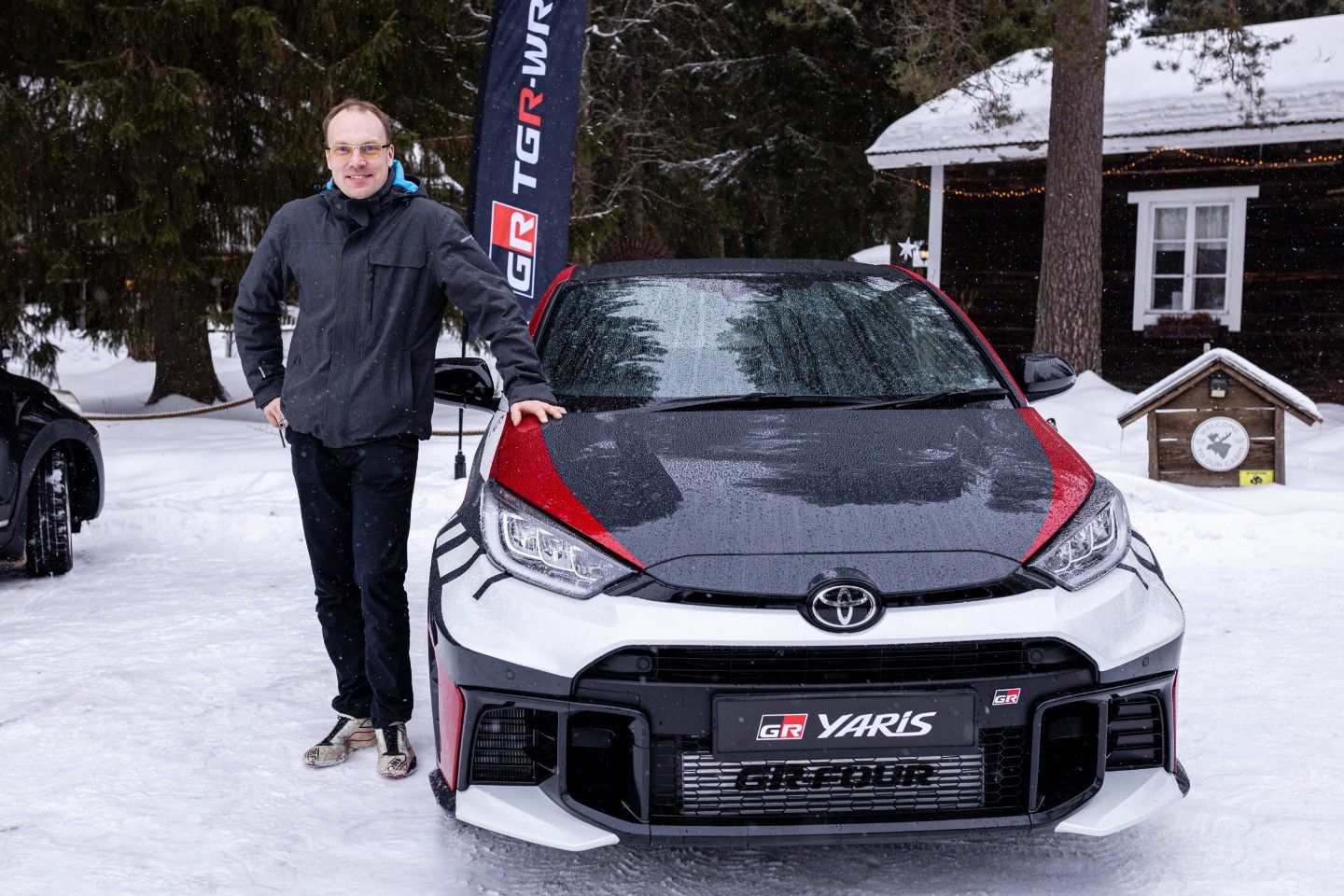
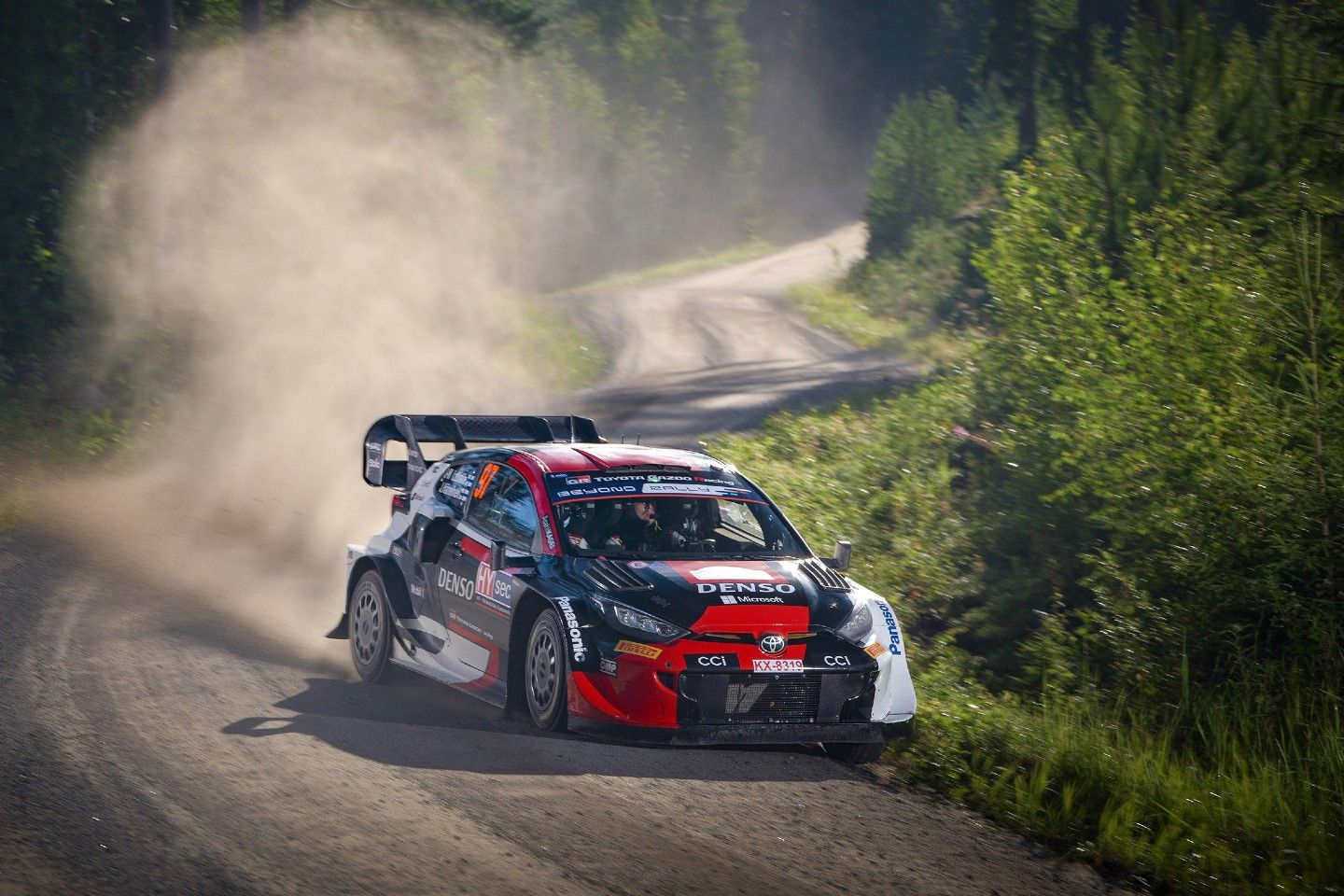
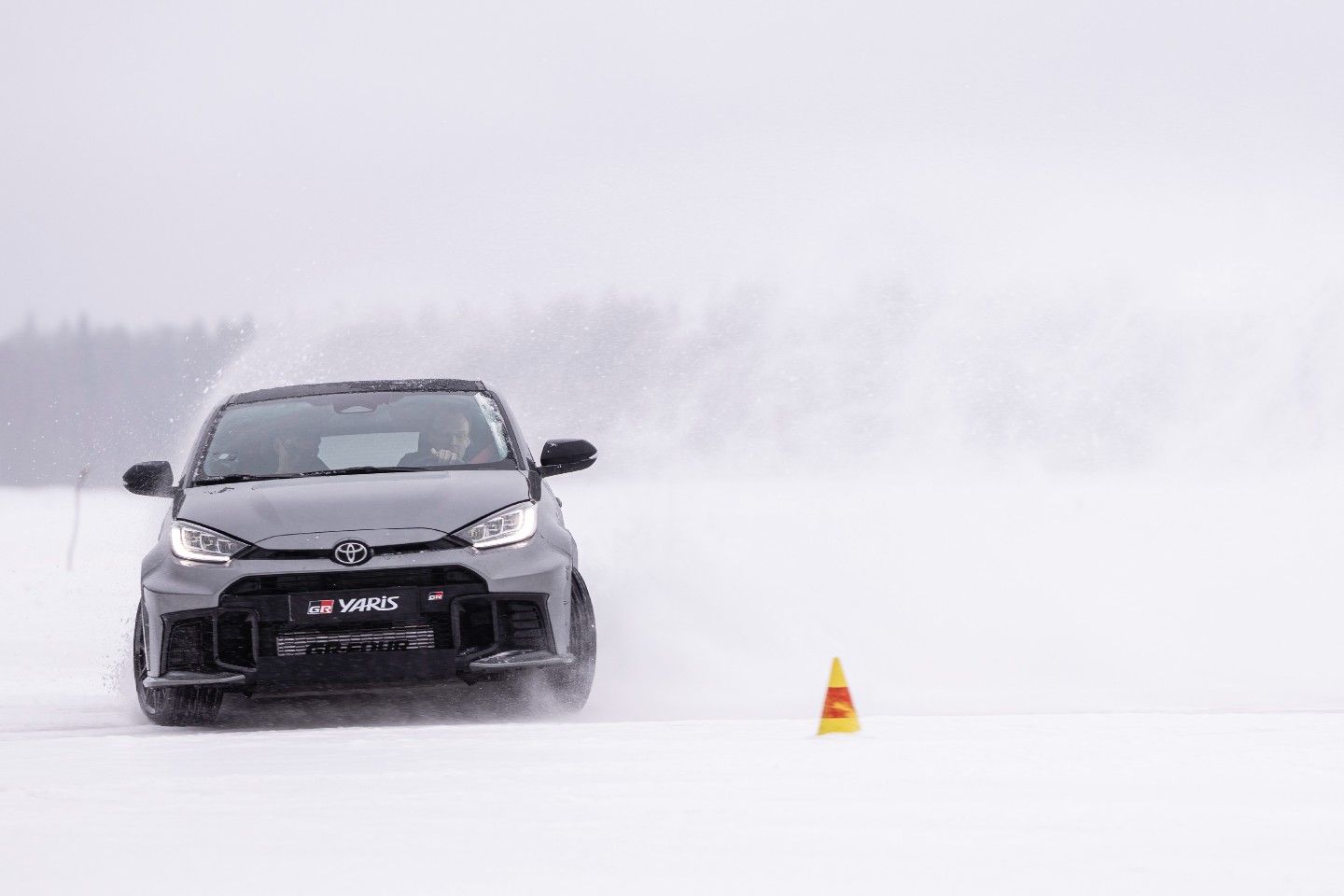
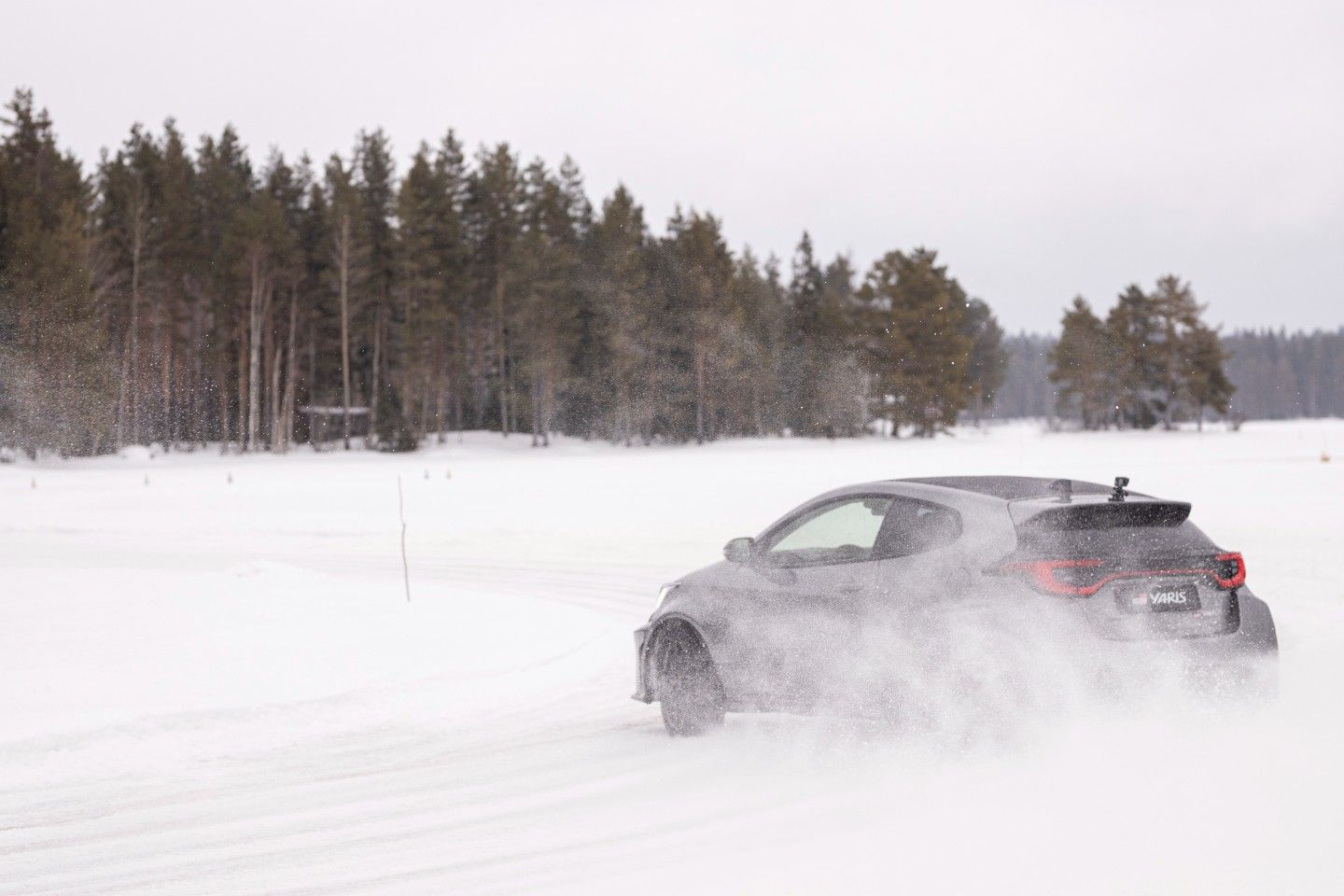
A week before the announcement, PH sat down for a chat with a chap who knows first-hand just how bonkers these hybrid Rally1 machines really are. Jari-Matti Latvala, Toyota World Rally Team boss and 18-time WRC winner, was on hand at the recent GR Yaris snow drive in Finland to show mere mortals like me what decades worth of competitive rallying know-how looks like with comfortably the most sideways passenger lap I’ve ever experienced. Afterwards, over a bowl of moose soup (it’s better than it sounds) we talked about what it's like driving a cutting-edge, 500hp+ rally car flying through the forests of Rally Finland, and why the WRC is about to undergo such a radical shake-up.
Although Jari-Matti hasn’t been a full-time driver since 2019, he’s the perfect person to talk to you through the ins and outs of the most advanced rally cars ever created. Not only did he finish runner-up to Sebastien Loeb and Ogier - arguably the greatest rally drivers of all time - in the championship on three occasions, as team principal he’s also steered Toyota’s factory squad to a trio of titles with Ogier and WRC wunderkind Kalle Rovanpera since 2021. That didn’t stop him from jumping back into the hot seat for last year’s Rally Finland, where he experienced the electrifying speed of the Rally1 car for the first time.
“The beginning was of course a bit tough because I knew the consequences, if I go off, can be a bad story." He confessed to being a touch cautious - and perhaps a bit intimidated by the ferocity of the hybrid power - on the opening two days. “You feel it immediately! It comes through your back quite significantly," he admitted with a beaming grin on his face. “Always the feeling [when the hybrid engages], it’s a nice feeling. Because the power is sort of like waiting to come. At the same time when it stops, you lose 120hp. And actually you can feel like somebody’s touching the handbrake […] it’s like the performance is dropping.”
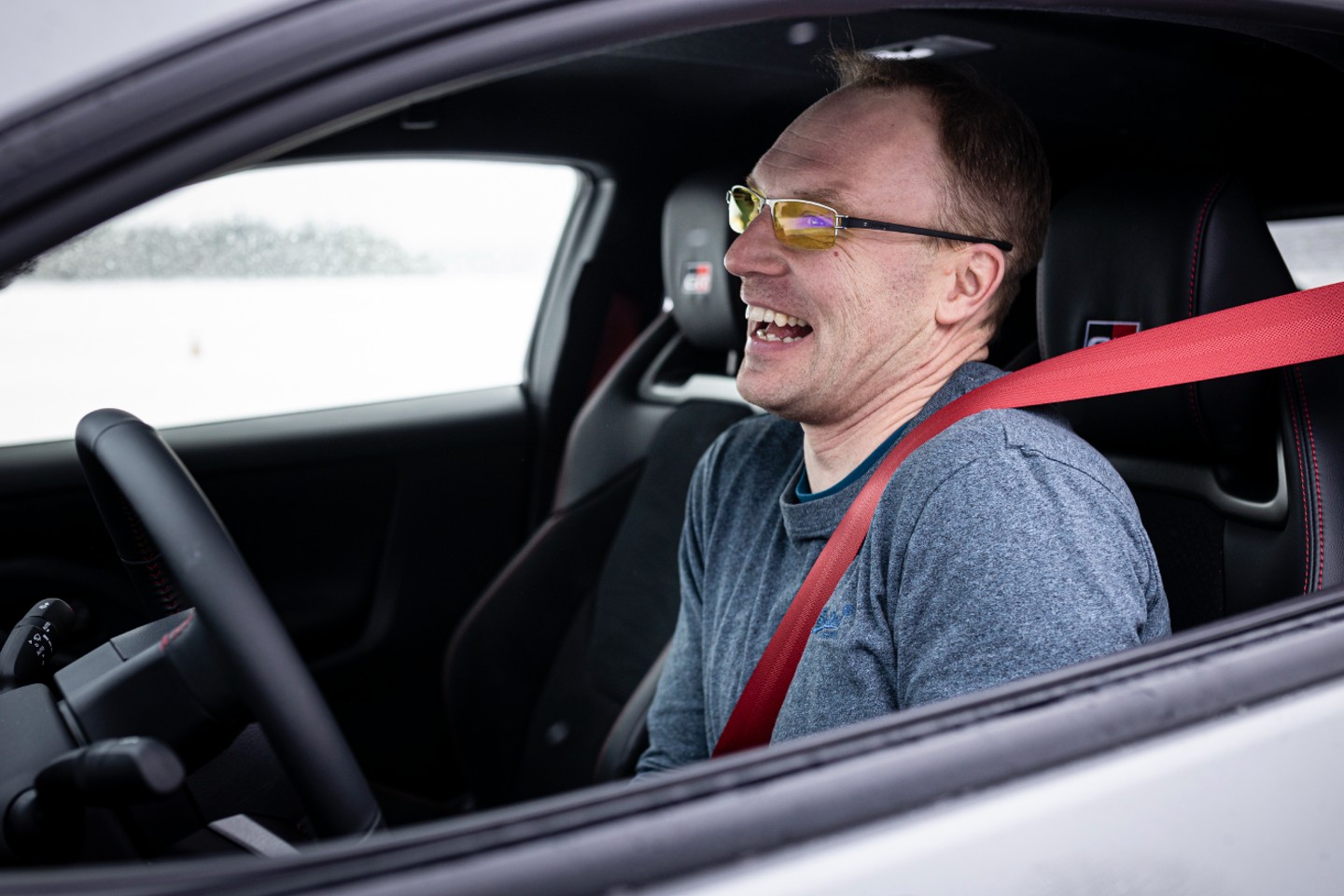
Interestingly, Jari-Matti noted that parts of his old driving style, namely a technique where he’d gently ride the brake in the middle of fast corners to settle the car, didn’t translate with the new hybrid cars. “So let's say you have a straight and the corner, and you start to [apply] a little bit of brake, actually it switches [the hybrid system] off.” That was a result of not being confident enough, he admitted, suggesting that “you need to be committed” with the hybrid cars.
Even in a round-table interview, it's impossible not to get swept up in how Jari-Matti recounts his experiences at the pinnacle of WRC. He lives and breathes rallying, as do many in this neck of the Finnish woods, which you’ll likely know if you’ve ever seen one of his highly enthusiastic interviews at the end of a stage. So you know when he says the current Rally1 regulations weren’t sustainable (after waxing lyrical about how incredible the cars are) that something needed to change.
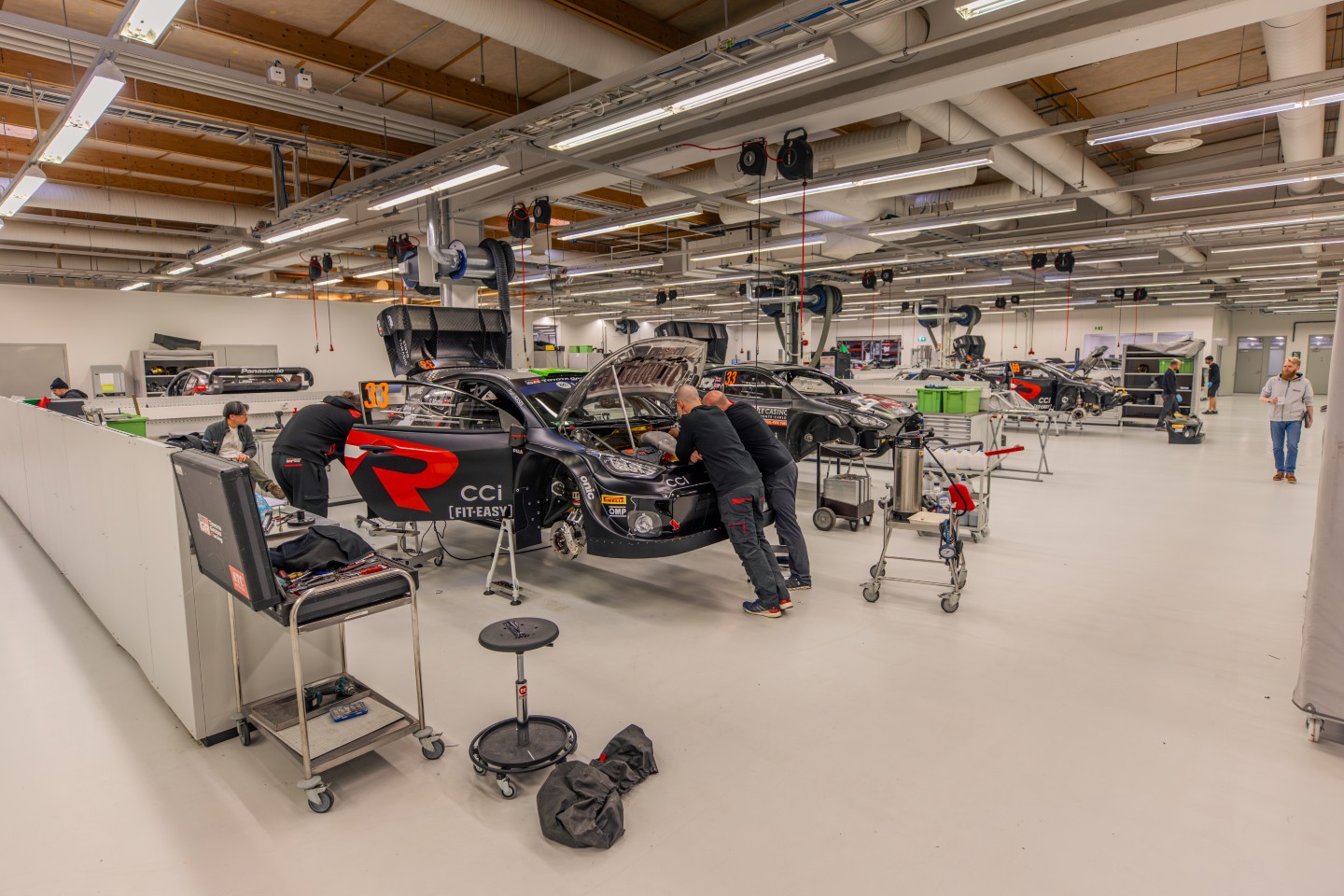
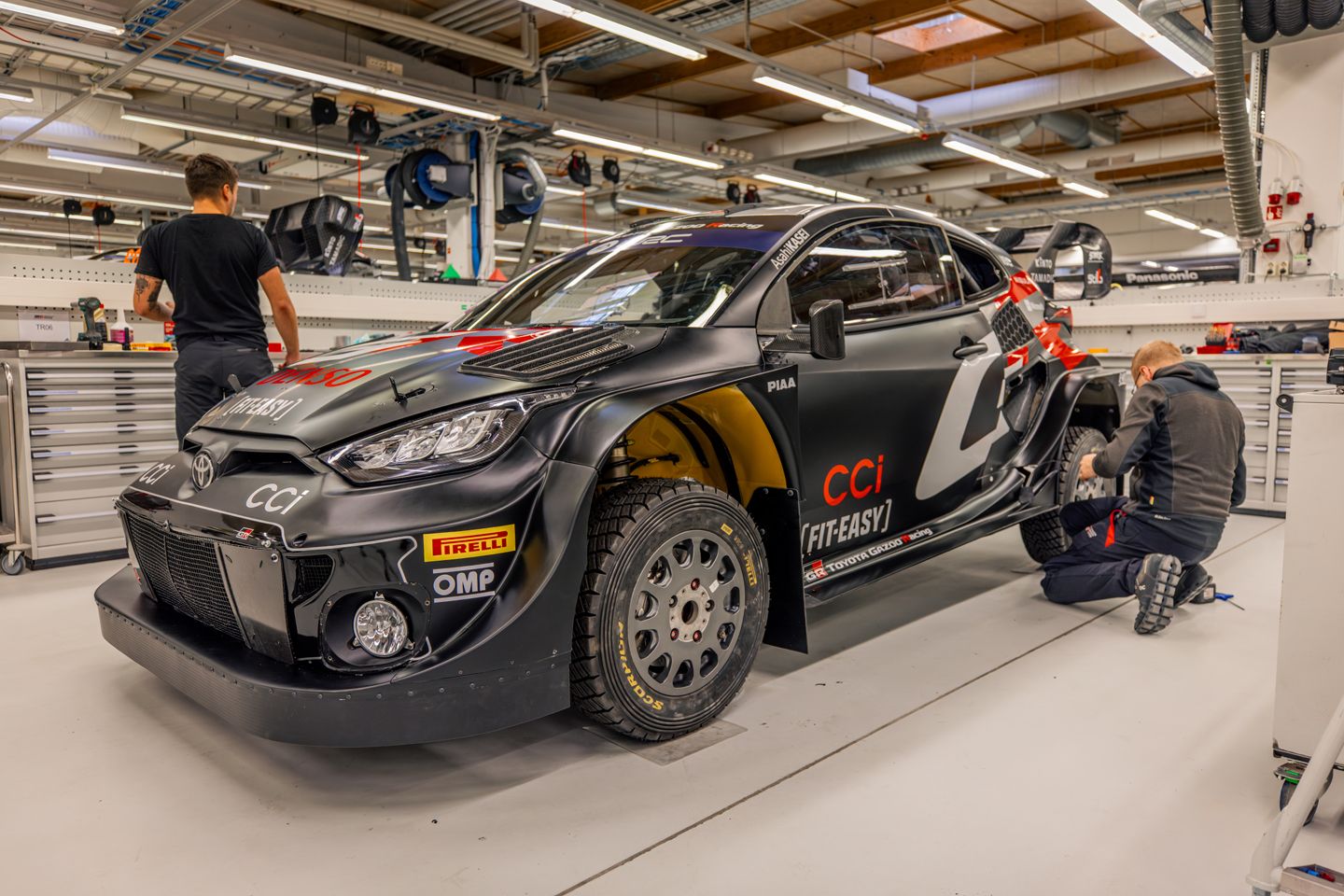
What exactly are the issues, then? Firstly, Jari-Matti says the cost of the hybrids is prohibitively expensive: “We have lost privateer teams in the Rally1 class, we’re not going to have privateers running these cars anymore.” A ballpark figure of €400,000 - €500,000 (£342,000 - £427,000) per event is mentioned by one of the Toyota WRC team members during a factor tour later that day. That includes testing and team support, but over the course of a 13-round season that quickly escalates to millions.
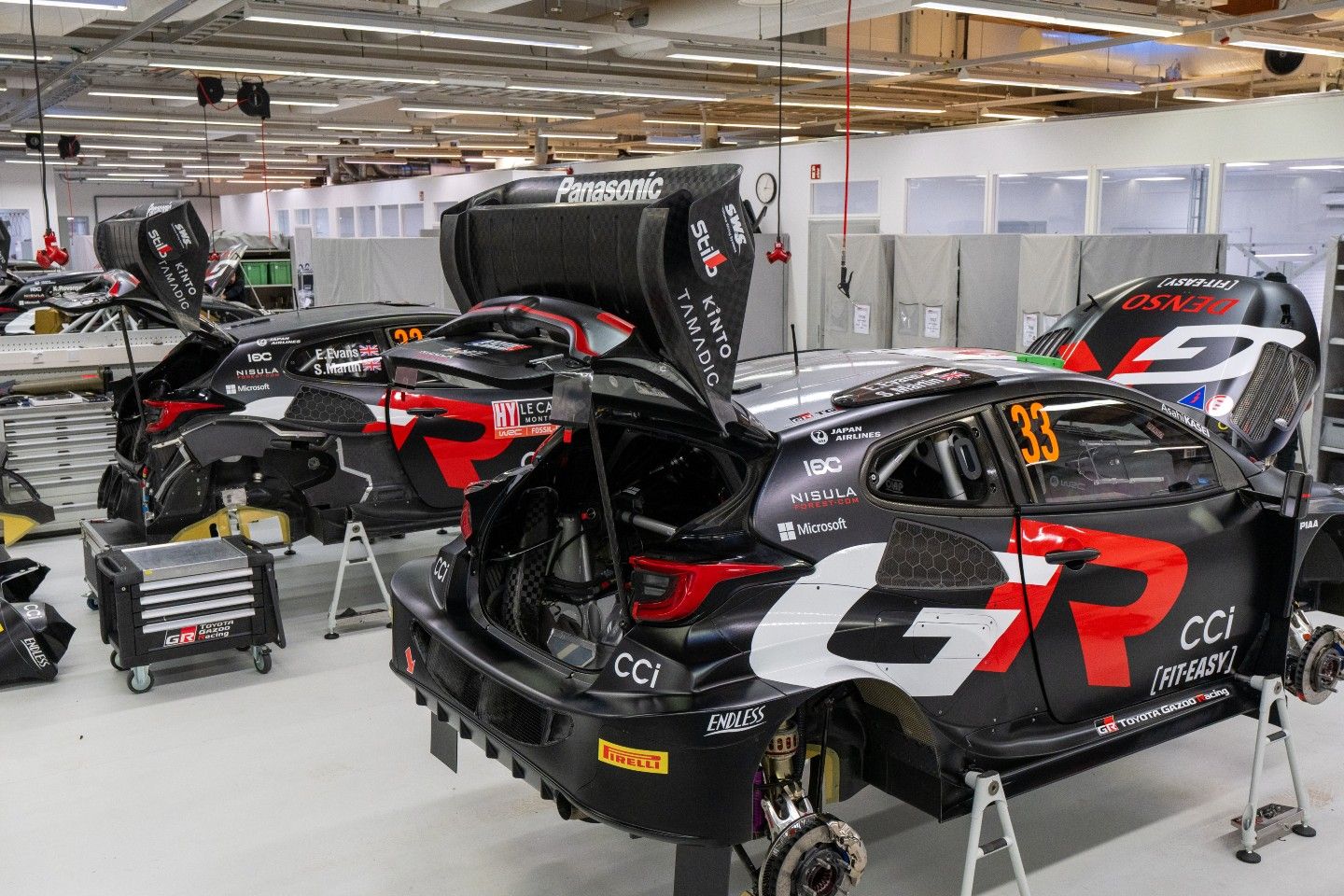
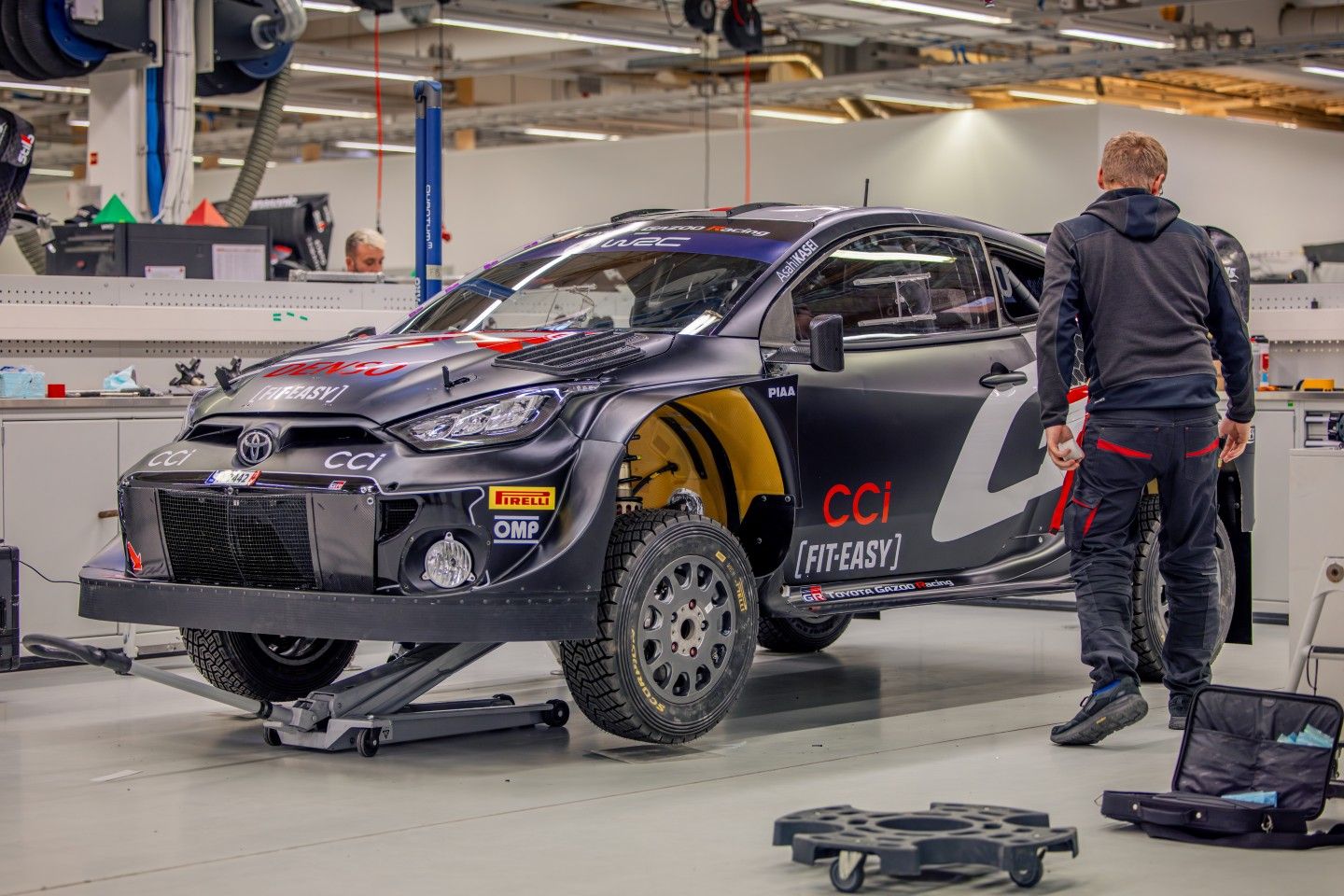
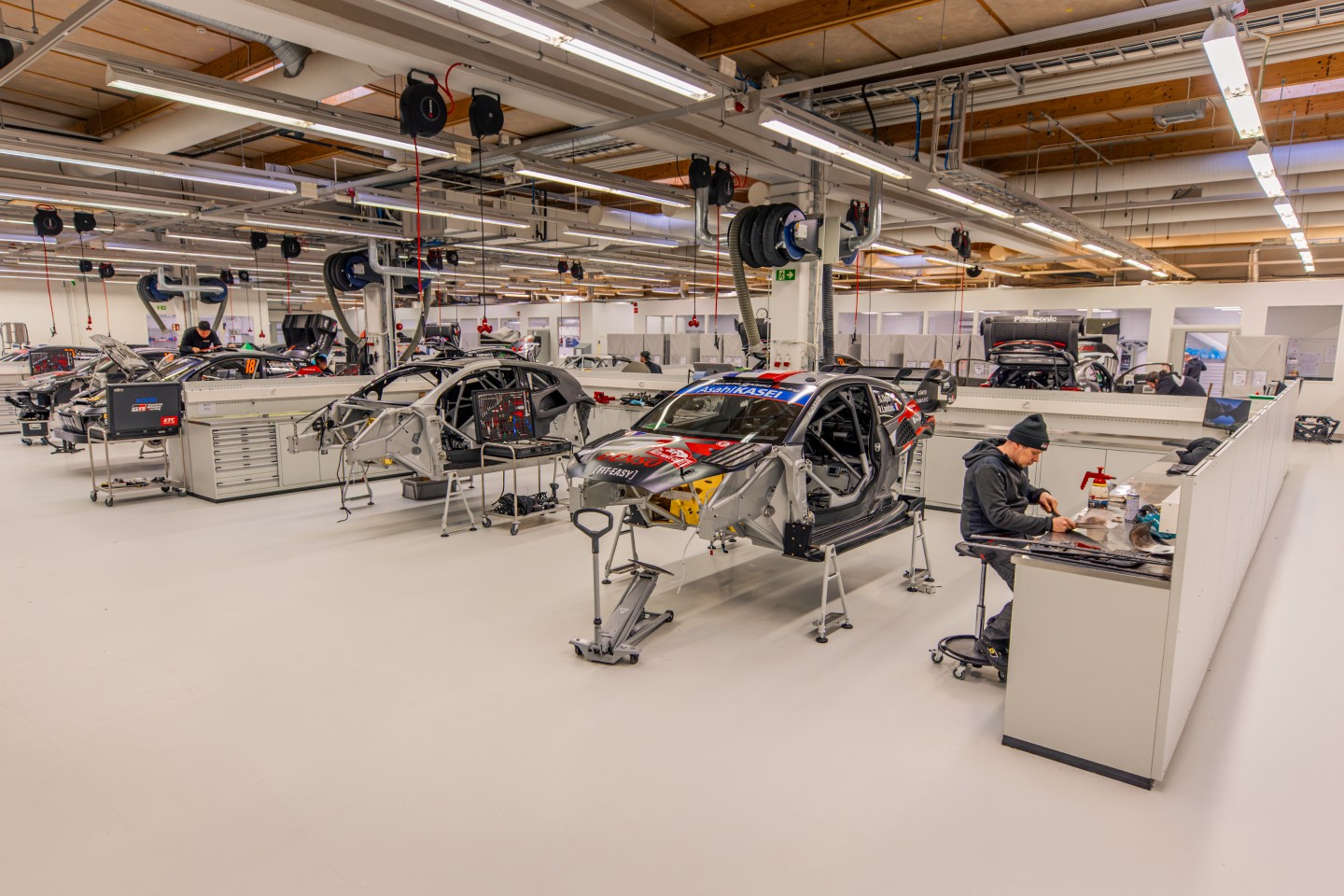
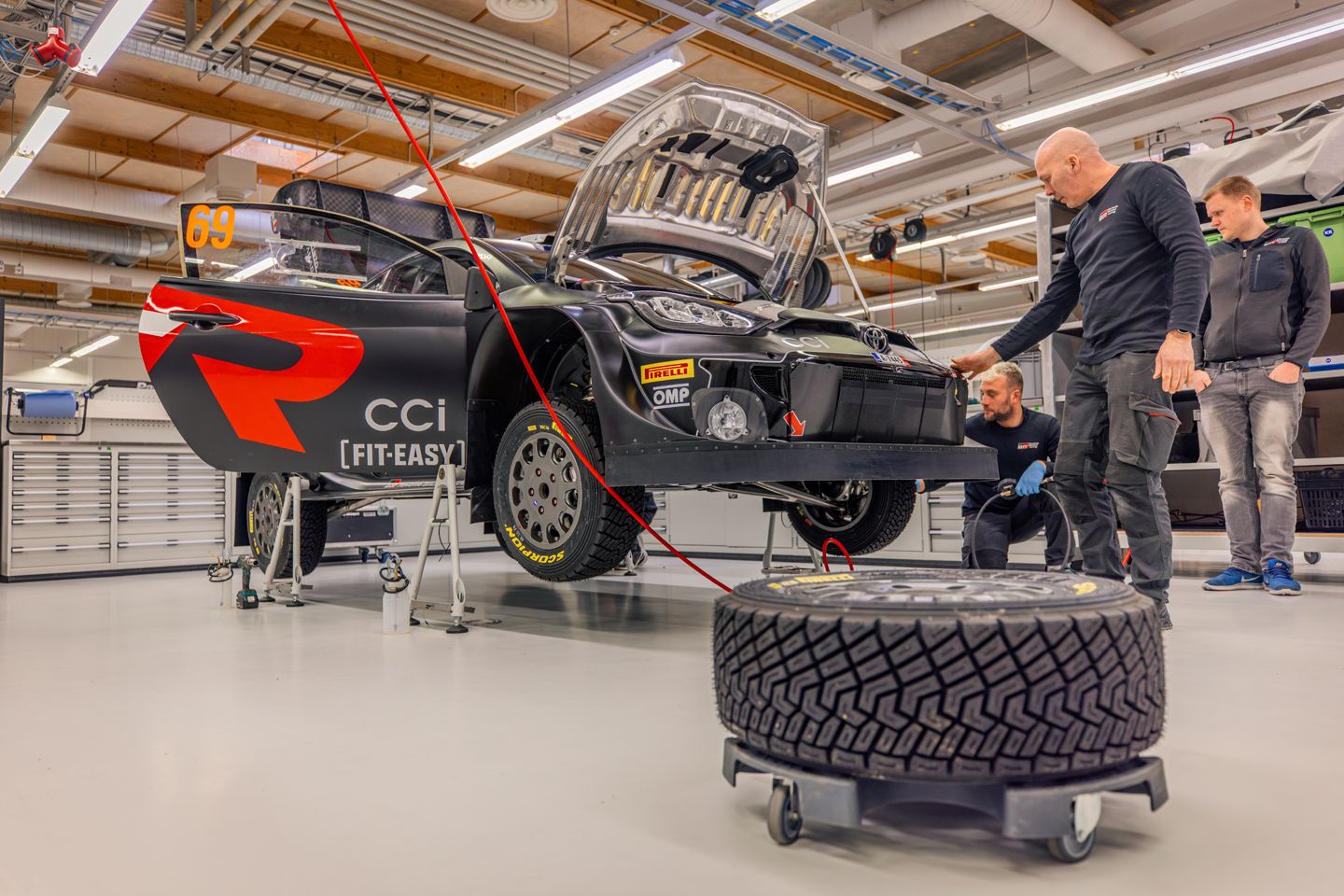
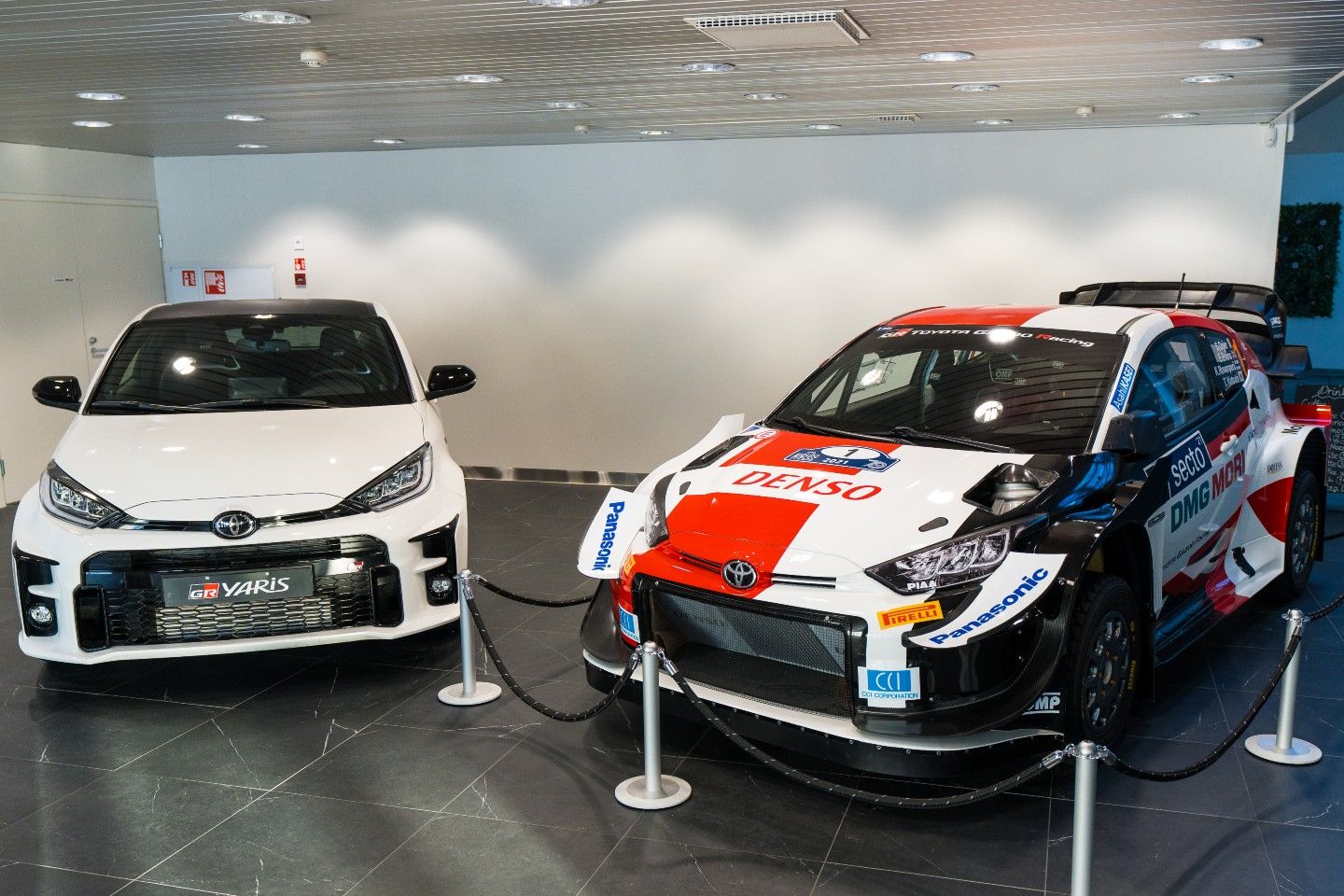
That’s partly because the Rally1 cars only share the A-pillar, roof and door skins with the road-going GR Yaris. The rest of the car is purpose-built for the WRC, including a rally-specific four-cylinder turbo engine in place of the production model’s three-pot, and a bespoke spaceframe chassis built to withstand the sort of impacts that no conventional car has to worry about. Meanwhile, the Rally2 version, which sits much closer to the production GR Yaris, is naturally a fair bit slower, but the prices are capped considerably lower at around €200,000.
Despite the cost advantages, Jari-Matti says that the sheer step in performance between the more junior categories and a hybrid Rally1 car gives young drivers a mountain to climb when they progress to the top class. “I think the idea of bringing them a bit closer, because this ultimate Rally1 car is so quick at the moment. So it doesn't matter if we take a little bit slower with that, bringing it closer to the Rally2. It would maybe also help with the costs.”
Tacit support on one hand then, although on the other he’s not too keen on the greater restrictions on power and aero. Nor is he a fan of the controversial new points system that dishes out scores on both Saturday and Sunday, meaning anyone who crashes out at the start of the weekend still gets a bite at the cherry. Awkwardly, at Rally Sweden, Elfyn Evans came away with the most points despite only finishing second to Hyundai’s Esapekka Lappi.
“We were against it when the proposition came”, he said in clear frustration. “We were saying that this is too complicated for the people to understand. And even drivers can get confused.” The idea was to give drivers a reason to go hell for leather on Sundays after suffering setbacks earlier in the weekend, but Jari-Matti suggests the new points system was a “countermeasure” after initial plans to shorten the weekend were rejected by the FIA. That, he says, has created the “complicated system where we are now.”
With that, I left him to finish lunch, and to have a poke around the new GR Yaris Ogier and Rovanpera Editions parked out front. But Jari-Matti made it clear that, despite five years of domination, Toyota is still committed to the future of the WRC, whether, he says, that’s “focusing on the e-fuels or hydrogen.” His personal devotion to the sport is plainly not at risk either; even though he acknowledges that his days as a full-time WRC driver are up, he still takes any excuse to slide about: “The word 'sideways' is one which always gives me the high emotion", he says gleefully. If that doesn’t qualify you for PH Hero status, I don’t know what does.


As for the cars - I don't know why they don't just make Rally2 the top spec and be done with it. They're still super-quick rally cars, closer to production machines, cheap enough for plenty of manufacturers & privateers to enter, and the best team-driver combos would rise to the top.
If they want manufacturers to be interested in participating, they need to give them value for money through exposure.
If they want manufacturers to be interested in participating, they need to give them value for money through exposure.
I have only a passing interest in F1 but I know the way it works and the protagonists.
I’ve honestly not a clue about modern WRC rallying, and I used to really enjoy it back in the time of McRae, Burns, Sainz etc.
We need a Netflix WRC docu-drama to bring it back to life.
 t at the wall to see how much will stick.
If they want manufacturers to be interested in participating, they need to give them value for money through exposure.
It only took 18 months of further development for the Group A cars with 300bhp to start posting faster stage times than the Group B monsters had achieved with 500bhp. The same will happen here.
So much for the sport being more environmentally responsible and their previous claim of competing with greener cars. Let’s ditch the hybrid component. How do they reconcile that?
As for the cars - I don't know why they don't just make Rally2 the top spec and be done with it. They're still super-quick rally cars, closer to production machines, cheap enough for plenty of manufacturers & privateers to enter, and the best team-driver combos would rise to the top.

and the control panel for the camera

about 2 years ago at Barcelona, F1 also tried a drone cam, it sucked hard.
and the control panel for the camera
about 2 years ago at Barcelona, F1 also tried a drone cam, it sucked hard.
The rest of it needs to be looked at as well!
No point in having super fast rule set if nobody builds the cars.
It only took 18 months of further development for the Group A cars with 300bhp to start posting faster stage times than the Group B monsters had achieved with 500bhp. The same will happen here.
One part of the problem is that WRC style car (4WD, turbocharged 4 cylinders 1200 kgs, modern tires) are so efficient, they have to go crazy fast to be impressive. A RWD NA car (stratos, escort, E30, old 911...) is so more interesting to watch. Even the french FWD kitcars like the clio maxi were more spectacular (on tarmac) than the WRC because they're were very light and had NA engines.
Another thing with the group B is that we had all sort of engines and configurations (RWD/AWD, 4/5/6 cylinders, NA/supercharged/turbo charged, front engine/mid engine).
You could go from having 8 cars and 3 different models of cars competing to over 30 cars and at least 6 models competing at every event overnight by simply by swapping to Rally2 spec cars with less of a restrictor, slightly looser aero restrictions and suspension regulations and that's it! As the dirtfish lads proposed you could sell the "top tier" pack of upgrades to the current Rally2 cars and retain the Rally2 class also. Who doesn't want to see cars with more power and less grip!? - Hell, its so obvious even Hyundai and Toyota said they were putting alot of development in their Rally2 cars in anticipation of this happening!
All this "safety cell" stuff about Rally1 is smoke and mirrors, when hybrid came out they said it was necessary to keep the manufacturers in the championship as they threatened to drop out, now, laughably none of them are complaining that it's been scrapped.
Rally2 already proved at Sweden this year they're more than fast enough to provide a spectacle.
WRC is currently a joke of a sport and the points system has only gone so far as to underline that. I know loosely how it works but if someone like me who has a subscription and watches every single stage can't be bothered to work it out, how do you get new fans interested?!
The promoter also needs to put the WORLD back in the WRC, having more than half the championship in Central Europe is a joke, especially as they're all gravel events. The Championship needs spectacles like Kenya, New Zealand, USA, Jordan, Greece on the calendar to draw interest from the online audience. At the moment alot of the tv coverage feels very repetitive, casuals would no doubt quickly lose interest.
Before reading this I didn't know the cars were making 500BHP and I didn't know the differences between rally 2 and the main championship. I'd like to see a highlights reel of the Rally 2 championship separate to Rally 1.
I recommend everyone watch it because it is so competitive and unpredictable due to crashes, damage, weather and road surface. They really need more manufactures, LMP1 one or more years had just the Audi's which was a sad state for a class to get into when it should be the pinnacle of a discipline.
Up the WRC!

One part of the problem is that WRC style car (4WD, turbocharged 4 cylinders 1200 kgs, modern tires) are so efficient, they have to go crazy fast to be impressive. A RWD NA car (stratos, escort, E30, old 911...) is so more interesting to watch. Even the french FWD kitcars like the clio maxi were more spectacular (on tarmac) than the WRC because they're were very light and had NA engines.
Another thing with the group B is that we had all sort of engines and configurations (RWD/AWD, 4/5/6 cylinders, NA/supercharged/turbo charged, front engine/mid engine).
People harp on about Group B and, while some of it was good, it wasn't all sweetness and light. The cars were pretty unreliable (partly because the events were so long), while crews were often separated by minutes rather than the close competition we have now. Oh, and there is the small matter of people being killed of course.
Forums | General Gassing | Top of Page | What's New | My Stuff