
V8 hybrids to the rescue as Bentley delays EV
Bentley has endured wider technical delays - but EV slowdown means it will invest more in plug-in hybrids
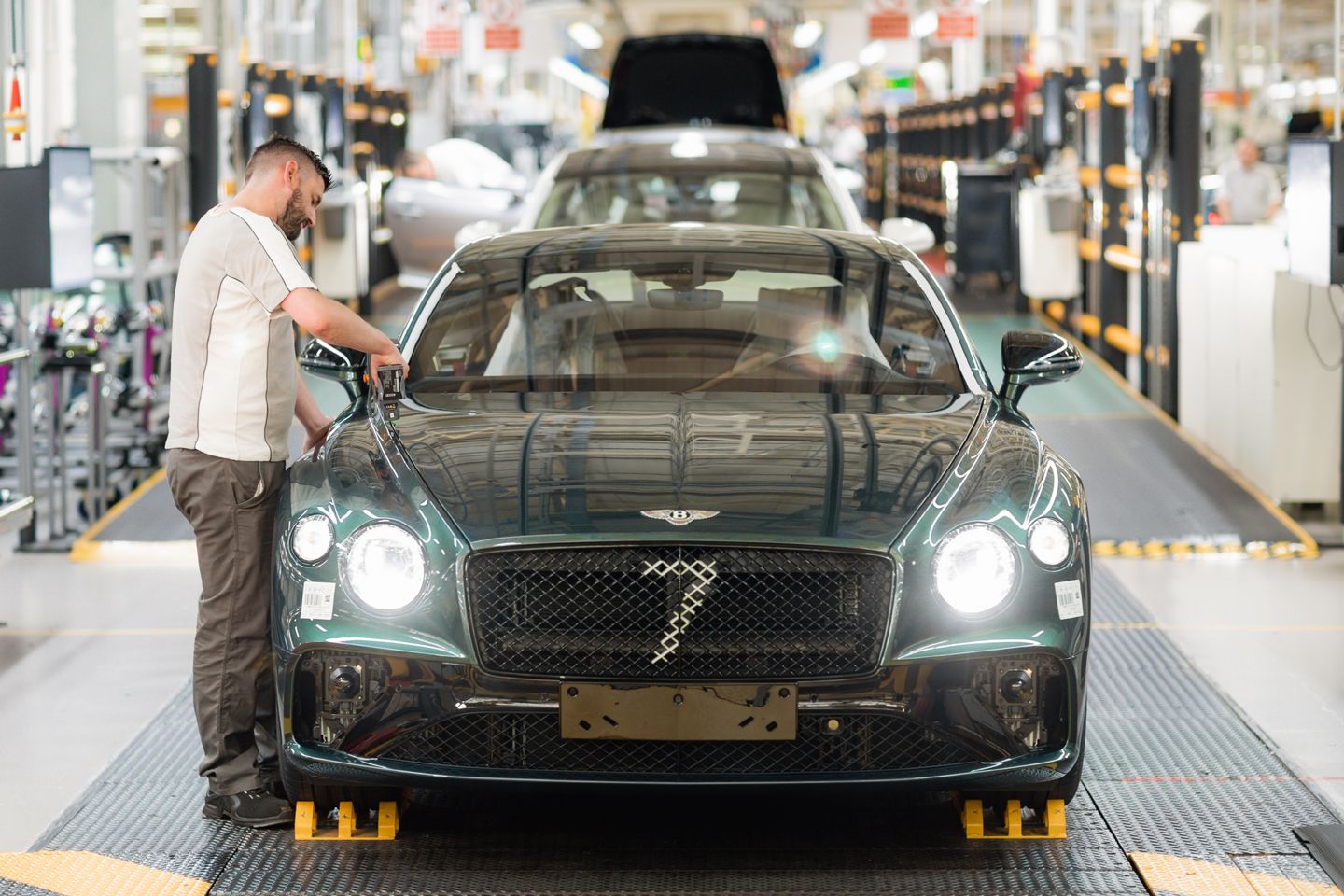
Bentley was remarkably bullish about its Beyond 100 plan when it launched the far-reaching strategy back in 2020. It was mostly about sustainability - i.e. becoming a carbon-neutral manufacturer by 2030 - but it also pledged that Bentley would make the switch to full electrification in the same timeframe. This week it confirmed that an EV-only lineup remained the ultimate goal - but the ambitious schedule? Not so much.
Ostensibly, that’s because the brand’s first battery-electric model, which was due next year, is delayed by technical issues and is now not expected till 2026. As a result, the roll-out that was intended to deliver one new EV per year is running behind, and isn’t now due to be completed until 2033. But you can bet market conditions are taking their toll, too: Aston Martin recently delayed the introduction of its own electric groundbreaker because it projected much greater customer demand for plug-in hybrids in the mid-term.
So guess where Bentley is going to invest some more time and money? That’s right, plug-in hybrids. In fairness, they were always in the plan, too - the 2026 deadline by which it intends to sell no ICE cars unaided by an electric motor remains in place - but rather than gently tapering hybrid production while its new EVs ramp up, it now seems like the petrol-electric models are going to be a Bentley mainstay for the foreseeable future.
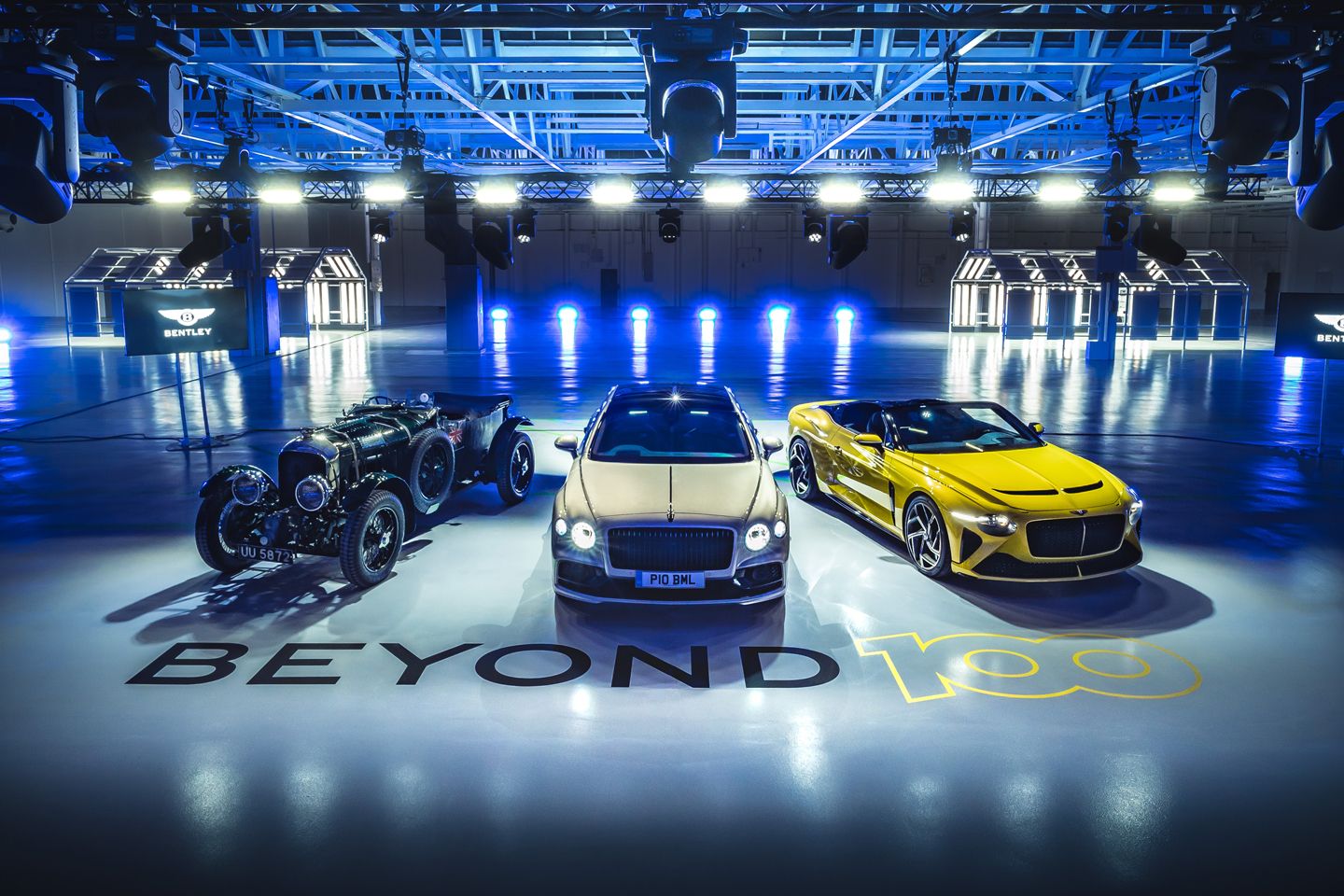
"Because of the delay of the first BEV and because of all the changes around us, we are investing more in hybrids," CEO Adrian Hallmark told Automotive News. “We expected a drop-off of hybrids in 2028, 2029 and 2030 but now we expect that could actually grow and continue," he added. "It gives us more opportunity and it insures us against slower adoption of BEVs."
Given that the factory in Crewe is being restructured to make its own (very costly) transition to building battery-electric vehicles, the wider delays suffered by the VW Group’s PPE architecture, which is set to underpin Bentley’s first EV, are likely frustrating - although Hallmark suggested that the future model would now benefit from improved autonomous features as a result of coming to market much later than originally intended.
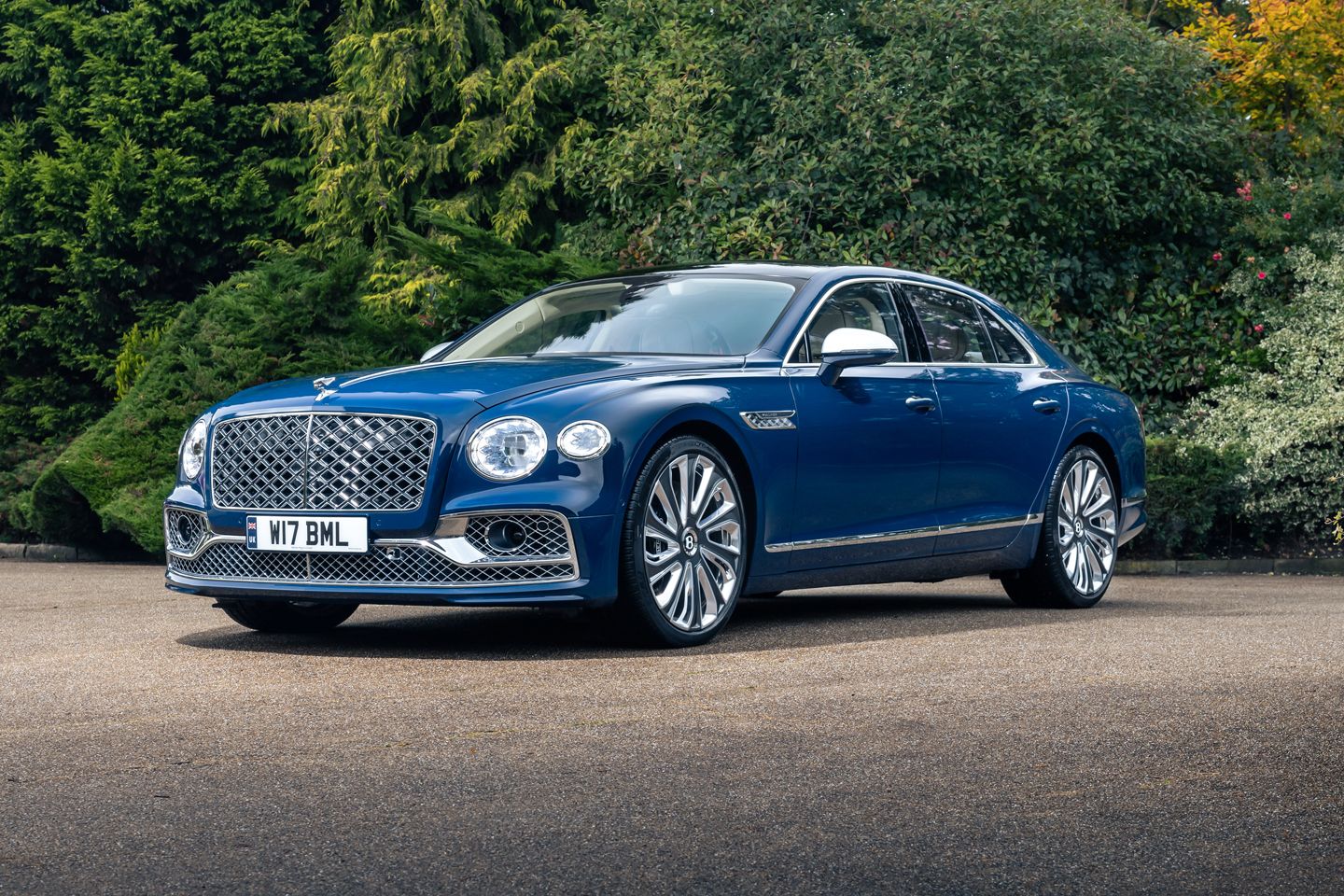
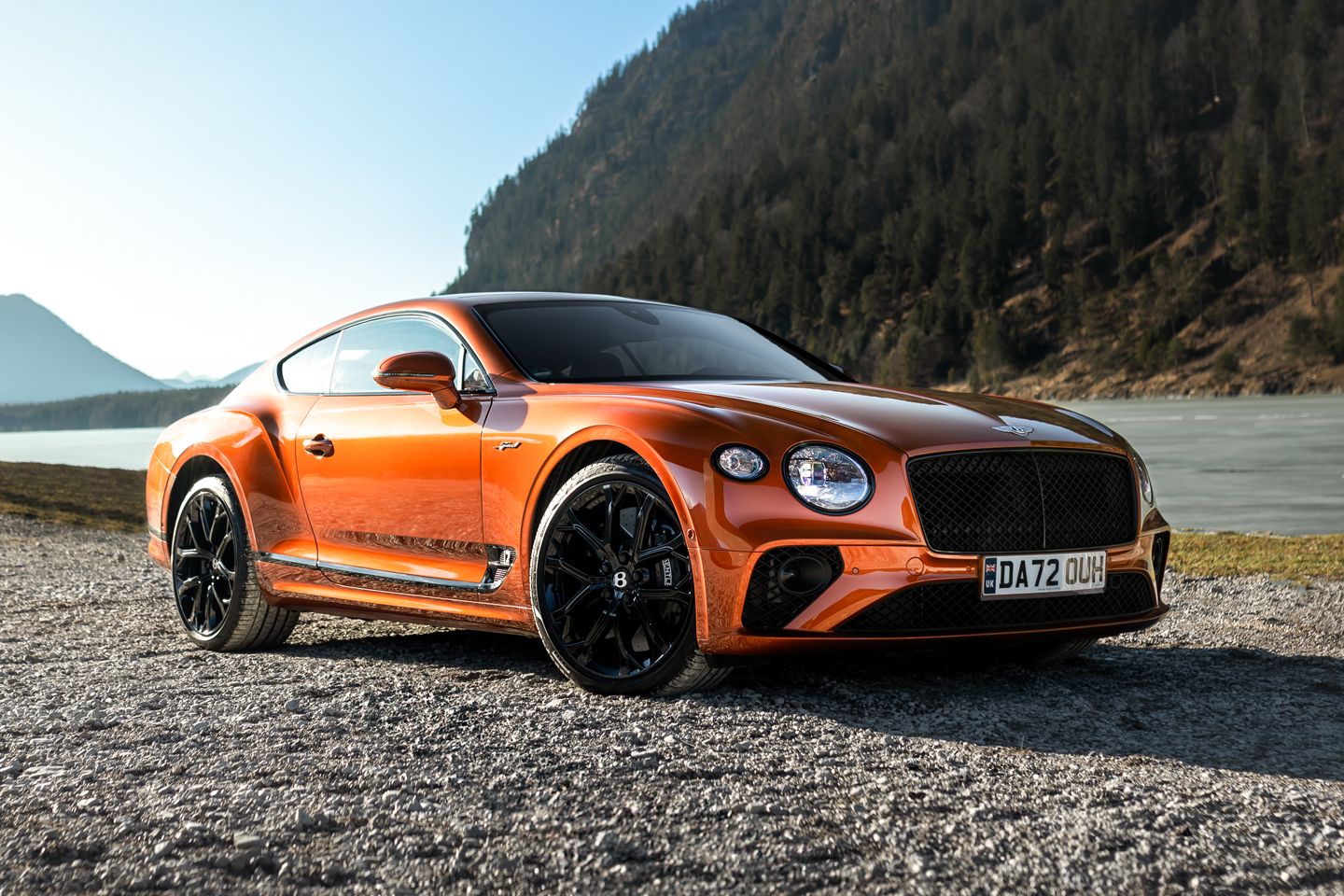
Moreover, Bentley is comparatively well-placed to take advantage of the continuing popularity of PHEVs. It already sells plug-in versions of the Flying Spur and Bentayga, and while the current V6 is nothing to write home about, the brand is currently preparing to launch a much beefier hybrid V8 powertrain to replace the W12 in a heavily updated Continental GT. The unit will also be shared with a new, facelifted Flying Spur. Both will now remain on sale well into the next decade - much longer than Bentley originally envisaged. But likely to the satisfaction of its customers.



As a related point, has anyone V12 swapped a Spectre yet?
To be honest, I think you're clutching at straws if you think this has any relevance to the wider BEV market.
But (dumb question) how much of this is also down to the government extending the end of ICE sales to 2035, rather than 2030 as it had been? If the regulation was still in place, Bentley would still be talking about its first BEVs coming out by 2030, right - it wouldn't have any choice.
Just curious, I don't have any particular view on it all (given I'm not in the market for either a Bentley or a BEV)
Well done Bentley.
No one outside of the company car scheme really wants an EV. Especially the type of customer who buys Bentleys & Astons.
But (dumb question) how much of this is also down to the government extending the end of ICE sales to 2035, rather than 2030 as it had been? If the regulation was still in place, Bentley would still be talking about its first BEVs coming out by 2030, right - it wouldn't have any choice.
Just curious, I don't have any particular view on it all (given I'm not in the market for either a Bentley or a BEV)
It's clear that the market is speaking - the majority don't want them until they make sense and stalled sales and depreciation on the used market is telling the same story. Many dealers are even refusing to take back their own models on part ex as they are rammed with stock they can't shift.
It would not surpise me if some of the majors who have gone 'all in' on EV's don't get into serious financial difficulties when they can't move product that the market is not ready for.
...Toyota seem to be hedging on this too.
Forums | General Gassing | Top of Page | What's New | My Stuff