
Volvo drops EX30 to £33k with new 'Core' spec
The week Kia shows its new EV3, Volvo launches an EX30 that comes in at £145 less - funny, that
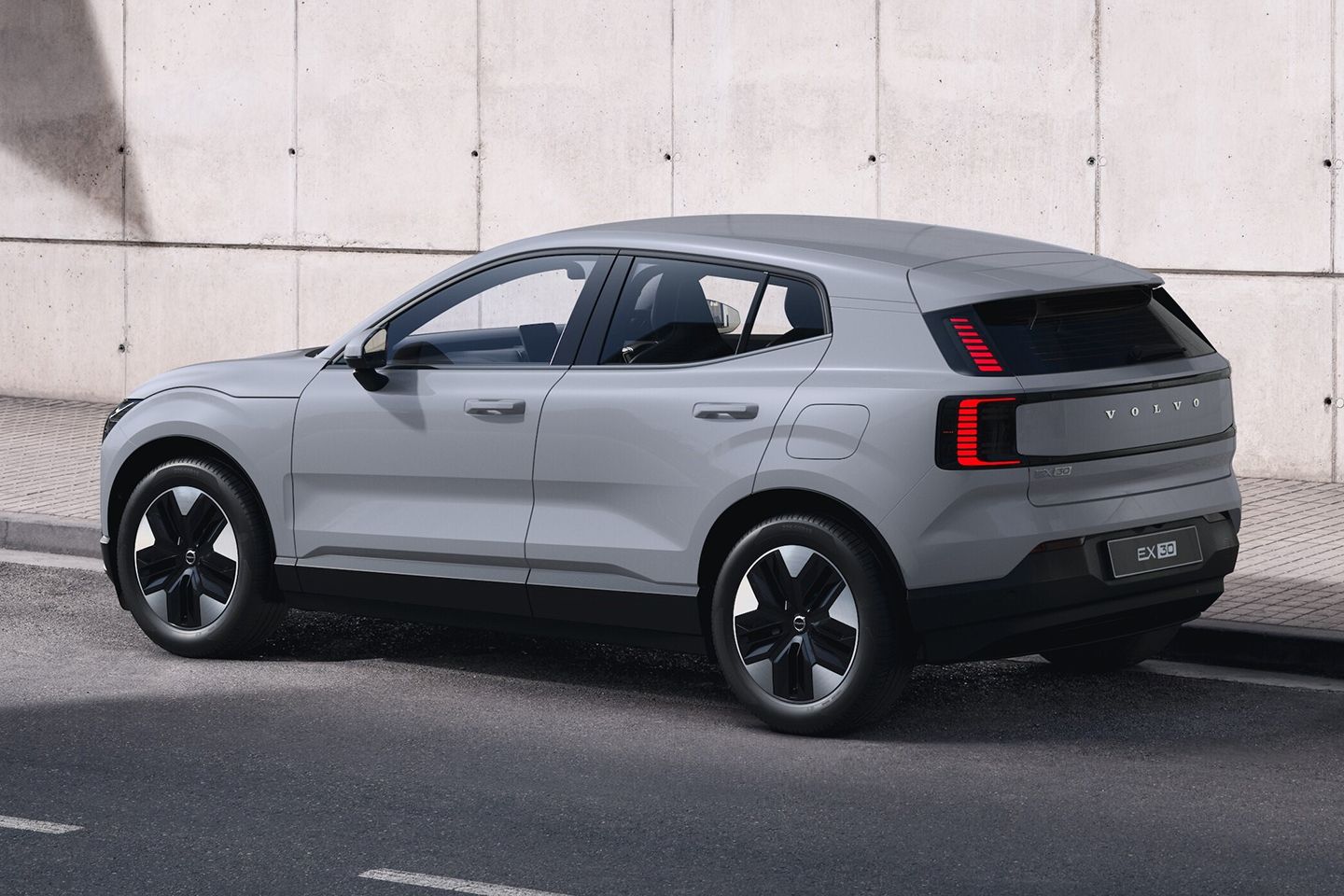
You only need look at how many MG 4s and Cupra Borns are on the road to get the significance of family focused EVs at £35k and under. At the same price or little more than the equivalent ICE hatch, their popularity looks set only to increase over the coming years. See the Kia EV3 as proof of the sector’s importance. That new electric hatch-SUV launched this week at £32,995; in what must be a complete coincidence, Volvo has confirmed its new EX30 Core a couple of days later. From £32,850.
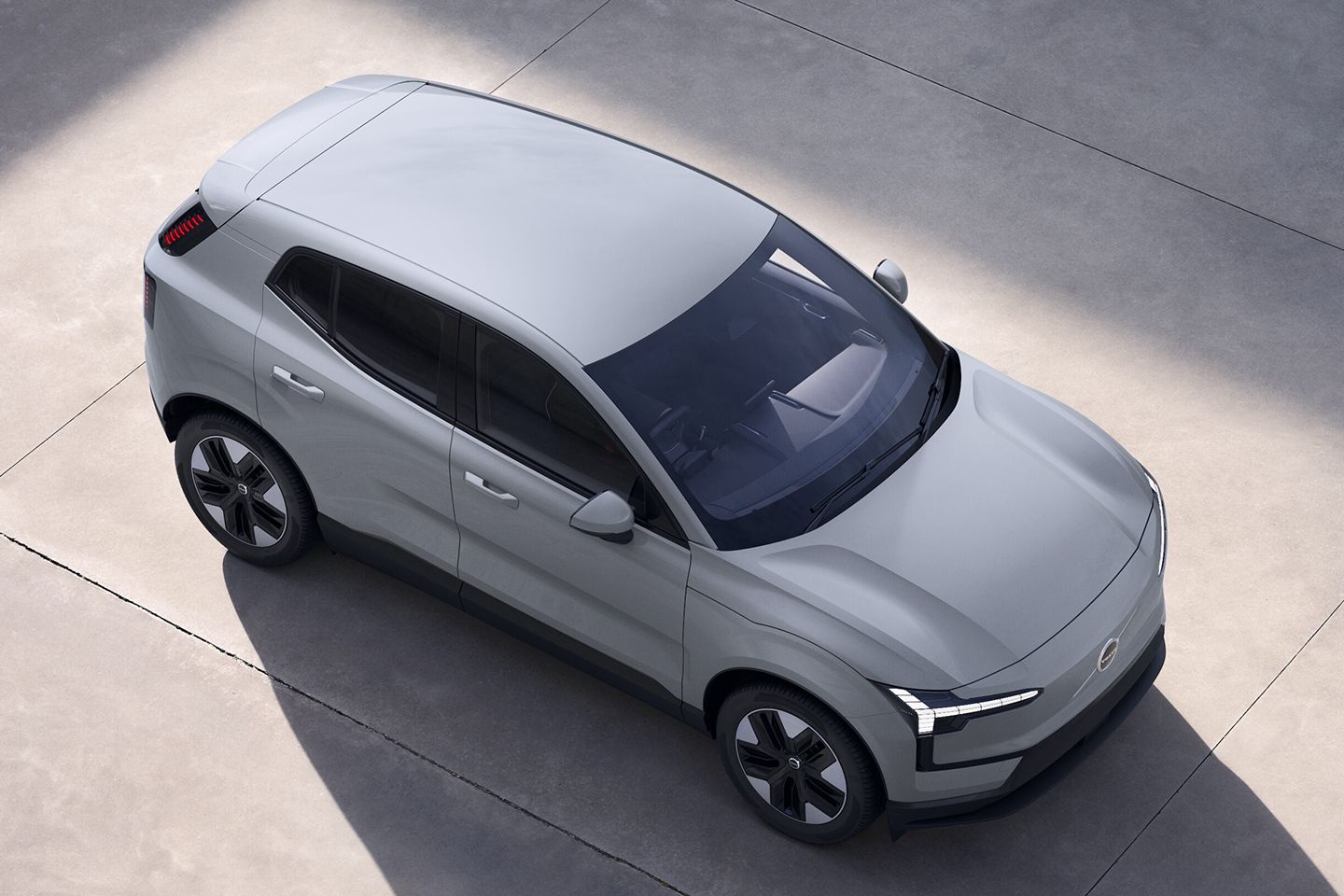
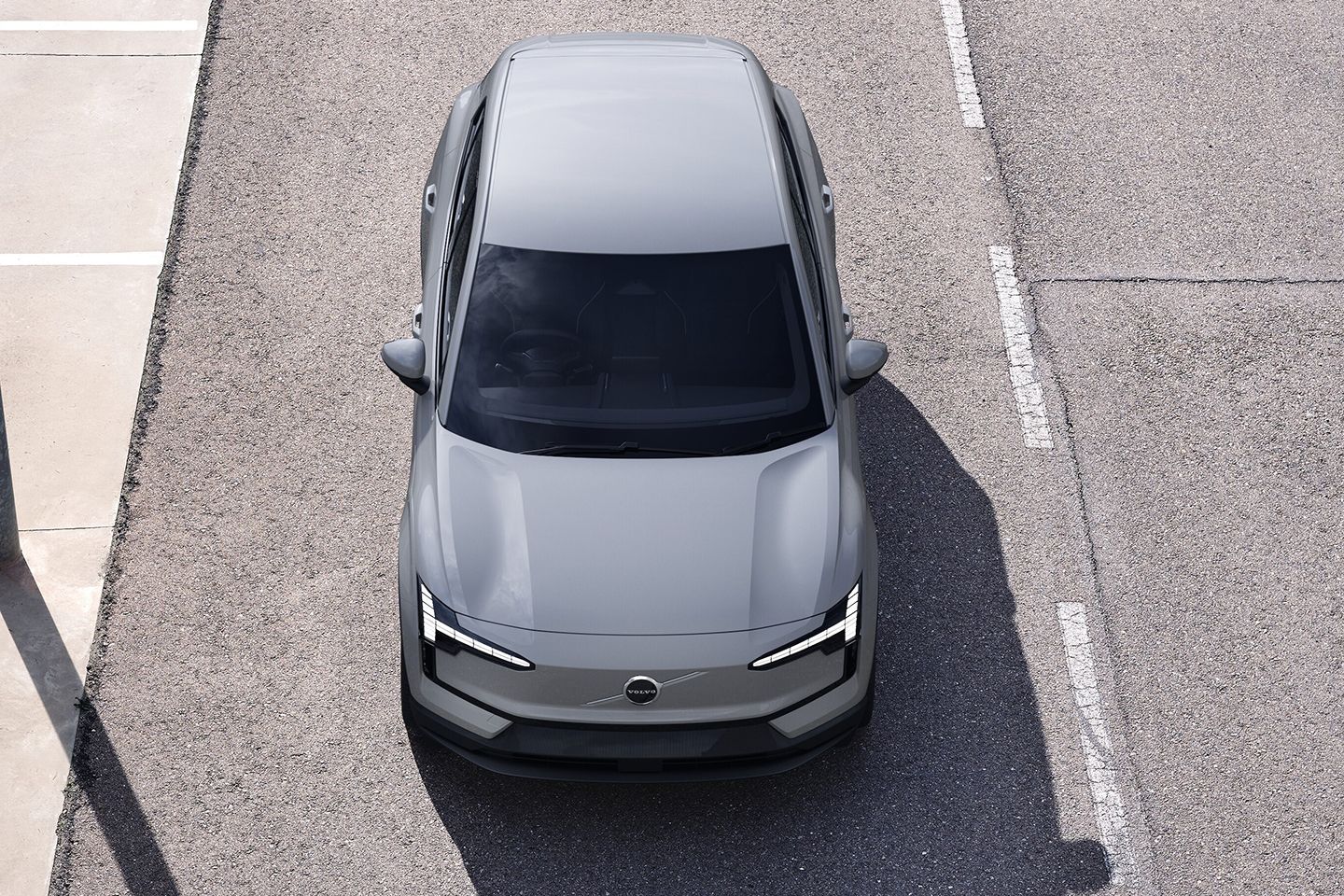
Core will sit below the Plus and Ultra in the small Volvo SUV lineup, dropping the price of entry by almost £1000. But obviously this had nothing to do with the Kia’s arrival whatsoever. With a price fairly close to the Plus model, the Core keeps much of that car’s spec, with standard kit including 18-inch wheels, a rear parking camera and a dash-mounted soundbar. £32,850 or £479 a month buys a Single Motor, rear-drive EX30 Core, with 272hp and 209 miles possible thanks to a 51kWh battery. For £37,050 an Extended Range model is available, increasing battery size to 69kWh and the range to 295 miles. As can often be the case with EVs (and would typically be the way with ICE models, to be fair), it feels like the model with the headline-grabbing RRP isn’t the one that people will necessarily buy.
Still,it feels reasonably interesting that an electric Volvo is now priced at Golf money. For running the usual errands with the odd longer trip, it’s easy to see why something like an EX30 might appeal. Think of all the potential savings for a fun car. With the Core model on sale now, it’s expected on the road early in 2025. By which time there will probably be twice the numbers of rivals to think about.


Very few people will need a 100+kWh battery with over 400 miles range.
Anybody doing long distances and / or motorway driving probably does, as EV’s burn through electric on the motorway and do 50-65% of their quoted range.
Very few people will need a 100+kWh battery with over 400 miles range.
Anybody doing long distances and / or motorway driving probably does, as EV’s burn through electric on the motorway and do 50-65% of their quoted range.
Very few people will need a 100+kWh battery with over 400 miles range.
Anybody doing long distances and / or motorway driving probably does, as EV’s burn through electric on the motorway and do 50-65% of their quoted range.
Very few people will need a 100+kWh battery with over 400 miles range.
Anybody doing long distances and / or motorway driving probably does, as EV’s burn through electric on the motorway and do 50-65% of their quoted range.
If you turn a/c off and drive at 70 you get about 3-3.1 m/kwh
If you are pootling about in stop start traffic it does about 4.5km/kwh
58kwh battery, charging up to 80% and running down to 20 gives about 160 miles pootling about.
On a longer motorway trip we do, charge at home to 100% and run down to 20% - gives about 130-140 miles at motorway speeds.
Whilst it can charge quickly, in winter it’s less consistent and can be slow, so is a pita.
I’m either going Macan with 100kwh or a replacement ionic with 84kwh, but I like the ex30 barring the lack of a hud, which it needs.
Very few people will need a 100+kWh battery with over 400 miles range.
Anybody doing long distances and / or motorway driving probably does, as EV’s burn through electric on the motorway and do 50-65% of their quoted range.
If you turn a/c off and drive at 70 you get about 3-3.1 m/kwh
If you are pootling about in stop start traffic it does about 4.5km/kwh
58kwh battery, charging up to 80% and running down to 20 gives about 160 miles pootling about.
On a longer motorway trip we do, charge at home to 100% and run down to 20% - gives about 130-140 miles at motorway speeds.
Whilst it can charge quickly, in winter it’s less consistent and can be slow, so is a pita.
I’m either going Macan with 100kwh or a replacement ionic with 84kwh, but I like the ex30 barring the lack of a hud, which it needs.
My Tesla model Y gets about 4-4.3 m/kWh around town and just under 4 m/kWh at motorway speeds with the Aircon on.
Even doing a big stretch at higher speeds on the french autoroute at 130kph only brought it down to 3.5m/kWh
Sounds more like a design issue with aerodynamics in the ioniq and not an EV inherent thing
If you turn a/c off and drive at 70 you get about 3-3.1 m/kwh
If you are pootling about in stop start traffic it does about 4.5km/kwh
58kwh battery, charging up to 80% and running down to 20 gives about 160 miles pootling about.
On a longer motorway trip we do, charge at home to 100% and run down to 20% - gives about 130-140 miles at motorway speeds.
Whilst it can charge quickly, in winter it’s less consistent and can be slow, so is a pita.
I’m either going Macan with 100kwh or a replacement ionic with 84kwh, but I like the ex30 barring the lack of a hud, which it needs.

Even the least efficient SUV, EV, weighing over 2.5tons and with 900bhp averages about 80 MPGe
Makes the ‘very efficient ICE’ look antiquated.
Checking half the road tests it appears its about par for the course on most EV's at or above motorway speeds.
when charging for 7p kwh at home its ok, less so at 85p kph at Ionity or Gridserve etc
If we were looking for a small ev with sensible range I’d look at one.
As it is, still got 18months left in my PS2 and might replace like for like as just borrowed a colleagues and range has increased by 10-20miles with mid life refresh. Showing the progress that’s being achieved with battery tech etc
Eta. Polestar recommend charging battery to 90% to maintain battery life (and it’s the same tech within) - giving a few more usable miles than the poster that said he only charges to 80%
Forums | General Gassing | Top of Page | What's New | My Stuff