
BMW confirms first fuel cell car for 2028
Partnership with Toyota goes 'to the next level' as BMW bets on a future FCEV
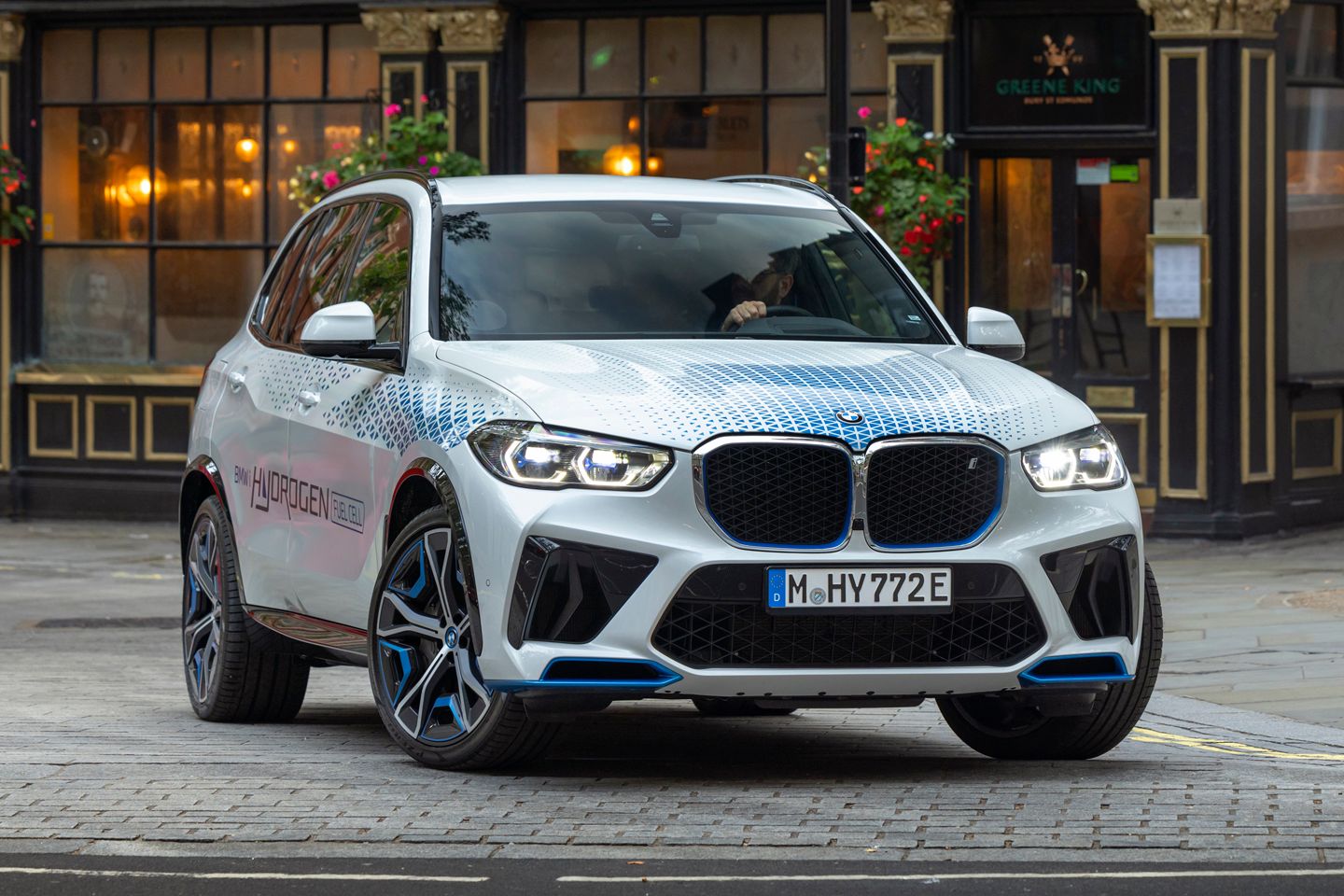
In terms of sales volume, the past performance of fuel cell electric vehicles (FCEV) is not great. And that’s putting it mildly. The technology, primarily using compressed hydrogen, has been around in an automotive sense for decades and as (sort of) viable retail product from at least 2008. But with very limited infrastructure and questions of inefficiency when compared with pure battery-electric vehicles, FCEVs have not made much of a dent in the public consciousness - particularly in Europe, where the vast majority of EV investment has been directed at more conventional solutions.
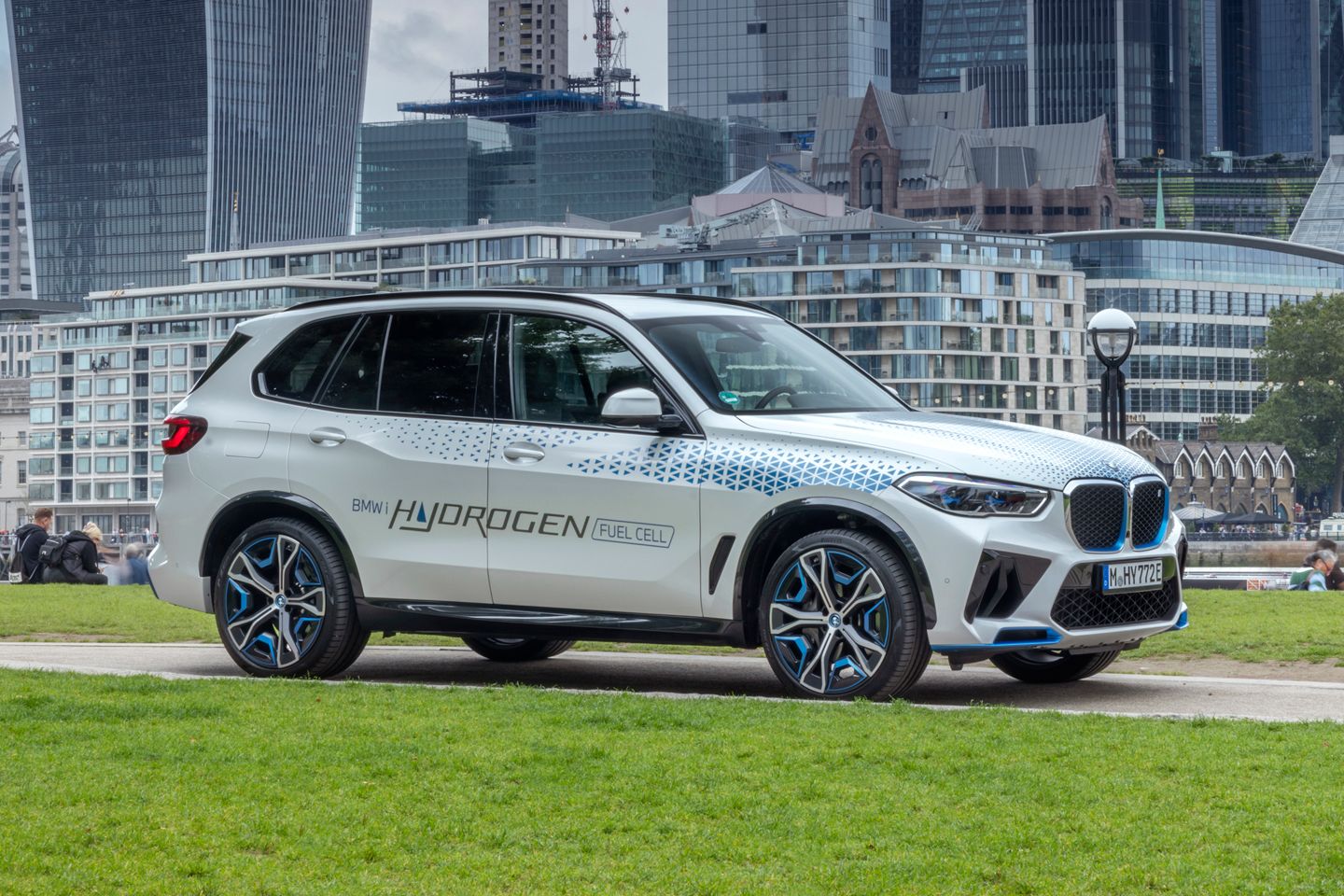
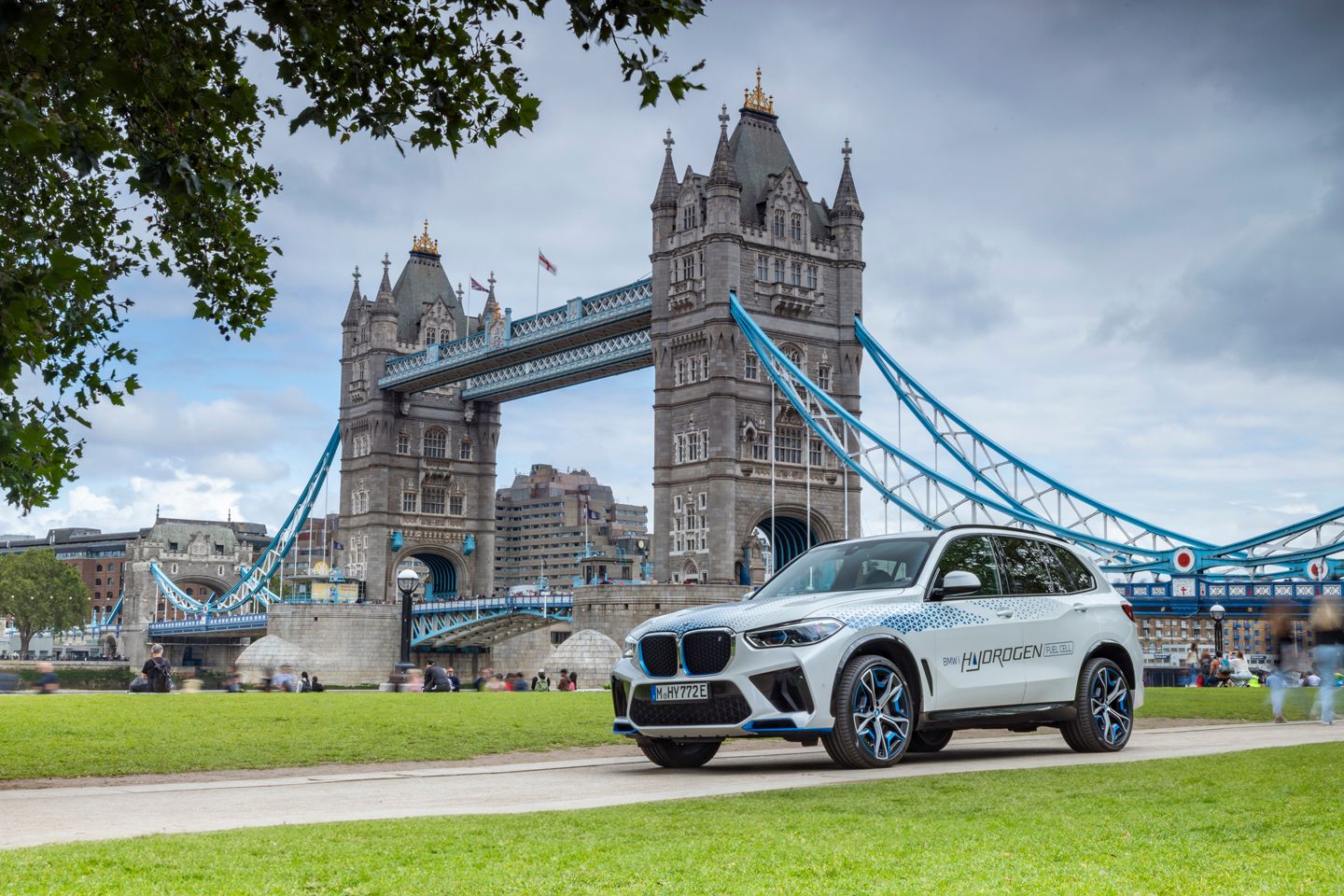
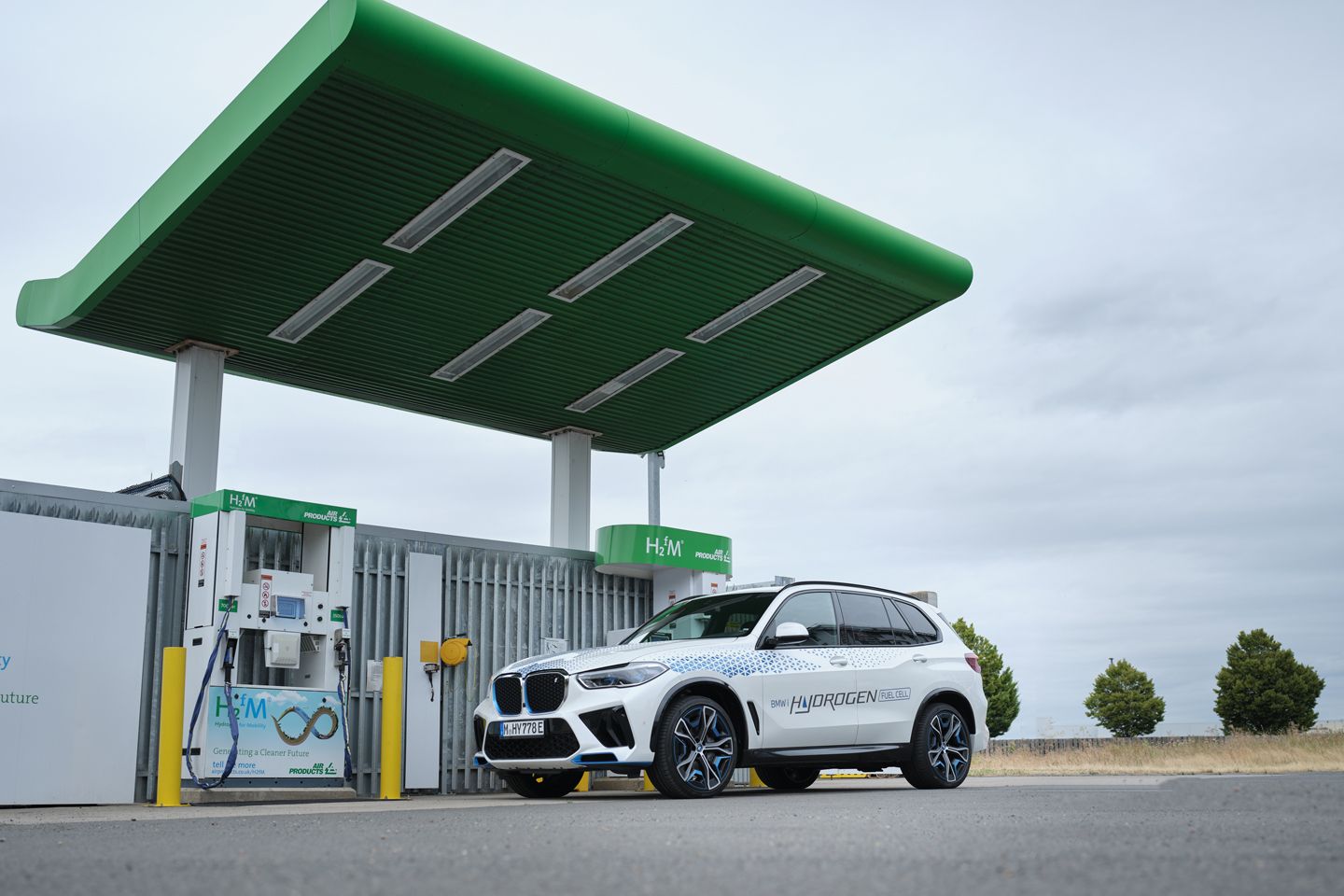
But that hasn’t prevented several major manufacturers from covering their bets. BMW has previously voiced reservations about fuel cells as it accelerated its presence in the fledgling EV market - but that did not prevent it from entering a partnership with Toyota (a long-standing investor in fuel cells) to further study the technology. The BMW iX5 Hydrogen, unveiled in 2019, was one outcome of that collaboration, and it entered a period of long-term fleet testing which the firm evidently deemed successful. Successful enough for BMW to announce that its first-ever series production FCEV will launch in 2028.
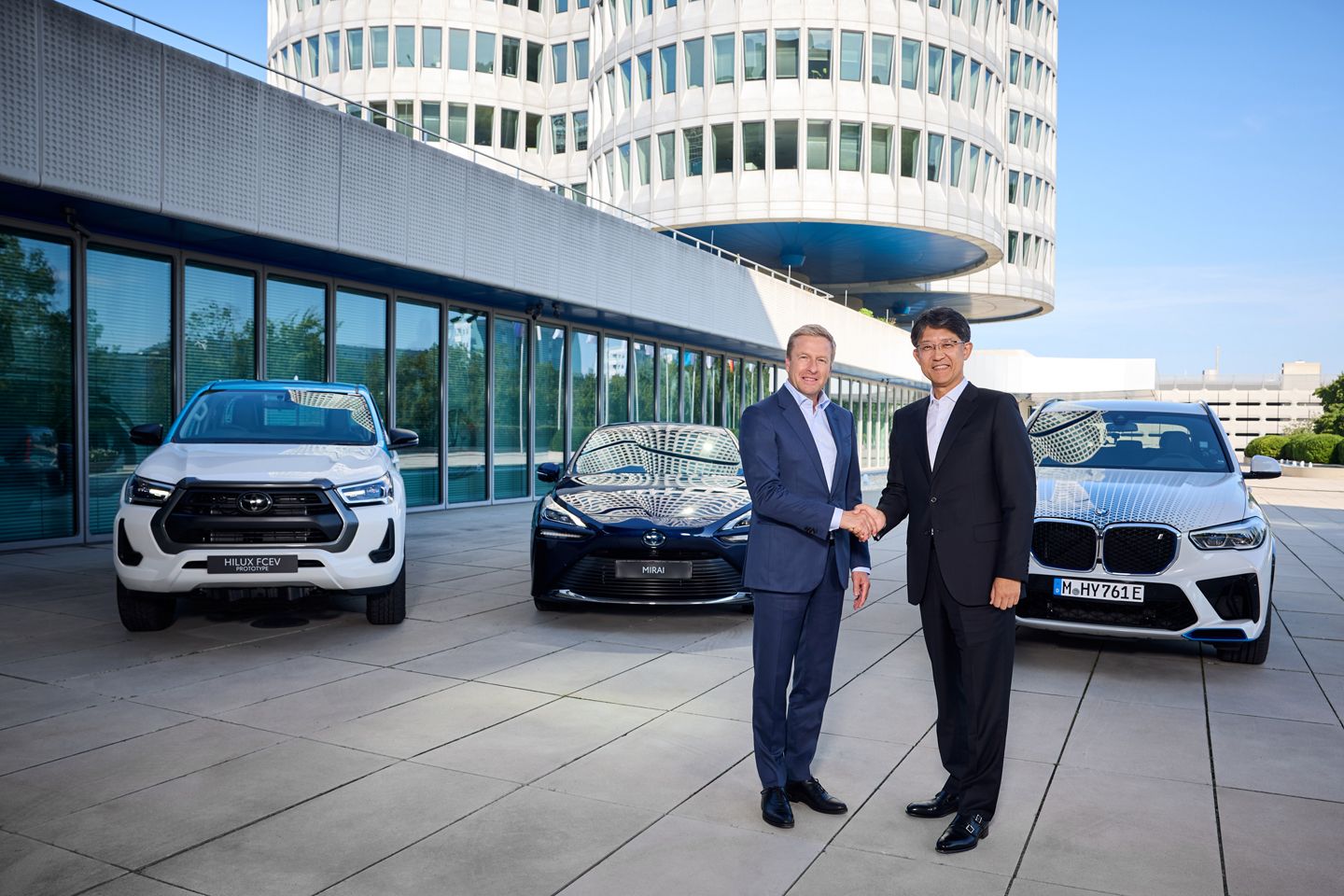
To achieve this goal, the existing partnership with Toyota will be deepened with both firms pooling ‘their innovative strength and their technological capabilities to bring a new generation of fuel cell powertrain technology to the roads.’ Toyota suggested that they shared a ‘multi-pathway’ approach to carbon neutrality, and stressed the importance of a combined ‘passion for cars’.
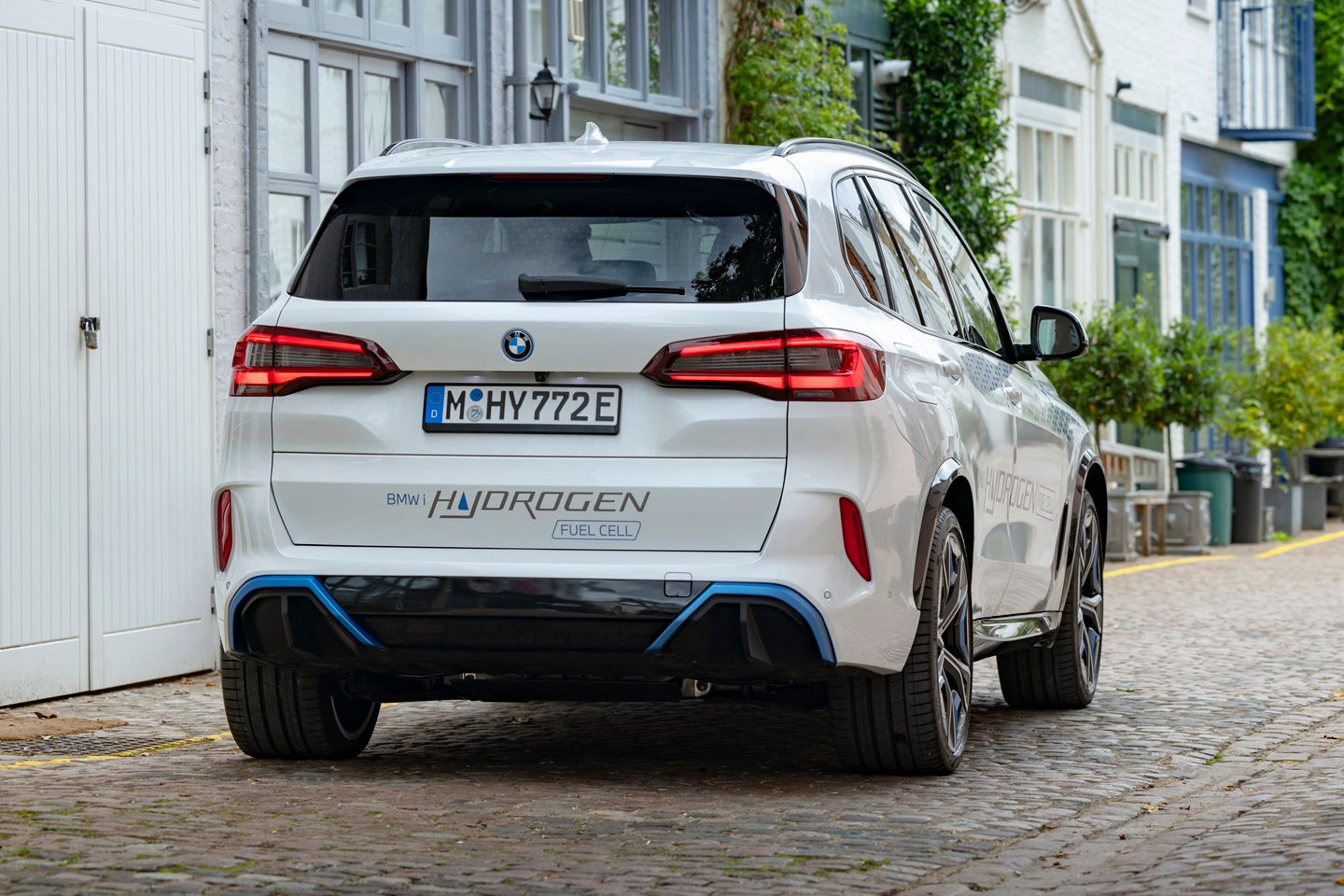
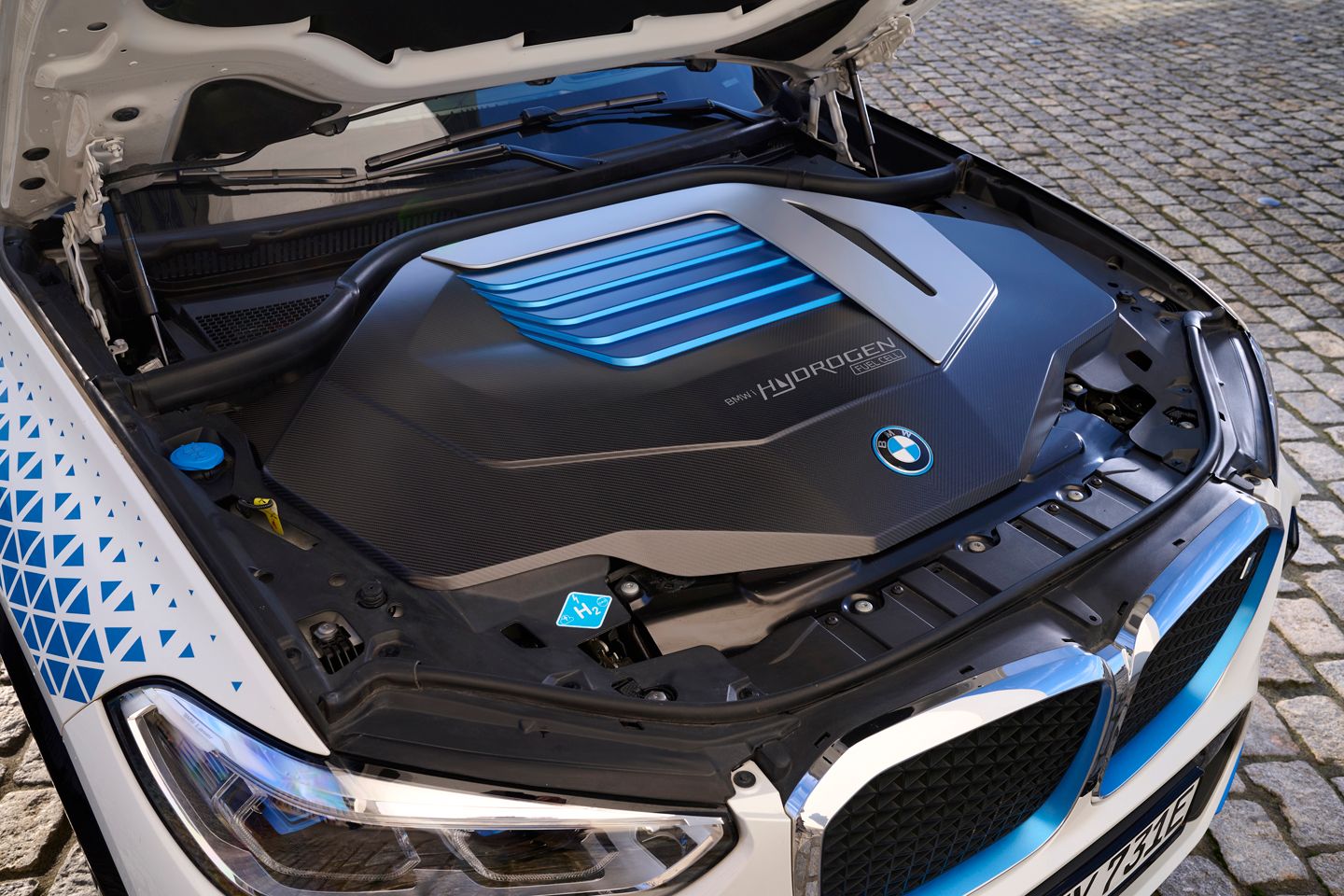
BMW boss Oliver Zipse went one step further: “This is a milestone in automotive history: the first-ever series production fuel cell vehicle to be offered by a global premium manufacturer. Powered by hydrogen and driven by the spirit of our cooperation, it will underscore how technological progress is shaping future mobility. And it will herald an era of significant demand for fuel cell electric vehicles.”
Given the lacklustre response to Toyota’s current fuel cell production model, the Mirai (reportedly the subject of an ongoing class action lawsuit in California over the alleged lack of refuelling facilities), the second point is surely more optimistic than the first. There is hardly any question of the partnership's core ability to create a third-generation powertrain, or locate the synergies that would benefit ‘their distinct brand identities and characteristics’ - the issue is generating sufficient customer interest to sustain mass production.
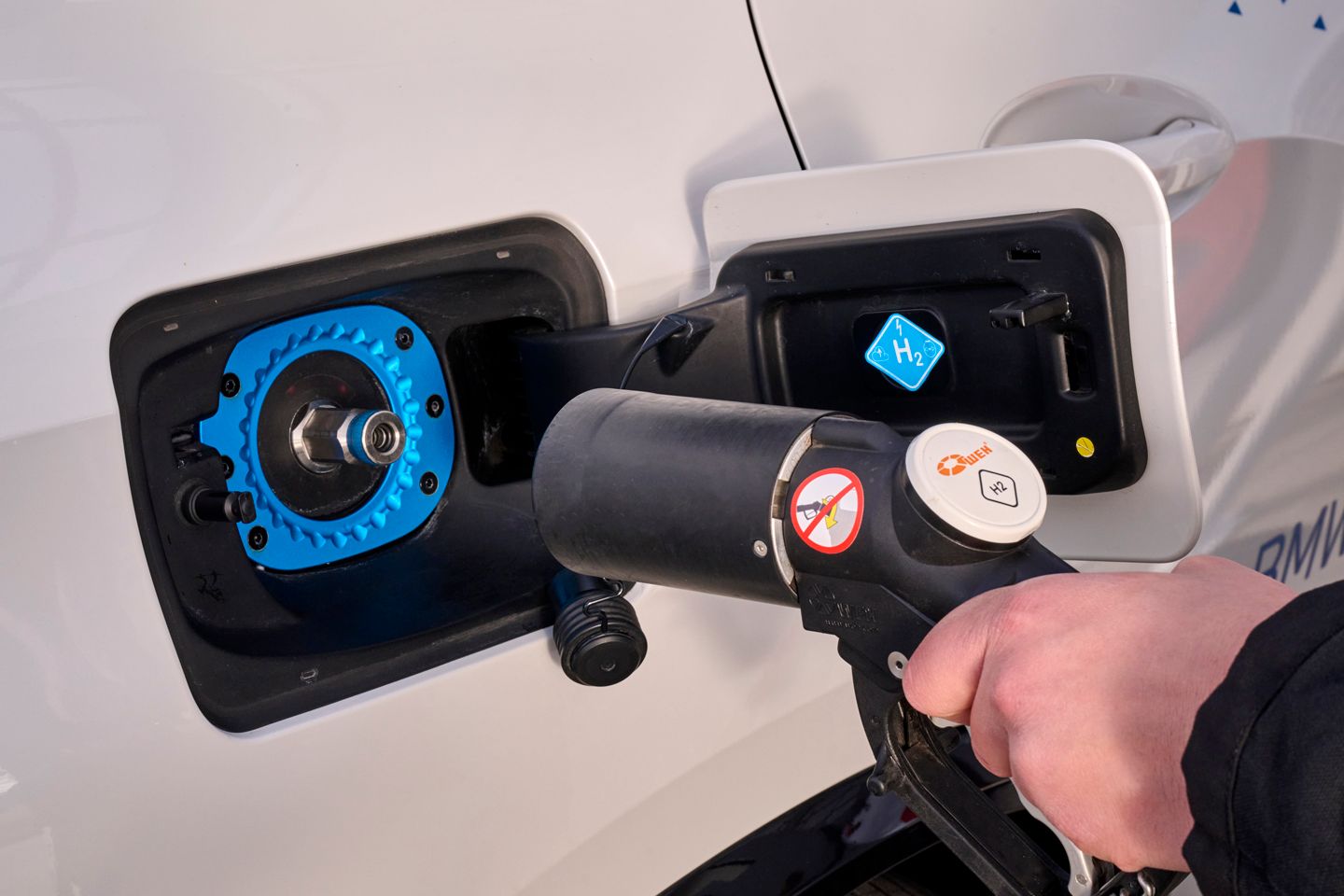
Hence the four-year run-up to incorporating such a car into BMW’s existing portfolio (where, the firm stresses, it will sit alongside BEVs and PHEVs and ICE products) and an ongoing emphasis on the importance of establishing a ‘pathway to realizing the full potential of hydrogen mobility’. Which very much includes supporting any firm that is committed to ‘building low-carbon hydrogen production, distribution, and refuelling facilities’ and encouraging national governments to do a better job of laying the framework that might lead to the economic viability of fuel cells more generally. In other words, and as we’ve become accustomed to saying, watch this space.


In favour of the fuel cell is that you can make hydrogen only when there's excess energy in the grid and store it (you can make that argument for battery but if the wind doesn't blow for a significant time then you're charging from fossil fuels) AND it does away with a requirement for the majority of battery.
It also gives huge flexibility with respect to the fact that you could burn it in a power station to supplement the grid when you have excess demand and a lack of renewable generation.
It may well be that the flexibility it offers means that in the long run it becomes a prolific technology.
We're very definitely going to have too much renewables at certain times and not enough at others.
Of course that could still mean hydrogen and not fuel cell cars but I wouldn't bet against anything at the moment.
But they have so many more downsides than most people realise. The main one being the cost of hydrogen - It makes public charging an EV look value for money, and that's if you can find a fueling station.
I'll be sticking with my EV - charging on my drive overnight at 7p KWh, or using my home solar

I can't say i fancy the idea of sitting on a potential bomb but I suppose the chance of catastrophe is extremely small. How long before sufficient infrastructure is in place though? EV has a massive head start.
But they have so many more downsides than most people realise. The main one being the cost of hydrogen - It makes public charging an EV look value for money, and that's if you can find a fueling station.
I'll be sticking with my EV - charging on my drive overnight at 7p KWh, or using my home solar
But then why are the multi national billion pound profit driven companies investing into it.
I'm pretty sure there are grants available for alternative clean fuel options also it's not unwise for BMW to hedge their best a little.
In favour of the fuel cell is that you can make hydrogen only when there's excess energy in the grid and store it (you can make that argument for battery but if the wind doesn't blow for a significant time then you're charging from fossil fuels) AND it does away with a requirement for the majority of battery.
It also gives huge flexibility with respect to the fact that you could burn it in a power station to supplement the grid when you have excess demand and a lack of renewable generation.
It may well be that the flexibility it offers means that in the long run it becomes a prolific technology.
We're very definitely going to have too much renewables at certain times and not enough at others.
Of course that could still mean hydrogen and not fuel cell cars but I wouldn't bet against anything at the moment.
Another hydrogen benefit is transportation, we here that the grid will need updating to cope, hydrogen can be made at the source of the energy generation.
Forums | General Gassing | Top of Page | What's New | My Stuff