
Honda and Nissan officially float idea of merger
Imagine the possibilities. Imagine the pitfalls
‘Tumultuous’ doesn’t oversell the state of the car industry in 2024. Across the world, manufacturers are having to manage electrification, changing customer uses and tastes, the influence (some might say impact) of China, mandates, quotas, regulations, the spectre of tariffs in the US… it’s a lot. And just when it seemed like a momentous year was just about done as far as significant news was concerned, Nissan and Honda - two titans of Japanese car making - have signed an additional Memorandum of Understanding ‘to start discussions and considerations toward a business integration between the two companies through the establishment of a joint holding company.’ It follows a similar agreement in March around vehicle intelligence and electrification, which seemingly didn’t go far enough. Closer collaboration is being called for, which could result in a combined organisation that would rank third in global sales volumes, behind Toyota and VW.
Nissan in particular is enduring a very rough patch, with a plummeting market share in North America (its biggest market), declining numbers in China and a severe drop in profits for this year against 2023 as well. Even with some recent redundancies, it’s a miserable situation as far as money-making is concerned. The struggle for Nissan is much as it is for many others in a topsy-turvy environment, with an unclear strategy on electrified cars.
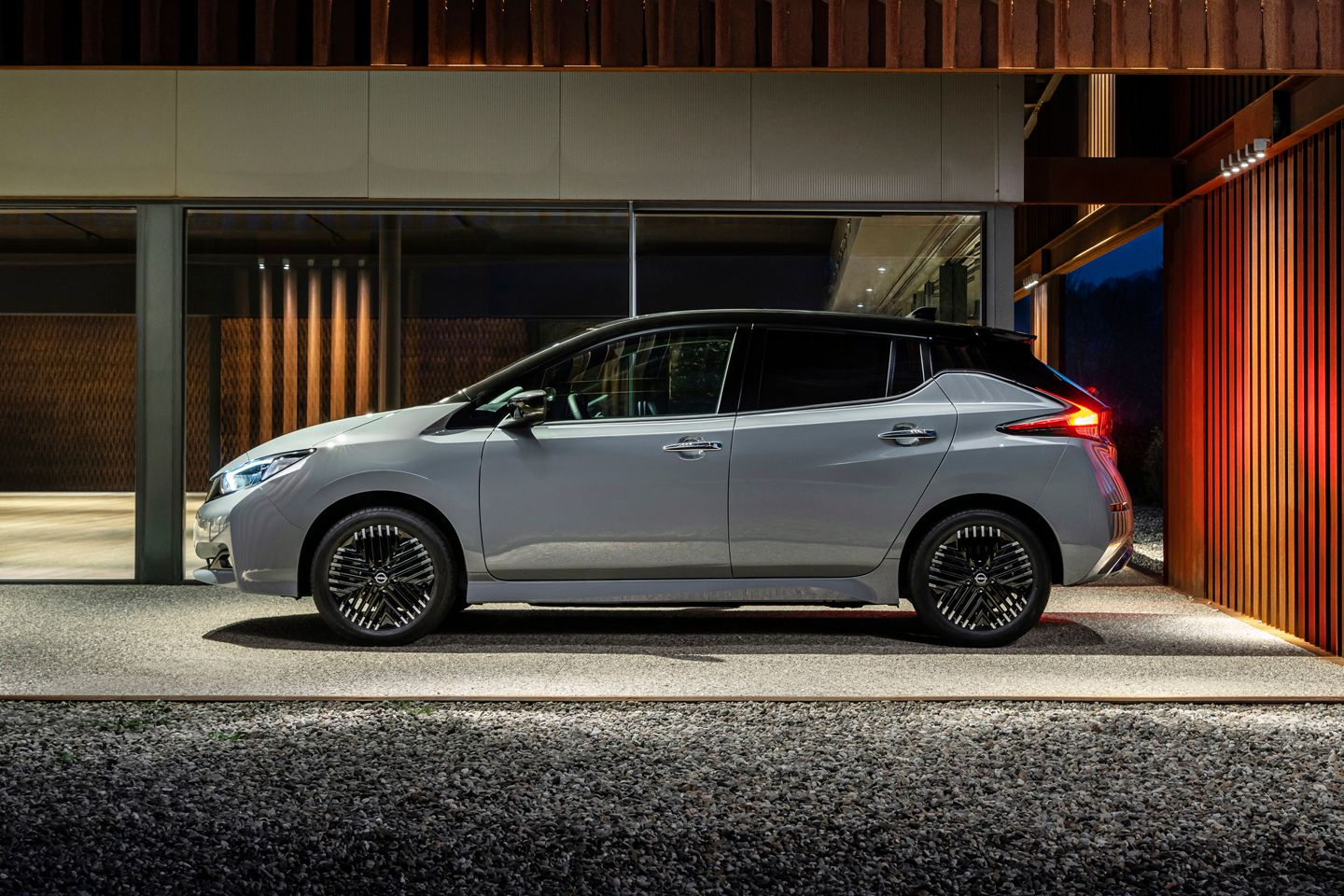
Which seems pretty remarkable for a company that created the Leaf as early as it did, but the second generation model will be eight years old in 2025 - a lifetime in EV terms. It is long overdue replacement, especially as the much newer Ariya hasn’t made any great headway in the EV SUV space. The ePower technology found in the Qashqai and X-Trail, where an electric motor drives the car but is charged by a combustion engine - which isn’t dissimilar to the Honda HEV setup - looks a bit outdated when so many SUV rivals have opted for plug-in hybrid technology instead. At launch in 2022, then-European product strategy boss Arnaud Charpentier suggested that plug-in hybrids wouldn’t last very much longer. Many others seem to think differently.
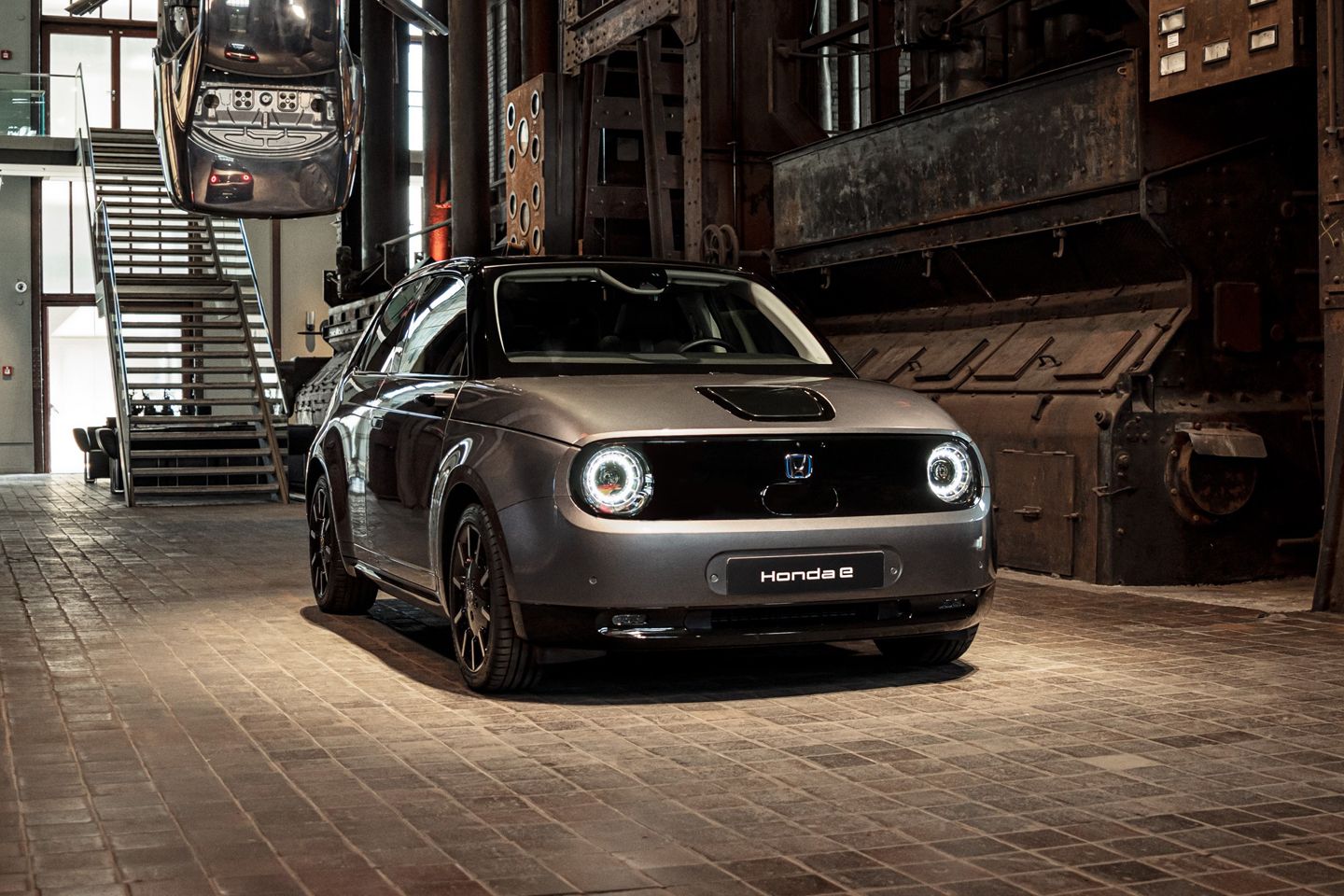
While Honda is faring a little better of late - Nissan’s share price climbed in light of the rumoured tie-up; Honda’s dipped - it too has been slow to adapt to the realities of the current carmaking world. The e was cute, but expensive for an EV that didn’t go very far; the e:Ny1 is all too similar, without the cute bit. We all still rave about the Civic Type R, the Jazz will still sell by the boatload and America loves the Accord, but no one could claim to be greatly moved by a parade of HRVs, CRVs and ZRVs.
So the new arrangement proposes quite a lot. It needs to. Collaboration is key, of course, to achieving goals faster and more efficiently, so a lot of shared resources seems likely. The official aim is to work towards a carbon-neutral and zero-traffic-fatality society through vehicles defined by their software, which sounds an almighty task. Clubbing together to create the required architecture will surely mean they can happen sooner. China is very much leading the way when it comes to software, and its role will only become more important; if this deal progresses, it will have to be one of the top priorities.
Related to which, it has been suggested that interest from Foxconn - a giant Taiwanese consumer electronics company - in Nissan has sped up this Honda arrangement. Though restructuring isn’t exactly encouraged in Japan (think of the hoo-hah when Nissan and Renault had closer ties), it’s deemed preferable to overseas investment.
Today’s announcement suggests that if the right synergies are identified and actioned soon enough, a world-class ‘mobility company’ could aim for sales revenue exceeding 30 trillion yen and profit of more than three trillion yen. Respectively, those figures are currently £150bn and £5bn. Lofty ambition, then, but there are also big plans afoot: ‘mutual complementation’ of the entire range lineups, so standardising platforms across both brands and all powertrains to reduce cost, combining R&D efforts, ‘optimising’ their manufacturing facilities (i.e. closing a few) and streamlining the supply chain are just the start.
If not in the best of health right now, both Honda and Nissan have huge global infrastructure and expertise to draw upon and take advantage of. Working together on the same thing should reap obvious benefits - even if efficiency improvements throughout the process, from factories to new car finance, will inevitably mean some job losses along the way. Today’s news also mentions the ‘establishments of a talent foundation for intelligence and electrification’, which is encouraging, though it seems unlikely that every person currently involved with both brands will be required going forward, particularly given the focus on streamlining and efficiency.
For now, the proposed next steps include the formation of a holding company through a joint share transfer that will be subject to approval at the next AGM. Then it will be subject to approval from the relevant authorities before Operation Save Nissan (the working PH title) can commence. But that’s very much the plan. Nissan Director, President and CEO Makoto Uchida said: "Today marks a pivotal moment as we begin discussions on business integration that has the potential to shape our future. If realized, I believe that by uniting the strengths of both companies, we can deliver unparalleled value to customers worldwide who appreciate our respective brands. Together, we can create a unique way for them to enjoy cars that neither company could achieve alone." So 2025 looks like being an even more important year for Nissan than ‘24 was; answers on a postcard now for the weird name the Honda-Nissan holding company will get…


Big news coming out of Japan this morning.
Mitsubishi will also be included in this deal.
Japan's car makers have struggled to match their big rivals in electric vehicles (EVs) and are trying to cut costs.
If the merger is finalised it could result in a company worth more than 50 billion dollars (£39.77bn) based on the market capitalisation of all three car makers.
Honda would initially lead the new management, which would retain the principles and brands of each company, Honda's president, Toshihiro Mibe, said.
The aim is for the deal to be completed by August 2026, he added.


I dont see it as ruining - its disrupting and moving the market on to its next phase - I think its fair that a battery EV phase will not last as long as the former concluding ICE phase has but every good commercial market evolves over time, and the vehicle market has been relatively stagnant for quite a while.
There is a strong argument that this has been coming for a very, VERY long time and that manufacturers have done very little.
And now it's all too little too late, scrambling to meet legislation and compete with the Chinese EVs.
The entire industry seems to be in shambles. Just look at Stellantis, how are they f*cking up so much? They have a virtually unlimited budget and yet cannot seem to do anything right and are ruining brands with poor-quality products.
I dont see it as ruining - its disrupting and moving the market on to its next phase - I think its fair that a battery EV phase will not last as long as the former concluding ICE phase has but every good commercial market evolves over time, and the vehicle market has been relatively stagnant for quite a while.
1) EV's and the investment needed balanced with the rate of market acceptance (or required in the case of UK & EU). The forced market rates in the
UK with the ZEV mandate are an extreme case but
2) China - the emergence of the Chinese OEMs first as credible competitors in China and now in the past 3 years, in overseas markets and the
resulting "hyper competitive" sales war in china pushing most OEM to have little or no profits (where China used to be a cash cow for a lot of
European OEM)
3) Post COVID "hangovers" - the disruptions of COVID (and then the chip shortage) which led to a variety of complications in different OEM's some
some of which are unplaying now (For example - Nissan thought selling cars without discounts was so great that they tried to keep doing it
even when there was no chip shortage and suffered huge market share losses until they woke up and realised they weren't genius's, it was just a
quirk of the car shortages due to chip shortages)
4) Price of cars and the size of the market - except for China (where all non-Chinese OEM are bleeding market share to the chinese OEM) the
market sizes are down 10 to 20% from pre-COVID levels, at least in part due to high cost of cars due to added technology for Safety & Emissions
(and profit making !) - just about every OEM has over-capacity in terms of factory capacity which is a fixed overhead draining companies resources
needed for R&D for ICE and EV products in a time when revenue is fixed or less
All in all, EV is only a part of the picture, but it is a significant one as it also sits behind several of the other pressures as well. The chinese OEM ICE cars are now credible but their BEV product is in many cases as good or better than EU/USA/Japanese vehicles
World is just not in the same place to be consuming at the rate manufacturers have become accustomed to. The emergence of Chinese brands, strengthening of the Korean big two & relative stagnation in wages vs an increase in prices is the perfect storm.
Hopefully Honda’s engineering innovation philosophy isn’t diluted or lost in this process.
Forums | General Gassing | Top of Page | What's New | My Stuff