
Aston Martin CEO confirms imminent job cuts
Up to 170 employees will go as part of a new cost-cutting measure
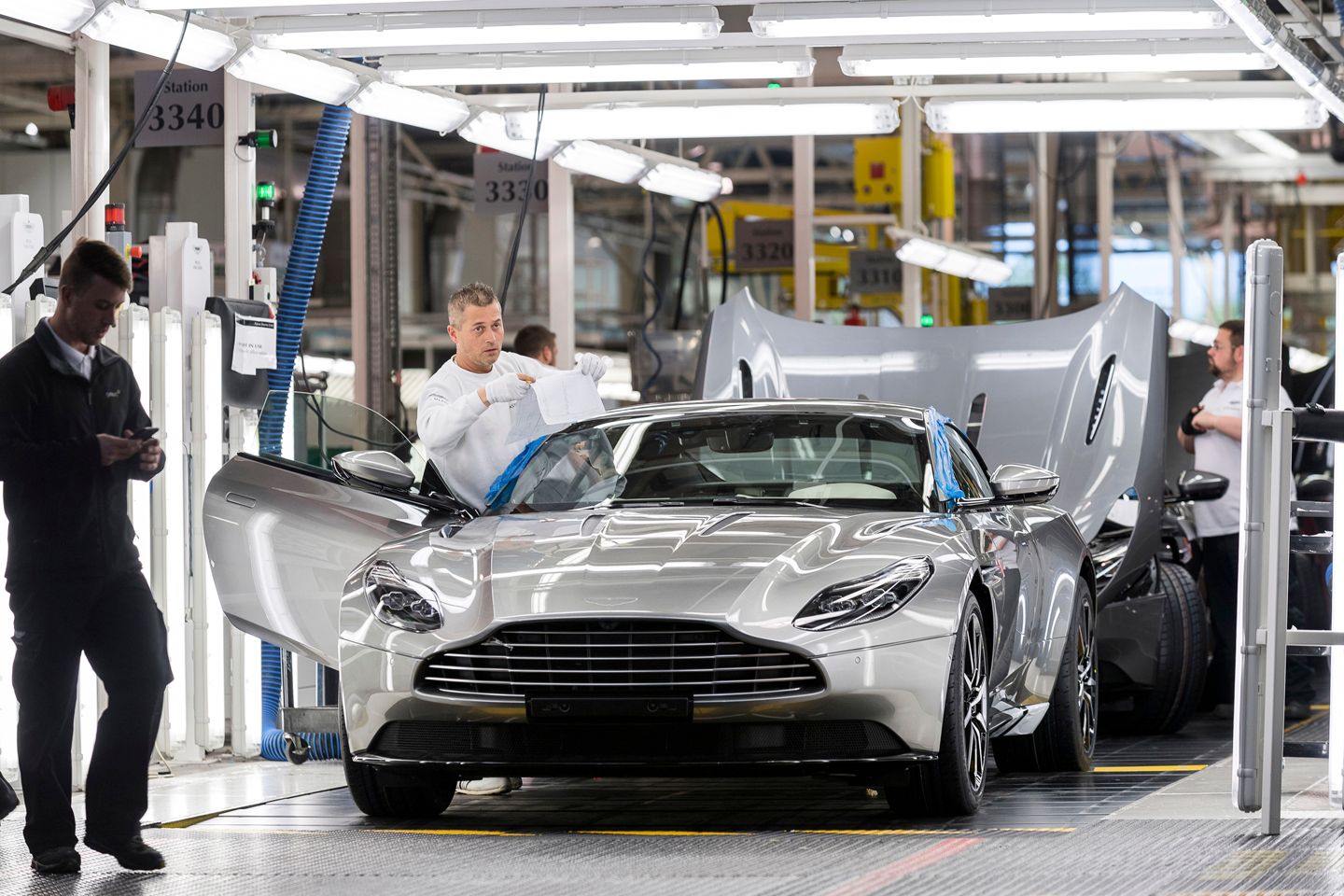
Aston Martin CEO Adrian Hallmark has confirmed that around 170 employees - or circa five per cent of the workforce - will leave the brand this year. The departures will be throughout the business, and are expected to save Aston Martin around £25m as it aims to forge a path towards consistent, sustainable profitability.
The announcement came in an earnings call, where Aston’s end-of-year results starkly demonstrated the challenge ahead. For 2024 the pre-tax loss was £289m, or almost £50m more than 2023’s £240m figure. Aston Martin’s net debt now stands at more than a billion (£1,162,700,000) whereas last year’s figure was £814,300,000. That was said to be attributable to ‘the higher gross debt [£1,522,000,000] and a marginal decrease in the cash balance and the translation impact related to year-on-year movements in exchange rates.’ So clearly something has to change pretty drastically, and job cuts will be the first step.
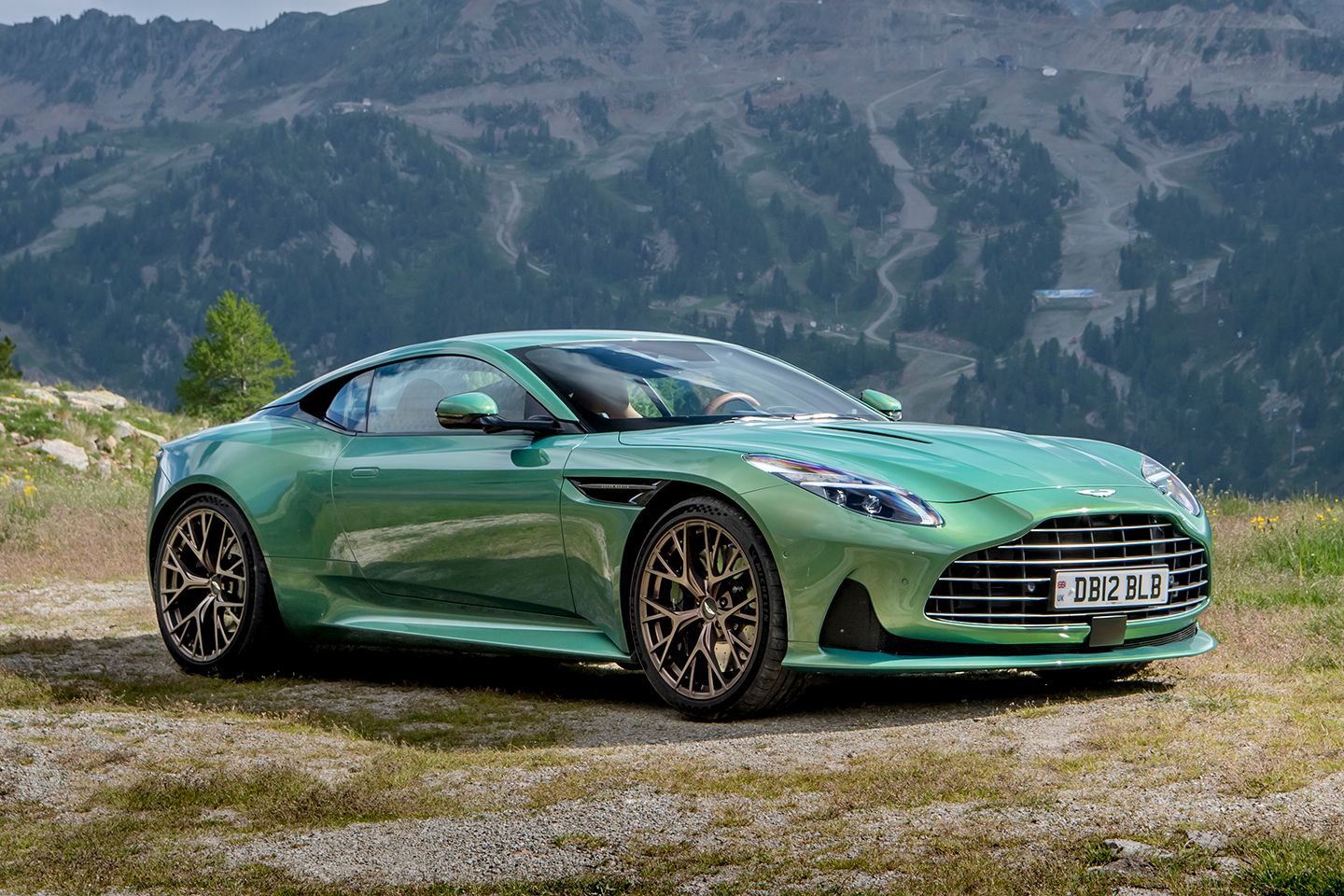
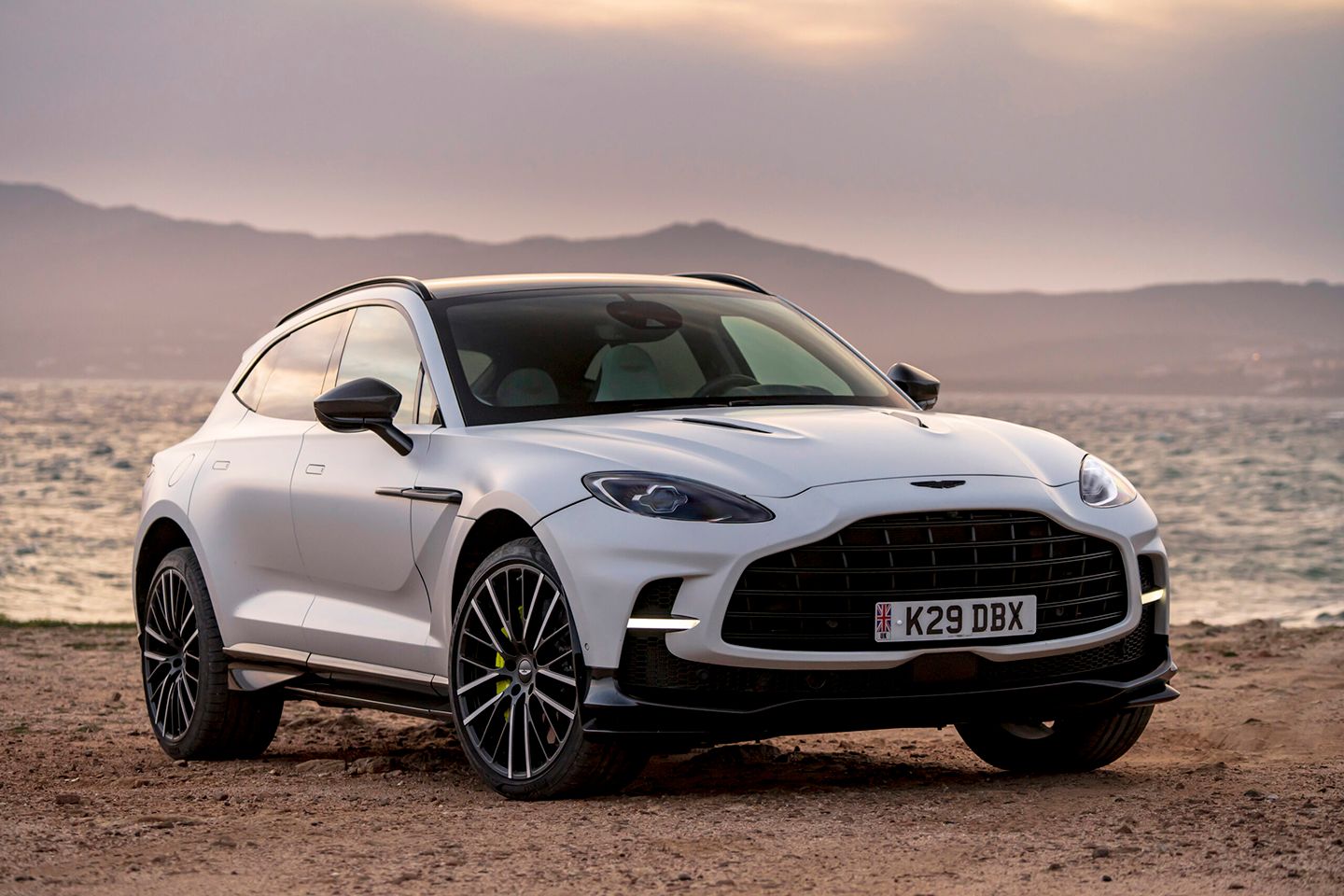
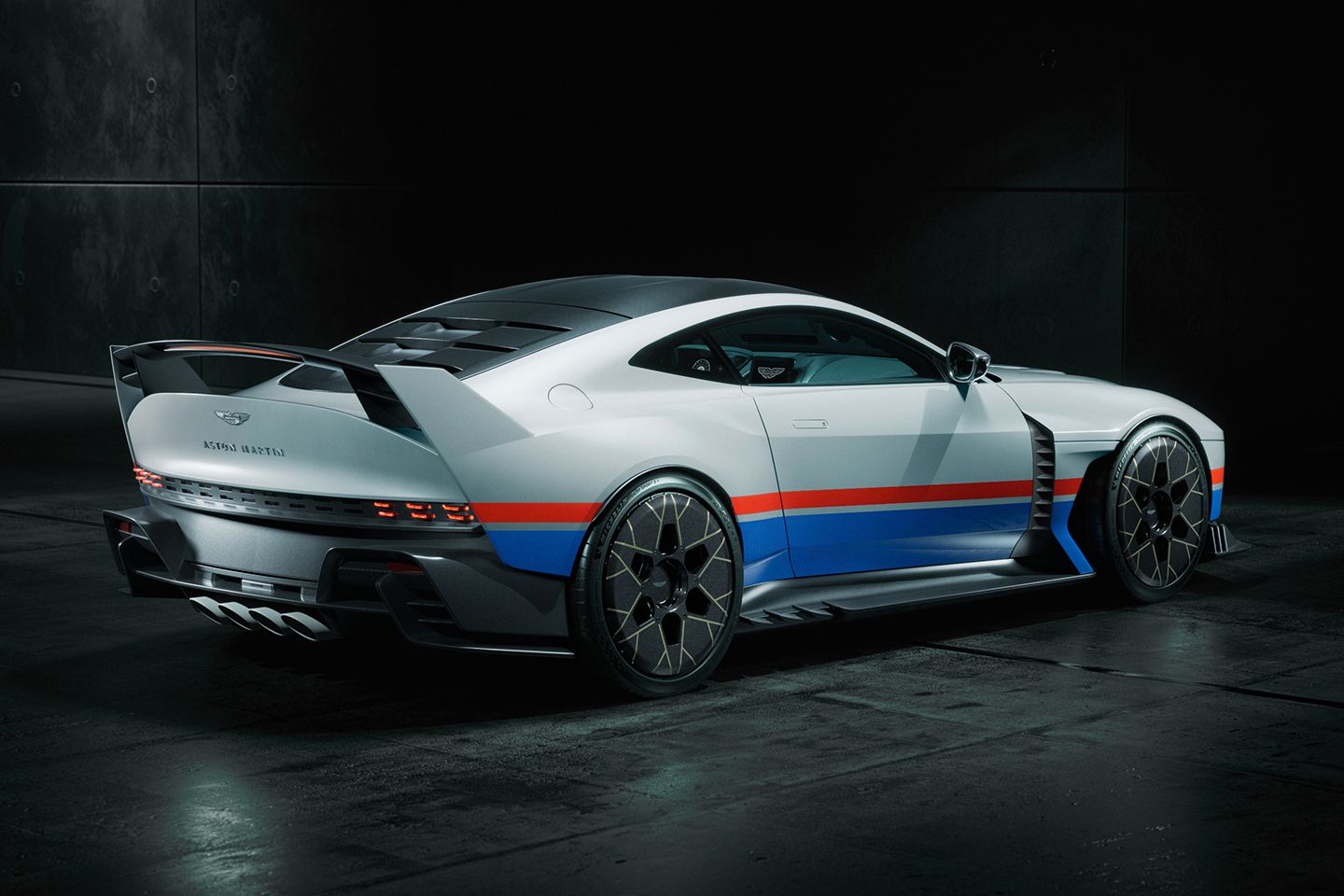
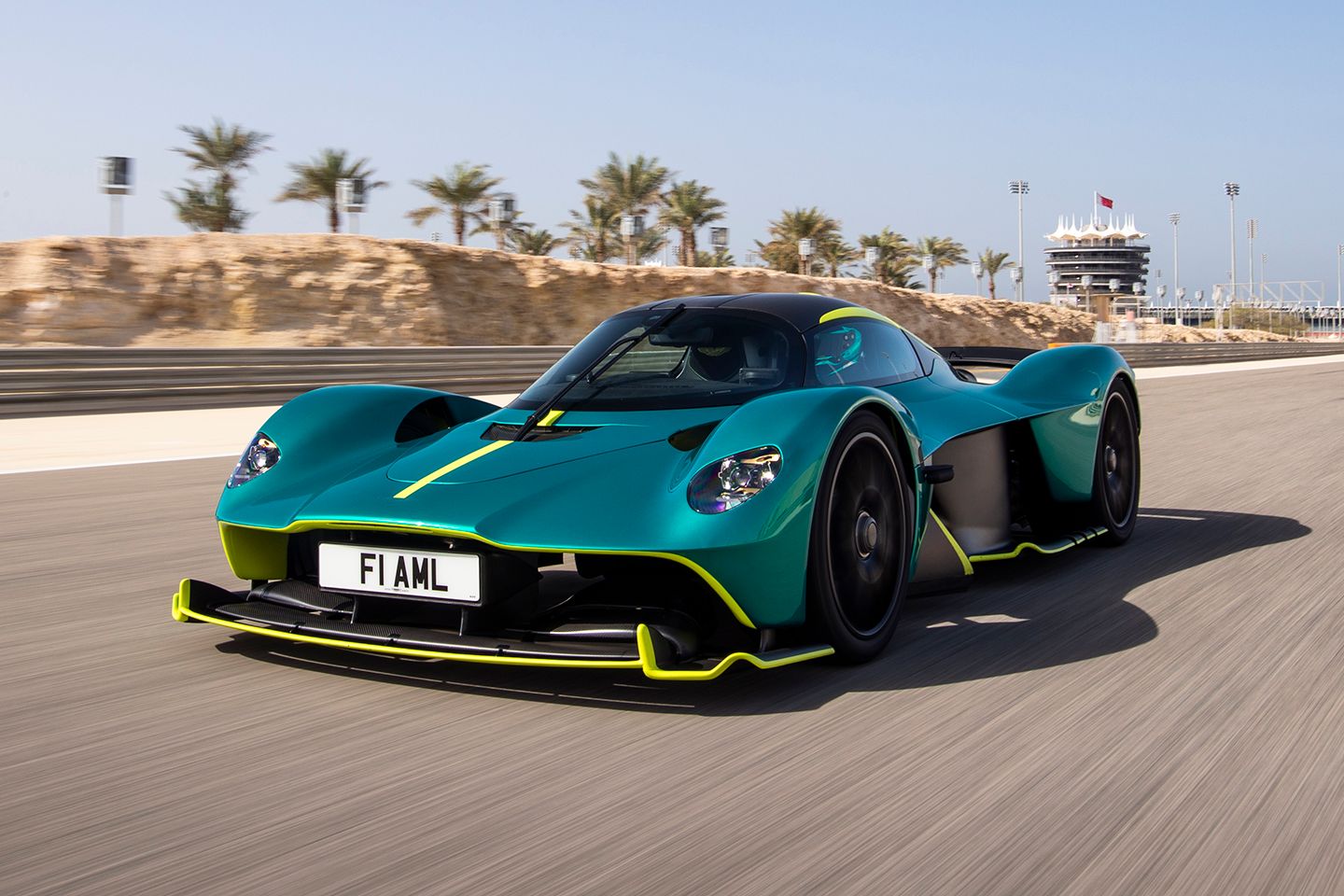
Despite what might seem like a gloomy picture overall - wholesale volumes were down almost ten per cent in 2024, to 6,030 units - there are some encouraging signs as well. A dip was to be expected as the range was being overhauled, with models going out of production and then replacements scaling up. Encouraging evidence of an uptick, with Vantage, DB12, DBX and Vanquish all on stream, comes from the Q4 2024 wholesale results, which showed an increase of eight per cent compared to the same period in ‘23, at 2,391 units. Let’s hope that continues into 2025. The average sale price of an Aston Martin in 2024 was £245,000, aided by a ‘significant contribution’ from the Valkyrie, Valour and Valiant specials.
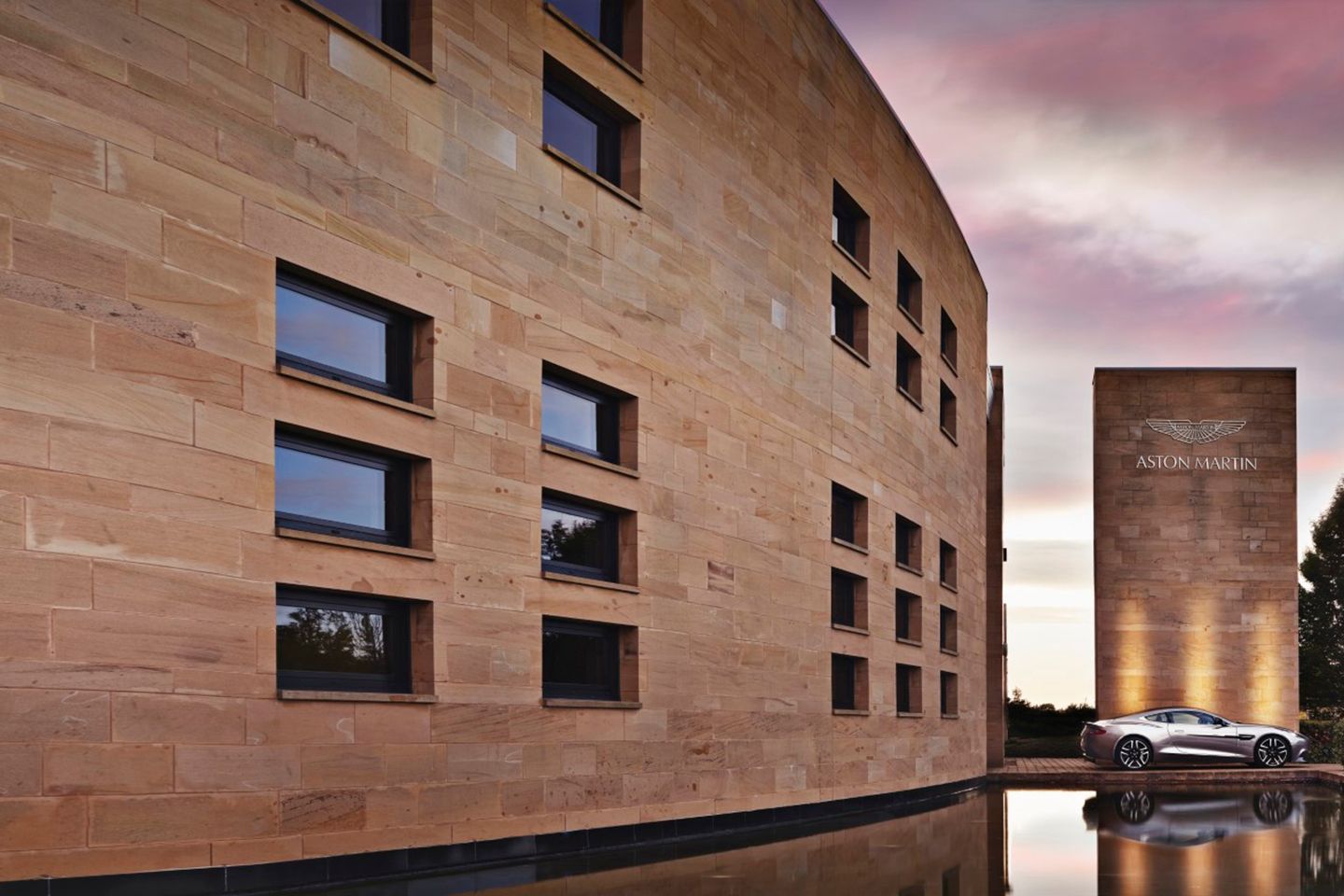
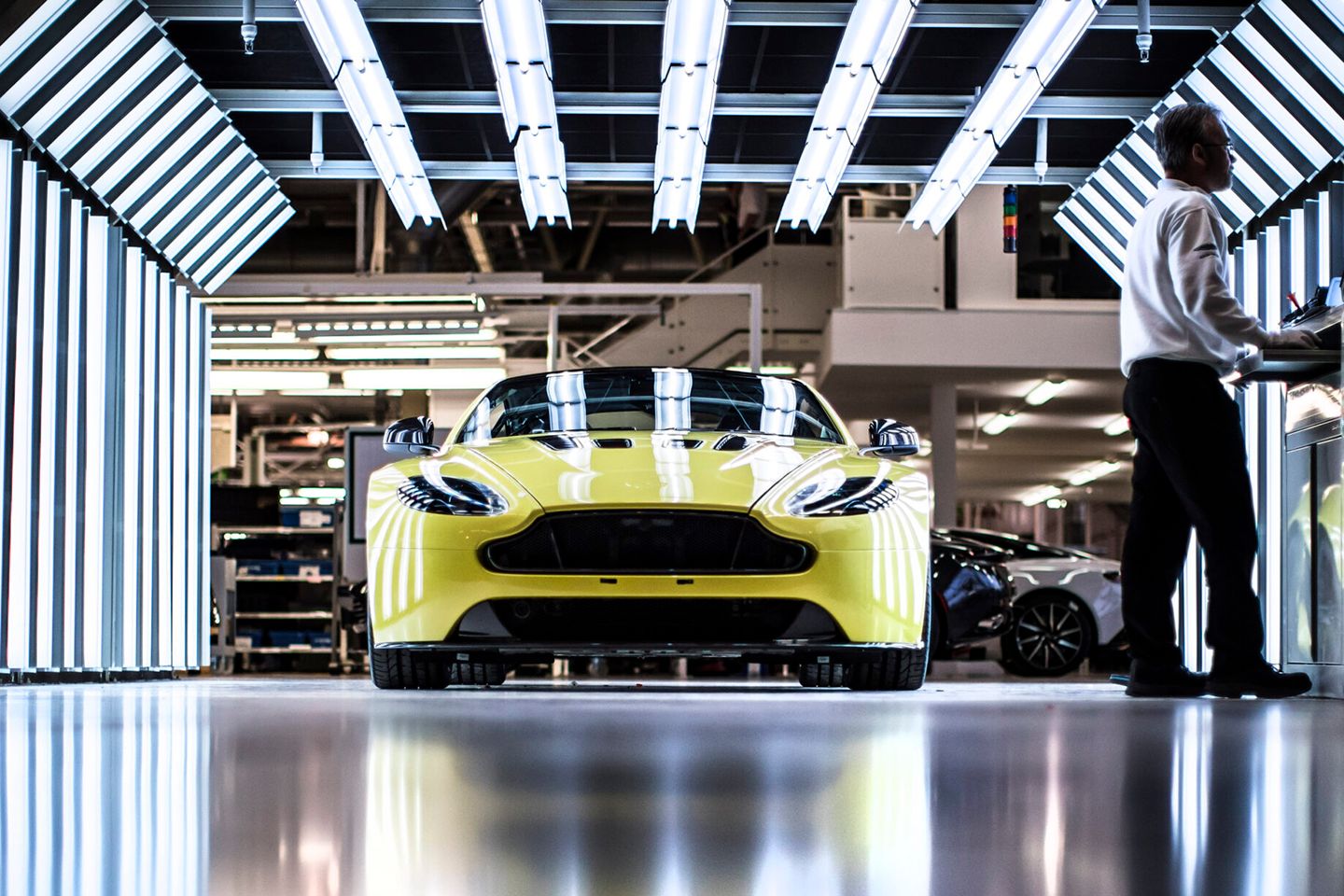
Speaking of specials, the upcoming Valhalla is expected to help the bottom line as well, with the first year of the 999-unit V8 PHEV already spoken for. (Must be the inclusion of a five-year warranty and servicing as standard that swung it.) As Aston Martin’s first plug-in hybrid, it represents quite a big step into the future for Gaydon - as well as a proper mid-engined rival for the supercar elite.
As alluded to in our recent interview, the same timescale applies for Aston’s proposed transition to more electric power. For now, the focus is on PHEV, first with Valhalla and then extended out into the core range, with a BEV coming later this decade. Hallmark suggested the ‘phased approach’ to electrification “reflects the Company's strategy to offer a diverse range of powertrain options, including electric vehicles that will leverage our strategic partnerships and cutting-edge high-performance technologies, ensuring an unparalleled driving experience for customers.”
So just after one period of extensive renewal for Aston Martin, another one looms on the horizon; first Valhalla deliveries are due in the second half of 2025, continuing for a little more than two years. By which time we’ll probably know more about the hybridised future of Aston Martin, and whether the cutbacks enforced have had the desired effect.

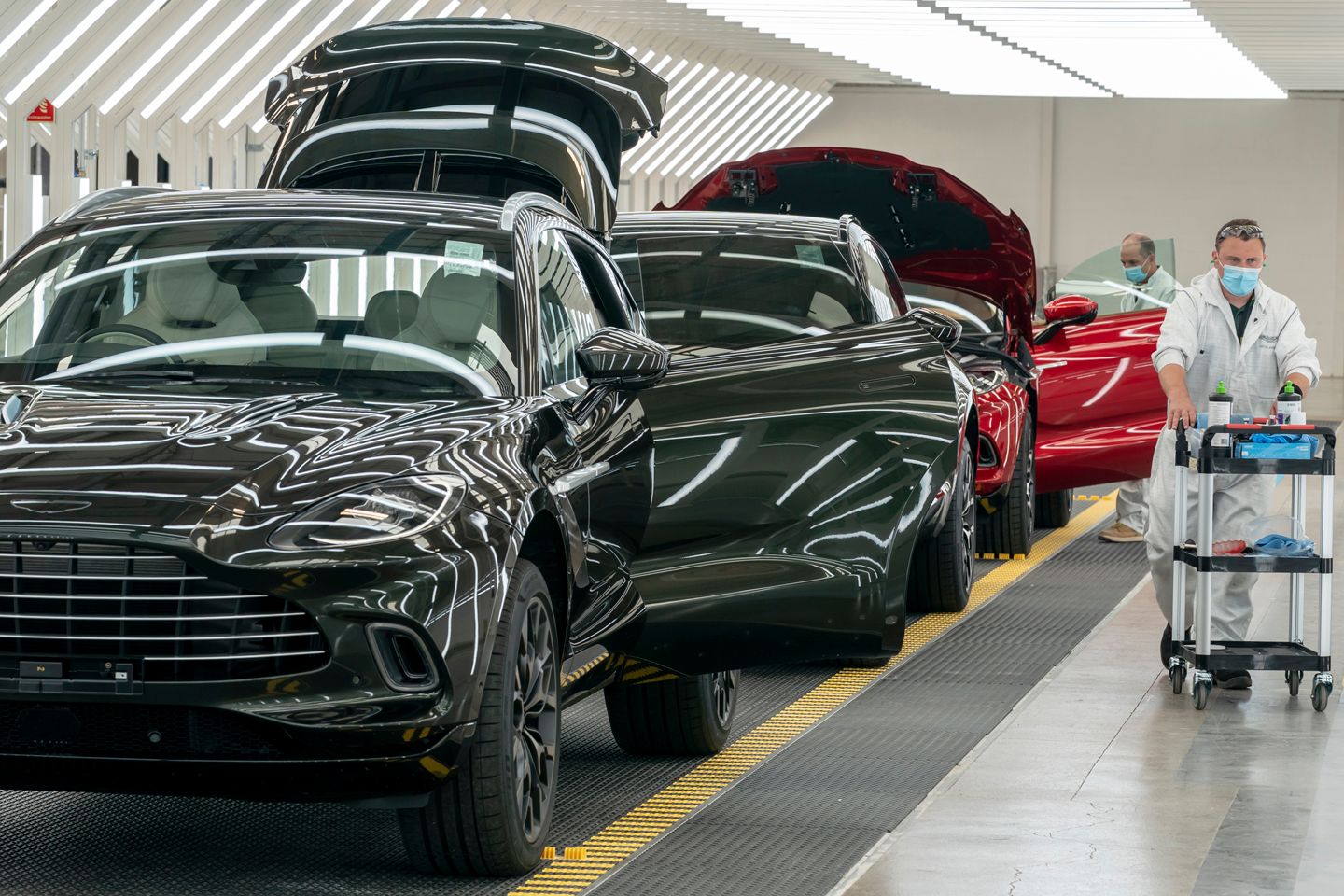
Echoing previous comments, Hallmark added in his CEO review: “Volumes alone though will not define Aston Martin, with a ruthless focus on our demand-led approach, ensuring we offer customers the ultimate in luxury retail experience with enhanced personalisation opportunities that allows us to maximise the value in every vehicle. Our goal to create a sustainably profitable business model, will be further supported through our renewed drive for operational excellence and efficiencies across the business. This approach will underpin progress towards our 2027/28 mid-term financial targets, delivering sustainable positive adjusted EBIT and Free Cash Flow generation.”
Nothing is standing still for long, then, so expect more changes sooner rather than later at Gaydon. And even more extras on the configurator for you to waste a lunch hour on…


At least AM have a good line up finally and cars worthy of their price tags. But they remain a huge victim of the gutting of the business by the previous owners as they loaded it with debt and sucked all the money out the other side.

£25m divided into 170 is an average of £147k per person
Direct on-cost is around 20% (at least it is in my business)
So this averages at a base salary of c.£120k? If we're generous and take it down to £100k, that's still a lot of well paid people....
And this was in a year I think when they would have had a full years sales of the DBX 707, which was meant to be the "saviour" car. Certainly the SUVs drive the big numbers at Porsche and Lamborghini.
Hard to see them pulling it round especially in a softer market for supercars at the moment. Ferrari aside, no other company works successfully in this area as an independent. Given the levels of debt, they are either going to need a massive equity injection, a take over by someone else, or go bust. Most of the main car manufacturers have more than enough problems on their plate at the moment so hard to see much interest in someone taking them over other than maybe a Chinese firm but, let's face it, Geely have hardly made a success of Lotus...

£25m divided into 170 is an average of £147k per person
Direct on-cost is around 20% (at least it is in my business)
So this averages at a base salary of c.£120k? If we're generous and take it down to £100k, that's still a lot of well paid people....
£25m divided into 170 is an average of £147k per person
Direct on-cost is around 20% (at least it is in my business)
So this averages at a base salary of c.£120k? If we're generous and take it down to £100k, that's still a lot of well paid people....
£25m divided into 170 is an average of £147k per person
Direct on-cost is around 20% (at least it is in my business)
So this averages at a base salary of c.£120k? If we're generous and take it down to £100k, that's still a lot of well paid people....
£25m divided into 170 is an average of £147k per person
Direct on-cost is around 20% (at least it is in my business)
So this averages at a base salary of c.£120k? If we're generous and take it down to £100k, that's still a lot of well paid people....
Surely you just save the total salary cost gross pay plus employers ni plus employers pension contributions ( plus maybe benefits such as company cars ) ?
Forums | General Gassing | Top of Page | What's New | My Stuff