
Vauxhall Insignia VXR Supersport | Spotted
A 170mph bargain when new; now a lesser spotted Q-car curio for cheap
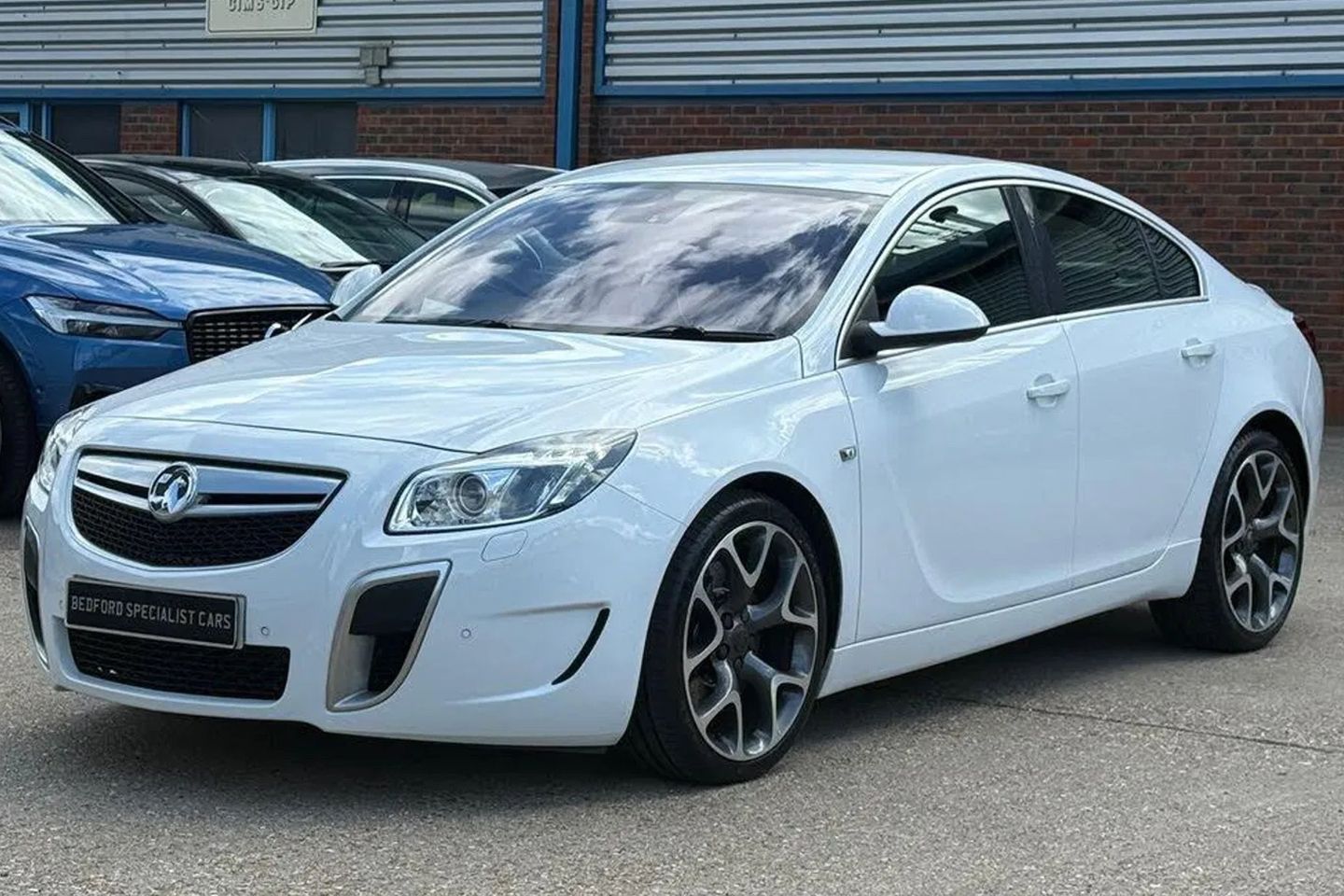
Probably a Vauxhall Insignia isn’t the first car that comes to mind when the ‘Supersport’ moniker is brought up; maybe the new Bentley would be, or the new Morgan, or anything over the decades that’s combined ‘super’ and ‘sport’ in some form over the decades. You wouldn’t be alone in thinking of the Ford Fiesta Supersport before the Vauxhall Insignia Supersport.
That being said, the old VXR was nothing if not an incredible value proposition at launch in 2012. The standard hot Insignia had launched in 2009, brimming with tech if not oodles of charisma. The model that followed three years later wasn’t transformatively different, however its stats were truly headline hogging. Not since the Lotus Carlton had a Vauxhall been so potent: 170mph for £29,995.
Ultimately, the Supersport was a delimit and a price drop, with no more power than a standard VXR, but that performance was undoubtedly a talking point. This was before a lot of the German makers would charge more to take limiters off, so from the factory they were stuck at 155, with this hotted up repmobile ranking with Maseratis and Bentleys as one of the fastest four doors in the world. It meant a day on PH in 2012, too, where the £30k six-cylinder hatch being talked about wasn’t the M135i…
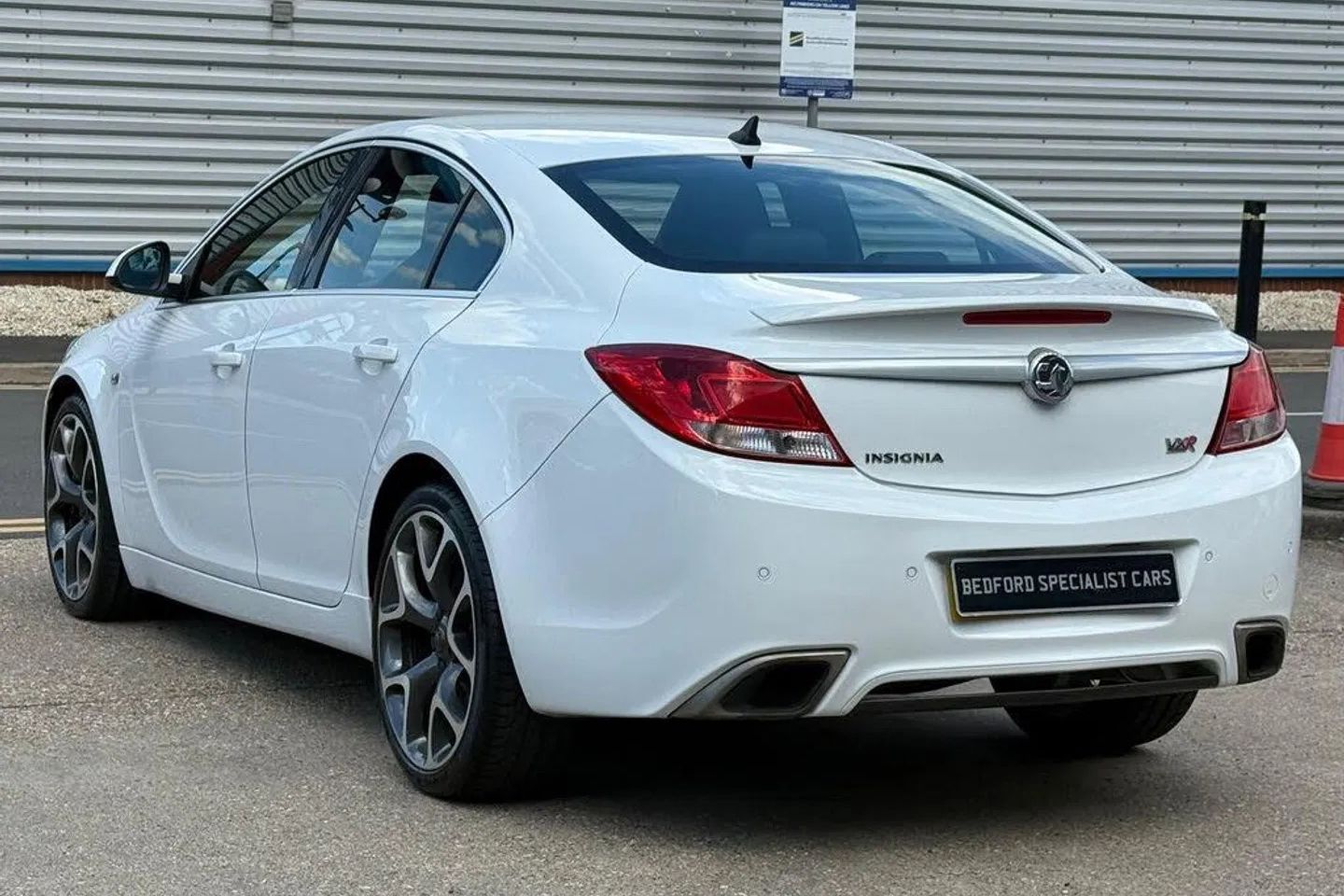
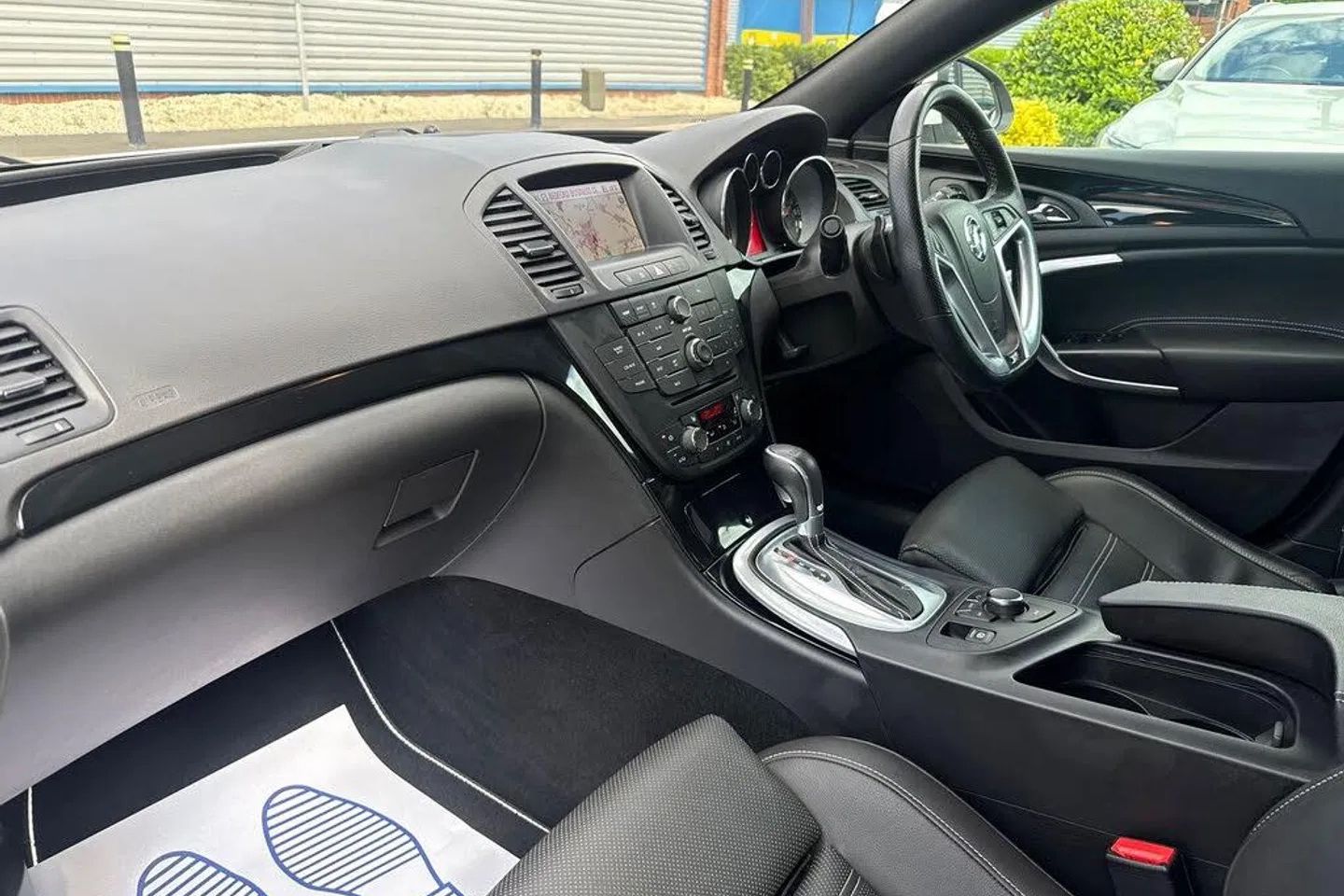
Even all these years later, and with that £30k now the best part of £45k in today’s money, the VXR would sound like decent value. Obviously not as sharp to drive or as fast as something like a Golf R, but spacious, smart looking, and still with more than 300hp. Those who miss buttons would absolutely get their fix in an Insignia, too.
Because the Supersport didn’t change a great deal, the Insignia VXR didn’t sell in huge numbers. As when the (much worse) Vectra equivalent existed, people didn’t want their speedy saloon (or hatch or estate) to have a Griffin on the front. Which seems a bit of a shame, variety being the spice of life and all that. A decade on from the end of production, you never, ever see them.
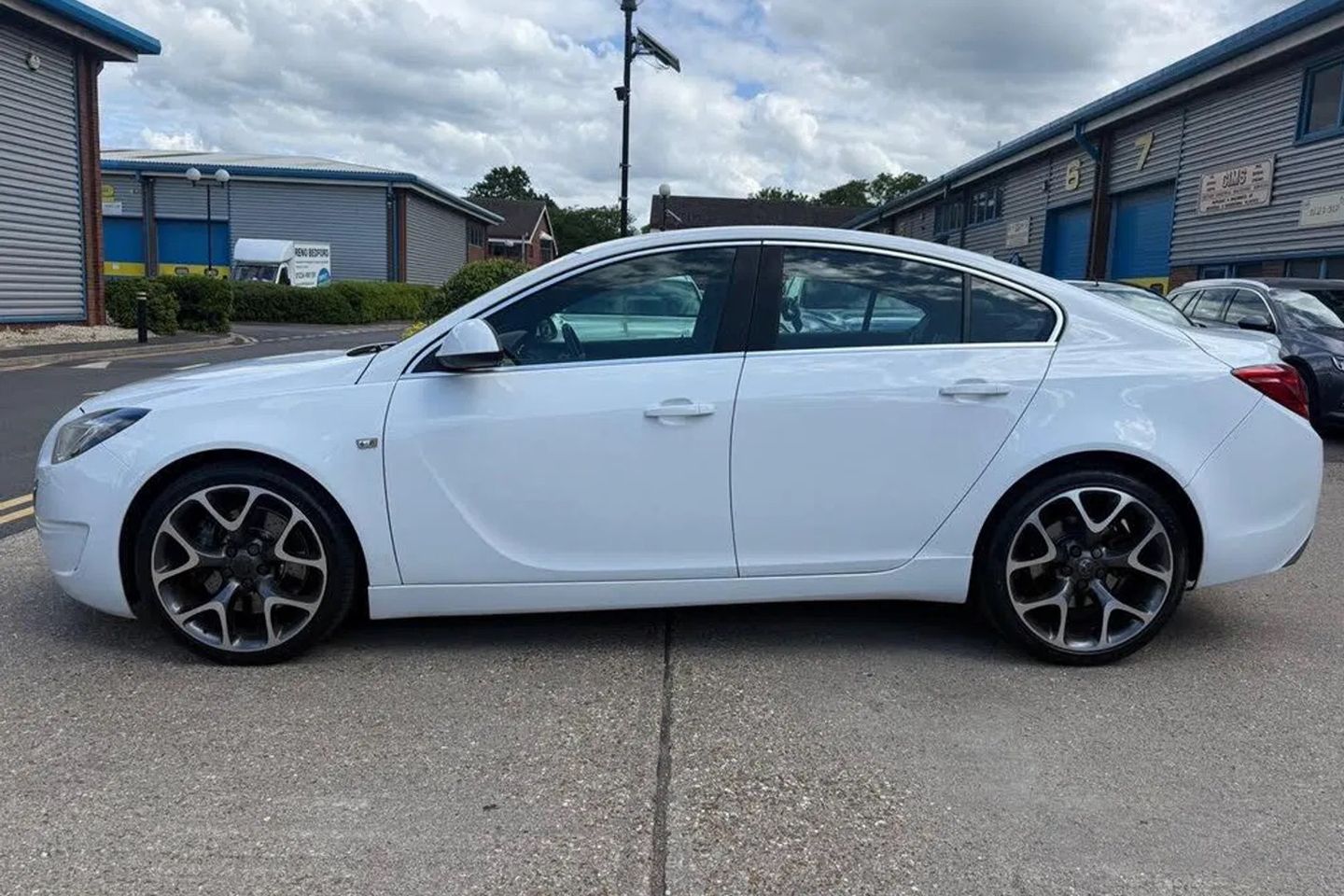
This Supersport is notable as an actual four-door saloon (note no rear wiper), a fittingly old school version of what was always quite a traditional fast family car. Furthermore this one has been with just one owner since first registration in 2013, who’s covered fewer than 40,000 miles in that time. And kept it serviced on time, too. They must have been one of those people swayed by the value proposition, and it would appear their enthusiasm for such a niche machine is reflected in the condition: there’s really not a mark on it. What seemed to be blemishes on this screen were instead remnants of lunch. Even the sculpted Recaros are in good shape. Those after an automatic saloon with a turn of pace and fine motorway manners could surely do a whole lot worse - particularly at just £12,995.
SPECIFICATION | VAUXHALL INSIGNIA VXR SUPERSPORT
Engine: 2,792cc V6, turbocharged
Transmission: 6-speed automatic, four-wheel drive
Power (hp): 325@5,250rpm
Torque (lb ft): 321@5,250rpm
MPG: 26.7
CO2: 249g/km
First registered: 2013
Recorded mileage: 39,000
Price new: £29,995
Yours for: £12,995
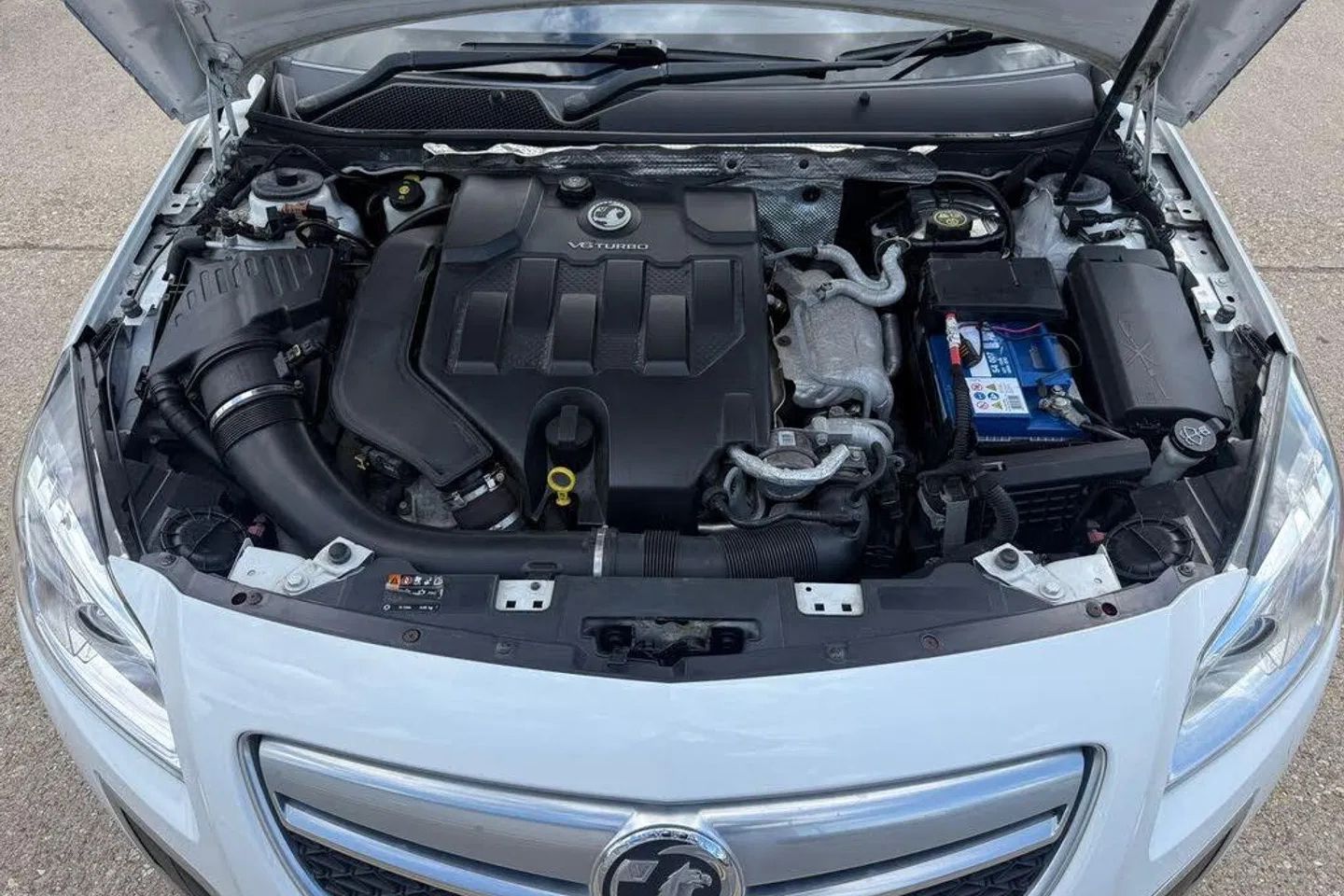


Were these engines just very primitive or deliberately under-stressed?
Shurley a mild remap could yield an extra 50hp and 60lb-ft, or would it start bending rods and melting the autobox / diffs / driveshafts?
These are top sleeper cars you can take anywhere.
Were these engines just very primitive or deliberately under-stressed?
Shurley a mild remap could yield an extra 50hp and 60lb-ft, or would it start bending rods and melting the autobox / diffs / driveshafts?
I've actually always liked this version of the Insignia - especially in VXR saloon form.

Either way, one would really have to want it to spend £13k on it.
Were these engines just very primitive or deliberately under-stressed?
Shurley a mild remap could yield an extra 50hp and 60lb-ft, or would it start bending rods and melting the autobox / diffs / driveshafts?
- Manufacturers do things different ways, resulting in different outcomes
- Manufacturers are as concerned with longevity as they are specific output
- Limitations of available running gear impose constraints on output
- Not every driver is Lewis Hamilton
- Emissions becomes a factor
- Product planners secretly hope they might get the opportunity to produce something more powerful later
- As someone else has pointed out, this engine compares relatively well with the opposition (BMW was the example), so why make it any more powerful?
- At a contemporary list price of £29,995, engineers obviously had a budget to work to: you could get more power if you made it from unobtanium, but then it wouldn't be £29.995, would it?
- In most markets, 170mph is about 100mph over the national speed limit so why do you need more power to go faster?
Take it to extremes: F1 engineers manage 1,000bhp from 1.6 litres. Top fuel dragsters make 10-12,000bhp from ~8 litres, if only for 1/4 mile at a time. Both would be utterly useless in a four door saloon, although I'd love to see the looks on the faces of SUV-driving school mums if you picked up little Johnny in a top fuel dragster.
Were these engines just very primitive or deliberately under-stressed?
Shurley a mild remap could yield an extra 50hp and 60lb-ft, or would it start bending rods and melting the autobox / diffs / driveshafts?
- Manufacturers do things different ways, resulting in different outcomes
- Manufacturers are as concerned with longevity as they are specific output
- Limitations of available running gear impose constraints on output
- Not every driver is Lewis Hamilton
- Emissions becomes a factor
- Product planners secretly hope they might get the opportunity to produce something more powerful later
- As someone else has pointed out, this engine compares relatively well with the opposition (BMW was the example), so why make it any more powerful?
- At a contemporary list price of £29,995, engineers obviously had a budget to work to: you could get more power if you made it from unobtanium, but then it wouldn't be £29.995, would it?
- In most markets, 170mph is about 100mph over the national speed limit so why do you need more power to go faster?
Take it to extremes: F1 engineers manage 1,000bhp from 1.6 litres. Top fuel dragsters make 10-12,000bhp from ~8 litres, if only for 1/4 mile at a time. Both would be utterly useless in a four door saloon, although I'd love to see the looks on the faces of SUV-driving school mums if you picked up little Johnny in a top fuel dragster.
 Even in Germany, I think a top speed of about 120 is beyond adequate as long as the limit is electronic rather than being where power finally loses the battle against drag. Petrolheads in the UK seem to have this idea that everyone drives at 100+ on the Autobahn but in my experience it's just not true.
 From what I've seen, if you drive at 90mph on a derestricted Autobahn, you'll be in the fastest 10% of traffic and at 110mph you'll be easily in the fastest 1%.
Forums | General Gassing | Top of Page | What's New | My Stuff