RE: Porsche's new entry-level race car is a 911
Wednesday 26th August

Porsche's new entry-level race car is a 911

Tired of the GT3's road-legal stuffiness? Porsche has removed the shackles for 2027


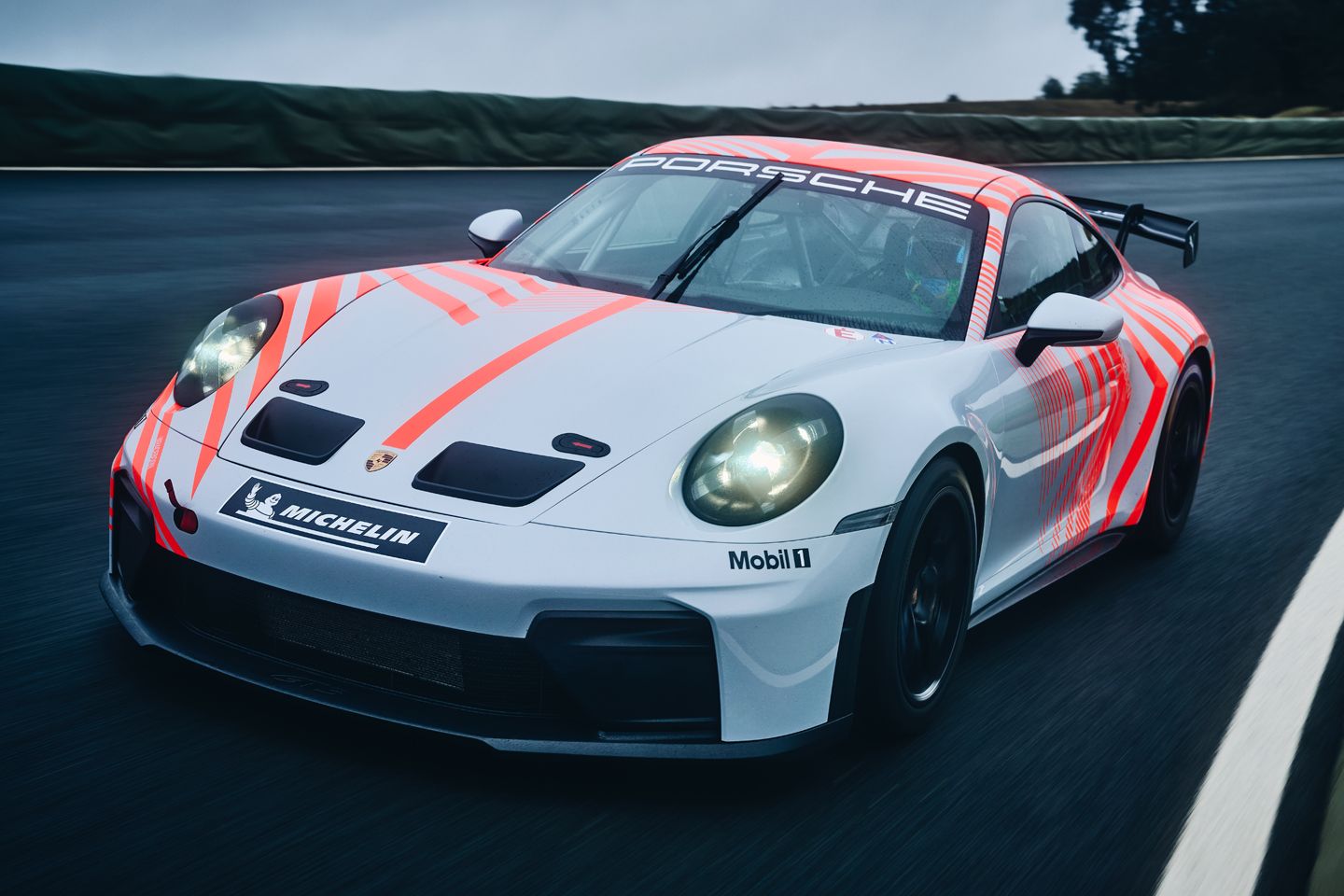
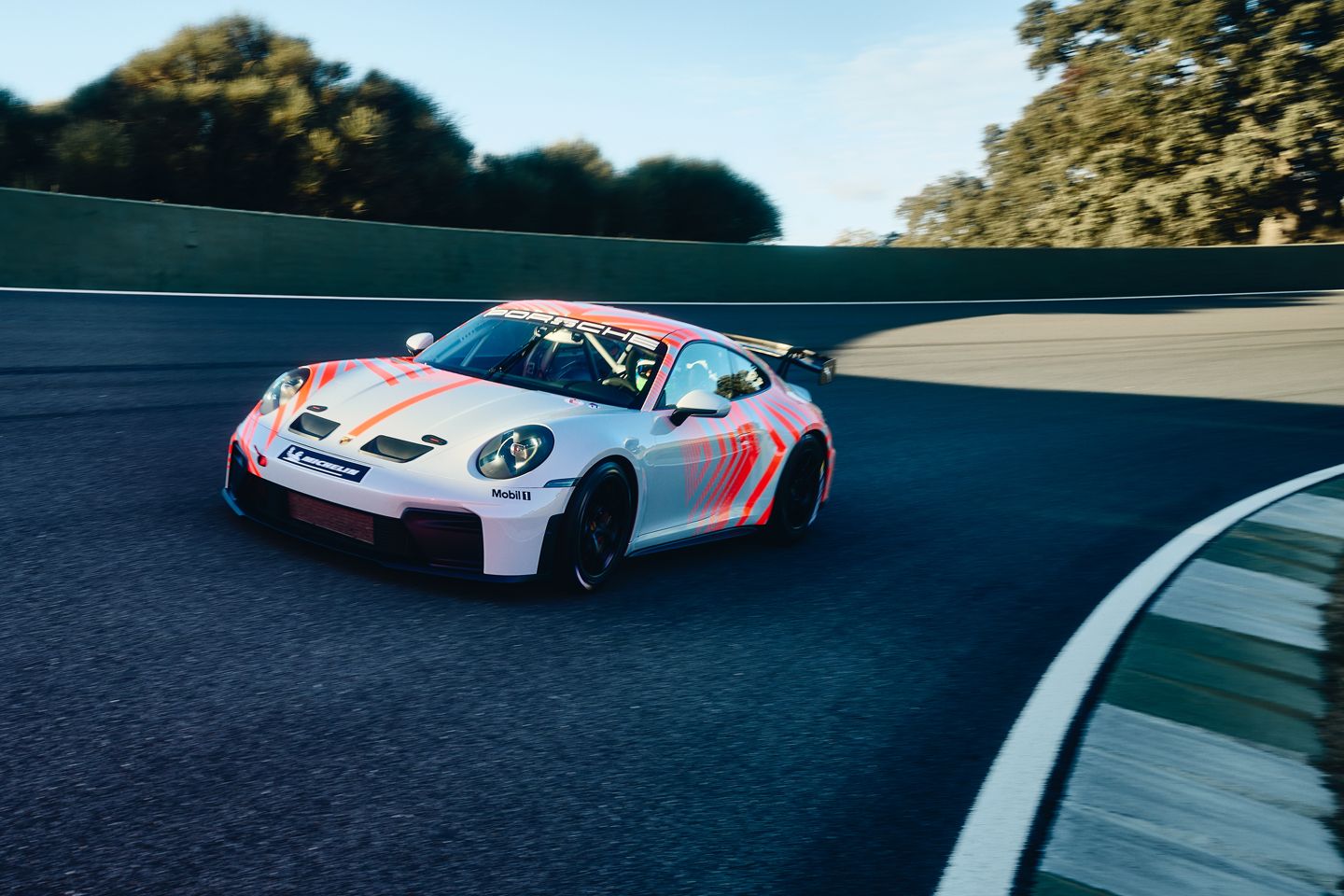
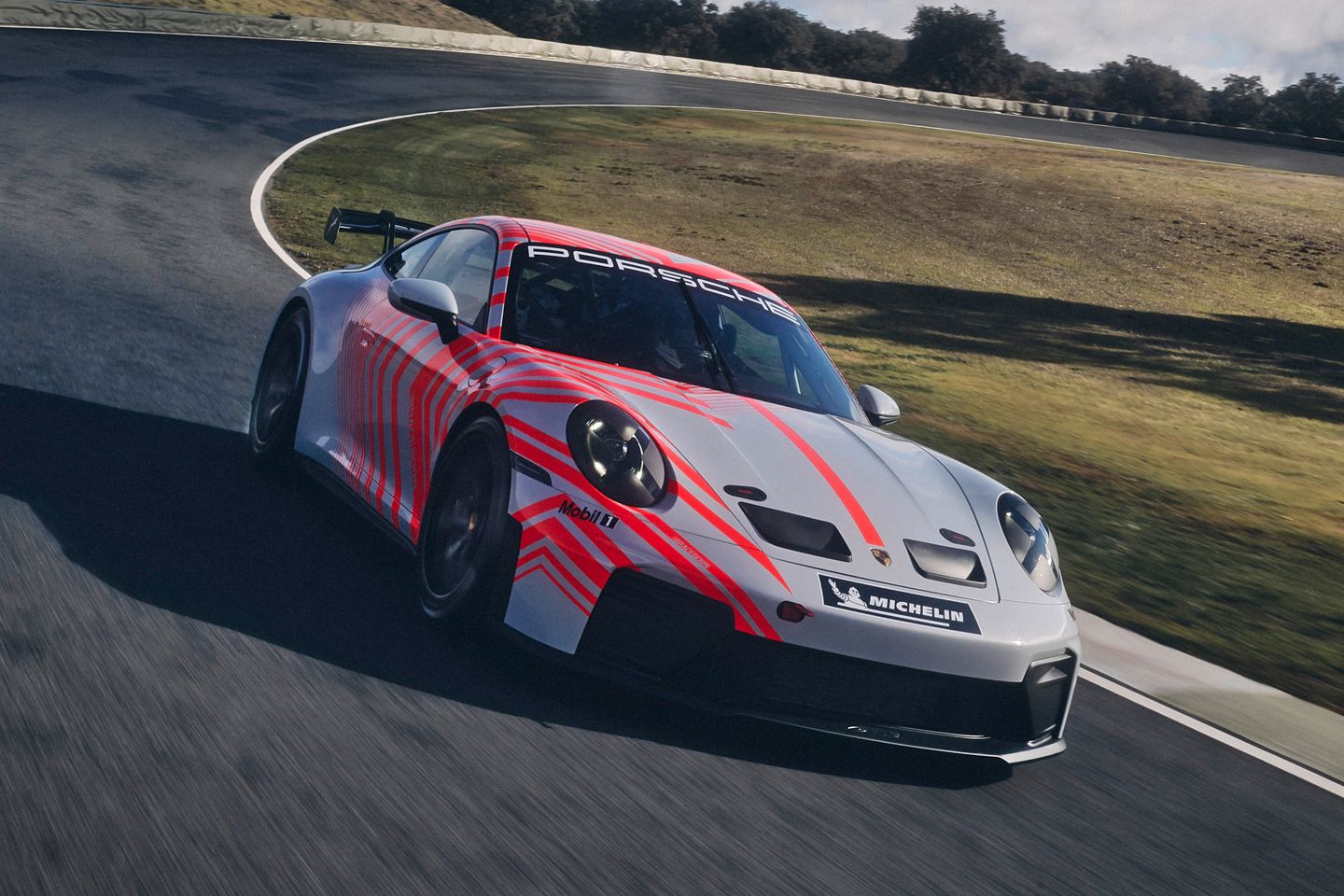
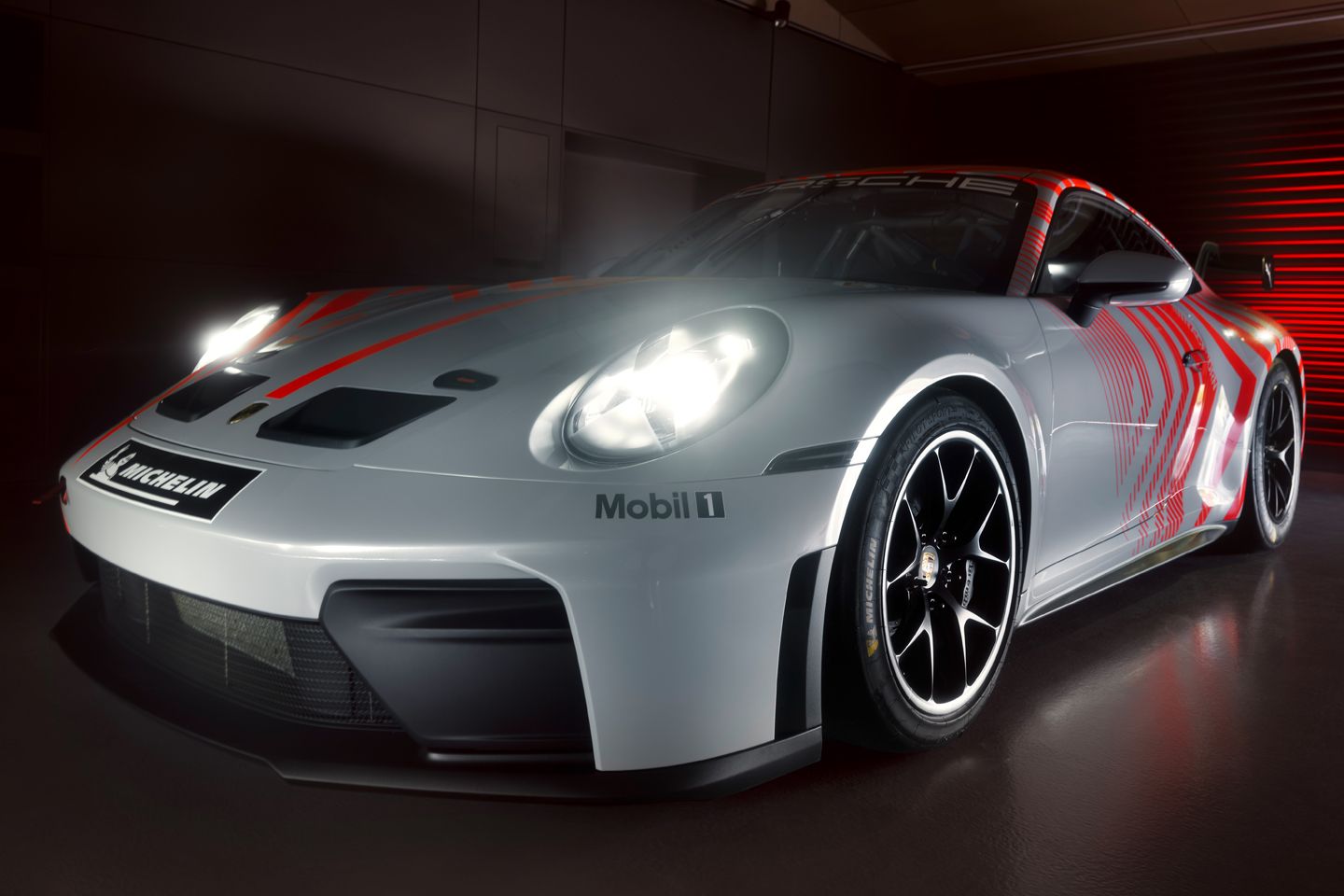
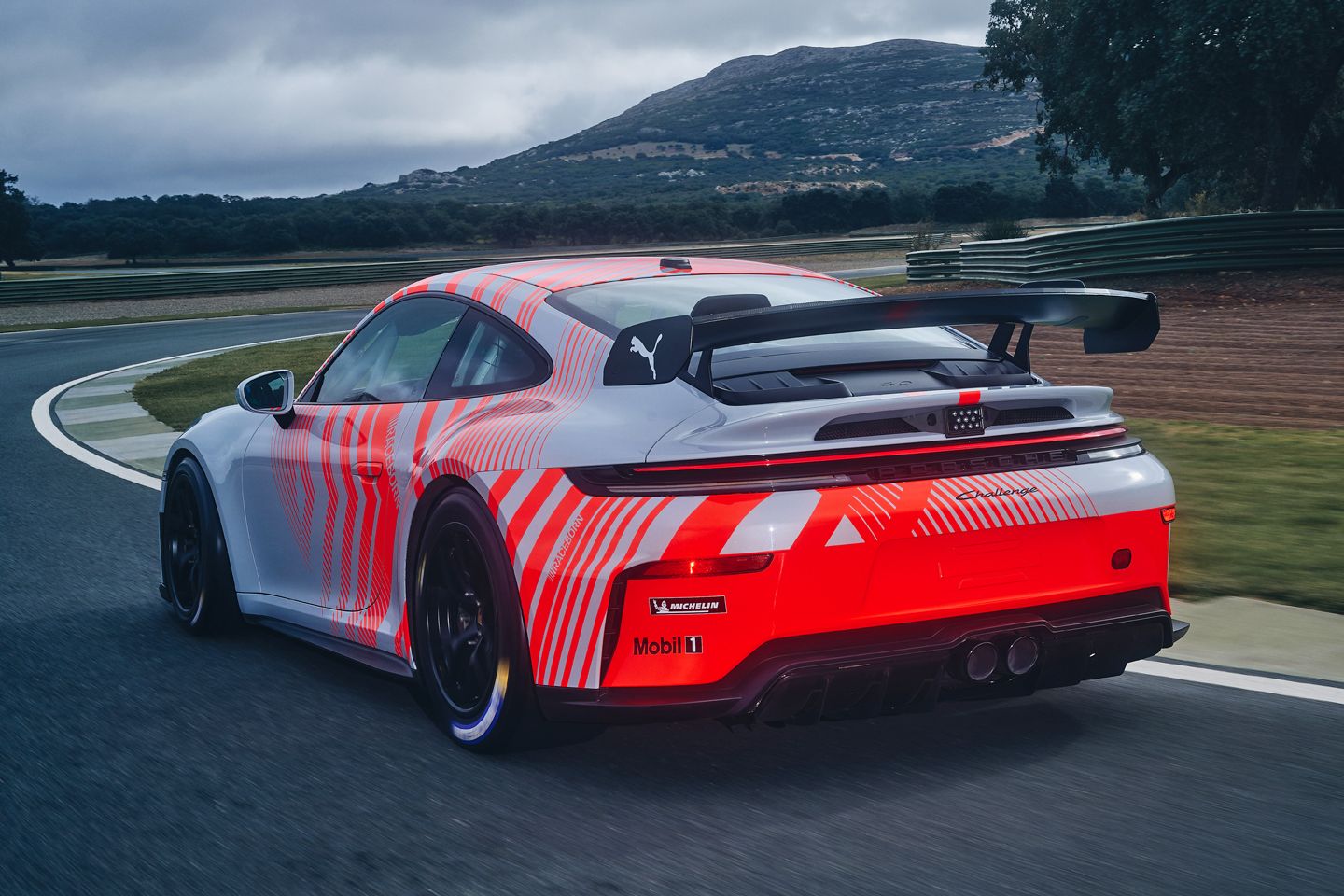
The Porsche 718 Cayman GT4 Clubsport is dead, all hail the new 911 Challenge. Presumably, anyone actually competing in the one-make Sprint Challenge GB already knew that Porsche’s most affordable competition car was destined to be replaced in 2027 (makes sense; production of the coupe wound up some time ago), though only now do we have detailed confirmation of what will fill out the entry-level spot for those hoping to go racing. Shock: it’s a 911 predominantly based on the GT3. 

The key to the Challenge is precisely how much of the production car tech it shares - and with cost a leading factor, the equally unsurprising answer is quite a bit. The basic aero package, the seven-speed PDK and a 515hp version of the 4.0-litre flat-six are all carried over, and the car retains its ABS, traction control and ESC systems, as well as the multi-stage adjustable PTV+. Porsche suggests this kind of familiar user-friendliness will make it easier for people to get started in motorsport - and they’re probably right. 

“The 911 Challenge brings the driving experience of the road-legal 911 GT3 into customer motorsport more directly than ever before,” said Michael Dreiser, Head of Sales at Porsche Motorsport. “Drivers can get to grips with it without a long learning curve and can complete their first kilometres on the racetrack in a familiar vehicle design.”
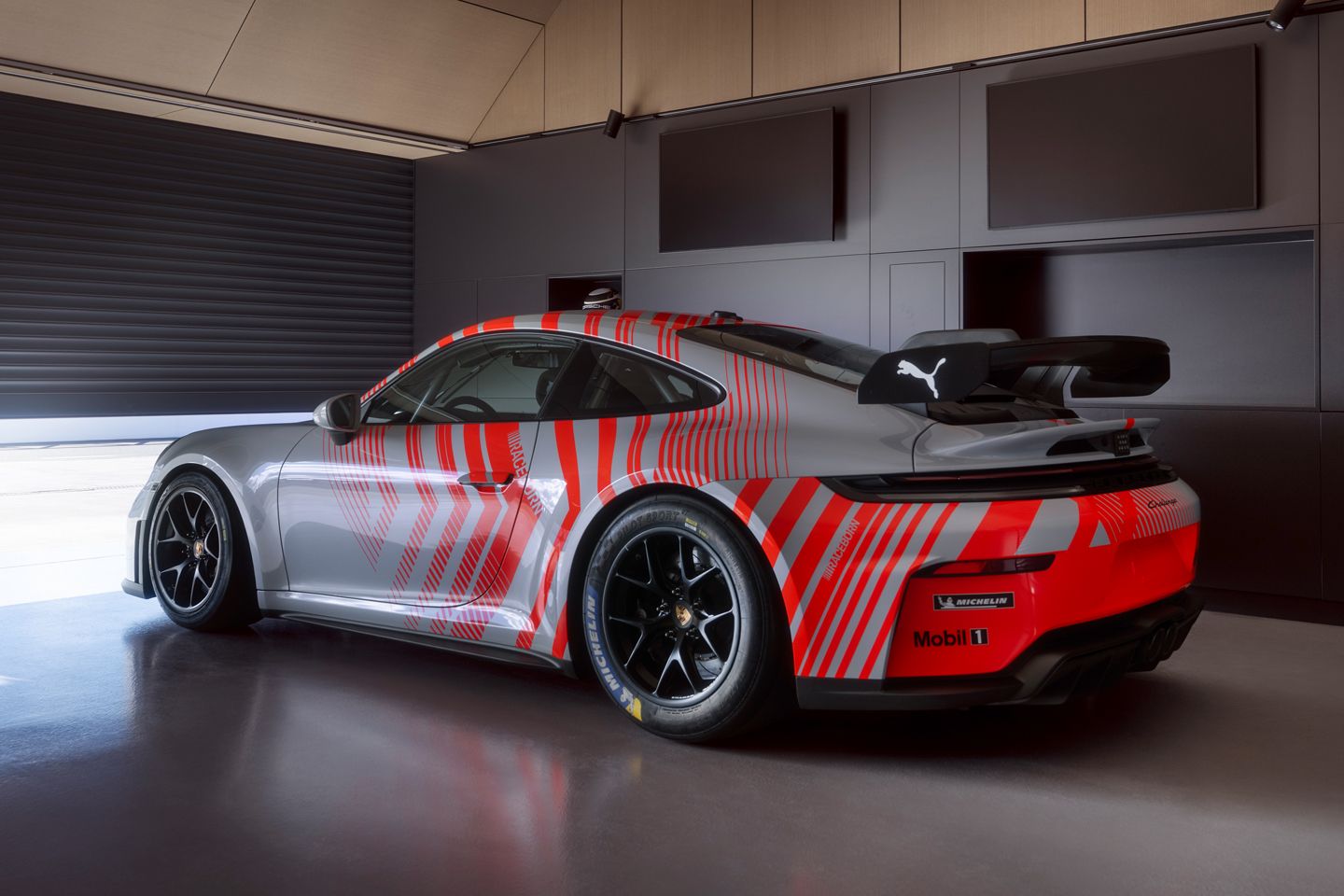
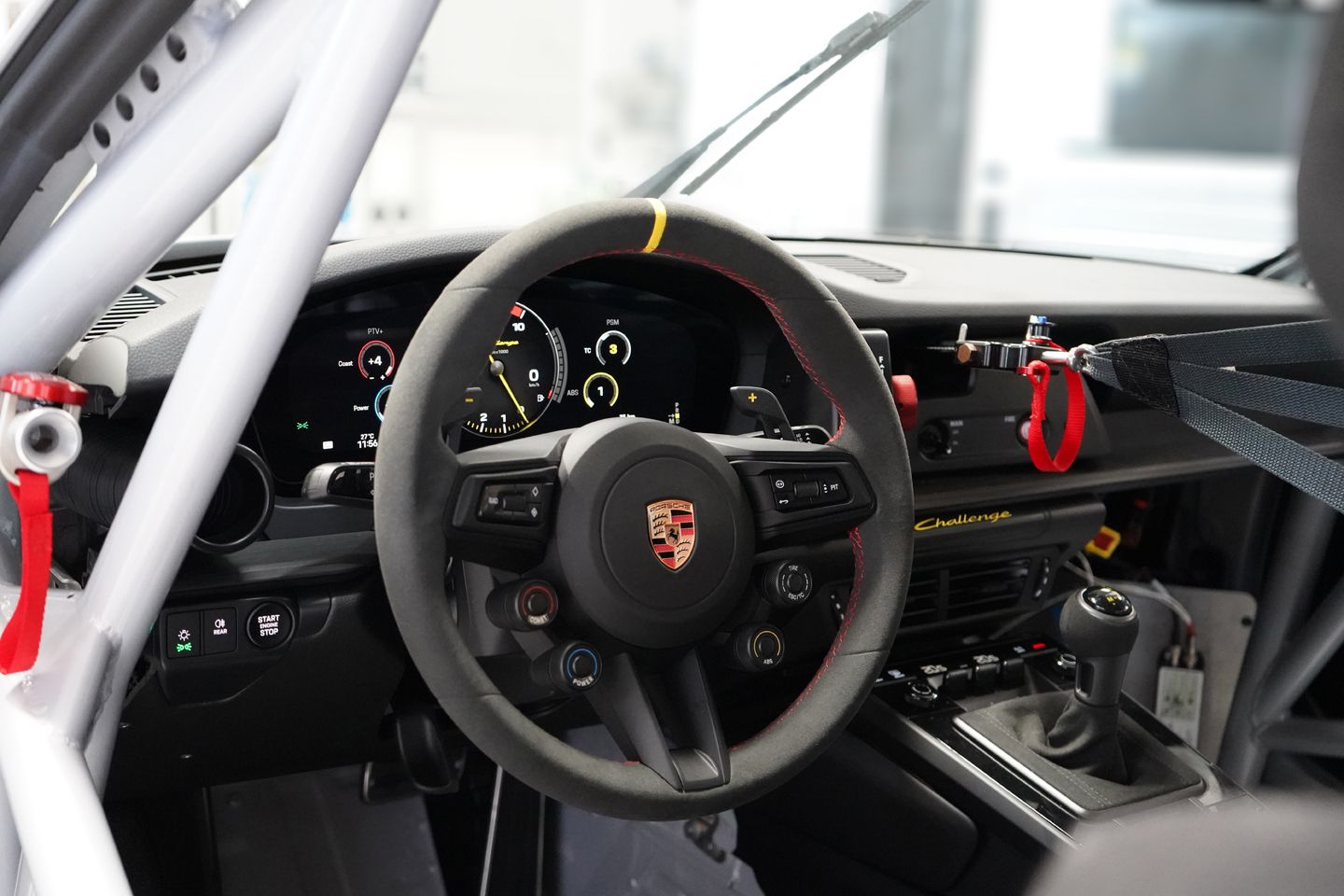
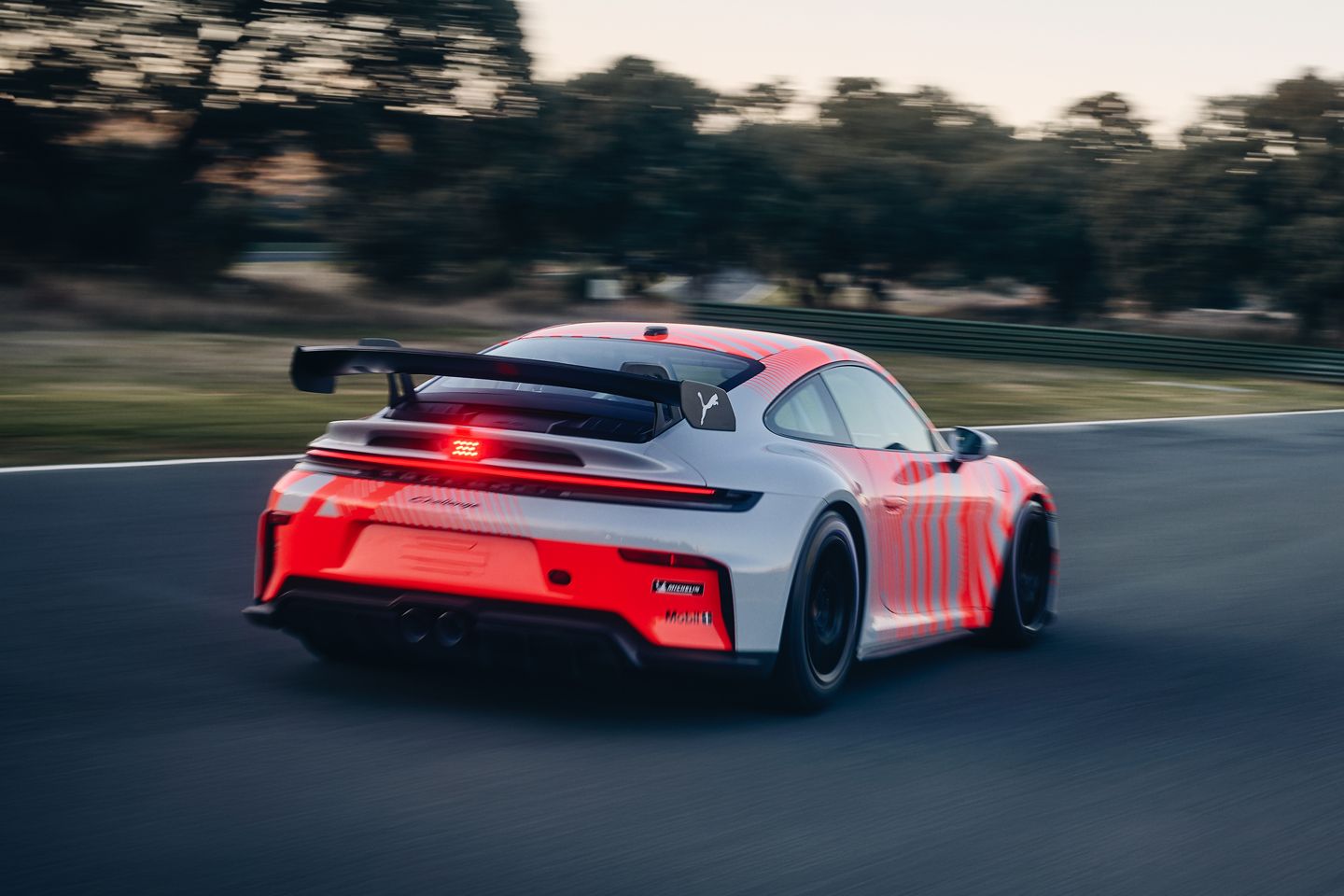
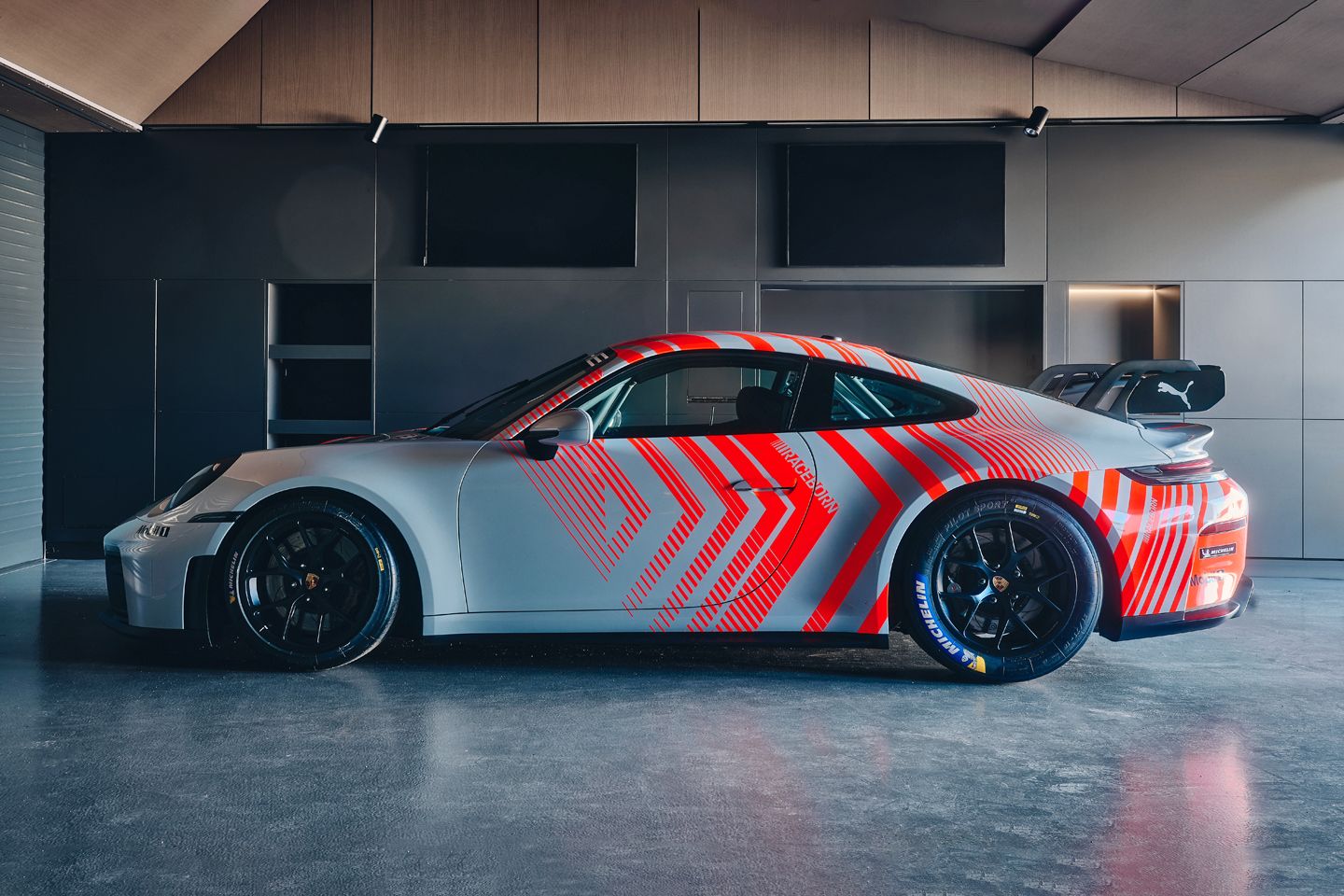
Of course, not everything will be the same. For one thing, you’ll be surrounded by a welded-in roll cage with a six-point harness pinning you to an adjustable racing bucket seat, and all the sound-deadening, carpets and trim will have gone. For another, the chassis will feature some racier components, including a three-stage adjustable anti-roll bar, a motorsport-specific damper map, new 380mm steel brake discs front and rear, and, most importantly, treadless racing slicks fitted to five-hole 18-inch wheels. 

Sounds pretty cool, right? Well, on the basis that the exhaust system does away with its particulate filter and the engine will rev to 9,000rpm, the newcomer probably repeats that trick in the real world, too. Elsewhere, you get a 110-litre FT3 fuel tank, an integrated air-jack system and Porsche’s solemn promise that the Challenge ‘is designed as a competition car without road approval and makes no compromises in its circuit-focused specification.’ Though it does pinch the steering wheel from the GT3 RS for slightly more functionality, and you don’t have to do away with air conditioning. 

"Since their introduction, the GT3 models have shaped Porsche’s identity as a sports car manufacturer like almost no other model range. They are conceived and developed in close collaboration with motorsport,” reckons Thomas Laudenbach, Vice President Porsche Motorsport. “With the 911 Challenge, this tradition is being expanded to include a model that allows new customer groups to experience the thrill of motorsport in a 911.“ If that sounds like all the motivation you need to get started, the model will be available to order in the UK from next month.
Author
Discussion

trevalvole

2,054 posts

62 months

Wednesday 26th August
quotequote all
Interesting that it is on 18" wheels, where iirc road going versions are on something like 20"/21". Does anyone know the reason for this?

RandomCarChat

1,251 posts

76 months

Wednesday 26th August
quotequote all
trevalvole said:
Interesting that it is on 18" wheels, where iirc road going versions are on something like 20"/21". Does anyone know the reason for this?
The road cars use much bigger brakes so have to run larger diameter wheels. Presume thats due to weight.

Geoffcapes

Original Poster:

1,274 posts

193 months

Wednesday 26th August
quotequote all
6 or 7 figures on the price tag?

PorkerHam

184 posts

71 months

Wednesday 26th August
quotequote all
For 99% of people, that's all the racecar you will ever need....

Bluehorseshoe

163 posts

4 months

Wednesday 26th August
quotequote all
Is this like a track day for rich people who are good at track days or is it serious motosport.

I ask not wanting to belittle anyone more wondering if its more a hobby form of motorsport than a serious championship

sparta6

5,588 posts

129 months

Wednesday 26th August
quotequote all
Bluehorseshoe said:
Is this like a track day for rich people who are good at track days or is it serious motosport.

I ask not wanting to belittle anyone more wondering if its more a hobby form of motorsport than a serious championship
"Easy to drive"

Just jump in the Tesla

kambites

71,408 posts

250 months

Wednesday 26th August
quotequote all
RandomCarChat said:
trevalvole said:
Interesting that it is on 18" wheels, where iirc road going versions are on something like 20"/21". Does anyone know the reason for this?
The road cars use much bigger brakes so have to run larger diameter wheels. Presume thats due to weight.
A combination of weight and styling. People don't like to see small brakes on high performance cars, even if they would improve the way the car drives. Same with wheels, of course; it would be a gross oversimplification to say smaller wheels universally improve how a car drives, but I think it IS fair to say that most modern performance road cars have larger than optimal wheels for aesthetic reasons.

Most racing cars, where the rules don't enforce otherwise, tend to settle on something roughly like the ratio this car has.

Edited by kambites on Wednesday 26th August 10:10

trevalvole

2,054 posts

62 months

Wednesday 26th August
quotequote all
RandomCarChat said:
trevalvole said:
Interesting that it is on 18" wheels, where iirc road going versions are on something like 20"/21". Does anyone know the reason for this?
The road cars use much bigger brakes so have to run larger diameter wheels. Presume thats due to weight.
As per the article, the racer uses 380mm discs all round, whereas the GT3 road car has the same at the rear and 408mm at the front, so not that much bigger. Plus on the road car, I recall that the bigger diameter wheels are on the back. Perhaps the presumably lighter weight of the 18" wheels on the racer means that the tyres are in contact with the road for more of the time and that the bigger wheels on the road car are mainly for looks?

kambites

71,408 posts

250 months

Wednesday 26th August
quotequote all
trevalvole said:
As per the article, the racer uses 380mm discs all round, whereas the GT3 road car has the same at the rear and 408mm at the front, so not that much bigger. Plus on the road car, I recall that the bigger diameter wheels are on the back. Perhaps the presumably lighter weight of the 18" wheels on the racer means that the tyres are in contact with the road for more of the time and that the bigger wheels on the road car are mainly for looks?
The focus of handling tuning is different too. Performance road cars tend to be set up to prioritise responsiveness over outright grip so lower profile tyres are "better". Racing cars obviously focus far more on absolute grip.

Smaller wheels with higher profile tyres (up to a point) helps that in several ways. Firstly it reduces overall unsprung mass, allowing the suspension to respond more quickly; secondly if allows the use of lower tyre pressures, increasing the size of the contact patch; and thirdly it allows the tyres to provide more of the suspension effect themselves. Reducing the amount of unsprung mass which has to move when you go over a bump from 20kg to 15kg makes a huge difference to how a car drives, but if you can get the entire bump to be absorbed by the tyre sidewall, the effective unsprung mass can be reduced to a few hundred grams.

MountainsofSussex

420 posts

215 months

Wednesday 26th August
quotequote all
It looks great on those 18s - I'd love to see someone put them on the road car and see what it did to the ride and handling, especially on our shocking roads (I accept brakes could be an issue, but I'm sure it's not beyond the wit of man)

baconsarney

12,414 posts

190 months

Wednesday 26th August
quotequote all
What will happen to all the Cayman’s I wonder scratchchin

Mr-B

4,956 posts

223 months

Wednesday 26th August
quotequote all
kambites said:
trevalvole said:
As per the article, the racer uses 380mm discs all round, whereas the GT3 road car has the same at the rear and 408mm at the front, so not that much bigger. Plus on the road car, I recall that the bigger diameter wheels are on the back. Perhaps the presumably lighter weight of the 18" wheels on the racer means that the tyres are in contact with the road for more of the time and that the bigger wheels on the road car are mainly for looks?
The focus of handling tuning is different too. Performance road cars tend to be set up to prioritise responsiveness over outright grip so lower profile tyres are "better". Racing cars obviously focus far more on absolute grip.

Smaller wheels with higher profile tyres (up to a point) helps that in several ways. Firstly it reduces overall unsprung mass, allowing the suspension to respond more quickly; secondly if allows the use of lower tyre pressures, increasing the size of the contact patch; and thirdly it allows the tyres to provide more of the suspension effect themselves. Reducing the amount of unsprung mass which has to move when you go over a bump from 20kg to 15kg makes a huge difference to how a car drives, but if you can get the entire bump to be absorbed by the tyre sidewall, the effective unsprung mass can be reduced to a few hundred grams.
Would kerbs also be an issue? These cars will be riding kerbs at high speed and frequently so maybe low profile tyres would mean many smashed wheels which would add to the cost when being replaced often.

kambites

71,408 posts

250 months

Wednesday 26th August
quotequote all
baconsarney said:
What will happen to all the Cayman s I wonder scratchchin
They will presumably still meet all the GT4 regulations, so they'll still be eligible for quite a few racing series?

kambites

71,408 posts

250 months

Wednesday 26th August
quotequote all
Mr-B said:
Would kerbs also be an issue? These cars will be riding kerbs at high speed and frequently so maybe low profile tyres would mean many smashed wheels which would add to the cost when being replaced often.
I'm sure you could make big wheels which could stand up to the kerbs on most racing tracks, but again I guess it would add weight and slow the car down, so why would you? I guess the kerbs are the prime example of a high-frequency vibration which you want, in so far as possible, to be absorbed by the tyres rather than making the suspension work, though.

mjspencer348

219 posts

4 months

Wednesday 26th August
quotequote all
Geoffcapes said:
6 or 7 figures on the price tag?
No UK prices as yet, but they are $275,000 in the US, including import and delivery costs. Seems reasonably priced, given the amount of work involved and probably a lot easier to get hold of than a new GT3 road car.

brillomaster

1,861 posts

199 months

Wednesday 26th August
quotequote all
Its possible that gt4 spec cars mandate the use of 18 inch wheels. Certainly gt3 cars have to use 18" rims, so most gt3 race cars will have smaller wheels than their road going equivalents.

And yes, this is a proper gt4 race car, eligible for either one make racing, or many of the gt4 championships around the world - British gt runs gt4 and gt3 cars together. As with all gt racing, theres a healthy amount of wealthy amateurs who pay their way, often teamed with a factory pro driver.


kambites

71,408 posts

250 months

Wednesday 26th August
quotequote all
brillomaster said:
Its possible that gt4 spec cars mandate the use of 18 inch wheels.
I wouldn't be surprised if wheel diameter, brake disc diameter, and even wheel width were all mandated by the class rules.

86wasagoodyear

961 posts

125 months

Wednesday 26th August
quotequote all
RandomCarChat said:
trevalvole said:
Interesting that it is on 18" wheels, where iirc road going versions are on something like 20"/21". Does anyone know the reason for this?
The road cars use much bigger brakes so have to run larger diameter wheels. Presume thats due to weight.
The emphasis is the other way round. The road cars have huge wheels because they are seen to look cool & have rubber band low profile tyres to look cool and feel responsive on-road. The brakes simply fill the available wheel and are huge so they must be cool, right ? Wins at Top Trumps.

The race cars have sensibly sized wheels filled with the biggest brakes that'll fit (smaller than road, and still big enough) and higher profile tyres - all of which are far more functional on road (and would be more comfortable too) but apparently don't look cool. And we all know how much more important it is to look cool than to be functional, especially in this price bracket.

Matt_T

1,271 posts

103 months

Wednesday 26th August
quotequote all
I believe that on mass-market cars, having bigger discs allows manufacturers to have fewer pistons and less powerful / cheaper calipers and also reduce disc wear. The race cars will run 6-piston calipers with adjustabilty so can run smaller discs - therefore reduced unsprung mass

Edited by Matt_T on Wednesday 26th August 15:52

bigmowley

2,649 posts

205 months

Wednesday 26th August
quotequote all
Racing tyres are generally 18” diameter. It’s pretty much the standard size. Lots of formula cars use even smaller rim diameters. There is no real benefit of bigger diameter rims unless you need to package bigger brakes. It’s the sweet spot for brake diameters, rotational inertia and unsprung weight. pretty much all GT racing cars use 18’ rims.