
Walkthrough 100a fuse changeout
Discussion


Hi all, I thought I’d share my recent experience of symptoms and subsequent repair
I was driving the other day when i noticed the temp gauge dropping off settling at around 50° at the bottom of the gauge, initially I was thinking a water leak had dropped the water level below the sender position but I stopped and checked for any leakage figuring it would be noticeable to lose that amount but there was nothing observable. Also the fans appeared to be working properly and the car seemed to be running fine so I decided to risk the trip home as luckily I was only a couple of miles away.
During the drive home I was watching the temp and then noticed the voltmeter was also low, 11v or so (normally mine reads above 13v mark) I checked the other gauges and everything else was normal.
I got home and confirmed the voltage readings with the multimeter and confirmed the 11v running readings. The battery was also reading on the low side with the car off. After the car cooled I checked the coolant level and it was normal. I decided to do a cold start and warm up to see what happened with me watching more closely. The voltage on start-up cold was a surprise as it was back to over 13 on the gauge but as the car warmed up the voltage dropped off to just above 11 again so that confirmed there was a problem.
I started doing a bit of reading and found out that the temp gauge worked on a voltage return to the gauge and overall voltage on the car being low would have this effect on the gauge reading so focus moved to the charging circuit thinking the alternator had maybe developed a fault. While reading online and my copy of ‘The TVR Griffith and Chimera’ by Steve Heath (a must for any Griffith or Chimera owner, worth its weight in gold!) I saw there was a 100a fuse in the circuit and although I couldn’t see any specific info on these symptoms from owners online the failure of the fuse is noted as being fairly common.
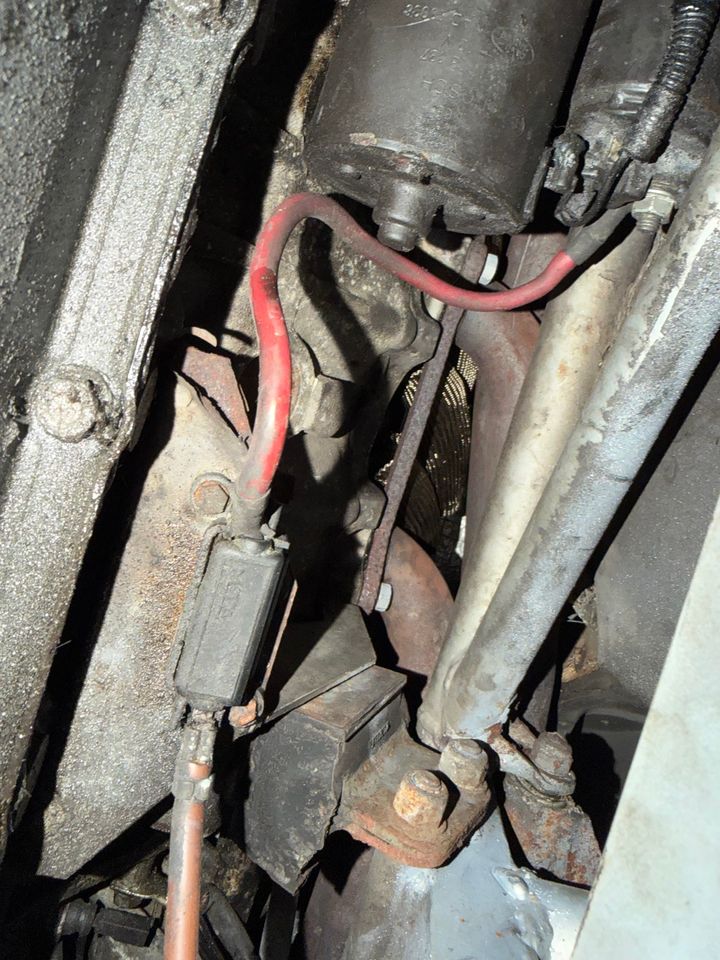
Next thing was to get access to the fuse which it transpired was just behind the starter motor mounted under the engine mounting bracket (easy access!) It was then a case of getting the car up on the ramps santa bought me last Christmas!
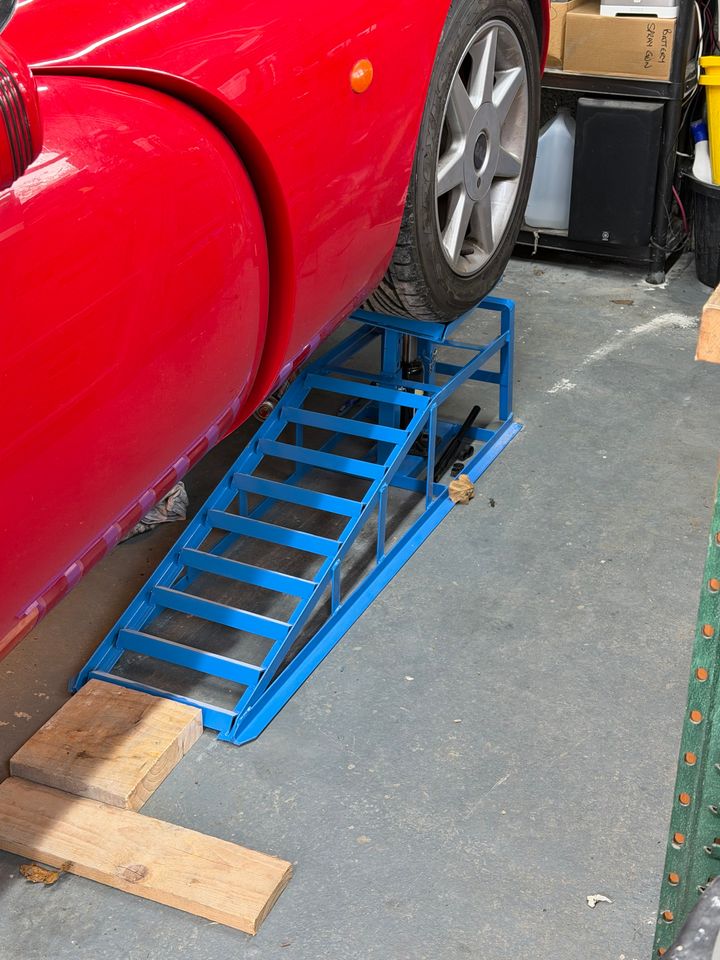
And get a look at the fuse housing
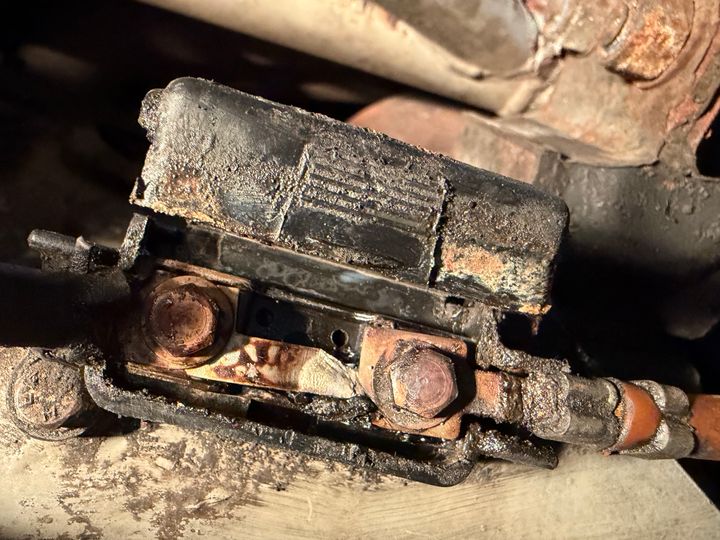
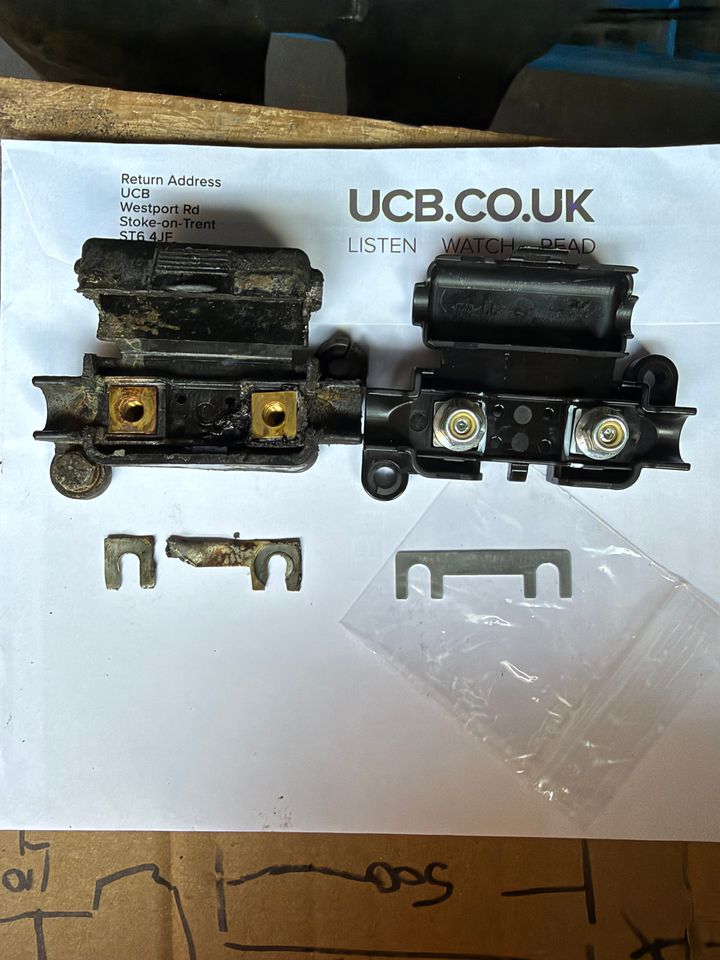
Disconnected battery and cracked the housing open and there was obvious heat damage
A quick check confirmed continuity was good but the damage meant that a new fuse and housing were required even if this didn’t turn out to be the cause of my problems. I removed the connections and the fuse parted as soon as I went to remove it.
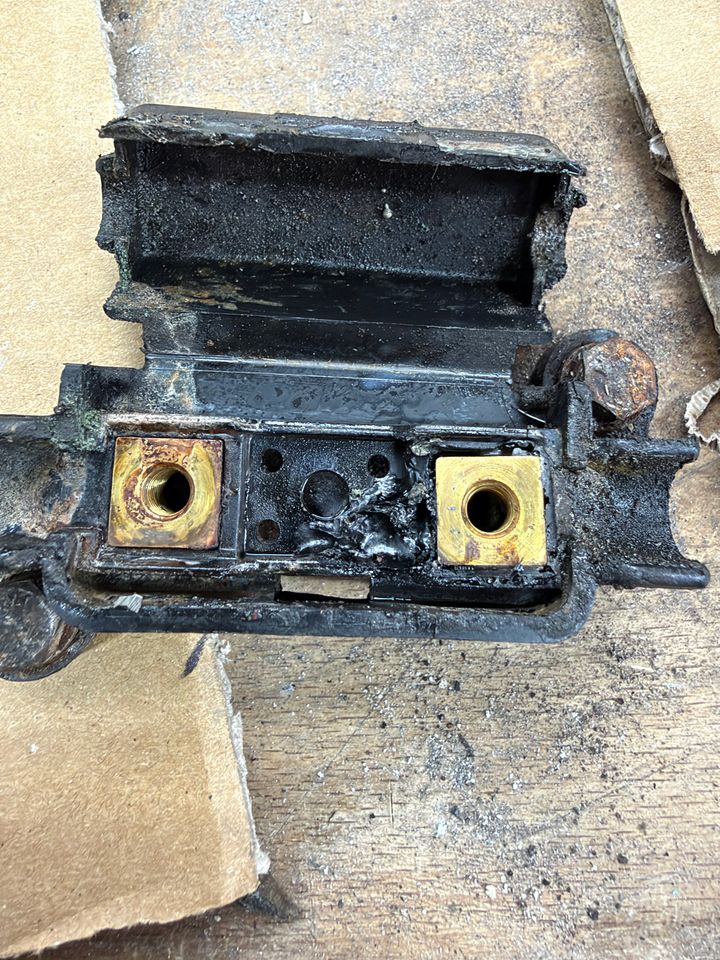
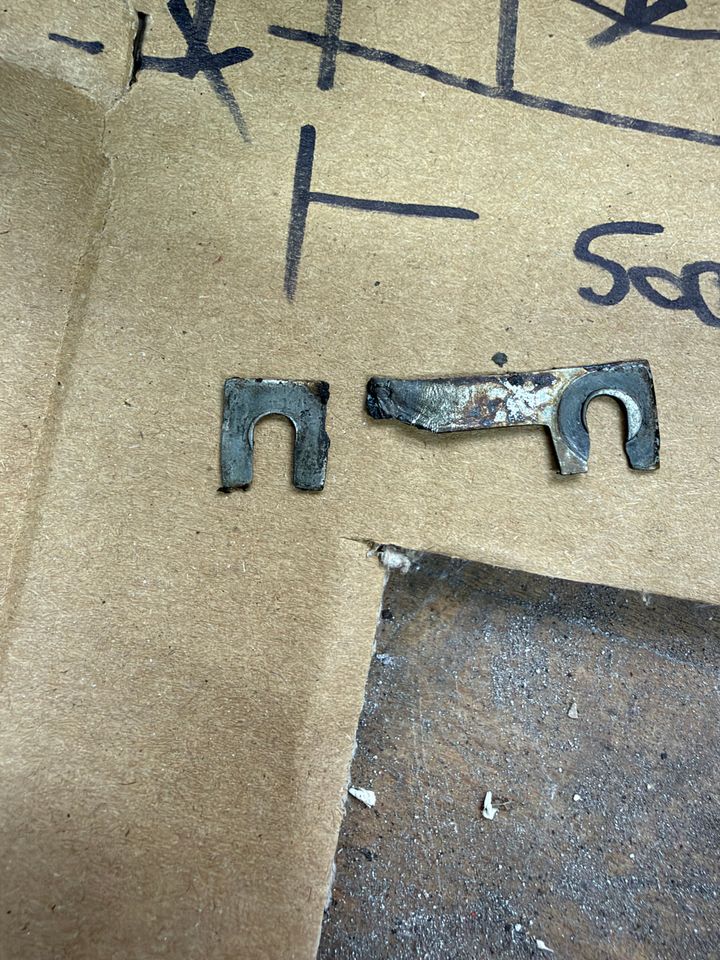
I ordered the bits and while I waited I cleaned up the connections which identified the cable from the starter solenoid to the fuse was age hardened and even moving it slightly resulted in the insulation cracking so i decided to get a new cable aswell. When they arrived I got back to work fitting the new bits
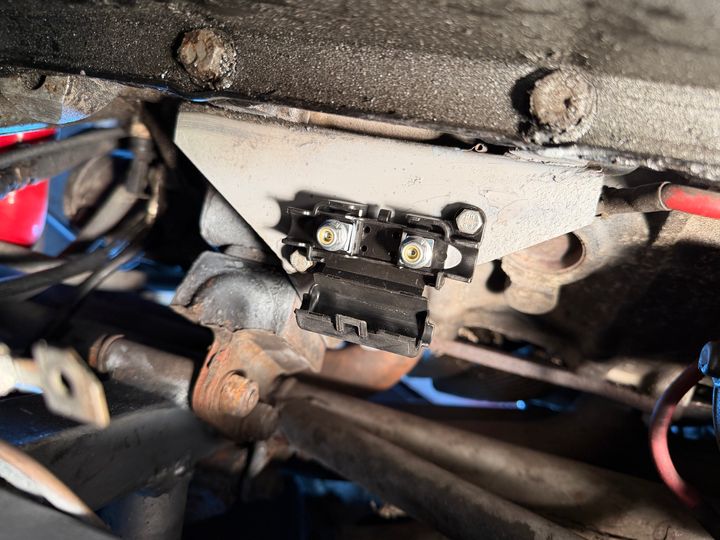
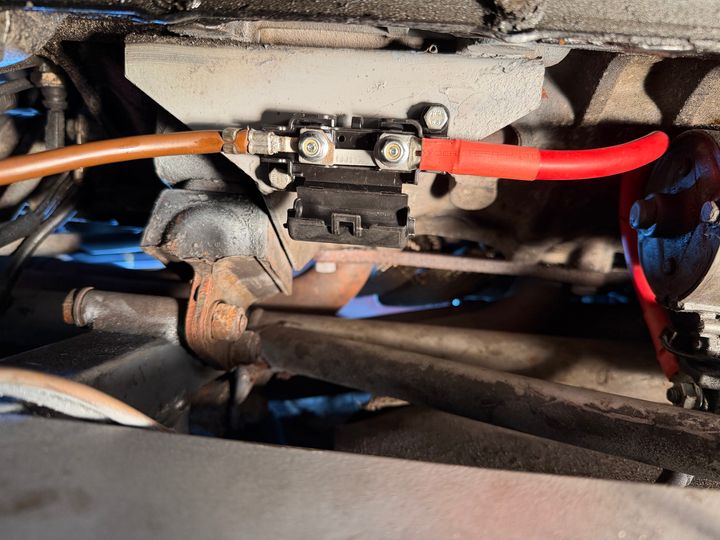
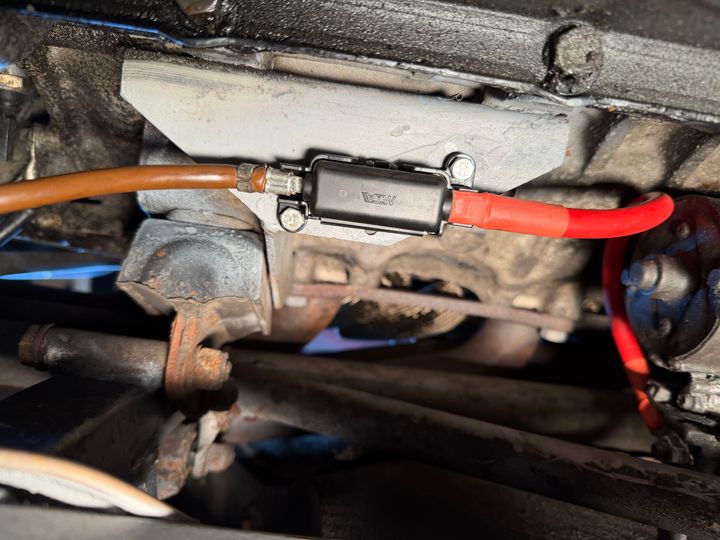
After fitting, it was time to reconnect the battery and listen for a bang! Fortunately there was no bang and no smoke so next stage was to re-run the cold start to engine fans running, this time after starting and seeing a healthy volt reading at the battery (14.15v) I turned on interior fan and full beam lights to give a good load, volts were still good at 13.7 and temp gauge was reading ‘normal’ (which in TVR speak means good to the nearest 10° lol) after the fans started the volts stayed at a healthy 13.6.
After turning the car off i went and checked the connections for any localised heat but all seemed good
Seems like the issue is resolved
While researching the wiring system I saw a recommendation for Steve Dunford and I must say what a nice guy, he replied to my e-mail within 30mins and furnished me with a full set of good quality wiring diagrams, when I mentioned my issue he confirmed it was common. He also gave me a tip that many had replaced the OE part with a ‘mega fuse’ which is alot more resilient to the vibration on the car. I have ordered one for a future upgrade.
Hopefully this update helps someone in the future!
Thanks for reading
Ian
I was driving the other day when i noticed the temp gauge dropping off settling at around 50° at the bottom of the gauge, initially I was thinking a water leak had dropped the water level below the sender position but I stopped and checked for any leakage figuring it would be noticeable to lose that amount but there was nothing observable. Also the fans appeared to be working properly and the car seemed to be running fine so I decided to risk the trip home as luckily I was only a couple of miles away.
During the drive home I was watching the temp and then noticed the voltmeter was also low, 11v or so (normally mine reads above 13v mark) I checked the other gauges and everything else was normal.
I got home and confirmed the voltage readings with the multimeter and confirmed the 11v running readings. The battery was also reading on the low side with the car off. After the car cooled I checked the coolant level and it was normal. I decided to do a cold start and warm up to see what happened with me watching more closely. The voltage on start-up cold was a surprise as it was back to over 13 on the gauge but as the car warmed up the voltage dropped off to just above 11 again so that confirmed there was a problem.
I started doing a bit of reading and found out that the temp gauge worked on a voltage return to the gauge and overall voltage on the car being low would have this effect on the gauge reading so focus moved to the charging circuit thinking the alternator had maybe developed a fault. While reading online and my copy of ‘The TVR Griffith and Chimera’ by Steve Heath (a must for any Griffith or Chimera owner, worth its weight in gold!) I saw there was a 100a fuse in the circuit and although I couldn’t see any specific info on these symptoms from owners online the failure of the fuse is noted as being fairly common.
Next thing was to get access to the fuse which it transpired was just behind the starter motor mounted under the engine mounting bracket (easy access!) It was then a case of getting the car up on the ramps santa bought me last Christmas!
And get a look at the fuse housing
Disconnected battery and cracked the housing open and there was obvious heat damage
A quick check confirmed continuity was good but the damage meant that a new fuse and housing were required even if this didn’t turn out to be the cause of my problems. I removed the connections and the fuse parted as soon as I went to remove it.
I ordered the bits and while I waited I cleaned up the connections which identified the cable from the starter solenoid to the fuse was age hardened and even moving it slightly resulted in the insulation cracking so i decided to get a new cable aswell. When they arrived I got back to work fitting the new bits
After fitting, it was time to reconnect the battery and listen for a bang! Fortunately there was no bang and no smoke so next stage was to re-run the cold start to engine fans running, this time after starting and seeing a healthy volt reading at the battery (14.15v) I turned on interior fan and full beam lights to give a good load, volts were still good at 13.7 and temp gauge was reading ‘normal’ (which in TVR speak means good to the nearest 10° lol) after the fans started the volts stayed at a healthy 13.6.
After turning the car off i went and checked the connections for any localised heat but all seemed good
Seems like the issue is resolved
While researching the wiring system I saw a recommendation for Steve Dunford and I must say what a nice guy, he replied to my e-mail within 30mins and furnished me with a full set of good quality wiring diagrams, when I mentioned my issue he confirmed it was common. He also gave me a tip that many had replaced the OE part with a ‘mega fuse’ which is alot more resilient to the vibration on the car. I have ordered one for a future upgrade.
Hopefully this update helps someone in the future!
Thanks for reading
Ian

phillpot said:
Thanks Phillpot, thats what I’ve ordered recommended by Steve as i mentioned although it may be a maxi fuse so bigger. I’ve just ordered this one you sharedThanks!
Ian
I ordered M5 'Staytite' flange nuts. (I had 7 fuses holders to replace).
https://www.staytite.com/products/staytite-nuts
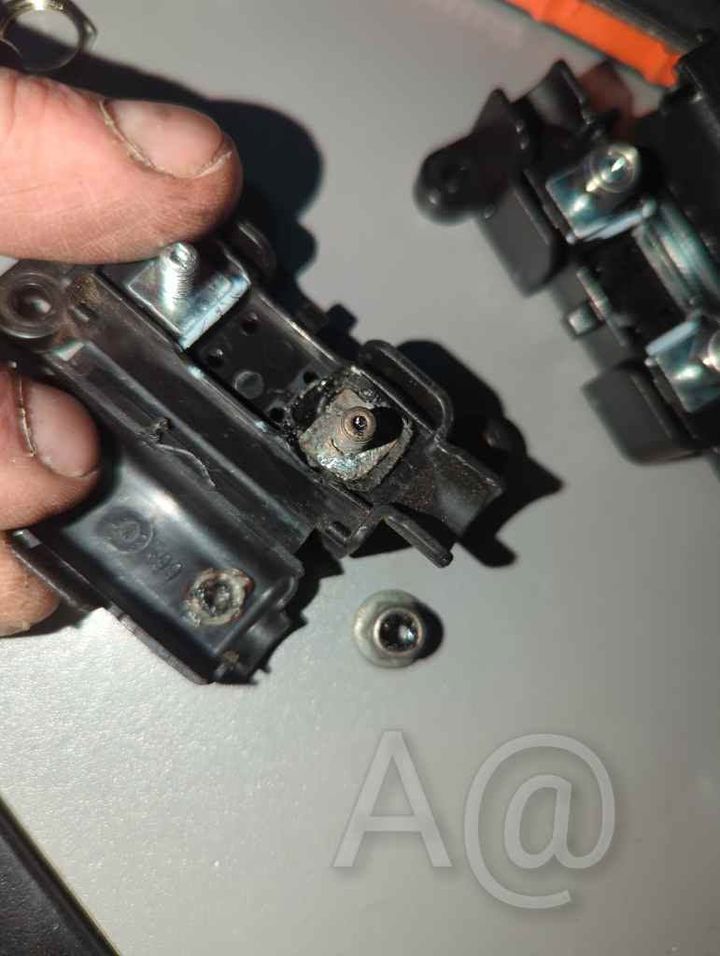
This had been replaced with the new version and was resistance/heat failure, after coming loose..see the plastic on the nut. A@
https://www.staytite.com/products/staytite-nuts
This had been replaced with the new version and was resistance/heat failure, after coming loose..see the plastic on the nut. A@
Edited by Adrian@ on Friday 13th November 09:31
A comprehensive set of photos.  . Many users may not be already aware of the potential 100A fuse issues. I had one that was cracked on a previous Chimaera, but on my current Griff, mine fell apart on removal like yours. They've been referred to many times on PH over the years.
My symptoms were rough running and then stalling as a result of voltage spikes I presumed. The specialist near me treats these as a service item now and replaces them regularly. Access is fairly easy on a ramp, but I was able to do mine at home, jacking the car up in stages with stands on the chassis rails.
. Many users may not be already aware of the potential 100A fuse issues. I had one that was cracked on a previous Chimaera, but on my current Griff, mine fell apart on removal like yours. They've been referred to many times on PH over the years.My symptoms were rough running and then stalling as a result of voltage spikes I presumed. The specialist near me treats these as a service item now and replaces them regularly. Access is fairly easy on a ramp, but I was able to do mine at home, jacking the car up in stages with stands on the chassis rails.
Adrian@ said:
I ordered M5 'Staytite' flange nuts. (I had 7 fuses holders to replace).
https://www.staytite.com/products/staytite-nuts
This had been replaced with the new version and was resistance/heat failure, after coming loose..see the plastic on the nut. A@
Thanks Adrian@https://www.staytite.com/products/staytite-nuts
This had been replaced with the new version and was resistance/heat failure, after coming loose..see the plastic on the nut. A@
Edited by Adrian@ on Friday 13th November 09:31
It's the fuse that provides a return to charge the battery and a circuit for the battery warning lamp.
He mentions the starter because that is where the connector comes from, the starter is hard wired straight to the battery, only the solenoid cct is via a fuse and the immobiliser. Mentioning the solenoid was a bit misleading really.
He mentions the starter because that is where the connector comes from, the starter is hard wired straight to the battery, only the solenoid cct is via a fuse and the immobiliser. Mentioning the solenoid was a bit misleading really.

sixor8 said:
It's the fuse that provides a return to charge the battery and a circuit for the battery warning lamp.
He mentions the starter because that is where the connector comes from, the starter is hard wired straight to the battery, only the solenoid cct is via a fuse and the immobiliser. Mentioning the solenoid was a bit misleading really.
Sorry for the confusion He mentions the starter because that is where the connector comes from, the starter is hard wired straight to the battery, only the solenoid cct is via a fuse and the immobiliser. Mentioning the solenoid was a bit misleading really.
 , I mentioned the starter solenoid as it was the cable from the starter solenoid to the fuse I had to replace
Ian
I run a low voltage company doing cars, marine and aero. That's an ANL fuse and they are pretty poor. Better replaced with a decent Megafuse, Amazon do decent ones. Very important when you reassemble that the fuse and connections are clean and there are NO Washers (spring or plain) between the cable crimped connections and the fuse. Otherwise you'll get a high resistance joint and it will overheat and melt.
tr7v8 said:
I run a low voltage company doing cars, marine and aero. That's an ANL fuse and they are pretty poor. Better replaced with a decent Megafuse, Amazon do decent ones. Very important when you reassemble that the fuse and connections are clean and there are NO Washers (spring or plain) between the cable crimped connections and the fuse. Otherwise you'll get a high resistance joint and it will overheat and melt.
I now have the mega and the midi versions, midi seems like the same size housing, when you mentioned the ANL fuse is that the midi size or the make thats the problem? Midi would definitely be easier fitted?Ian
tr7v8 said:
I run a low voltage company doing cars, marine and aero. That's an ANL fuse and they are pretty poor. Better replaced with a decent Megafuse, Amazon do decent ones. Very important when you reassemble that the fuse and connections are clean and there are NO Washers (spring or plain) between the cable crimped connections and the fuse. Otherwise you'll get a high resistance joint and it will overheat and melt.
Just researching the ANL and the MEGA and MIDI are not ANL type they are AMG and AMI so I’m assuming you are talking about the original fuse. Ill keep both mega and midi in my parts box for future needsThanks for the input tr7v8
I moved one on a Chimaera into the engine bay as it was much easier to inspect and protected more.
I was under the impression it had to be as close to the item its protecting as possible as well, which in this case is the Alternator.
Not sure why they thought it was a good idea to put it down there.
I was under the impression it had to be as close to the item its protecting as possible as well, which in this case is the Alternator.
Not sure why they thought it was a good idea to put it down there.

ianstewartshouse said:
tr7v8 said:
I run a low voltage company doing cars, marine and aero. That's an ANL fuse and they are pretty poor. Better replaced with a decent Megafuse, Amazon do decent ones. Very important when you reassemble that the fuse and connections are clean and there are NO Washers (spring or plain) between the cable crimped connections and the fuse. Otherwise you'll get a high resistance joint and it will overheat and melt.
Just researching the ANL and the MEGA and MIDI are not ANL type they are AMG and AMI so I m assuming you are talking about the original fuse. Ill keep both mega and midi in my parts box for future needsThanks for the input tr7v8
That looks a horrible location for an unsealed fuse holder. Might be worth using some silicone sealant to keep the worst of the gunge out.
Gassing Station | Griffith | Top of Page | What's New | My Stuff