
Discussion


Hi,
SORRY ABOUT THE LONG POST
I'm an "Amateur" photographer, I ONLY take photos of cars, although this will change in the new year
I shoot with a 1100D and the kit lens I got with it (EFS 18-55mm)
I currently shoot Manual, (ƒ/5.6, 1/250, ISO 200)
I have done so for the last year and half...
Below is 3 of my best photos, that I've taken


They are probably not very good in anybodies standards but these are my fav photos I've taken,
Now we got onto the reason I made this post, I have spoken to another photographer who takes amazing photos and he told me to buy a 50mm 1.8
I got that and used it for the first time today, I had mixed results and only ended up with one goodish photo

That was shot at ƒ/3.5, 1/4000, ISO 400
Auto mode was making the images too bright..
Anyways, back to the subject
I wanted to buy a Canon 7D/70D to be able to progress, which was when I was advised to get a 50mm 1.8 instead of spending like £800 on a new camera and not know how to use it better.
I've been told that PhotoShop and LightRoom really help when taking photos so I have learnt the basics on Lightroom and have just messaged about with a couple images to see if I can make a difference to the photos

I want to be able to progress to photos like the ones below
 Aventador by Luke Alexander Gilbertson, on Flickr
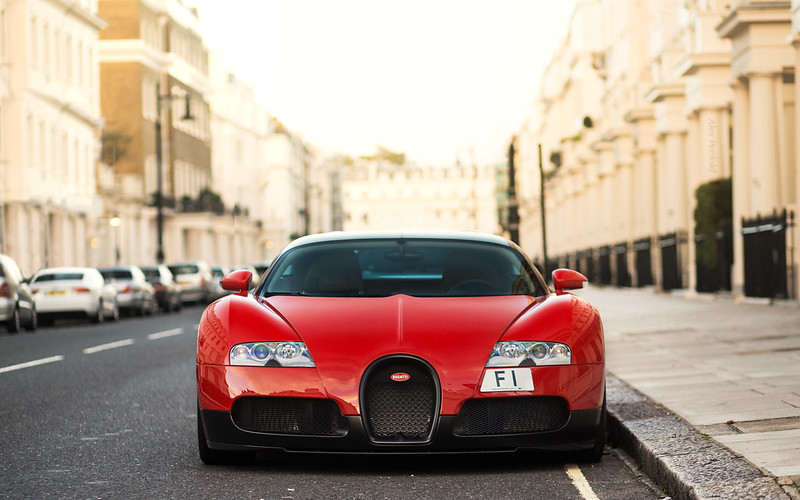 F1. by Alex Penfold, on Flickr
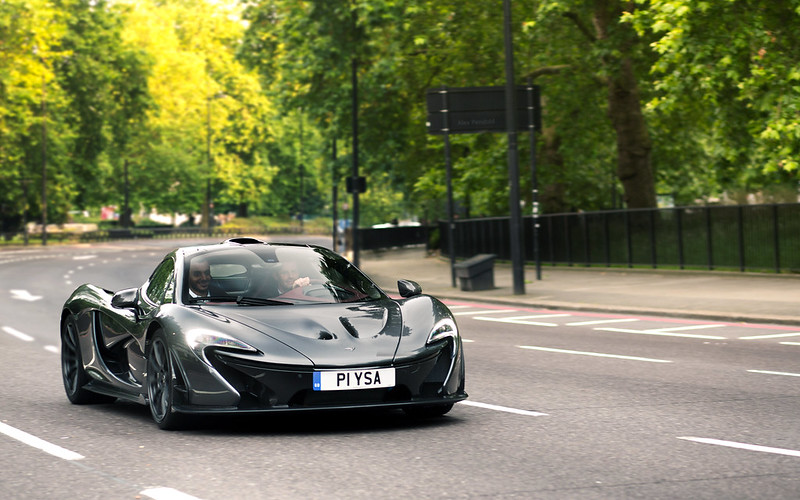 A P1 by Alex Penfold, on Flickr
AGAIN SORRY ABOUT THE LONG POST
I will learn PhotoShop and LightRoom more but how is the way to get to learn what options to use on my camera and when. I will go to night school after I've gained some more skill, I want to take it from a hobby to something I can use everyday, so in a job of some sort
If anybody can help me with what to do next, I will be very grateful
If you have got to this sentence, thank you for reading it
SORRY ABOUT THE LONG POST
I'm an "Amateur" photographer, I ONLY take photos of cars, although this will change in the new year
I shoot with a 1100D and the kit lens I got with it (EFS 18-55mm)
I currently shoot Manual, (ƒ/5.6, 1/250, ISO 200)
I have done so for the last year and half...
Below is 3 of my best photos, that I've taken
They are probably not very good in anybodies standards but these are my fav photos I've taken,
Now we got onto the reason I made this post, I have spoken to another photographer who takes amazing photos and he told me to buy a 50mm 1.8
I got that and used it for the first time today, I had mixed results and only ended up with one goodish photo
That was shot at ƒ/3.5, 1/4000, ISO 400
Auto mode was making the images too bright..
Anyways, back to the subject
I wanted to buy a Canon 7D/70D to be able to progress, which was when I was advised to get a 50mm 1.8 instead of spending like £800 on a new camera and not know how to use it better.
I've been told that PhotoShop and LightRoom really help when taking photos so I have learnt the basics on Lightroom and have just messaged about with a couple images to see if I can make a difference to the photos
I want to be able to progress to photos like the ones below
Aventador by Luke Alexander Gilbertson, on FlickrF1. by Alex Penfold, on FlickrA P1 by Alex Penfold, on FlickrAGAIN SORRY ABOUT THE LONG POST
I will learn PhotoShop and LightRoom more but how is the way to get to learn what options to use on my camera and when. I will go to night school after I've gained some more skill, I want to take it from a hobby to something I can use everyday, so in a job of some sort
If anybody can help me with what to do next, I will be very grateful
If you have got to this sentence, thank you for reading it
Sound advice about the 50mm lens. This gives you facility to blur the backgrounds better. The camera body is the last thing to upgrade.
I'm no expert but would suggest getting lower to the ground. Also think about whats in the background, clutter can distract from the subject. Some backgrounds can contrast really well with the car too.
I'm no expert but would suggest getting lower to the ground. Also think about whats in the background, clutter can distract from the subject. Some backgrounds can contrast really well with the car too.
There are a few things you can work on, each area is worth exploring , and most of them dont need you to spend money. A new camera ( 7d etc) wont make you take any better photos.
Light - control the exposure, understand what each part of the exposure triangle does ( aperture, shutter speed, ISO) and how changing them will affect the exposure. Learn what exposure look you want (i.e. not over or under exposed) then what aperture you want the shot at ( for static cars, this for depth of field) , what shutter speed you need ( tripod or hand held, or panning , moving subjects etc). Then the ISO comes in last to let you get the other 2 right.
learn to shoot when the light is 'good' so harsh mid day sun is often not going to give you great shots etc.
Cars are often reflective so a polarising filter is well worth adding, and learning how to use them.
Composition - dont always shoot from head high, get low, or high, shoot direct/side on or a 70/30 split, try and frame things so there is less clutter, use long exposures(or multiple exposures) to remove people from the shot etc.
processing - lightroom is fine but shoot RAW and look at white balance, contast, shadows and whites, exposure curves and clarity/virbance etc.
Light - control the exposure, understand what each part of the exposure triangle does ( aperture, shutter speed, ISO) and how changing them will affect the exposure. Learn what exposure look you want (i.e. not over or under exposed) then what aperture you want the shot at ( for static cars, this for depth of field) , what shutter speed you need ( tripod or hand held, or panning , moving subjects etc). Then the ISO comes in last to let you get the other 2 right.
learn to shoot when the light is 'good' so harsh mid day sun is often not going to give you great shots etc.
Cars are often reflective so a polarising filter is well worth adding, and learning how to use them.
Composition - dont always shoot from head high, get low, or high, shoot direct/side on or a 70/30 split, try and frame things so there is less clutter, use long exposures(or multiple exposures) to remove people from the shot etc.
processing - lightroom is fine but shoot RAW and look at white balance, contast, shadows and whites, exposure curves and clarity/virbance etc.
Everything that has been said so far is sound advice. Definitely don't spend any more money on a body yet, you will only be disappointed when your photos look exactly the same.
Compare your Ferrari shot with the yellow avantador that you posted.
Both shots contain the same "ingredients" but notice the following.
The lambo is shot dead side on and from lowing down.
The porch bit above the door of the building is parallel with the top of the frame (of the image), and the whole door is included.
More space is left in front of the car to allows it "somewhere to go"
Just some things to think about!
Compare your Ferrari shot with the yellow avantador that you posted.
Both shots contain the same "ingredients" but notice the following.
The lambo is shot dead side on and from lowing down.
The porch bit above the door of the building is parallel with the top of the frame (of the image), and the whole door is included.
More space is left in front of the car to allows it "somewhere to go"
Just some things to think about!
Firstly; why are you shooting in manual? Are you taking control of all the settings for a reason, or just because somebody told you that pros use manual?
Learn the exposure 'triangle' - Aperture, Shutter Speed, ISO and what the trade-offs are for each of them. Use the semi-Auto modes to let the camera take some of the load off you and let you concentrate on one thing at a time (A mode for static shots, Tv/S mode for motion blur). It's not rocket science but there is no need to dive in at the deep end either.
Secondly; composition. Look at the whole of your photographs, not just the car. The one of the Corsa has a load of distracting signs and junk in the top left, your shadow across the car at the bottom left, a big white van at the top and some half cut off buildings and empty space top right - Do any of these things add to your photograph, or do they distract from it? Moving slightly to the right and getting lower would have hidden all the junk behind the car, dropped your shadow out of the shot and cut out the van and buildings - simply moving a couple of steps can result in a much stronger shot.
Finally; gear - you don't need any more. The 50 1.8 is great, the kit lens is versatile for almost everything else. Learn to use what you have before you spend any more (with the possible exception of a tripod if you don't have one).
Learn the exposure 'triangle' - Aperture, Shutter Speed, ISO and what the trade-offs are for each of them. Use the semi-Auto modes to let the camera take some of the load off you and let you concentrate on one thing at a time (A mode for static shots, Tv/S mode for motion blur). It's not rocket science but there is no need to dive in at the deep end either.
Secondly; composition. Look at the whole of your photographs, not just the car. The one of the Corsa has a load of distracting signs and junk in the top left, your shadow across the car at the bottom left, a big white van at the top and some half cut off buildings and empty space top right - Do any of these things add to your photograph, or do they distract from it? Moving slightly to the right and getting lower would have hidden all the junk behind the car, dropped your shadow out of the shot and cut out the van and buildings - simply moving a couple of steps can result in a much stronger shot.
Finally; gear - you don't need any more. The 50 1.8 is great, the kit lens is versatile for almost everything else. Learn to use what you have before you spend any more (with the possible exception of a tripod if you don't have one).
I agree with all of the above advice, definitely let the camera help you where it can and work on perspective. Also, you might want to do a little research on the lens itself, they tend to have a sweet spot. I use the Nikkor 35mm F1.8 a lot, in fact other than doing motorsport shots, I can't remember the last time I took it off the body. I digress, I found the sweet spot on it was between F2.8 and F5. I personally love 2.8 as it gives beautifully out of focus backgrounds.
 Bugatti. by Shot In The Dark (A.D.I), on Flickr
But do some research on your lens is my advice.
Bugatti. by Shot In The Dark (A.D.I), on FlickrBut do some research on your lens is my advice.
michael243 said:
I will learn PhotoShop and LightRoom more but how is the way to get to learn what options to use on my camera and when. I will go to night school after I've gained some more skill, I want to take it from a hobby to something I can use everyday, so in a job of some sort
If anybody can help me with what to do next, I will be very grateful
We all have to start somewhere, in my eyes vehicles are probably one of the hardest things to shoot and to learn with. i may be completely out of touch however I doubt there is a career/job as you say in taking photos of cars unless your a motor sports photographer and I'm sure most on here will tell you there's not much of a career in it these days. If anybody can help me with what to do next, I will be very grateful
Keep it as a hobby and you'll enjoy it more. RAW is key, learn everything you can about how your camera settings work. You want to get the image perfect first time and use Lightroom just to tweak the image.
RobDickinson said:
GF Williams is doing ok I think... 
His images aren't in the style of what the OP appears to be aiming at, but it's quite a niche market. I think the OP needs to focus in getting good images and enjoying the hobby rather than setting his sights on a career just yet. Photography of anything is niche though to be honest, there are jobs (even staffed ones) photographing cars. Granted, you've got a fair journey of learning ahead of you and I think you could aim a little higher in where you want to be, but we all start somewhere and the images of yours are far better than what I started out with.
All the advice above is sound to be honest particularly that saying you don't need to shoot in Manual. It will become important further down the line of course but there's no point making things deliberately difficult while you're learning other important basics like composition and how light works with a subject.
All the advice above is sound to be honest particularly that saying you don't need to shoot in Manual. It will become important further down the line of course but there's no point making things deliberately difficult while you're learning other important basics like composition and how light works with a subject.
Golaboots said:
Sound advice about the 50mm lens. This gives you facility to blur the backgrounds better. The camera body is the last thing to upgrade.
I'm no expert but would suggest getting lower to the ground. Also think about whats in the background, clutter can distract from the subject. Some backgrounds can contrast really well with the car too.
I already get lower to the ground for profile shots, ones of a moving car I stand up and shoot down, seeing a good background is hard as in London nearly all buildings look the same and can be distractingI'm no expert but would suggest getting lower to the ground. Also think about whats in the background, clutter can distract from the subject. Some backgrounds can contrast really well with the car too.
RobDickinson said:
There are a few things you can work on, each area is worth exploring , and most of them dont need you to spend money. A new camera ( 7d etc) wont make you take any better photos.
Light - control the exposure, understand what each part of the exposure triangle does ( aperture, shutter speed, ISO) and how changing them will affect the exposure. Learn what exposure look you want (i.e. not over or under exposed) then what aperture you want the shot at ( for static cars, this for depth of field) , what shutter speed you need ( tripod or hand held, or panning , moving subjects etc). Then the ISO comes in last to let you get the other 2 right.
learn to shoot when the light is 'good' so harsh mid day sun is often not going to give you great shots etc.
Cars are often reflective so a polarising filter is well worth adding, and learning how to use them.
Composition - dont always shoot from head high, get low, or high, shoot direct/side on or a 70/30 split, try and frame things so there is less clutter, use long exposures(or multiple exposures) to remove people from the shot etc.
processing - lightroom is fine but shoot RAW and look at white balance, contast, shadows and whites, exposure curves and clarity/virbance etc.
Aperture, Shutter speed and ISO are all things that I dont understand, I have tried to learn it via google and it just gets confusing as there is various ways of describing them all etc, I know from the past shooting when the sun is in front is a complete waste of time as the glare is horrible, I already have a Polariser, it is probably the best thing I've ever boughtLight - control the exposure, understand what each part of the exposure triangle does ( aperture, shutter speed, ISO) and how changing them will affect the exposure. Learn what exposure look you want (i.e. not over or under exposed) then what aperture you want the shot at ( for static cars, this for depth of field) , what shutter speed you need ( tripod or hand held, or panning , moving subjects etc). Then the ISO comes in last to let you get the other 2 right.
learn to shoot when the light is 'good' so harsh mid day sun is often not going to give you great shots etc.
Cars are often reflective so a polarising filter is well worth adding, and learning how to use them.
Composition - dont always shoot from head high, get low, or high, shoot direct/side on or a 70/30 split, try and frame things so there is less clutter, use long exposures(or multiple exposures) to remove people from the shot etc.
processing - lightroom is fine but shoot RAW and look at white balance, contast, shadows and whites, exposure curves and clarity/virbance etc.
Getting low is something I started recently, can be alright, but can be harder to see whats around etc, with the 70/30 how do you mean? I do take many photos from the same angle etc, but how can they remove people from the shot?
I shoot in JPEG simply as the quality of the photo isnt very hight, so not really worth it?
jimmy156 said:
Everything that has been said so far is sound advice. Definitely don't spend any more money on a body yet, you will only be disappointed when your photos look exactly the same.
Compare your Ferrari shot with the yellow aventador that you posted.
Both shots contain the same "ingredients" but notice the following.
The lambo is shot dead side on and from lowing down.
The porch bit above the door of the building is parallel with the top of the frame (of the image), and the whole door is included.
More space is left in front of the car to allows it "somewhere to go"
Just some things to think about!
I can see that they are similar but missing a couple of things, look where the car is in the frame and how big the area other then the car is etc, I see how perfect these photos look and think how the fCompare your Ferrari shot with the yellow aventador that you posted.
Both shots contain the same "ingredients" but notice the following.
The lambo is shot dead side on and from lowing down.
The porch bit above the door of the building is parallel with the top of the frame (of the image), and the whole door is included.
More space is left in front of the car to allows it "somewhere to go"
Just some things to think about!
 k can I do it, how do I get the eye for seeing something thats going to be good
Mr Will said:
Firstly; why are you shooting in manual? Are you taking control of all the settings for a reason, or just because somebody told you that pros use manual?
Learn the exposure 'triangle' - Aperture, Shutter Speed, ISO and what the trade-offs are for each of them. Use the semi-Auto modes to let the camera take some of the load off you and let you concentrate on one thing at a time (A mode for static shots, Tv/S mode for motion blur). It's not rocket science but there is no need to dive in at the deep end either.
Secondly; composition. Look at the whole of your photographs, not just the car. The one of the Corsa has a load of distracting signs and junk in the top left, your shadow across the car at the bottom left, a big white van at the top and some half cut off buildings and empty space top right - Do any of these things add to your photograph, or do they distract from it? Moving slightly to the right and getting lower would have hidden all the junk behind the car, dropped your shadow out of the shot and cut out the van and buildings - simply moving a couple of steps can result in a much stronger shot.
Finally; gear - you don't need any more. The 50 1.8 is great, the kit lens is versatile for almost everything else. Learn to use what you have before you spend any more (with the possible exception of a tripod if you don't have one).
I was told to shoot in manual to control the shutter speed and I just have ever sinceLearn the exposure 'triangle' - Aperture, Shutter Speed, ISO and what the trade-offs are for each of them. Use the semi-Auto modes to let the camera take some of the load off you and let you concentrate on one thing at a time (A mode for static shots, Tv/S mode for motion blur). It's not rocket science but there is no need to dive in at the deep end either.
Secondly; composition. Look at the whole of your photographs, not just the car. The one of the Corsa has a load of distracting signs and junk in the top left, your shadow across the car at the bottom left, a big white van at the top and some half cut off buildings and empty space top right - Do any of these things add to your photograph, or do they distract from it? Moving slightly to the right and getting lower would have hidden all the junk behind the car, dropped your shadow out of the shot and cut out the van and buildings - simply moving a couple of steps can result in a much stronger shot.
Finally; gear - you don't need any more. The 50 1.8 is great, the kit lens is versatile for almost everything else. Learn to use what you have before you spend any more (with the possible exception of a tripod if you don't have one).
The one with the corsa was a quick 5 min shoot, I thought I would take my car out and just plonk it somewhere and see if I could get a photo with a blurred background, I could of moved the car, I aint too bothered with how thats turned out, I wanted to be standing in the centre so I could see the van blurred etc but I agree that moving around can make a world of difference to a photo, I have got a tripod already, its a heavy thing when you carry it all day!

ecsrobin said:
We all have to start somewhere, in my eyes vehicles are probably one of the hardest things to shoot and to learn with. i may be completely out of touch however I doubt there is a career/job as you say in taking photos of cars unless your a motor sports photographer and I'm sure most on here will tell you there's not much of a career in it these days.
Keep it as a hobby and you'll enjoy it more. RAW is key, learn everything you can about how your camera settings work. You want to get the image perfect first time and use Lightroom just to tweak the image.
I ONLY take photos of cars as its just what I enjoy, I didnt mean getting a job taking photos of cars, just something photography based, I know how tough that world is so I'm not going to bother with it, I would shoot in RAW but is it worth it when the photos are only 12MP ?Keep it as a hobby and you'll enjoy it more. RAW is key, learn everything you can about how your camera settings work. You want to get the image perfect first time and use Lightroom just to tweak the image.
Rogue86 said:
All the advice above is sound to be honest particularly that saying you don't need to shoot in Manual. It will become important further down the line of course but there's no point making things deliberately difficult while you're learning other important basics like composition and how light works with a subject.
The problem I have found with auto is that in nearly every shot, flash is needed and its off putting when it keeps flashing and when the shutter speed is like a second, when the subject looks quite light, I went to the Classic Car Show at the NEC a couple weeks back and the flash just kept going off and most of the photos turned out not very good, I just want to one day be able to take a photo and be happy and "proud" with how it looks etcI know I have lots to learn and it will take some time but I really really want to learn it
michael243 said:
Aperture, Shutter speed and ISO are all things that I dont understand, I have tried to learn it via google and it just gets confusing as there is various ways of describing them all etc, I know from the past shooting when the sun is in front is a complete waste of time as the glare is horrible, I already have a Polariser, it is probably the best thing I've ever bought
Its not that complicated and honestly you wont progress until you understand what makes the exposure and how you can use that.Go search amazon for understanding exposure, buy it , read it.
Yes RAW is a must as in Lightroom/photoshop you can adjust the exposure, white balance and a few other things, this probably would mean your NEC images may have been saved in Lightroom. Although it really is pointless taking images in an event somewhere like the NEC, it's crowded, a lot of distractions in the background and the Lightning is poor.
I love taking images of cars but I've now learnt when to leave the camera at home and when to use it. As you've identified knowing your positioning against the sun is important but morning and evening light are better.
I love taking images of cars but I've now learnt when to leave the camera at home and when to use it. As you've identified knowing your positioning against the sun is important but morning and evening light are better.
michael243 said:
Aperture, Shutter speed and ISO are all things that I dont understand,
michael243 said:
I was told to shoot in manual to control the shutter speed and I just have ever since
You can't shoot manual without understanding aperture, shutter speed and ISO. Most of your shots will be under or over exposed. Shoot in 'TV' mode to control the shutter speed and let the camera adjust the aperture and ISO (if on auto-ISO) to compensate.It's still easy to understand. Reduce the aperture number (f-stop), increase the ISO or longer shutter speed to let more light in aka increase the brightness of the scene. The opposite is also true a larger aperture number, lower iso or faster shutter speed will reduce the amount of light aka reduce the brightness of the scene. Learn to use the built in exposure meter in your camera - looking through the viewfinder it will look like this - http://digital-photography-school.com/wp-content/u...
For a typical scene (and simplicities sake) you want to keep the line from -2 to +2 under the centre point (as in the top example). You will be able to see if you increase shutter speed you can adjust aperture to compensate.
michael243 said:
The problem I have found with auto is that in nearly every shot
Try Program mode instead; it's similar to Auto but you decide whether to use the flash or not.Stay with JPG until you get the basics of exposure and composition; RAW can wait for now. Similarly, to reduce the number of balls you're juggling, set to ISO to (say) 400 and leave it there while you experiment with aperture and shutter speed.
Well done for toughing it out and wanting to learn
Simpo Two said:
Try Program mode instead; it's similar to Auto but you decide whether to use the flash or not.
Stay with JPG until you get the basics of exposure and composition; RAW can wait for now. Similarly, to reduce the number of balls you're juggling, set to ISO to (say) 400 and leave it there while you experiment with aperture and shutter speed.
Well done for toughing it out and wanting to learn
I disagree mate. Lightroom deals with raw just fine, only thing earned by shooting jpg is smaller files that he can do less with.Stay with JPG until you get the basics of exposure and composition; RAW can wait for now. Similarly, to reduce the number of balls you're juggling, set to ISO to (say) 400 and leave it there while you experiment with aperture and shutter speed.
Well done for toughing it out and wanting to learn
Av (aperture) or Tv (shutter) priority is probably the best to start but you have to learn what the metering system is doing and when to use exposure compensation.
It shows you dont understand the basics when you are shooting ISO 400 and 1/4000th for a static subject.
RobDickinson said:
michael243 said:
Aperture, Shutter speed and ISO are all things that I dont understand, I have tried to learn it via google and it just gets confusing as there is various ways of describing them all etc, I know from the past shooting when the sun is in front is a complete waste of time as the glare is horrible, I already have a Polariser, it is probably the best thing I've ever bought
Its not that complicated and honestly you wont progress until you understand what makes the exposure and how you can use that.Go search amazon for understanding exposure, buy it , read it.
If you want an online resource, I think this is a brilliant beginners guide: http://www.r-photoclass.com/
In particular lesson 5: Exposure, Pipes and Buckets is a good introduction to exposure.
There are 30 different lessons there though. Spend a month working through one a day and your photographs will be transformed by the end of it.
I know it's subjective, but I'm with Simpo on this one. The restrictions that shooting JPEG comes with were a better learning tool for me and got me out of the mindset that I could rescue an image in post if I got it wrong in-camera. The smaller file-sizes come in handy when you're learning and taking lots of shots also. Granted, I was lucky to learn alongside a group of others and have our work subjected to daily scrutiny by seasoned professionals who could be very blunt when they wanted to be!
Certainly for the work I do now I couldn't get away with shooting JPEGs, but I shot nothing but for five years in my previous job and we did a lot of 'only one chance' tasks that had sometimes cost millions to set up and involved (either directly or indirectly) hundreds of people.
Not saying right or wrong in any case, just what worked for me and so what I would recommend for others. Appreciate there are plenty of ways to skin a cat!
Certainly for the work I do now I couldn't get away with shooting JPEGs, but I shot nothing but for five years in my previous job and we did a lot of 'only one chance' tasks that had sometimes cost millions to set up and involved (either directly or indirectly) hundreds of people.
Not saying right or wrong in any case, just what worked for me and so what I would recommend for others. Appreciate there are plenty of ways to skin a cat!
Rogue86 said:
I know it's subjective, but I'm with Simpo on this one. The restrictions that shooting JPEG comes with were a better learning tool for me and got me out of the mindset that I could rescue an image in post if I got it wrong in-camera. The smaller file-sizes come in handy when you're learning and taking lots of shots also. Granted, I was lucky to learn alongside a group of others and have our work subjected to daily scrutiny by seasoned professionals who could be very blunt when they wanted to be!
Certainly for the work I do now I couldn't get away with shooting JPEGs, but I shot nothing but for five years in my previous job and we did a lot of 'only one chance' tasks that had sometimes cost millions to set up and involved (either directly or indirectly) hundreds of people.
Not saying right or wrong in any case, just what worked for me and so what I would recommend for others. Appreciate there are plenty of ways to skin a cat!
Can I spilt the difference and suggest shooting RAW + JPEG? That was you can concentrate on the JPEGs for now but have the RAWs to go back to once you do get in to processing.Certainly for the work I do now I couldn't get away with shooting JPEGs, but I shot nothing but for five years in my previous job and we did a lot of 'only one chance' tasks that had sometimes cost millions to set up and involved (either directly or indirectly) hundreds of people.
Not saying right or wrong in any case, just what worked for me and so what I would recommend for others. Appreciate there are plenty of ways to skin a cat!
Gassing Station | Photography & Video | Top of Page | What's New | My Stuff