
Oil Sump Chassis cross member
Discussion


Hi All,
Next week I'm going to change my oil sump pan. As we know from bible it's an engine out job. However, I've heard about people cutting out the cross member to do the job.
My questions are:
1, once the job is done should I weld in a new piece of chassis.... OR
2, weld plates to the chassis tubing, drill through those plates and the main chassis and bolt in place for any future work but hopefully retaining the strength?
Has anyone done anything similar? Preferences? And pics of the finished job?
Thanks
Next week I'm going to change my oil sump pan. As we know from bible it's an engine out job. However, I've heard about people cutting out the cross member to do the job.
My questions are:
1, once the job is done should I weld in a new piece of chassis.... OR
2, weld plates to the chassis tubing, drill through those plates and the main chassis and bolt in place for any future work but hopefully retaining the strength?
Has anyone done anything similar? Preferences? And pics of the finished job?
Thanks
A bit of searching should find you some old posts and pictures, but yes, something (ideally removable) should be put in to replace it.
Here's one to get you started

If you are going to cut it out you HAVE to have a proper understanding of the stresses that cross member is subjected to. Nothing will be as good as the original through tube welded in. There have been some very worrying bodges, and some decent jobs done. Richard Kitchen of Southways Automotive has studied this properly (he has to do it right if he is offering it to customers). If he doesn't come back on this post I would approach him.
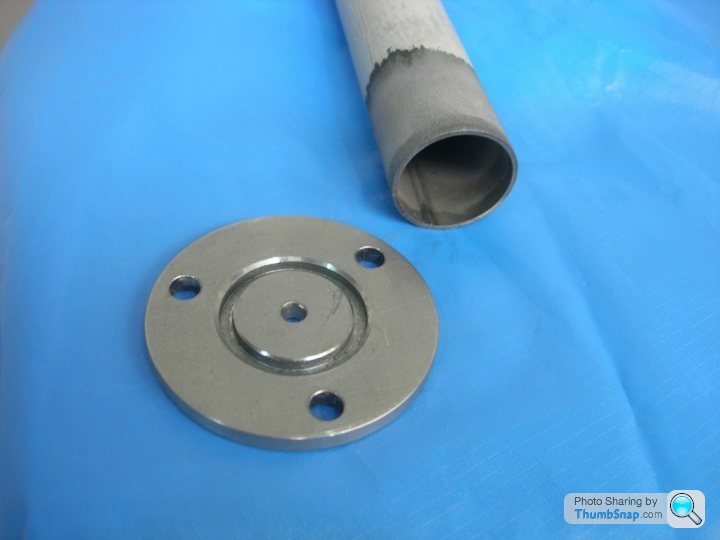
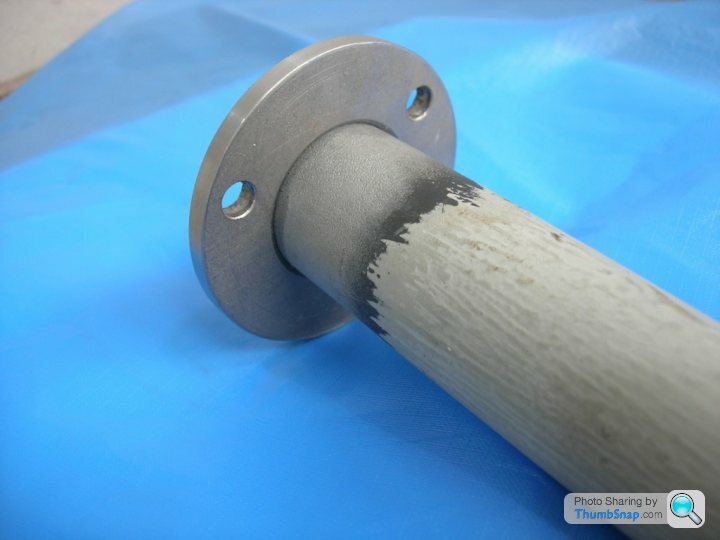
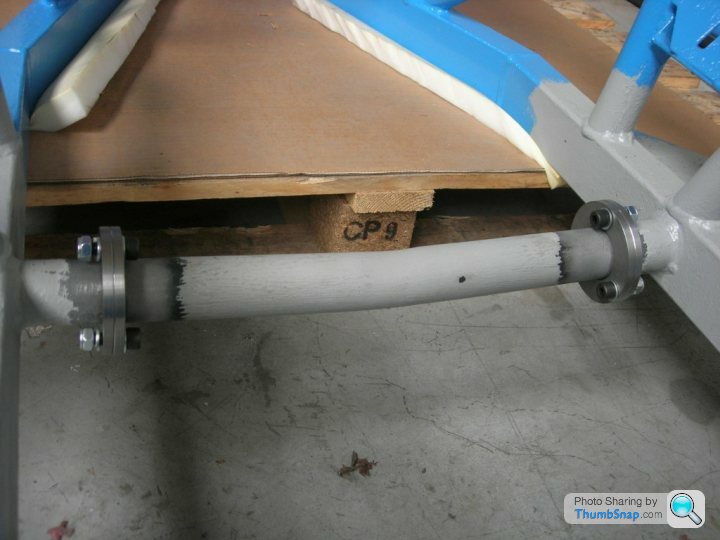

pequod said:
Wow!
I know I'm gonna get slated here but, why the bent tube and an inboard flange instead of welding a plate to the chassis and drilled through with a replacement box section?
Unless you have studied it carefully you will not be aware that the tubes heading out to the outrigger slopes upwards. If you ran a straight edge across the underside of the chassis you will find the outrigger tube about 30mm higher than the main chassis rails.I know I'm gonna get slated here but, why the bent tube and an inboard flange instead of welding a plate to the chassis and drilled through with a replacement box section?
In manufacture the tube in question goes right across the car so has to have a bend.
Steve
I will add my pennyworth!
An an engineer I appreciate that we can tend to 'overthink' things but it is the chassis after all.
I did a bit of thinking especially about the stresses involved. Unless anybody can argue otherwise, with good reason, I now actually think the structural integrity of the car is probably best served by the solution TVRees has put forward. His flanges over complicate it slightly but the theory appears correct to me.
He has not interfered with the welding of the original. New welding can readily introduce new stresses and the penetration of the new weld can introduce new stress concentrations and potential fracture points. In this method the structural integrity of the original is not prejudiced.
Provided the old chassis tube can be cut out with a 1mm slitting disc, a simple angular flange arrangement with the tube welded to the flanges inside and out, would be very effective. The 3 bolt arrangement is actually better than 4 bolts. The flanges to the outer tubes must be welded first and the flanges for the inner must be bolted tight before the flange to the centre tube is tacked in place. It HAS to be a tight fit. Goes without saying that bolts need to be high tensile.
The central tube is indeed bent for good reason in manufacture. I understand there may have been instances in which this central section has become rotten from the inside as a result of muck flowing 'downhill' from corroded outriggers but I have no experience of this. So it makes sense to check the section and replace with tube as close to identical as possible. As far as I am aware, clearance would allow a straight tube with no engineering issues?
An an engineer I appreciate that we can tend to 'overthink' things but it is the chassis after all.
I did a bit of thinking especially about the stresses involved. Unless anybody can argue otherwise, with good reason, I now actually think the structural integrity of the car is probably best served by the solution TVRees has put forward. His flanges over complicate it slightly but the theory appears correct to me.
He has not interfered with the welding of the original. New welding can readily introduce new stresses and the penetration of the new weld can introduce new stress concentrations and potential fracture points. In this method the structural integrity of the original is not prejudiced.
Provided the old chassis tube can be cut out with a 1mm slitting disc, a simple angular flange arrangement with the tube welded to the flanges inside and out, would be very effective. The 3 bolt arrangement is actually better than 4 bolts. The flanges to the outer tubes must be welded first and the flanges for the inner must be bolted tight before the flange to the centre tube is tacked in place. It HAS to be a tight fit. Goes without saying that bolts need to be high tensile.
The central tube is indeed bent for good reason in manufacture. I understand there may have been instances in which this central section has become rotten from the inside as a result of muck flowing 'downhill' from corroded outriggers but I have no experience of this. So it makes sense to check the section and replace with tube as close to identical as possible. As far as I am aware, clearance would allow a straight tube with no engineering issues?
Gassing Station | S Series | Top of Page | What's New | My Stuff