
Performance tyres made to last
You wouldn't bin your trainers with tread left, so why your tyres? | Promoted
Given that you’re browsing PistonHeads, it’s highly likely you already know the UK legal wear limit for a car tyre is 1.6mm. Go beyond that, and the potential fine could have paid for a track day – or a fresh set of boots. But did you know we’re constantly advised to replace our tyres long before then? Or that a tyre's wear rate is actually fastest when brand new, slowing down as the tread decreases? Me neither.
Lo and behold, I took my wife’s car in for a main dealer service recently, only to be told I should replace its Michelin e-Primacy tyres because they were down to 3.0mm. “Not bloody likely,” I said (in my head). "No, thank you," were the polite words that actually came out. What a waste of perfectly good rubber that would have been.
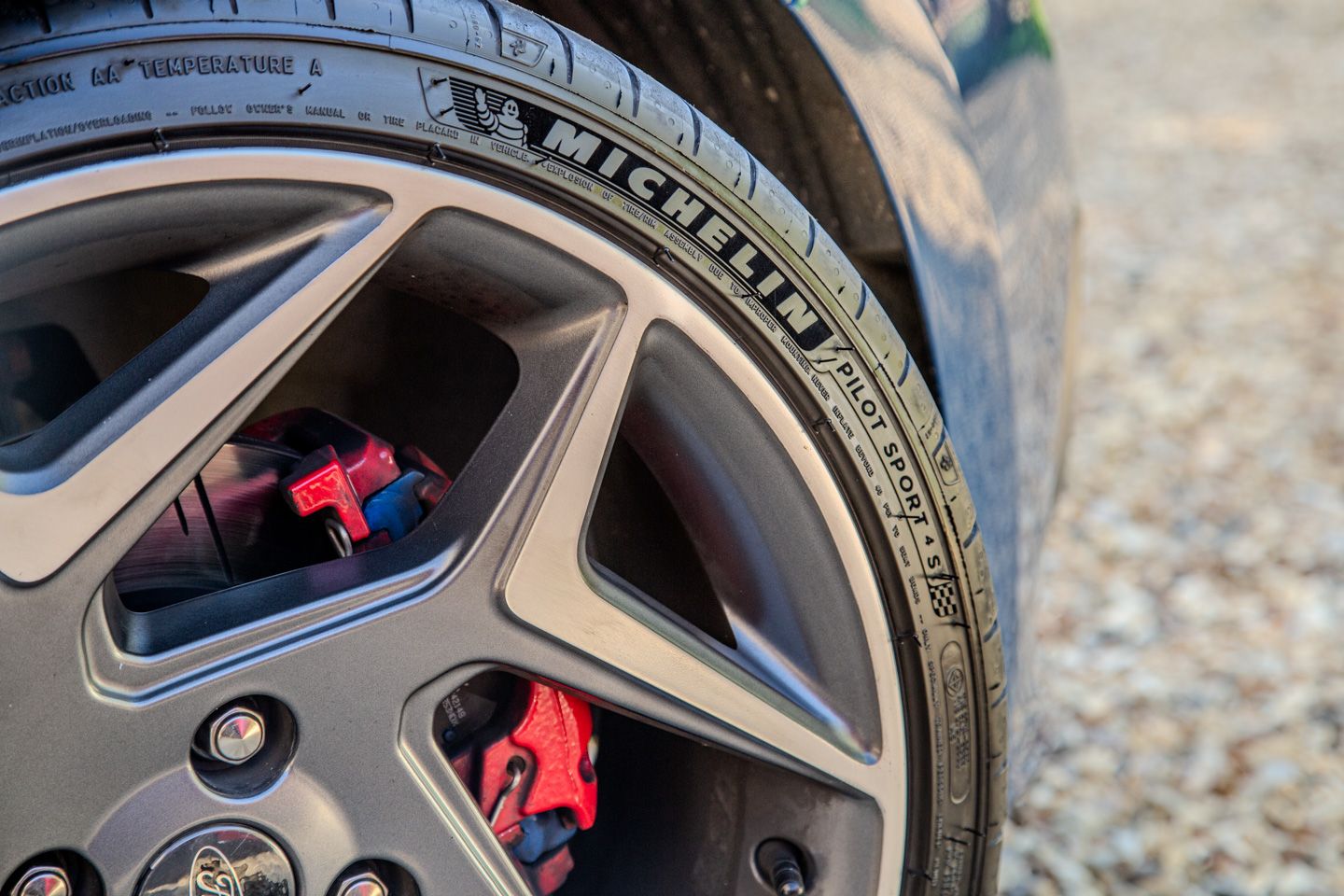
You see, whether you're running a CrossClimate, a Pilot Sport, or a Cup 2, Michelin engineers its tyres to deliver performance right down to the 1.6mm wear markers. Sure, a worn tyre won't displace standing water quite like a brand-new one, but millions of us are likely changing rubber far earlier than necessary. Just think of the extra tank of fuel you could buy instead – or a ticket to a PistonHeads Annual Service powered by Michelin.
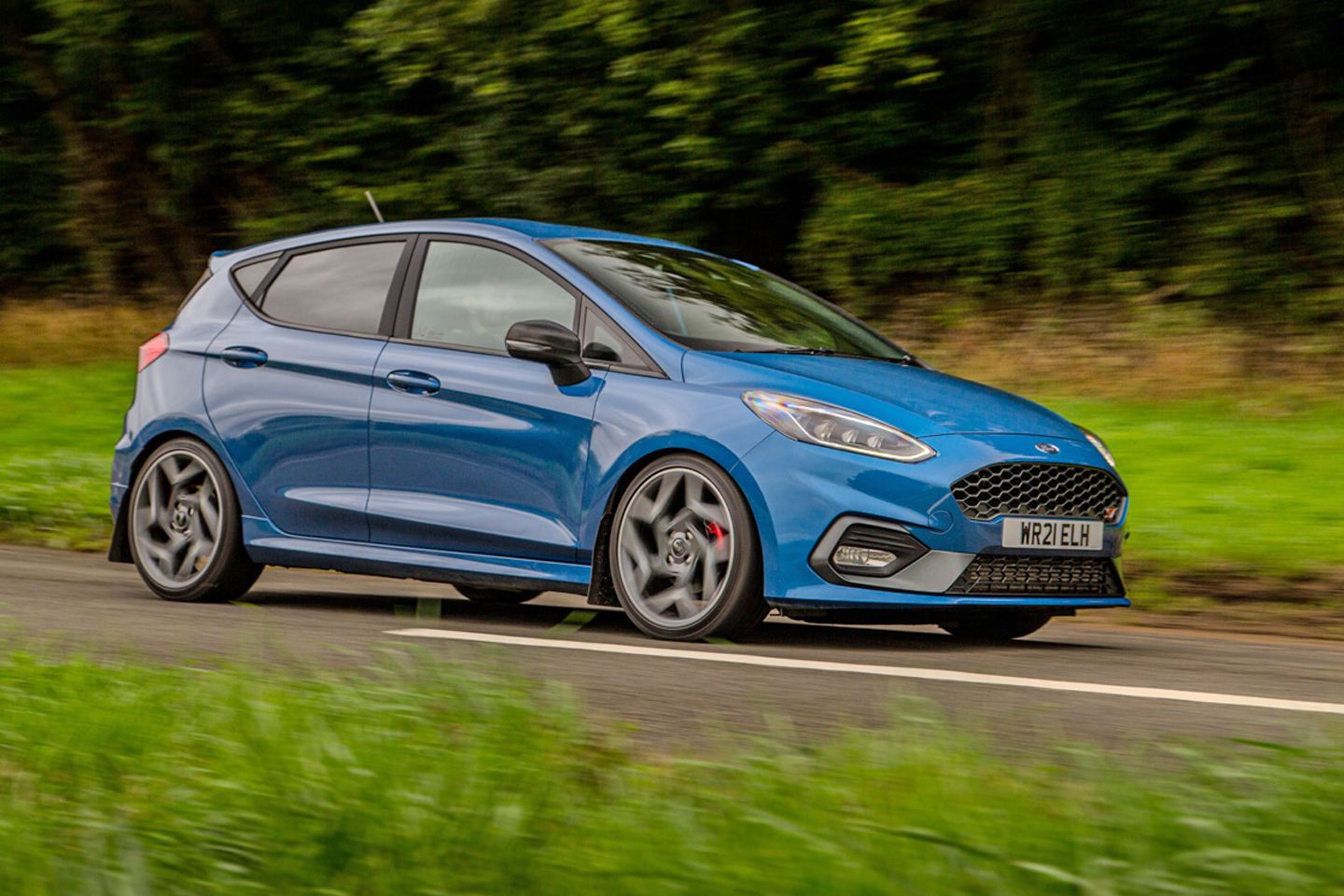
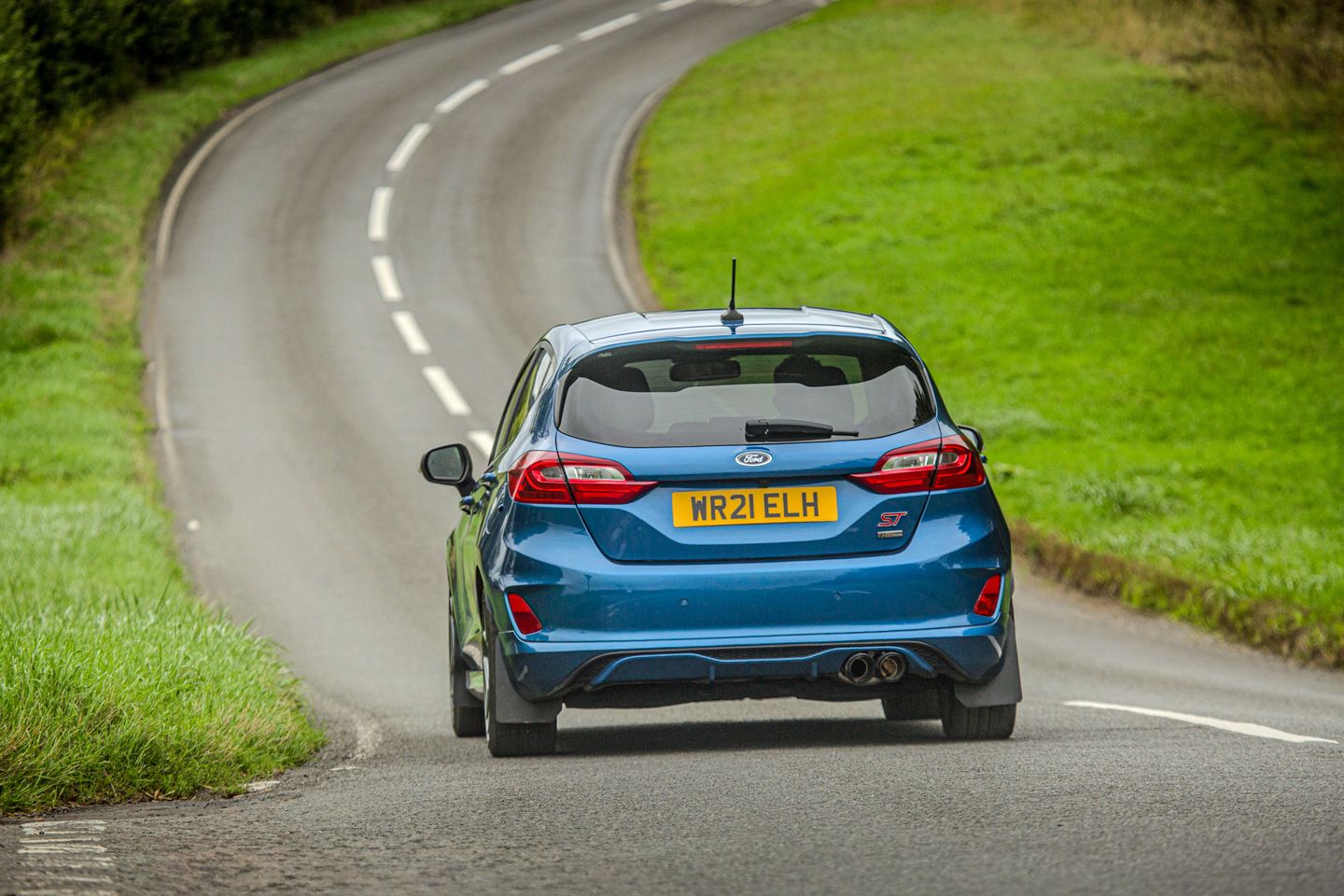
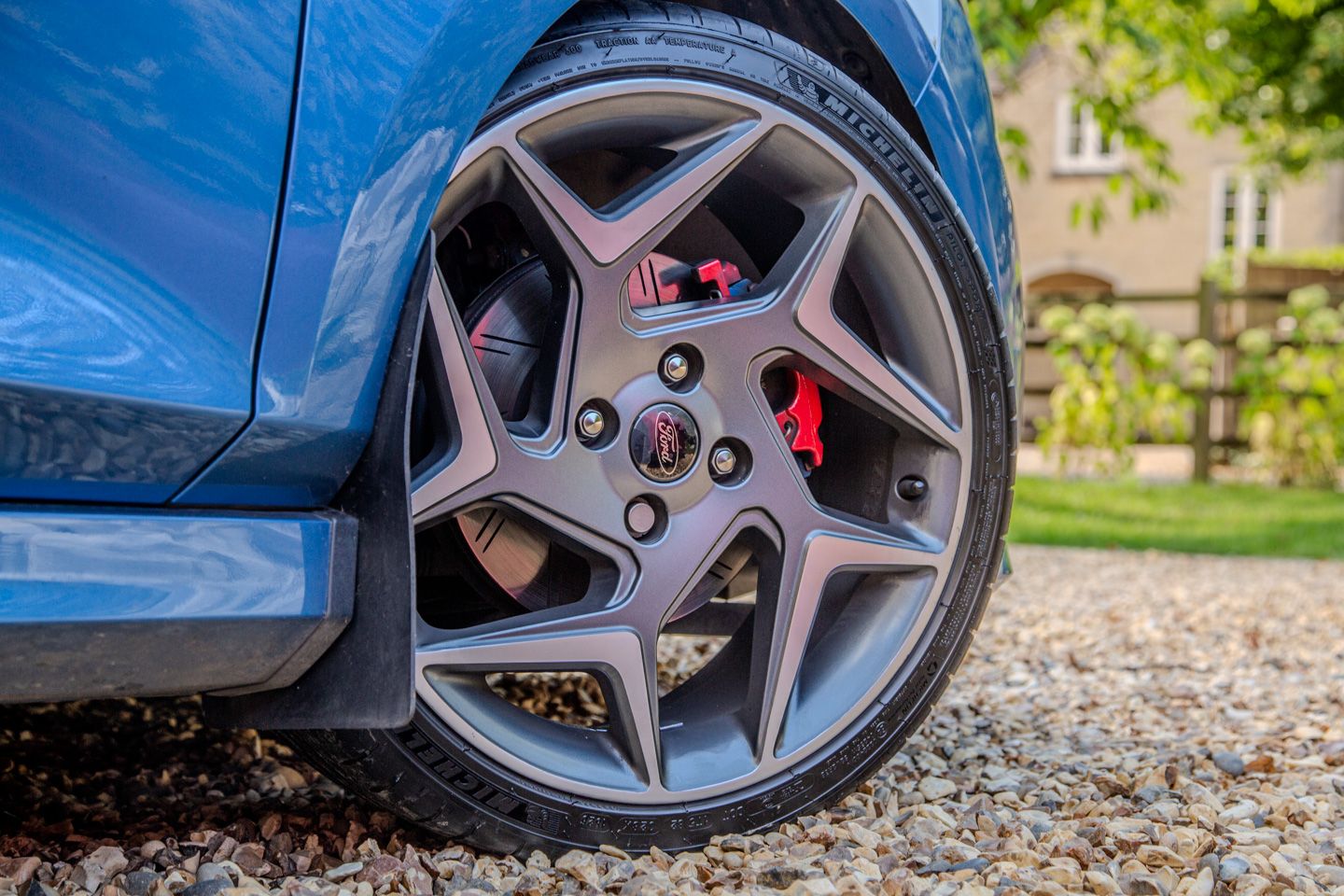
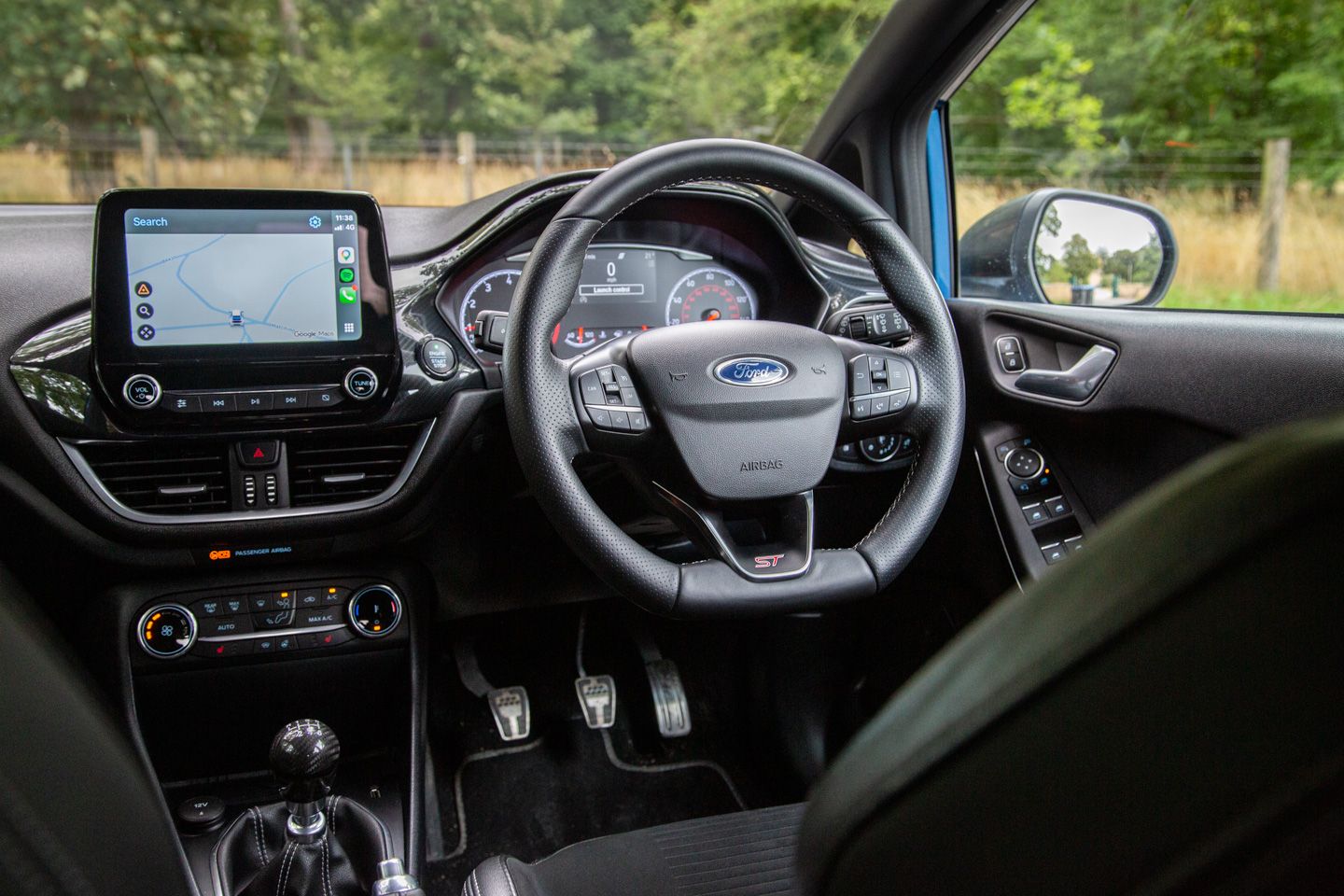
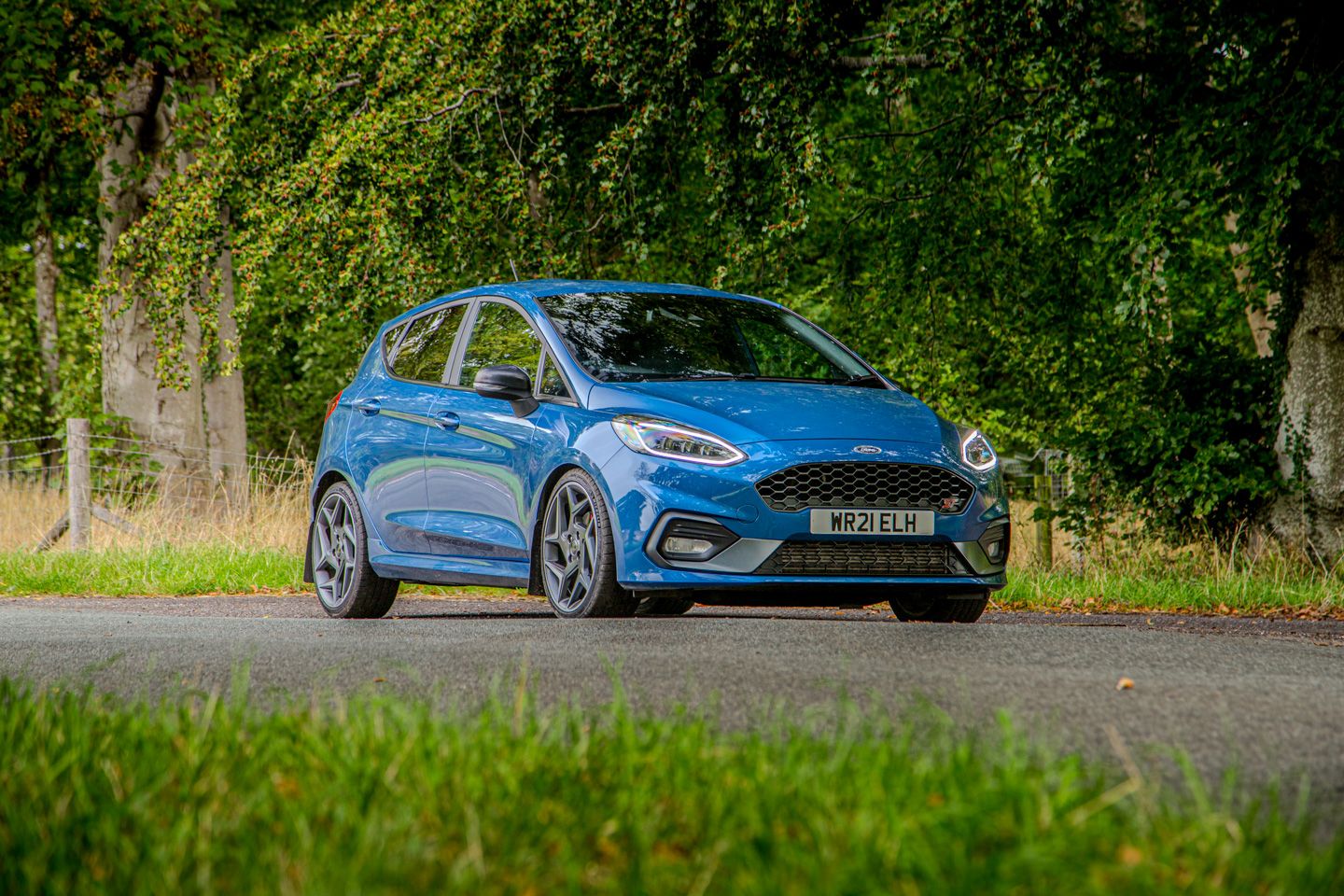
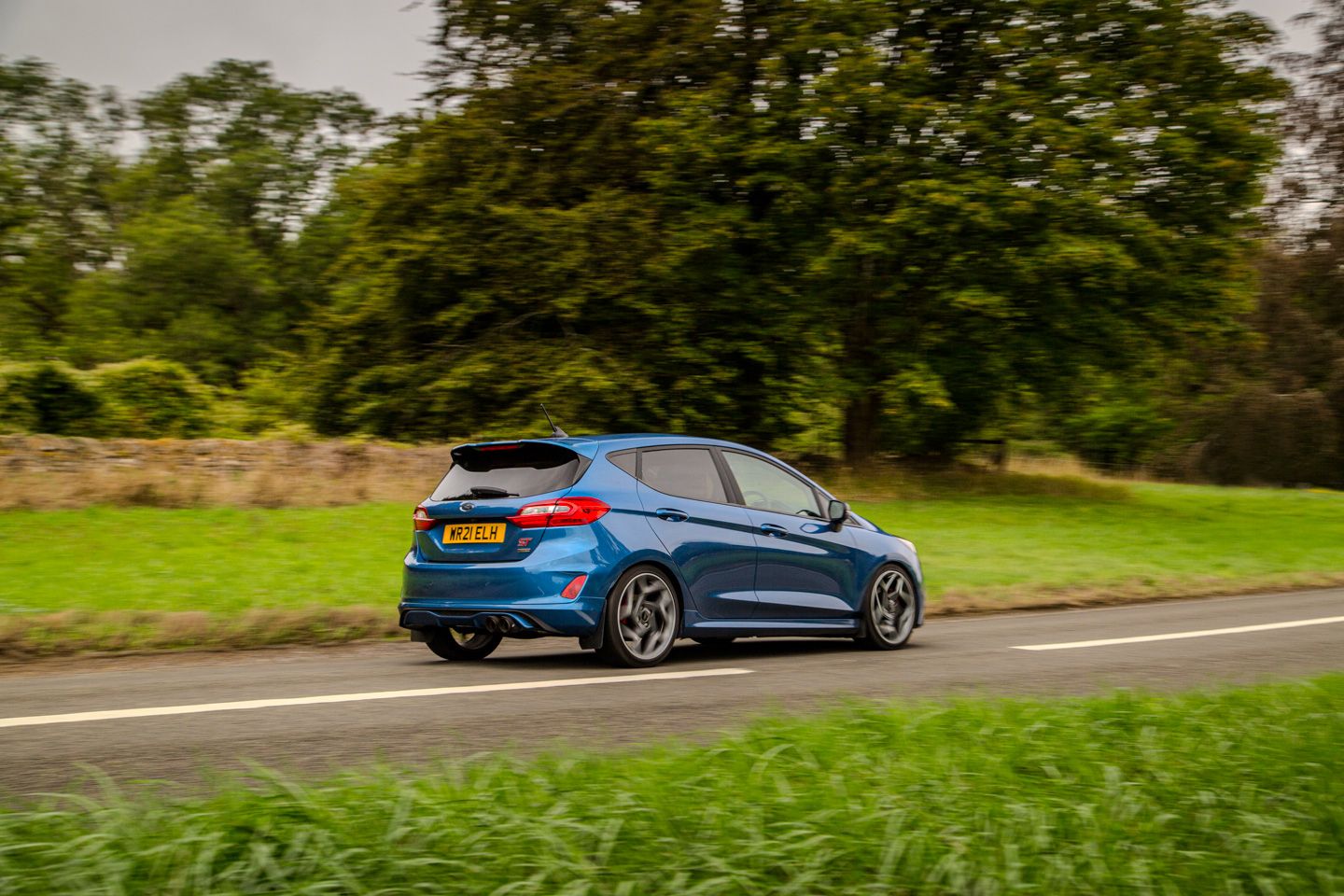
That all sounds great on paper, but what about the real world? To test the claim, Michelin sent me two sets of tyres for my feisty, mildly tuned Ford Fiesta ST. There’s no better benchmark than a remapped, front-wheel-drive hot hatch, right? I’d been mightily impressed with the factory Pilot Sport 4 tyres that WR21 ELH came on, but I’d been itching to upgrade to the faster-road Pilot Sport 4S. This was the perfect excuse.
To speed up the test, the first set was professionally shaved down to 2.0mm – saving me a year or two of driving to wear them down organically. We have a separate guide coming to help you pick the right tyre for your needs, but in short, the Pilot Sport 4 is a road-biased tyre offering a Goldilocks blend of grip and wet performance for daily driving. The Pilot Sport 4S shifts the focus toward fast-road and light track work – meaning ultimate dry grip, sharper turn-in, and maximum driver confidence.
The standard Pilot Sport 4 had been brilliant through winter on unsalted Cotswold B roads. Having previously run the older Super Sport (which the 4S replaced), my expectations for worn 4S rubber in the wet were cautious at best. Yet the 2.0mm Pilot Sport 4S genuinely surprised me. Even with minimal tread, it put the power down cleanly in wet conditions. Naturally, you adjust your driving to the weather, but at no point did the car feel skittish or unsettling.
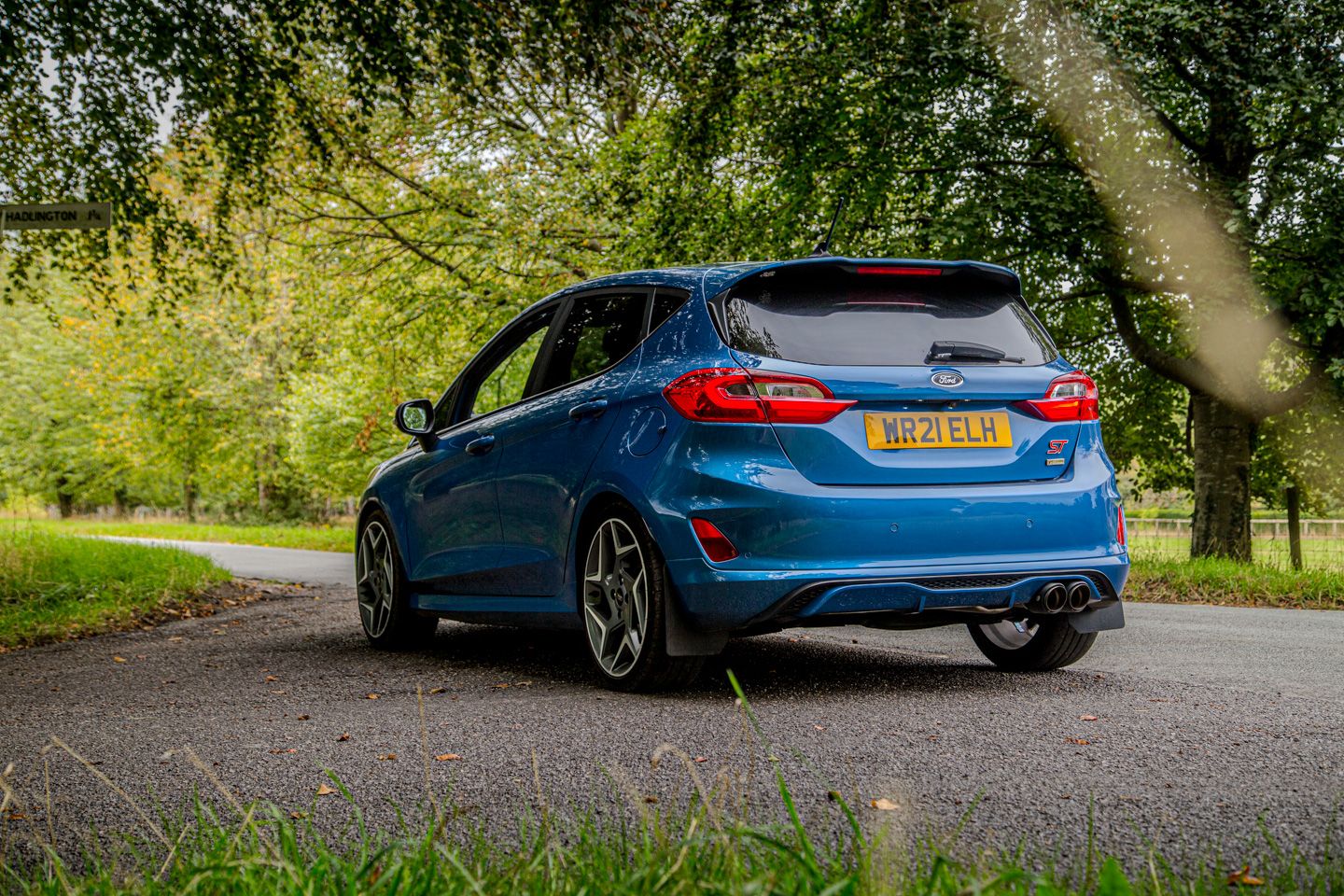
When the dry, hot weather hit, the tyres really shone. On local roads, I found myself constantly pushing my braking points, fighting the instinct to slow down just to see where the limit was. Which I never found. It didn't take long to completely forget I was running on less than 2.0mm of tread. The grip was staggering, proving just how much dynamic life was left in the rubber.
Any brand-new set of premium tyres feels sharper than the worn set it replaces, and there’s always a bit of a placebo effect when you know you've got full tread depth. Swapping to the fresh, full-depth Pilot Sport 4S set certainly gave me an extra psychological boost, but in reality? The usable grip and sheer trust in the car felt remarkably consistent from 2.0mm to brand new.
If you’ve just scrolled straight to the end for the verdict, this is the takeaway: you don’t need to throw away good tyres at 3.0mm. If you’re embarking on a 2,000-mile European road trip, plan accordingly, of course. But otherwise? Enjoy that slower wear rate as you approach the 1.6mm markers and spend the money you saved taking your better half out for dinner – or buying me a coffee at the next Sunday Service. You’re welcome.
- Learn more about the Michelin Pilot Sport 4S here
- Claim up to £100 cashback with on Michelin tyres with PistonHeads
Words and photos: Ben Lowden


I am always happy to run on a lowish tread depth in the summer but as winter approaches then old tyres are swopped out for new ones
On one of my cars I run winter tyres (large RWD) and those I change out at about 4~5mm to ensure they are properly effective in bad conditions (the whole point of running winter tyres). On my other car I stick with summer tyres (4WD) but it the weather is really bad I will take the car with "winters" or the pickup with "all seasons"
I think the article understates the benefit of tread depth in the worst conditions and whilst it is of course an option to just drive slower, that doesn't really help if an emergency situation where you just need grip.
So, I will continue to fit new tyres at above the legal limit because I can both afford to and because part worn tyres are readily sold 2nd hand to those who are having to survive on a tight budget (better a part worn decent tyre that a new chinese "no grip" tyre !)

Have always run this way. Nice to see an article backing it up.
Porsche and Volvo are the worst at the "your tyres need replacing" gambit - seems to be their default position when you take your car in, no matter how old the tyres are. (Just learning that Porsche are now doing the same with brake pads - 6yrs old? Have to be replaced!).
Whilst you can save money using this common sense, however, one thing a lot of people pay little attention to is the age of the tyres on their car. Be careful if they get over 7yrs old without reaching the wear markers. Especially if they've been on the car consistently through cycles of winter and summer. Check them for cracks and personally I'd replace them if they're on performance oriented cars.
Oh, and never buy tyres from a servicing dealer unless you've price checked against the big distributors!
See the latest test on Tyre reviews. The CC3S come with the lowest tread depth of all those on test. If you're picking between 2 or 3 brands that might be enough to sway you away from them.
I did get a credit against a new set to be fair to Goodyear, but at £250 a corner I expected better.
See the latest test on Tyre reviews. The CC3S come with the lowest tread depth of all those on test. If you're picking between 2 or 3 brands that might be enough to sway you away from them.
See the latest test on Tyre reviews. The CC3S come with the lowest tread depth of all those on test. If you're picking between 2 or 3 brands that might be enough to sway you away from them.
The CC3S is a compromise tyre and the lower tread depth on that is no doubt to give better lateral grip (tall tread blocks are more flexible)
It may be a good option for some. Personally for my fairly high performance RWD car I chose to go summer & winter tyres to avoid the seasonal compromise but each to their own (I have space to store a spare set of wheels and am happy to change wheels myself twice a year)
For me, I would think and check further (upcoming use and season) once I got to 3mm. In fact it's rare for all tyres to be at the same depth, so it's a chance to update to better tyres all round.
Gassing Station | Suspension, Brakes & Tyres | Top of Page | What's New | My Stuff