
Machine polishing question
Discussion


Bit of a silly question, but I would appreciate some help.
I'm using a Meguiars machine polisher to bring up my paintwork using Meguiars Ultimate Compound.
The question is, when do I know when to stop?
The car is silver.
Does the finish need to be really shiny before applying wax or does the wax give the paint the shine?
and lastly, how many layers of Meguiars liquid wax wax should I put on?
cheers.
I'm using a Meguiars machine polisher to bring up my paintwork using Meguiars Ultimate Compound.
The question is, when do I know when to stop?
The car is silver.
Does the finish need to be really shiny before applying wax or does the wax give the paint the shine?
and lastly, how many layers of Meguiars liquid wax wax should I put on?
cheers.
The compound removes imperfections the wax does the shine, one coat of wax should be enough, personally I d use as little compound as possible because in removing the imperfections it is taking a very very small amount of paint off, that's why a detailer would use a paint gauge before they begin the machine polishing just to check there is sufficient paint depth to withstand the compounding.
That's my understanding anyway, happy to be corrected by others more in the know.
That's my understanding anyway, happy to be corrected by others more in the know.
Hi, see the attached link for plenty of how-to guides including machine polishing. The guide centres on the Porter Cable machine but it is essentially the same as the Meguiars one in terms of technique.
http://www.autogeek.net/detailingtips.html
The important thing to remember is that the D/A polisher, like yours is the safest way to get into machine polishing and you would have to be extremely careless to damage your paint.
Ultimate Compound is a great product as it starts off abrasive and the more you work it the finer the abrasives become so it finishes down really well and in most cases leaves wax ready paint.
Thanks
Mark
http://www.autogeek.net/detailingtips.html
The important thing to remember is that the D/A polisher, like yours is the safest way to get into machine polishing and you would have to be extremely careless to damage your paint.
Ultimate Compound is a great product as it starts off abrasive and the more you work it the finer the abrasives become so it finishes down really well and in most cases leaves wax ready paint.
Thanks
Mark
r4_rick said:
The compound removes imperfections the wax does the shine, one coat of wax should be enough, personally I d use as little compound as possible because in removing the imperfections it is taking a very very small amount of paint off, that's why a detailer would use a paint gauge before they begin the machine polishing just to check there is sufficient paint depth to withstand the compounding.
That's my understanding anyway, happy to be corrected by others more in the know.
Not meaning to cause offence but that is completely wrong.That's my understanding anyway, happy to be corrected by others more in the know.
Compounding removes deeper scratches, oxidisation, bird marks, swirls, etc.
Polishing / Finishing creates the shine.
Wax only provides protection to the paintwork - nothing else.
Mr OCD said:
Wax only provides protection to the paintwork - nothing else.
Many waxes will fill imperfect paint, ie swirled or marred paint surfaces, enhancing the appearance. It is incorrect to say that wax only protects, although this is its principle role. It will add nothing to perfectly machine polished paint (ie defect free) but it may enhance a daily driver with swirls/minor scratches/clay marring/mild UV (sun) damage. Deep scratches will NOT be filled by waxes but the filling effect on something like a 2000-4000 grit sanded surface can be quite dramatic.Because no effect is seen on machine polished surfaces, and any enhancement on hand-prepped cars will be subtle unless on a dark colour with some form of minor paint damage, there is a myth that waxes will not add anything to the appearance of paint in ANY circumstance. This is not true and results in the inevitable confusion when one user sees an improvement in the appearance of their car using a particular product, and someone else doesn't. Filling is the reason... from oils, resins and waxes within the product.
domster said:
Many waxes will fill imperfect paint, ie swirled or marred paint surfaces, enhancing the appearance. It is incorrect to say that wax only protects, although this is its principle role. It will add nothing to perfectly machine polished paint (ie defect free) but it may enhance a daily driver with swirls/minor scratches/clay marring/mild UV (sun) damage. Deep scratches will NOT be filled by waxes but the filling effect on something like a 2000-4000 grit sanded surface can be quite dramatic.
Because no effect is seen on machine polished surfaces, and any enhancement on hand-prepped cars will be subtle unless on a dark colour with some form of minor paint damage, there is a myth that waxes will not add anything to the appearance of paint in ANY circumstance. This is not true and results in the inevitable confusion when one user sees an improvement in the appearance of their car using a particular product, and someone else doesn't. Filling is the reason... from oils, resins and waxes within the product.
Perhaps I should have expanded on my post which was merely to highlight that wax should not be used in this way.Because no effect is seen on machine polished surfaces, and any enhancement on hand-prepped cars will be subtle unless on a dark colour with some form of minor paint damage, there is a myth that waxes will not add anything to the appearance of paint in ANY circumstance. This is not true and results in the inevitable confusion when one user sees an improvement in the appearance of their car using a particular product, and someone else doesn't. Filling is the reason... from oils, resins and waxes within the product.
I agree with your comments but the fact is it's primary role is for protection ONLY and this is valid regardless of any ability for it to fill defects. After all there is little point in waxing imperfect paint.
It is also why I rarely use waxes these days preferring to use durable hybrid hydroscopic coatings.
Mr OCD said:
Perhaps I should have expanded on my post which was merely to highlight that wax should not be used in this way.
I agree with your comments but the fact is it's primary role is for protection ONLY and this is valid regardless of any ability for it to fill defects. After all there is little point in waxing imperfect paint.
It is also why I rarely use waxes these days preferring to use durable hybrid hydroscopic coatings.
Waxing imperfect paint still protects it, and whilst it may not look that good, it is still protected. So it would serve a purpose on swirly paint even though that is not an ideal state for the paint to be in. For the man in the street who doesn't have time or expertise to machine polish, a quick wash, clay, hand polish and wax could still elicit good results.I agree with your comments but the fact is it's primary role is for protection ONLY and this is valid regardless of any ability for it to fill defects. After all there is little point in waxing imperfect paint.
It is also why I rarely use waxes these days preferring to use durable hybrid hydroscopic coatings.
Don't be fooled by distinctions between waxes and sealants. Many sealants have waxes in and vice versa. Indeed, if you are using a 'hybrid' coating that may allude to synthetic and natural ingredients. You can also get fully synthetic waxes, but I get your gist. Synthetics, especially the new class of nano-ceramics, can be very durable and have outstanding water repellence - at a price and with tricky application. Horses for courses. Waxes will always have their place. I like both sealants and waxes but have realised no coating is perfect.
domster said:
Many waxes will fill imperfect paint, ie swirled or marred paint surfaces, enhancing the appearance. It is incorrect to say that wax only protects, although this is its principle role. It will add nothing to perfectly machine polished paint (ie defect free) but it may enhance a daily driver with swirls/minor scratches/clay marring/mild UV (sun) damage. Deep scratches will NOT be filled by waxes but the filling effect on something like a 2000-4000 grit sanded surface can be quite dramatic.
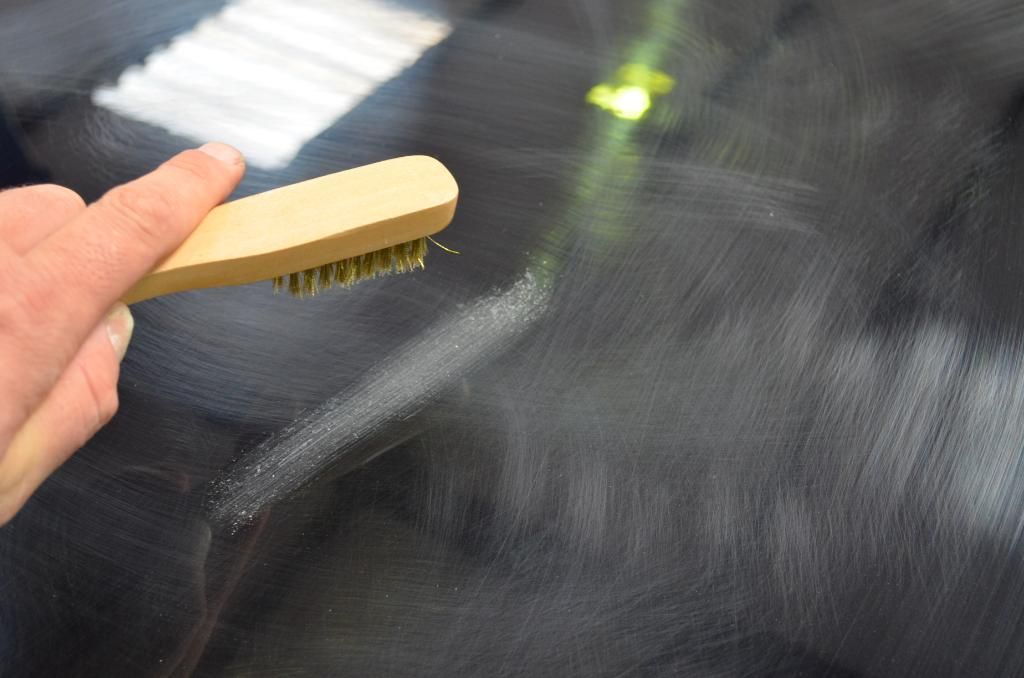
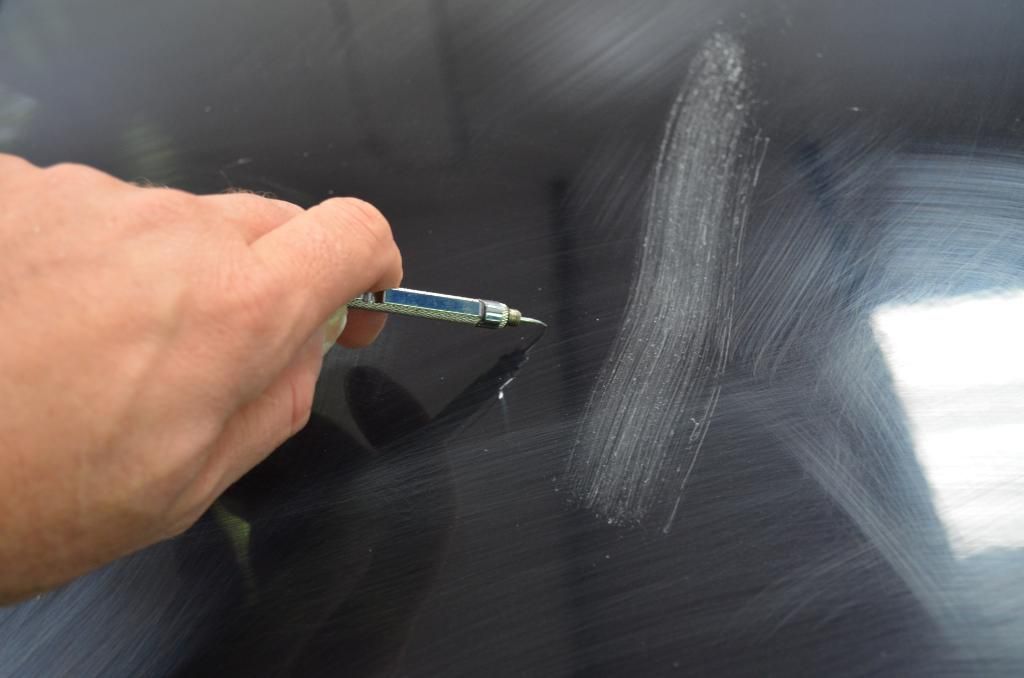
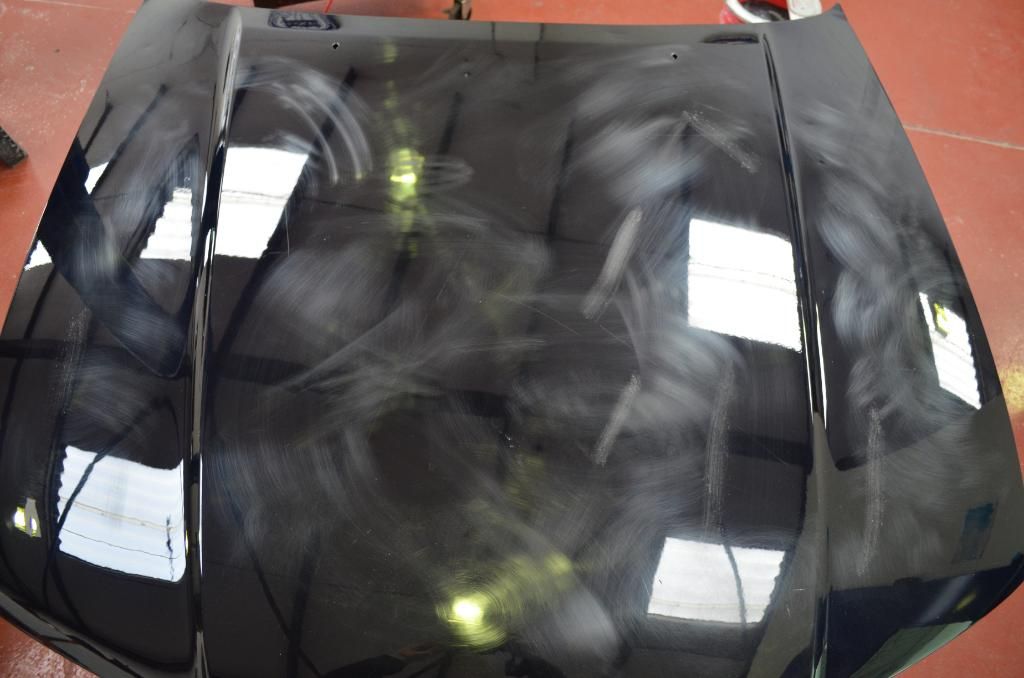
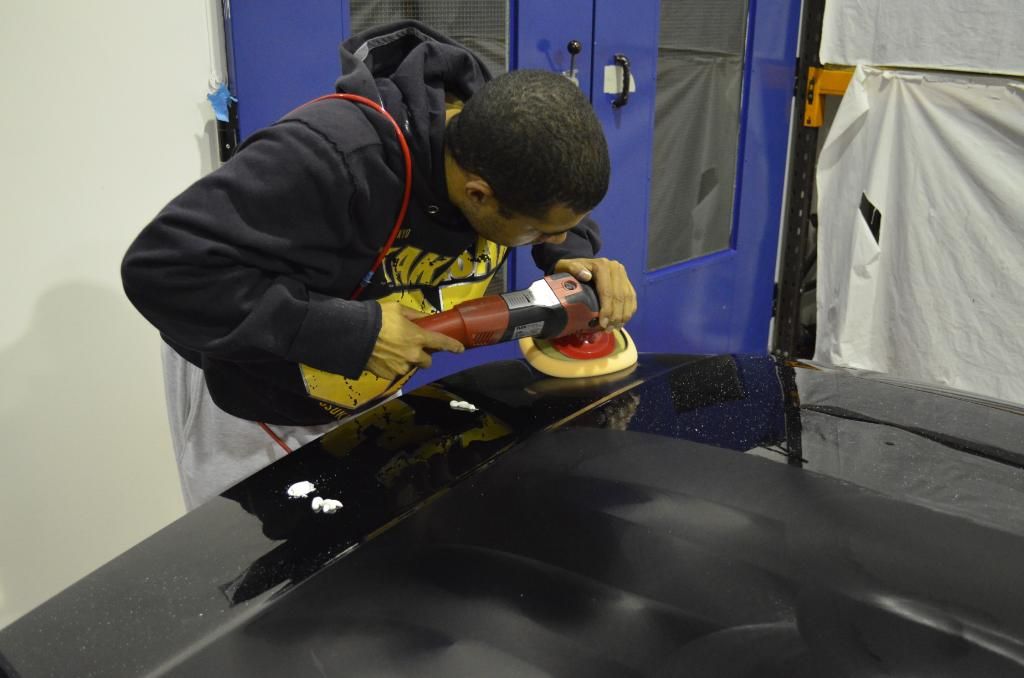
and as if by magic i have photos to go with your text
taken from a 2 day training course that i was running.
on 2000 grit sanding
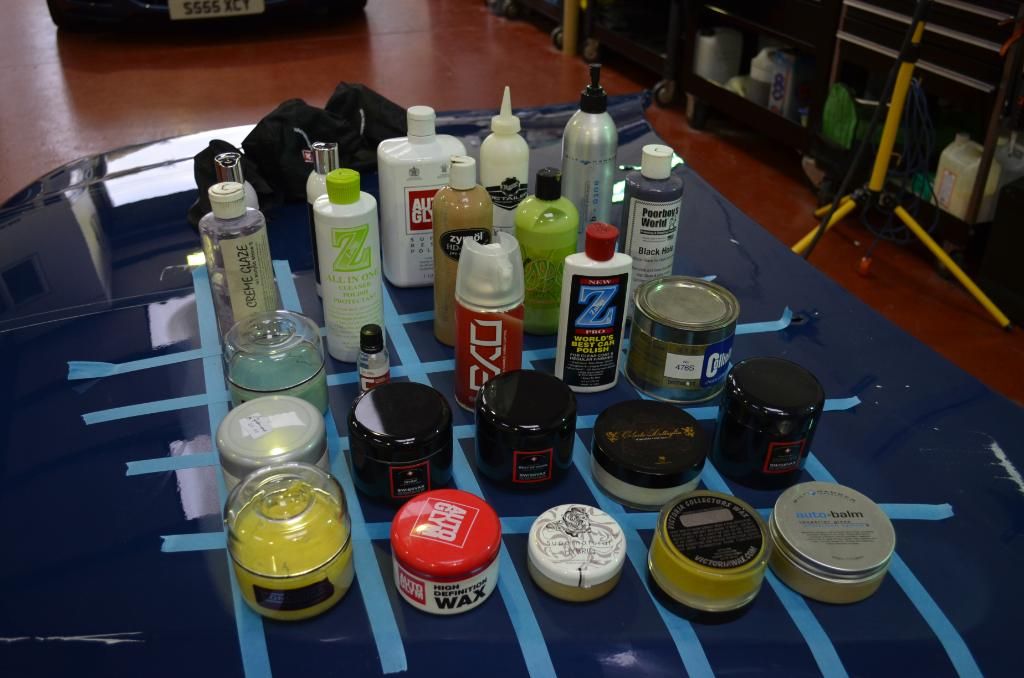
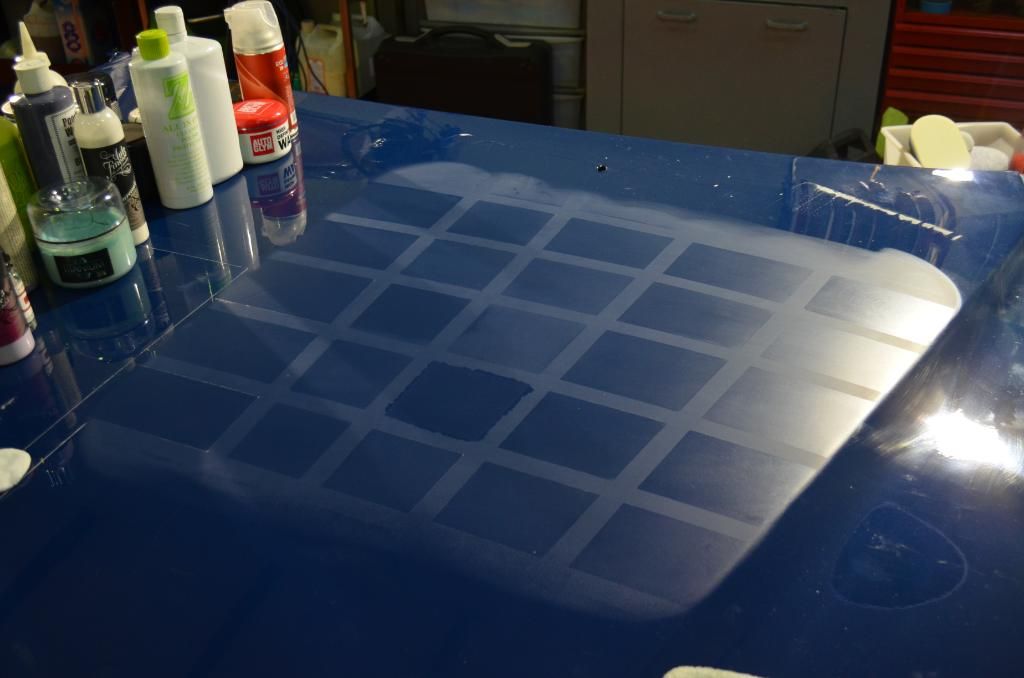
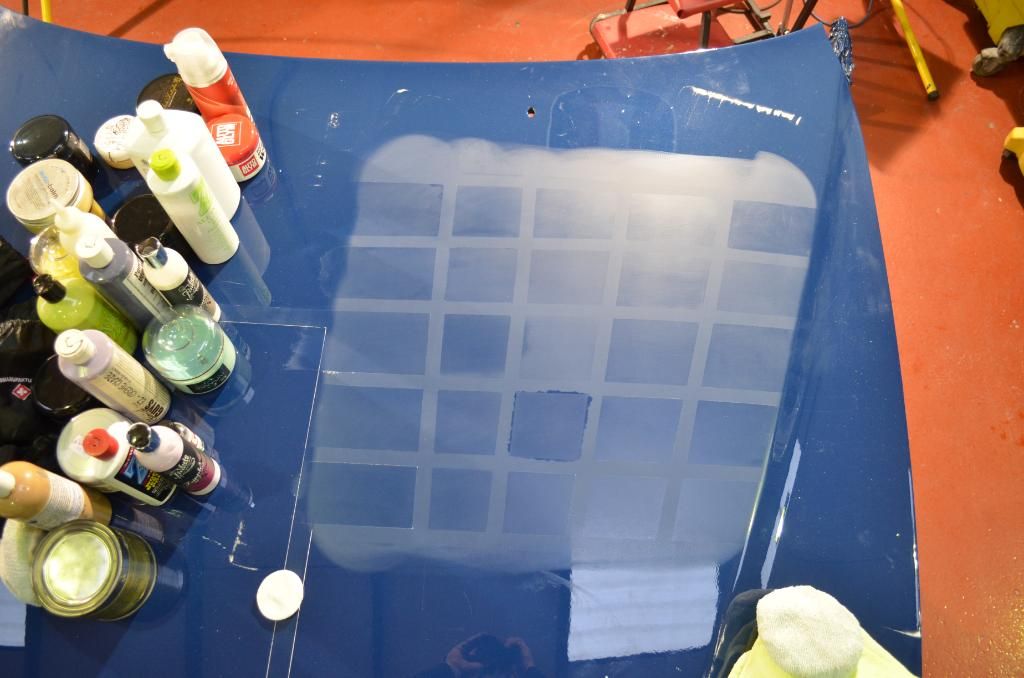
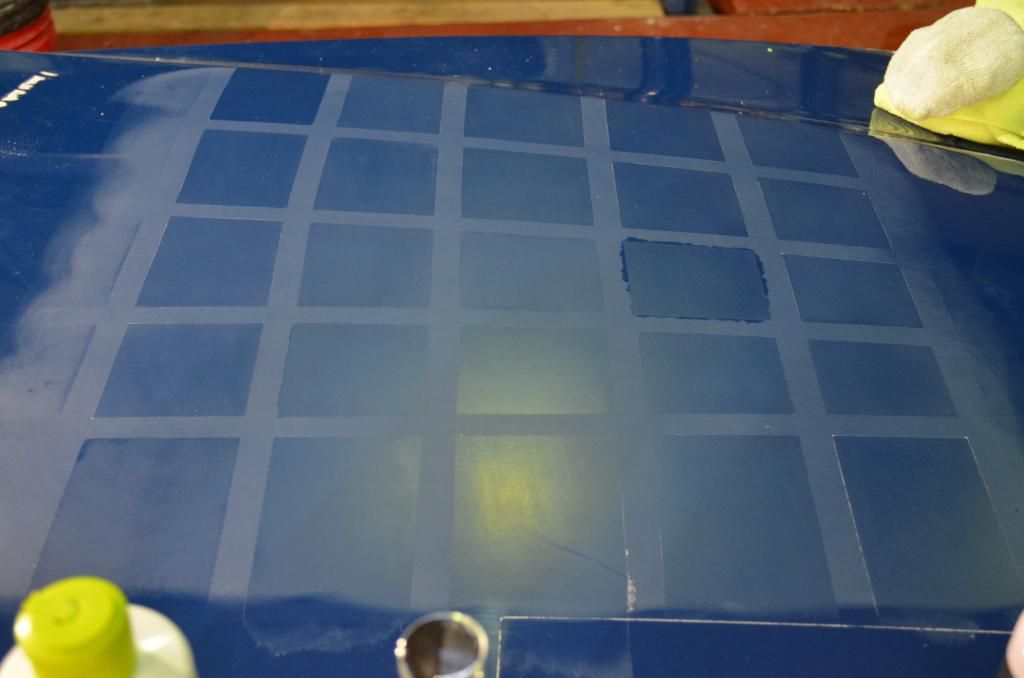
lets see what is needed to remove the waxes / sealents / glazes and crystal coatings , disclaimer here that this wipe down was performed only minutes after the being applied, left longer to cure would help some of the protective coatings for more durability.
it was done more to show that wipe down degreasers do not remove waxes even when not fully cured and these are only one single coat of each, and why bodyshops hate freshly waxes and detailed cars.
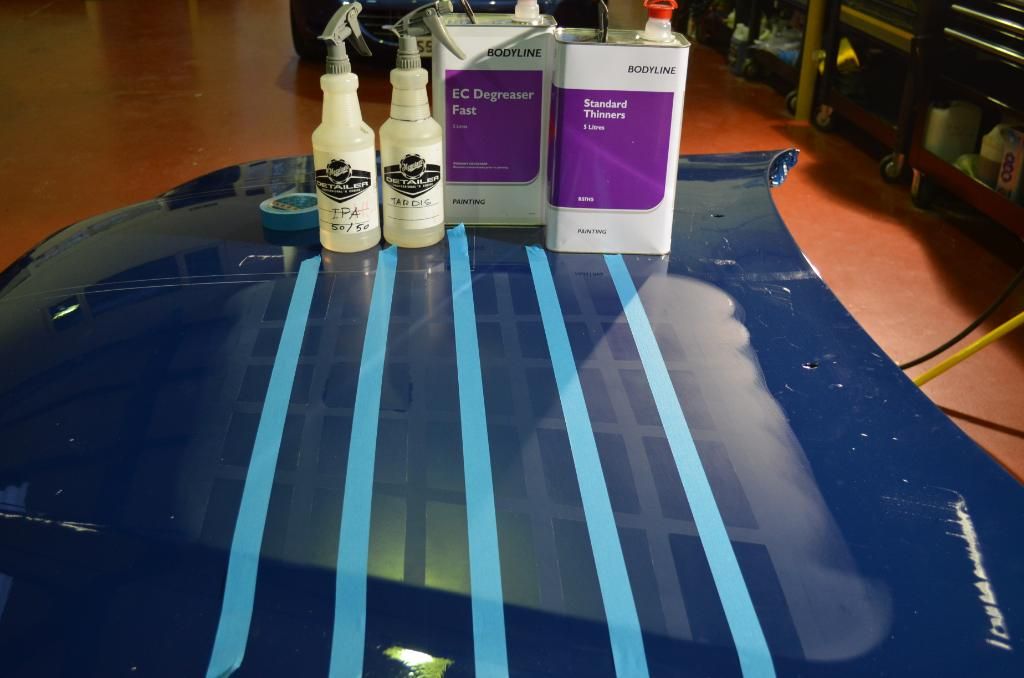
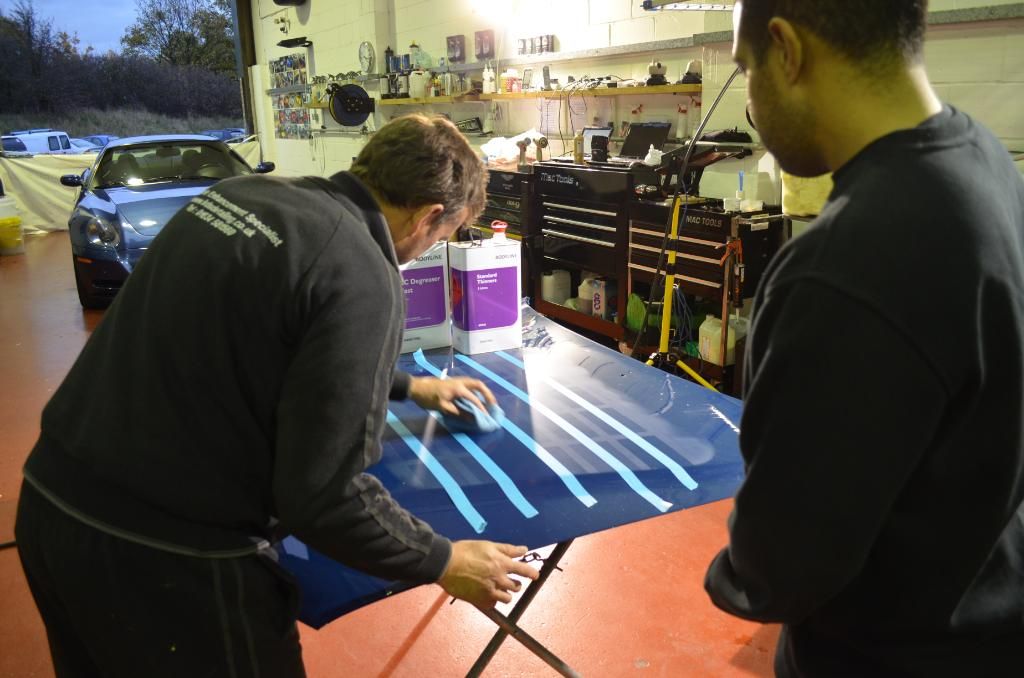
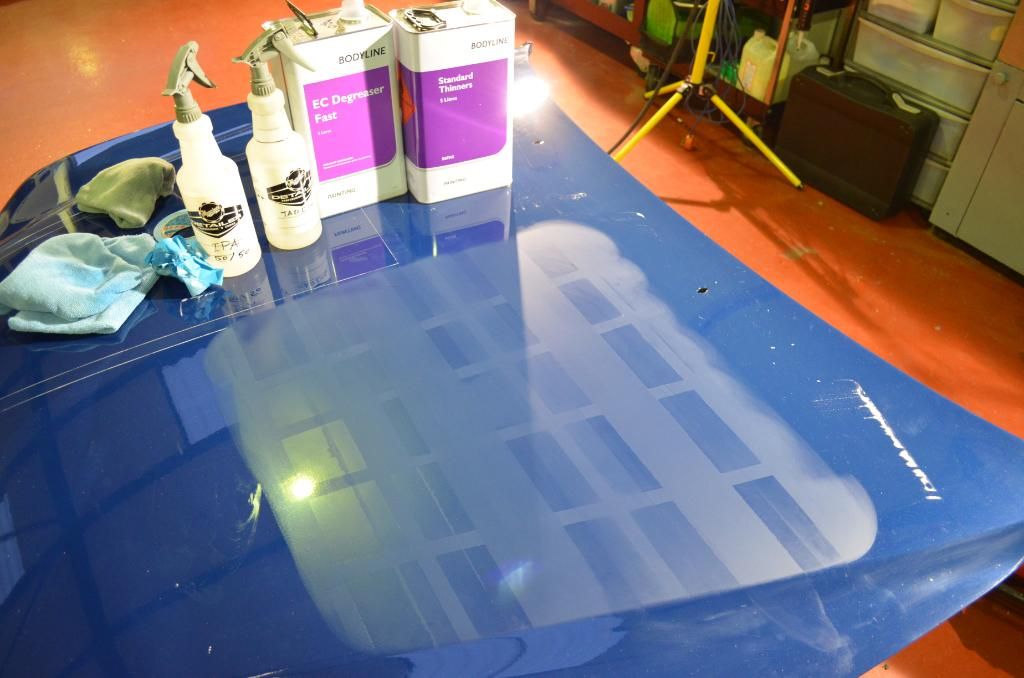
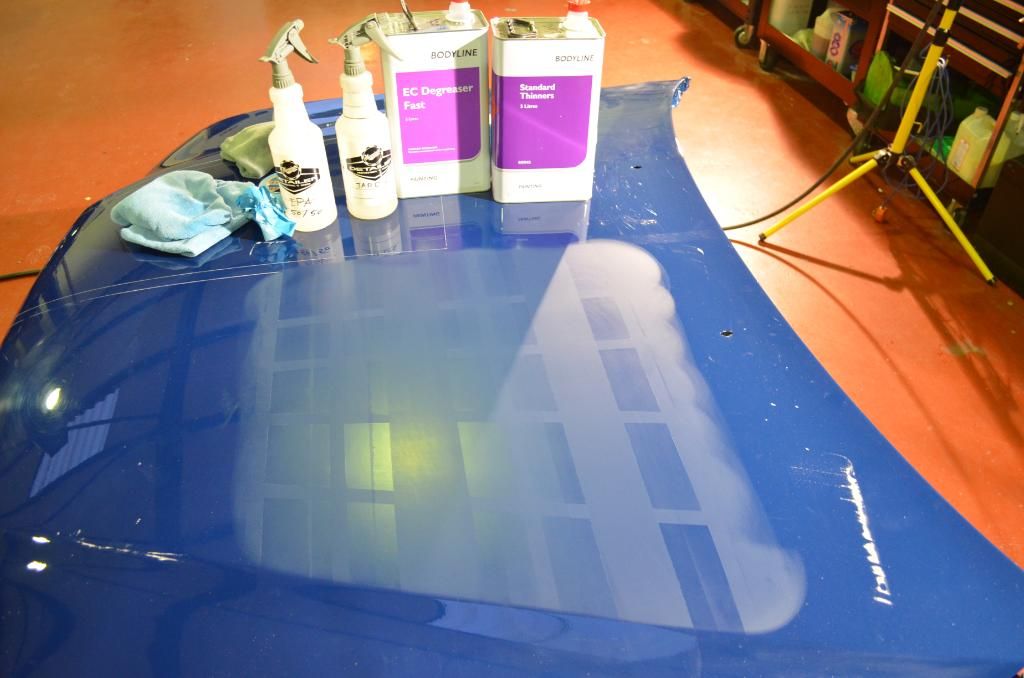
then we selected best and worse for 4000 grit sanding and repeated test.
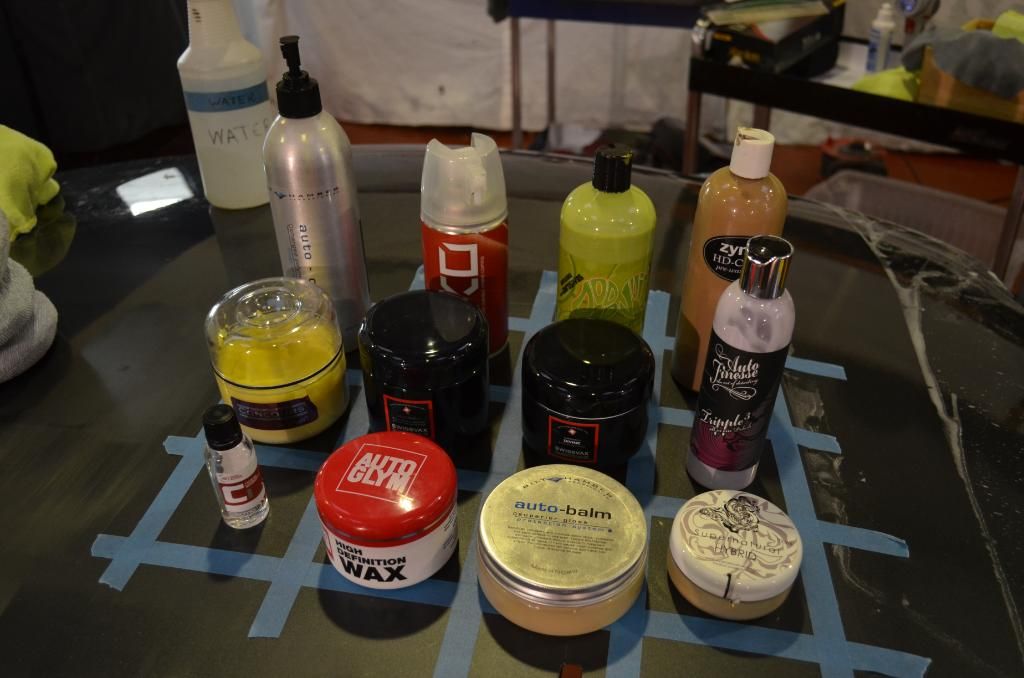
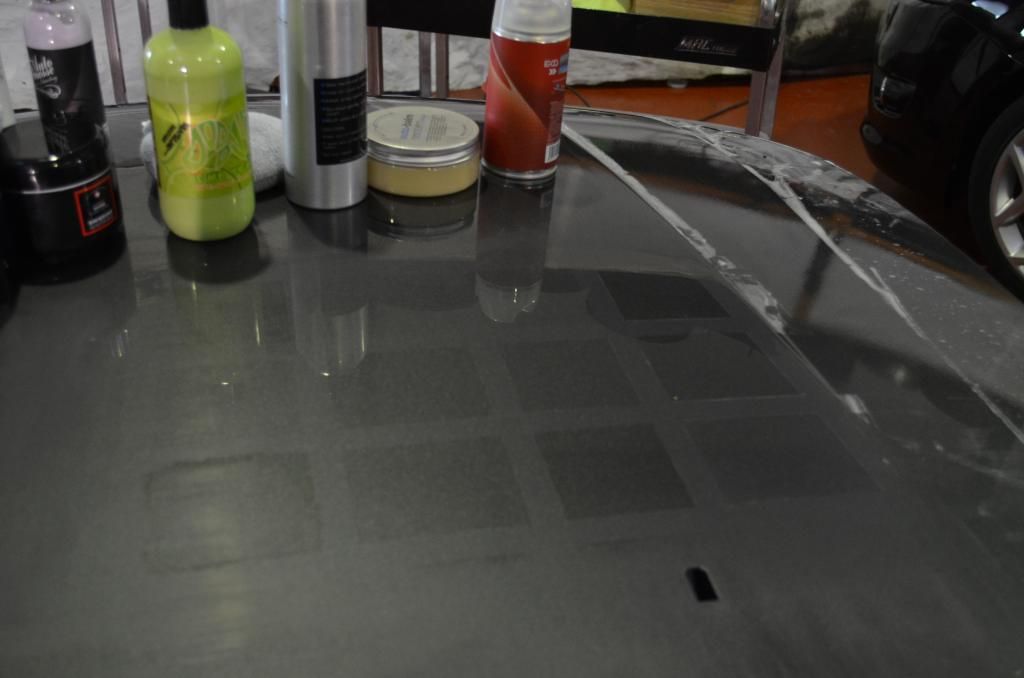
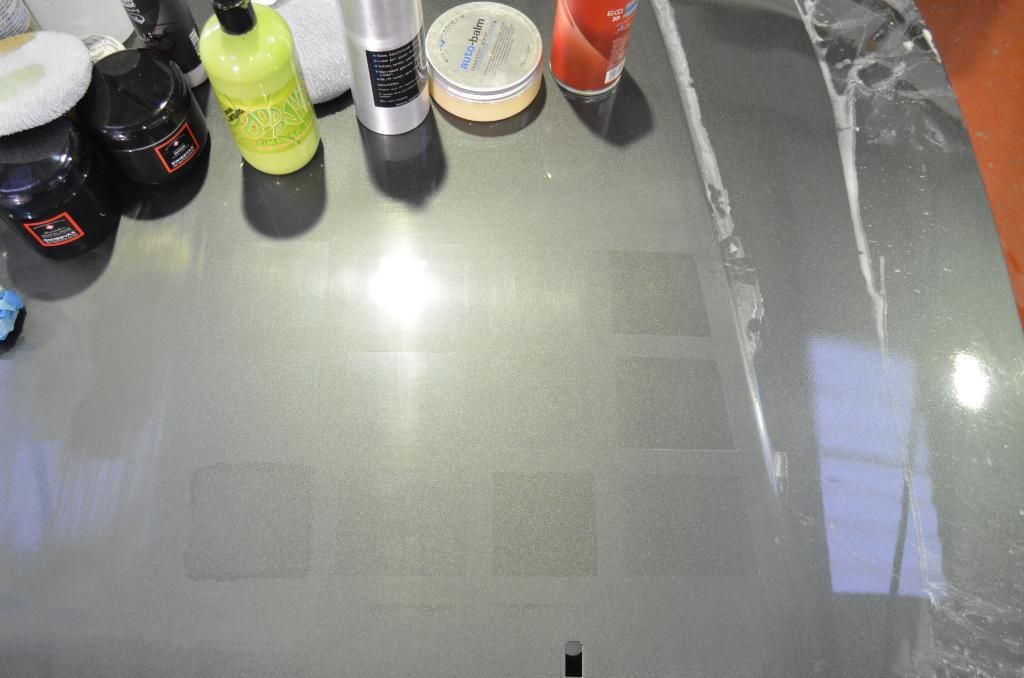
and lastly this is what the pupil turned around after letting him lose with what he learnt
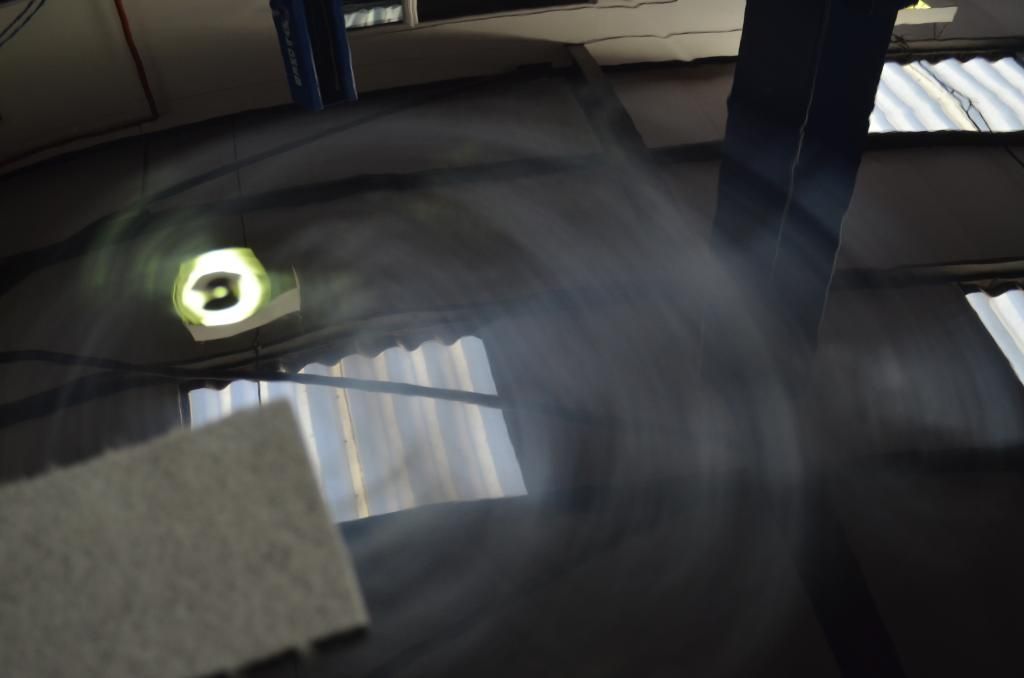
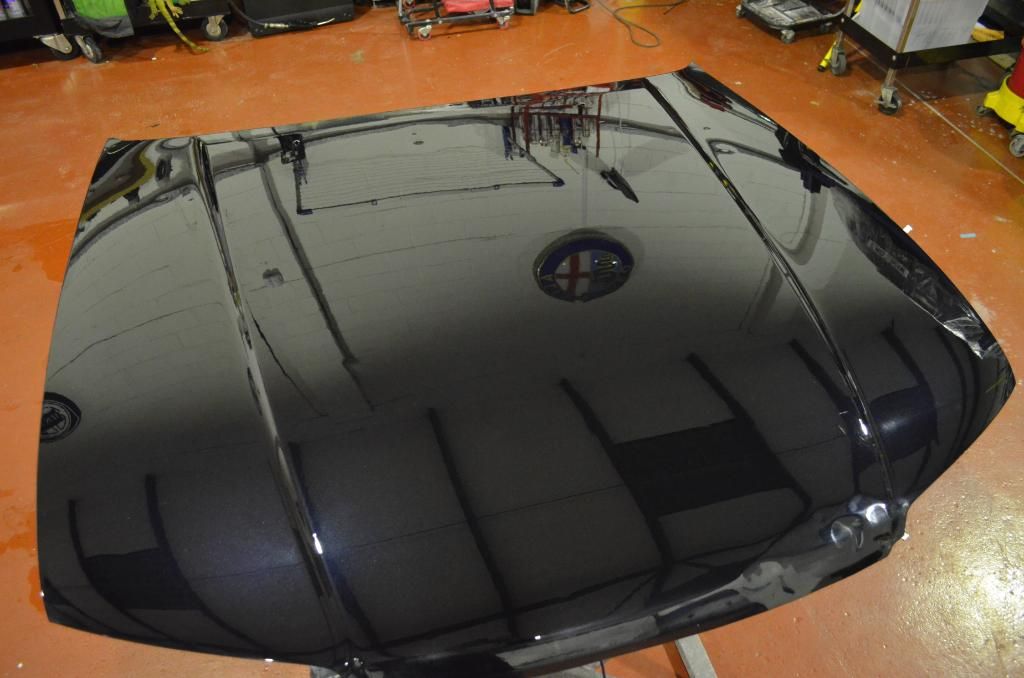
bare paint only for the above.
kelly
Gassing Station | Bodywork & Detailing | Top of Page | What's New | My Stuff