
Deep Black Re Spray
Discussion


Guys
Im about to get a Mercedes SL resprayed. Ignore for a minute the drop in resale value etc. pretend that wont phase me or put me off.
My question is simple.
What do i ask my bodyshop to do to achieve the deepest gloss black paintjob.
Do i ask for several layers of black, and several layers of clear or will they know?
My concern is they do run of the mill stuff very well, but im after jaw dropping perfection.So im not happy just saying i want a gloss black no fleck that shines.
Im about to get a Mercedes SL resprayed. Ignore for a minute the drop in resale value etc. pretend that wont phase me or put me off.
My question is simple.
What do i ask my bodyshop to do to achieve the deepest gloss black paintjob.
Do i ask for several layers of black, and several layers of clear or will they know?
My concern is they do run of the mill stuff very well, but im after jaw dropping perfection.So im not happy just saying i want a gloss black no fleck that shines.
I doubt you'd notice any difference between direct gloss black or basecoated black, in fact I think direct gloss pure black straight off the mixing scheme will be best. Lacquer will discolour/weaken the black.
The level of shine or gloss depends as much on the quality of paint and the level of orange peel in the final finish, for ultimate shine, the paint will need to be sanded smooth, polished back up and then waxed regularly. Budget on the bodyshop spending at least a full day cutting back the finished paintjob.
The level of shine or gloss depends as much on the quality of paint and the level of orange peel in the final finish, for ultimate shine, the paint will need to be sanded smooth, polished back up and then waxed regularly. Budget on the bodyshop spending at least a full day cutting back the finished paintjob.
You need to get them to finish it properly - Paint needs a lot of work after it has been sprayed to look its best.
They will need to block flat it properly (1200 to 300 grit Wet and dry) then polish out all the sanding scratches well - using IPA/ bodyshop wipe to check there are no filling oils masking marks they have left in. To do it properly, this process needs to be done 2-4 weeks after that paint has been sprayed to ensure the paint has hardened properly and will not 'drop back' - revealing sanding scratches, hologrammes etc.
On black, a job like this would take 3-4man days just for the finishing. There are very few bodyshops capable of doing this process properly. It's what separates a £1500 respray from a £3000 one.
To illustrate what I'm talking about, here are some pictures of a carbon black e39 M5 that had had some bad finishing That I had to sort out. It took me a further 2 days to get the car right.
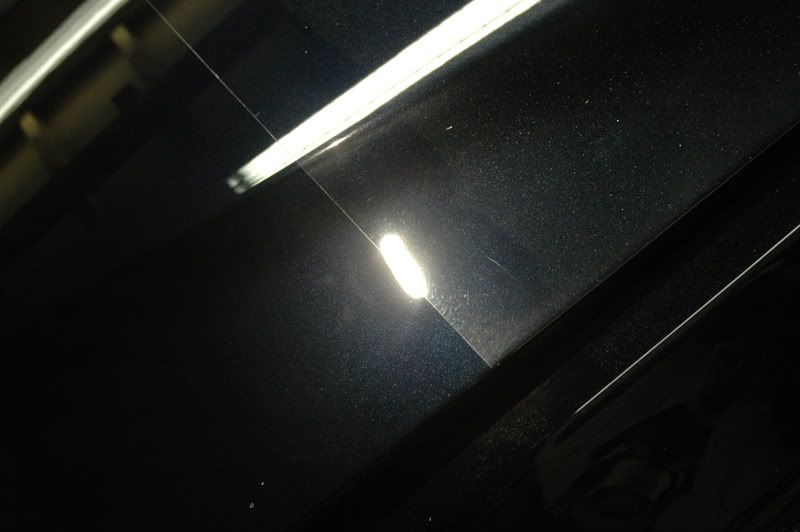
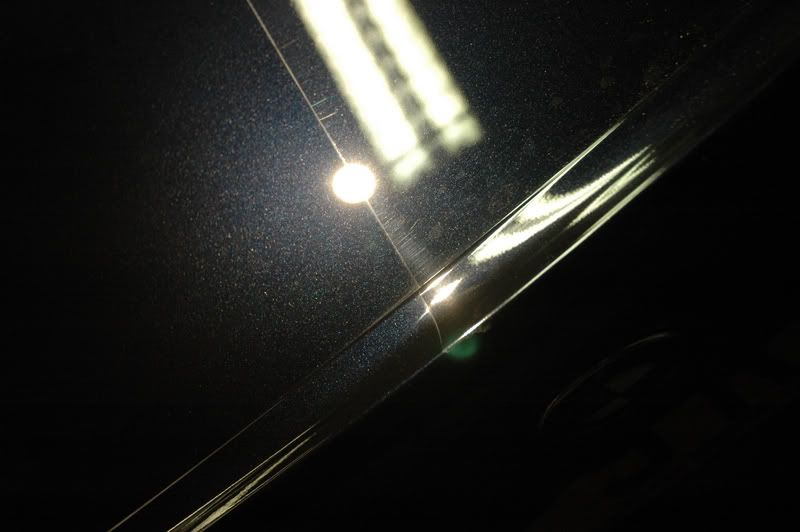
This is what it should have looked like all along:
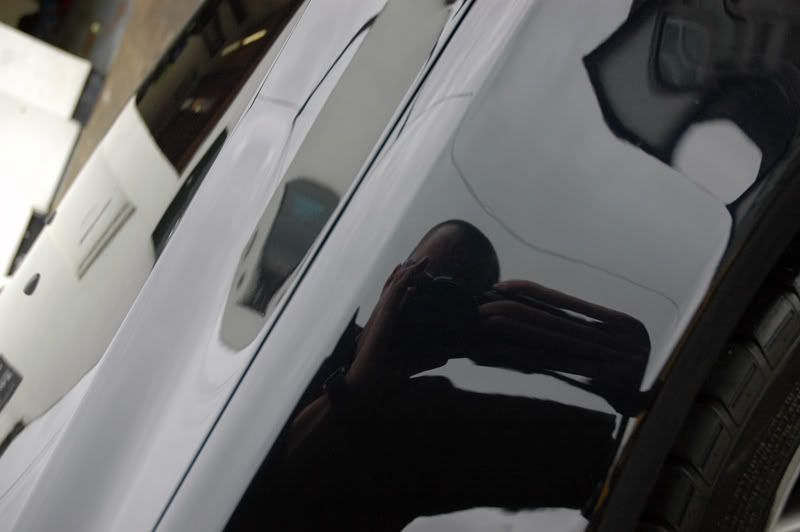
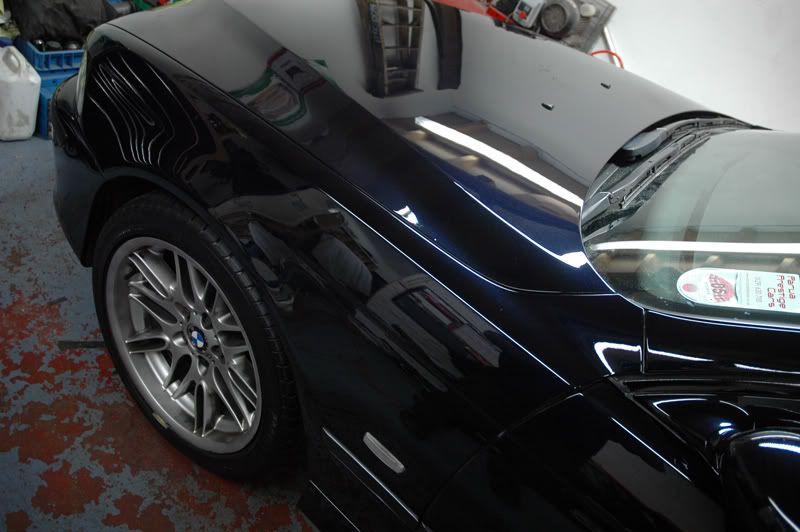
Don't accept it back unless it looks the same! View it in strong sunlight or with a 'sungun' (if the bodyshop is worth its salt, it should have one)
Hope this helps, James
They will need to block flat it properly (1200 to 300 grit Wet and dry) then polish out all the sanding scratches well - using IPA/ bodyshop wipe to check there are no filling oils masking marks they have left in. To do it properly, this process needs to be done 2-4 weeks after that paint has been sprayed to ensure the paint has hardened properly and will not 'drop back' - revealing sanding scratches, hologrammes etc.
On black, a job like this would take 3-4man days just for the finishing. There are very few bodyshops capable of doing this process properly. It's what separates a £1500 respray from a £3000 one.
To illustrate what I'm talking about, here are some pictures of a carbon black e39 M5 that had had some bad finishing That I had to sort out. It took me a further 2 days to get the car right.
This is what it should have looked like all along:
Don't accept it back unless it looks the same! View it in strong sunlight or with a 'sungun' (if the bodyshop is worth its salt, it should have one)
Hope this helps, James
Edited by Ti22 on Sunday 23 January 21:02


Firstly i will answer the question of which paint soild or base and clear ,
same answer as this threaed before and quoted above
http://www.pistonheads.com/gassing/topic.asp?h=0&a...
Solid colour will give the deepest blackest look
base and clear will give wettest glass look
Thou the differences will be very slight and more noticable under different lighting .
To Get the flattest flawless depth of paint it will require the painter/bodyshop to wet sand the paint which means loading the paint on more than normall , meaning if they use 2 colour coats ask for 4-5 as some of the extra coats will be removed in the wet snading process .
Same working technique as used on Hot rods / show car in the USA they call it colour sanding ,the wording came from when all paint was solid colour so when wet flatting the paint colour was removed and then brought out a better depth of shine .
The process of wet sanding ie which grade flatting paper to remove any dirt / orange peel / dry areas will totally depend on the paint/painter conditions .
If the paint used cures fast like granite then more agrressive cut will be needed , but it the paint has been applied extremely well then the same paint may need less upper layer removal so starting will less aggressive cut .
if the paint is soft or "green" then even less aggressive cut will be needed .
So until the car is painted then cured and some test areas done you cant really post what paper and cut to "work" the paint .
BUT its always best to get the best possible finish straight from the gun , less wrok afterwards and kinder to the paint surface too .
An example of wet sanding / colour sanding
before factory finish , and does not get much worse than this
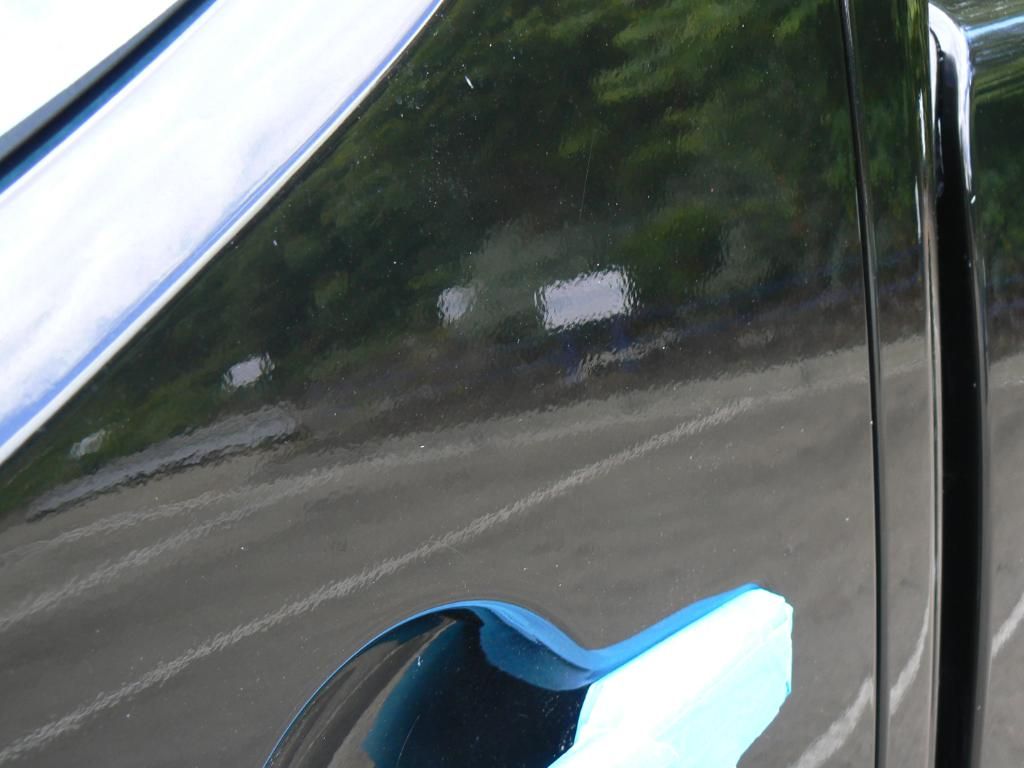
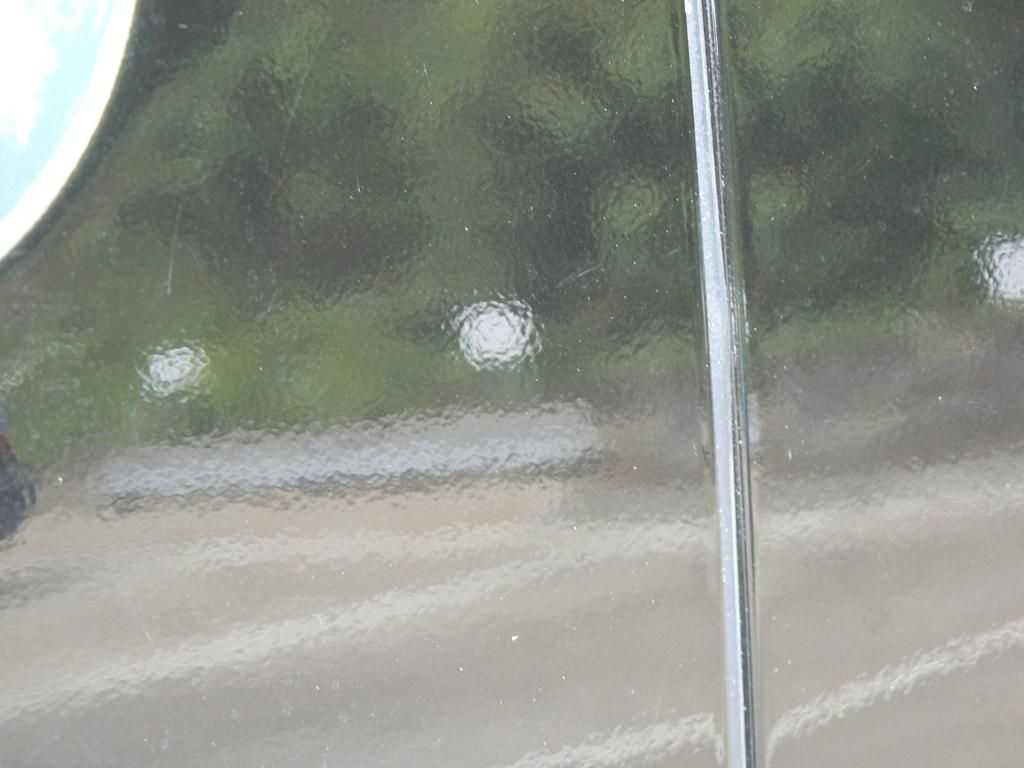
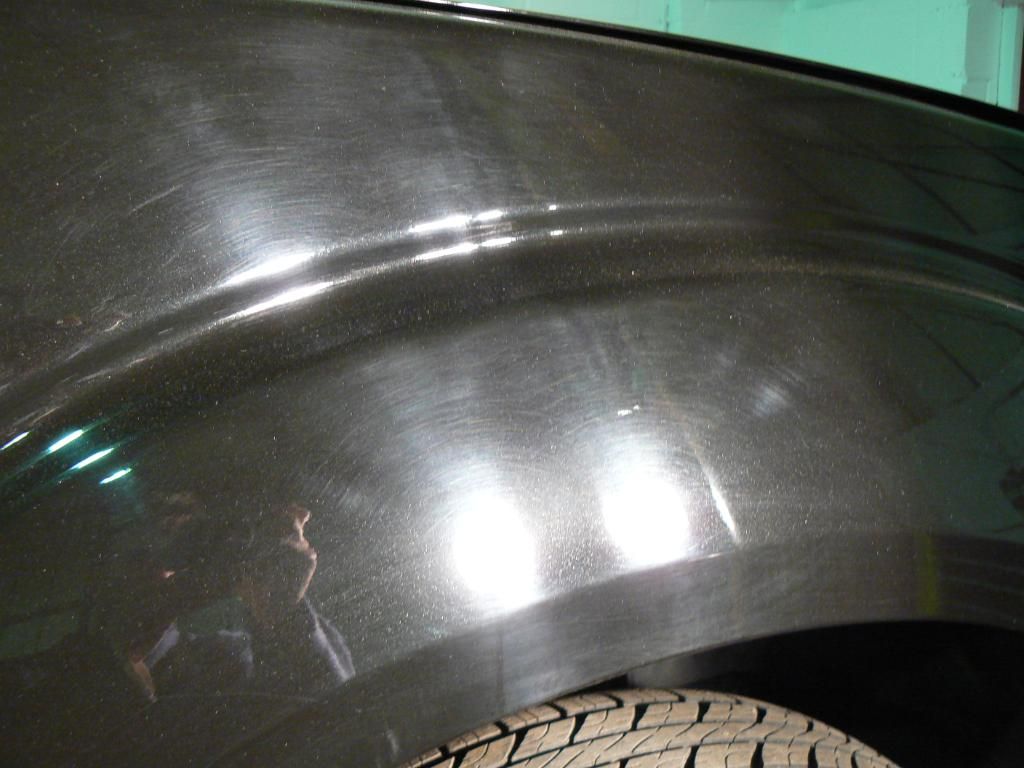
during wet sanding
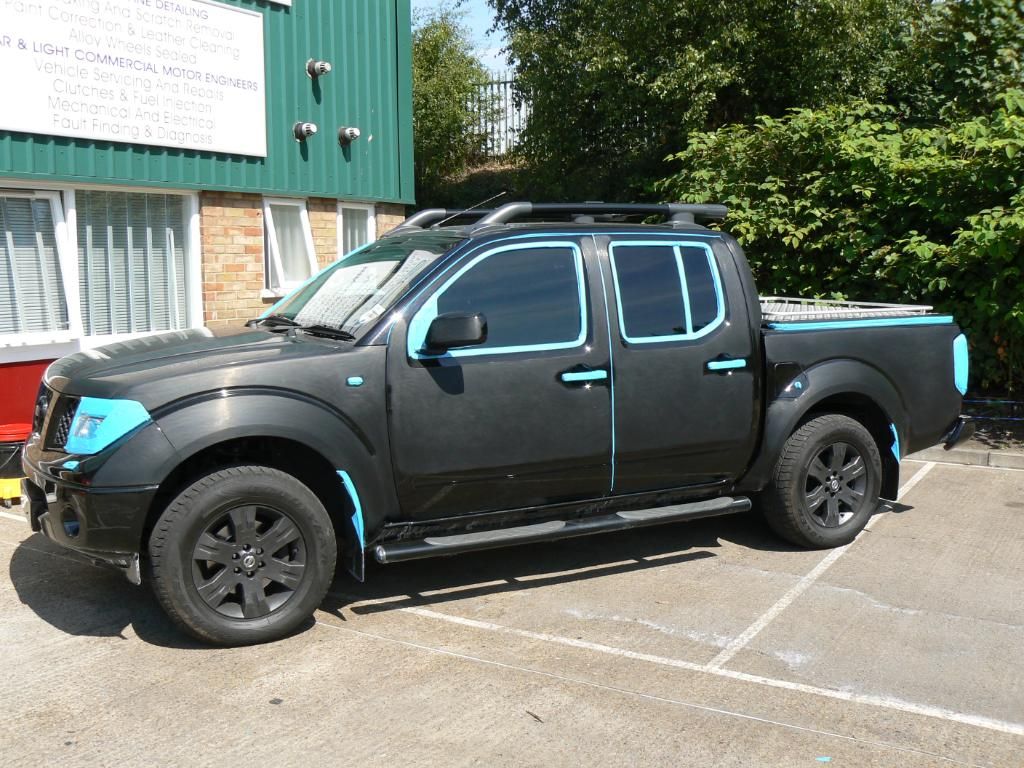
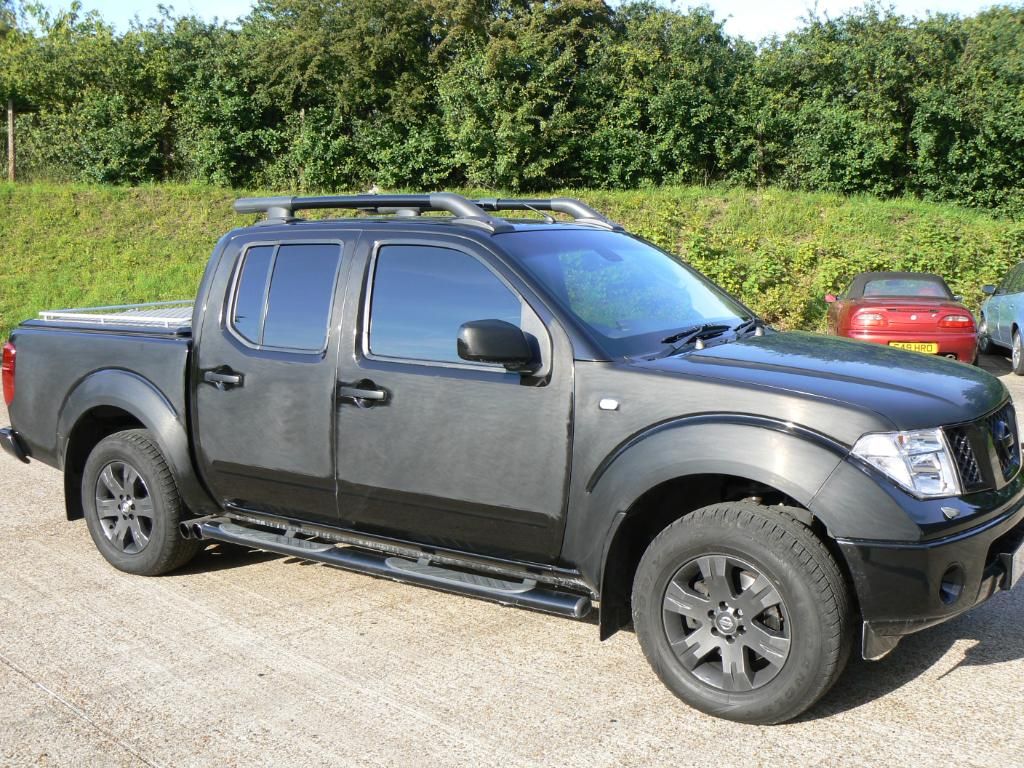
and afters
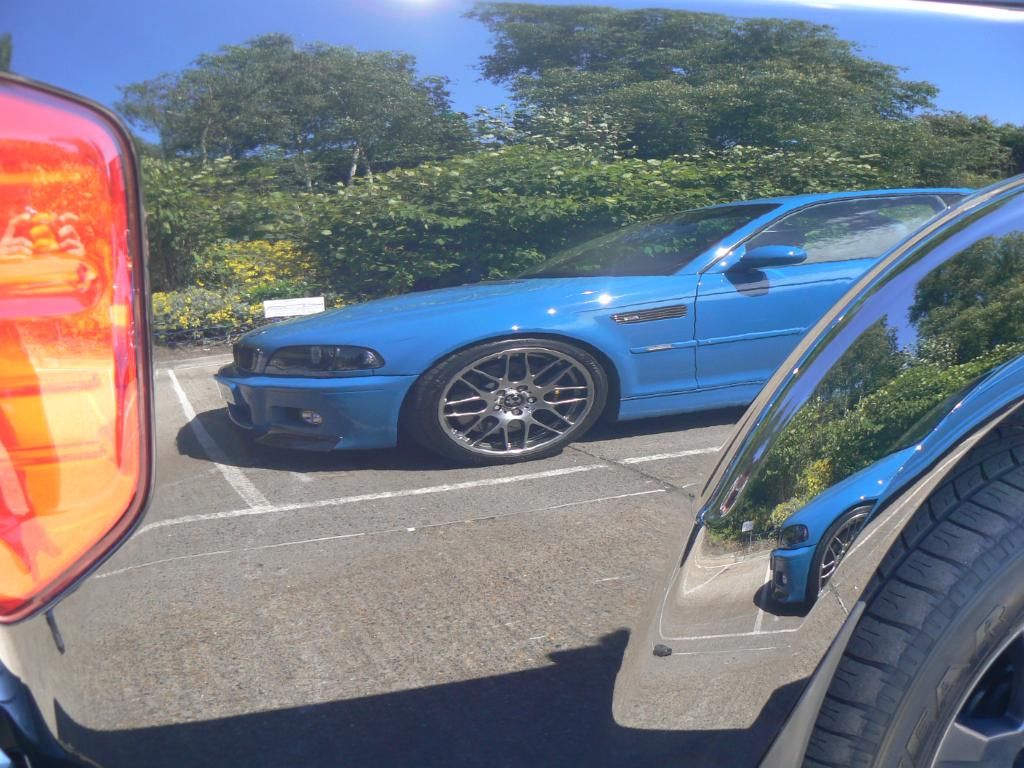
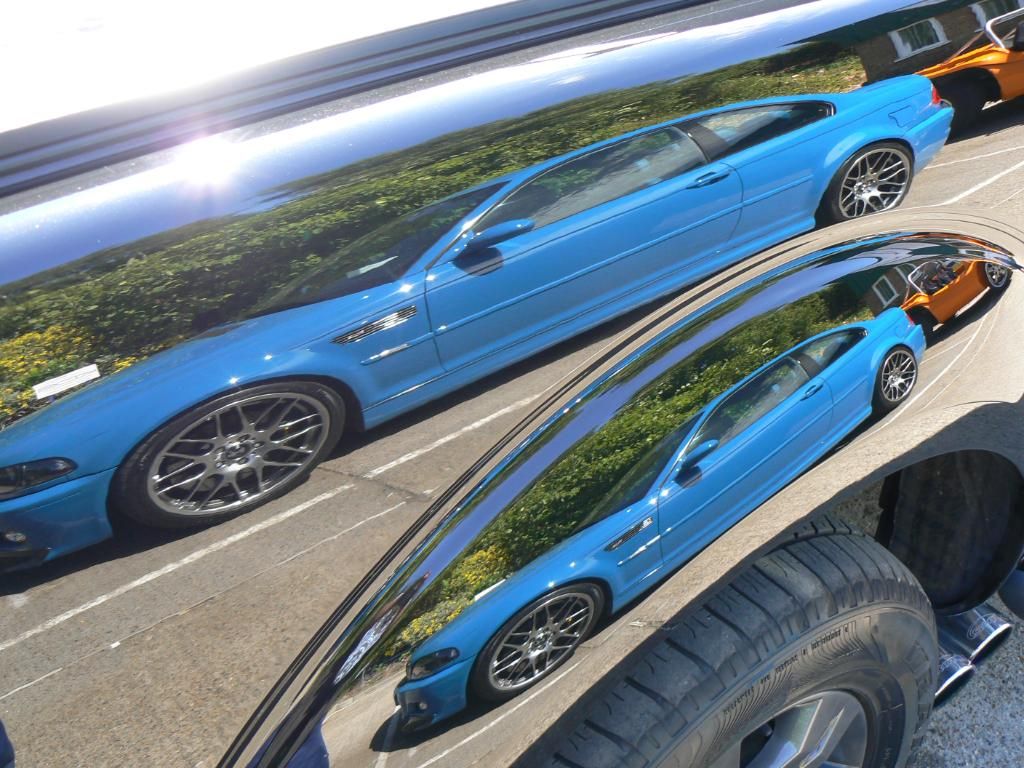
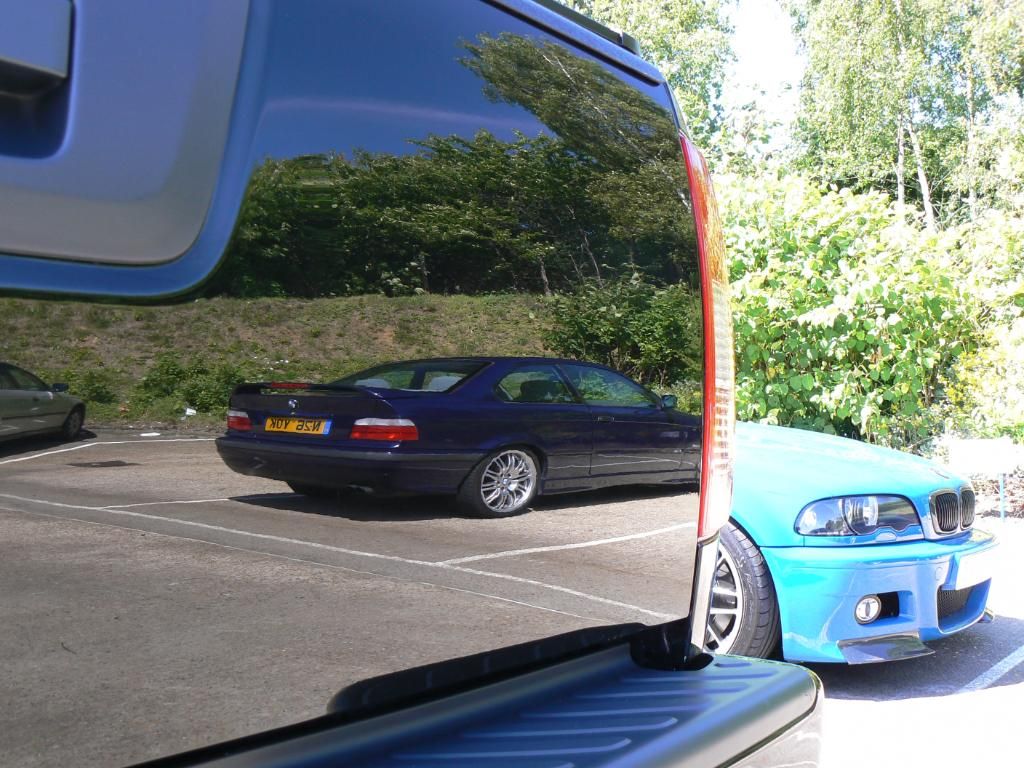
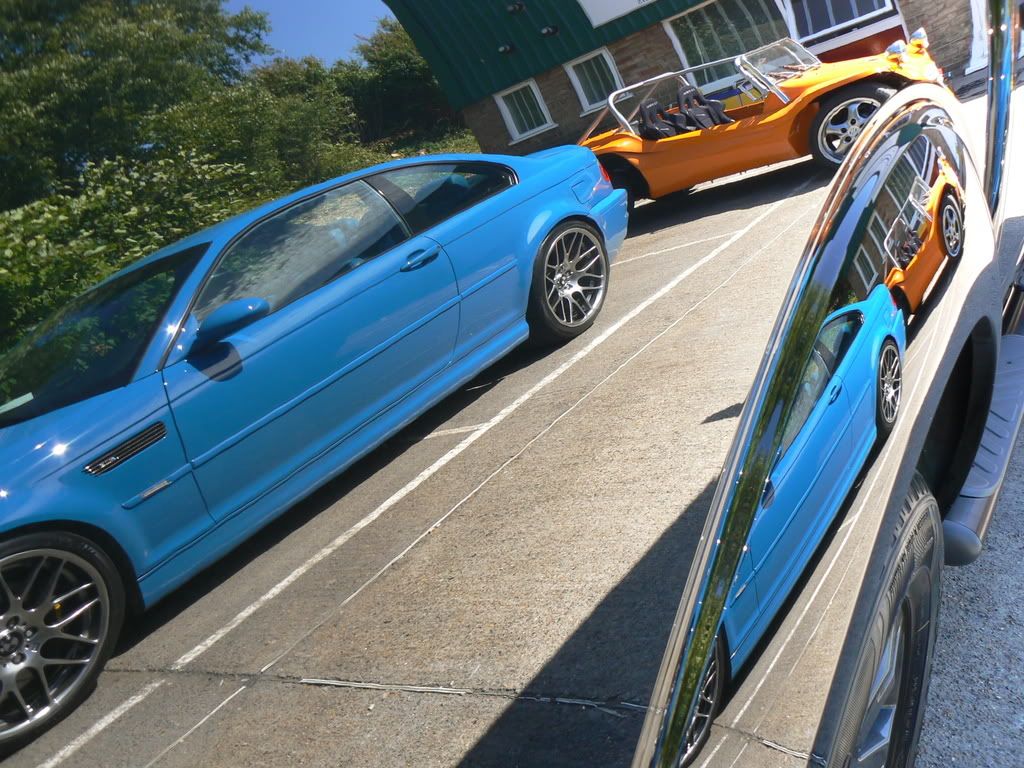
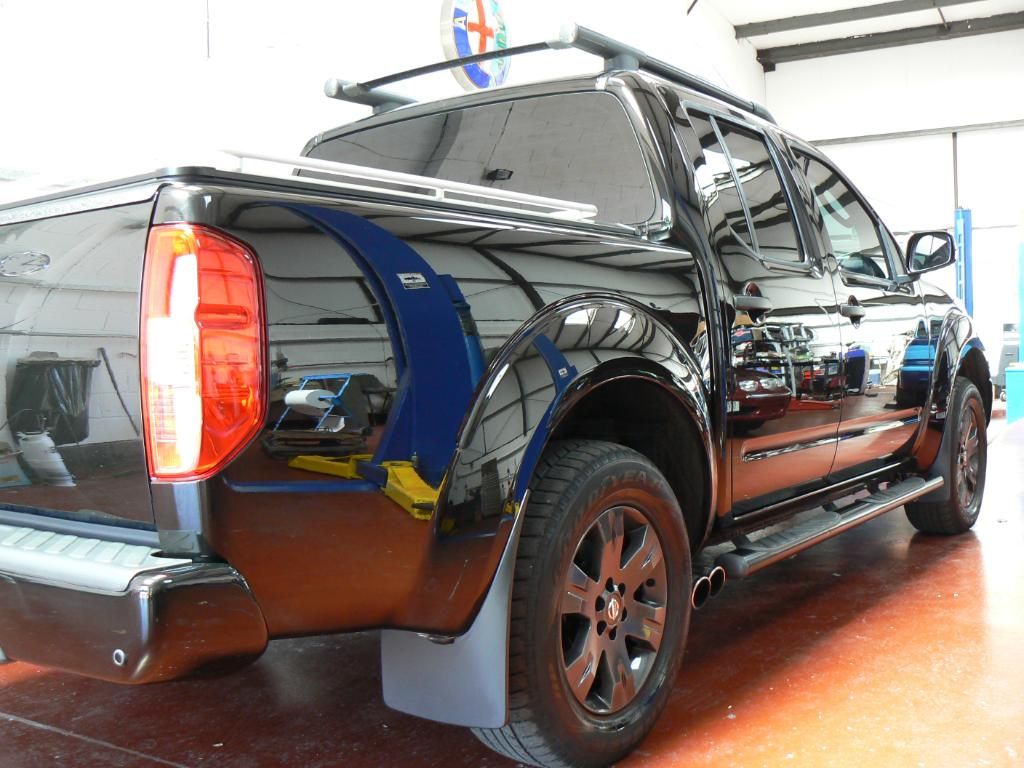
HTH Kelly
same answer as this threaed before and quoted above
http://www.pistonheads.com/gassing/topic.asp?h=0&a...
Solid colour will give the deepest blackest look
base and clear will give wettest glass look
Thou the differences will be very slight and more noticable under different lighting .
To Get the flattest flawless depth of paint it will require the painter/bodyshop to wet sand the paint which means loading the paint on more than normall , meaning if they use 2 colour coats ask for 4-5 as some of the extra coats will be removed in the wet snading process .
Same working technique as used on Hot rods / show car in the USA they call it colour sanding ,the wording came from when all paint was solid colour so when wet flatting the paint colour was removed and then brought out a better depth of shine .
The process of wet sanding ie which grade flatting paper to remove any dirt / orange peel / dry areas will totally depend on the paint/painter conditions .
If the paint used cures fast like granite then more agrressive cut will be needed , but it the paint has been applied extremely well then the same paint may need less upper layer removal so starting will less aggressive cut .
if the paint is soft or "green" then even less aggressive cut will be needed .
So until the car is painted then cured and some test areas done you cant really post what paper and cut to "work" the paint .
BUT its always best to get the best possible finish straight from the gun , less wrok afterwards and kinder to the paint surface too .
An example of wet sanding / colour sanding
before factory finish , and does not get much worse than this
during wet sanding
and afters
HTH Kelly
A modern metallic will be clear over base, so the question of direct gloss vs C-o-B is moot. You can't colour sand direct gloss metallic - the flatting action pulls metallic flakes out and the resulting patch is muddy binder.
Be cautious requesting multiple extra coats of finish to allow for colour sanding. A hand-sprayed finish will tend to be much deeper in build than a factory finish, where the robot sprayguns can be programmed to lay down so many microns of paint, and manufacturers don't want to put on more than absolutely necessary - the volume savings over the production run are significant. There's a lot of build on a typical hand-sprayed finish - if the sprayer achieved an average-or-better gun finish, texture removal back to flat will be no problem, if done with care.
Refinish materials have a maximum safe film build, and overcoating heavily can lead to problems around solvent trap and other issues - to put on a couple of extra coats for you, your painter would actually likely have to completely finish the work of respraying the car, and then spray it again. It's not just a case of waiting 15 minutes and then putting another coat on.
Long-flashed, deep builds also cause problems with masking. Masking removal window, and the maximum build that should be laid down over a mask are important - so really, asking for 4 coats instead of 2 of topcoat means your sprayer may have to paint the car, de-mask, re-mask and paint again. This will *significantly* increase the cost of the work.
Discuss these issues on a P&J restoration respray with your refinisher. Professional outfits will not be pushed into modifying their processes in ways that compromise the durability of their work, and will warn you off slapping extra coats on unnecessarily.
Also, the particular chemistry of the topcoat used and the curing technology used will have a great effect on when a finish can be sanded to remove texture, and polished back. Catalytically cured finishes are likely to be ready for this work immediately, but other curing methods, like raised-air-temp low bake, can be off-gassing for up to two months after baking, and if the ambient temperature is low, like at this time of year, potentially longer.
Be cautious requesting multiple extra coats of finish to allow for colour sanding. A hand-sprayed finish will tend to be much deeper in build than a factory finish, where the robot sprayguns can be programmed to lay down so many microns of paint, and manufacturers don't want to put on more than absolutely necessary - the volume savings over the production run are significant. There's a lot of build on a typical hand-sprayed finish - if the sprayer achieved an average-or-better gun finish, texture removal back to flat will be no problem, if done with care.
Refinish materials have a maximum safe film build, and overcoating heavily can lead to problems around solvent trap and other issues - to put on a couple of extra coats for you, your painter would actually likely have to completely finish the work of respraying the car, and then spray it again. It's not just a case of waiting 15 minutes and then putting another coat on.
Long-flashed, deep builds also cause problems with masking. Masking removal window, and the maximum build that should be laid down over a mask are important - so really, asking for 4 coats instead of 2 of topcoat means your sprayer may have to paint the car, de-mask, re-mask and paint again. This will *significantly* increase the cost of the work.
Discuss these issues on a P&J restoration respray with your refinisher. Professional outfits will not be pushed into modifying their processes in ways that compromise the durability of their work, and will warn you off slapping extra coats on unnecessarily.
Also, the particular chemistry of the topcoat used and the curing technology used will have a great effect on when a finish can be sanded to remove texture, and polished back. Catalytically cured finishes are likely to be ready for this work immediately, but other curing methods, like raised-air-temp low bake, can be off-gassing for up to two months after baking, and if the ambient temperature is low, like at this time of year, potentially longer.
Listen to Anatol,most 2K clears used these days are what's called hi-solid and you're only supposed to apply 1 1/2 coats,that's 1 mist coat and 1 full coat.Any more and you're asking for trouble with solvent trap etc.
There are some specialist clears that can be over-coated but I doubt you'll find your average bodyshop using these,more likely someone who specialises in custom paintwork
It's pretty safe to spray upto 3 coats of solid 2K that may be the cheapest way to go.
Either way it's the flat and polish that will ultimately decide the finish
There are some specialist clears that can be over-coated but I doubt you'll find your average bodyshop using these,more likely someone who specialises in custom paintwork
It's pretty safe to spray upto 3 coats of solid 2K that may be the cheapest way to go.
Either way it's the flat and polish that will ultimately decide the finish
Gassing Station | Bodywork & Detailing | Top of Page | What's New | My Stuff