
Developing an aircraft design
Discussion


I've been looking at examples of aircraft designs that have been developed almost beyond recognition. Obviously whether aircraft 'C' is really ultimately developed from aircraft 'A' is always debateable but there are some pretty impressive developments.
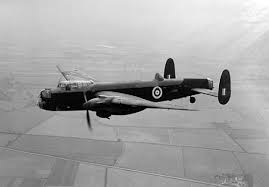
Manchester to Shackleton

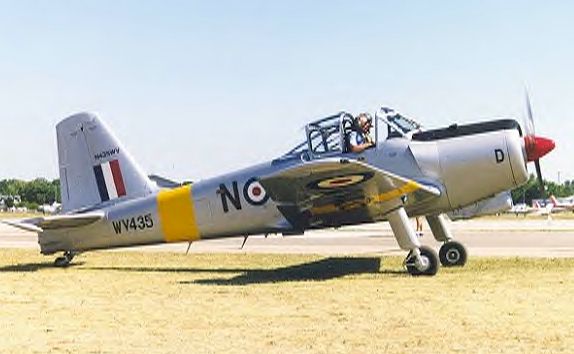
Piston Provost to Strikemaster

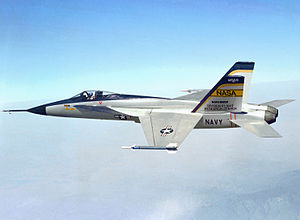
YF17 to F18 Superhornet
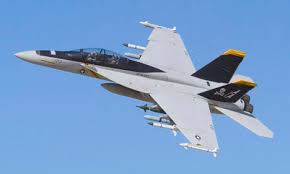
Comet to Nimrod AEW
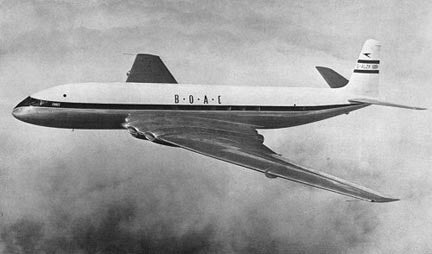
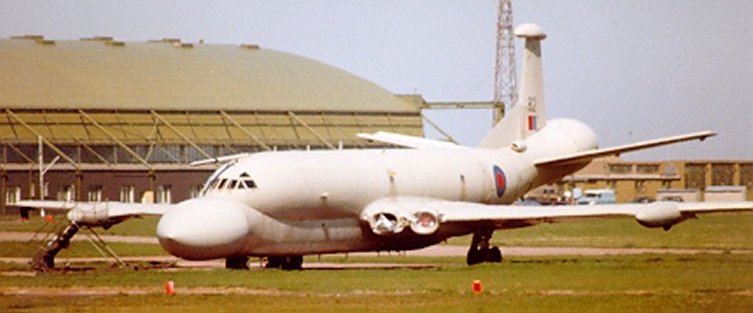
Anyone else have some favourite examples?
Manchester to Shackleton
Piston Provost to Strikemaster
YF17 to F18 Superhornet
Comet to Nimrod AEW
Anyone else have some favourite examples?

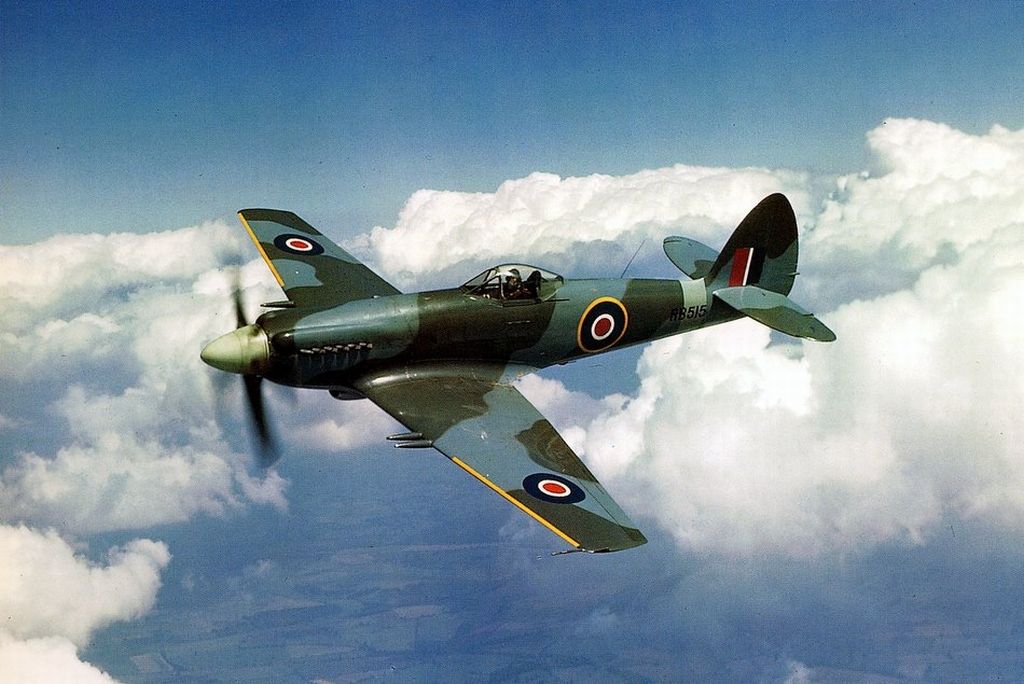

Good point. The Spiteful was certainly developed from the Spitfire albeit with a completely new wing. The Attacker used basically the Spiteful wing, and I suspect the early drawings had a bit more Spiteful in them. But there's no Spitfire in the Attacker. Then of course the Swift had a fuselage based on the Attacker, I think the prototype actually had a modified Attacker fuselage, but to say the Swift was developed from the Spitfire would be a ludicrous stretch.
Similarly I believe the Hawker Sea Hawk was originally planned to have a Sea Fury wing, so you could say it was developed from the Typhoon/Tempest/Fury line even though the one between the Fury and Sea Hawk (jet fury?) was never built.
Similarly I believe the Hawker Sea Hawk was originally planned to have a Sea Fury wing, so you could say it was developed from the Typhoon/Tempest/Fury line even though the one between the Fury and Sea Hawk (jet fury?) was never built.
Aircraft design can be a process of evolution - one design leads to another. It can also be a process of revolution, with a design having little in the way of a link to an earlier design by the same manufacturer.
There is a definite familial link all the way from the prototype Spitfire right through to the last version of the Swift (Supermarine's last single seat fighter).
Of course, by the time you get to the Swift all obvious connections to 1930s Spitfires are pretty much gone.
The Attacker had the same wings as the Spiteful, which is a direct descendant of the Spitfire.
You can also show there is a line of descent between the North American P-51 Mustang and the design that eventually became the F-86 Sabre.
There is a definite familial link all the way from the prototype Spitfire right through to the last version of the Swift (Supermarine's last single seat fighter).
Of course, by the time you get to the Swift all obvious connections to 1930s Spitfires are pretty much gone.
The Attacker had the same wings as the Spiteful, which is a direct descendant of the Spitfire.
You can also show there is a line of descent between the North American P-51 Mustang and the design that eventually became the F-86 Sabre.
Eric Mc said:
Aircraft design can be a process of evolution - one design leads to another. It can also be a process of revolution, with a design having little in the way of a link to an earlier design by the same manufacturer.
There is a definite familial link all the way from the prototype Spitfire right through to the last version of the Swift (Supermarine's last single seat fighter).
Of course, by the time you get to the Swift all obvious connections to 1930s Spitfires are pretty much gone.
The Attacker had the same wings as the Spiteful, which is a direct descendant of the Spitfire.
You can also show there is a line of descent between the North American P-51 Mustang and the design that eventually became the F-86 Sabre.
Yes, I saw a picture somewhere of an early jet that appeared to have Mustang wings and tail with a fuselage a bit like an F86.There is a definite familial link all the way from the prototype Spitfire right through to the last version of the Swift (Supermarine's last single seat fighter).
Of course, by the time you get to the Swift all obvious connections to 1930s Spitfires are pretty much gone.
The Attacker had the same wings as the Spiteful, which is a direct descendant of the Spitfire.
You can also show there is a line of descent between the North American P-51 Mustang and the design that eventually became the F-86 Sabre.
The first North American jet fighter design was the FJ-1 Fury

It followed very closely the design philosophy adopted by Supermarines when they used Spiteful wings on a new fuselage.
With the FJ-1, the wings from the P-51 Mustang were grafted onto a new fuselage. Both the Attacker and the FJ-1 Fury ended up with tubby bodies because they both used early generation centrifugal compressor jet engines. Their wings were also both of the laminar flow design. The one better feature of the FJ-1 was that North American decided that a nose wheel suited a jet design better than a tail wheel.
Fairly quickly though, North American realised the advantages that came from sweeping the wings back so relatively few FJ-1s were built. The production line was adjusted pretty quickly to build the new swept wing variant which became the F-86 Sabre in the USAF and the FJ-2 Fury in the US Navy

It followed very closely the design philosophy adopted by Supermarines when they used Spiteful wings on a new fuselage.
With the FJ-1, the wings from the P-51 Mustang were grafted onto a new fuselage. Both the Attacker and the FJ-1 Fury ended up with tubby bodies because they both used early generation centrifugal compressor jet engines. Their wings were also both of the laminar flow design. The one better feature of the FJ-1 was that North American decided that a nose wheel suited a jet design better than a tail wheel.
Fairly quickly though, North American realised the advantages that came from sweeping the wings back so relatively few FJ-1s were built. The production line was adjusted pretty quickly to build the new swept wing variant which became the F-86 Sabre in the USAF and the FJ-2 Fury in the US Navy
Gassing Station | Boats, Planes & Trains | Top of Page | What's New | My Stuff