
Battle of Britain Day - 80th anniversary
Discussion


As today is Battle of Britain Day and it coincides with the 80th anniversary, well worth a simple thread to say thank you to those few (I believe only one of the flying Few survives) who are still around, and to those too who are no longer with us.
Unimaginable times and dedication; much respect.
https://www.bbc.co.uk/news/uk-wales-54151430
Unimaginable times and dedication; much respect.
https://www.bbc.co.uk/news/uk-wales-54151430
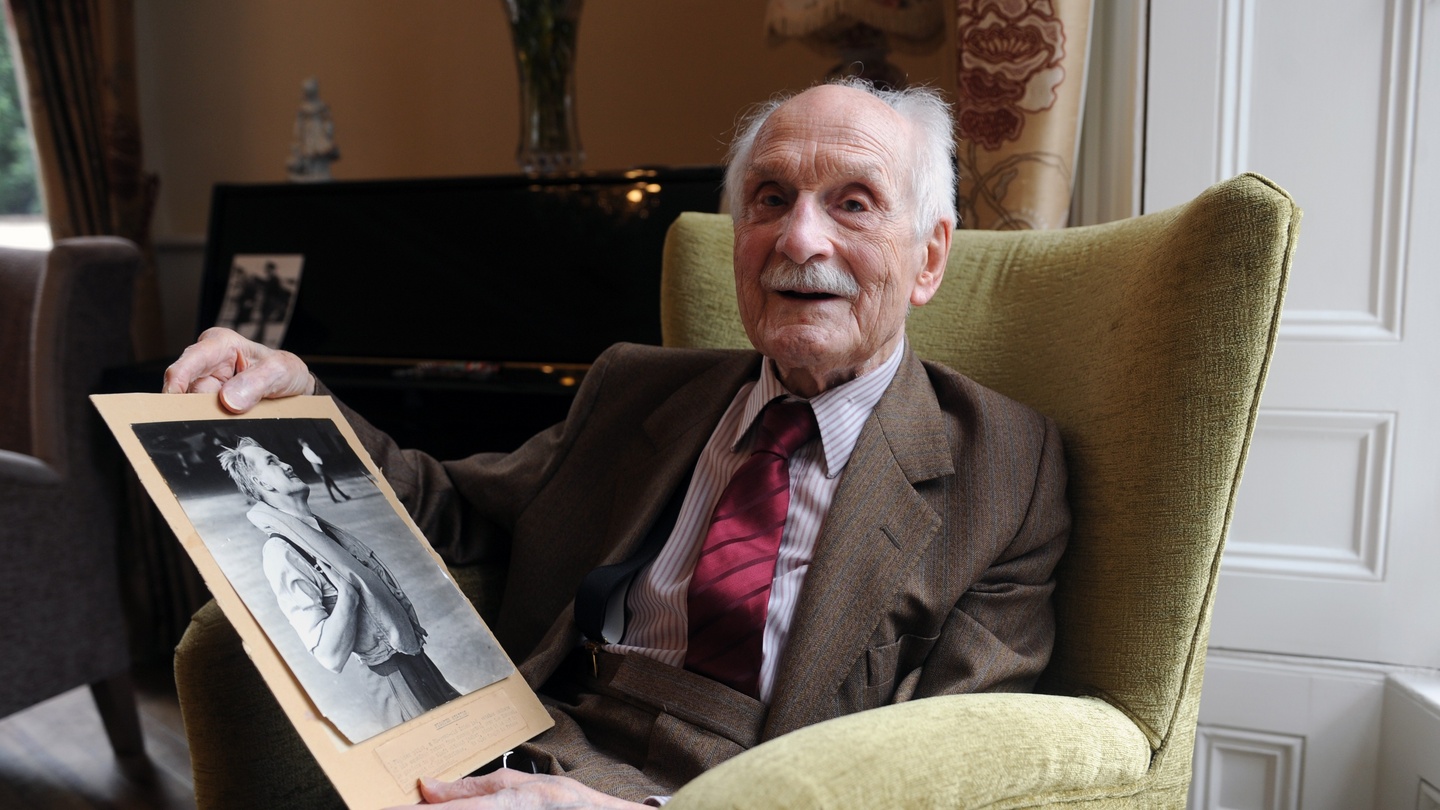
The last surviving Battle of Britain fighter pilot is from Dublin. He lives there in a retirement home. His name is John Hemingway and is now 101. He was relatively unknown until literally only a few months ago. Like a lot of Irishmen who fought in World War 2, he didn't make a big song and dance about his involvement in the war.

Couple of Spitfires flew over here yesterday (live South East of Duxford, probably 5mins flying time) - one of them a two seater I think.
We regularly get them and Hurricanes. Have had the odd Me109 and other interesting bits and pieces too. The sound is stirring.
Can't imagine what it must have been like - men in their late teens dogfighting. I struggled to get out of bed to get to university at 18. Incredible bravery.
We regularly get them and Hurricanes. Have had the odd Me109 and other interesting bits and pieces too. The sound is stirring.
Can't imagine what it must have been like - men in their late teens dogfighting. I struggled to get out of bed to get to university at 18. Incredible bravery.
Eric Mc said:
The last surviving Battle of Britain fighter pilot is from Dublin. He lives there in a retirement home. His name is John Hemingway and is now 101. He was relatively unknown until literally only a few months ago. Like a lot of Irishmen who fought in World War 2, he didn't make a big song and dance about his involvement in the war....
To be fair Eric, I'm not sure many of the people who fought did. A different generation sadly.Murph7355 said:
To be fair Eric, I'm not sure many of the people who fought did. A different generation sadly.
Irishmen who fought in the RAF, British Army and Royal Navy, to a certain extent, kept a low profile after the war, especially if they had returned to Ireland to live. It's only since the 1990s that Irish people have been interested and keen to learn a bit more about Irish involvement in World War 2.Better late than never.
I recently read the excellent "Spitfire" by John Nichol, which paints the history of the aircraft, and thereby also the Battle of Britain, through the stories of those who flew. These also included numerous female pilots who were tasked with the tricky job of delivering all manner of various aircraft to bases.
I hadn't realised, WRT the Battle of Britain, a.) how critical the Spitfire and it's development were, or b.) how the bolshy unions at Castle Bromwich nearly cost us the Battle and possibly also the war by their intransigence. It took military intervention and the sacking of numerous management and workers to get the plant onto the sort of productivity being delivered by the Southampton works.
Good as Hurricanes and early Spitfires were, the development of the latter, and increases in both performance and firepower were vital to have any chance against the excellent Me109 and FW190.
I hadn't realised, WRT the Battle of Britain, a.) how critical the Spitfire and it's development were, or b.) how the bolshy unions at Castle Bromwich nearly cost us the Battle and possibly also the war by their intransigence. It took military intervention and the sacking of numerous management and workers to get the plant onto the sort of productivity being delivered by the Southampton works.
Good as Hurricanes and early Spitfires were, the development of the latter, and increases in both performance and firepower were vital to have any chance against the excellent Me109 and FW190.
Digga said:
I recently read the excellent "Spitfire" by John Nichol, which paints the history of the aircraft, and thereby also the Battle of Britain, through the stories of those who flew. These also included numerous female pilots who were tasked with the tricky job of delivering all manner of various aircraft to bases.
I hadn't realised, WRT the Battle of Britain, a.) how critical the Spitfire and it's development were, or b.) how the bolshy unions at Castle Bromwich nearly cost us the Battle and possibly also the war by their intransigence. It took military intervention and the sacking of numerous management and workers to get the plant onto the sort of productivity being delivered by the Southampton works.
Good as Hurricanes and early Spitfires were, the development of the latter, and increases in both performance and firepower were vital to have any chance against the excellent Me109 and FW190.
BBC Sounds has a good podcast series called Spitfire, that includes the details of this. Worth listening toI hadn't realised, WRT the Battle of Britain, a.) how critical the Spitfire and it's development were, or b.) how the bolshy unions at Castle Bromwich nearly cost us the Battle and possibly also the war by their intransigence. It took military intervention and the sacking of numerous management and workers to get the plant onto the sort of productivity being delivered by the Southampton works.
Good as Hurricanes and early Spitfires were, the development of the latter, and increases in both performance and firepower were vital to have any chance against the excellent Me109 and FW190.
Eric Mc said:
Murph7355 said:
To be fair Eric, I'm not sure many of the people who fought did. A different generation sadly.
Irishmen who fought in the RAF, British Army and Royal Navy, to a certain extent, kept a low profile after the war, especially if they had returned to Ireland to live. It's only since the 1990s that Irish people have been interested and keen to learn a bit more about Irish involvement in World War 2.Better late than never.
Byker28i said:
A few years ago I spent a day in a helicopter flying around taking publicity shots, as the Spitfire flew around us - fun times. It was too windy for the Hurricane to be risked, apparently they are 5 times more valuable as there's far fewer left flying.


Now that is a good day at work! Several of the Navy accounts on my twitter feed are reminding people that the RN also contributed to The Few:
https://navywings.org.uk/portfolio/the-few-of-the-...
Twenty-three naval pilots flew with RAF Fighter Command squadrons (three flew in Douglas Bader's 242 Sqd.) and and two Fleet Air Arm squadrons were in action against the Luftwaffe over Scotland. In total the naval service contributed 56 pilots to the Battle of Britain including three Marine officers. Seven of them were killed and four became aces.
https://navywings.org.uk/portfolio/the-few-of-the-...
Twenty-three naval pilots flew with RAF Fighter Command squadrons (three flew in Douglas Bader's 242 Sqd.) and and two Fleet Air Arm squadrons were in action against the Luftwaffe over Scotland. In total the naval service contributed 56 pilots to the Battle of Britain including three Marine officers. Seven of them were killed and four became aces.
Eric Mc said:
And what is often overlooked is that Bomber Command lost more aircrew in the Battle of Britain period than did Fighter Command.
Make that two things I've learnt today! 718 BC losses, 520 FC ones.
From the brief online reading I've just done, it was down to Bomber Command mostly being equipped with inadequate light/medium bombers - Wellingtons, Whitleys, Hampdens and Blenheims, mostly - had not yet developed the proper procedures for dealing with day fighters and flak installations or the necessary navigation/all-weather flying capabilities. These were all learnt at a great human cost in the early years of the war.
Plus, of course, for every medium bomber that is shot down/crashes you can lose up to half a dozen men. A Spitfire or Hurricane only has a single person aboard, so the human toll will be significantly higher even if the airframe losses are lower.
Edit: I wonder if others were as ignorant as to the sentences that followed the famous 'Never in the field of human conflict...' one in Churchill's speech?
"Never in the field of human conflict was so much owed by so many to so few. All hearts go out to the fighter pilots, whose brilliant actions we see with our own eyes day after day.But we must never forget that all the time, night after night, month after month, our bomber squadrons travel far into Germany, find their targets in the darkness by the highest navigational skill, aim their attacks, often under the heaviest fire, often with serious loss, with deliberate careful discrimination, and inflict shattering blows upon the whole of the technical and war-making structure of the Nazi power."
Edited by 2xChevrons on Tuesday 15th September 17:41
Eric Mc said:
vonuber said:
My Grandad brought down 4 Ju88's and 3 BF109's in that period, leading to the loss of 12 Luftwaffe crew.
He was the worst mechanic they had ever had, apparently.
You must be at least the third PHer who lays claim to having a rubbishy German air mechanic grandad.He was the worst mechanic they had ever had, apparently.
Eric Mc said:
The last surviving Battle of Britain fighter pilot is from Dublin. He lives there in a retirement home. His name is John Hemingway and is now 101. He was relatively unknown until literally only a few months ago. Like a lot of Irishmen who fought in World War 2, he didn't make a big song and dance about his involvement in the war.
He looks like the same bloke with a few wrinkles.Yeah, yeah I know it 'is' the same bloke.
Respect.
Gassing Station | News, Politics & Economics | Top of Page | What's New | My Stuff