
Sewer Interceptor Trap and Vent
Discussion


The sewerage system in my house is over 100 years old and uses old clay pipes. At the property boundary there is a sewer interceptor trap like that shown below.
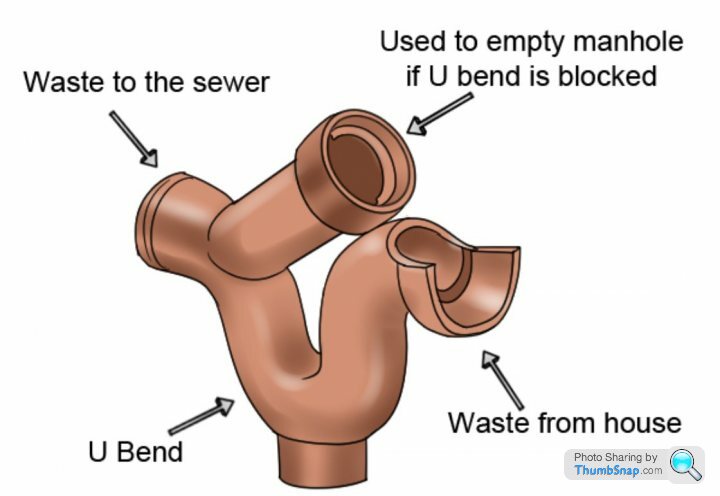
The rodding eye ceramic cap has long since disappeared and in any event if the u bend gets blocked then who the heck wants to reach through 2 feet of c**p in the inspection chamber to remove the cap to get to the rodding port?
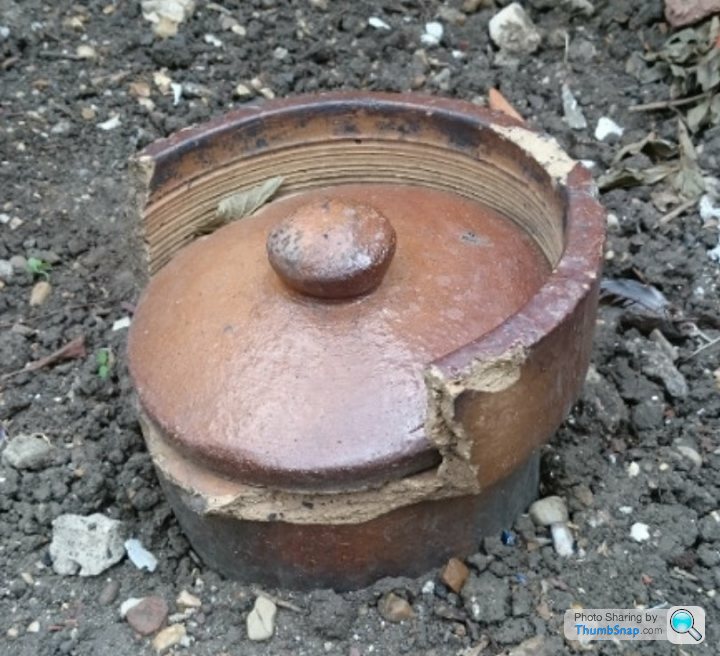
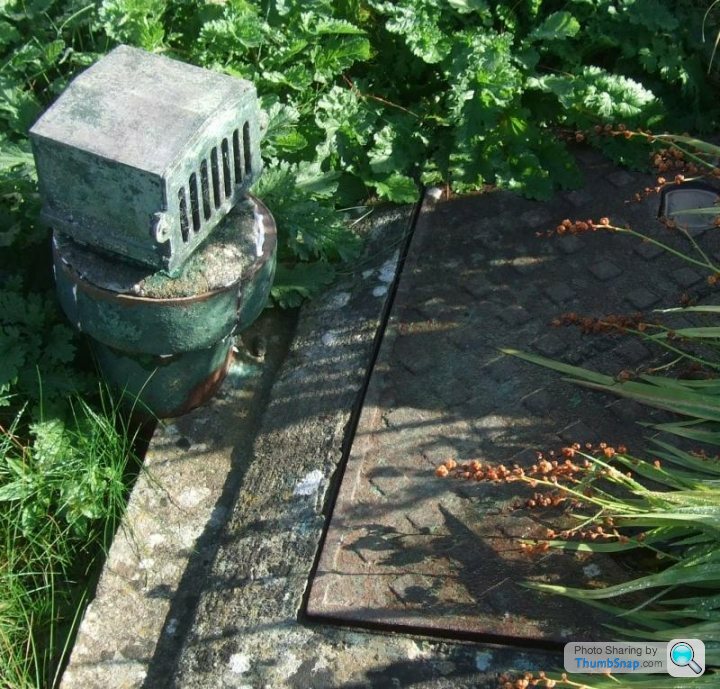
The inspection chamber that houses this sewer interceptor trap also has a ceramic pipe running off to a vent like the one below.
At some point in the 80's someone installed a sewer vent pipe / stink stack (110mm vertical pipe) at the back of the house that the toilets connect to and then it connects into the old sewer ceramic pipes. All the rain water and grey water etc also connect into the ceramic pipes. The whole lot then heads out via one ceramic pipe to the interceptor trap and inspection chamber at the boundary mentioned above.
The issue I have is that the interceptor trap inspection chamber vent ceramic pipework has clearly broken underground as rats are coming up the sewer into the chamber down the vent pipe and emerging in the garden. They've excavated a lot of soil as the inspection chamber was half full of soil when I looked today.
So my questions are...
1 - As far as I know these old interceptor traps serve no purpose if you have a soil pipe / stink stack installed which our house had in the 80's so the fact the rodding cap is missing doesn't matter?
2 - To prevent the rats coming up out the sewer through the inspection chamber's vent pipe I aim to simply block that pipe off in the inspection chamber. Any issue with doing this?
Many thanks.
The rodding eye ceramic cap has long since disappeared and in any event if the u bend gets blocked then who the heck wants to reach through 2 feet of c**p in the inspection chamber to remove the cap to get to the rodding port?
The inspection chamber that houses this sewer interceptor trap also has a ceramic pipe running off to a vent like the one below.
At some point in the 80's someone installed a sewer vent pipe / stink stack (110mm vertical pipe) at the back of the house that the toilets connect to and then it connects into the old sewer ceramic pipes. All the rain water and grey water etc also connect into the ceramic pipes. The whole lot then heads out via one ceramic pipe to the interceptor trap and inspection chamber at the boundary mentioned above.
The issue I have is that the interceptor trap inspection chamber vent ceramic pipework has clearly broken underground as rats are coming up the sewer into the chamber down the vent pipe and emerging in the garden. They've excavated a lot of soil as the inspection chamber was half full of soil when I looked today.
So my questions are...
1 - As far as I know these old interceptor traps serve no purpose if you have a soil pipe / stink stack installed which our house had in the 80's so the fact the rodding cap is missing doesn't matter?
2 - To prevent the rats coming up out the sewer through the inspection chamber's vent pipe I aim to simply block that pipe off in the inspection chamber. Any issue with doing this?
Many thanks.
My understanding is the interceptor trap (ie Sharp u bend) were subsequently found to be pointless when people worked out rats can actually swim underwater
Is the rodding eye in the chamber? I assume it is, else you'd basically have an oven sewer vent in the ground. So capping that would at least make the rats work a bit harder.
And so the rats are exiting the (brick and concrete?) chamber via the chamber vent pipe?
My 1920s sewer has a similar chamber vent, but it's cemented in place, and has a flap inside. I wouldn't have thought a rat could climb through it.
My understanding is also that these chamber vents are now redundant if you have a vented soil stack, as they were there to balance pressure in your sewer pipes.
So I would cap that off too.
Though it sounds like the rats are entering/exiting the chamber somewhere between the chamber opening (mine is in top corner) and the ground level, and their access point is letting the surrounding soil spill back into your chamber.
If so, it would be about an hour's job to excavate around the corner, and then repair any damage to the vent pipe.
If I've misunderstood and it's the interceptor trap that's got the hole, then that will take longer as obviously it's much deeper (by the depth of your manhole chamber)
I did also read somewhere that rats like to live in redundant sewer spurs, eg an outside loo that's been capped at the toilet end, but not from the sewer? Just a thought.
Ian
Is the rodding eye in the chamber? I assume it is, else you'd basically have an oven sewer vent in the ground. So capping that would at least make the rats work a bit harder.
And so the rats are exiting the (brick and concrete?) chamber via the chamber vent pipe?
My 1920s sewer has a similar chamber vent, but it's cemented in place, and has a flap inside. I wouldn't have thought a rat could climb through it.
My understanding is also that these chamber vents are now redundant if you have a vented soil stack, as they were there to balance pressure in your sewer pipes.
So I would cap that off too.
Though it sounds like the rats are entering/exiting the chamber somewhere between the chamber opening (mine is in top corner) and the ground level, and their access point is letting the surrounding soil spill back into your chamber.
If so, it would be about an hour's job to excavate around the corner, and then repair any damage to the vent pipe.
If I've misunderstood and it's the interceptor trap that's got the hole, then that will take longer as obviously it's much deeper (by the depth of your manhole chamber)
I did also read somewhere that rats like to live in redundant sewer spurs, eg an outside loo that's been capped at the toilet end, but not from the sewer? Just a thought.
Ian
Ian Geary said:
My understanding is the interceptor trap (ie Sharp u bend) were subsequently found to be pointless when people worked out rats can actually swim underwater
Is the rodding eye in the chamber? I assume it is, else you'd basically have an oven sewer vent in the ground. So capping that would at least make the rats work a bit harder.
And so the rats are exiting the (brick and concrete?) chamber via the chamber vent pipe?
My 1920s sewer has a similar chamber vent, but it's cemented in place, and has a flap inside. I wouldn't have thought a rat could climb through it.
My understanding is also that these chamber vents are now redundant if you have a vented soil stack, as they were there to balance pressure in your sewer pipes.
So I would cap that off too.
Though it sounds like the rats are entering/exiting the chamber somewhere between the chamber opening (mine is in top corner) and the ground level, and their access point is letting the surrounding soil spill back into your chamber.
If so, it would be about an hour's job to excavate around the corner, and then repair any damage to the vent pipe.
If I've misunderstood and it's the interceptor trap that's got the hole, then that will take longer as obviously it's much deeper (by the depth of your manhole chamber)
I did also read somewhere that rats like to live in redundant sewer spurs, eg an outside loo that's been capped at the toilet end, but not from the sewer? Just a thought.
Ian
Thanks for your excellent post. Your understanding is largely right. The vent is connected into the chamber so the chamber can breathe. The ceramic pipe from the chamber to the metal vent itself is a few yards long as the vent is hidden in a thick hedge on the boundary. As the house is on the side of a valley there has been movement over the years and the ceramic pipe between the metal vent and the chamber has clearly broken somewhere along it's length. The rats are using this as a "rat run" :-) from the sewer to the outside world as you can see an exit hole in the garden and the chamber was full of soil they'd excavated from the garden.Is the rodding eye in the chamber? I assume it is, else you'd basically have an oven sewer vent in the ground. So capping that would at least make the rats work a bit harder.
And so the rats are exiting the (brick and concrete?) chamber via the chamber vent pipe?
My 1920s sewer has a similar chamber vent, but it's cemented in place, and has a flap inside. I wouldn't have thought a rat could climb through it.
My understanding is also that these chamber vents are now redundant if you have a vented soil stack, as they were there to balance pressure in your sewer pipes.
So I would cap that off too.
Though it sounds like the rats are entering/exiting the chamber somewhere between the chamber opening (mine is in top corner) and the ground level, and their access point is letting the surrounding soil spill back into your chamber.
If so, it would be about an hour's job to excavate around the corner, and then repair any damage to the vent pipe.
If I've misunderstood and it's the interceptor trap that's got the hole, then that will take longer as obviously it's much deeper (by the depth of your manhole chamber)
I did also read somewhere that rats like to live in redundant sewer spurs, eg an outside loo that's been capped at the toilet end, but not from the sewer? Just a thought.
Ian
Basically I aim to:
1 - Block the vent pipe at the chamber end with a concrete bung so they can no longer get in there.
2 - See if I can obtain a new ceramic cap and seal for the ceramic pipe (apparently these are always missing as they commonly fell off and blocked the sewer plus as I said before who wants to reach 1-2ft through sewerage to open the rodding eye to rod it?
3 - Put a load of rat traps out to catch any that are living in the area they have excavated.
4 - When all trace gone fill in the hole they've excavated.
The point I was really getting at was is this vent needed now the house has a vented soil stack (110mm stink pipe) and you said no it's not needed which now allows me to simply bung it up on the chamber side.
In reality I'd like to dig the whole vent pipe out but judging from the amount of soil in the chamber (2 buckets full at least) the rats have quite a big underground warren with only one visible exit hole. I'm loathe to stick a spade in the middle of that in case there is a nest there... my dad was a farmer and tells me a few stories of where he got on the wrong side of rats and they went on the attack... I desperately want to avoid any eye to eye contact with them!
Thanks again.
Road2Ruin said:
Have the interceptor replace, it's old fashioned, broken and relatively cheap to do. We had our's done in our 1930's house, sadly looking thing ad yours, was £650. We also had the pipe to the main sewer lined at the same time. £895 in total. South West for reference cost.
I thought about that but it'd be a massive job, the reason being is the ceramic pipes runs from many drains and toilets before joining together then they head around the house, down the front garden to the interceptor, then the garden drops at an angle of about 60 degrees towards the public sewer which is some way away and 20feet under the current road level. It's a lot of excavation and disruption and cost for something I hope I can bodge :-)Road2Ruin said:
Have the interceptor replace, it's old fashioned, broken and relatively cheap to do. We had our's done in our 1930's house, sadly looking thing ad yours, was £650. We also had the pipe to the main sewer lined at the same time. £895 in total. South West for reference cost.
I know its a long time plsago...which company did you useDaniel-ogomx said:
Road2Ruin said:
Have the interceptor replace, it's old fashioned, broken and relatively cheap to do. We had our's done in our 1930's house, sadly looking thing ad yours, was £650. We also had the pipe to the main sewer lined at the same time. £895 in total. South West for reference cost.
I know its a long time plsago...which company did you useGassing Station | Homes, Gardens and DIY | Top of Page | What's New | My Stuff