
Quick plumbing question
Discussion


Installed a new washer today but needed a new 3.5m inlet hose as I switched the drier and washer around.
No matter what I did, turning the water on caused it to spray from the connection where the plastic thread meets the mains valve. I assumed the cheap Amazon hose was the problem, so I bought a better one from Currys. Same result.
After some digging, I thought maybe the male thread on the valve is slightly short. I also noticed a lot of plumbers online complaining about the poor quality washers that come with hoses now. So I picked up some proper 3?4 inch washers from Screwfix, stacked two together, and removed the PTFE tape.
So far, it seems to have worked and everything is completely dry.
My only concern is whether this will hold up long term. I have already had one flood on an oak floor and I am not keen to repeat the experience.
I also wondered if the small metal filter inside the original hose washer played a part. When I removed it after the first attempt, it looked slightly dented, as if something had been pressing into it.
[/url]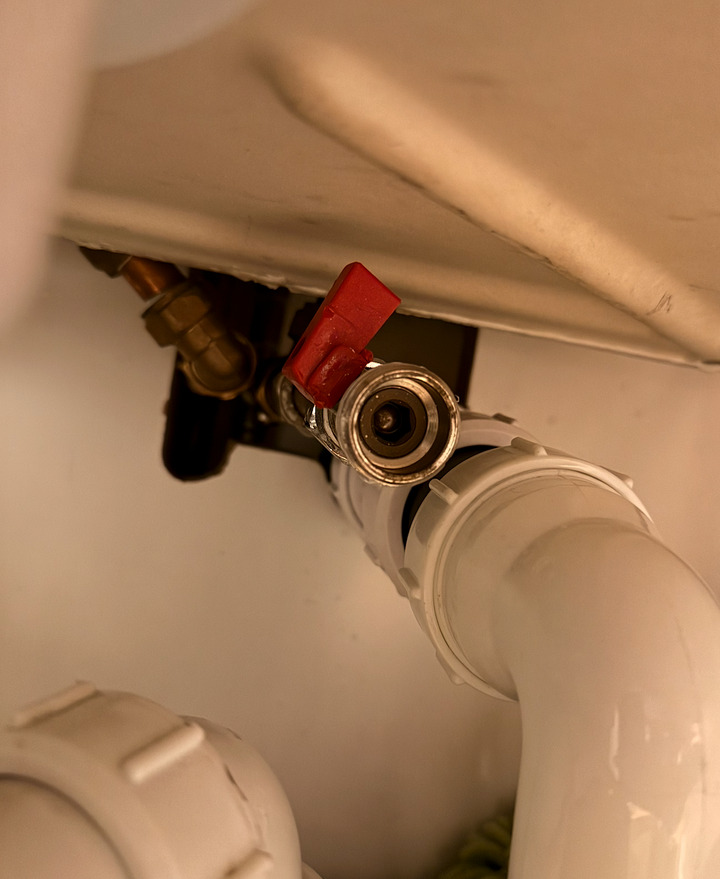
[url]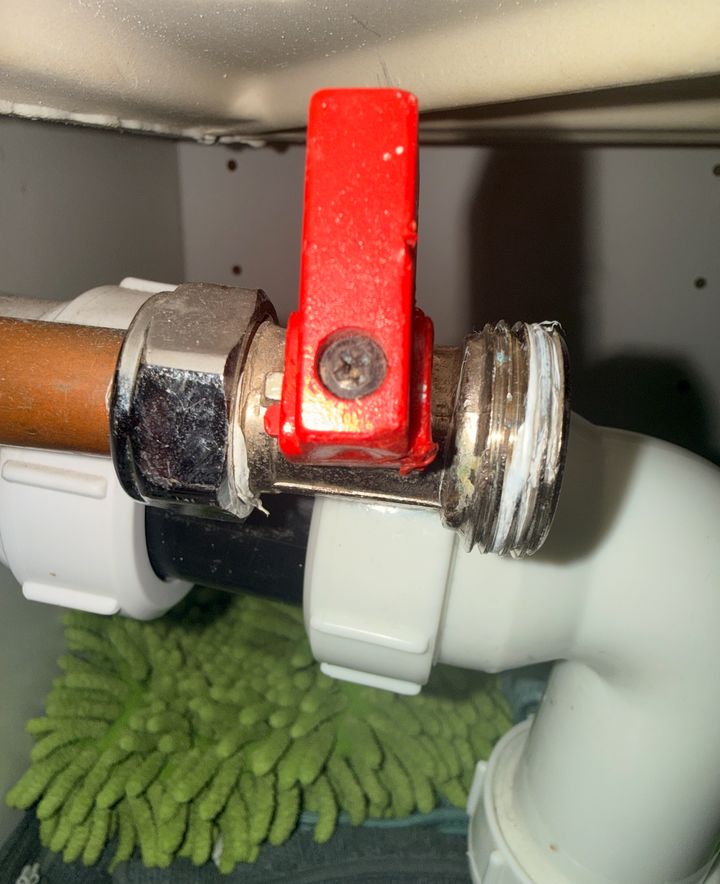 |https://forums-images.pistonheads.com/535554/202602027331614
No matter what I did, turning the water on caused it to spray from the connection where the plastic thread meets the mains valve. I assumed the cheap Amazon hose was the problem, so I bought a better one from Currys. Same result.
After some digging, I thought maybe the male thread on the valve is slightly short. I also noticed a lot of plumbers online complaining about the poor quality washers that come with hoses now. So I picked up some proper 3?4 inch washers from Screwfix, stacked two together, and removed the PTFE tape.
So far, it seems to have worked and everything is completely dry.
My only concern is whether this will hold up long term. I have already had one flood on an oak floor and I am not keen to repeat the experience.
I also wondered if the small metal filter inside the original hose washer played a part. When I removed it after the first attempt, it looked slightly dented, as if something had been pressing into it.
[/url]
[url]
Edited by S1975 on Tuesday 3rd February 09:36
There shouldn't be ptfe tape on that thread.
Possibly the corner of the red plastic handle is hitting the screw-on part of the hose when turned?
The seal is at the washer, between the end face of the tap thread and the end face of the hose.
The washer needs to be thick enough, soft enough and in the correct place.
The hose part needs to screw on far enough to compress the washer.
If the threaded collar bottoms out on the red plastic handle, it won't seal! Or the seal will break as you turn the valve.
Other possible causes are deep defects in the end faces that meet the washer.
Or ptfe tape preventing the screwed parts screwing on far enough!
Possibly the corner of the red plastic handle is hitting the screw-on part of the hose when turned?
The seal is at the washer, between the end face of the tap thread and the end face of the hose.
The washer needs to be thick enough, soft enough and in the correct place.
The hose part needs to screw on far enough to compress the washer.
If the threaded collar bottoms out on the red plastic handle, it won't seal! Or the seal will break as you turn the valve.
Other possible causes are deep defects in the end faces that meet the washer.
Or ptfe tape preventing the screwed parts screwing on far enough!
I also thought the red handle played a part, as you can see (bottom right) it's worn against something.
Double washers have obviously given it some breathing space.
Is there a bit of plumbing that can be done there - something to extend that part and move it away from that (red) handle.
Double washers have obviously given it some breathing space.
Is there a bit of plumbing that can be done there - something to extend that part and move it away from that (red) handle.
Belle427 said:
Crappy fitting probably, sometimes the face can be sharp so it cuts into the washer if over tightened.
I would replace it personally, not that difficult and use something from the likes of pegler.
This?I would replace it personally, not that difficult and use something from the likes of pegler.
Thread long enough...?
www.toolstation.com/pegler-washing-machine-valve-s...
S1975 said:
I'm not sure there's a standard for how long the thread should be?Some hoses seem to need long threaded bits and/or may be designed to use thick washers, including washers with a filter gauze inbuilt.
That looks like a valve designed for compression fittings on both sides. It has the same thread but the end isn't ideal for sealing the washer.
What might help is to fit one of these which is designed to take a tap connector with washer that your washing machine uses. Just connect with an olive to your existing fitting.
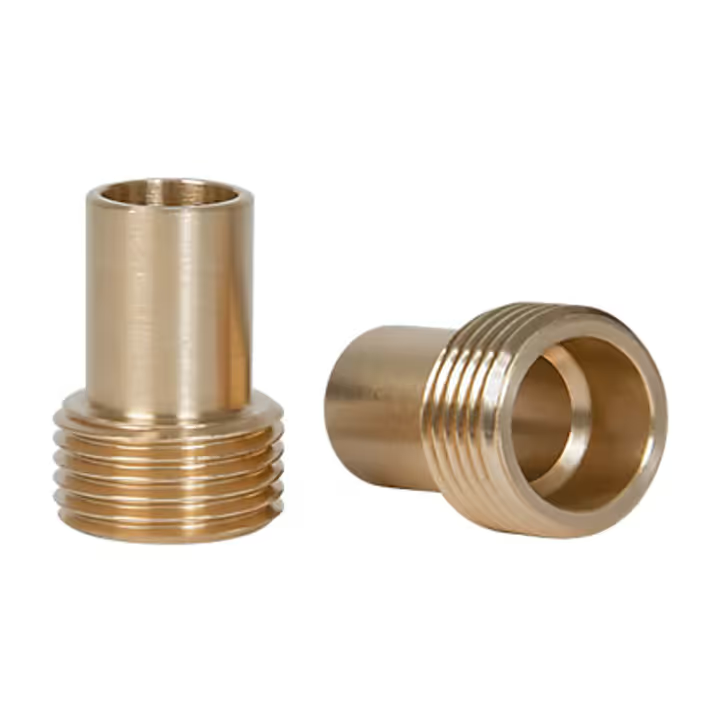
What might help is to fit one of these which is designed to take a tap connector with washer that your washing machine uses. Just connect with an olive to your existing fitting.
S1975 said:
Belle427 said:
Crappy fitting probably, sometimes the face can be sharp so it cuts into the washer if over tightened.
I would replace it personally, not that difficult and use something from the likes of pegler.
This?I would replace it personally, not that difficult and use something from the likes of pegler.
Thread long enough...?
www.toolstation.com/pegler-washing-machine-valve-s...
https://www.toolstation.com/made4trade-washing-mac...
Sheepshanks said:
AJLintern said:
That looks like a valve designed for compression fittings on both sides. It has the same thread but the end isn't ideal for sealing the washer.
That's a good spot - it's a 15mm isolation valve, not a washing machine connector.15mm compression female to 3/4" male.
As mentioned above don't put PTFE tape on the thread. We can always spot a DIY job if there's PTFE on the thread!
Edited by GasEngineer on Tuesday 3rd February 14:24
Belle427 said:
Tough to say, I thought you could get some like this with a flat face, seems they include a check valve.
https://www.toolstation.com/made4trade-washing-mac...
I saw that one, what protection does a check valve offer? Excuse my ignorance.https://www.toolstation.com/made4trade-washing-mac...
Sheepshanks said:
An isolator would have the same threads. But looking online, the handle is normally black.
The flat face on one end of a washing machine connector is normally fairly obvious - it doesn t look flat at all in the OPs picture - I wonder if someone has had a brain fart and fitted that one the wrong way around?
It wouldn't be the first time.The flat face on one end of a washing machine connector is normally fairly obvious - it doesn t look flat at all in the OPs picture - I wonder if someone has had a brain fart and fitted that one the wrong way around?
It was his (old plumber) handywork that caused £5k worth of damage to an oak floor, putting something on back to front !
S1975 said:
It wouldn't be the first time.
It was his (old plumber) handywork that caused £5k worth of damage to an oak floor, putting something on back to front !
I deleted that post as it’s wrong - 15mm is 1/2” BSP. The hose connector end is 3/4” and should be obviously bigger. The lack of an obvious flat mating face is odd though - maybe they just vary in quality.It was his (old plumber) handywork that caused £5k worth of damage to an oak floor, putting something on back to front !
Retired Plumber here. I agree with the comments above about PTFE, and also query whether that's a washing machine isolator - if the washing machine hose fits, then it's certainly 3/4 inch. Before I retired, I replaced a customer's washing machine hose, and it leaked (very embarrassing). On close examination, it wasn't leaking from the interface between the hose and the isolator - the plastic nut of the hose was leaking internally between its inside face and the insert that is crimped to the hose end! Another Screwfix hose had the same problem. I returned them both, and the hose from Tollstation was good.
Regarding the 'sharp' end of isolators, that can indeed be a problem, particularly if joining a flexi tap hose to an isolator, and those brass converters with the flat ends are useful. I noticed (and highlighted to both Screwfix and Toolstation) that the brass ballcocks (typically used on loft cold water tanks) they sell have a taper which isn't ideal for the 1/2 inch 'tap end' and fibre washer interface they always connect to. Neither SF or TS head office were bothered. The strange thing is that the part may be cheaper to produce without a tapered end?
Regarding the 'sharp' end of isolators, that can indeed be a problem, particularly if joining a flexi tap hose to an isolator, and those brass converters with the flat ends are useful. I noticed (and highlighted to both Screwfix and Toolstation) that the brass ballcocks (typically used on loft cold water tanks) they sell have a taper which isn't ideal for the 1/2 inch 'tap end' and fibre washer interface they always connect to. Neither SF or TS head office were bothered. The strange thing is that the part may be cheaper to produce without a tapered end?
Gassing Station | Homes, Gardens and DIY | Top of Page | What's New | My Stuff