
Grandfather clocks, can they live in a kitchen?
Discussion


We're kicking around the idea of getting a grandfather clock. We've been trying to work out where to put it and we have a breakfast room off the kitchen, there's no doorway between the 2 just an opening that's probably 2 doors wide. It wood be a good few metres away from the oven and hob, and if nobody puts washing on the radiator in winter it's fairly free from condensation.
Is this a good idea? Or would we be better finding a better home for it like on the landing? Any input welcome as I've no idea and don't fancy ruining a 100 odd year old clock if I'm honest!
Is this a good idea? Or would we be better finding a better home for it like on the landing? Any input welcome as I've no idea and don't fancy ruining a 100 odd year old clock if I'm honest!
They are sensitive to humidity and variations in temperature.
They don't like direct sunlight either.
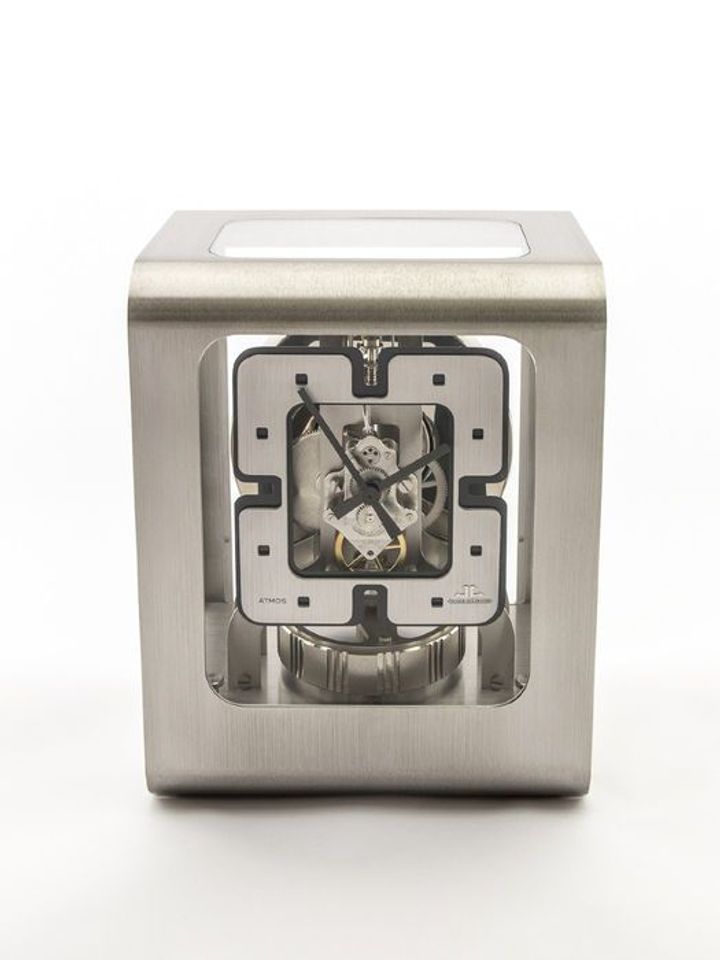
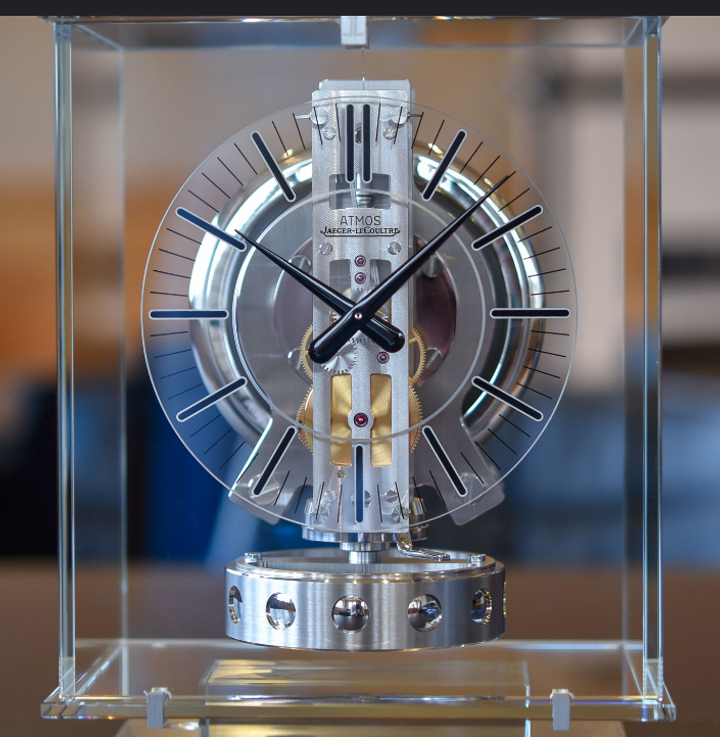
If you want a nice expensive clock, how about a jlc atmos clock.
They don't all look like Victorian carriage clocks, and are probably the closest thing we have to a perpetual motion machine.
Here are two of their more modern designs.
They don't like direct sunlight either.
If you want a nice expensive clock, how about a jlc atmos clock.
They don't all look like Victorian carriage clocks, and are probably the closest thing we have to a perpetual motion machine.
Here are two of their more modern designs.
I've worked on longcase clocks that have been kept in pretty much every room/area imaginable.
If it's a room where you are comfortable for extended periods, a clock will be fine.
Try and avoid direct sunlight and very high or very low humidity.
Dining area should be fine, a conservatory would be bad.
If it's a room where you are comfortable for extended periods, a clock will be fine.
Try and avoid direct sunlight and very high or very low humidity.
Dining area should be fine, a conservatory would be bad.
I think to some extent it depends on the quality, rarity, and value of the clock you are thinking of.
Ours is a well-used, oak cased, 'country' clock, around 200 years old. It has been repaired and patched up many times over the years, and it shows! The painted dial is far from perfect. However, that's what gives it its character and we wouldn't want it any other way.
Over the many years that we have had the clock it has survived several house moves, and has always stood in draughty old hallways or breakfast rooms/lobbies next to open plan kitchens. It ticks along and chimes the hour without complaint, and still keeps good time (easily adjustable).
It is certainly not treated as 'precious', and indeed has proved not the best of investments - the value of such clocks, along with much other of our run-of-the-mill antique 'furniture' has dropped considerably in recent years.
Ours is a well-used, oak cased, 'country' clock, around 200 years old. It has been repaired and patched up many times over the years, and it shows! The painted dial is far from perfect. However, that's what gives it its character and we wouldn't want it any other way.
Over the many years that we have had the clock it has survived several house moves, and has always stood in draughty old hallways or breakfast rooms/lobbies next to open plan kitchens. It ticks along and chimes the hour without complaint, and still keeps good time (easily adjustable).
It is certainly not treated as 'precious', and indeed has proved not the best of investments - the value of such clocks, along with much other of our run-of-the-mill antique 'furniture' has dropped considerably in recent years.
I've always liked the antique 'farmhouse kitchen' clocks - in the right kitchen they look at home.
https://www.clockclinic.co.uk/antique-mahogany-eig...
https://www.clockclinic.co.uk/antique-mahogany-eig...
Jeremy-75qq8 said:
Do you want the noise?
There was one outside my school headmasters study. I still shudder at the memory of sitting there. Tick tick tick
My house is rarely quiet enough for anyone to hear it over the noise.There was one outside my school headmasters study. I still shudder at the memory of sitting there. Tick tick tick
Good shout on the headmaster though, I could get the kids to sit facing the wall next to it if they misbehave

Jeremy-75qq8 said:
Do you want the noise?
There was one outside my school headmasters study. I still shudder at the memory of sitting there. Tick tick tick
More of an issue can be getting used to it striking at night. Once you get past midnight then you're ok but it you go to be early eleven and twelve are quite long! But you get used to it, my kids have their room over the room with the clock in and they sleep just fine. That dining room is next to the kitchen and the clock is next to the adjoining door and no issues with it there after a good number of years.There was one outside my school headmasters study. I still shudder at the memory of sitting there. Tick tick tick
Gassing Station | Homes, Gardens and DIY | Top of Page | What's New | My Stuff