
Last night the turbo expired
Discussion


on one of my taxis.
It's a 2008 Citroen C4 Grand Picasso with 214k miles. 1.6hdi SX. Now, I'm thinking that it is probably not worth replacing the turbo, but to buy a new vehicle. The Picasso has pretty much earned it's money.
So, would you replace the turbo? Turbo alone is £450+VAT then there's the labour, etc. So best guess is about £1000 to sort.
On the other hand, would anyone have any idea of the value of the car as it is now? It needs a new drivers seat, the airbag light is on, I suspect because the seat base is collapsed and has knackered the sensor. There is a dent in the sill where a driver caught a rock in the hedge, but other than that it's what you would expect from an ex-taxi. It's too good to break for parts (and to be honest I have neither the time nor inclination to do this)and I would rather ebay it for no reserve than scrap it.
It's a 2008 Citroen C4 Grand Picasso with 214k miles. 1.6hdi SX. Now, I'm thinking that it is probably not worth replacing the turbo, but to buy a new vehicle. The Picasso has pretty much earned it's money.
So, would you replace the turbo? Turbo alone is £450+VAT then there's the labour, etc. So best guess is about £1000 to sort.
On the other hand, would anyone have any idea of the value of the car as it is now? It needs a new drivers seat, the airbag light is on, I suspect because the seat base is collapsed and has knackered the sensor. There is a dent in the sill where a driver caught a rock in the hedge, but other than that it's what you would expect from an ex-taxi. It's too good to break for parts (and to be honest I have neither the time nor inclination to do this)and I would rather ebay it for no reserve than scrap it.
Hmm, i'm sure you can get your standard turbo unit rebuilt for significantly less than the price of a new one?
And with regard to replacing the unit - depending on where it's located in the engine bay I guess - but it's not a hugely difficult job for a good home mechanic...do you think you could tackle a job like that yourself?
And with regard to replacing the unit - depending on where it's located in the engine bay I guess - but it's not a hugely difficult job for a good home mechanic...do you think you could tackle a job like that yourself?
Tyre Smoke said:
on one of my taxis.
It's a 2008 Citroen C4 Grand Picasso with 214k miles. 1.6hdi SX. Now, I'm thinking that it is probably not worth replacing the turbo, but to buy a new vehicle. The Picasso has pretty much earned it's money.
So, would you replace the turbo? Turbo alone is £450+VAT then there's the labour, etc. So best guess is about £1000 to sort.
On the other hand, would anyone have any idea of the value of the car as it is now? It needs a new drivers seat, the airbag light is on, I suspect because the seat base is collapsed and has knackered the sensor. There is a dent in the sill where a driver caught a rock in the hedge, but other than that it's what you would expect from an ex-taxi. It's too good to break for parts (and to be honest I have neither the time nor inclination to do this)and I would rather ebay it for no reserve than scrap it.
I'm not sure I would agree with someone offering £450+VAT for a brand new turbo in this situation (for that sort of thing, surely a recon would be appropriate), OR the £500 bill to fit it. Sounds to me like someone's chancing an arm there.It's a 2008 Citroen C4 Grand Picasso with 214k miles. 1.6hdi SX. Now, I'm thinking that it is probably not worth replacing the turbo, but to buy a new vehicle. The Picasso has pretty much earned it's money.
So, would you replace the turbo? Turbo alone is £450+VAT then there's the labour, etc. So best guess is about £1000 to sort.
On the other hand, would anyone have any idea of the value of the car as it is now? It needs a new drivers seat, the airbag light is on, I suspect because the seat base is collapsed and has knackered the sensor. There is a dent in the sill where a driver caught a rock in the hedge, but other than that it's what you would expect from an ex-taxi. It's too good to break for parts (and to be honest I have neither the time nor inclination to do this)and I would rather ebay it for no reserve than scrap it.
One search turned up a 2nd hand Turbo on ebay for £280 including express delivery, for example.
C
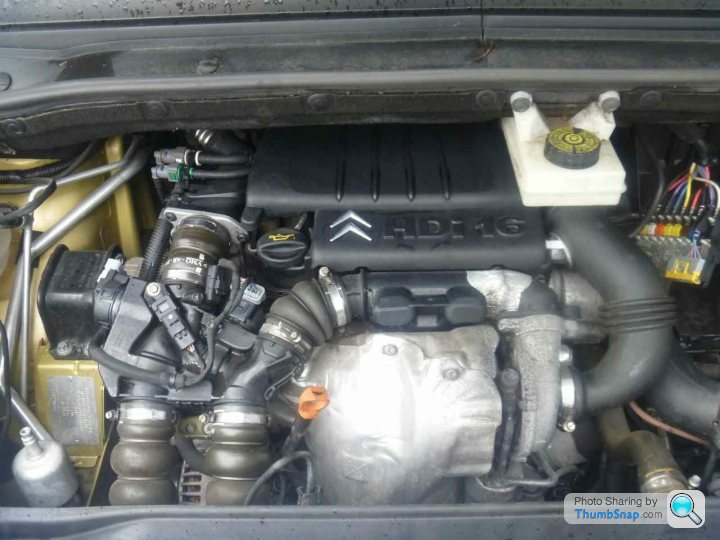


We have that engine in a Pug as a commuter. When I took into my mates garage he asked why I'd bought that POS. They've had quite a few through and when the turbo goes it tends to be a massive job because it is usually symptomatic of other problems. Even using the official Pug turbo replacement kit, they will not guarantee that it will fix it.
He pulled up the last job sheet for that repair and it was something like 1500 quid as the labour involved and all the bits you have to replace is huge.
From what he said and what I've subsequently read they are a s te engine and not worth spending money on once they go.
http://www.berlingoforum.co.uk/showthread.php?tid=...
ETA...
ATTENTION: PLEASE READ THIS AND FOLLOW INSTRUCTIONS BEFORE FITTING THESE TURBOS TO YOUR CUSTOMERS VEHICLES
753420-ANY & 49173-07508 110 & 90/75 bhp
PSA 1.6HDi TURBOS, 2004- ONWARDS
The PSA 1.6HDi, DV6TED4 engine is a highly sophisticated low emission, high power diesel unit. It is used in many different applications Citroen, Ford, Mazda, Mini, Peugeot and Volvo.
Due to the engine being clean and powerful, it is designed to operate with high temperatures, which demands the very best lubricants. These lubricants must be maintained in peak condition and PSA have fitted an in-line oil filter to the turbo and an integral oil cooler/oil filter to this engine to ensure this. However there is a drawback to this, reports from in the field indicate that if the engine has been operated with the oil level below normal limits, this may potentially cause a high concentration of carbon in the oil. This may then lead to blockage of the in-line filter, oil cooler and main oil filter, which will eventually bring on premature turbo failure. The vacuum pump may also suffer from this same type of contamination. However, due to its high operating speeds (230,000 revs per minute) the turbo will usually be the first to show signs of damage. This can happen from 30,000 miles onwards if the oil level and correct oil change intervals/procedure have not been adhered to.
We have found that the carbon build up in this application is particularly difficult to remove. To try to eliminate the potential for further turbo failure the following MUST be undertaken by the garage, in addition to the normal recommended turbo fitting instructions:
· TURBO OIL FEED PIPE & BANJO BOLTS MUST BE CHANGED.
· OIL PUMP SHOULD BE REMOVED AND CHECKED.
· SUMP MUST BE REMOVED AND OIL STRAINER (PICK UP) SHOULD BE CLEANED/REPLACED BEFORE RE-FITTING NEW TURBO TO REMOVE RESIDUAL CARBON/SLUDGE BUILD UP.
· OIL COOLER AND FILTER ASSEMBLY SHOULD BE REMOVED AND CLEANED.
· REMOVE CHARGE AIR COOLER, DRAIN OFF ANY OIL INSIDE AND CLEAN THOROUGHLY.
· CHECK AND CLEAN ALL INLET AND OUTLET HOSES.
· IF OIL HAS LEAKED FROM PREVIOUSLY DAMAGED TURBO OR ENGINE INTO EXHAUST, CHECK EXHAUST SYSTEM FOR CONTAMINATION/BLOCKAGE (CATALYST, DPF etc.)
· REMOVE BRAKE VACUUM PUMP TO CHECK FOR DEBRIS/CARBON AND CLEAN AS NECESSARY.
· FIT NEW OIL FILTER AND OIL.
· CHECK FUEL INJECTOR GASKETS ARE NOT BURNT OR COMPROMISED. REPLACE AS NECESSARY
· OIL FLOW MUST BE CHECKED:
o FIT TURBO TO ENGINE LEAVING OIL RETURN PIPE OFF
o INSTALL A LONGER OIL RETURN LINE AND FEED INTO SUITABLE CONTAINER
o START ENGINE AND IDLE FOR 60 SECONDS, THEN SWITCH OFF ENGINE
o MEASURE VOLUME OF OIL IN CONTAINER
§ 60 SECONDS OF IDLE SHOULD PRODUCE AT LEAST 0.3 LITRES OF OIL.
o REPEAT TEST TWO OR THREE TIMES TO CONFIRM OIL FLOW IS CORRECT
o DURING THIS TEST, DO NOT ALLOW ENGINE TO RUN BELOW MINIMUM OIL LEVEL!!
· VEHICLE SHOULD BE DRIVEN 20 to 30 MILES THEN THE OIL/FILTER REPLACED AGAIN.
Even after all the above has been carried out we cannot guarantee all carbon/oil sludge will be removed and you could still suffer a premature turbo failure. In the event of premature failure it is common for the impeller/nose nut to "come off", this is a consequence of a lubrication/turbine shaft failure & NOT a cause of turbo failure.
We feel that due to the possibility of further turbo failures on this engine it is only right to inform you before you purchase a replacement turbo for your customer. Currently we are experiencing a 15% failure rate of units we supply for this engine. Please feel free to speak to our engineers or sales team if you would like to discuss this issue further.
Any turbo returned under warranty will be subject to our standard terms and conditions.
We would also like to assure you that this is the only engine we have experienced these failure rates with. We as a company will always inform you of any ongoing issues to allow you to make the right judgement call for what you deem correct for your business.
Find all posts by this user
He pulled up the last job sheet for that repair and it was something like 1500 quid as the labour involved and all the bits you have to replace is huge.
From what he said and what I've subsequently read they are a s
te engine and not worth spending money on once they go.http://www.berlingoforum.co.uk/showthread.php?tid=...
ETA...
ATTENTION: PLEASE READ THIS AND FOLLOW INSTRUCTIONS BEFORE FITTING THESE TURBOS TO YOUR CUSTOMERS VEHICLES
753420-ANY & 49173-07508 110 & 90/75 bhp
PSA 1.6HDi TURBOS, 2004- ONWARDS
The PSA 1.6HDi, DV6TED4 engine is a highly sophisticated low emission, high power diesel unit. It is used in many different applications Citroen, Ford, Mazda, Mini, Peugeot and Volvo.
Due to the engine being clean and powerful, it is designed to operate with high temperatures, which demands the very best lubricants. These lubricants must be maintained in peak condition and PSA have fitted an in-line oil filter to the turbo and an integral oil cooler/oil filter to this engine to ensure this. However there is a drawback to this, reports from in the field indicate that if the engine has been operated with the oil level below normal limits, this may potentially cause a high concentration of carbon in the oil. This may then lead to blockage of the in-line filter, oil cooler and main oil filter, which will eventually bring on premature turbo failure. The vacuum pump may also suffer from this same type of contamination. However, due to its high operating speeds (230,000 revs per minute) the turbo will usually be the first to show signs of damage. This can happen from 30,000 miles onwards if the oil level and correct oil change intervals/procedure have not been adhered to.
We have found that the carbon build up in this application is particularly difficult to remove. To try to eliminate the potential for further turbo failure the following MUST be undertaken by the garage, in addition to the normal recommended turbo fitting instructions:
· TURBO OIL FEED PIPE & BANJO BOLTS MUST BE CHANGED.
· OIL PUMP SHOULD BE REMOVED AND CHECKED.
· SUMP MUST BE REMOVED AND OIL STRAINER (PICK UP) SHOULD BE CLEANED/REPLACED BEFORE RE-FITTING NEW TURBO TO REMOVE RESIDUAL CARBON/SLUDGE BUILD UP.
· OIL COOLER AND FILTER ASSEMBLY SHOULD BE REMOVED AND CLEANED.
· REMOVE CHARGE AIR COOLER, DRAIN OFF ANY OIL INSIDE AND CLEAN THOROUGHLY.
· CHECK AND CLEAN ALL INLET AND OUTLET HOSES.
· IF OIL HAS LEAKED FROM PREVIOUSLY DAMAGED TURBO OR ENGINE INTO EXHAUST, CHECK EXHAUST SYSTEM FOR CONTAMINATION/BLOCKAGE (CATALYST, DPF etc.)
· REMOVE BRAKE VACUUM PUMP TO CHECK FOR DEBRIS/CARBON AND CLEAN AS NECESSARY.
· FIT NEW OIL FILTER AND OIL.
· CHECK FUEL INJECTOR GASKETS ARE NOT BURNT OR COMPROMISED. REPLACE AS NECESSARY
· OIL FLOW MUST BE CHECKED:
o FIT TURBO TO ENGINE LEAVING OIL RETURN PIPE OFF
o INSTALL A LONGER OIL RETURN LINE AND FEED INTO SUITABLE CONTAINER
o START ENGINE AND IDLE FOR 60 SECONDS, THEN SWITCH OFF ENGINE
o MEASURE VOLUME OF OIL IN CONTAINER
§ 60 SECONDS OF IDLE SHOULD PRODUCE AT LEAST 0.3 LITRES OF OIL.
o REPEAT TEST TWO OR THREE TIMES TO CONFIRM OIL FLOW IS CORRECT
o DURING THIS TEST, DO NOT ALLOW ENGINE TO RUN BELOW MINIMUM OIL LEVEL!!
· VEHICLE SHOULD BE DRIVEN 20 to 30 MILES THEN THE OIL/FILTER REPLACED AGAIN.
Even after all the above has been carried out we cannot guarantee all carbon/oil sludge will be removed and you could still suffer a premature turbo failure. In the event of premature failure it is common for the impeller/nose nut to "come off", this is a consequence of a lubrication/turbine shaft failure & NOT a cause of turbo failure.
We feel that due to the possibility of further turbo failures on this engine it is only right to inform you before you purchase a replacement turbo for your customer. Currently we are experiencing a 15% failure rate of units we supply for this engine. Please feel free to speak to our engineers or sales team if you would like to discuss this issue further.
Any turbo returned under warranty will be subject to our standard terms and conditions.
We would also like to assure you that this is the only engine we have experienced these failure rates with. We as a company will always inform you of any ongoing issues to allow you to make the right judgement call for what you deem correct for your business.
Find all posts by this user
Edited by rhinochopig on Sunday 8th July 21:58
rhinochopig said:
some chancer said:
In the event of premature failure it is common for the impeller/nose nut to "come off", this is a consequence of a lubrication/turbine shaft failure & NOT a cause of turbo failure.
Tyre Smoke said:
So the smart idea is to sell as is, rather than replace the turbo?
After all it can't be that bad a motor to have covered 214,000 miles!
The "smart idea" is to do some research and find out how much it's likely to sell for with a new blower on it. If that is greater than what you're realistically going to get flogging it on feebay as it is then that's obviously the economical thing to do. Hardly rocket science is it... After all it can't be that bad a motor to have covered 214,000 miles!
Max_Torque said:
rhinochopig said:
some chancer said:
In the event of premature failure it is common for the impeller/nose nut to "come off", this is a consequence of a lubrication/turbine shaft failure & NOT a cause of turbo failure.
Given that a quick google shows the first two turbo-charger re-manufactures (I clicked on) caveating the hell out of supplying these turbos without a raft of other supporting works and then still include a few get-out clauses suggests that the essence of the post, i.e. the supporting works is probably correct.
http://www.btnturbo.com/bulletins/Btn_bulletin_DS0...
http://turboconnect.co.uk/app/download/5778804478/...
A more considered response on your part would have been more appropriate.
Edited by rhinochopig on Monday 9th July 12:05
All that jazz said:
Tyre Smoke said:
So the smart idea is to sell as is, rather than replace the turbo?
After all it can't be that bad a motor to have covered 214,000 miles!
The "smart idea" is to do some research and find out how much it's likely to sell for with a new blower on it. If that is greater than what you're realistically going to get flogging it on feebay as it is then that's obviously the economical thing to do. Hardly rocket science is it... After all it can't be that bad a motor to have covered 214,000 miles!
t Sherlock!Why do you think I started this thread? If you read my original post that is precisely what I was asking. It is difficult to gauge the value because of the high mileage. I am trying to decide whether to cut my losses and move it on or repair it. If I repair it, then I will obviously keep it because it earns money.
The Crack Fox said:
Tyre Smoke said:
So the smart idea is to sell as is, rather than replace the turbo?
I'd be happy it has lasted as long as it has ! Get rid. Move on. Tyre Smoke said:
I think so. I can get a Chrysler Voyager for less than £4k. What do you reckon the C4 is worth? Would £1500/£2000 be reasonable?
I don't think the turbo expiring after 214000 miles is bad going tbh. I was in a similar situation with my 2003 Passat when it's turbo seals let go and was tempted just to sell it spares or repair until I found a good place in Leeds that fitted a remanufactured turbo for £525. The car runs great now but I'm still tempted to get rid now it's up and running again. Gassing Station | General Gassing | Top of Page | What's New | My Stuff