
CSL development team: PH Meets
PH talks carbon roofs, cardboard floors and more with the engineers who built the M3 CSL
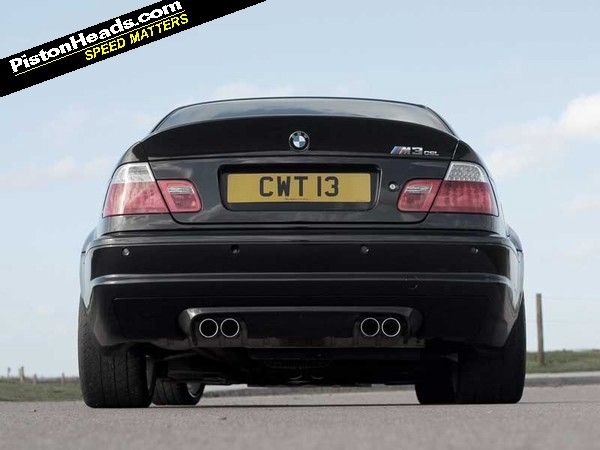
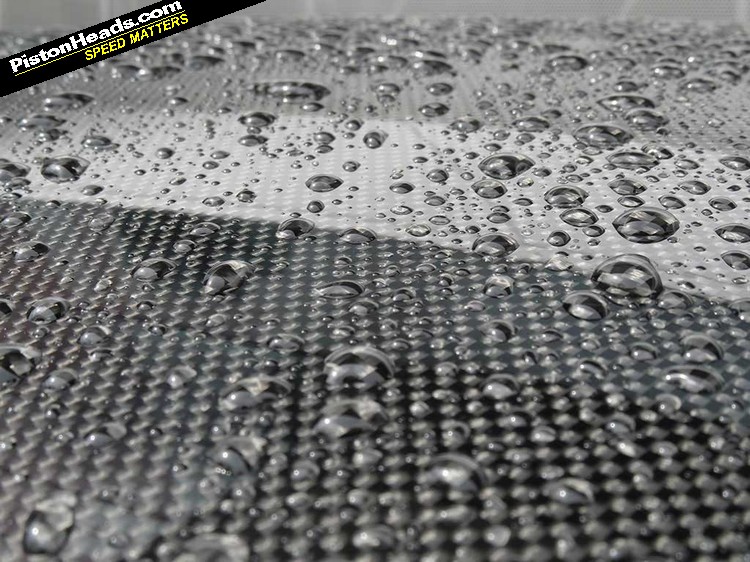
Carbon's everywhere now but the CSL was a pioneer
According to Hans-Bruno Starke – the engineer behind the CSL’s lightweight body and trim parts – “the time was right. The E36 M3 was watched very closely internally by BMW. Everyone looked at its sportiness and it was the danger that the car would become too sporty. The idea was to be more withdrawn politically, and we knew M3 owners would be sad at that. But things changed and that’s why we were so inspired when it came to the E46 CSL, we were allowed to differentiate it more from the standard car – make the wheel arches wider, the chassis more extreme and use carbon fibre parts.”
With the development team given the green light to make the M3 more hardcore, were there certain parameters the CSL had to hit? Yes, and Starke outlines the development goals thus.
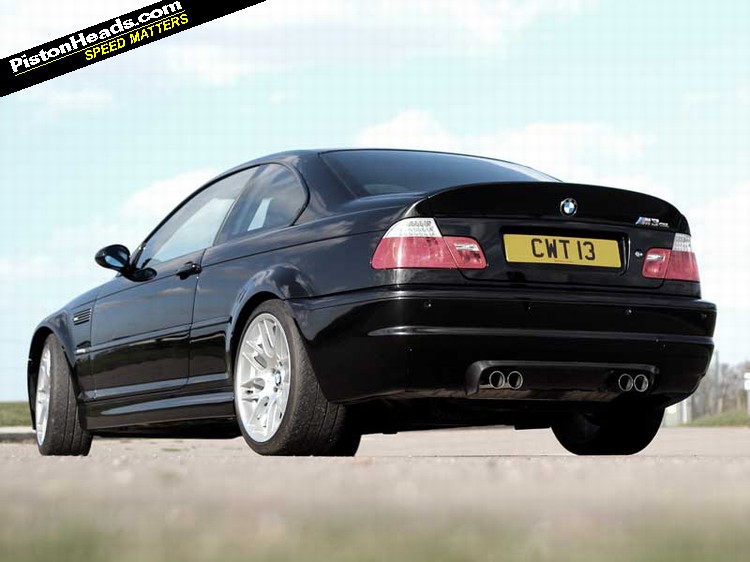
BMW wanted the M3 less extreme ... oops!
“The CSL is a mix of everything. We worked on the aero and chassis design and designed a specific tyre combination. We also employed lightweight design – that’s what we realised with this car. We were able to design parts that had only been in the pipeline in BMW as pre-development items. They made the jump onto the road from the experimental stage.”
So the CSL was effectively a running, working prototype for future BMWs then?
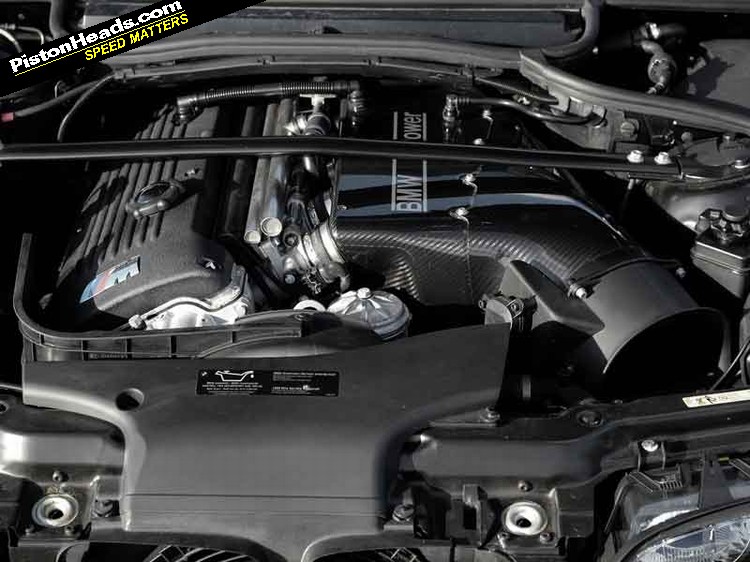
Carbon on the body, and under it too
Composite materials aren’t cheap now, let alone over a decade ago when the car was in development. BMW knew this, hence dipping its toe in the carbon fibre pool with the CSL before making the materials available on more standard M cars.
“There was always a desire to use it [carbon fibre] on other cars. After the project started we proposed these components and the first use had the highest costs – that was the CSL. But once you develop and refine the processes, you find competitive edges when it comes to price, so you can manage to stop the technology costing so much.”
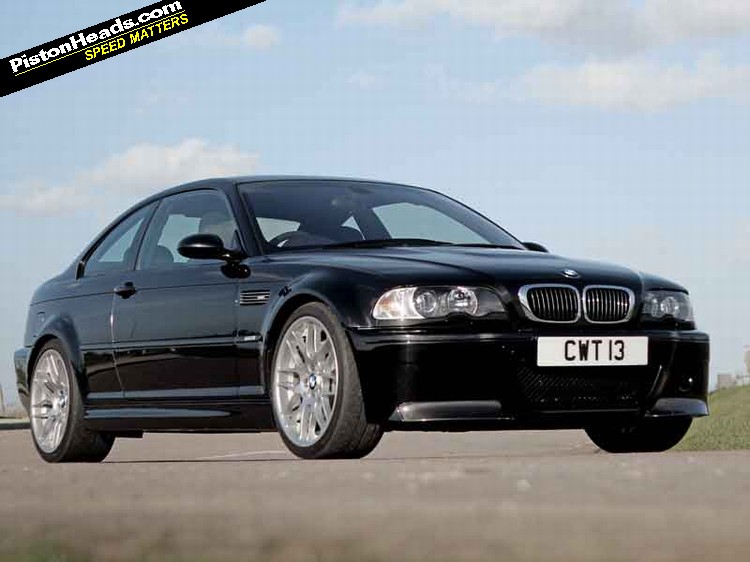
You'll not be wanting to replace that bumper...
“The roof was the first industrial application of carbon fibre and saved around 7kg, lowering the centre of gravity, too. The front bumper is actually a racing car component. It’s a carbon fibre shell that doesn’t use the plastic or aluminium carrier structure of the standard M3. It costs around 4,000 euros.
“The rear window is a thinner pane of glass, but we kept that material to retain refinement. The total weight saving was 110kg [dropping the kerb weight to 1,385kg] and we must have taken around 50kg out of the interior – the door panels and centre console are carbon and the seats save around 25kg.” Looking at the original press pictures of the CSL [pictured] we can see just how lightweight it is.
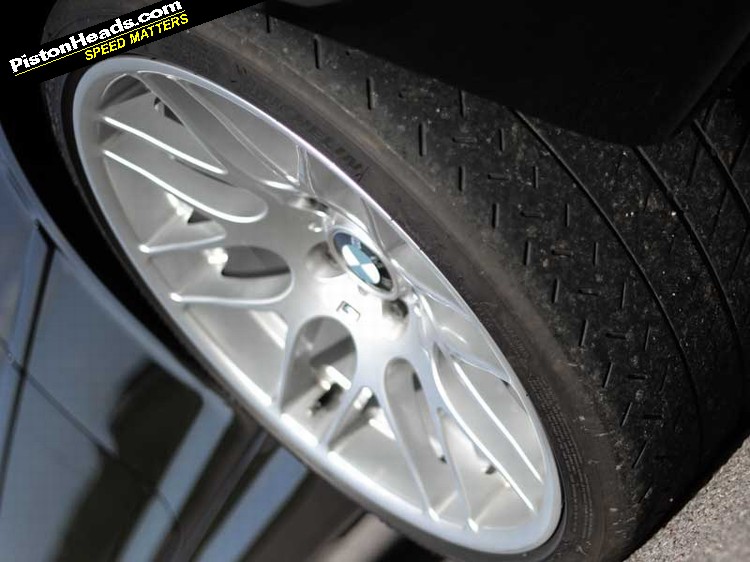
Lighter wheels and stickier tyres part of the package
And the infamous ‘cardboard’ boot floor?
“That was a joke. Did they think it was real? We do have a paper composite used at the bottom of the boot, but that’s the only cardboard I know of…”
The lightweight body and trim parts complimented the chassis. According to Peter Schmidt – the man behind the CSL’s chassis – the wheels are 2kg lighter than the 19-inch E46 M3 wheels, while the lower suspension control arms at the rear are in aluminium.
Without provocation Starke earlier touched on something with modern day relevance – the tie in with BMW’s i sub-brand and its carbon fibre constructed cars. The modern quest for ever more efficient vehicles is being achieved by downsized, forced induction motors and lightweight materials, so will lessons learnt from the CSL onwards and technology and processes from the i cars be utilised in future M products?

Evocative badge, still held dear by M engineers
With the CSL, the lightweight engineering worked, and the M Division boffins achieved their goal. The car lapped the ’ring in 7min50sec. “It’s one of the most emotional M cars of the past,” believes Starke.
For the full transcript of Sean's chat with Hans-Bruno Starke click here.
BMW's released a short video about the 10th anniversary trip to Munich that PH joined - see here.


http://www.basf.de/basf2/html/plastics/englisch/pa...
P.S. I've taken out the rear seat (made by Lear) several times (to carry cup tires to the Ring) and you wouldn't believe how light it was. Believe me, it would not make any noticeable weight difference if it was removed completely.
Only negative in my view was that they weren't available in Laguna Seca Blue, however I'm sure a respray could sort that out. I would probably get shunned by the rest of the CSL community but what can I say? I like LSB....
After I first experienced THAT induction noise, I knew I had to have one and it was a pleasure to own. Was great fun on road and on track ... I even dared to do a trackday at Donnington on a set of 18" slicks which proved great fun but long term would have ensured that most of the bushes were shot!
Although the game has moved on, its still a great package, although I wouldn't like to run one every day like I did back then. They are relatively fragile and as above, you don't really want to be damaging any of those expensive carbon bits.
Only negative in my view was that they weren't available in Laguna Seca Blue, however I'm sure a respray could sort that out. I would probably get shunned by the rest of the CSL community but what can I say? I like LSB....
Agree though tricky choice.
Had a regualr E46 M3 when these were launched and very nearly ordered one. Have never scratched the itch and would love to own one as along term keeper, iconic car for both the looks and sound and will never be repeated.
but it was the car that reinforced my love of the maual gearbox so i can thank it for that

It was only the owners that nudged me towards trading it. Wonder if it's been sold on much since?
Plus I had another normal M3 with a 'CSL" front bumper and steering wheel. No idea those bumpers were so expensive.
Agree though tricky choice.

And a couple at 4* classics for £35k-ish as well.
Only negative in my view was that they weren't available in Laguna Seca Blue, however I'm sure a respray could sort that out. I would probably get shunned by the rest of the CSL community but what can I say? I like LSB....

Gassing Station | General Gassing | Top of Page | What's New | My Stuff