
Fast cars, RIP: PH Blog
The rush to go green nearly killed fast cars; Chris is glad it didn't
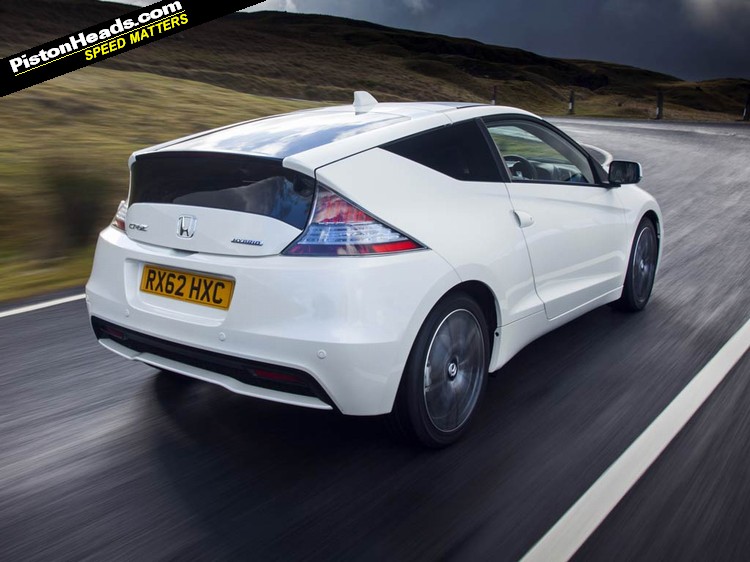
Honda's current line-up hardly inspiring...
I walked around the 2009 Geneva Motor Show in a shocked trance because the industry I thought I knew had completely capitulated. We all knew the global economy was shafted and banks were folding daily, but the immediate reaction of many brands shocked me.
They immediately became afraid of fast cars. Worse than that; they became ashamed of associating themselves with any kind of performance motoring. Every exec I spoke to gave me the same message: the new word was efficiency. There was no place for high performance. I should remember the past few years fondly, they wouldn't be repeated.
This dour sentiment was summarised on the BMW stand. Every car shown was white, almost all were small diesels bearing their efficiency ratings on their coachwork. They looked stashed away under the stairs somewhere. The Ultimate Driving Machine had been reduced to white goods status. It was like Currys, with cars.
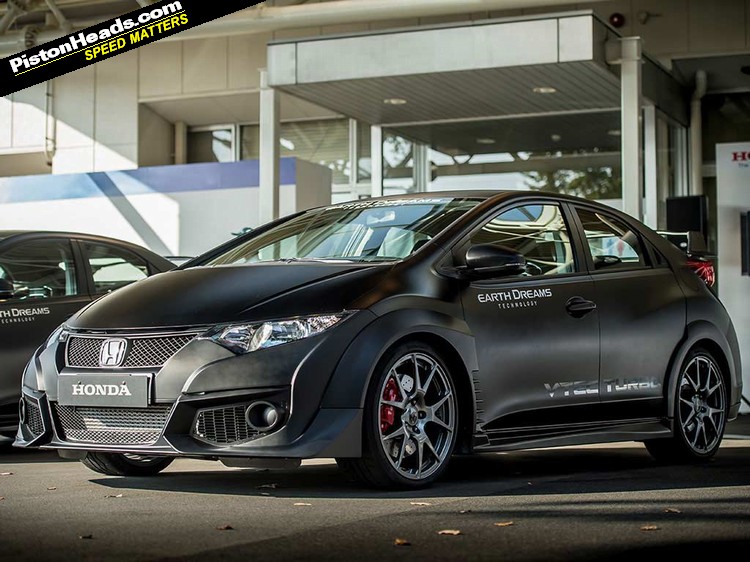
Future looks a little more promising
If you stop making cars people aspire to own, you might as well pack-up and leave, surely?
Players who had always understood the benefit of performance models as marketing tools simply fled the sectors. Honda left F1 and developed the CR-Z as a response to the prevailing market conditions. When was the last time you saw one of those? It also gave is the Insight. The team who placed a bullet cam in the footwell of an NSX-R to record Ayrton Senna's heel'n'toe technique around Suzuka was reduced to the Insight. It was tragic.
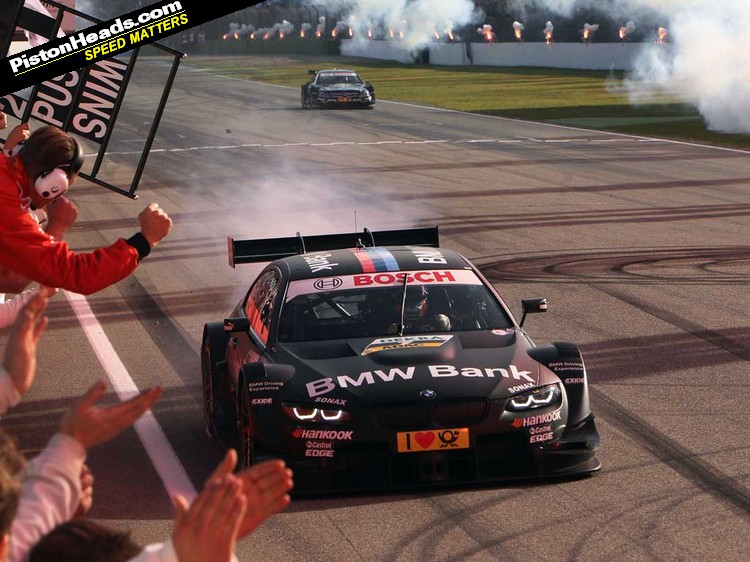
BMW back in Harris's good books with DTM
But it just never came to be, did it? Fast forward to November 2013 and there are more fast cars now than at any time in the past. Kia has just launched a hot hatchback - I suppose that says it all.
Because the best way to sell lots of ordinary cars is to make a fast one and let the rest of the range most actually buy bathe in its glory. It is the simplest marketing strategy of them all, and that the majority of car brands chose to forget it in 2009 should make them all bow their heads in shame.
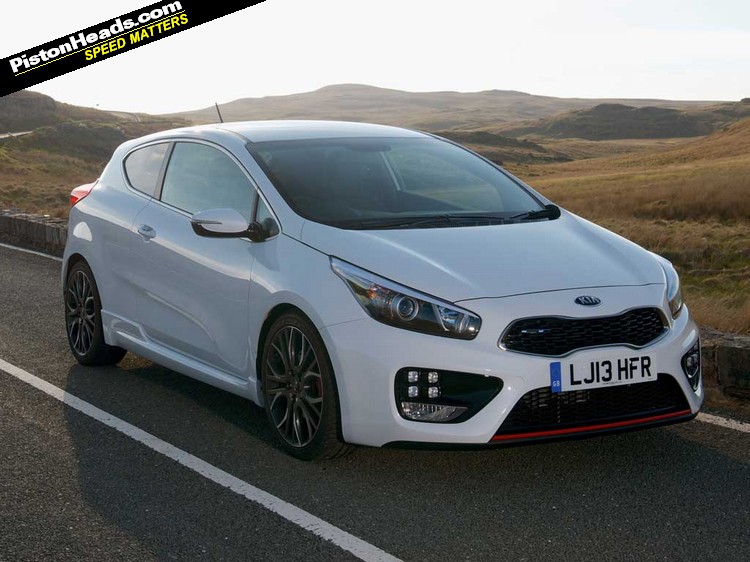
Surely proof everyone wants a fast car...
The great news here is that the post-Lehman manual for automotive profitability now contains an important chapter on maintaining a fast car presence. Those who stuck to their guns did the best. Most of the Germans, Ford - even the government-owned GM - carried on building image and appeal by launching ever-faster cars, and I genuinely believe it has helped them all move back into profitability.
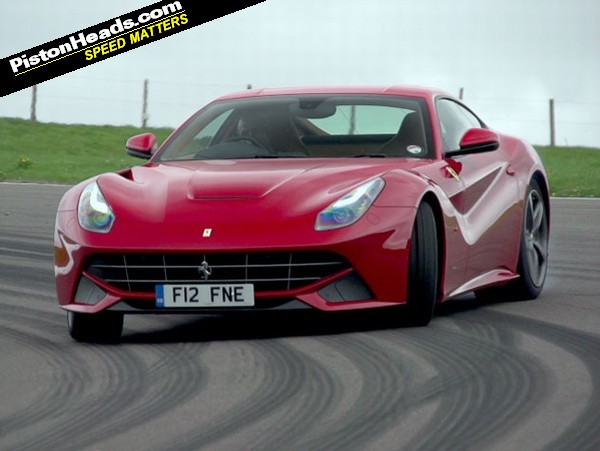
Honda is now desperate to reclaim its sporting heritage. A new NSX is on the way, the pre-launch activity on the Civic Type R is so uncharacteristically in advance of the launch date that you have to assume someone in the marketing hutch has told the press people to get spreading the word that Honda has re-discovered its corporate testicles. Given that the silly CR-Z has quietly been dropped in Europe seems to support this theory.
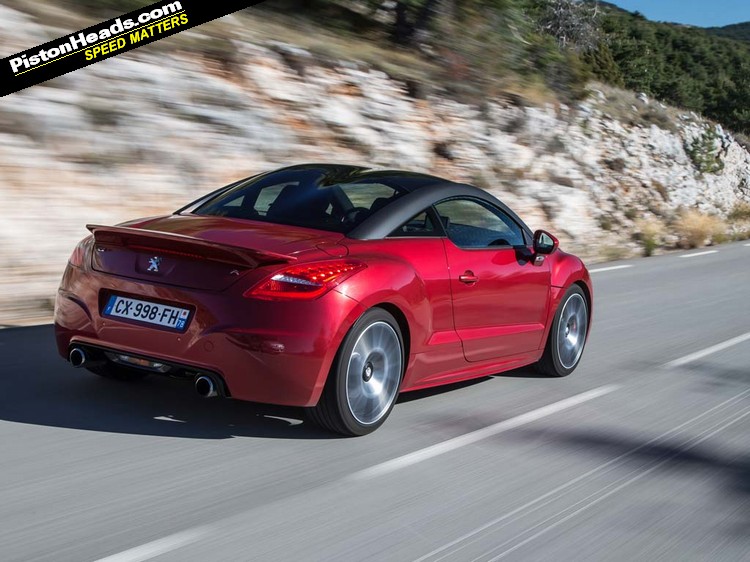
Even Peugeot is back at it!
So I'm happy about all of this. Loads of new fast cars means lots of interesting work for the day job and, most importantly, ample used examples to enjoy a few years down the line. We've never had it so good.
Chris


First thing Organic farming isn't particularly environmentally friendly, it's elitist Greenpeace bulls
 t.
t. Frankly Greenpeace people are not interested in solving technological problems. It seems they want half the worlds population to die and all of us to go back to the stone age. Not a solution.
Global Warming exists this is a fact. Greenpeace are idiots this is also a fact. Environmental legislation is driving the reduction of pollutants, with Direct Injection Spark Ignition engines you might in the near future start to see even more complicated fuel injection systems. Volvo has already gone down this route. The scary thing is you might see Particulate filters on Petrol cars.
The way mpg co2 nox etc are measured is going to change soon with a different world wide drive cycle and also the possibility of a 5% percentile part of aggressive driving going on. This means high performance vehicles will have to meet certain requirements at their peak powers.
Everything is heading to hybridisation (which everyone should know by now doesn't always mean ecoweenie and can be used for performance if not you're an idiot no one can help you).
Fast Cars won't ever die as long as petrol heads are still working at companies it'll just be their setup. Expect turbocharged 4 cylinder hybrids. Volvo with their concept coupe is probably the mostly likely setup you will see. 400hp decent fuel economy, great emissions (which is the main problem).
Though I have a sneaky suspicion that the 5% thing will enable larger displacement engines to still exist due to their efficiency.
 .
.http://www.youtube.com/watch?v=a74uarqap2E
He was murdered and his technology was supressed but luckily there are people working to recreate it. Imagine not feeling guilty about driving huge noisy V8, V10, V12s etc. and without the need for catalytic converters!!!!
That's my kind of green energy!
More info here:
http://peswiki.com/index.php/Directory:Water_as_Fu...
http://www.youtube.com/watch?v=a74uarqap2E
He was murdered and or his technology was supressed but luckily there are people working to recreate it. Imagine not feeling guilty about driving huge noisy V8, V10, V12s etc. without guilt and without the need for catalytic converters!!!!
That's my kind of green energy!
More info here:
http://peswiki.com/index.php/Directory:Water_as_Fu...
http://www.aardvark.co.nz/stanley_meyer.shtml
t..http://www.aardvark.co.nz/stanley_meyer.shtml
http://www.aardvark.co.nz/stanley_meyer.shtml
If you actually understood thermodynamics you'd understand why it can't work.
http://en.wikipedia.org/wiki/Stanley_Meyer's_water...
Meyer's claims about his "Water Fuel Cell" and the car that it powered were found to be fraudulent by an Ohio court in 1996
But like i said everyone wants more, wey're never satisfied and its a throwaway culture that's gonna take a long time to go if ever. While i don't like what manufacturers are feeding us its our own fault. Finance as well plays its part something like 86% of cars sold now are on finance. Allowing manufacturers to invest more dosh in each car making them more expensive.
Gassing Station | General Gassing | Top of Page | What's New | My Stuff