RE: Dramatically lighter cars coming
Wednesday 12th March 2014

Dramatically lighter cars coming

Next-gen cars will drop a class-size in weight, senior engineers tell us



In news that'll gladden the hearts of PistonHeaders, we've been told twice now by senior engineers for global car companies that the next generation of cars will shed weight to the point they're as light as the current class below.

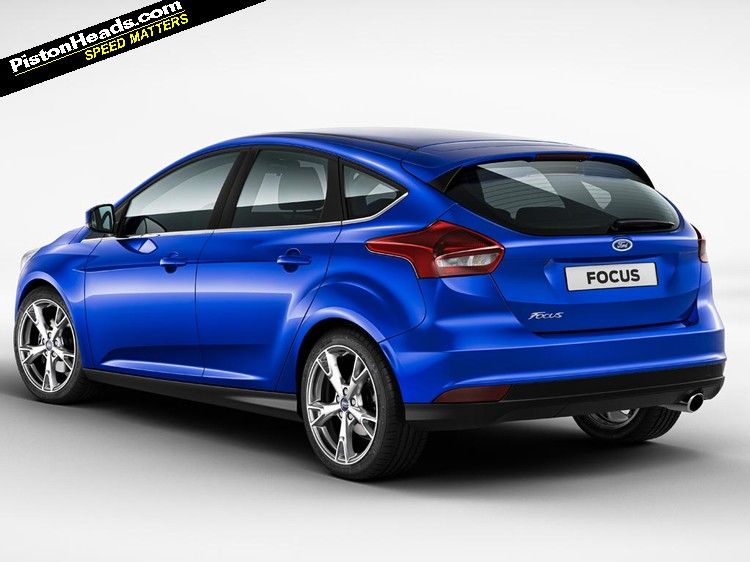
A 200kg lighter Focus? Sounds good
So for example the next-generation Focus could weigh as much as a current Fiesta, which means a weight loss of over 200kg. We used Ford as an example because it was that company's head of advanced research in Europe, Pim van der Jagt, who first alerted us to this. "Our clear target is that vehicles go down one weight class," he told us back in February, explaining that a radical diet is essential if car companies are to meet the tough CO2 targets of a 95g/km average by 2021.

And Nissan is another doggedly trying to cut weight to the same class-below target, a goal the company's chief marketability engineer Jerry Hardcastle described to us as a "challenge".

The problem is that exotic weight saving materials like carbon fibre are too expensive, largely because car companies have so much invested in that evergreen construction material of choice: steel. As an example, the presses that stamp out steel body parts for the Land Rover Freelander and Range Rover Evoque up in Halewood, near Liverpool, are the same ones that first stamped out doors etc for the Ford Anglia built in the plant in the 1960s!
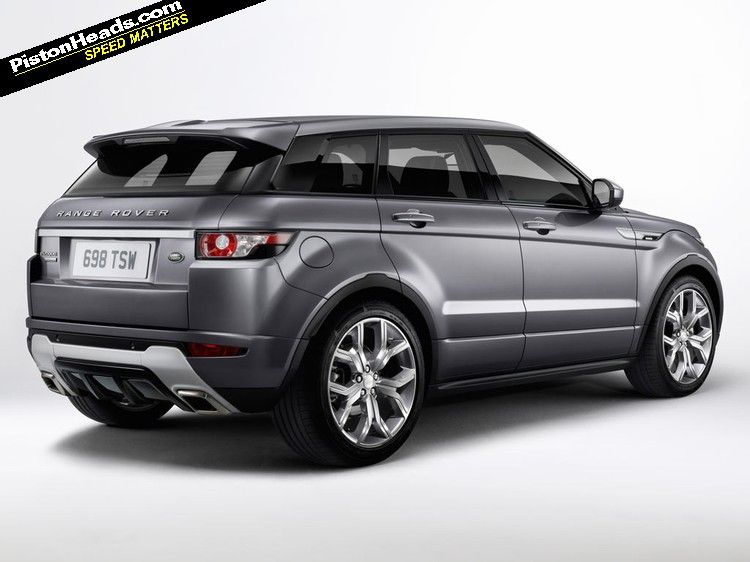
What's shared with a Ford Anglia? Read on!
Van der Jagt at Ford wants more aluminium used to make parts like the bonnet but says the company can't make a wholesale shift to that lighter metal for chassis structures in the way a smaller company like Jaguar Land Rover has done because if the most volatile aluminium prices shot through the roof, then Ford could be wiped out given the millions of cars it produces.

One company already on the advanced diet is Citroen with the new Cactus, a Focus-sized car with the weight of a small supermini at just 965kg for the lightest version. That uses aluminium in parts like the bonnet, as well as making small savings here and there such as the 6kg lost in using a non-split bench rear seat and the 11kg saved going with pop-out rear windows in place of electric winders.

The top speed has also been cut to 118mph so they don't need to engineer the car toachieve speeds only a handful of owners will ever reach, but Hardcastle at Nissan is reluctant to remove any of the performance gains made over the years. "Reduce speed and you reduce acceptability in the market, Customers aren't asking for slower speeds," he told us.

Citroen must be banking on some buyers at least not really caring because the base Cactus engine will be a 1.0-litre turbo petrol making 82hp. Either way, manufacturers are now tackling the bloat with a determination not previously seen outside of motorsport, and that can only be good news for drivers.

Author
Discussion

Oddball RS

Original Poster:

1,757 posts

247 months

Wednesday 12th March 2014
quotequote all
Shock horror, motor trade wakes up...............

Oddball RS

Original Poster:

1,757 posts

247 months

Wednesday 12th March 2014
quotequote all
The problem is that exotic weight saving materials like carbon fibre are too expensive, largely because car companies have so much invested in that evergreen construction material of choice: steel. As an example, the presses that stamp out steel body parts for the Land Rover Freelander and Range Rover Evoque up in Halewood, near Liverpool, are the same ones that first stamped out doors etc for the Ford Anglia built in the plant in the 1960s!

And you are still paying for them....................

Captain Muppet

8,540 posts

294 months

Wednesday 12th March 2014
quotequote all
Oddball RS said:
Shock horror, motor trade wakes up...............
The "motor trade" are the people in shiny suits that sell you a car. This is OEMs engineering lighter cars without losing important features in order to avoid massive emissions based fines without losing customers who clearly don't care about weight or emissions.

It's a side effect of those meddling EU rgulations that everyone hates.

Blackpuddin

19,405 posts

234 months

Wednesday 12th March 2014
quotequote all
I'm not sure this is such good news for drivers tbh. It suits manufacturers to let people think lower weight = better handling, and the journalists have been unwittingly or otherwise playing along with this by reporting positively from smooth-racetrack-based press launches, but in truth lower weight is being forced on the carmakers by legislation and I don't think I'm alone in noticing the reduction in ride and noise quality that is resulting from it. Certainly in terms of mainstream cars the one 'con' in almost all of them is an over-hard ride. Not convinced that contemporary suspension has kept pace with this weight reducing development. It needs to be better calibrated or at the very least (dare it be said) softer IMO. Rock-hard rides aren't always (or even often) appropriate for mainstream/family cars.

goron59

397 posts

200 months

Wednesday 12th March 2014
quotequote all
Many family cars could drop a class in weight if the occupants ate fewer pies and cleared out the crap from the boot a bit more often

LuS1fer

43,503 posts

274 months

Wednesday 12th March 2014
quotequote all
If I'm honest, apart from the Mustang, I can't recall the last time I exceeded 110mph. We may not be asking for slower cars but I don't really consider 118 to be slow.

We also managed just fine, in the old days, without air con and with rear windows on locking latches.

kambites

71,458 posts

250 months

Wednesday 12th March 2014
quotequote all
Blackpuddin said:
I'm not sure this is such good news for drivers tbh. It suits manufacturers to let people think lower weight = better handling, and the journalists have been unwittingly or otherwise playing along with this by reporting positively from smooth-racetrack-based press launches, but in truth lower weight is being forced on the carmakers by legislation and I don't think I'm alone in noticing the reduction in ride and noise quality that is resulting from it. Certainly in terms of mainstream cars the one 'con' in almost all of them is an over-hard ride. Not convinced that contemporary suspension has kept pace with this weight reducing development. It needs to be better calibrated or at the very least (dare it be said) softer IMO. Rock-hard rides aren't always (or even often) appropriate for mainstream/family cars.
There's certainly an element of truth to this. Being light allows a car to drive well but it doesn't cause it to drive well.

There's no particular reason that a light car should ride worse than a heavy one if you know what its laden mass is going to be, but the lighter the car, the greater the proportional variation in weight due to passengers and luggage, which presumably leads to more compromised suspension setups. It's also cheaper to cut weight from the sprung mass than the unsprung, which greatly compromises both ride and handling.

If a light car is set up properly, it can be fabulous to drive. However, since manufacturers have been miserably failing to set their heavy cars up properly, I see no reason to believe they will do so with lighter ones either.


Still, I'd say it's a good thing. Lower weight means better a better fuel economy for a given performance and/or better performance for a given fuel economy. It also means less wear on things like tyres and brakes.

Edited by kambites on Wednesday 12th March 10:27

Mermaid

21,492 posts

200 months

Wednesday 12th March 2014
quotequote all

Audi A2 - way ahead.

GravelBen

16,491 posts

259 months

Wednesday 12th March 2014
quotequote all
PH said:
...so they don't need engineer the car achieve speeds only a handful of owners will ever reach...
Good England speaked grammatical! hehe

On a more serious note, its about time! Mazda have been working on the idea for a while too, there is some interesting reading about their 'gram strategy'.

Beefmeister

16,482 posts

259 months

Wednesday 12th March 2014
quotequote all
For general family cars like these I see no harm in them topping out at 100mph. In our Yeti I don't think I've ever gone over 100, mainly because 99% of the time my daughter is in the back.

The Cactus is the first bit of truly innovative thinking to come out off the segment in many years.

eybic

9,212 posts

203 months

Wednesday 12th March 2014
quotequote all
LuS1fer said:
We also managed just fine, in the old days, without air con and with rear windows on locking latches.
We also managed "fine" with starting handles and manual chokes etc...

goron59

397 posts

200 months

Wednesday 12th March 2014
quotequote all
Mermaid said:
Audi A2 - way ahead.
Truly

kambites

71,458 posts

250 months

Wednesday 12th March 2014
quotequote all
eybic said:
LuS1fer said:
We also managed just fine, in the old days, without air con and with rear windows on locking latches.
We also managed "fine" with starting handles and manual chokes etc...
And with vastly less efficient, less reliable, more rust-prone cars in general. There is no denying that cars have got better than their primary purpose, even if they have been held back by some slightly dubious fashion trends and daft safety rules.

If I wanted to pick a car to get me and some other people/stuff from A to B as easily as possible, there's no doubting that I'd pick something new or at least newish. That isn't usually my primary concern when buying cars though. driving

dukebox9reg

1,720 posts

177 months

Wednesday 12th March 2014
quotequote all
Well its already happening. Look at the new MBQ platform. My old mk2 Leon 140 diesel sport DSG weighed the best part of 1600kg. The mk3 weighs 1250kg.

The new C4 Picasso ive got is a big car and only weighs 1290kg which means even though its got a piddly 1.6 diesel with 115bhp its actually quite nippy.

Engineer1

10,486 posts

238 months

Wednesday 12th March 2014
quotequote all
The A2 is an awesome design it's a shame Audi misjudged the market then went bland again

arkenphel

484 posts

234 months

Wednesday 12th March 2014
quotequote all
goron59 said:
Many family cars could drop a class in weight if the occupants ate fewer pies and cleared out the crap from the boot a bit more often
Is that a euphemism for having a poo? wink

Terminator X

20,540 posts

233 months

Wednesday 12th March 2014
quotequote all
Good to hear about weight loss at last but it seems to be at the expense of having to drive around in nasty 3 or 4 pot small engined turbo's nono

TX.

bnracing

90 posts

203 months

Wednesday 12th March 2014
quotequote all
The first place they need to look is at all the cr4p they stuff in cars these days. Have we really become so lazy that we can't wind down a window. We are now unable to move a car seat with a simple lever. Cars are full of so much stuff and motors no wonder they are 500kg heavier than the equivalent car built in the 80's.
The car industry is not going to make any big gains in weight saving without a back to basics approach. We need technology that makes the cars safer, more economical and of course faster. Not technology that makes us lazy and makes life that little bit easier for us.

MiseryStreak

2,929 posts

236 months

Wednesday 12th March 2014
quotequote all
LuS1fer said:
If I'm honest, apart from the Mustang, I can't recall the last time I exceeded 110mph. We may not be asking for slower cars but I don't really consider 118 to be slow.

We also managed just fine, in the old days, without air con and with rear windows on locking latches.
Quite, I have owned five cars now that have never seen that speed despite being capable of it, purely because I have not taken them on track. I imagine 99% of the driving population will never exceed 110mph anywhere. Acceleration up to 70 being acceptable should be the only concern when developing an economical family hatchback. Kerb weights, unsprung weights, tyre costs, insurance costs, it can all come down if top speeds were limited on non-performance cars.

shirt

25,392 posts

230 months

Wednesday 12th March 2014
quotequote all
"The problem is that exotic weight saving materials like carbon fibre are too expensive, largely because car companies have so much invested in that evergreen construction material of choice: steel"

exotic materials are not required. about 10yrs ago an ultra light steel auto project was funded by a consortium of european steelmakers. porsche did the engineering for the body and closures, and lotus did the same for suspension. the steelmakers themselves looked for manufacturing techniques to support the engineering output.

on the case of ULSAB [http://www.worldautosteel.org/projects/ulsab/] Corus [now Tata Steel] developed differential rolling techniques so that the eentres of steel panels could be made thinner than the edge. they also developed the hydroforming process.

steel is endlessly recyclable. composites are not the way to go imvho.