
Allan McNish: PH Meets
Audi's new ambassador on his first Le Mans post retirement, new drivers and new regulations
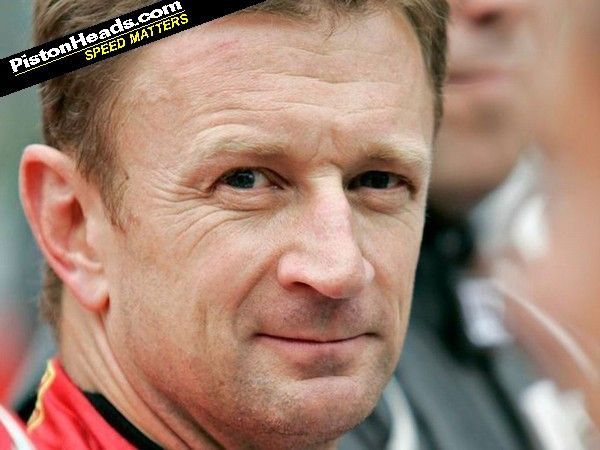
But many PHers questioned what his next move would be, with some wondering if he'd be joining Mark Webber for Porsche's return to Le Mans - while others speculated about whether the next Stig would be Scottish.
While we can't confirm or deny the latter, we can tell you that (for now at least) McNish is sticking with Audi to work as an ambassador for the team, as well as act as the Grand Marshal behind the wheel of the pace car for this year's race. Part of McNish's job is to speak to the media, something he's always been good at, so we picked up the phone for a brief chinwag ahead of the 2014 Le Mans 24 Hour race.
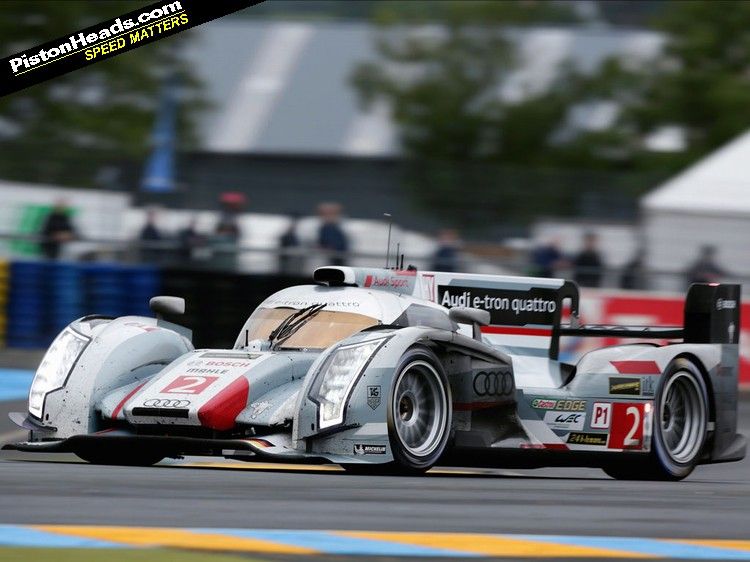
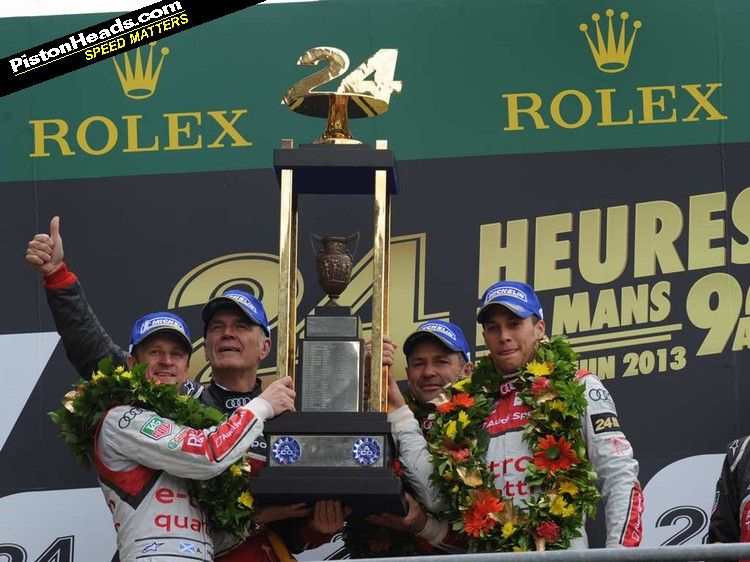
McNish bagged his third Le Mans win last year
"I think there's an element of strangeness when you've been doing something as long as I have. It's not been strange so far though. It's not been strange for the other races.
"I'm not at all desperate to get behind the wheel. When you are driving, the only bit of the race you enjoy is the podium. But that doesn't mean I'm going to have much time for relaxing and enjoying the race this year - I'm officially the Grand Marshal, and I'll be doing lots with Audi Sport."
Has Audi got what it takes to win this year?
"Audi's always in with a shot of winning, but it's going to be tough. This year reminds me of 2008. In 2008 we went to Le Mans with a three-second per lap deficit to the Peugeots. We knew we had some advantages - we could cope with rain and bad conditions better than Peugeot, and we knew we were faster in pit stops, mainly down to better training. It was all down to the last 15 minutes.
"As for Toyota... well, they've done very well in the other races, but Le Mans is a different animal. You need a car that is reliable, and a team that can deliver results. I know that Audi has both."
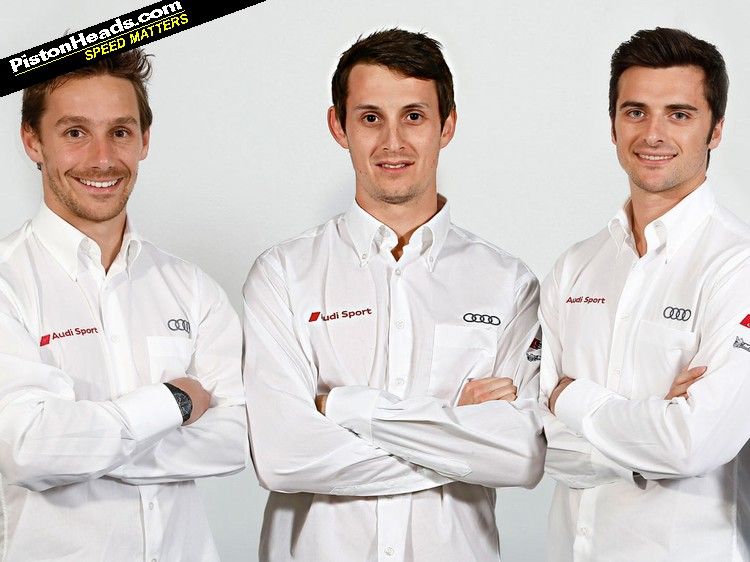
No pressure lads, but McNish is watching you
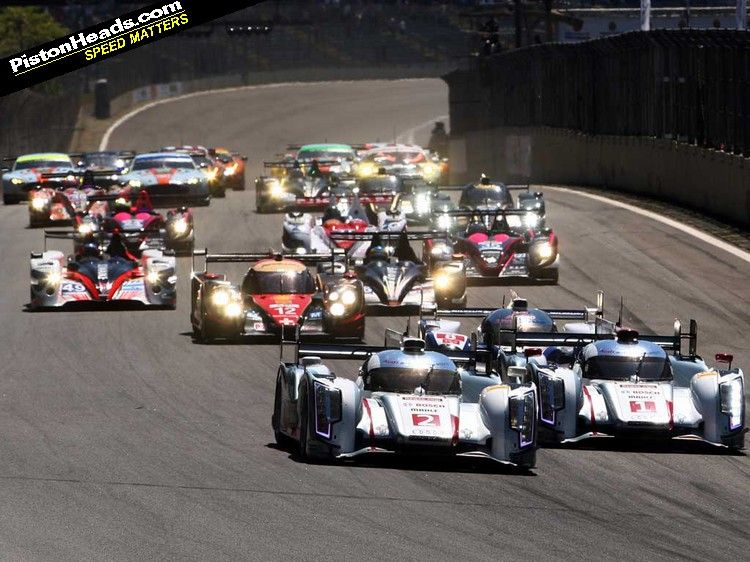
"I don't think I really need to offer any tips to this year's drivers. I've been asked to keep an eye on car number three. It's the one with the least experienced drivers... Filipe Albuquerque is completely new to Le Mans, while Marco Bonanomi and Oliver Jarvis have only a handful of Le Mans races between them."
Will the new regulations [based on overall energy usage per lap] be a challenge for drivers?
"The new regulations almost go against your instincts as a racing driver. Your focus is not just on the lap time, it's on the fuel energy usage. A lot of it is optimised by computer, but a lot of it is optimised by driver. The drivers have to be aware of this, ultimately you will encounter strict time penalties if you go over your energy use for three laps.
"I think its the way motorsport has to go. Le Mans has always reflected what's happening in the real world, so it'd be wrong not to cap energy usage."
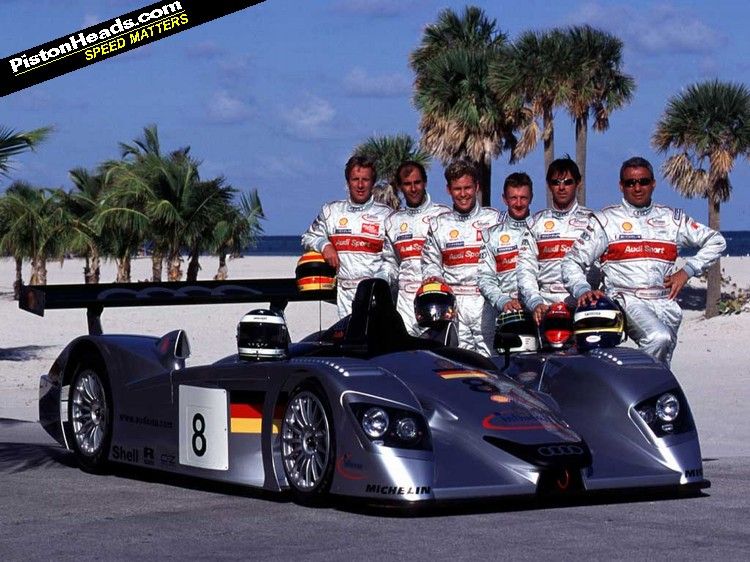
Back in the ALMS early days
"It always has been and always will be. It's got an open rule book. Even back in the 60s it was seen as a very strong marketing tool. Look at Ford with its GT40. It's the only car ever built entirely in the USA to win Le Mans, and it's still selling cars for Ford today.
"But also the technology gets transferred straight to road cars. From the lights [fog lights and halogen lights both made their debut at Le Mans] to weight-saving measures. Even wipers and seatbelts were first seen on Le Mans cars. And the laser lights on this year's Audis will make it onto road cars straight away.
"There's also the efficiency of cars. I'm not just talking about hybrids - but also the amount of fuel used per horsepower. We're seeing road cars with more power from less fuel, which corresponds with the new regulations."
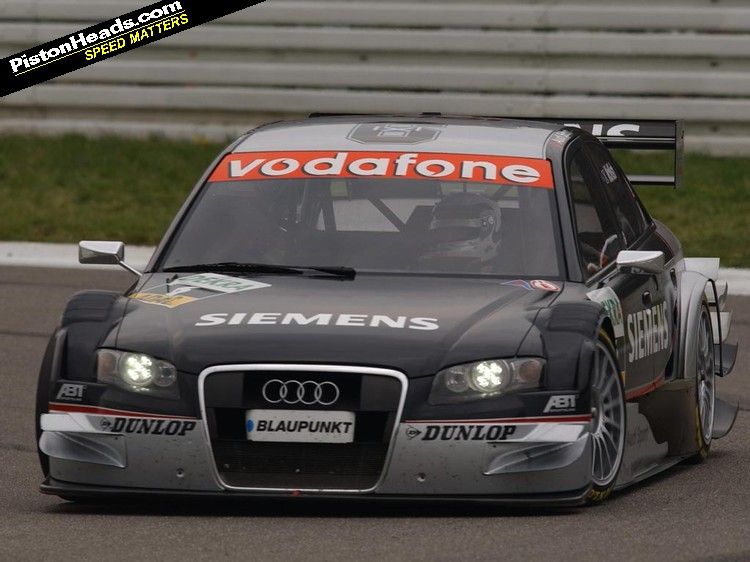
And it hasn't all been sports cars with Audi...
"That's simple, I would trust my instincts at an earlier age. Both on track - obviously, you have to trust your instincts as a racing driver - but also off track."
[Pics: LAT]
 |
 |
 |
 |


Gassing Station | General Gassing | Top of Page | What's New | My Stuff