
New Volvo turbo engine details
Two litres, two turbos, a 'turbo-compressor' and 450hp; Volvo's take on downsizing sounds good to us

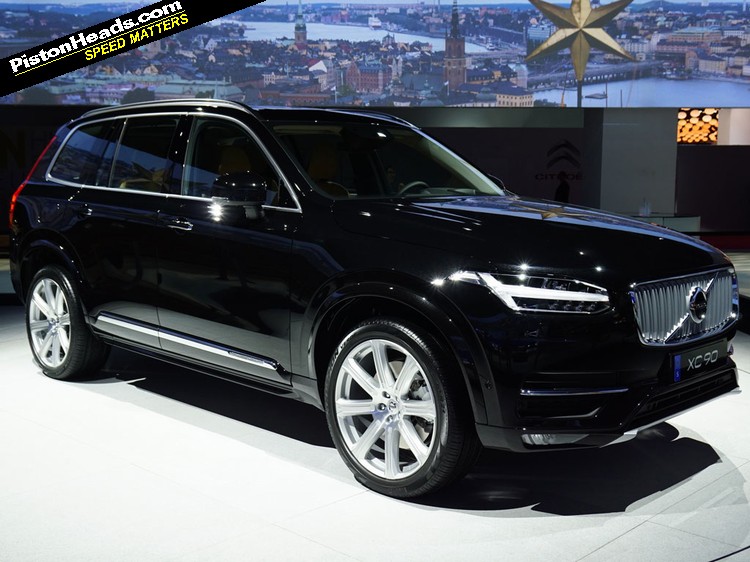
Downsized fours for new SUVs like XC90
Both Polestar and Denso have been involved in the development of the High Performance Drive-E engine. Mattias Evensson is Polestar's Race Engine Director and said of the new triple boost motor: "This was a very exciting project as we pioneered a combination of technologies in the same application, and the result is a quite unique engine with its high power yet quick response."
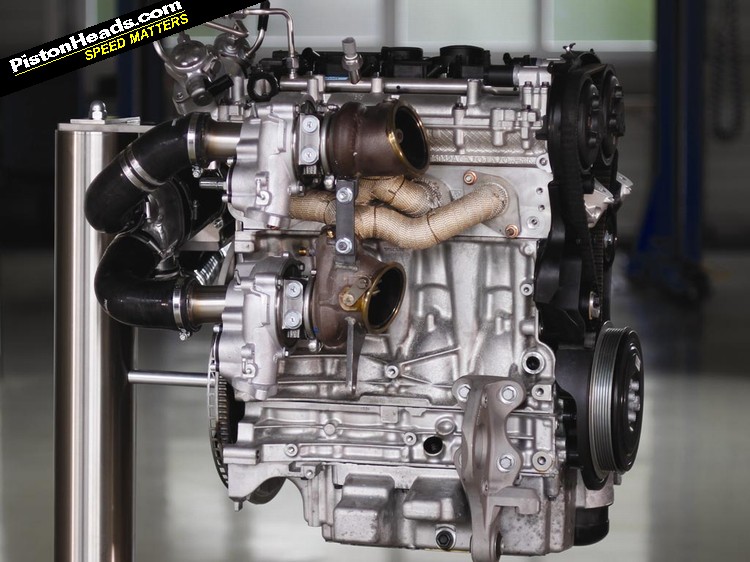
Potential for 225hp per litre Polestars interesting...
The entire Drive-E engine project is there to reduce emissions but it's nice to see Volvo hasn't entirely forgotten the enthusiast in this. Where will it be used? Who knows, but a more powerful V60 Polestar to take on the Audi RS4 and Mercedes C63 sounds like a good idea to us.
Geeky but interesting Volvo tech vid here


Also interesting to see these electronic turbo spoolers entering mainstream production.
Very happy that these 'eco' engines are being pushed towards the performance side of things.
Eta
I wonder what an elise/exige would be like with one of these and a few tweaks.
500bhp with a simple remap anyone?
 But yes.
Would like to see a dyno plot of this engine... when does the boost come in, how much are they running, where does the torque and power peak?
Would be very interested to learn how they use the e-compressor, i.e. does the compressor feed air into the exhaust turbine, if so you could have some pretty, shall we say, 'dynamic' exhaust events (thinking lots of noise and flame here). It's essentially a more refined and importantly fuel efficient anti lag system you used to see in the WRC in the 90's.
The car in the video sounds fantastic too.
Does anyone make Gasoline VGTs reliably? I thought gas temps were too high for them to be reliable. Two turbos also allows you to reject more heat. (at this sort of power density and whilst trying to be 'eco' that'd be a real challenge).
I'd be interested to know if you can run the e-turbo to drive the conventional turbos and achieve big scavenging, by creating negative pressure pre-turbo in the exhaust manifold?
Does anyone make Gasoline VGTs reliably? I thought gas temps were too high for them to be reliable. Two turbos also allows you to reject more heat. (at this sort of power density and whilst trying to be 'eco' that'd be a real challenge).
I'd be interested to know if you can run the e-turbo to drive the conventional turbos and achieve big scavenging, by creating negative pressure pre-turbo in the exhaust manifold?
Not taken off elsewhere though - I would assume it comes entirely down to cost. Charging 100k+ for a car affords you some more pricey components...
Sounds like a good idea (and about time someone tried this
 ). There will still be some lag, but I think it'll be so small that all is forgiven when the boost arrives.
Would think the two smaller turbos rather than one big one is intended to give lower rotating inertia, less lag. The third compressor reduces lag but it would have to overcome the inertia either way, with less inertia there's less for it to do so they accelerate faster. Or something like that?
I do hope that we finally see some flavour of e-charger make it to market at long last and if Volvo are the ones to do it, it'll be good. They may not make the most dynamic cars but their engines are smashing (for boosted engines).
Would be very interested to learn how they use the e-compressor, i.e. does the compressor feed air into the exhaust turbine, if so you could have some pretty, shall we say, 'dynamic' exhaust events (thinking lots of noise and flame here). It's essentially a more refined and importantly fuel efficient anti lag system you used to see in the WRC in the 90's.
The car in the video sounds fantastic too.
This system will just blow air in to increase the relative airflow through the turbine to spin up the turbo quicker - presumably on partial throttle, and the fuel cut parameters in the engine mapping will mean there is no fuel around for the fireworks

Gassing Station | General Gassing | Top of Page | What's New | My Stuff