
Government slashes plug-in car grant - again
Pondering an entry-level electric car? Well, you'll be paying a grand more for it
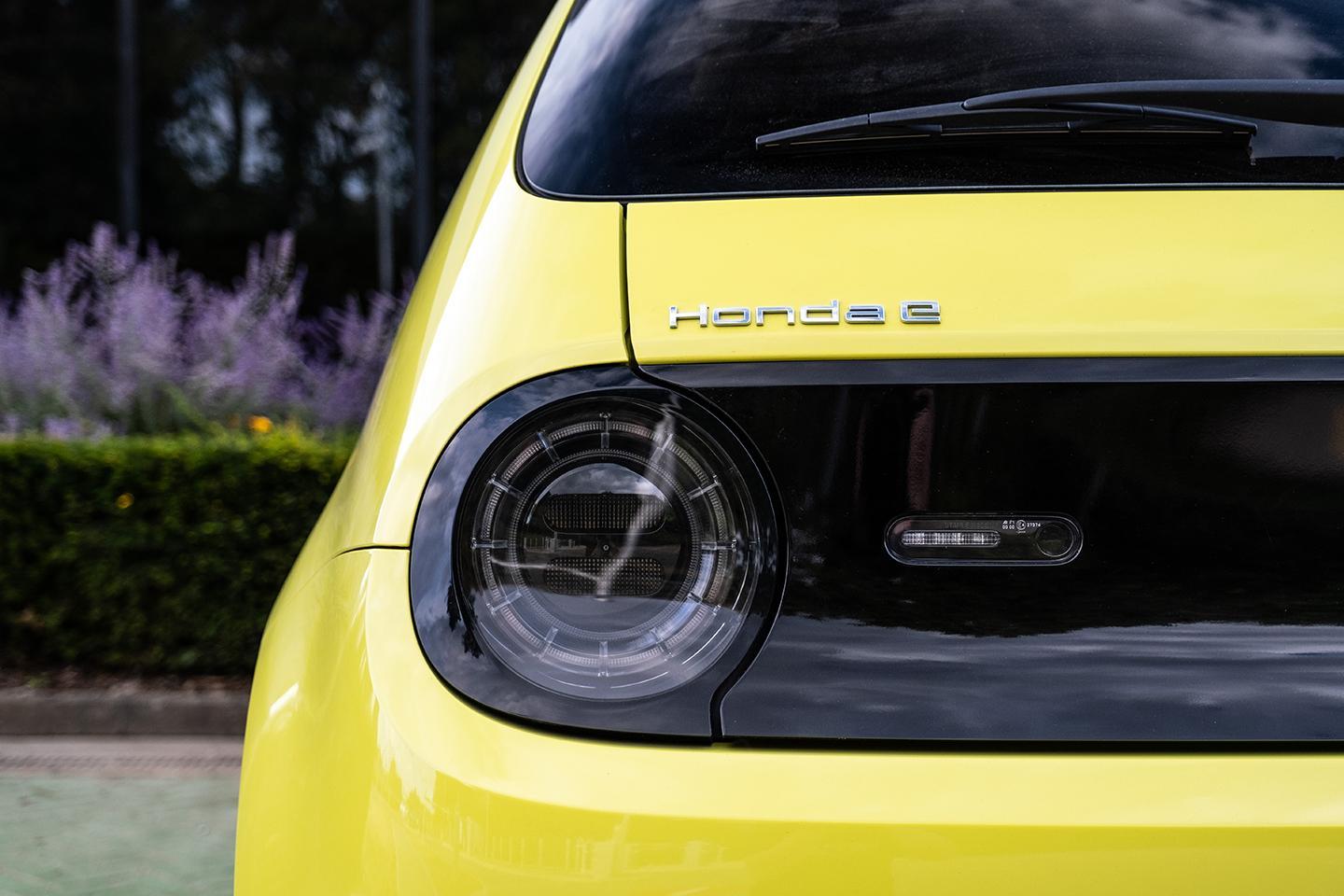
The Government's Plug-in Car Grant (PiCG) has been tweaked for the second time this year. As you would expect, the change isn't a positive one for anyone thinking of splashing out on a new EV. When the PiCG was introduced in 2010, it offered a £3,500 grant on every new electric car (EV) sold. Later that was reduced to £3,000 with a £50,000 cap, and in March 2021 it went down to £2,500 with a £35,000 limit. Now it's just £1,500 with a £32,000 limit.
In her statement to the House of Commons, under-secretary of state for transport, Trudy Harrison, said "it is right that we seek to focus the grants, which are funded by the taxpayer, on the areas where they will have the most impact and where the market still needs government support."
According to the Government's figures, over £1.5 billion has been spent on the PiCG scheme since its inception. Last year, it announced a further £582 million to fund the scheme until 2023 - it says that remains in place. The funding has worked, because there are now over half-a-million EVs on the UK's roads, with more than 150,000 sold this year to date. It means that 1 in 10 new cars sold in the UK is now an EV.
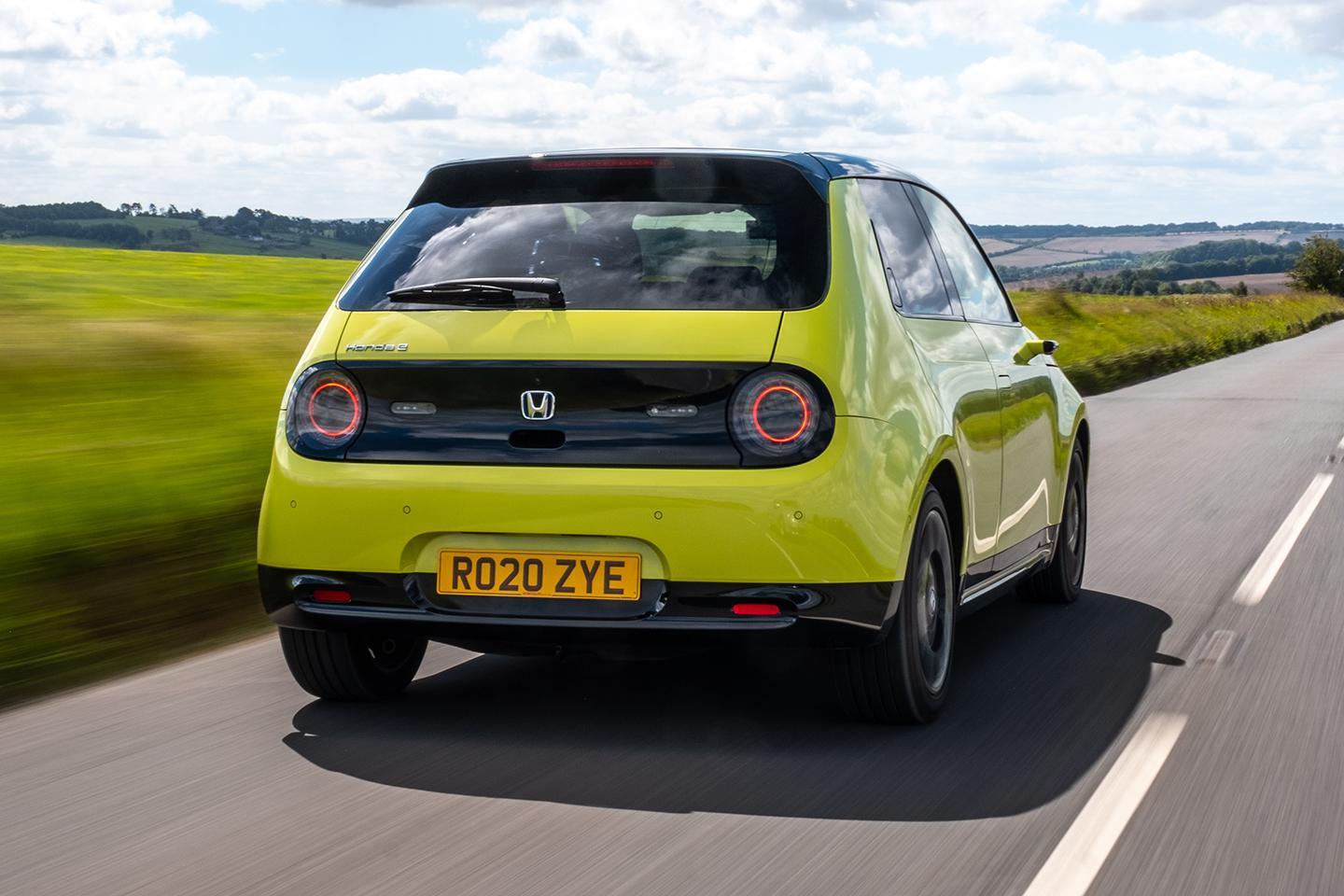
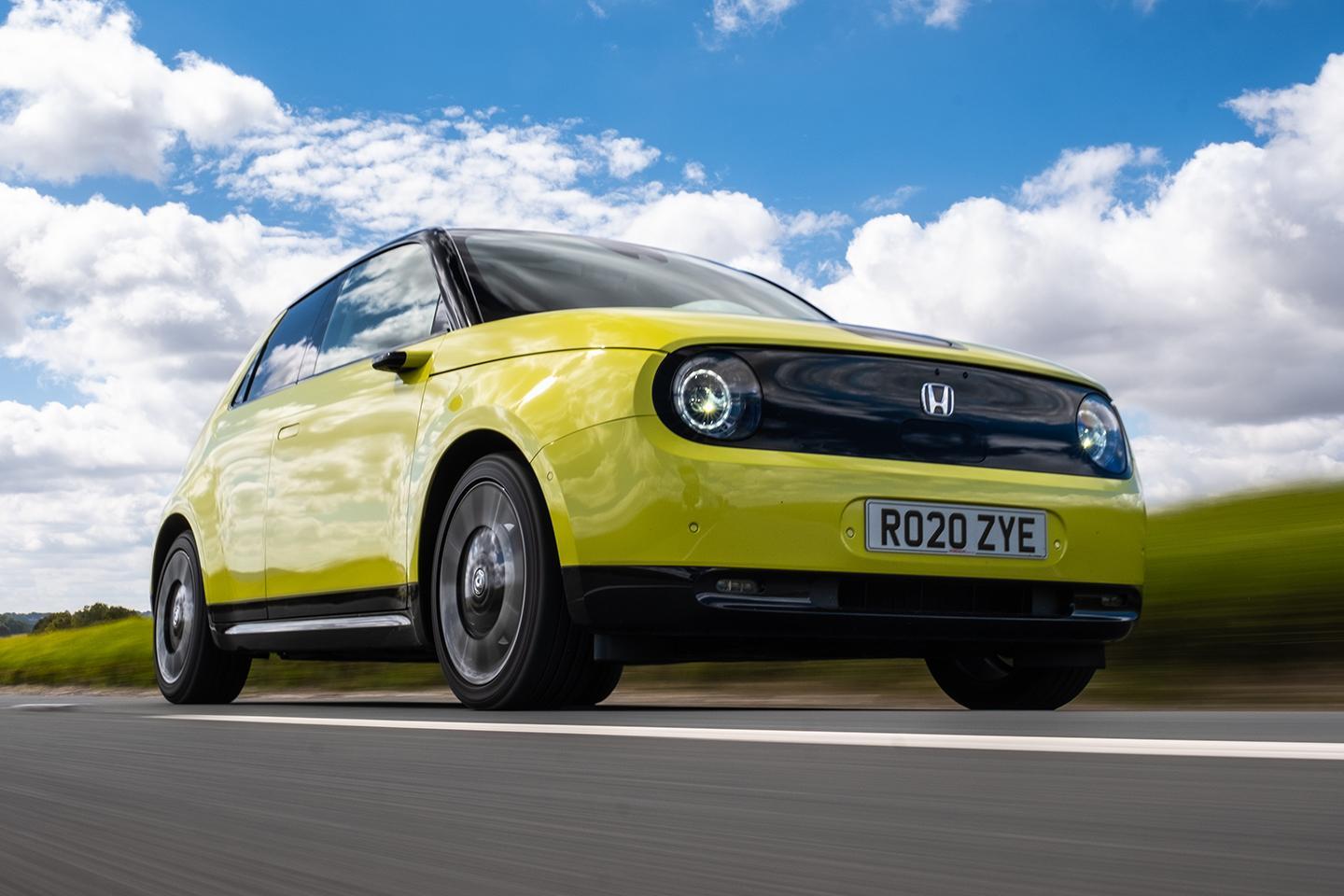
Question is, will that continue with the reduced grant and the restricted list of cars that now qualify for it? A quick round-up of the EVs available for £32,000 or less includes: Honda-e, Mazda MX-30, MG 5 and ZS, Mini Electric, Nissan Leaf, Peugeot e-208, Renault Zoe, Vauxhall Corsa Electric, Seat Mii, Smart ForTwo and ForFour, and the Volkswagen Up Electric. Many of those cars only offer a modest range compared to larger, pricier stuff - more than one will struggle to do 100 miles in the real world.
Wheelchair accessible vehicles are still being supported with the £2,500 grant for vehicles less than £35,000. Small vans will also receive £2,500, and large vans £5,000 - this is restricted to a maximum of 1,000 grants per business per year. There will be no changes for small or large trucks, which receive £16,000 and £25,000 respectively.


And thats what EV needs, it needs its pay as you go moment. We all know it makes sense and is inevitable in some way, so why not make it so much more attractive to buyers??
Yet this government talks big about net zero but does everything it can t stop encouraging the public to make the switch. Don't even start me on Solar panels as well.
Nobody in a position to pay so much money to get so little functional capability from a brand new thus rapidly depreciating object with a massive carbon footprint just to make it exist, needs a grant from the taxpayer.
£32,000 for a motorised rollerskate with <100 mile range? This has to be a wind-up surely? If you think that's good use of money you need recycled into fertiliser, not encouraged with tax payer grants for goodness sake.
And thats what EV needs, it needs its pay as you go moment. We all know it makes sense and is inevitable in some way, so why not make it so much more attractive to buyers??
Yet this government talks big about net zero but does everything it can t stop encouraging the public to make the switch. Don't even start me on Solar panels as well.
It's electric cars that aren't popular, because like for like they are quite expensive.
Pre covid the Fiesta was the most popular car in the UK by new registrations. It starts at about £17k before any discounts. The fact that the writer has such a limited list of EV's under £32k (ie almost double a fiesta) tells us a lot about why EV's are not mainstream.
Nobody in a position to pay so much money to get so little functional capability from a brand new thus rapidly depreciating object with a massive carbon footprint just to make it exist, needs a grant from the taxpayer.
£32,000 for a motorised rollerskate with <100 mile range? This has to be a wind-up surely? If you think that's good use of money you need recycled into fertiliser, not encouraged with tax payer grants for goodness sake.
Investing that £1.5bn in the public charging infrastructure would have done a lot more to encourage people to switch to EVs.
In the current market there's probably a lot of cars that have been scrapped that were in decent condition that many people would pay good money for now.

On a more serious note, as take up increases the incentives will decrease. BIK is on the up for EV’s albeit it remains very very low compared to other cars.
Nobody in a position to pay so much money to get so little functional capability from a brand new thus rapidly depreciating object with a massive carbon footprint just to make it exist, needs a grant from the taxpayer.
£32,000 for a motorised rollerskate with <100 mile range? This has to be a wind-up surely? If you think that's good use of money you need recycled into fertiliser, not encouraged with tax payer grants for goodness sake.
Investing that £1.5bn in the public charging infrastructure would have done a lot more to encourage people to switch to EVs.
Everyone's situation is different.
Nobody in a position to pay so much money to get so little functional capability from a brand new thus rapidly depreciating object with a massive carbon footprint just to make it exist, needs a grant from the taxpayer.
£32,000 for a motorised rollerskate with <100 mile range? This has to be a wind-up surely? If you think that's good use of money you need recycled into fertiliser, not encouraged with tax payer grants for goodness sake.
He was spending £300/month on fuel, now with the help of solar panels on the house roof ~£30/month.
Depreciation? WBAC offered £28k for his 6 month old ID.3.....
He was spending £300/month on fuel, now with the help of solar panels on the house roof ~£30/month.
Depreciation? WBAC offered £28k for his 6 month old ID.3.....
And thats what EV needs, it needs its pay as you go moment. We all know it makes sense and is inevitable in some way, so why not make it so much more attractive to buyers??
Yet this government talks big about net zero but does everything it can t stop encouraging the public to make the switch. Don't even start me on Solar panels as well.
The tipping point will be future rises in the cost of fuel and as the younger (than me) generations seem to prefer a lease/whatever gives them transport. Then for an affordable monthly sum for say £200(example only) a month there is a more desirable EV option than whatever today's desirable ICE car is.
In writing this I guess that actually desirability is the biggest factor.
In fact, my car is only valued at around 25k, but even doubling that to 50k would not get me an EV which would be anywhere near as suitable or exciting to own.
Gassing Station | General Gassing | Top of Page | What's New | My Stuff