
The Anti-BEV crowd and lessons from history
Discussion


Alexander Winton was derided by many. On March 24th 1898 he sold his first horseless carriage. In fact he was the first to sell a car in the USA. He was derided by many as the “the fool who is fiddling with a buggy that will run without being hitched to a horse.” His banker was said to be “disappointed” by him. He stated that “You’re crazy if you think this fool contraption you’ve been wasting your time on will ever displace the horse.”
On February 8th, 1930, he wrote an article about his experiences in those early days of motor cars. He noted that electric cars flooded the market but the technology wasn’t there and the oil industry was all too willing to exploit a new market.
Thomas Edison was sharp enough to see that the future lay in the car. He said that the inconveniences experienced (poor roads, lack of filling stations and range for example) would be quickly overcome.
It was tough in the early days. The idea of driving from Cleveland to New York was laughed at. The roads were dreadful, the fuel was volatile, even tyres were an expensive commodity despite the bicycle rapidly becoming popular over the previous decade.
People came up with endless reasons to criticise these motor vehicles. A advertising campaign was needed to dispel the myth that cars couldn’t stop in an emergency. Some always had a reason not to like cars.
One reporter said of a planned bus service said “The notion that electric vehicles, or vehicles of any other kind, will be able to compete with railroad trains for long-distance traffic is visionary to the point of lunacy.”
Faced with the new many found it hard to accept. This may have seemed strange to visionaries. In the 13th Century philosopher Roger Bacon predicted horseless vehicles. When steam engines arrived in the 18th century many predicted road vehicles using steam.
The appetite was there – faster, cheaper (eventually) and more reliable than a horse, the car also offered the prospect of travel, of exploration. The big driver was speed. Aldous Huxley called it “the drug of speed”. Motor racing started almost at the same time as the car came along in the 1890’s.
But it needed more.
As Brian Ladd in “Love and Hate in the Automotive Age” notes “The machines were too inefficient, unreliable, and expensive, and, more important, the established vectors of transportation had to be rearranged before the new machines could take control. Above all, this meant that roads—and ultimately cities—had to be rebuilt to accommodate the new vehicles. What bridged the gap between the invention and its practical, everyday use were the enthusiasts.”
One problem? Cars were for the wealthy. In 1927 Huxley stated “The motorist was nothing but an obnoxious show off, he desires to advertise to the world at large that he has amassed enough money to hurl himself over its surface as often and as fast as it pleases him.”
In 1937 one writer stated that motoring was dreadful as “From the country they are completely cut off; they cannot see its sights, hear its sounds, smell its smells, or enjoy its silence.”
Cars were dangerous, noisy and polluting. Many hated them.
And yet, people that experienced them wanted to own them and as they became cheaper and society quickly adapted to them and demand rocketed.
“Nothing is new under the sun”. The responses to EVs are nothing new. For the original Pistonheaders and others like them, some with an unreliable rotting fibreglass TVR, noisily powered, when it isn’t broken, by something that Winton would recognise, change is hard to face. The older they are the more closed the mind.
Learning from history seems even harder for some.
I find the anti EV brigade amusing and was interested in the above so I did a bit of reading which I hope is of interest to others. If not, it’s all good and thanks for reading this far.
Sources:
https://press.uchicago.edu/Misc/Chicago/467412.htm...
https://www.saturdayeveningpost.com/2017/01/get-ho...
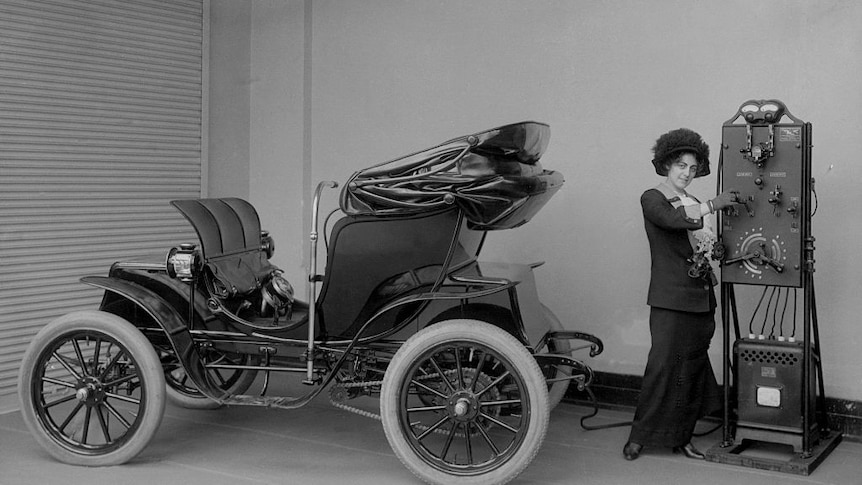
except electric cars themselves are nothing new
and innovation is no guarantee of success
and the main reason consumers started buying them was to protect the environment, not because they were better "cars". Unlike the electric lightbulb which was clearly cleaner, safer and more effective.
and innovation is no guarantee of success
and the main reason consumers started buying them was to protect the environment, not because they were better "cars". Unlike the electric lightbulb which was clearly cleaner, safer and more effective.
wormus said:
except electric cars themselves are nothing new
and innovation is no guarantee of success
and the main reason consumers started buying them was to protect the environment, not because they were better "cars". Unlike the electric lightbulb which was clearly cleaner, safer and more effective.
Both Mercedes and Porsche had very early EVs but you are right innovation of itself is no guarantee of success. The C5 was way ahead of its time - look at all the electric scooters now around (likely the transport of choice for those economically deprived in years to come). and innovation is no guarantee of success
and the main reason consumers started buying them was to protect the environment, not because they were better "cars". Unlike the electric lightbulb which was clearly cleaner, safer and more effective.
The great thing with EVs is they solve many of the fundamental problems of ICE.
The argument against EVs is simply that the infrastructure isn't ready to support mass-adoption yet, however the Gov't is forcing the end of sale of ICE cars in only 7 years' time. Combine that with the fact that the lights literally only *just* stayed on this year along with rocketing energy costs, it's clear that the infrastructure needs to be made capable (not to mention more reliable) before ICE is consigned to the dustbin. And the sticky question of how we handle charging for folks who live in apartments - potentially without their own assigned parking - still remains. Public charging is so fragmented, unreliable and slow that it's simply not a viable option for a large percentage of the population.
Eventually battery and charging tech will improve both in terms of time and range (although the UK energy grid will probably also need to improve delivery enormously) but it's simply not there yet.
You can't force something out without having something better ready to replace it.
Eventually battery and charging tech will improve both in terms of time and range (although the UK energy grid will probably also need to improve delivery enormously) but it's simply not there yet.
You can't force something out without having something better ready to replace it.
Minsky said:
And yet, people that experienced them wanted to own them and as they became cheaper and society quickly adapted to them and demand rocketed.
“Nothing is new under the sun”. The responses to EVs are nothing new. For the original Pistonheaders and others like them, some with an unreliable rotting fibreglass TVR, noisily powered, when it isn’t broken, by something that Winton would recognise, change is hard to face. The older they are the more closed the mind.
Learning from history seems even harder for some.
I find the anti EV brigade amusing and was interested in the above so I did a bit of reading which I hope is of interest to others. If not, it’s all good and thanks for reading this far.
My garage includes a perfectly functioning TVR (a hybrid as it happens, 4.5 bottom end, 4.2 induction “Nothing is new under the sun”. The responses to EVs are nothing new. For the original Pistonheaders and others like them, some with an unreliable rotting fibreglass TVR, noisily powered, when it isn’t broken, by something that Winton would recognise, change is hard to face. The older they are the more closed the mind.
Learning from history seems even harder for some.
I find the anti EV brigade amusing and was interested in the above so I did a bit of reading which I hope is of interest to others. If not, it’s all good and thanks for reading this far.
 ). Perhaps this is why I think our BEV is the most boring car we have? Yet, in spite of this the BEV will be replaced by another when its PCP ends… not closed minded to change, but trying a BEV isn’t sufficient to turn everyone into an evangelist.
Help us understand, tell us why you think people should want to own BEVs?
Its not that I don’t want to see them catch on but I simply have no interest. There’s always a better ICE car at any given EV price point, that I’d own first.
When I’m forced I’ll have to. Until then I doubt I will.
But just like the EV folk are puzzled why some other aren’t keen, I’m puzzled at to why EV folk think it’s the only answer.
But hey, live and let live.
(Except that’s the not the case until you agree with the EV brigade. It’s like Brexit vs Remain. You’re a thicko if you don’t agree with those moral high-grounders. )
When I’m forced I’ll have to. Until then I doubt I will.
But just like the EV folk are puzzled why some other aren’t keen, I’m puzzled at to why EV folk think it’s the only answer.
But hey, live and let live.
(Except that’s the not the case until you agree with the EV brigade. It’s like Brexit vs Remain. You’re a thicko if you don’t agree with those moral high-grounders.
)Edited by marky911 on Saturday 31st December 18:46
wormus said:
except electric cars themselves are nothing new
and innovation is no guarantee of success
and the main reason consumers started buying them was to protect the environment, not because they were better "cars". Unlike the electric lightbulb which was clearly cleaner, safer and more effective.
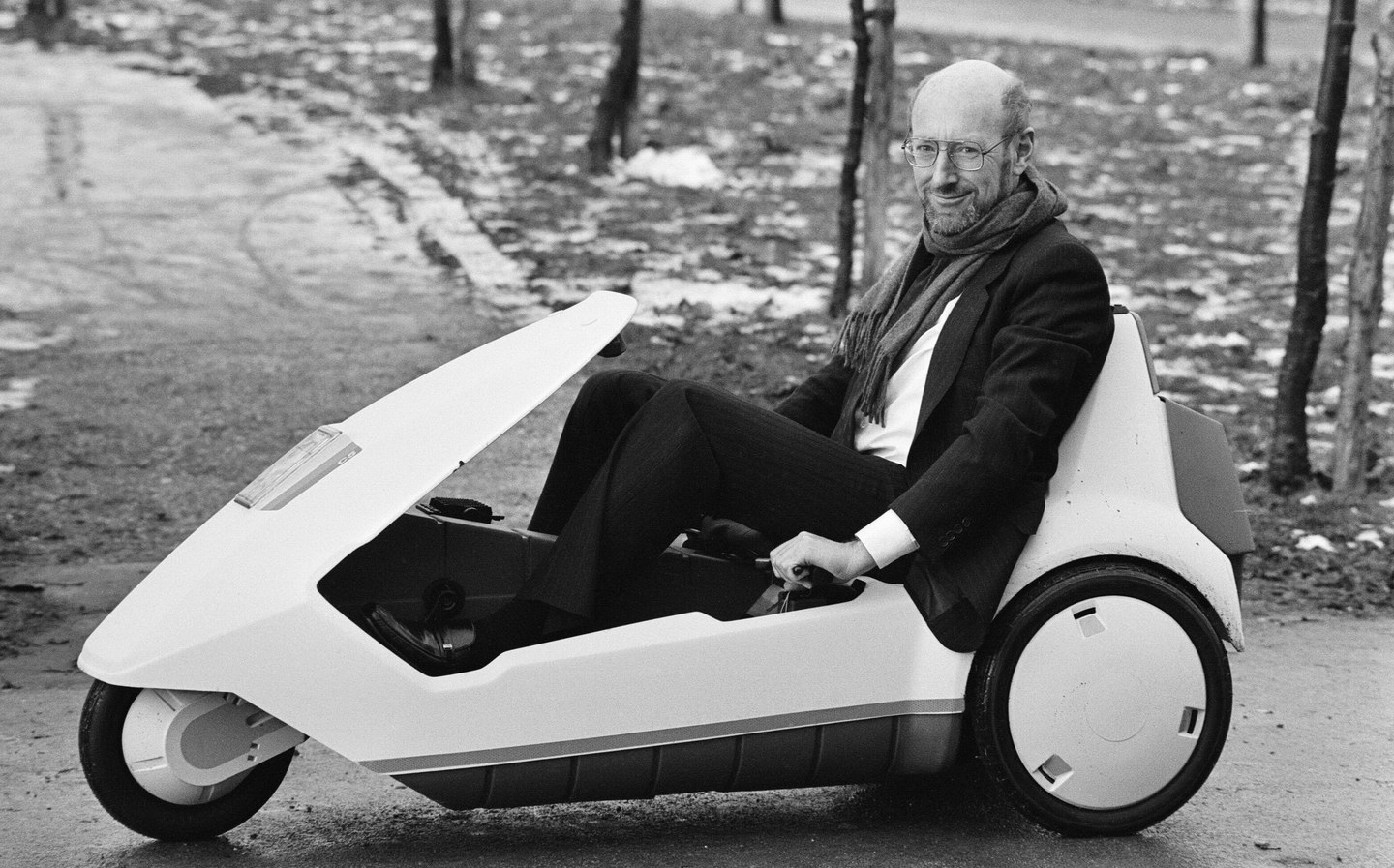
Sinclair, took legislation, that should have resulted in him, (and others) designing electric bicycles, and produced something without understanding the real consumer need. and innovation is no guarantee of success
and the main reason consumers started buying them was to protect the environment, not because they were better "cars". Unlike the electric lightbulb which was clearly cleaner, safer and more effective.
He delayed the introduction of decent electric assisted bikes by about 30 years.
If he'd just added a motor and small battery to a Raleigh Foldaway copy he'd have been incredibly successful.
Speaking of innovation.
https://www.carscoops.com/2022/12/porsche-begins-p...
And all you EV guys said Porsche were just virtue signalling with their initial £70 million investment a couple of years ago.
Time will tell…
https://www.carscoops.com/2022/12/porsche-begins-p...
And all you EV guys said Porsche were just virtue signalling with their initial £70 million investment a couple of years ago.
Time will tell…
Pit Pony said:
Sinclair, took legislation, that should have resulted in him, (and others) designing electric bicycles, and produced something without understanding the real consumer need.
He delayed the introduction of decent electric assisted bikes by about 30 years.
If he'd just added a motor and small battery to a Raleigh Foldaway copy he'd have been incredibly successful.
https://en.wikipedia.org/wiki/Sinclair_ZikeHe delayed the introduction of decent electric assisted bikes by about 30 years.
If he'd just added a motor and small battery to a Raleigh Foldaway copy he'd have been incredibly successful.
I personally cant see a future that, for personal transport at least isnt electric.
Its easy to say "I will stick with my diesel/petrol", but eventually that will be untenable, as Shell, Esso etc arent going to keep fuel stations open for a dwindling number of aging ICE cars.
EV's will get better and cheaper though economies of scale, aging of the existing ones and competition.
Blokes like me in their fifties proclaiming they wont catch on is horses t, when I walk the dog of an evening I see a new EV on the route once a week.
I m going to buy a Jag XFR or similar in 2023, am fully aware its a dinosaur, but want to get a few in before circumstances dictate an EV, not that I hate EV's, I just dont desire one but feel no need to try and make out they are crap, because they arent, they just dont work for every driver for every use case right now but I am fairly sure they will.
There should be a prediction wall on PH, a sticky thread where you predict what you think will happen, that you cant edit where you can make a prediction for 10, 20, 30 years hence.
Its easy to say "I will stick with my diesel/petrol", but eventually that will be untenable, as Shell, Esso etc arent going to keep fuel stations open for a dwindling number of aging ICE cars.
EV's will get better and cheaper though economies of scale, aging of the existing ones and competition.
Blokes like me in their fifties proclaiming they wont catch on is horses
t, when I walk the dog of an evening I see a new EV on the route once a week. I m going to buy a Jag XFR or similar in 2023, am fully aware its a dinosaur, but want to get a few in before circumstances dictate an EV, not that I hate EV's, I just dont desire one but feel no need to try and make out they are crap, because they arent, they just dont work for every driver for every use case right now but I am fairly sure they will.
There should be a prediction wall on PH, a sticky thread where you predict what you think will happen, that you cant edit where you can make a prediction for 10, 20, 30 years hence.
Dr Jekyll said:
Pit Pony said:
Sinclair, took legislation, that should have resulted in him, (and others) designing electric bicycles, and produced something without understanding the real consumer need.
He delayed the introduction of decent electric assisted bikes by about 30 years.
If he'd just added a motor and small battery to a Raleigh Foldaway copy he'd have been incredibly successful.
https://en.wikipedia.org/wiki/Sinclair_ZikeHe delayed the introduction of decent electric assisted bikes by about 30 years.
If he'd just added a motor and small battery to a Raleigh Foldaway copy he'd have been incredibly successful.
Thats really interesting. So he designed the c5, then the Zike, which was probably launched without proper development, and the wheels were too small and the geometry required "Tuning"
I quote from.the Wikipedia page:
Susan Watts for The Independent called it "an impressive feat of miniaturisation" but stated that "a quick test ride suggested the Zike is too unstable and lacking in power to make a cyclist feel secure
J4CKO said:
I personally cant see a future that, for personal transport at least isnt electric.
Its easy to say "I will stick with my diesel/petrol", but eventually that will be untenable, as Shell, Esso etc arent going to keep fuel stations open for a dwindling number of aging ICE cars.
EV's will get better and cheaper though economies of scale, aging of the existing ones and competition.
Blokes like me in their fifties proclaiming they wont catch on is horsest, when I walk the dog of an evening I see a new EV on the route once a week.
I m going to buy a Jag XFR or similar in 2023, am fully aware its a dinosaur, but want to get a few in before circumstances dictate an EV, not that I hate EV's, I just dont desire one but feel no need to try and make out they are crap, because they arent, they just dont work for every driver for every use case right now but I am fairly sure they will.
There should be a prediction wall on PH, a sticky thread where you predict what you think will happen, that you cant edit where you can make a prediction for 10, 20, 30 years hence.
In 5 years, I will retire and buy another.secondhand petrol car. Its easy to say "I will stick with my diesel/petrol", but eventually that will be untenable, as Shell, Esso etc arent going to keep fuel stations open for a dwindling number of aging ICE cars.
EV's will get better and cheaper though economies of scale, aging of the existing ones and competition.
Blokes like me in their fifties proclaiming they wont catch on is horses
t, when I walk the dog of an evening I see a new EV on the route once a week. I m going to buy a Jag XFR or similar in 2023, am fully aware its a dinosaur, but want to get a few in before circumstances dictate an EV, not that I hate EV's, I just dont desire one but feel no need to try and make out they are crap, because they arent, they just dont work for every driver for every use case right now but I am fairly sure they will.
There should be a prediction wall on PH, a sticky thread where you predict what you think will happen, that you cant edit where you can make a prediction for 10, 20, 30 years hence.
In 15 years, I will probably move to EV
In 20 years, I'll probably want a self driving car
Gassing Station | General Gassing | Top of Page | What's New | My Stuff