
Suzuki Cappuccino | Spotted
Milky coffees are rubbish. Have a Cappuccino instead
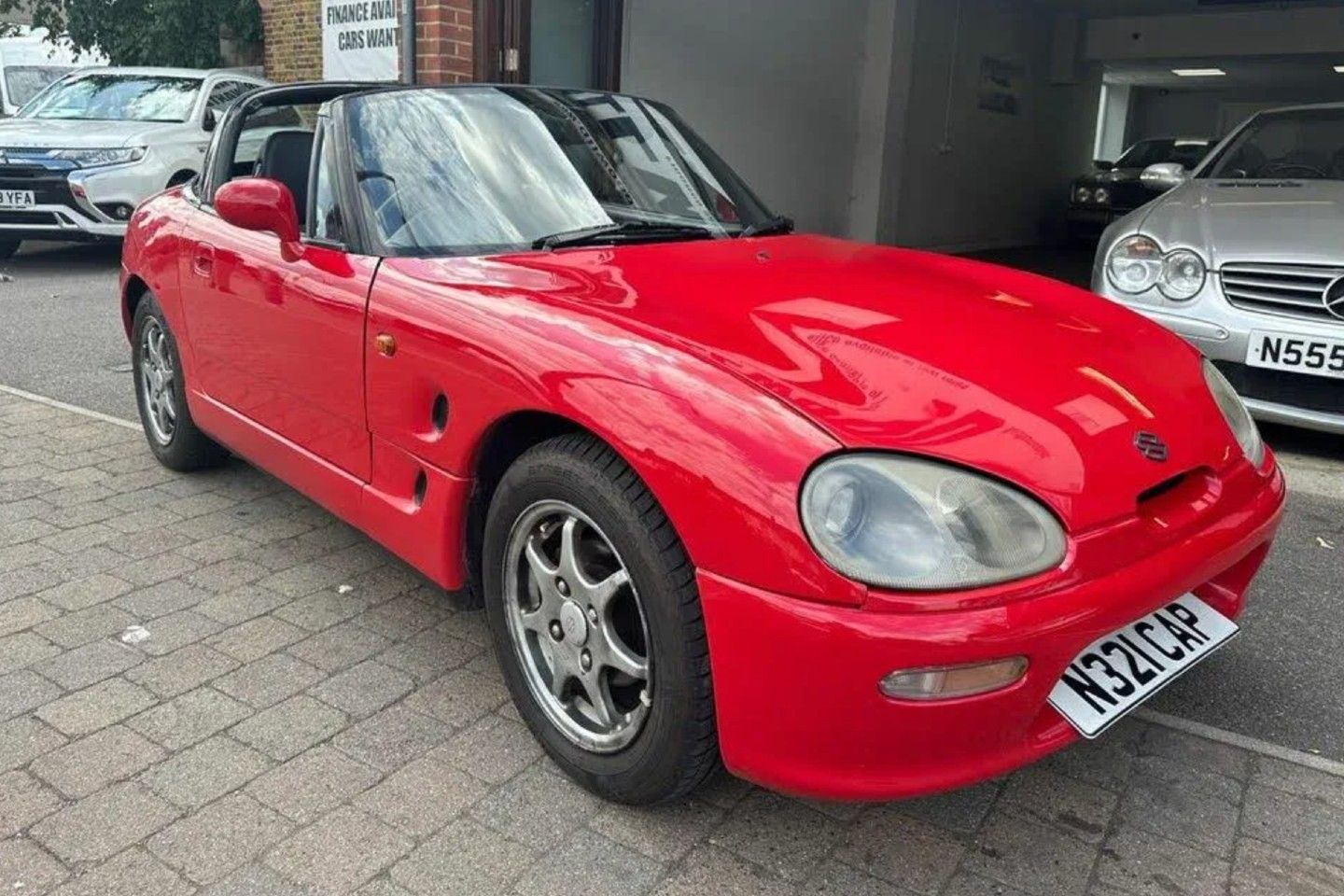
I’m not a huge fan of cappuccinos. They’re too mild for my liking and don’t provide the ‘kick’ I so desperately need in the morning to cover up the fact I’ve only had about three hours of sleep. The Suzuki Cappuccino, on the other hand, is right up my alley. Small, punchy and brimming with a level of zest that a cup of chino can only dream of.
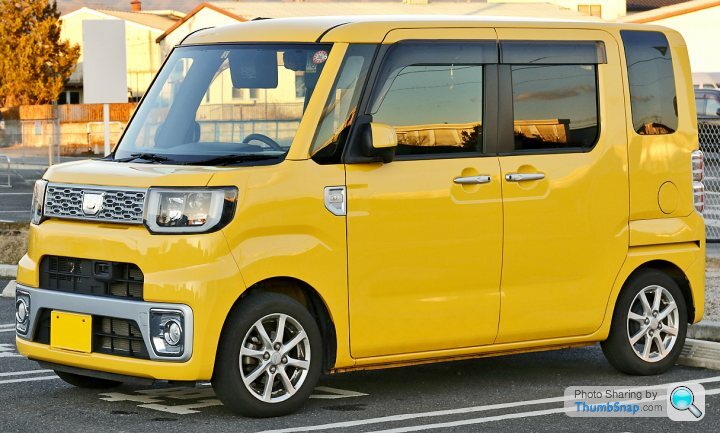
Let's talk Kei cars. Being a life-long Gran Turismo-ist was always going to result in a love for cars built for the JDM, but there’s a charm to pocket-sized sports cars that doesn’t require years of sifting through virtual used car dealerships to fully appreciate. As I understand it, ‘Kei’ is an abbreviation of ‘keijidosha’, which literally means ‘light car’ in Japanese. While they don’t appear to be limited on weight, a maximum length, width, height and engine capacity ensures that cars remain very light and frugal. Those limits were set at 3.3m, 1.4m, 2m(!) and 660cc respectively when the Cappuccino arrived, with power capped at just 64hp.
Those are the sort of restrictions that would likely deliver some truly woeful eco boxes here in Europe, but Japanese manufactures have thrived under 70 years of the Kei car. And while everyone will have their own interpretation of what the greatest Kei car of all time is – the Autozam AZ-1 and Honda S660 to name a few – I’d throw the Cappuccino’s name into the ring.
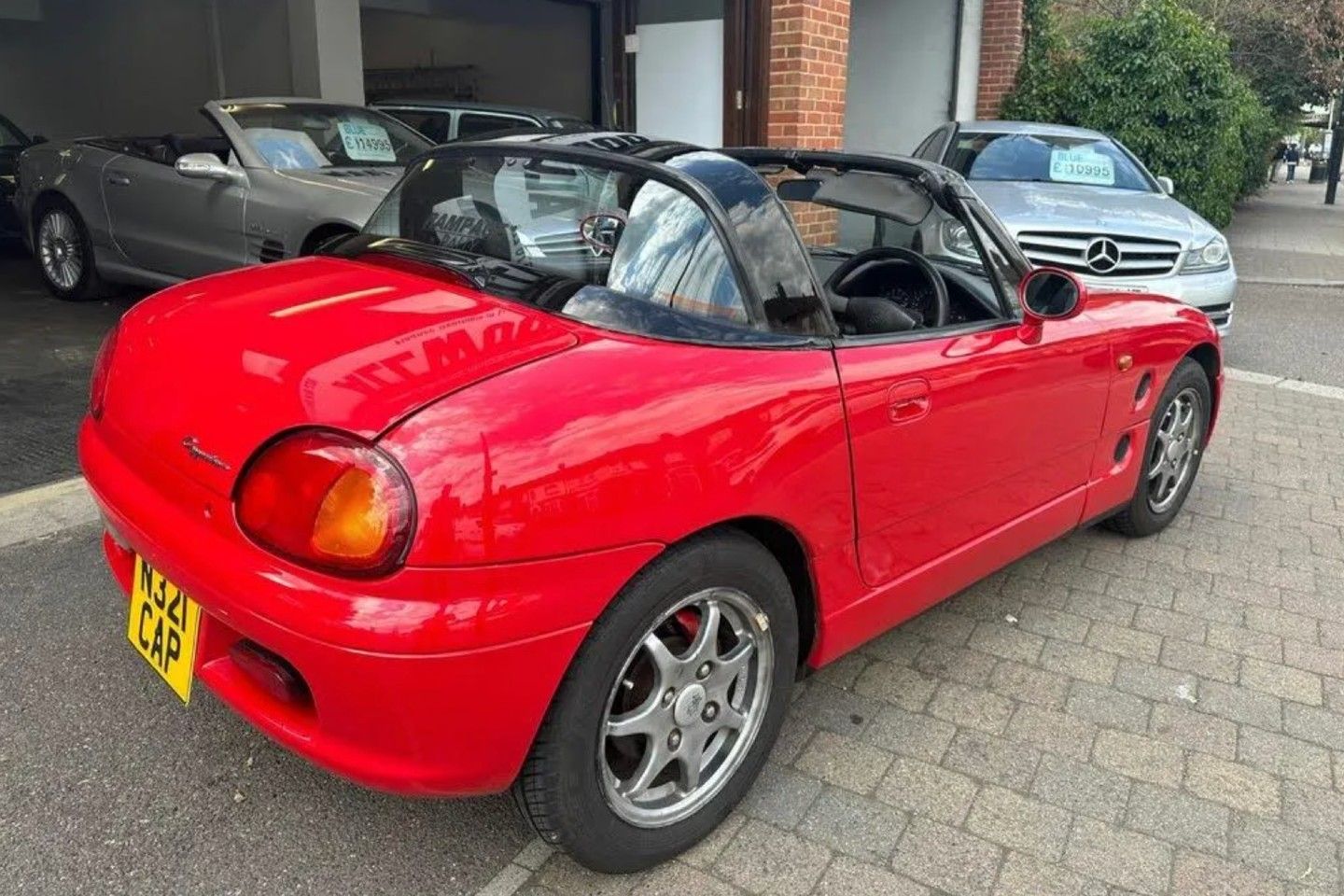
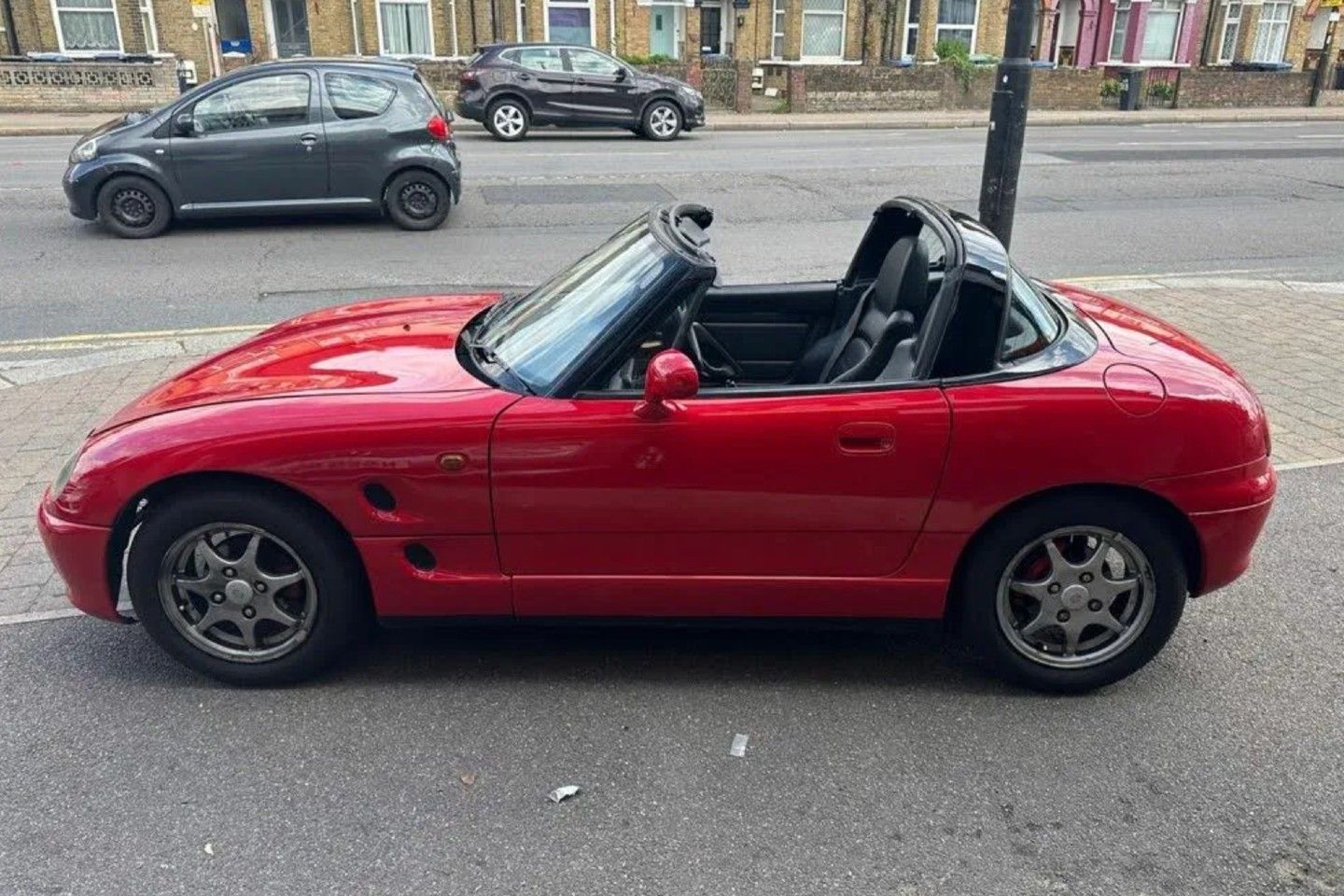
Launched in Japan in 1991 before landing in the UK a couple of years later, the Cappuccino mixed a dinky footprint with the front-engined, rear-wheel drive layout of a proper sports car. Up front was a twin overhead cam, 657cc three-cylinder engine that landed square of the 64hp limit. It also benefitted from a very small turbocharger, with peak power arriving at 6,500rpm. Sure, it’s not as rev-happy as a Honda Beat, nor will it sound quite as good, but there’s naff all torque in the Beat until you venture towards the upper echelons of its 8,500rpm redline. The Cappuccino, meanwhile, delivers its heady 63lb ft of torque from as low as 3,500rpm. It doesn’t have a lot of metal to push, either, with the Cap’ tipping the scales at just 725kg. This clearly struck a chord with Caterham, which lumped a derivative of the motor into the even lighter Seven 160.
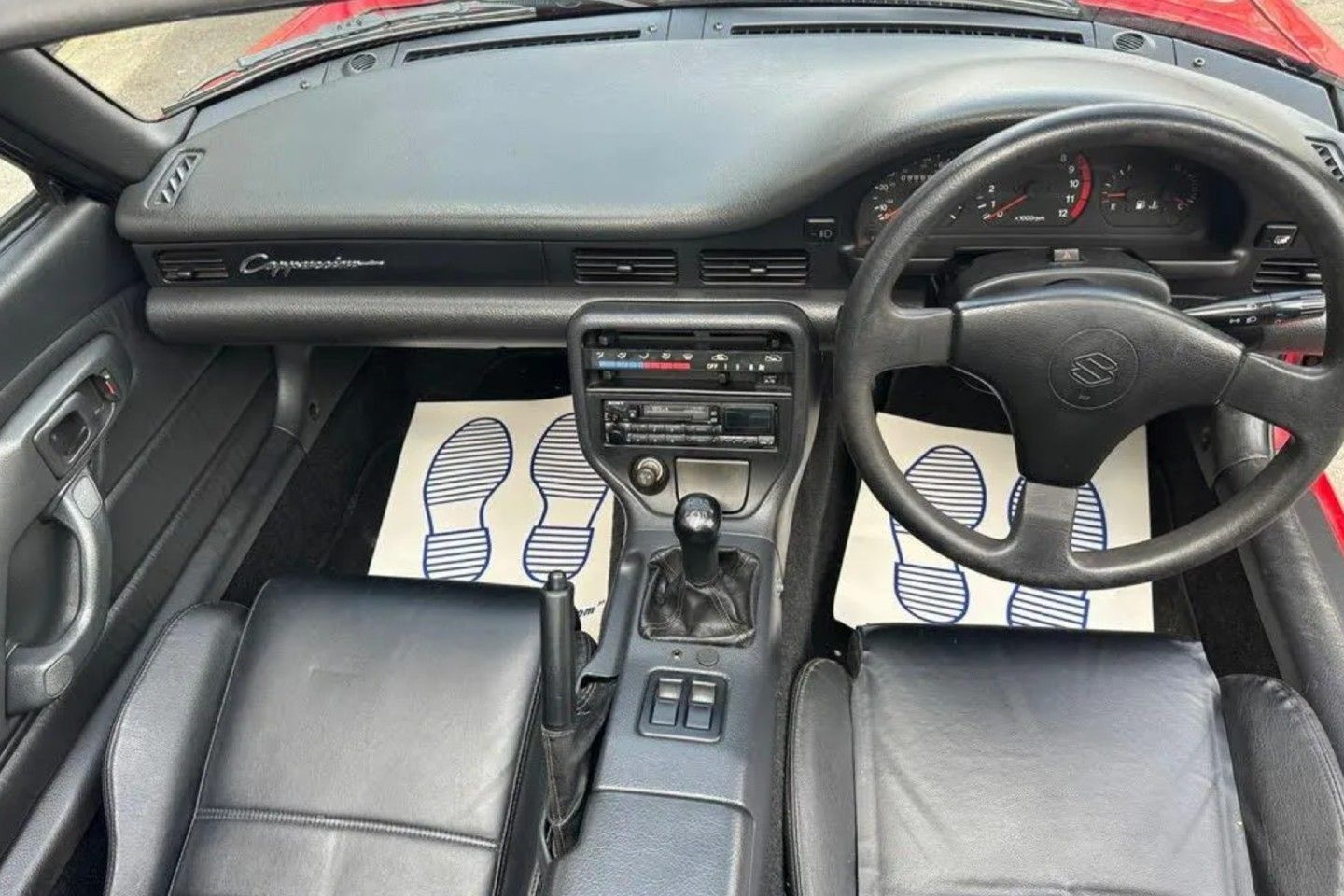
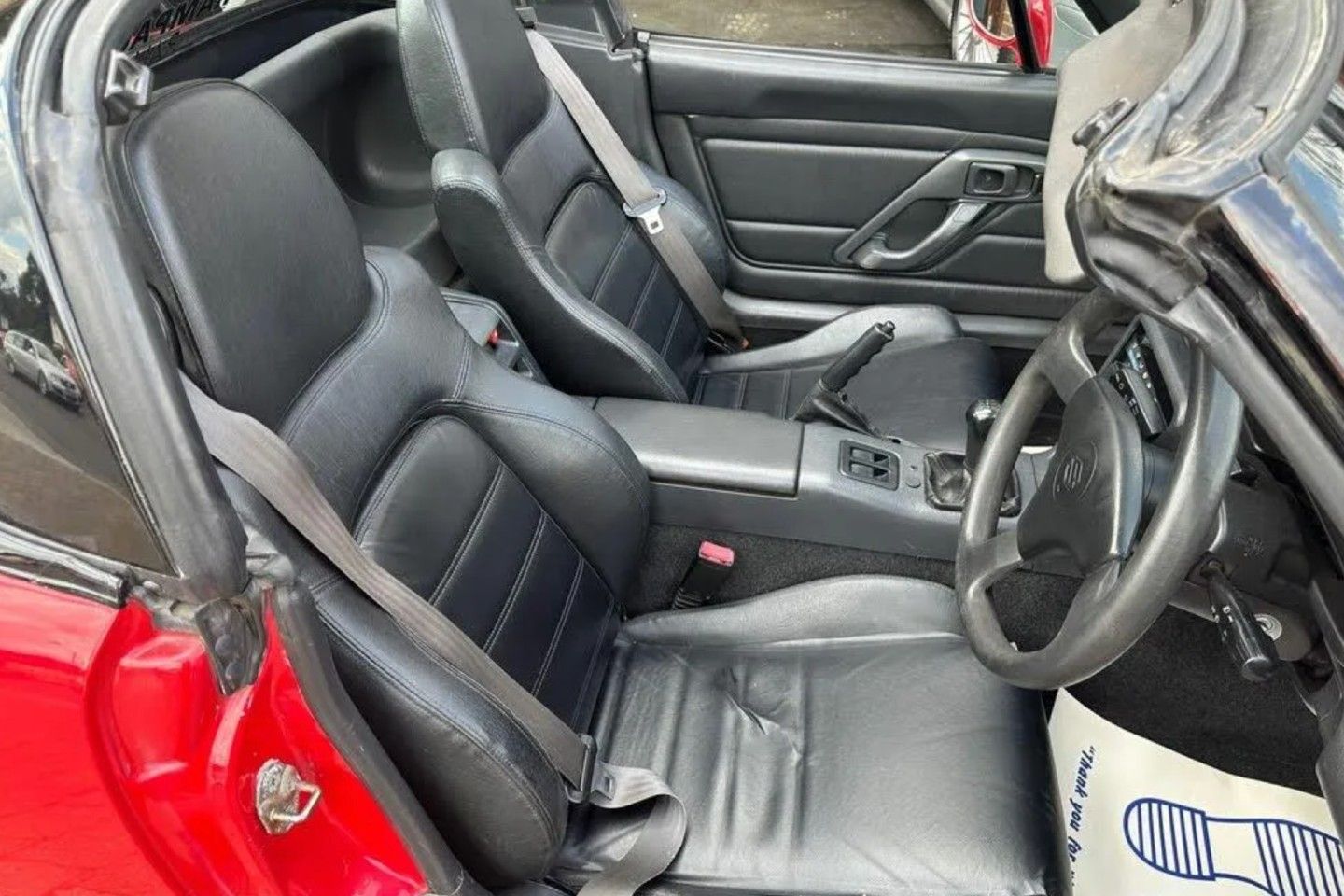
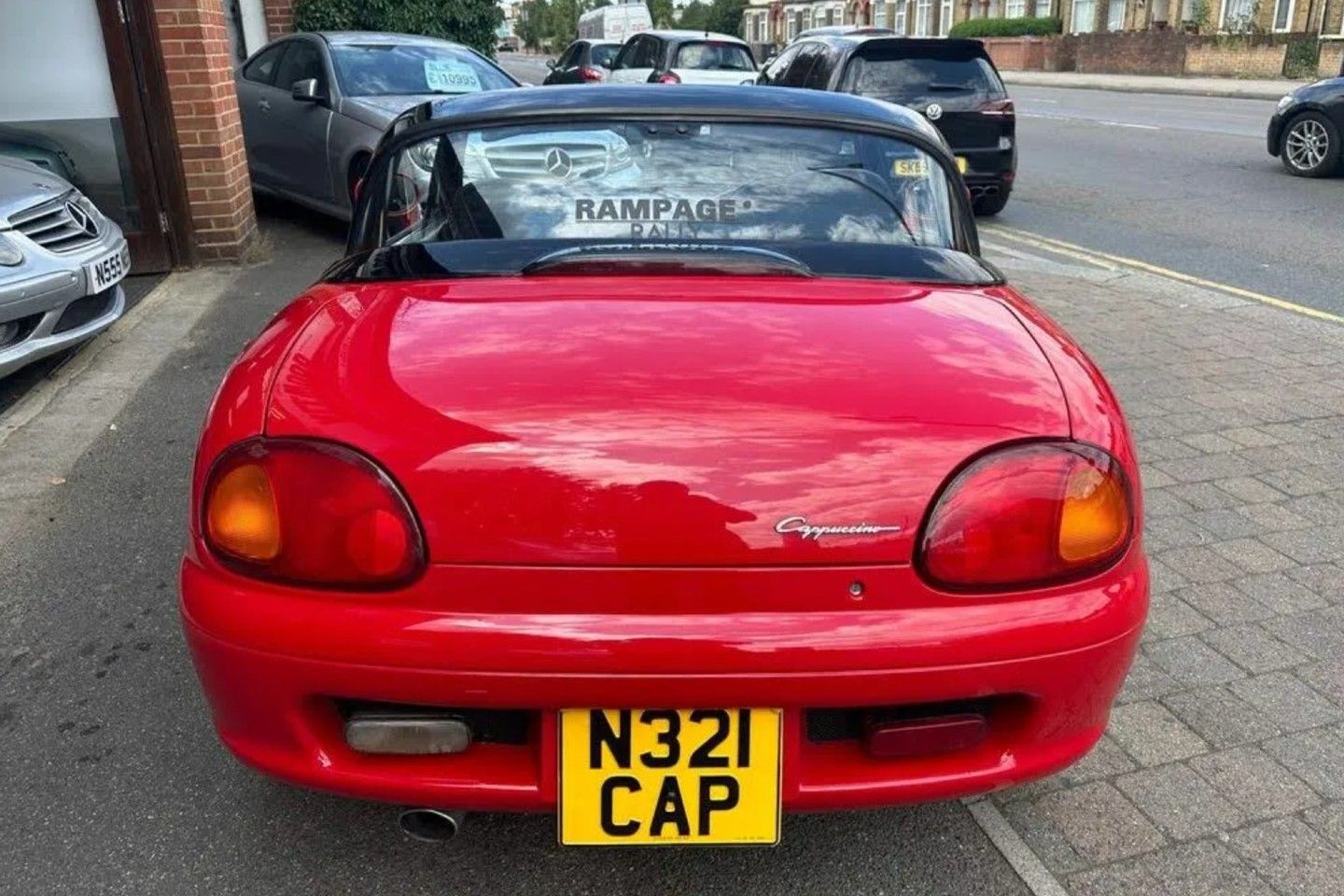
The Cappuccino proved so popular that Suzuki went through the hassle of type-approving it for the UK, requiring 23 costly changes for homologation. Only 1,110 were imported between 1993 and 1995, but a quick search on HomeManyLeft suggests that just 148 are currently registered. This is one of them, and a late model at that having been registered in August 1995. Granted, it’s gone through a few owners since then (more than ten of them, says the ad), but they all look to have kept the car in decent nick bar the odd wheel scuff. The interior looks immaculate, however, especially for a car that’s covered north of 89,000 miles.
How does £6,695 sound? Cappuccinos have never been dirt cheap, particularly as there are so few to choose from, and given the premium Japanese icons command these days, this is very much on the affordable side. Ignore the owner count and set your sights on ticking the odometer over to six figures. Cappuccinos were built for no-frills fun, come find out what all the fuss is about.
SPECIFICATION | SUZUKI CAPPUCCINO
Engine: 657cc three-cylinder, turbocharged
Transmission: five-speed manual, rear-wheel drive
Power (hp): 64@6,500rpm
Torque (lb ft): 63@3,500rpm
MPG: 56.4
CO2: N/A
Year registered: 1995
Recorded mileage: 89,000
Price new: £11,995
Yours for: £6,695


Instead of seemingly arbitrary, nannying emission restrictions for major towns that serve only to frustrate those that choose to live there, allow them free reign if they drive a Kei car. As the article says, Japan did alright from it, with some genuinely innovative products as the result. Most folk in towns drive small cars anyway - may as well make them fun.
they are great cars, quicker than an Mx5 of the same vintage, more roomy inside too, handle very well and pretty nippy
I'm 6'3 and was quite comfortable in mine once i'd tweaked the seat runners to sit a little lower than stock
the power output is not 64Bhp crank by the way, its at the wheels
Suzuki 'interpreted' the rules slightly differently to the rest so this and the autozam get to 60 in 8 seconds compared to the 13 seconds for a Honda beat
the rust though - oh my
that was a constant battle
that and other road users treated you with disdain, I had mum driven people carriers pull out on me at Roundabouts a fair few times
Maybe they thought I was a long way off.....
that said I'd have another

I was one of the original customers when Suzuki imported these. I found it more fun around town than the MX-5.
But even 30 years ago it felt very small on UK roads. I think small cars a good thing, but I think many drivers would feel intimidated in a Kei car in modern traffic.
Instead of seemingly arbitrary, nannying emission restrictions for major towns that serve only to frustrate those that choose to live there, allow them free reign if they drive a Kei car. As the article says, Japan did alright from it, with some genuinely innovative products as the result. Most folk in towns drive small cars anyway - may as well make them fun.
 k!!!' at the top of my voice at the London Motor Show when the salesman fulcrummed my knee between the steering wheel and the door he decided to slam while explaining the car was surprisingly roomy.
Instead of seemingly arbitrary, nannying emission restrictions for major towns that serve only to frustrate those that choose to live there, allow them free reign if they drive a Kei car. As the article says, Japan did alright from it, with some genuinely innovative products as the result. Most folk in towns drive small cars anyway - may as well make them fun.
Instead of seemingly arbitrary, nannying emission restrictions for major towns that serve only to frustrate those that choose to live there, allow them free reign if they drive a Kei car. As the article says, Japan did alright from it, with some genuinely innovative products as the result. Most folk in towns drive small cars anyway - may as well make them fun.
Instead of seemingly arbitrary, nannying emission restrictions for major towns that serve only to frustrate those that choose to live there, allow them free reign if they drive a Kei car. As the article says, Japan did alright from it, with some genuinely innovative products as the result. Most folk in towns drive small cars anyway - may as well make them fun.
Gassing Station | General Gassing | Top of Page | What's New | My Stuff