
Alpina 5 Series | PH Origin Story
The inside story of one of the world's finest saloon dynasties - and why the line had to end
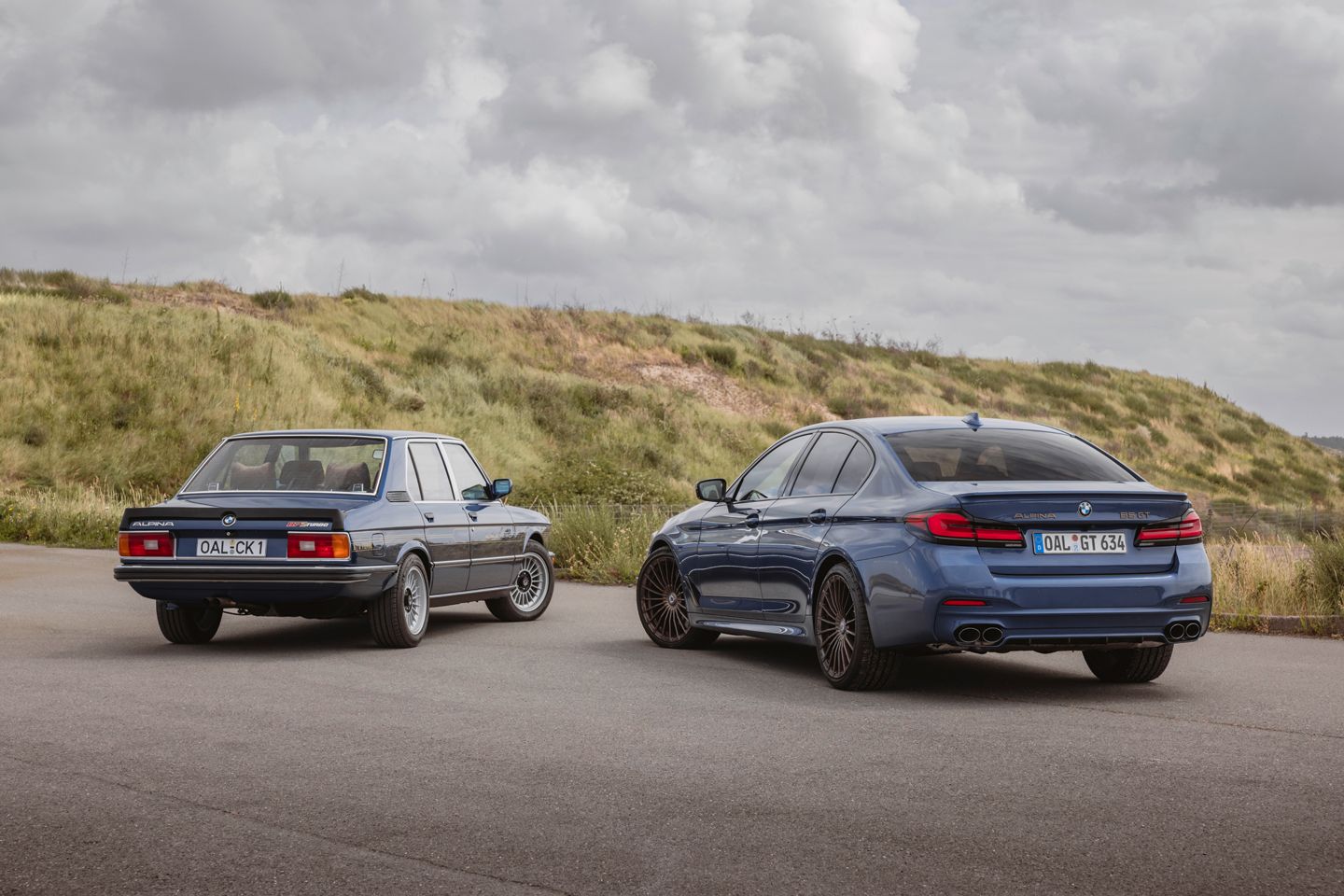
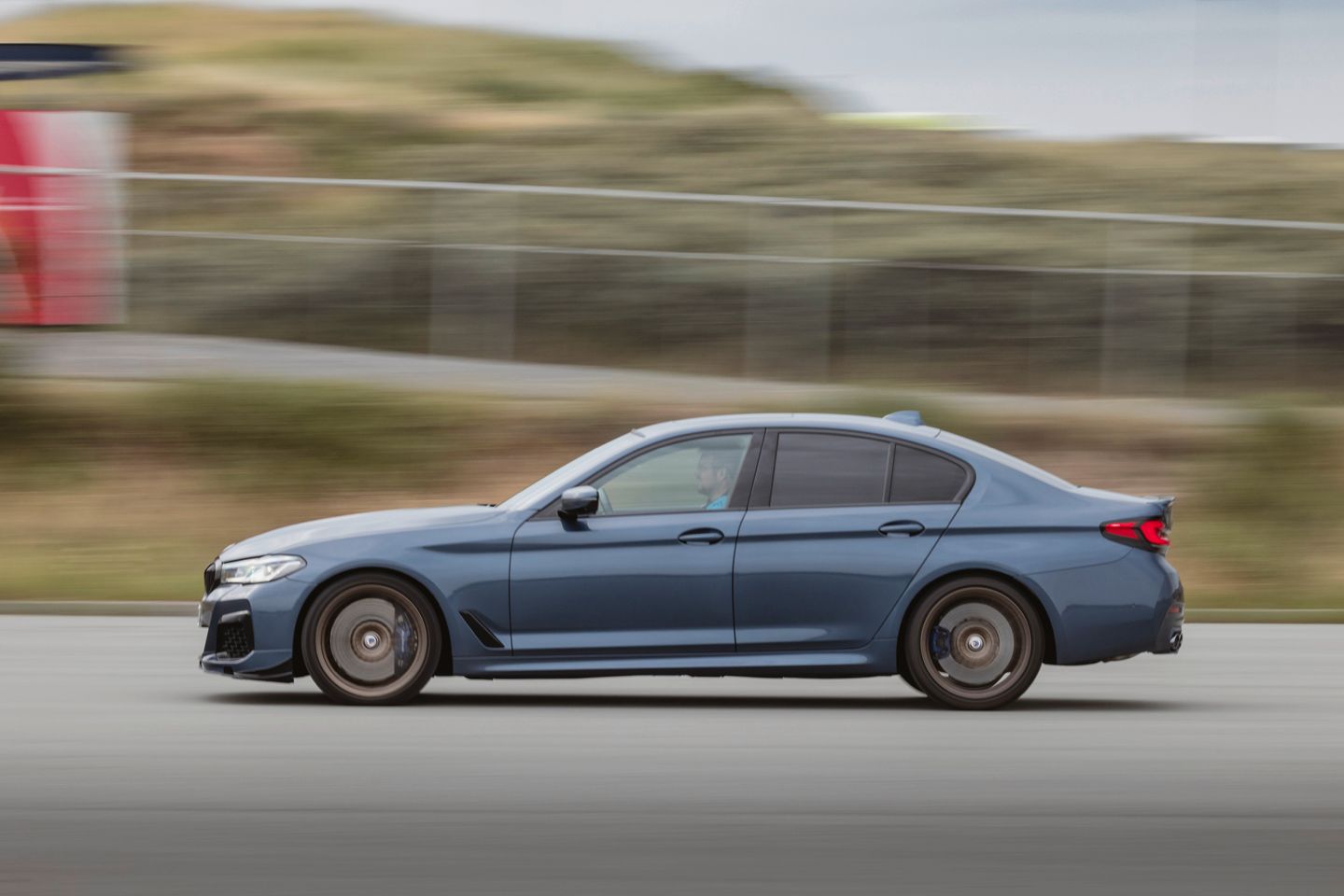
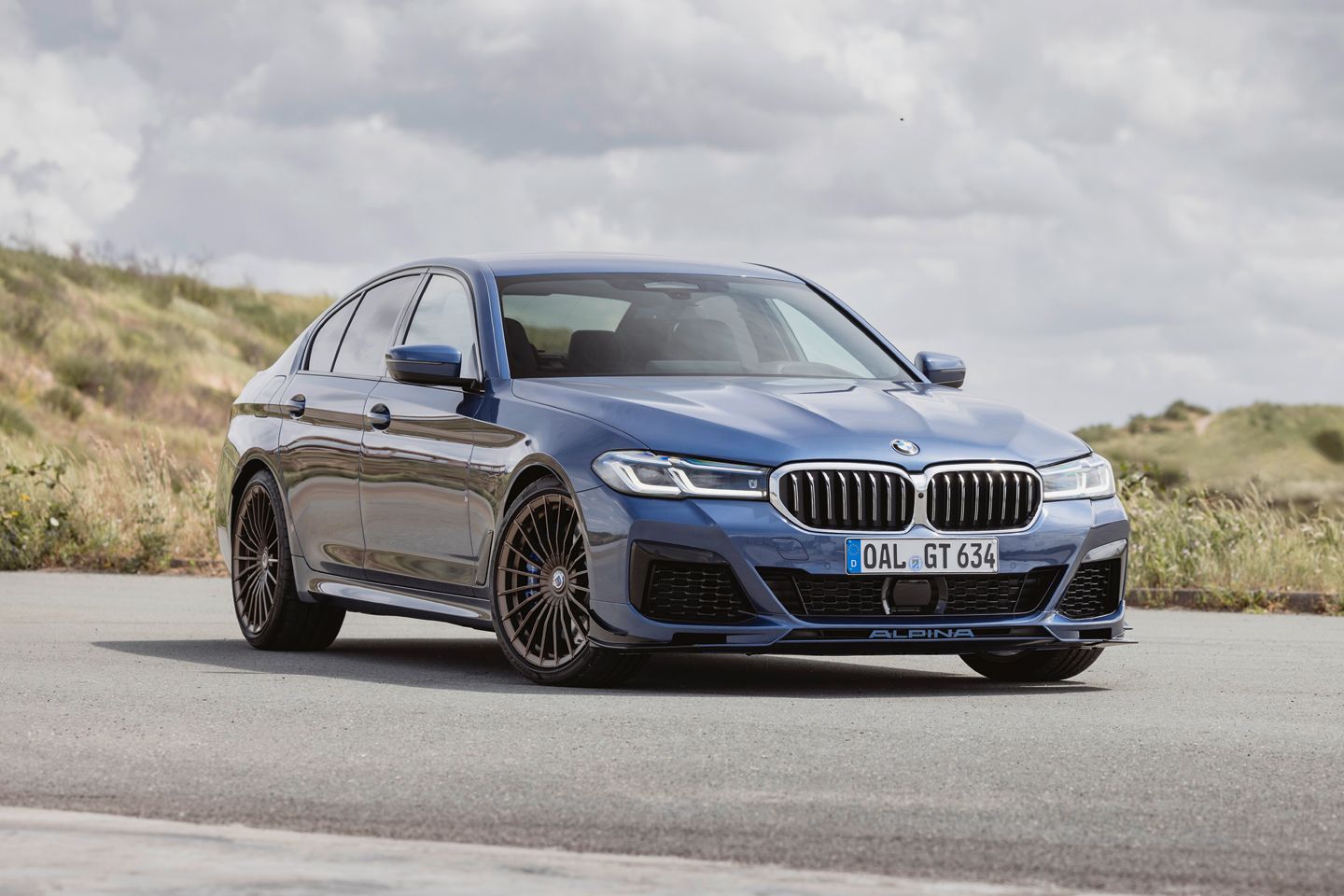
The expression ‘expensively ruined’ has been applied to the works of many aftermarket fettlers and tuners, especially those that have tried to improve on already excellent cars. Yet Alpina has always won widespread critical love for its work refettling and – yes – improving BMW products. Along the way there have been very few misses and an old darts board’s worth of hits – cars like the B5 GT I wrote about earlier this month.
Which is why Alpina’s decision to stop doing what it does so well came as such a shock. Last year the company announced that the Alpina brand was going to be sold to BMW at the end of 2025 and that the existing company was going to give up on producing new models at the same time, rebranding itself Alpina Classic and concentrating exclusively on parts supply and working with the cars it has already produced.
Why did the era have to end? The B5 GT drive in Zandvoort also gave the chance to talk to Alpina CEO Andreas Bovensiepen about that – of which more later. But first came the chance to experience some of the company’s greatest 5 Series-shaped hits.
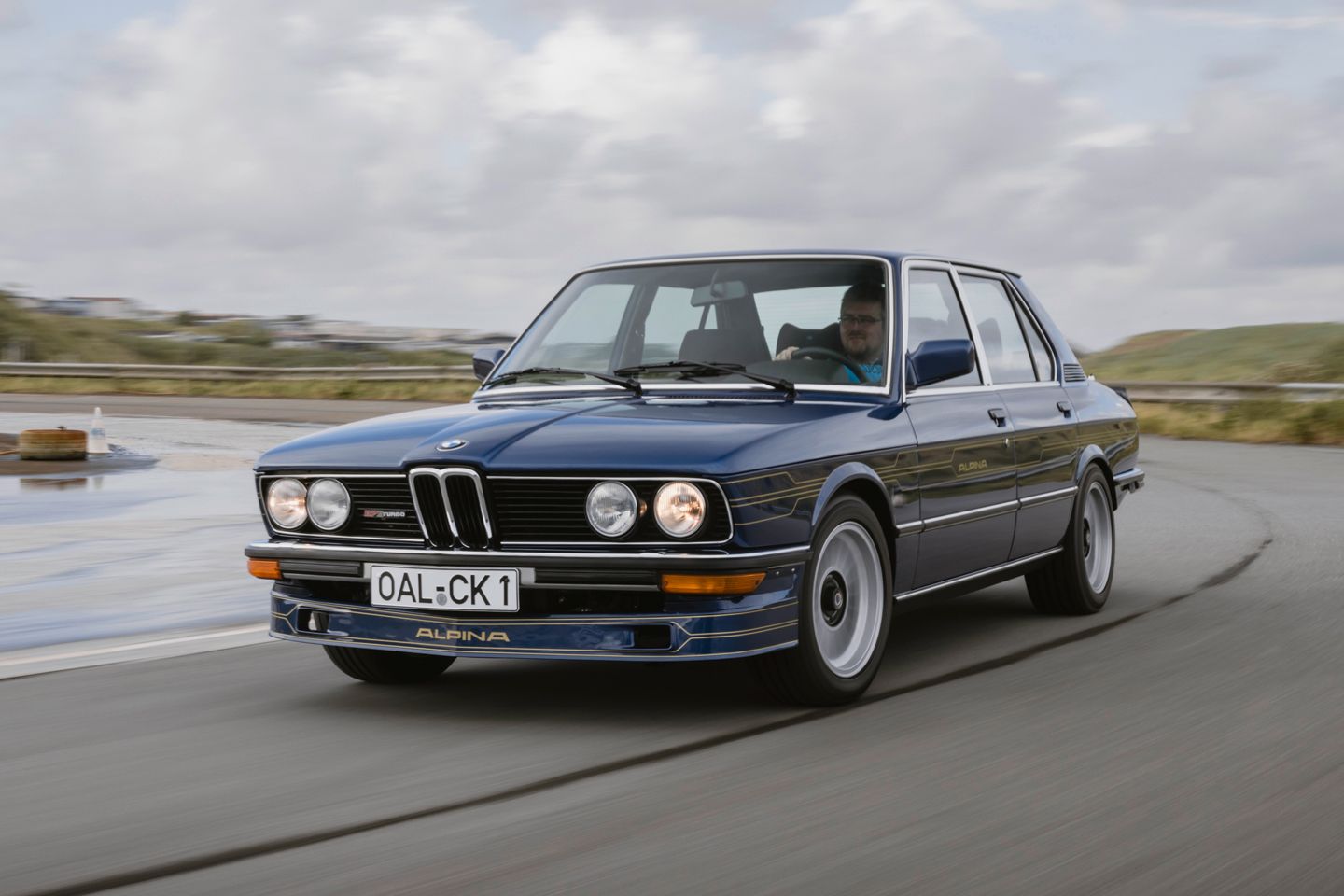
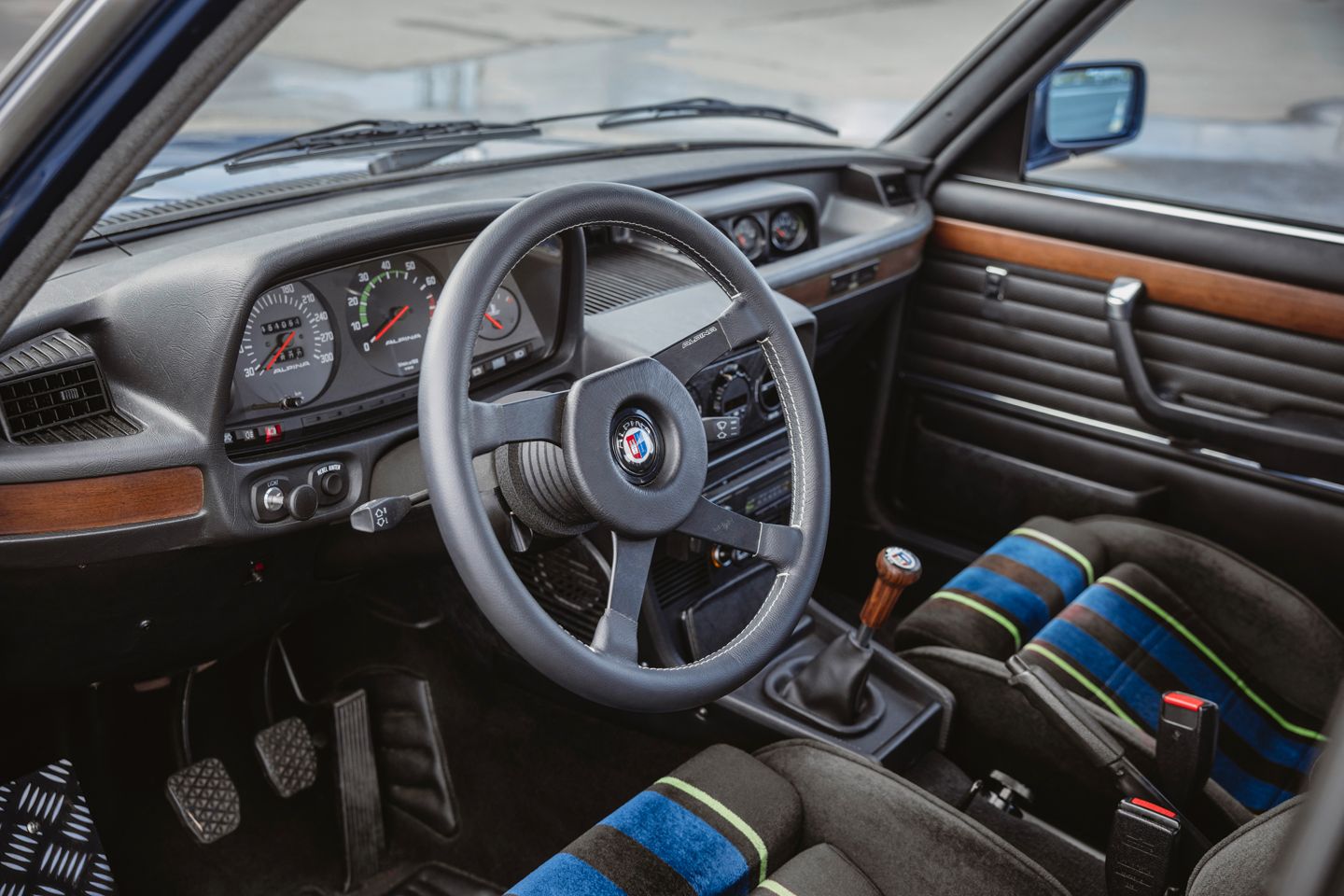
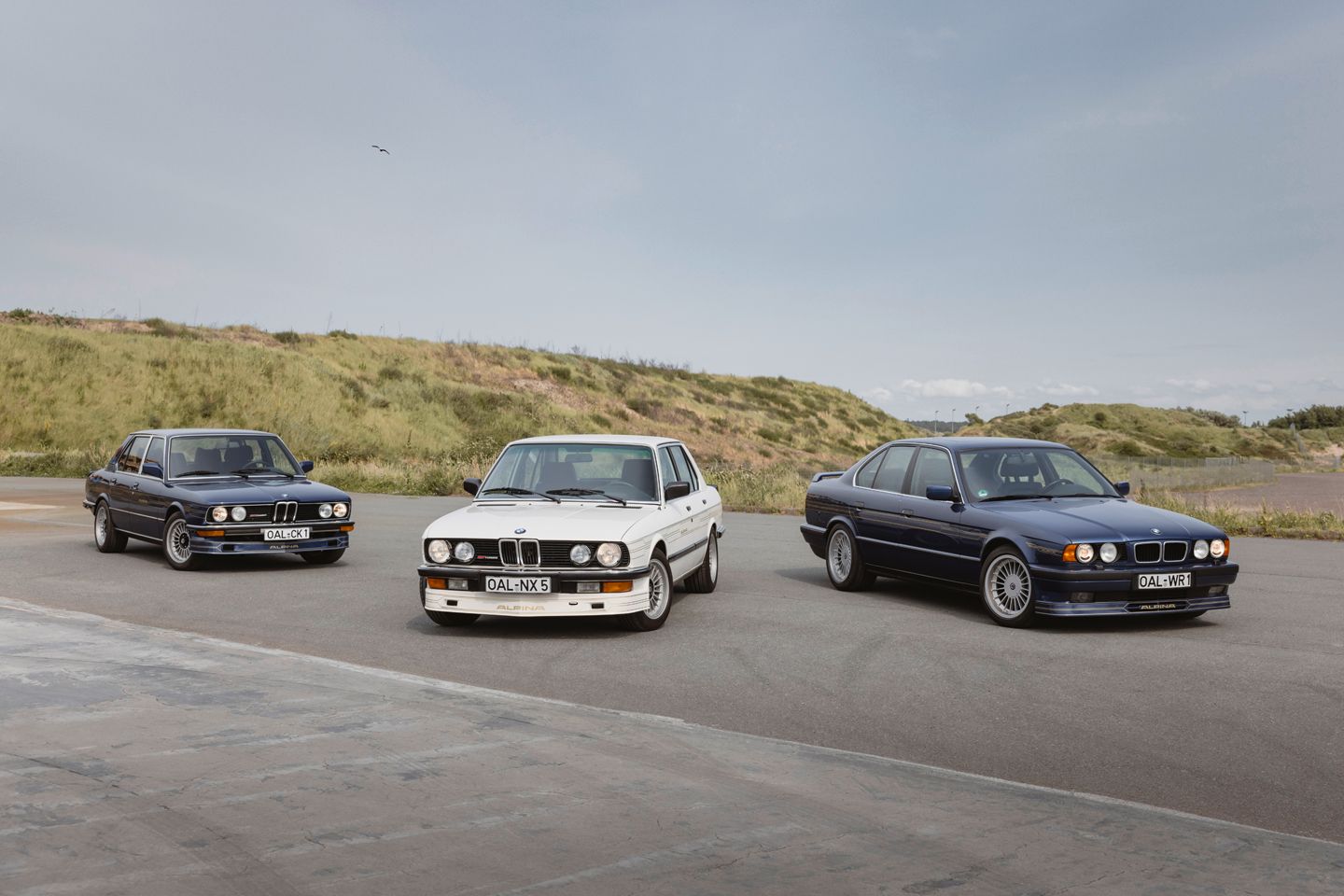
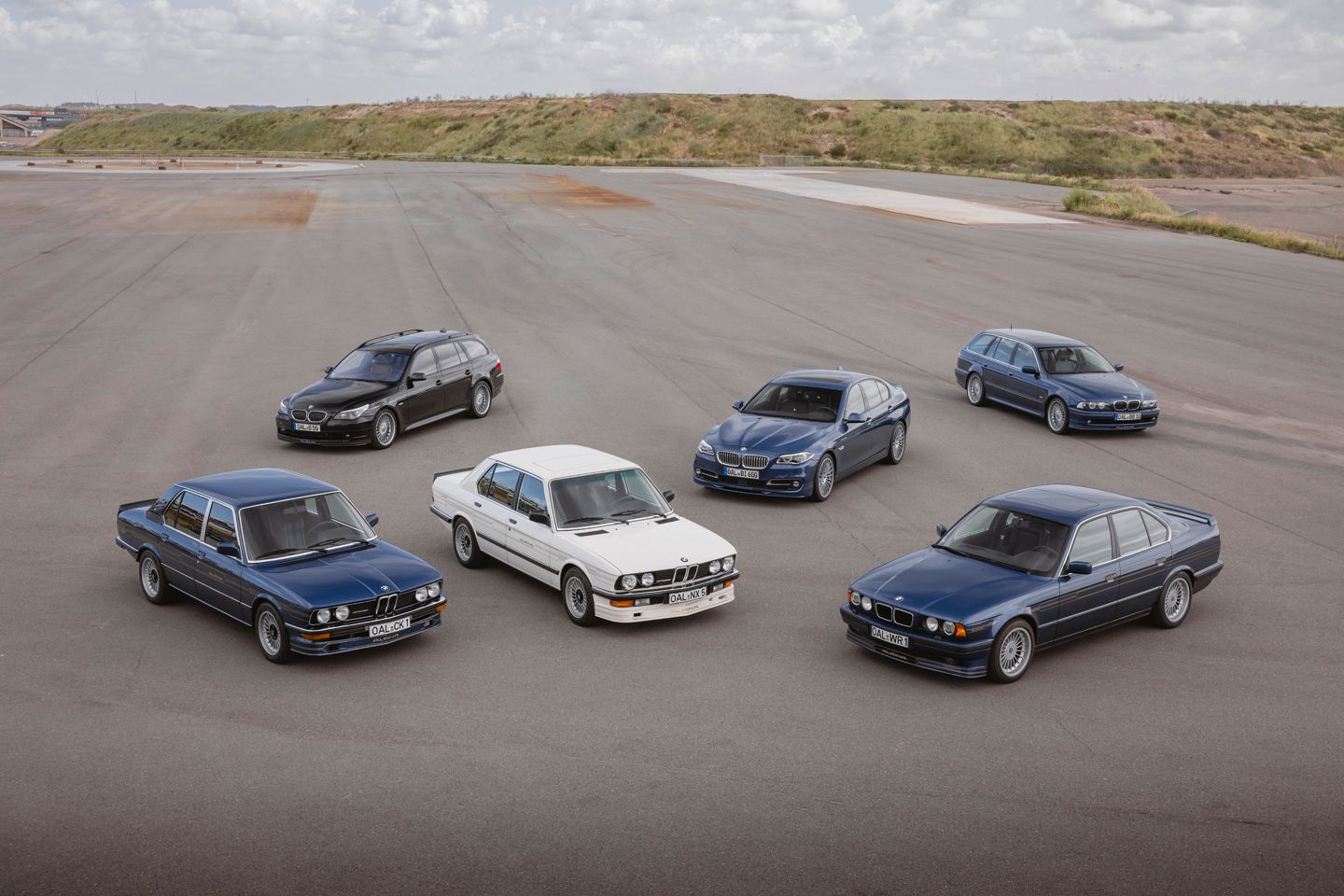
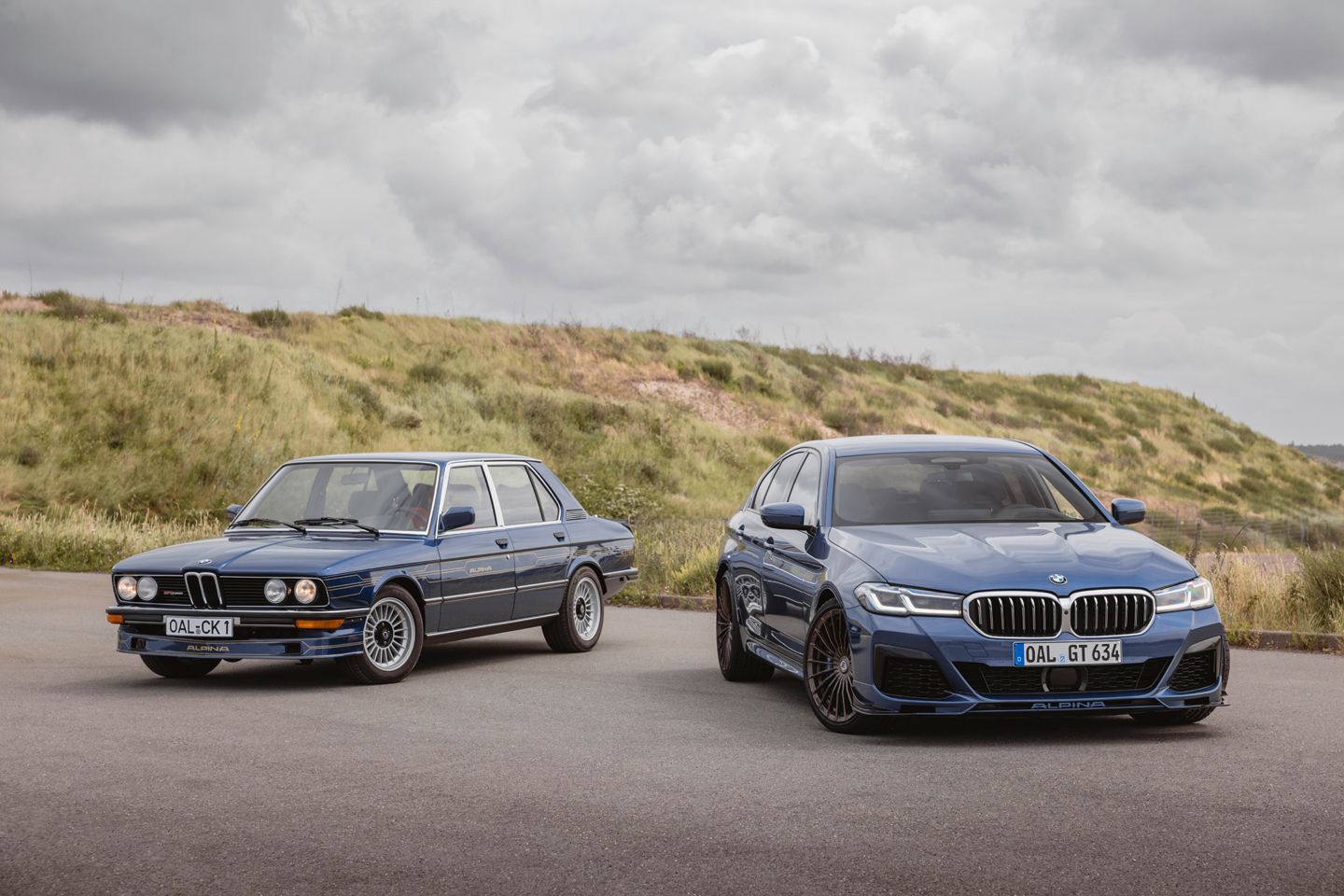
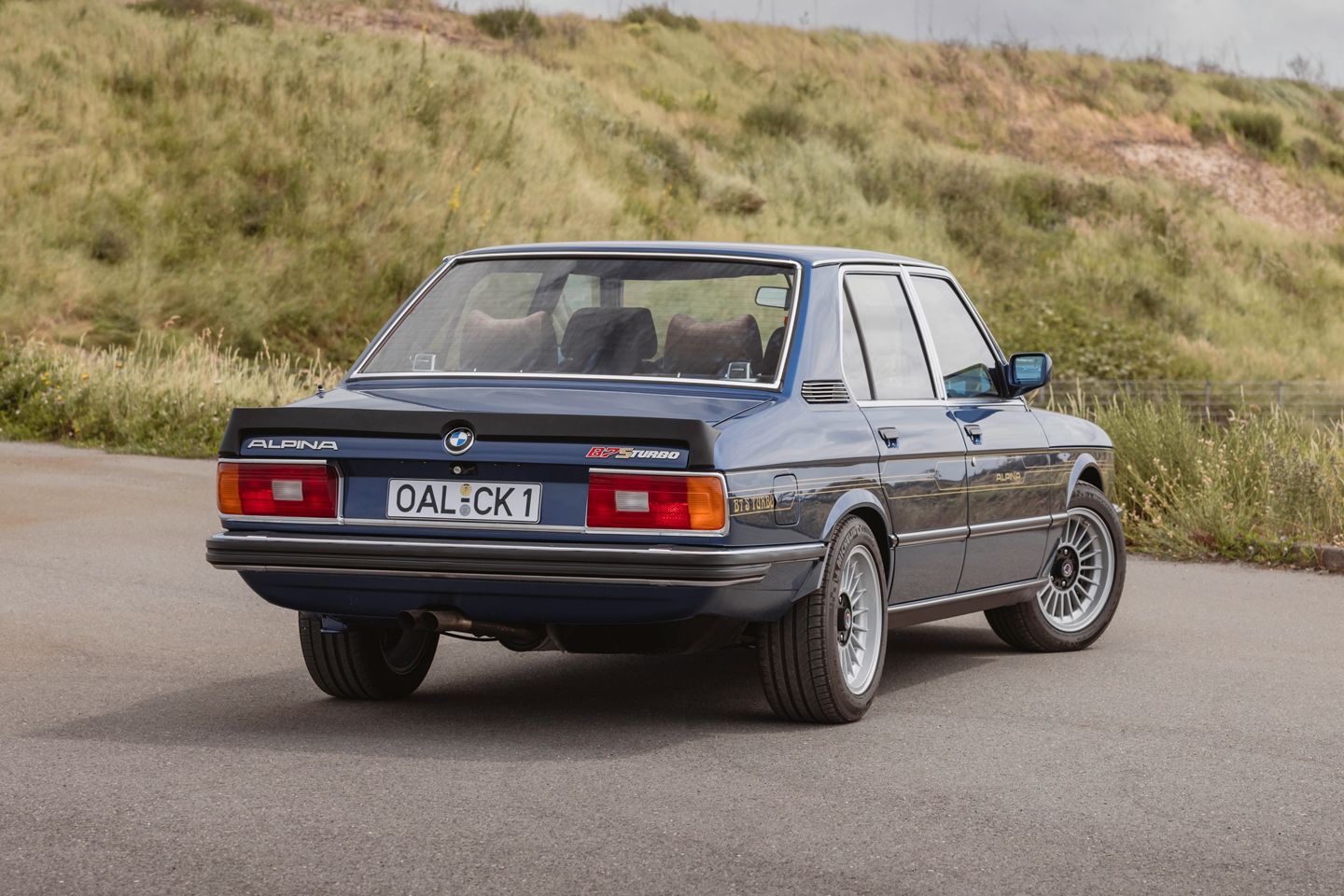
Alpina’s car business has essentially been one of craftmanship, but in its true sense of solid, unpretentious worksmanship rather than as a marketing buzzword. The successful formula was hit upon early on – more performance, without added harshness – and then replicated across generations. So while the B5 GT is obviously massively quicker and more laden with tech than Alpina’s first 5 Series, the 1978 E12-generation B7 Turbo, the basic principles are the same – faster and smoother.
The first B7 used a turbocharged version of BMW’s straight six and a 155mph top speed at a time when the fastest factory car in the lineup could only do 132mph. While in many parts of the world the raised top speed would just have brought bragging rights, in the land of the derestricted Autobahn it gave the Alpina an obvious purpose.
The chance for a brief drive in an E12 generation B7 S Turbo – the later S having 330hp – reveals an unpolished gem. The experience is limited to Zandvoort’s steering pad, so no chance to get near a top speed, but with plenty of opportunity to feel old-fashioned turbo lag as boost builds slowly. The combination of a dogleg manual gearchange – back and left for first – and a very heavy clutch pedal is also lacking in the effortlessness of later Alpinas. Steering is similarly weighty, and although the B7 S finds decent grip from its 16-inch tyres excessive enthusiasm produces both front end push and then the sensation of one rear tyre starting to spin; there is no locking differential.
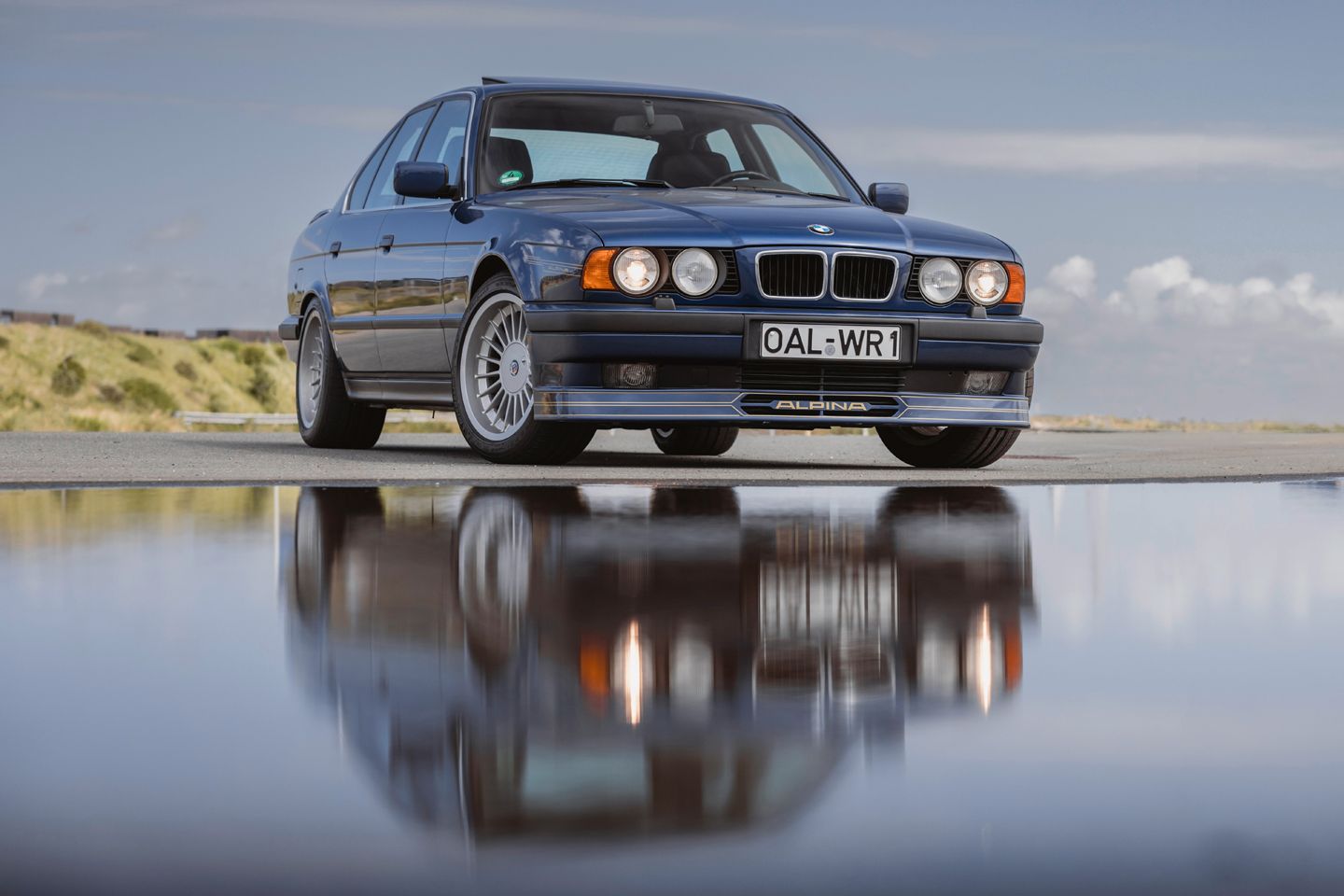
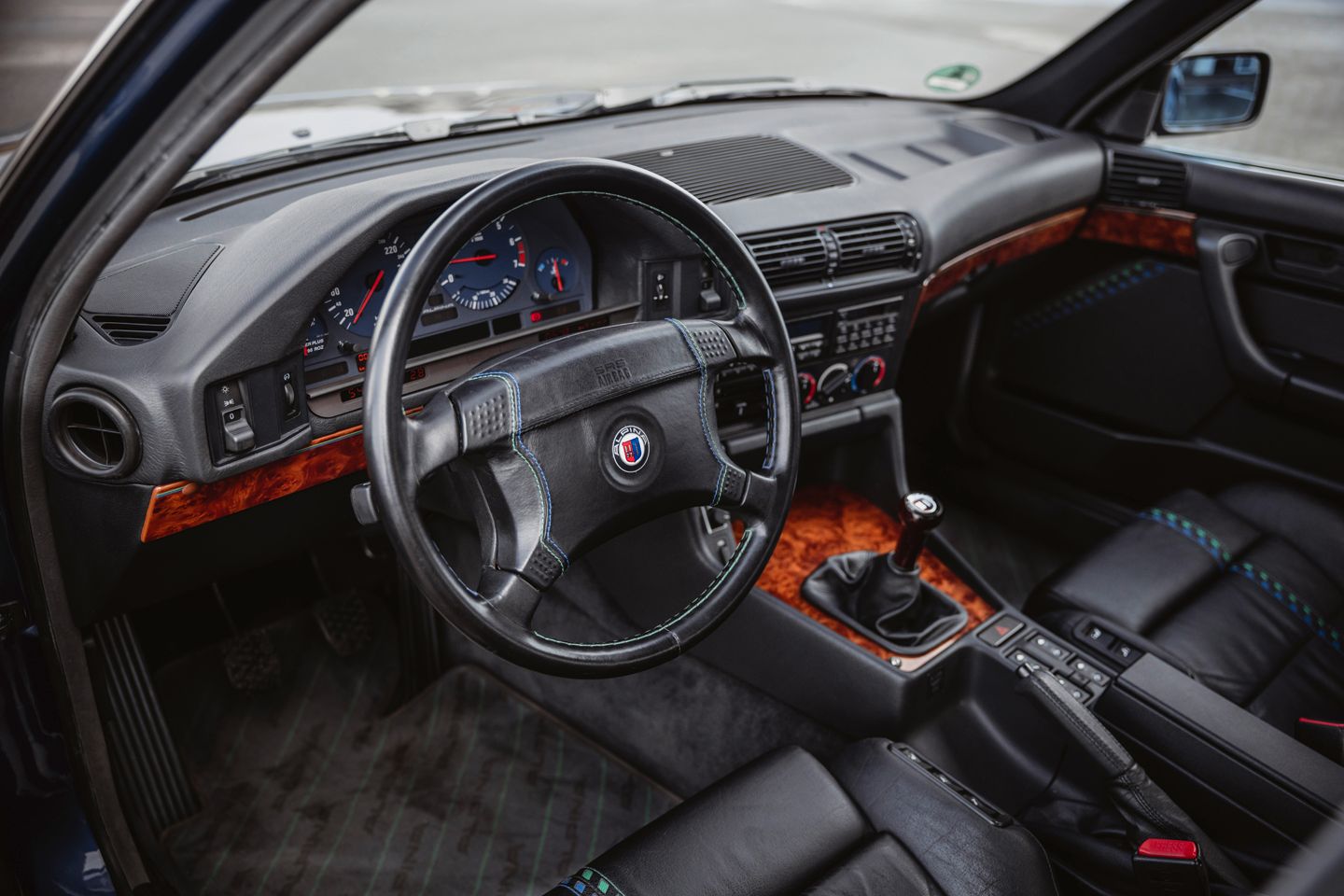
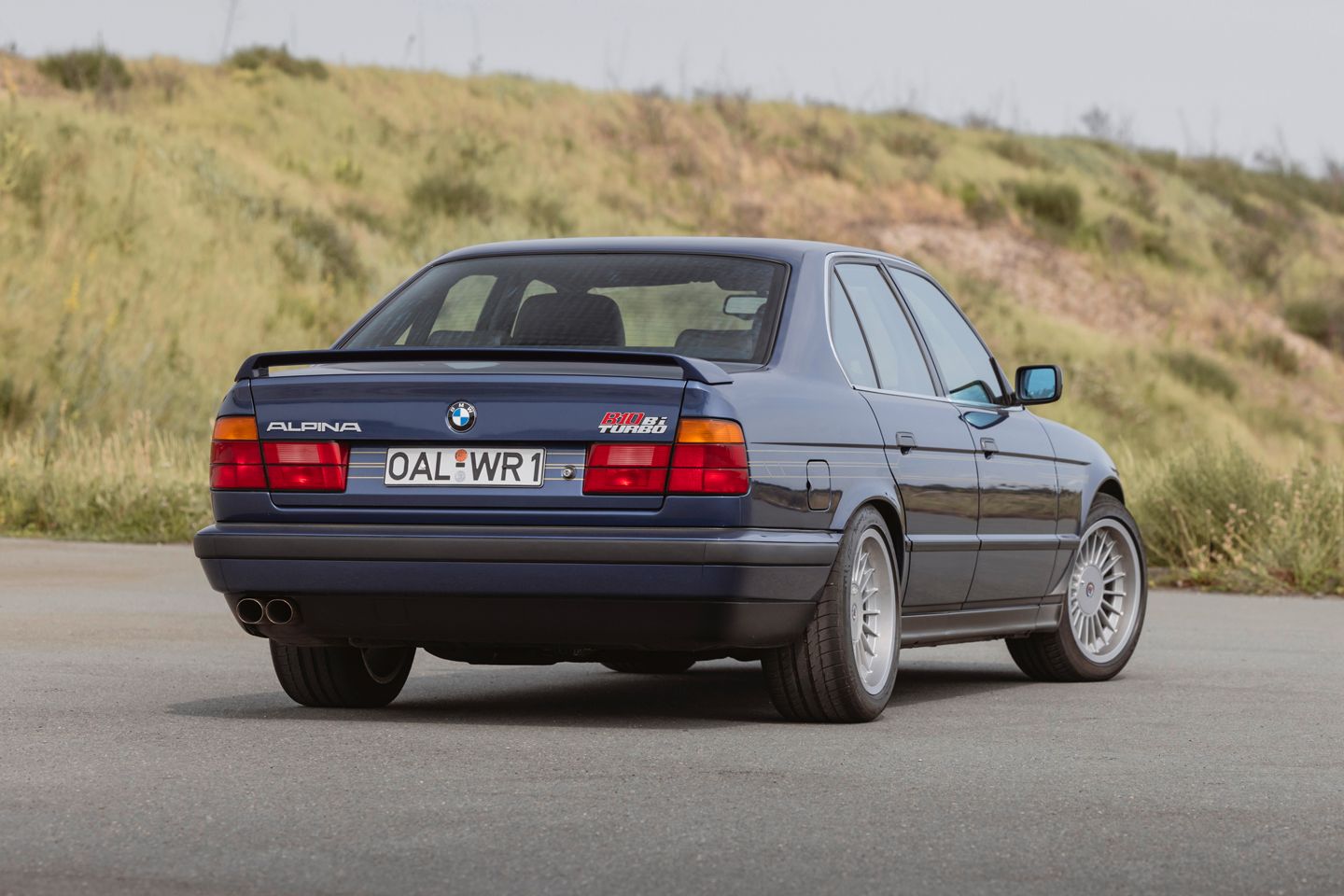
The E28-gen B7 that Alpina has brought along isn’t driveable, so the next car in the chronology I get to experience is the really special one. The E34-based B10 Bi-Turbo was the car that really put Alpina on the map. “We were lucky because of the quality of the E34, of course – the body strength was exceptional for the time and the wind noise is at least a class higher than the predecessor: even at 290km/h it was a quiet car,” Bovensiepen says, when asked to nominate what made it so great.
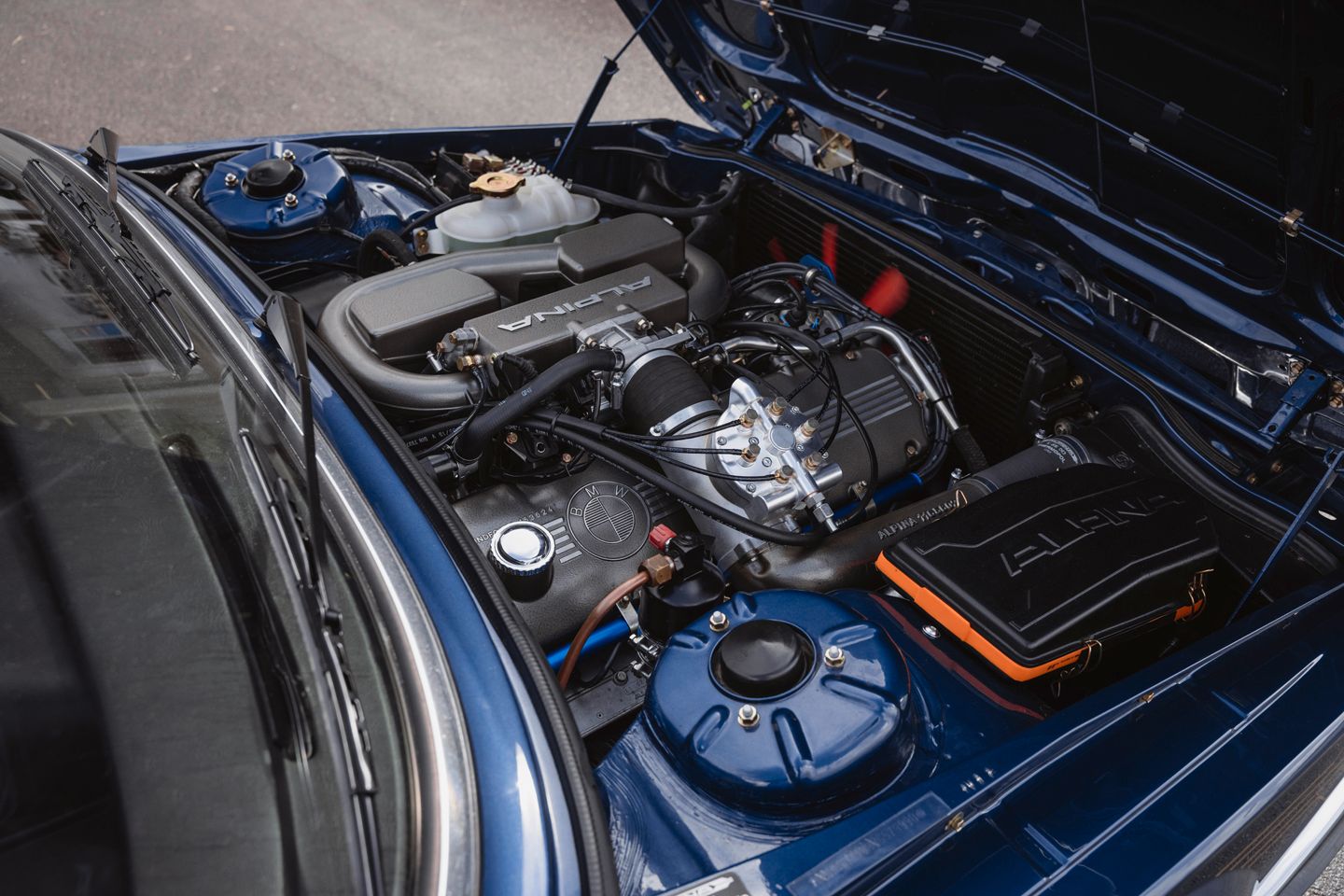
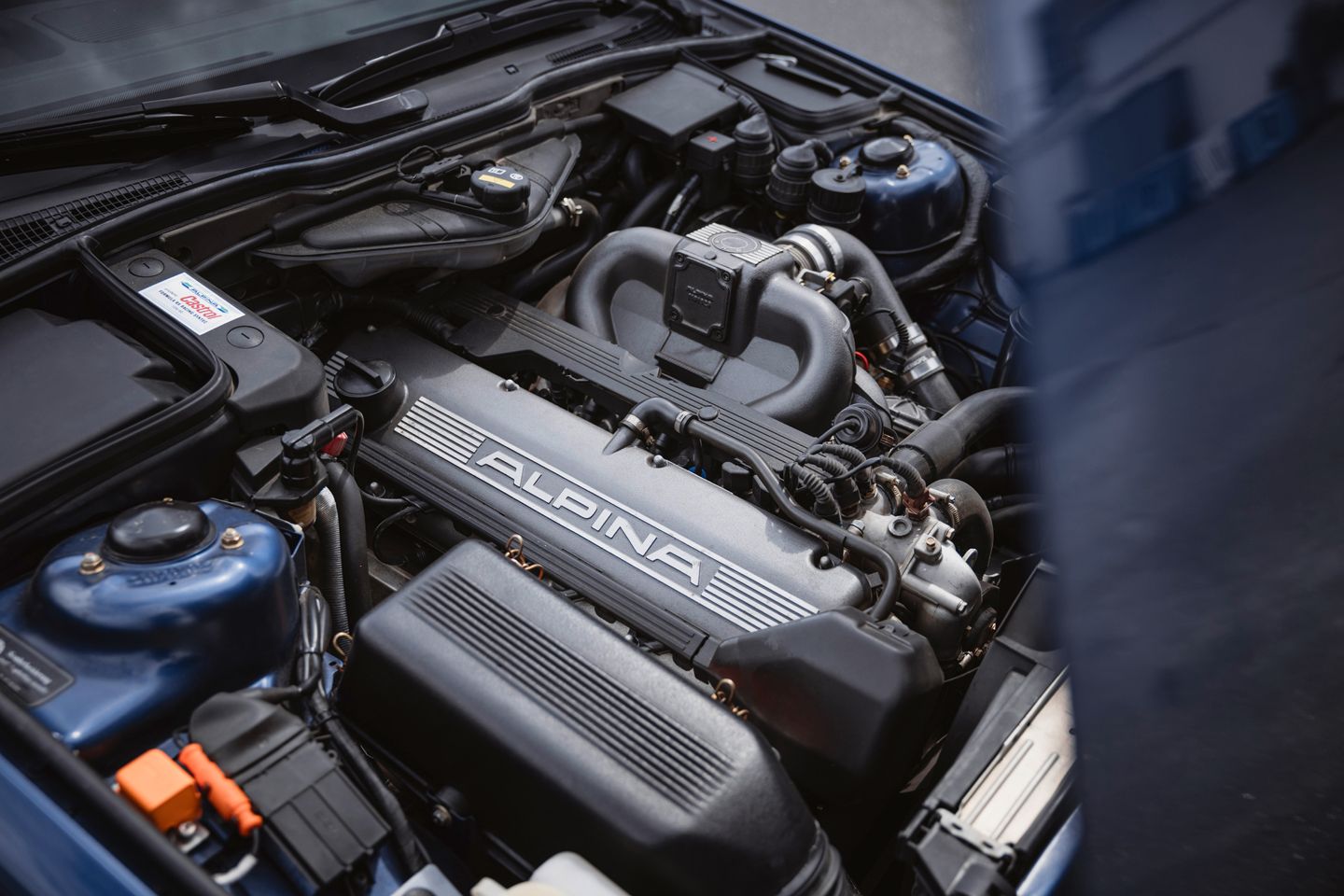
Of course, that 290km/h V.max was the hard part. Alpina thoroughly reworked the BMW M30 straight six with forged pistons and two Garret T25 turbochargers, these creating a new peak of 355hp. In 1989 that was enough to make it the fastest factory four-seater in the world, with one US magazine reckoning it was both quicker and better to drive than the Ferrari Testarossa.
Even now it still feels special – although at only a small percentage of its 180mph top speed. The gearbox is still manual, although now with a conventional shift pattern, and the engine makes boost with much less hesitation than the B7S, pulling much stronger. Steering is lighter but more direct than the E12, reactions are much keener and although the suspension has an obvious softness under aggressive direction changes, it doesn’t feel unwieldy when pushed.
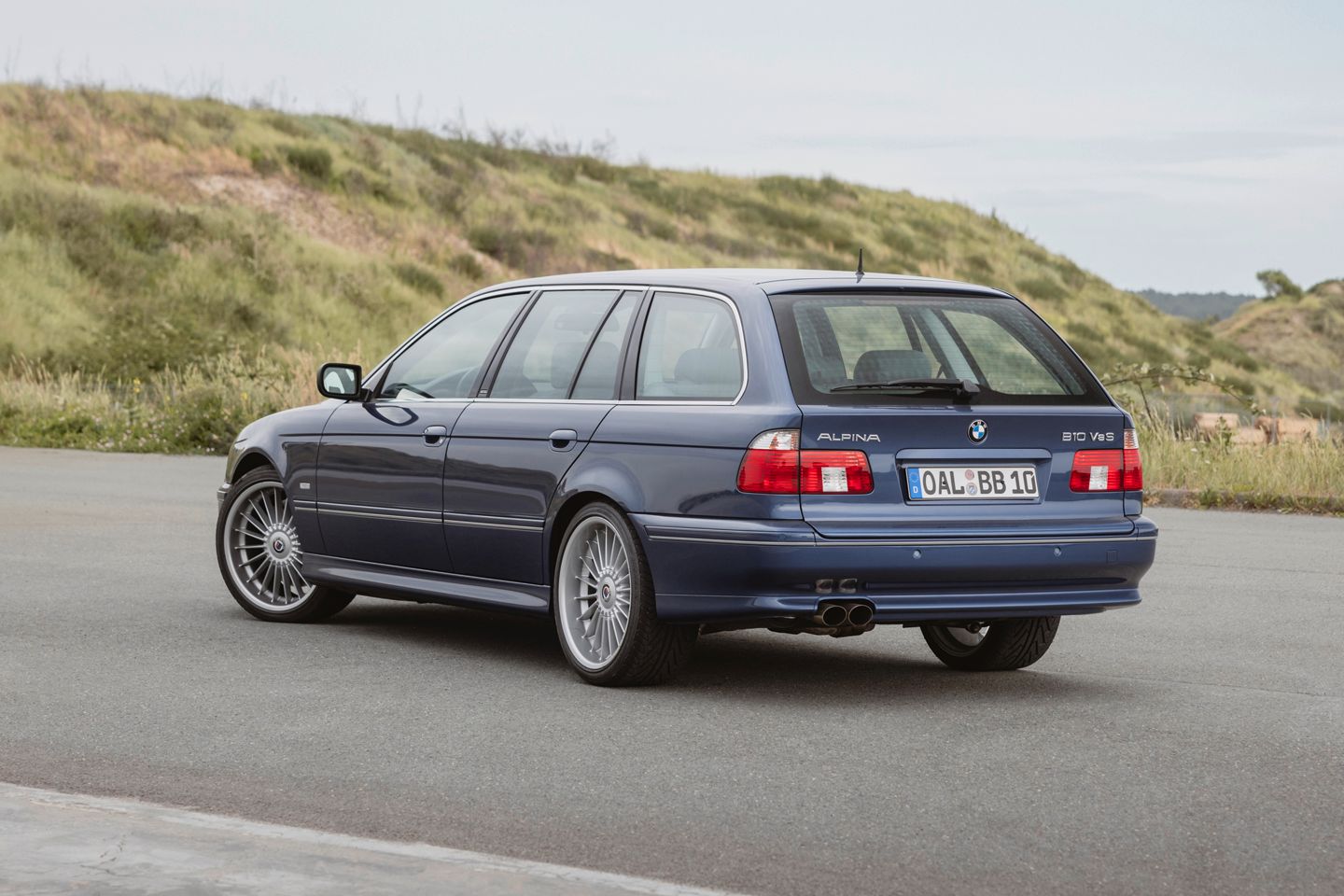
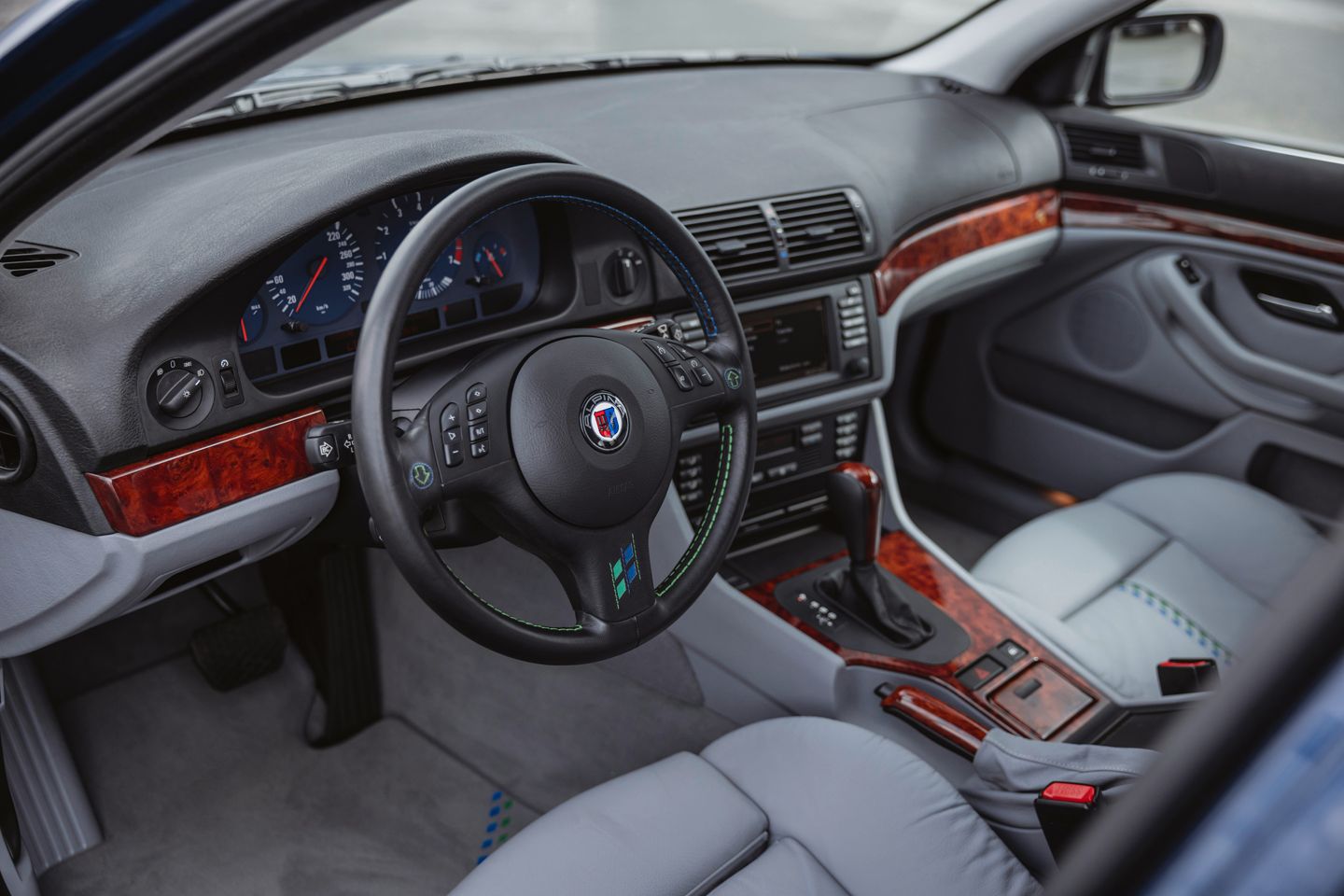
But while the B10 was hugely successful, it was the successor E39-generation B5 which really proved Alpina could be regarded as a manufacturer in its own right – a legal status it had held since the early ‘80s. With the E39, the smaller company started to replicate BMW by offering different models on the same core car. The six-cylinder B10 3.2 and 3.3 were based on the 528i while the B10 V8 and later B10 V8 S were spun from the brawnier 540i. The smaller motor was adequately quick by late ‘90s standards, although the 3.2 Touring’s 156mph top speed meant it was barely quicker than the original E12 had been.
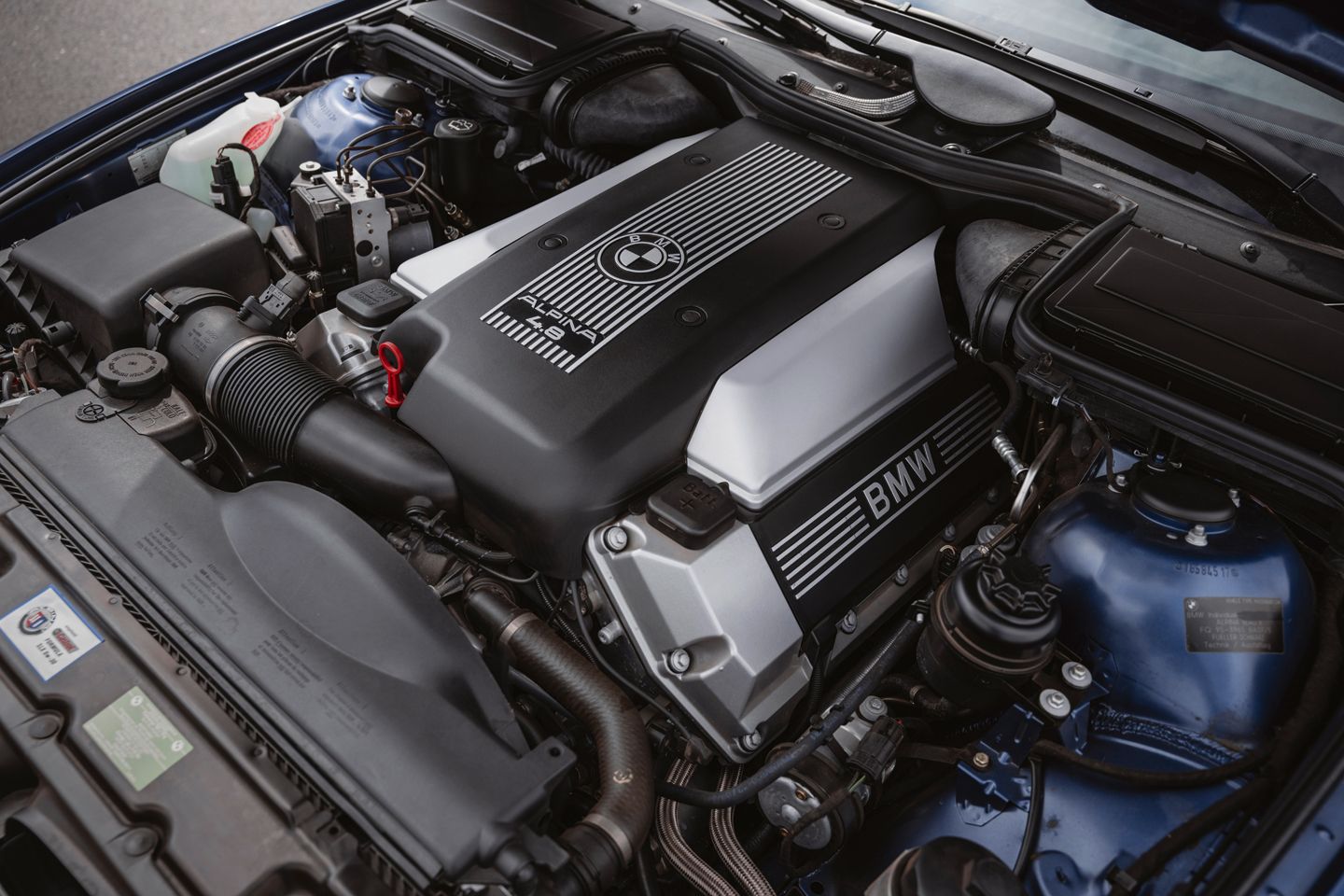
The V8 version of the E39 B5 dropped turbocharging, making 335hp from a 4.4-litre V8 as launched, with less torque than the Bi-Turbo. Top speed was slightly down, too – a mere 173mph for the saloon. But the E39 introduced a new innovation in the form of Alpina’s ‘Switch-Tronic’ system, the pioneering offer of steering wheel gear selection with an auto transmission, perfect for the laid-back high-speed mission. (Bovensiepen is especially proud that this pre-dated Porsche’s first Tiptronic.)
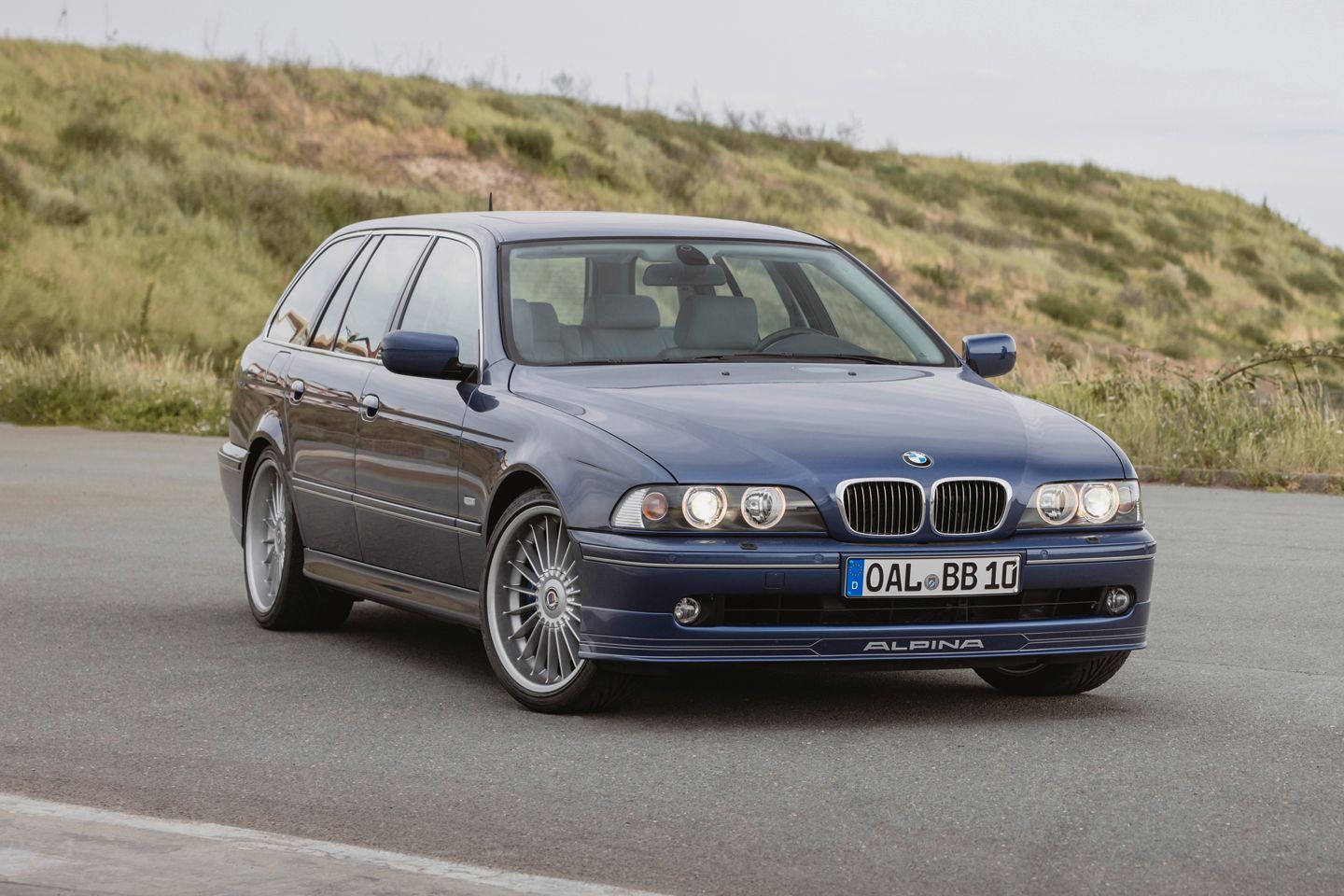
The E39 at Zandvoort is a later B5 S, which boasted an upgrade to 370hp and various other tweaks. It is also a Touring, with the practical estate lines working particularly well with the pinstriped front splitter. I’ve never driven a V8-powered E39 B5 before, but the basic cabin feels like being reunited with an old friend, with details like the blue instrument dials and blue and green stitching on the seats making it feel different, but not too different to the regular E39. Off-the-line performance feels tame compared to the B10 Bi-Turbo, softened by the relative lack of low-down torque and the auto's torque converter. But once revving the B5 V8 S pulls hard and sounds great, with much crisper reactions and steering feedback than I remember from any BMW E39 beyond the M5 itself.
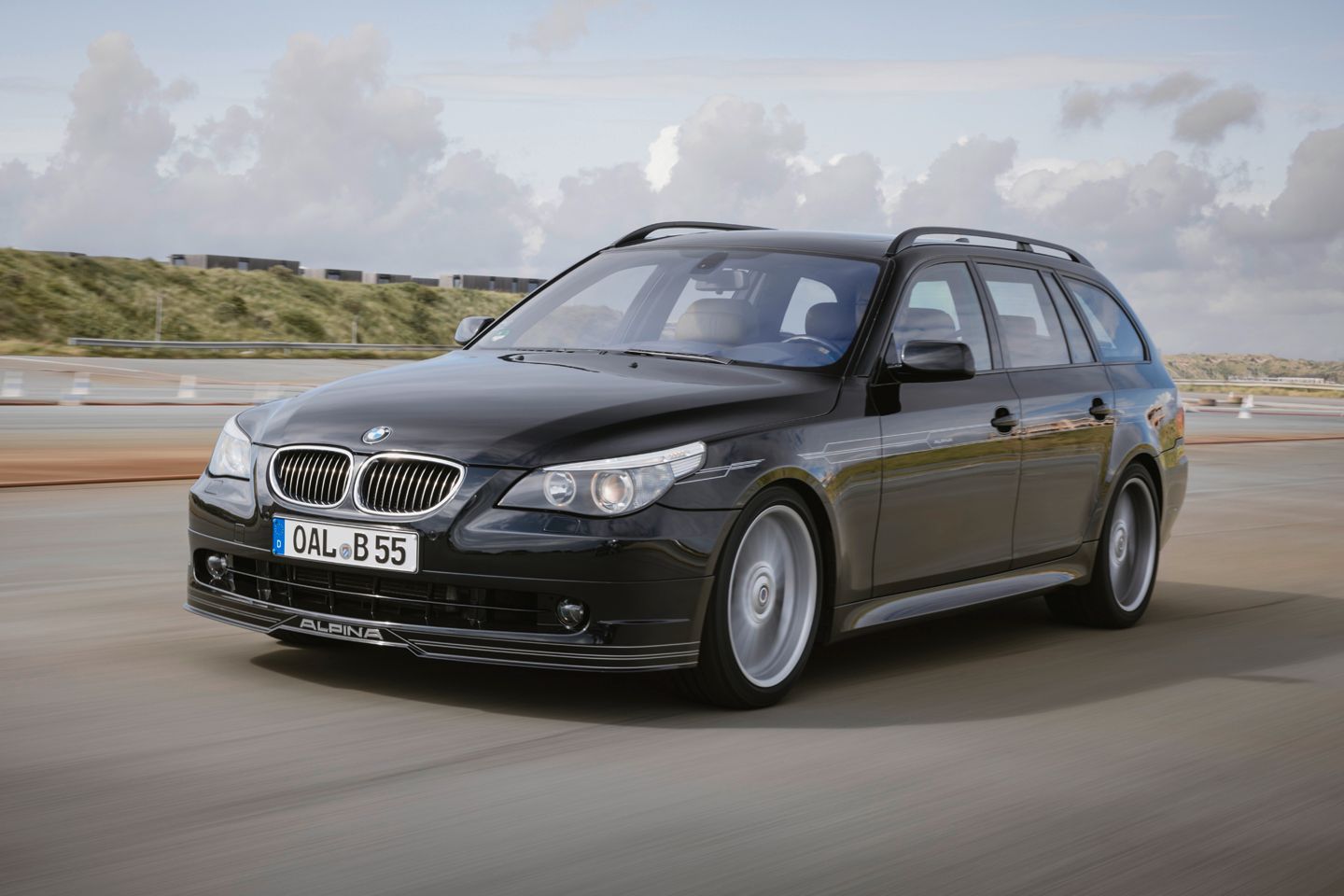
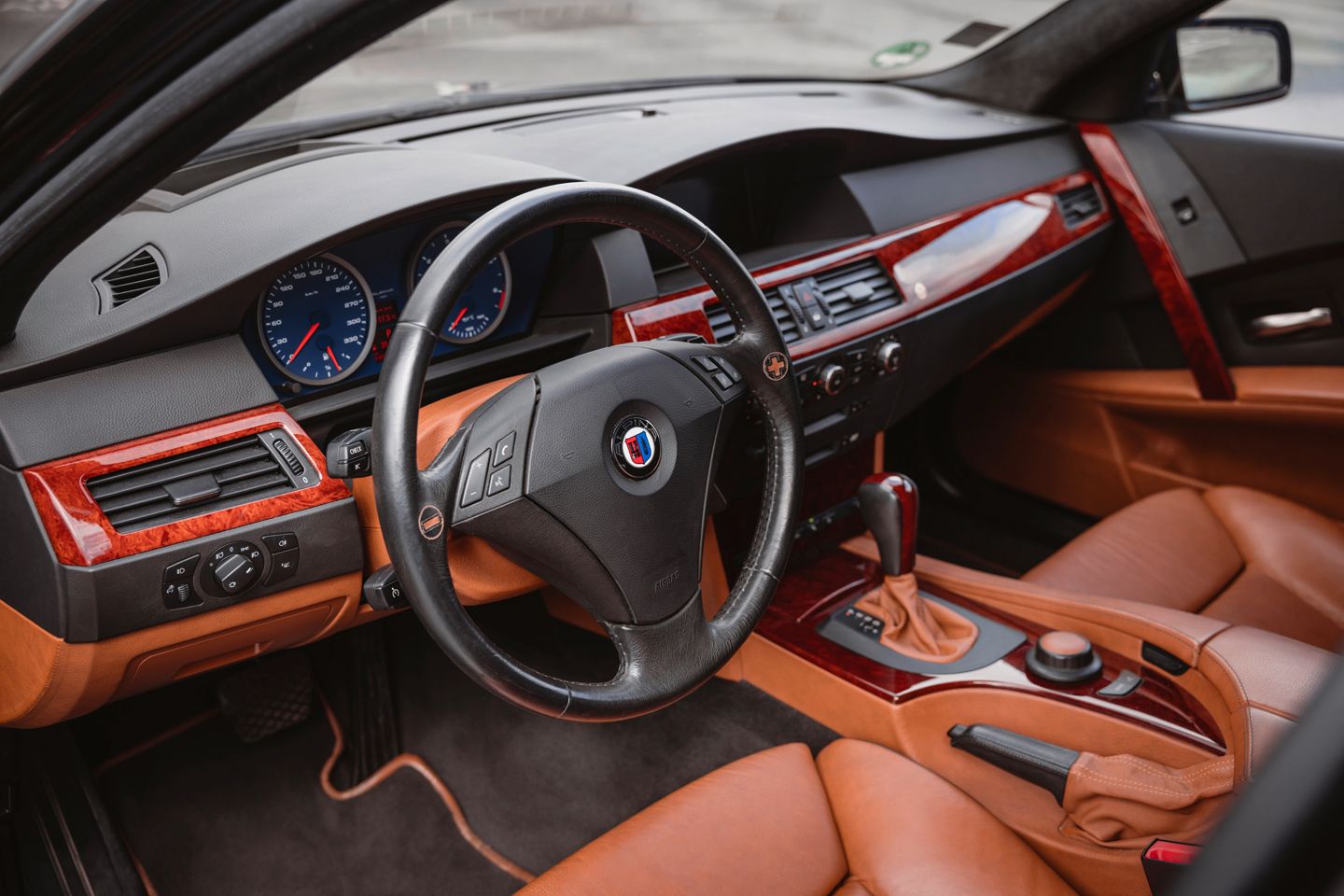
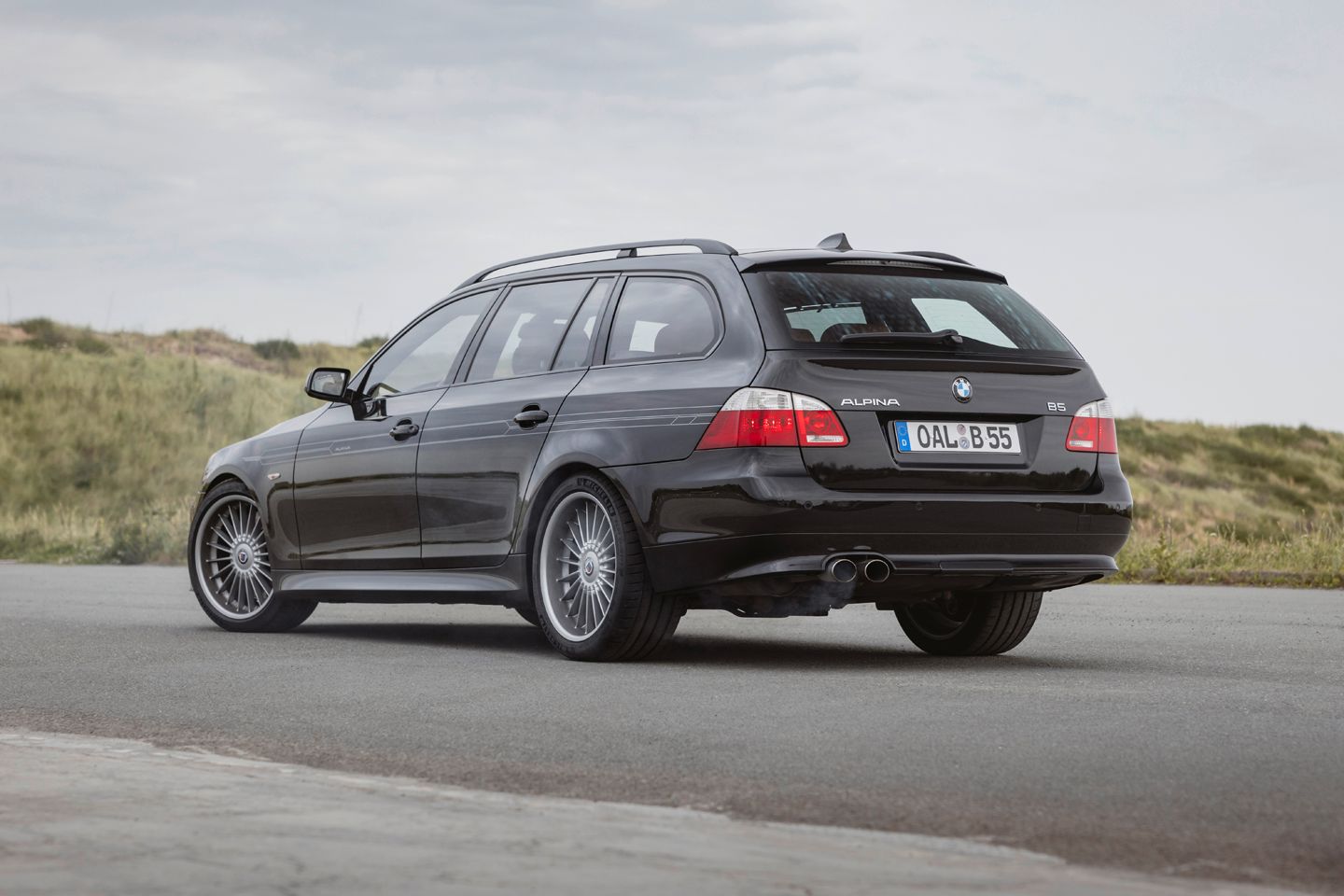
Bringing us, chronologically , to what turns out to be the anti-climax. There are no bad cars in this group, but the E60-generation B5 – in this case an E61 Touring – is definitely the least good here. For the E60 Alpina opted to answer criticism of the E39 V8’s lack of urge by creating a new supercharged version of the 4.4. This made a much more serious 493hp – putting it almost on terms with the naturally aspirated V10 of the contemporary M5 – with a six-speed auto in place of the M car’s snappy single-clutch robo-box another obvious point of distinction.
The E61 B5 Touring at Zandvoort is no museum piece, its odometer owning up to 199,250km. But although the engine is lag-free and performance feels to have moved up a notch, the steering lacks the communication of the E39 and, on a tight slalom course, I’m soon fighting understeer. While grip is undoubtedly higher, there is less sensation and less finesse. I’m also remembering what a low point this era was for BMW interiors, with cheap, plasticy switchgear and the need to negotiate the iDrive controller. Even the Alpina-ization of lashings of high-quality caramel-coloured leather can’t do much to lift it.
All of which was the way history should be taught – even though I didn’t get the chance to complete the set by experiencing the F10-generation B5 Bi-Turbo that was also present with its 600hp turbocharged V8. It is fascinating to see how the bloodline developed, and the guiding philosophy that has allowed Alpina to use the same building blocks as BMW and yet produce obviously different products.
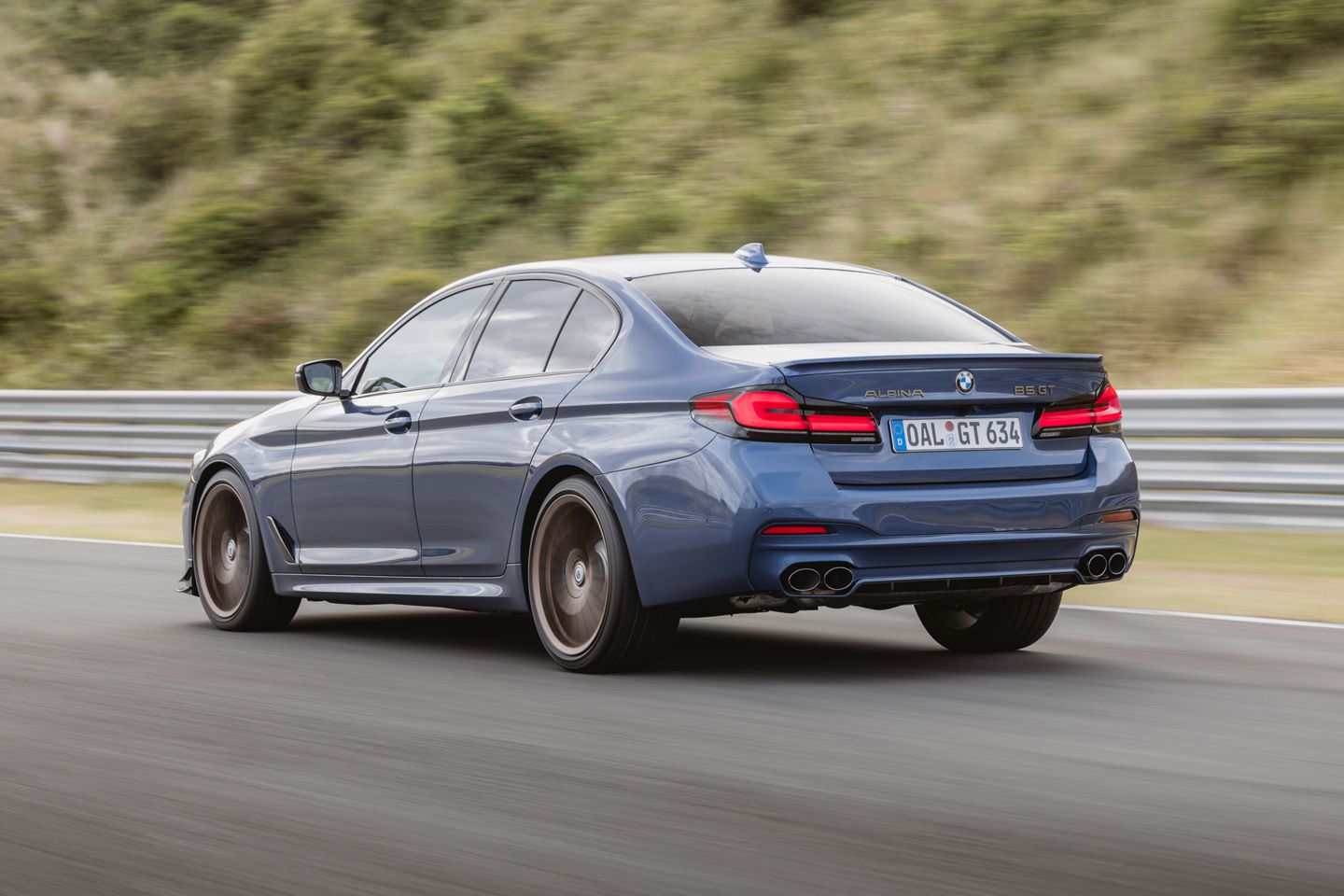
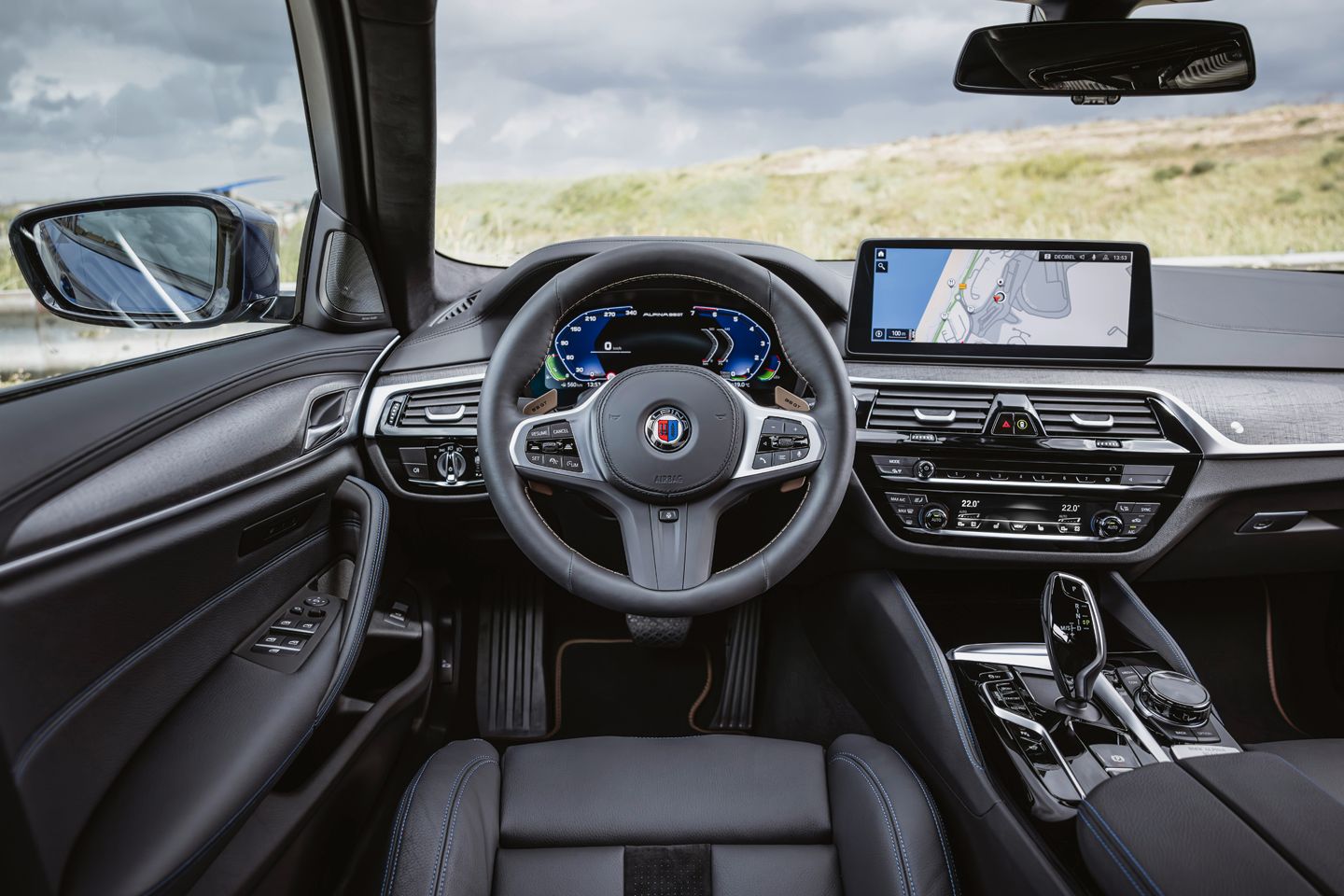
“The credo has always been that the car has to be neutral at the limit, if possible with no understeer,” says Bovensiepen when asked about the core values, “but not hard or harsh. That would ruin the experience – these are always cars for going fast without drama.”
This is where, he admits, the decision to sell the Alpina brand to BMW at the end of 2025 has come from. “We are facing a different world, we know that,” he says, “if you like to go fast you need to use a huge amount of energy, and that is something that is not going to be possible with electric cars with existing technology. Electric cars are very great at acceleration, let’s say from 0-60, and for driving silently in towns. But on a German motorway if you want to travel quickly then the range won’t be sufficient, certainly not for our customers.”
There will be future Alpina models, BMW planning to make use of what will be an expensively acquired IP asset. But these will almost certainly be substantially different to the ones that have gone before. The smaller company could have continued to produce combustion models for a while longer – potentially all the way until the outright ban on engines – but with increasing risk and cost.
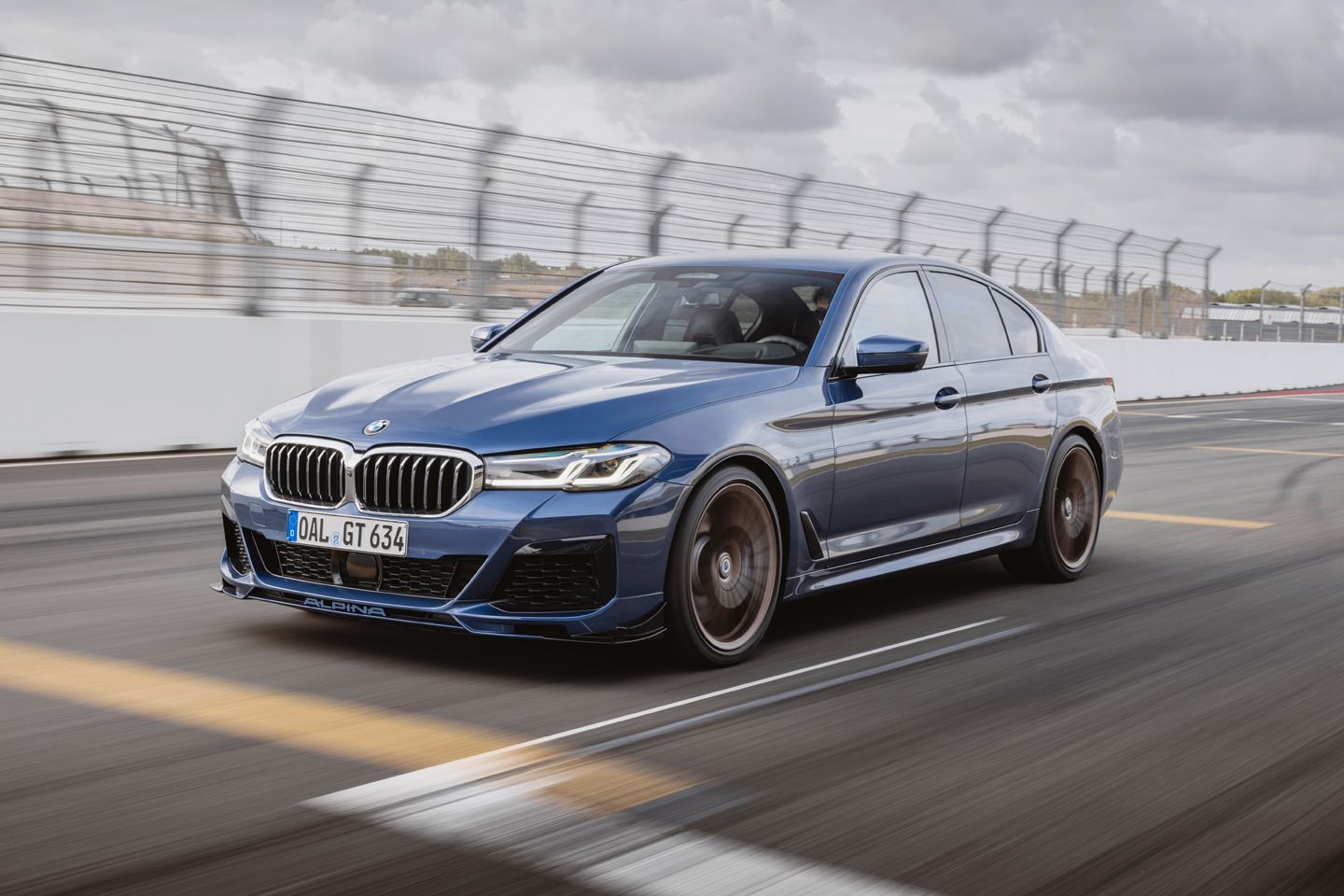
“The problem is that there is not a clear, agreed way into the future,” Bovensiepen says, “at the moment we have our negotiated CO2 limits that are valid to 2025. These have been negotiated with the EU commission in Brussels as an independent manufacturer. Due to the fact we are a smaller company, like Aston Martin or McLaren, we negotiated targets which were achievable. There was an understanding that we are not able to reduce at the rate of bigger companies because of our portfolio. But it is unclear what would happen after 2025, and maybe at a certain point there would be no exemptions – we would have to fulfil everything.”
The other issue, Bovensiepen admits, is moving goalposts. Smaller manufacturers can be exposed quickly when the wind shifts. “We have the strange situation in Japan where we currently sell about 40 per cent diesel models, much more than we used to,” he says, “at the moment the diesel image in Japan is the same it was in Germany in 2005 – great torque, fun to drive frugal. But it is a completely different mindset in Europe now, of course.”
Which is the problem of trying to call a race with an ever-increasing number of horses. “We are a small manufacturer with limited resources,” Bovensiepen explains, “but if we want to be sure about the future we would need to develop petrol, diesel, hybrid and BEV – everything. And the more you go into battery or hybrid the more it gets software driven and you need many more engineers. We have around 100 engineers right now, but maybe we would need 200 – maybe more than that. And it is not automatic you are going to sell double the number of cars.”
Alpina has always been a cannily run business, adept at spotting niches. But it has also been profitable, something Bovensiepen says has frequently distinguished it from more exotic and expensive rivals. The growing risks and the many unknowns are what have led to a change of direction, one that will see the continuation of Alpina Classic – there are around 60,000 cars out there for it to work with – but which will also see the end of one of Germany’s most interesting brands as an independent producer of new models.
That’s a shame, but it could also be a forward-looking move; this is unlikely to be the last time you read a similar story about a high-end combustion tuner effectively raising the white flag.



Sad though it is, this seems like a prescient move by a wisely-run company that made wisely-tuned cars. It’s a smart decision that looks even better by their decision to actively support older cars rather than hang up their gloves.
It would be nice to see them thriving in this role. If they were to embark on resto-mods of earlier products it might preserve both legacy and viability. Hope their products remain attainable if they do go in that direction as it could grow enthusiast following.
E34 has always been my favourite 5. Bought an E34 B3.5 years ago but it needed too much work to recommission and I sold it on. Bloody lovely looking car though. I think it would maybe be my ideal usable family classic car.
Loved my E39 B10 V8 too. They were quite affordable for a while and it made a fantastic family car with relatively sensible running costs. I’d love a modern Alpina 5 Touring but all the £££ these days and it’s much harder to see the value vs the regular BMW options. Doesn’t stop me looking

No difference in terms of EV power (sharing whatever electric drive train it must) but with the wheels, interior and paint options that are usual for Alpina.
A shame…. But then what choice is there.
My E39 3.2 Touring was a beauty and a car I wish I still had, it drove well on the road, went to the tip full of rubbish and did 5 days on the Nurburgring doing the Scuderia Hanseat training course. (Yes all E39 six-cylinders had the better steering)
My E60 B5 was a really discrete 'sleeper', de-badged and with the standard exhausts being on only one side it looked similar to a 520d to most people, but went so much faster. I saw 198mph on the speedometer in Germany without any difficulty. Yes, it did understeer when pushed but it's designed as an executive express not a canyon-carver.

Have owned my Oxford green (non-vanos & cable throttle) e39 B10 4.6 for 3 years. It will be 25 years old come October and it has just spent the last 2 months being refreshed underneath with all new suspension arms, subframe bushes, track control arms etc. It drives down the road in a way that most manufacturers don't know how or can't be bothered to offer. With 'only' 340bhp it is not fast in current terms but that's not the point, think half hot rod/half limo and you can cover ground quickly and comfortably (yes I'm getting on bit....) and have fun doing so. The steering is a moot point, Mrs Sticky's e39 touring (6 cylinder) has far better steering but its still better than the bloody awful steering they gave the M135i we had for a very short time.....
Costs wise my Oxford green one which was well specified from new with double glazing, rain sensing wipers, powerful mirrors and so on (this is early 1998 remember..) cost around £73k.
In the pic below a pal had the grey facelift one with vanos and slightly more oomph, I like green though!


Someone above said it right, they do something that other manufacturers can't or won't.
Very, very special road cars indeed. The Lotus of the executive saloon (and estate).
Have owned my Oxford green (non-vanos & cable throttle) e39 B10 4.6 for 3 years. It will be 25 years old come October and it has just spent the last 2 months being refreshed underneath with all new suspension arms, subframe bushes, track control arms etc. It drives down the road in a way that most manufacturers don't know how or can't be bothered to offer. With 'only' 340bhp it is not fast in current terms but that's not the point, think half hot rod/half limo and you can cover ground quickly and comfortably (yes I'm getting on bit....) and have fun doing so. The steering is a moot point, Mrs Sticky's e39 touring (6 cylinder) has far better steering but its still better than the bloody awful steering they gave the M135i we had for a very short time.....
Costs wise my Oxford green one which was well specified from new with double glazing, rain sensing wipers, powerful mirrors and so on (this is early 1998 remember..) cost around £73k.
In the pic below a pal had the grey facelift one with vanos and slightly more oomph, I like green though!
I had an E46 B3 convertible in velvet blue. Very glad I experienced it.
Roll on the Alpina 111ev with numbered Alpina dash plaque made from recycled bottles.
E34 has always been my favourite 5. Bought an E34 B3.5 years ago but it needed too much work to recommission and I sold it on. Bloody lovely looking car though. I think it would maybe be my ideal usable family classic car.
Loved my E39 B10 V8 too. They were quite affordable for a while and it made a fantastic family car with relatively sensible running costs. I’d love a modern Alpina 5 Touring but all the £££ these days and it’s much harder to see the value vs the regular BMW options. Doesn’t stop me looking
I had a B10 3.3 followed by a B10 V8s. Did about 250k miles between the two. They were good cars for the time but maybe not as great as some make out. 3.3 was an engine with known issues around oil consumption and was hampered by only having a 5 speed.
V8S was nicer but as article alluded it never felt that fast. Nice comfy GT. Thing is modern cars do that so much better. Not sure why you would want to pay a lot of money to own one now.
Gassing Station | General Gassing | Top of Page | What's New | My Stuff