
Toyota plans to recycle 10,000 cars a year in UK
New Toyota Circular Factory concept will kick off at Burnaston plant later this year
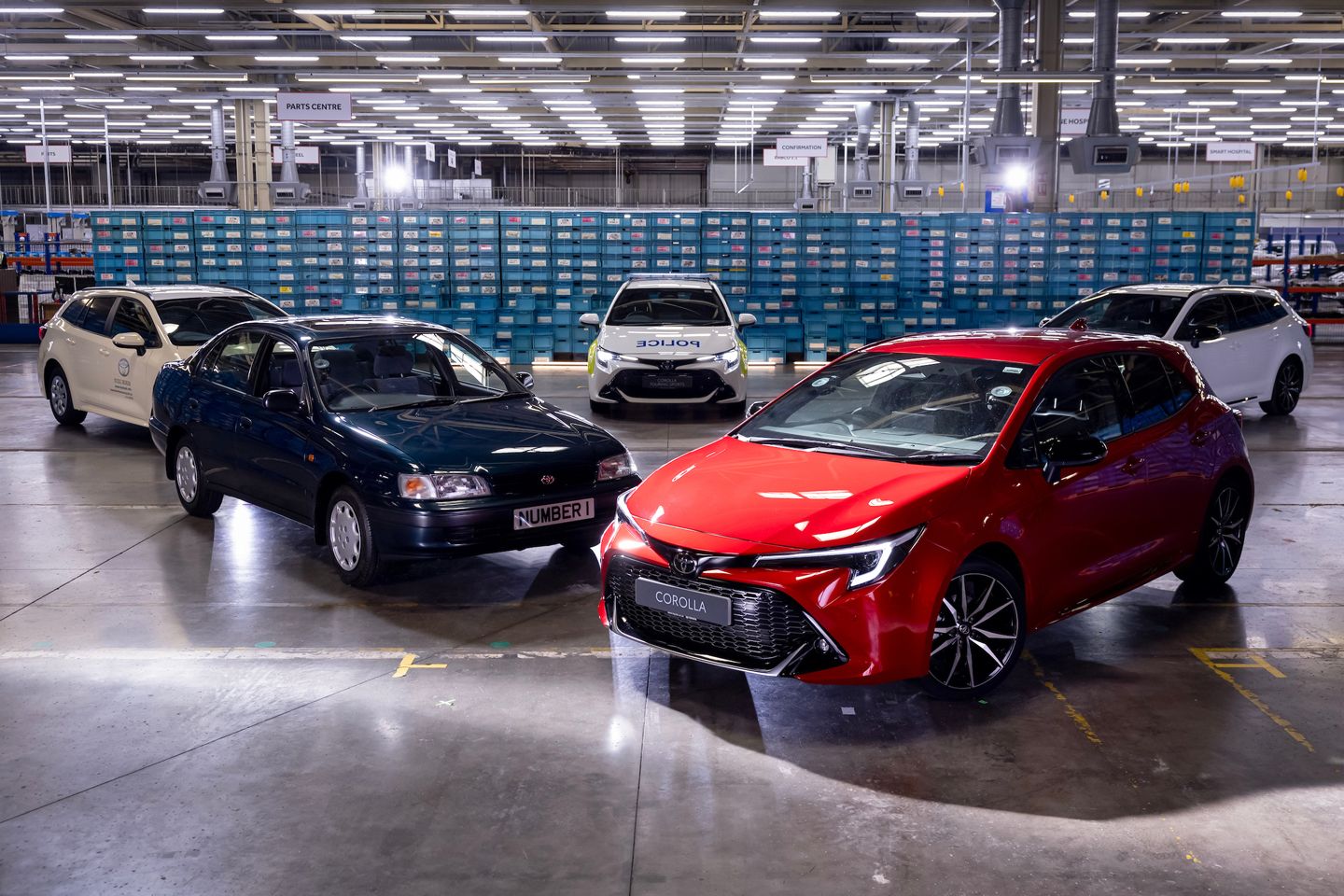
Recycling, you won’t fail to have noticed, is big business. Beyond the obvious environmental benefits of reusing stuff, raw materials are pricier than ever - especially the hard-to-find (and process) stuff that goes into the production of each and every modern motor car. Throw in additional expensive commodities like batteries, and it’s little wonder that the days of manufacturers regarding end-of-life vehicles as someone else’s problem are fading fast. The cost of recycling is increasingly outweighed by the benefits.
Almost certainly that is the justification for Toyota launching itself at the concept of re-purposing, re-manufacturing and recycling with unprecedented gusto. You know it’s important because the firm has bestowed upon it a snappy new name - Toyota Circular Factory - although the title does signify two things: firstly, that the processing is taking place at existing production facilities, and secondly, that it is intended to occur at significant scale. Kicking off at Toyota Motor Manufacturing UK’s Burnaston plant - the first such operation globally - it expects to get through 10,000 cars a year.
The process, which takes place alongside the business of building new Corollas, is focused on three key areas: re-usable parts, items that can be re-manufactured and materials fit for recycling. The first will be reintroduced to the market via dealers or parts suppliers; the second - which includes batteries - will be assessed for future re-purposing; the third involves Toyota harvesting as much copper, aluminium, steel and plastic as possible and using them to replace ‘virgin’ materials in the production of new vehicles.
“We initially anticipate recycling around 10,000 vehicles a year in our UK facility, which will give new life to 120,000 parts, recover 300 tonnes of high purity plastic and 8,200 tonnes of steel - amongst other materials,” said Leon van der Merwe, Vice President of Circular Economy at TME.
“As a next step for the Toyota Circular Factory concept, we plan to roll out similar operations across Europe. And we’re not stopping at our own facilities - we are eager to collaborate with other organisations who share our passion of circularity and commitment to carbon neutrality.”
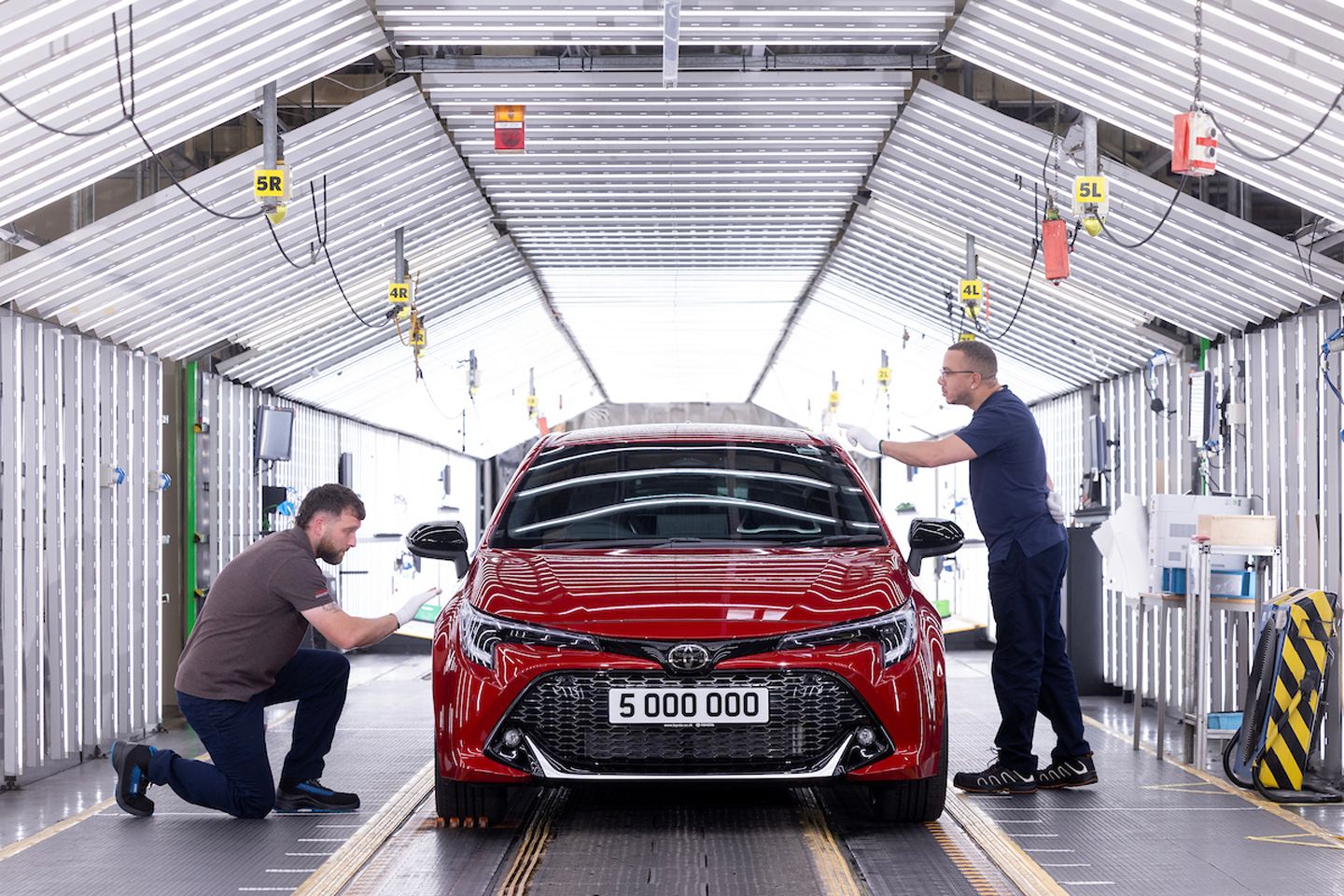
Toyota hasn’t said exactly how the physical operation fits into the space and logistical jigsaw that is a busy car factory, nor how many employees it will involve - but it has said it ‘will begin activities in the third quarter of this year’, suggesting that plan is well underway (comments from those in the know at TMUK very welcome below). Certainly the manufacturer expects Burnaston, which celebrated building Toyota’s five-millionth UK-assembled car last year, to become a centre of excellence as it pioneers the new initiative.


I worked in the SMART repair area and loved it. They were (are) buying used Toyotas and Luxus’ and they’d come to us for inspection, service and MOT, dent/wheel/plastic/bird lime repair, be prepped and cleaned and photographed and go straight online for sale.
Fun times.
It was (is) a busy area but there’s plenty of room to diversify.
These cars are already being recycled but by 100 competing businesses which means they can't manipulate parts pricing against consumers or ship parts to markets that will pay more etc.
It'll be interesting to see but I think it may be prudent to withhold judgement?
These cars are already being recycled but by 100 competing businesses which means they can't manipulate parts pricing against consumers or ship parts to markets that will pay more etc.
It'll be interesting to see but I think it may be prudent to withhold judgement?
And they're not just recovering parts to sell on, but also materials that would end up on the scrapheap and using them to replace virgin materials in new cars. That sounds like win-win.
And they're not just recovering parts to sell on, but also materials that would end up on the scrapheap and using them to replace virgin materials in new cars. That sounds like win-win.
The risk of having car manufacturers involved is that it is another avenue for them to subvert the market against the consumer. These manufacturers already hold the car they build on their balance sheet for up to 6+ years manipulating the market to push consumers into having to pay over the odds and by getting involved in the end of life aspect it's just another point at which they can interfere in the free market and act against us.
When someone like Trents take a car apart they have absolutely zero interest in anything other than selling the parts and material at market value. The same can't be said for a manufacturer who has a multitude of other vested interests at play.
Let's put it this way, they aren't bringing anything new to the market, they are doing anything that isn't already being done. They must see an opportunity to make greater returns than the companies already in this space. And we would be wise to be wary.
My personal view is that manufacturers shouldn't be allowed to retain their produce on their balance sheets in the first instance and must sell the vehicles and then they should absolutely f
 k all to then do with car ever again. Make it. Sell it. fk off and go and make another one like normal, less toxic businesses. The fact that they are wanting to get involved in the end of life aspect really isn't likely to be positive to consumers.
So good to see Toyota getting involved, but like BP and green energy, some caution needs to be applied, before we understand their longer term objectives or how they shift position.
The real goal should be to make all cars last longer and reduce new manufacture and consumption - or make them all 100% recyclable/reusable so we dont dig up fresh resources.
Cradle to grave asset management.
Motoring as a service.
Basically, it's s slippery slope to manufacturers never letting go of cars, they lease them to a couple of cycles of users then recycle them once most of the value is used up.
So a car might be recycled at say 8 years old, because there's more money in taking it out of the banger market so people have to buy new.
We're already a fair way down the road to cars which are more designed to be recycled than maintained.
So good to see Toyota getting involved, but like BP and green energy, some caution needs to be applied, before we understand their longer term objectives or how they shift position.
The real goal should be to make all cars last longer and reduce new manufacture and consumption - or make them all 100% recyclable/reusable so we dont dig up fresh resources.
Gassing Station | General Gassing | Top of Page | What's New | My Stuff