
2026 Aston Martin DB12 S | PH Review
Power, noise, speed, style, weight, quad exhausts - the S-badge makeover has returned. Is the DB12 better for it?
Aston Martin, we can probably all agree, is not enjoying the rub of the green. Without the direct financial support of a major OEM, it produces an exceptionally good sports car, a thunderously powerful SUV, a V12-toting super-GT, probably the best hybridised mid-engined supercar you can buy and a mind-boggling, track-biased hypercar that is also (technically) road legal. If you had unlimited money and resources to breathe a startup brand into life and immediately tick off all the segments that high-end enthusiasts claim to like, you would end up with something that looks a lot like Aston. Only you wouldn’t have 113 years of experience to lean on.
Heritage for its own sake has never made Aston profitable, and its past is rife with examples of it tripping over its corporate shoelaces - but if the first responsibility of any carmaker is building first-rate cars that people might actually want to buy, then the current iteration of Aston can certainly claim to be doing a better job than ever before. In fact, unless you’re singularly enthused by the idea of battery power (and to hear manufacturers tell it, that would make you virtually a singular customer in high-performance terms), Aston could hardly be doing more. There isn’t a dud in sight.
To suggest that the DB12 is as close as it presently comes to such a car just goes to show how copper-bottomed the lineup is in terms of outright quality. Launched three years ago, Aston’s super-GT was the first model to benefit from the additional investment that flowed into the firm after 2020, and boy did it show. Not only did it significantly raise the bar in terms of expectations, it also laid down a conceptual blueprint for what would swiftly follow; namely faster, better appointed and considerably more handsome Aston Martins. Consequently, if the model could be said now to have a glaring weakness, it is mostly one of perspective: in the intervening years, the newer Vantage and Vanquish, to varying degrees, have upped the ante.
The updated DB12 S is intended to bridge the gap. And indeed to remind people that in the gap between Vantage and Vanquish, there is still a purpose-built, price-appropriate bridge between its 911-rivalling sports car and V12-toting uber-machine. One that, by design, probably best suits the needs of a ‘traditional’ Aston DB buyer. In truth, not much of substance needed fixing, which means that while its maker has fussily added an S to signify its alterations (officially, the ‘standard’ DB12 remains on sale), these are mostly about delivering the sort of evolutionary improvements we’d expect of a mid-life facelift. Which, based on an expected customer uptake of around 95 per cent, is effectively what you’re looking at.
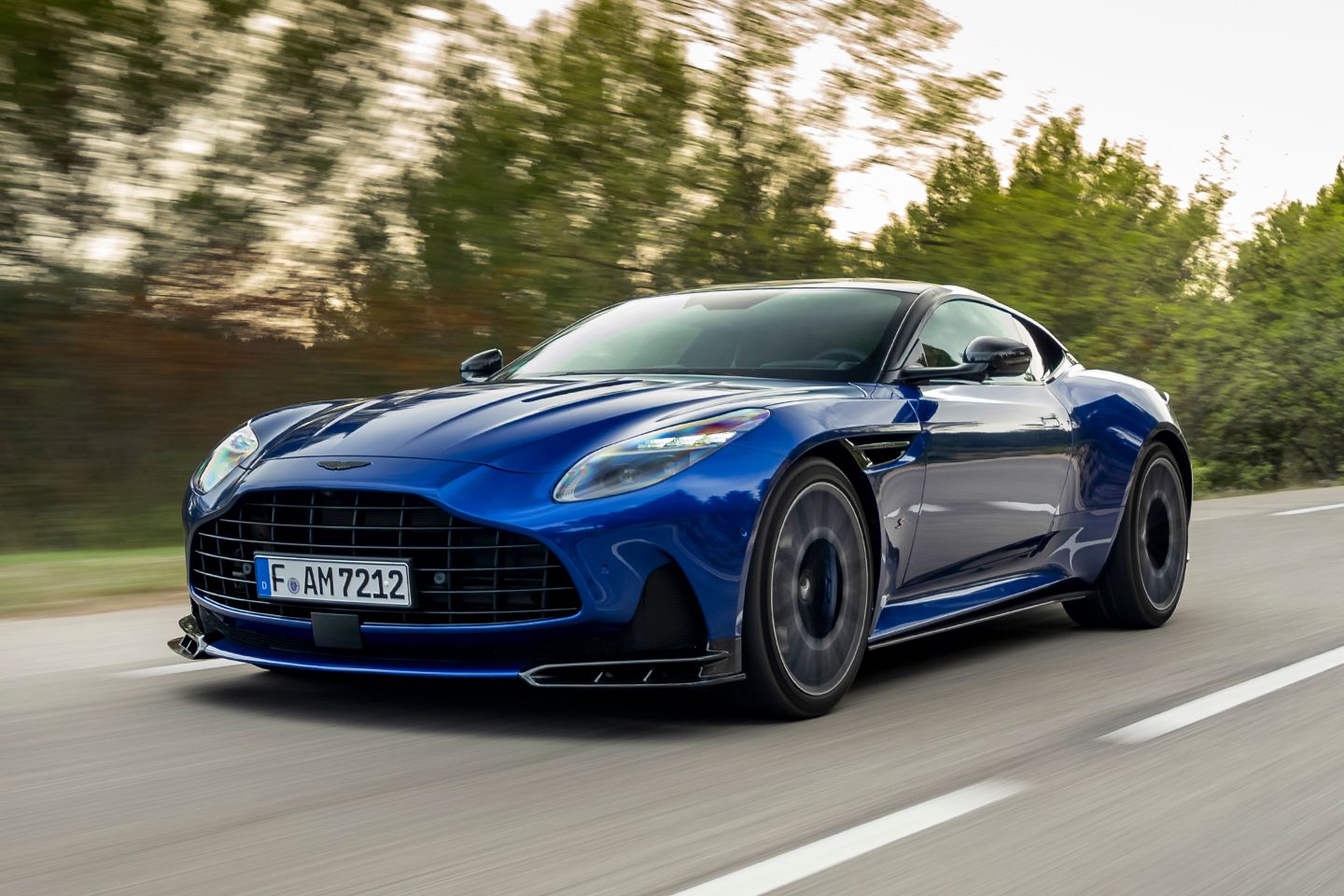
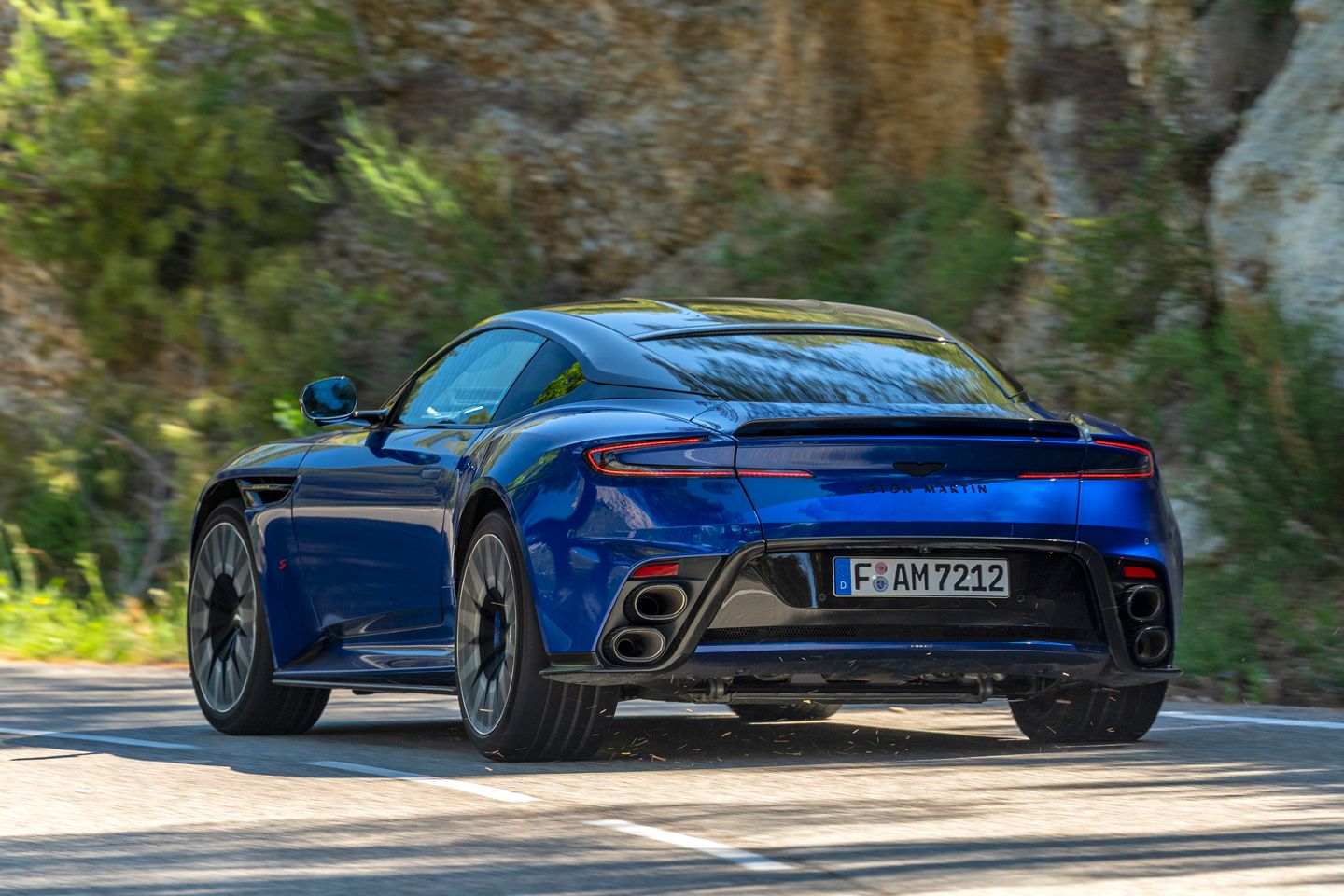
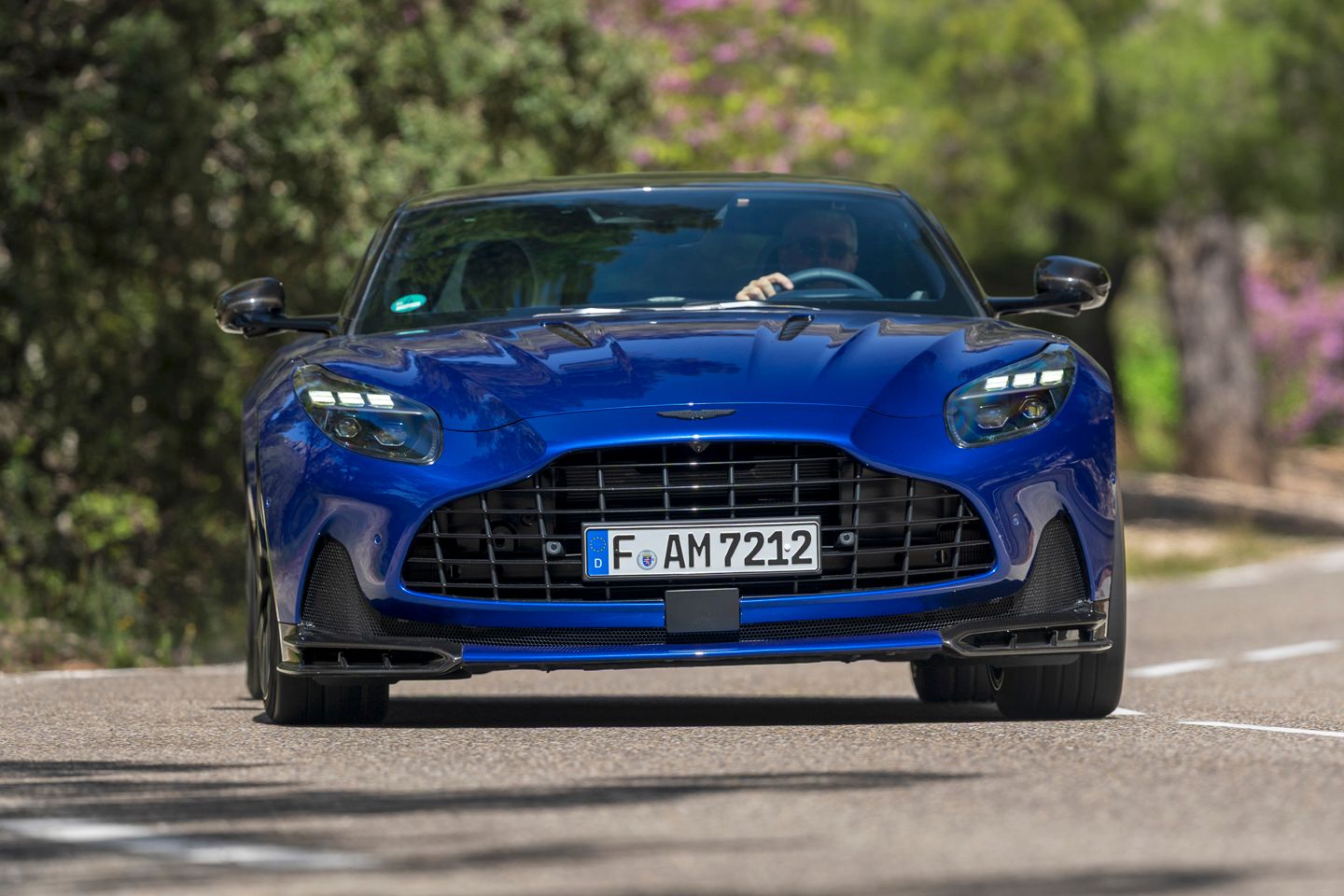
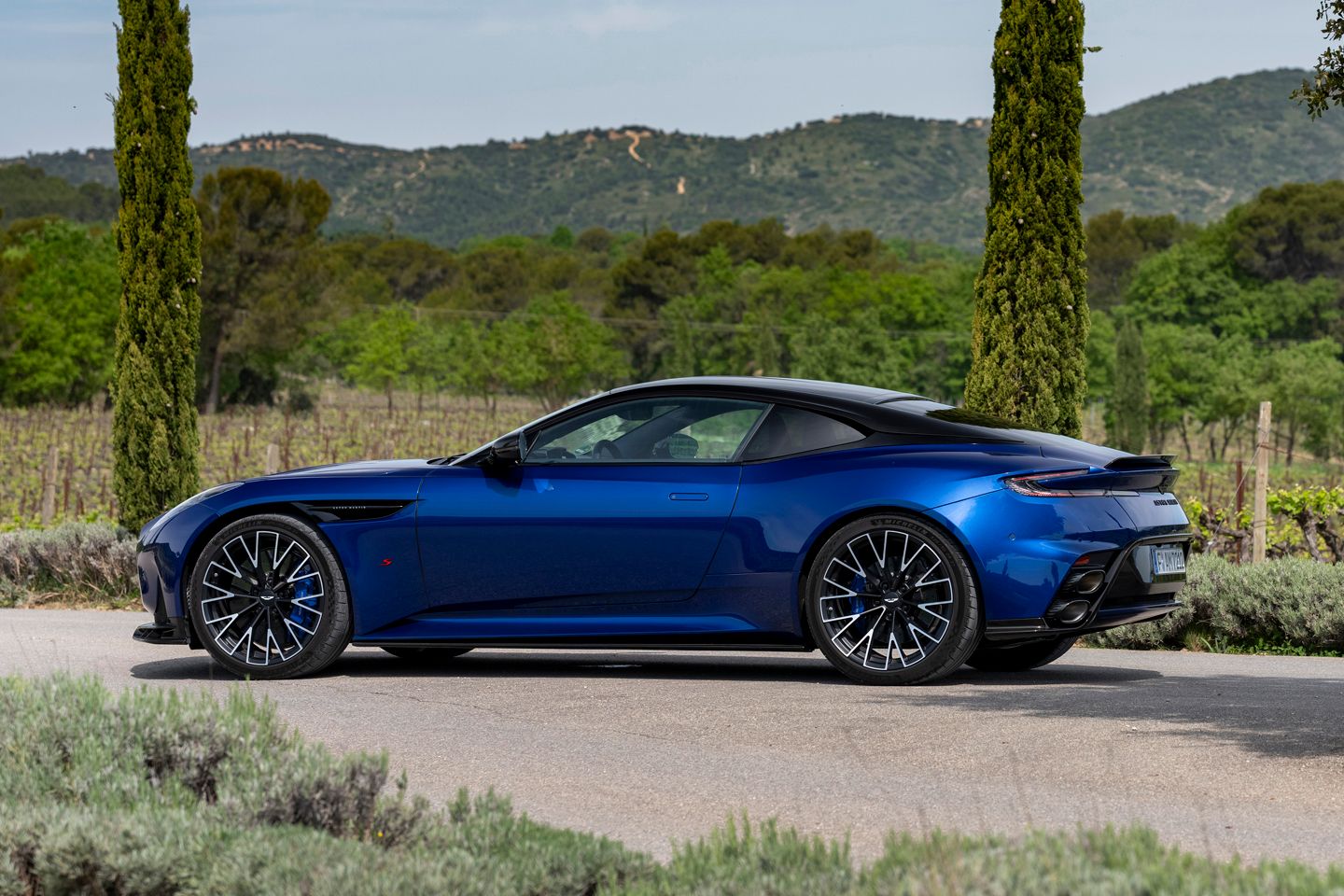
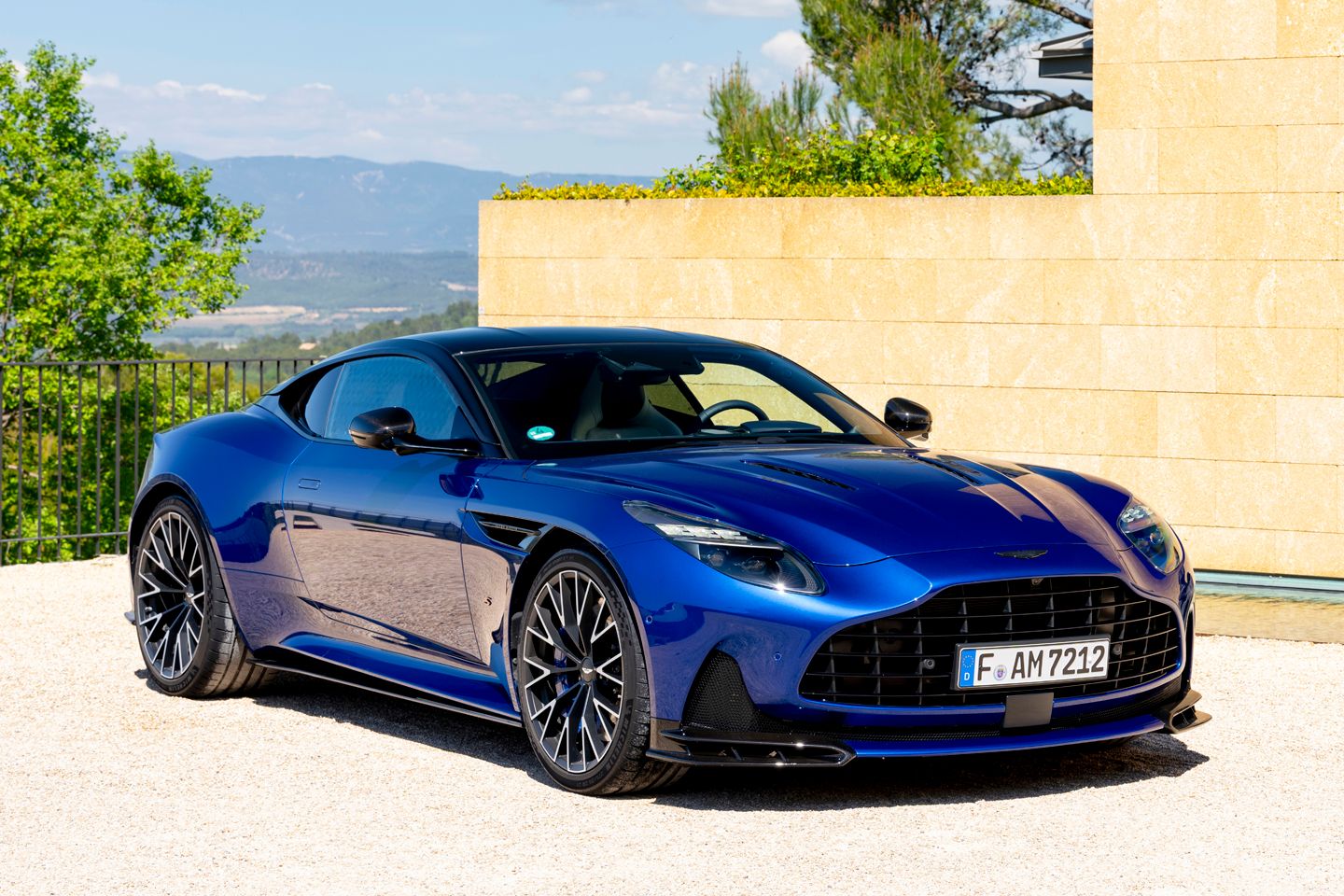
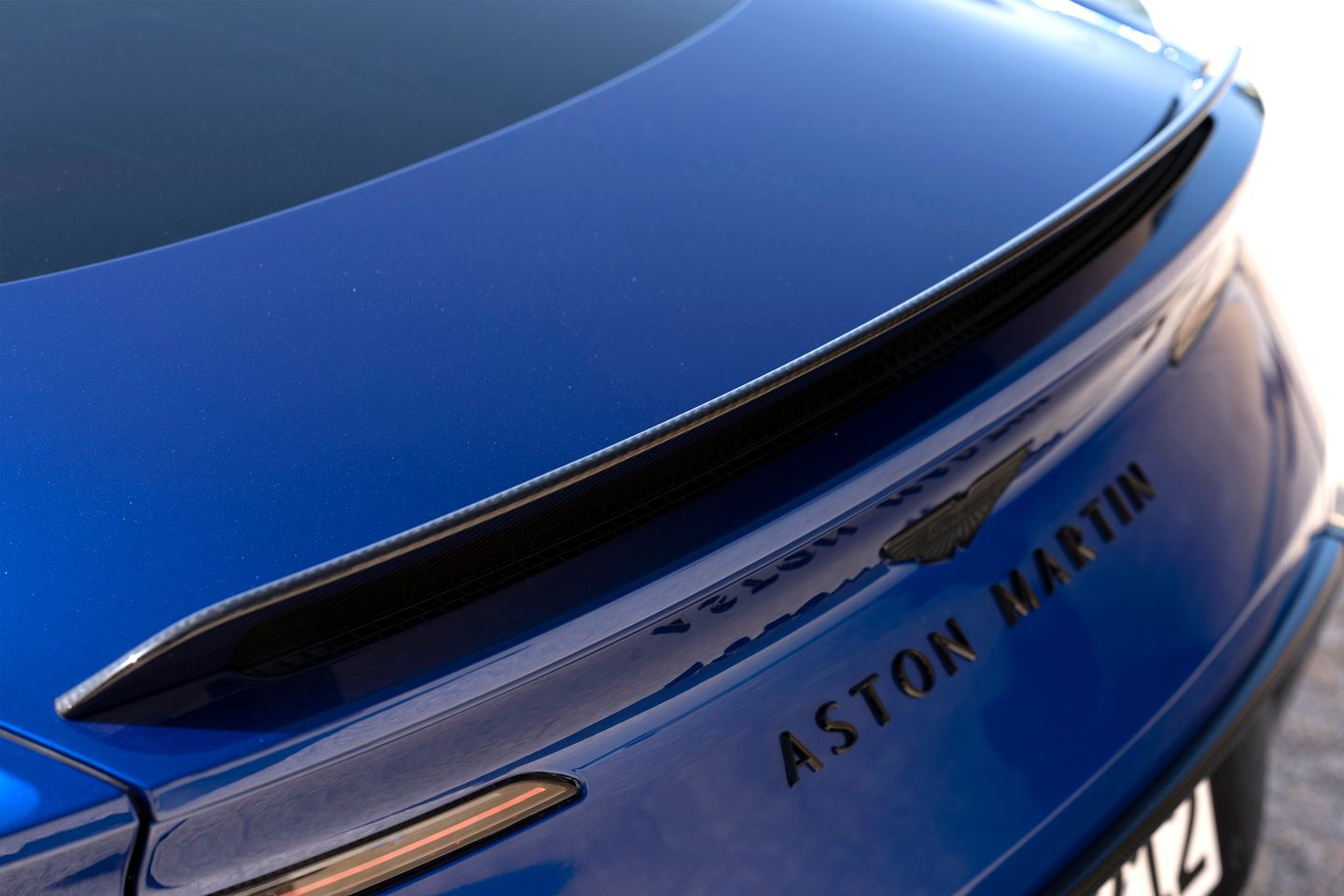
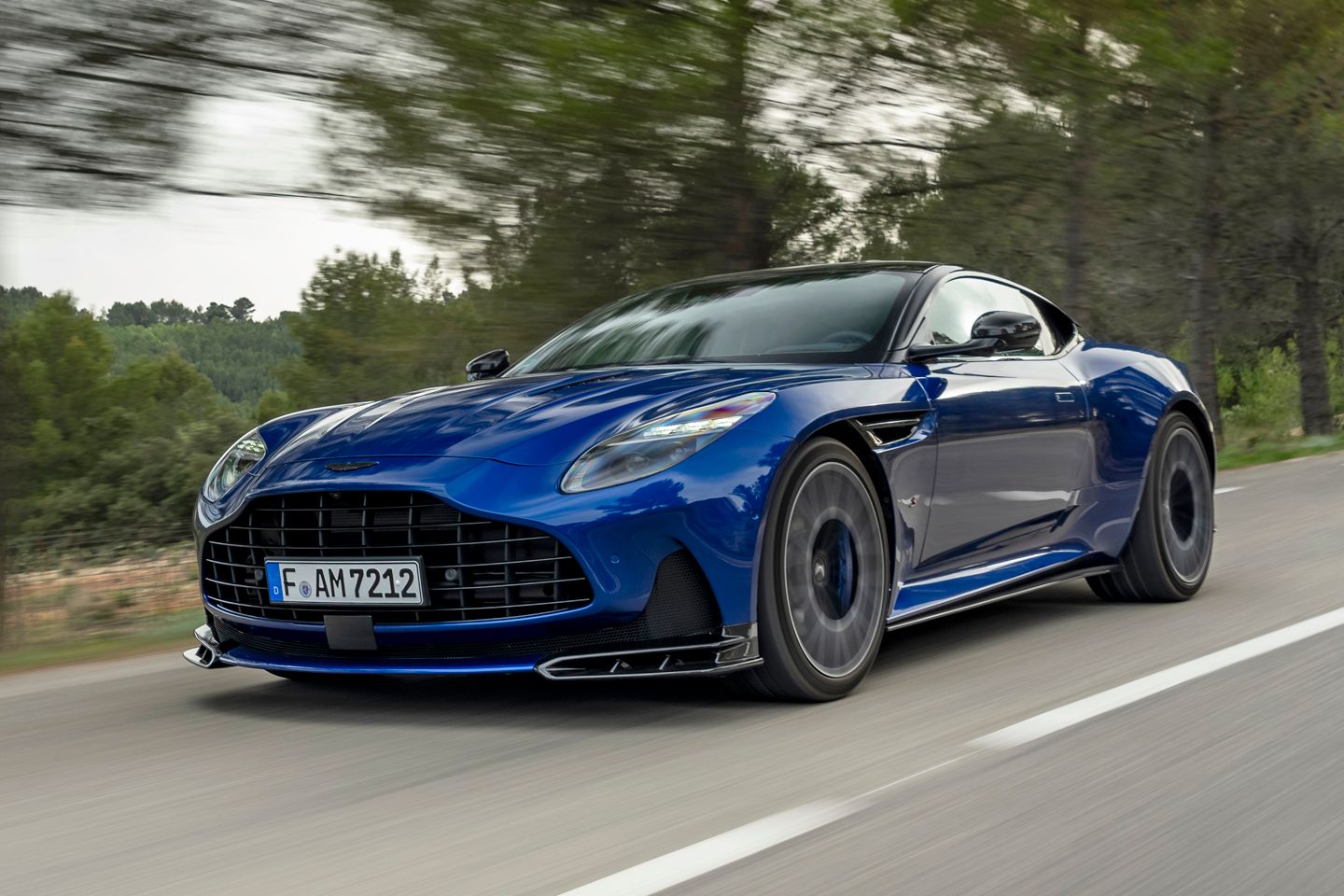
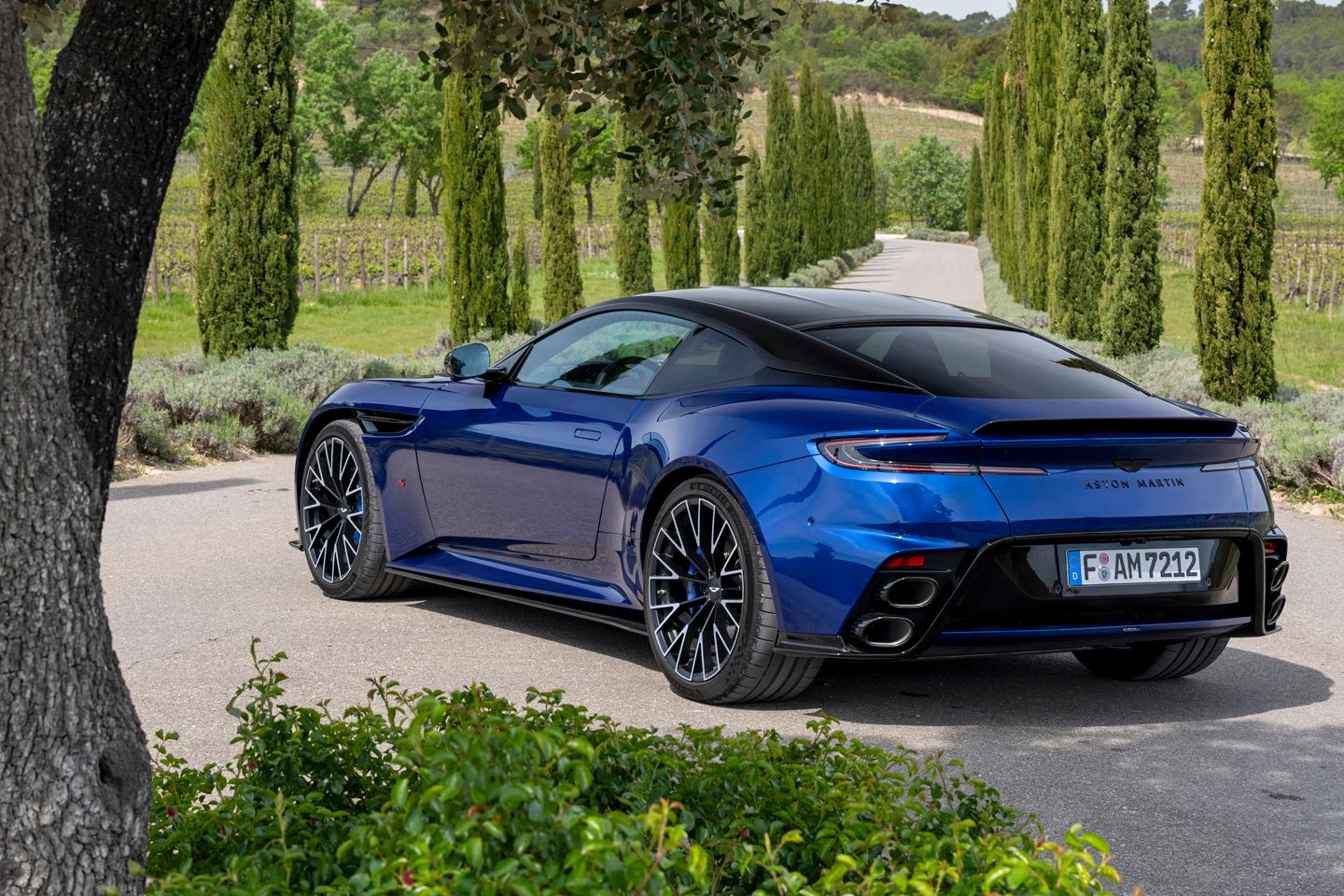
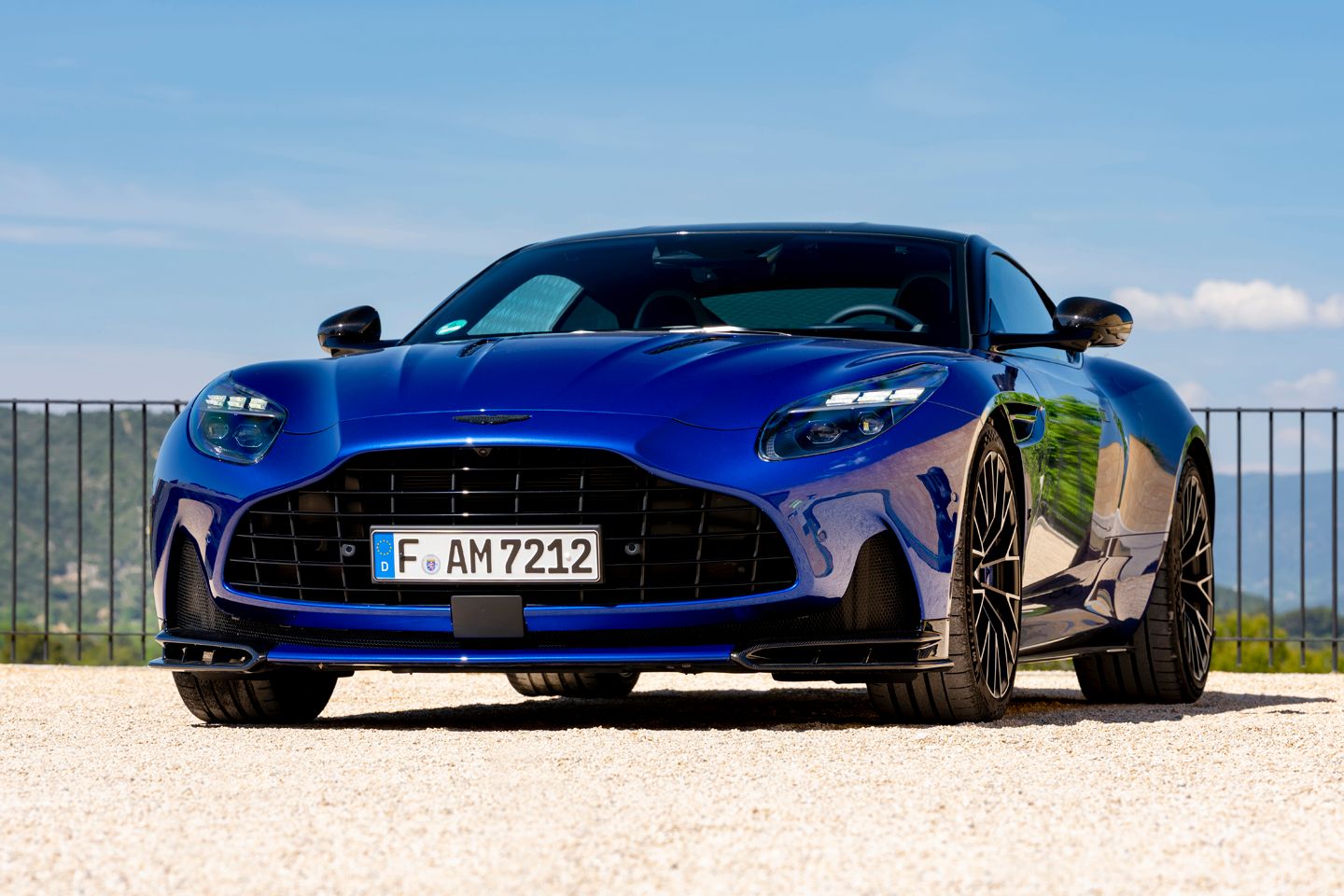
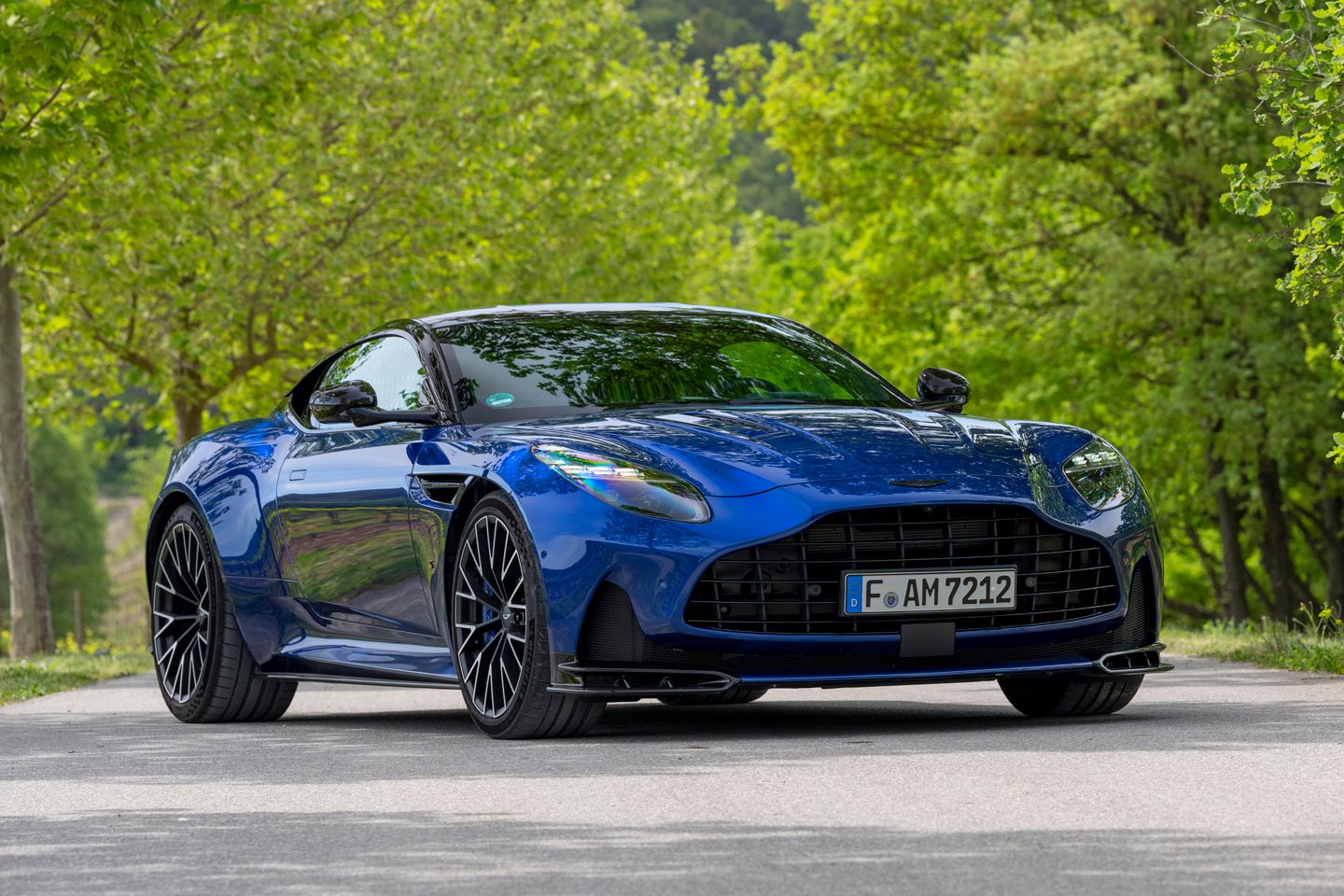
That being the case, you’d do well to look more closely, given a significant part of what you’re paying (more) for is contained within a now familiar S-brand restyle. Or familiar at any rate from the Vantage and DBX, both of which have already earned the stacked quad exhaust that Aston customers have apparently been crying out for. The broader intent is much the same for DB12: i.e. more visual intent, the kind you get with a fixed gurney spoiler, gloss black sill extensions, bonnet louvres and a slightly chunkier rear bumper. The ‘dual element’ front splitter might not win universal approval (hard to stop noticing it, one colleague complained in France), but you won’t miss the S badges either, nor the impression that this is subtly more potent Super Tourer.
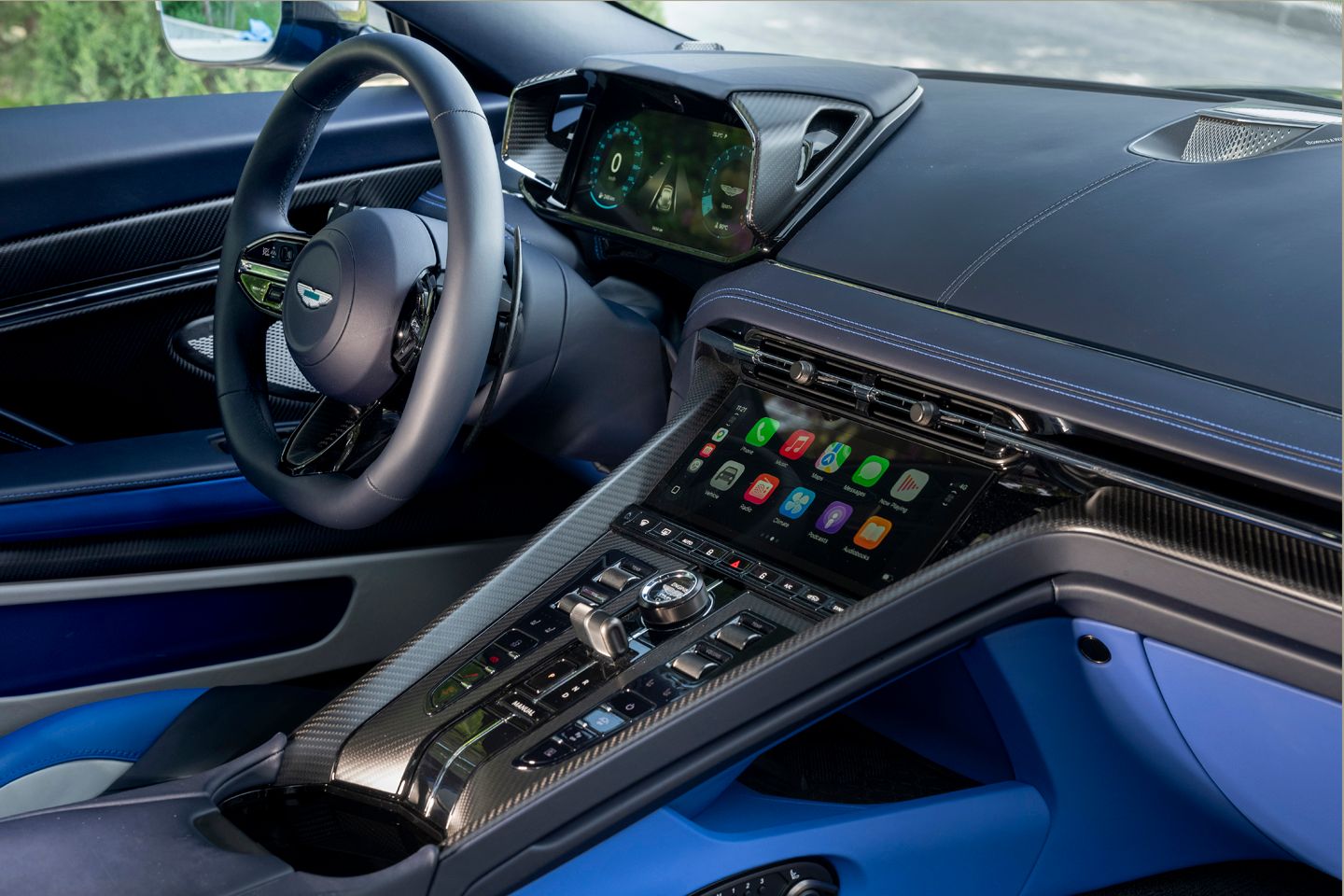
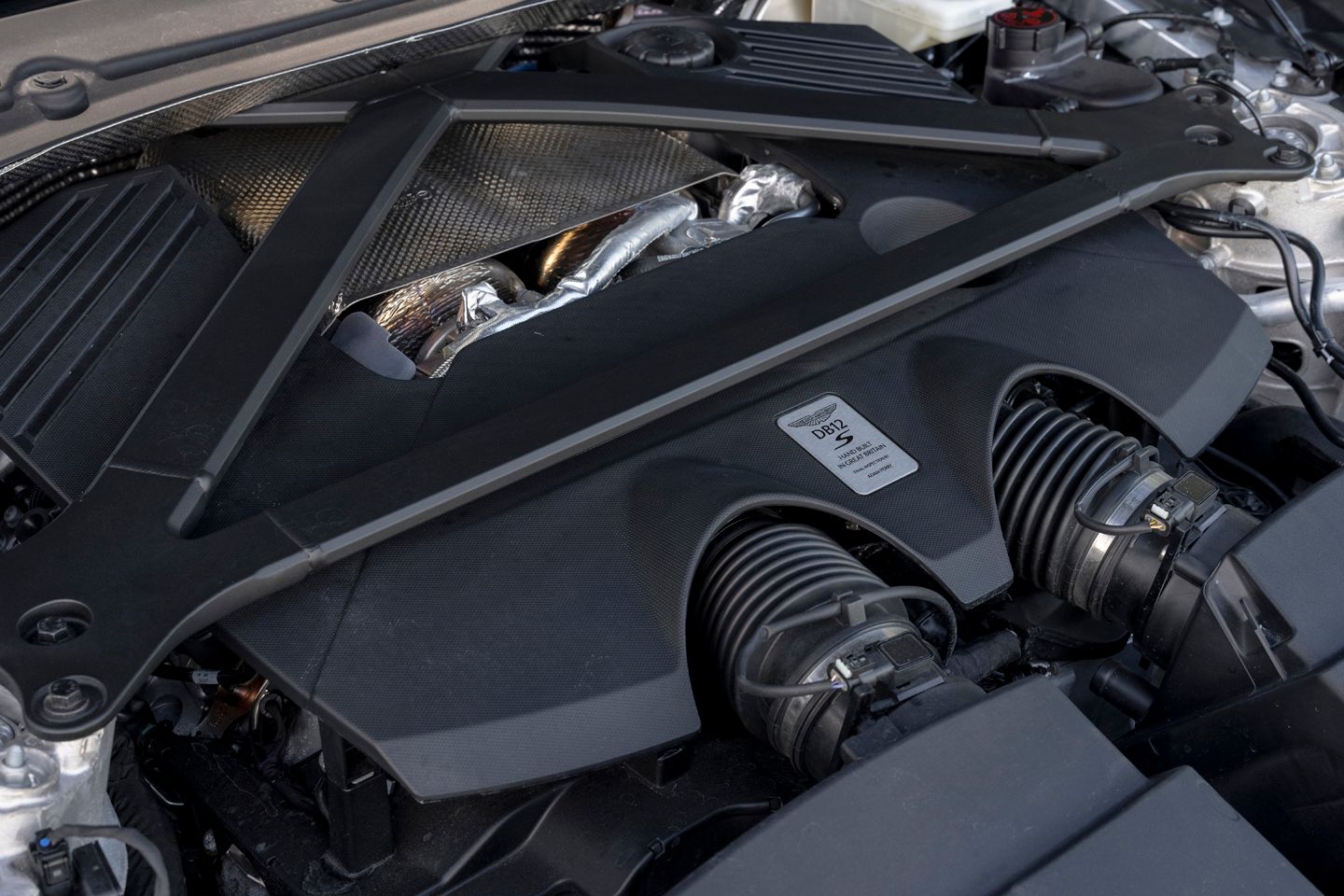
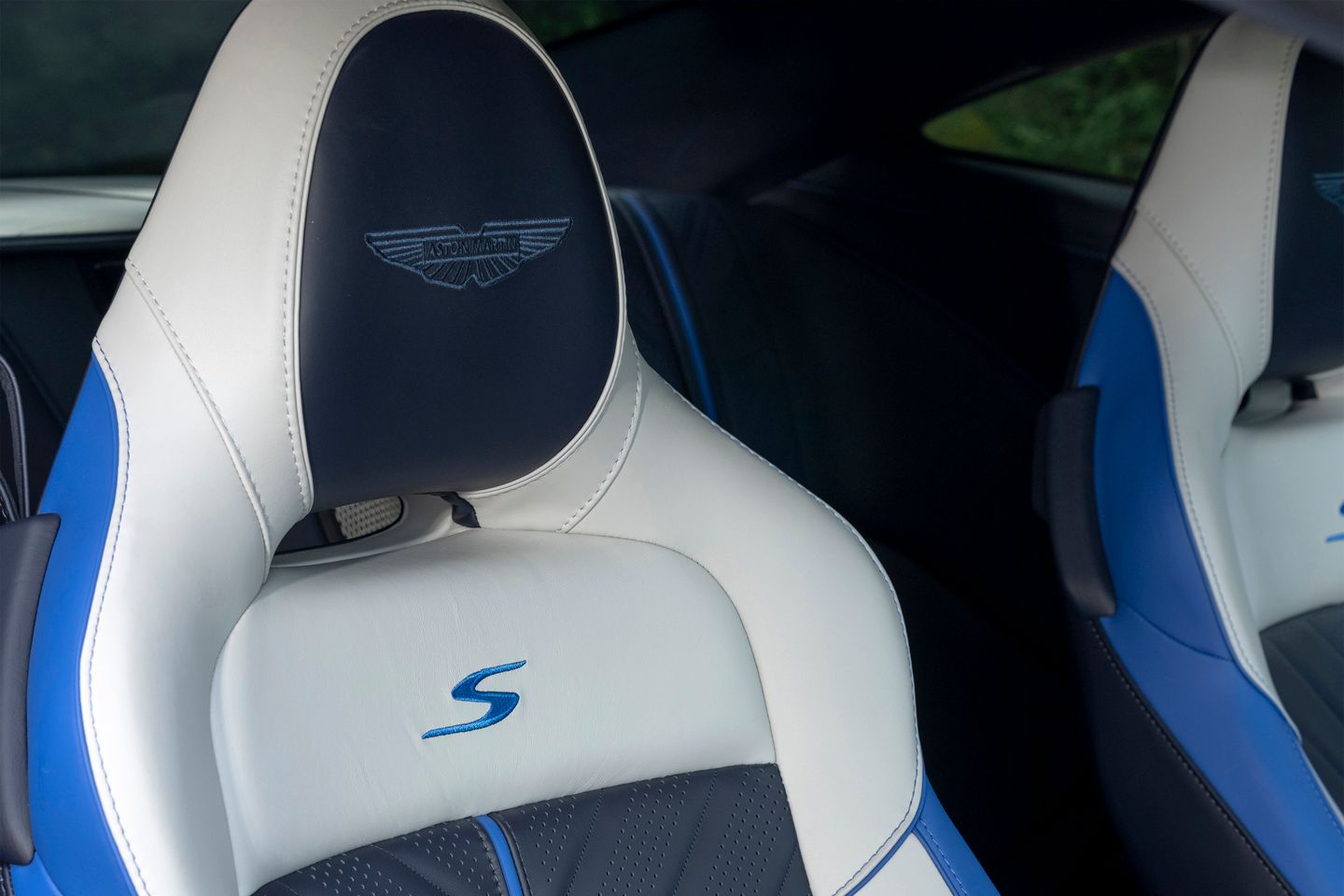
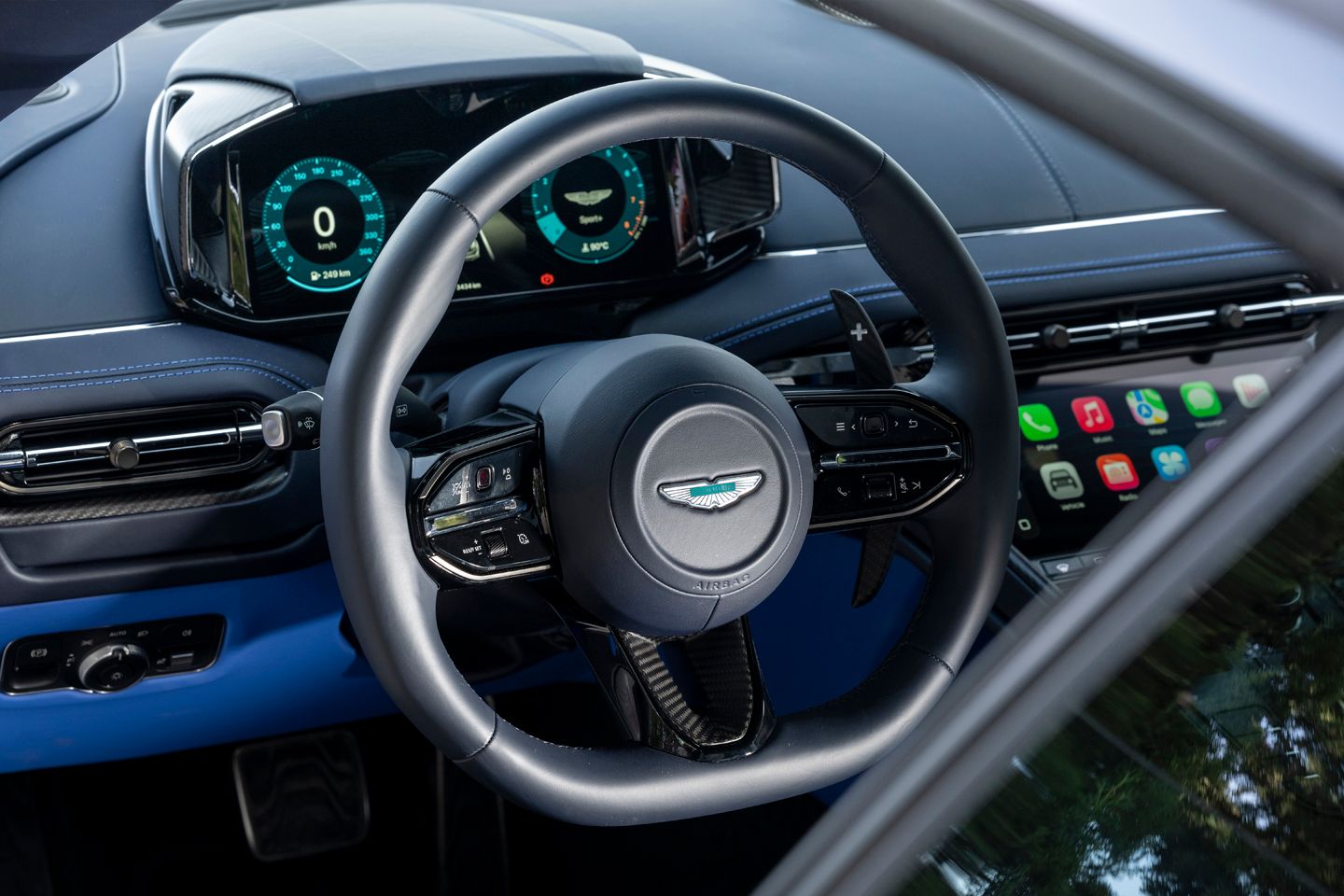
‘Subtle’ is a reoccurring theme. For one thing, outright power from the turbocharged 4.0-litre V8 is up, though only by 20hp (peak torque remains unchanged at 590lb ft), a tweak that likely has more to do with maintaining a shred of daylight between the flagship DB12 and the 680hp Vantage S, than it does improving performance. That said, when said total output is now 700hp, you have scant reason to complain. Just as the new Inspire S packages for the interior make a minimal contribution to the DB12’s existing ambience; there was plenty to appreciate before Aston opted to add a red anodised finish to the drive mode controller.
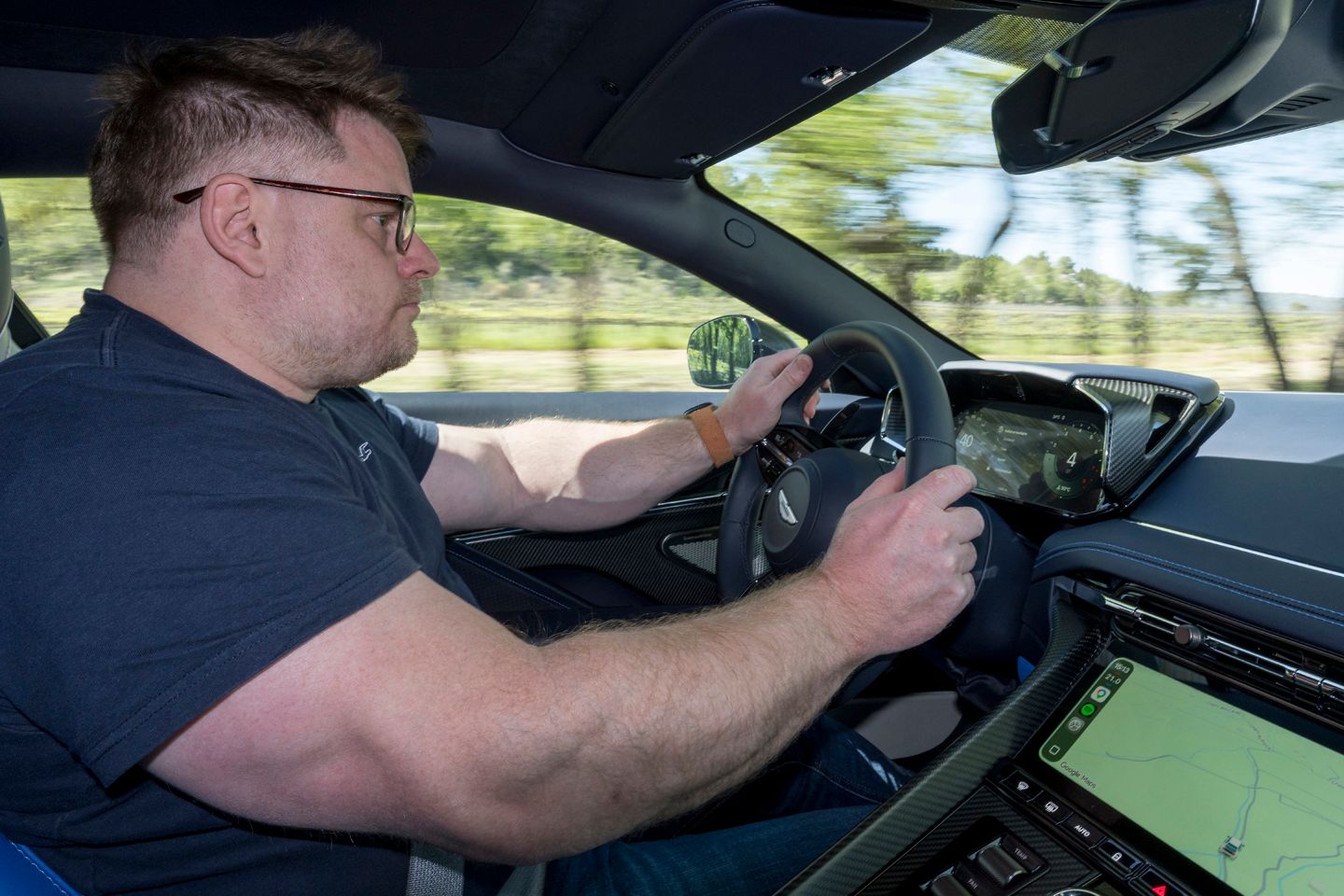
Granted, a sterner critic might choose to reflect on the broader failure to make more substantive changes - Aston must know there is a time limit on its justification for not replacing leftover Mercedes switchgear, for example, and away from the cool (literally) knurled metal of some control surfaces, there is too little Bentley-style pleasure in pushing the DB12’s many buttons. Although it turns out the best way to set aside any reservations is to take a firm grasp of the steering wheel and look straight ahead. Because from pretty much from there on the S begins remorselessly ticking off its must-do-better checklist.
For a start, there is the sound it makes. Aston claims to have worked on the potency of the stainless steel version that comes as standard, though it candidly admits that its best effort - and a 1.5dB uplift - has gone into the optional (and 11.7kg lighter) titanium system. As you might expect, this provides you with a seat much closer to the band, an experience made to seem all the more rewarding by Aston’s recalibration of the throttle pedal. The result is reminiscent of the swell you get from the Vantage S, yet it seems softer-edged and more approachable - attributes consistent with the DB12’s slightly more languid character.
Though the torque delivery itself has not changed (it peaks from 2,750rpm to 6,000rpm) there is a more gratifying sense of a hulking V8 waiting to do your bidding. Probably Aston has one eye on the sort of instantaneous, hybridised response that is a feature of so many of its rivals - but the result here is so much more fulfilling than the waterslide-y sensation of an electric motor shouldering the burden. It makes the DB12 seem more muscular and avidly devoted to getting underway, yet because there is sufficient pedal travel to make it easy to modulate, it never strains impatiently or anxiously on a leash. It will dawdle, of course. But it also encourages you to do the exact opposite.
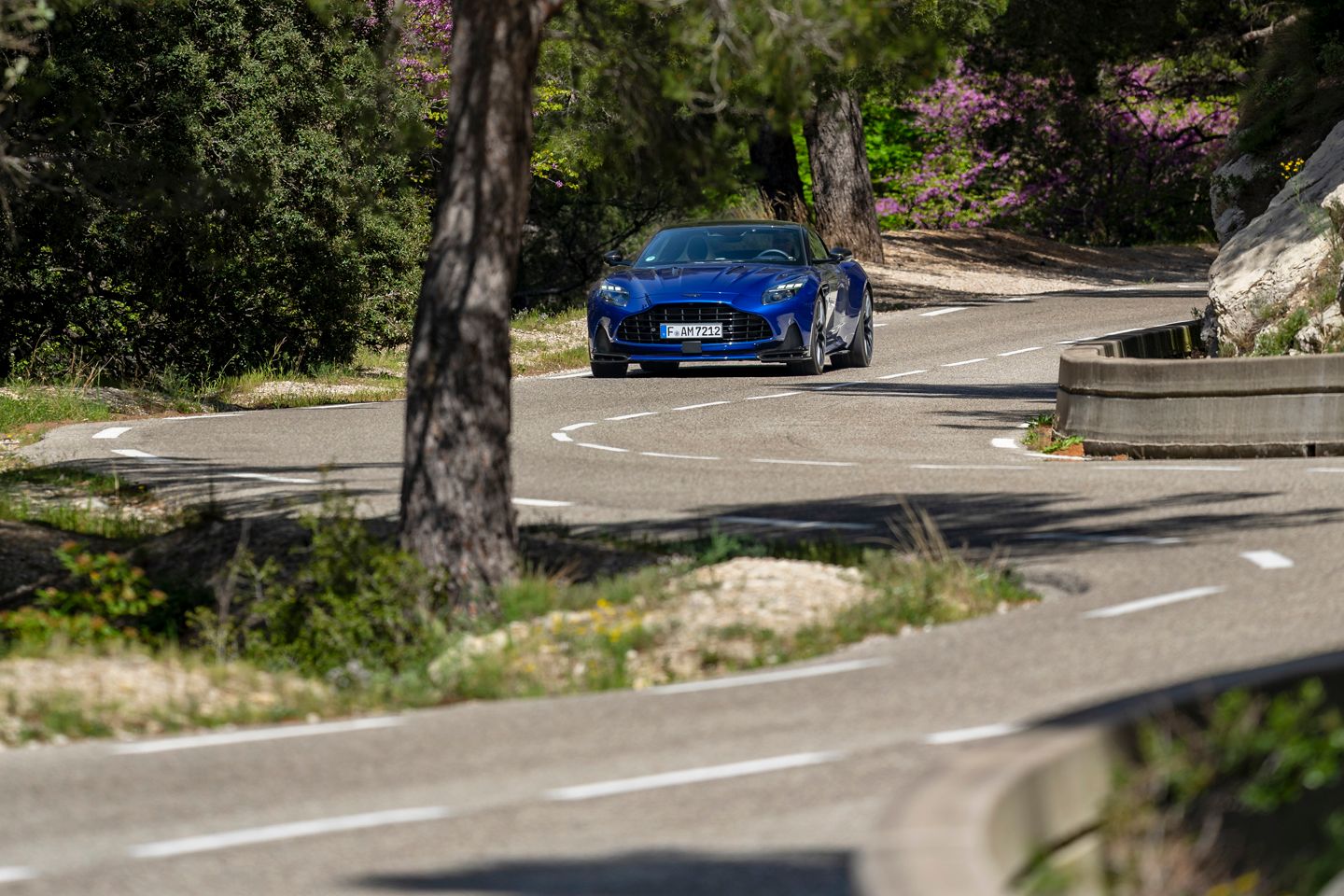
No less welcome are the adjustments made to the chassis. Somewhat counter-intuitively for a higher-powered S (though absolutely appropriate to resolving a better DB12) Aston has targeted a more generous sense of flow from the chassis. This has been achieved by gently loosening the grip of the dampers, allowing the wheels a slightly freer rein when dealing with low-frequency bumps. The result, one suspects, was not meant to be transformational - reduced head toss, higher-speed stability and greater confidence were among Aston’s stated objectives - though it has (if memory serves) delivered a superior GT car, assuming you favour the touring end of the equation.
Which isn’t to suggest that the S falls short at the other end of its remit. Far from it. By finessing the geometry settings - rear camber is marginally increased in the S - and fitting a slightly stiffer anti-roll bar at the back, Aston has endeavoured to reduce understeer and, together with a retuned e-diff, leave you with the impression of a noticeably shorter, livelier car. And a modestly lighter one, too, courtesy of standard carbon ceramic brakes. But if anything, it is the recalibration of the steering, where Aston has pursued a ‘cleaner feel’ and a more progressive build-up of effort, that has resulted in a more interactive DB12. Yes, being quicker to turn and with traction to spare, it requires even less sympathy to drive fast (there is a newly installed ten-stage traction control system to further explore that sentiment), but it is the enhanced sense of connection with the road at seven-tenths, and the newfound sense of control underwriting it, that ultimately distinguishes the S from what came before.
In doing so, it not only reinvigorates the DB12 as a viable (indeed, ‘preferable’ might be a better word) alternative to the likes of the Bentley Continental GT, the S also succeeds in locating some much-needed space for buyer contemplation. Previously, perhaps unfairly, a customer might have concluded that the cheaper, sharper, shorter Vantage presented a more cohesive Aston, or thought the more kingly Vanquish richly deserving of its six-figure premium. Now, on the basis of an admittedly short go abroad, it doesn’t seem unreasonable to suggest that by subtly mimicking both the positivity of its sports car and the explosiveness of the V12, the DB12 presents less as a bridge between Aston’s happy places, and more like the sweet spot between them. Is that precisely the car it needs right now? Who knows. But the unbroken streak continues.
SPECIFICATION | ASTON MARTIN DB12 S
Engine: 3,982cc twin-turbo V8
Transmission: 8-speed auto, rear-wheel drive
Power (hp): 700@6,000rpm
Torque (Ib ft): 590@2,750-6,000rpm
0-62mph (secs): 3.4
Top speed (mph): 202
Weight (kg): 1,820 (DIN)
MPG (official combined): TBC
CO2 (g/km): TBC
Price: £205,000
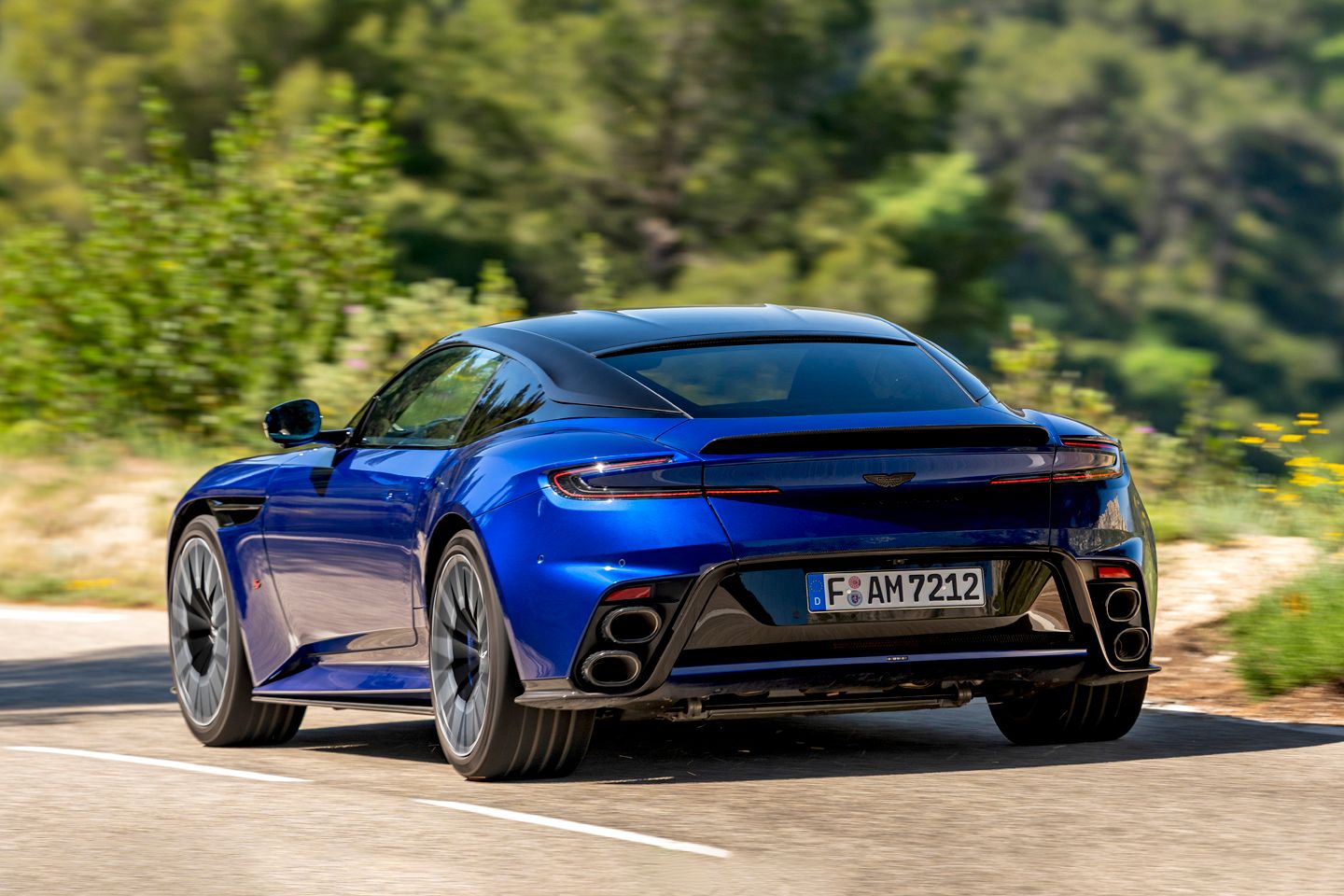


Engine aside it still looks like a stunning Aston with tweaks over the non S. Those that are rich enough can go and buy one knowing all to well the heavy depreciation that follows thereafter.


Although with those forearms maybe the switchgear usually found on a canal lock would be more appropriate.
Engine aside it still looks like a stunning Aston with tweaks over the non S. Those that are rich enough can go and buy one knowing all to well the heavy depreciation that follows thereafter.
On a different scale obviously.
Although with those forearms maybe the switchgear usually found on a canal lock would be more appropriate.

They are lovely looking cars (all new AML sports cars are at the moment), not keen on the stacked exhausts mind, I had a DB12 Volante pass me at the weekend roof down on the moorland B road, looked fantastic, it's just a crying shame they don't seem to be able to sell them in the numbers they need.
Gassing Station | General Gassing | Top of Page | What's New | My Stuff