
BMW M safeguards S58 engine for Euro 7 future
Incoming pre-chamber combustion system means BMW can keep selling six-pot for years - and save you money
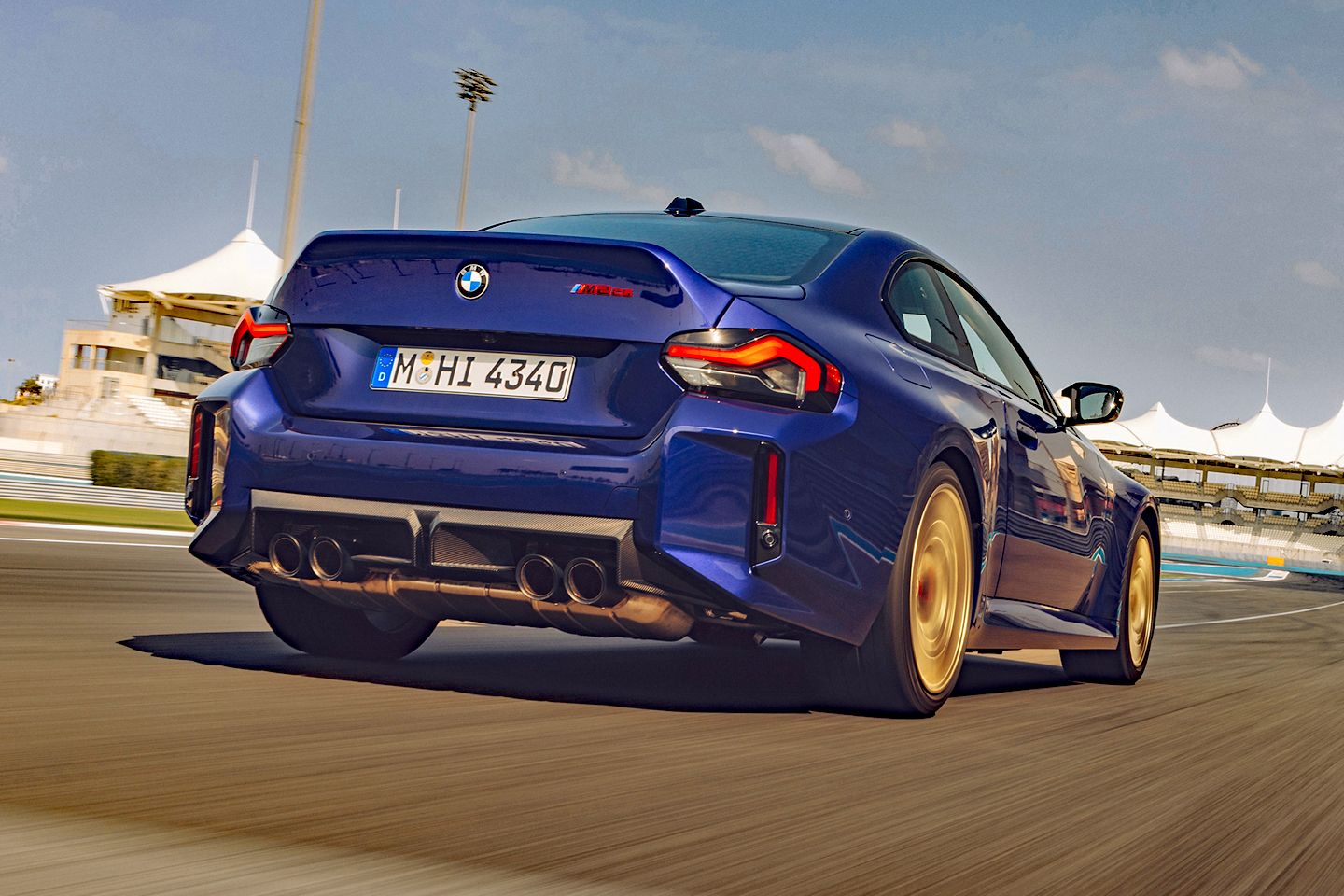
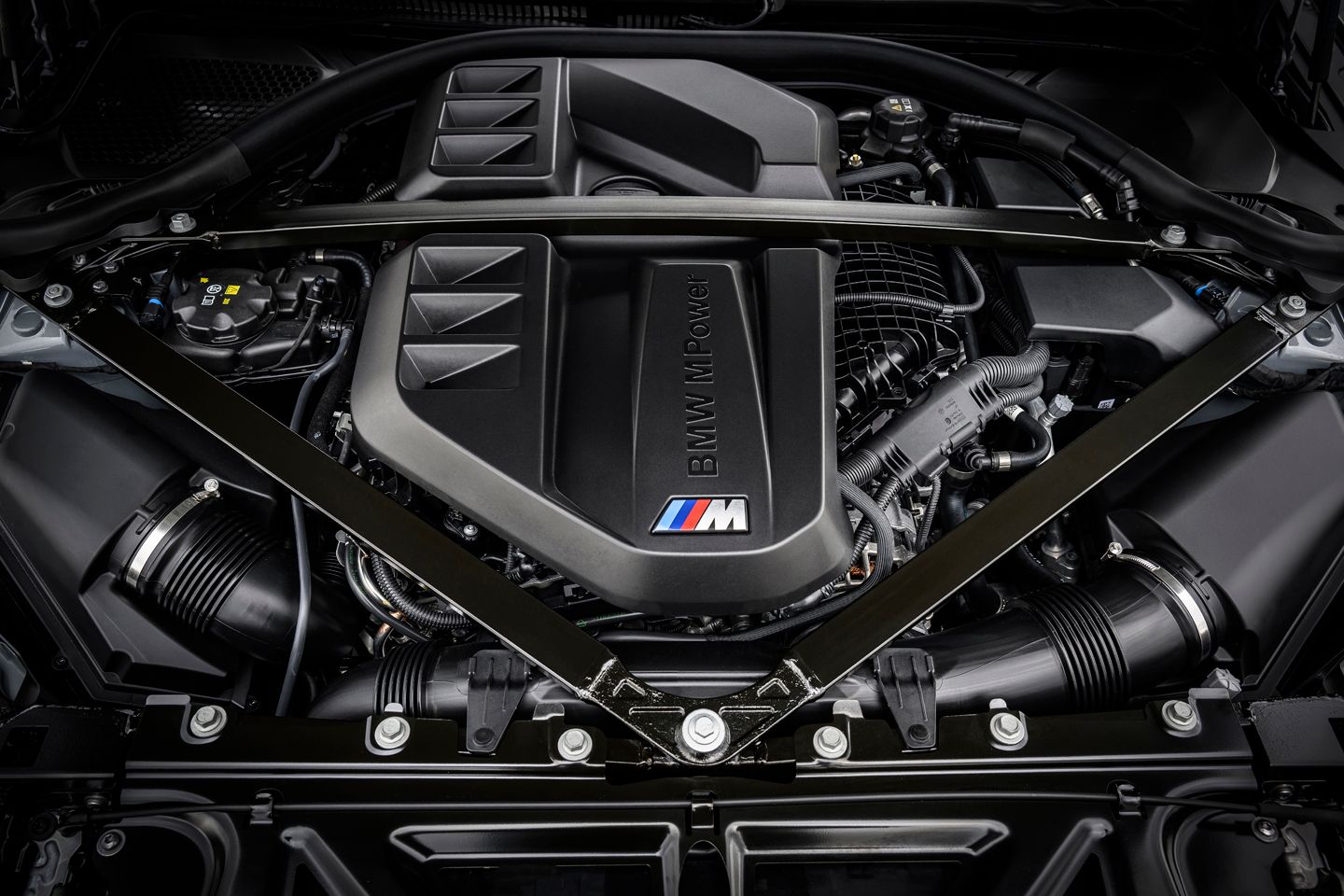
Understandably, BMW is very keen to keep its straight-six engines in production for as long as possible. The configuration is as much a part of the brand’s heritage as the V8 is for AMG - and look what happened when Affalterbach thought customers would go without that. Consequently, new technology, originally patented in 2024, is being introduced to keep the S58 3.0-litre unit on sale and Euro 7 compliant. With the larger V8 also recently modified, it means the combustion M cars from M2 to XM have a guaranteed European future for years to come.
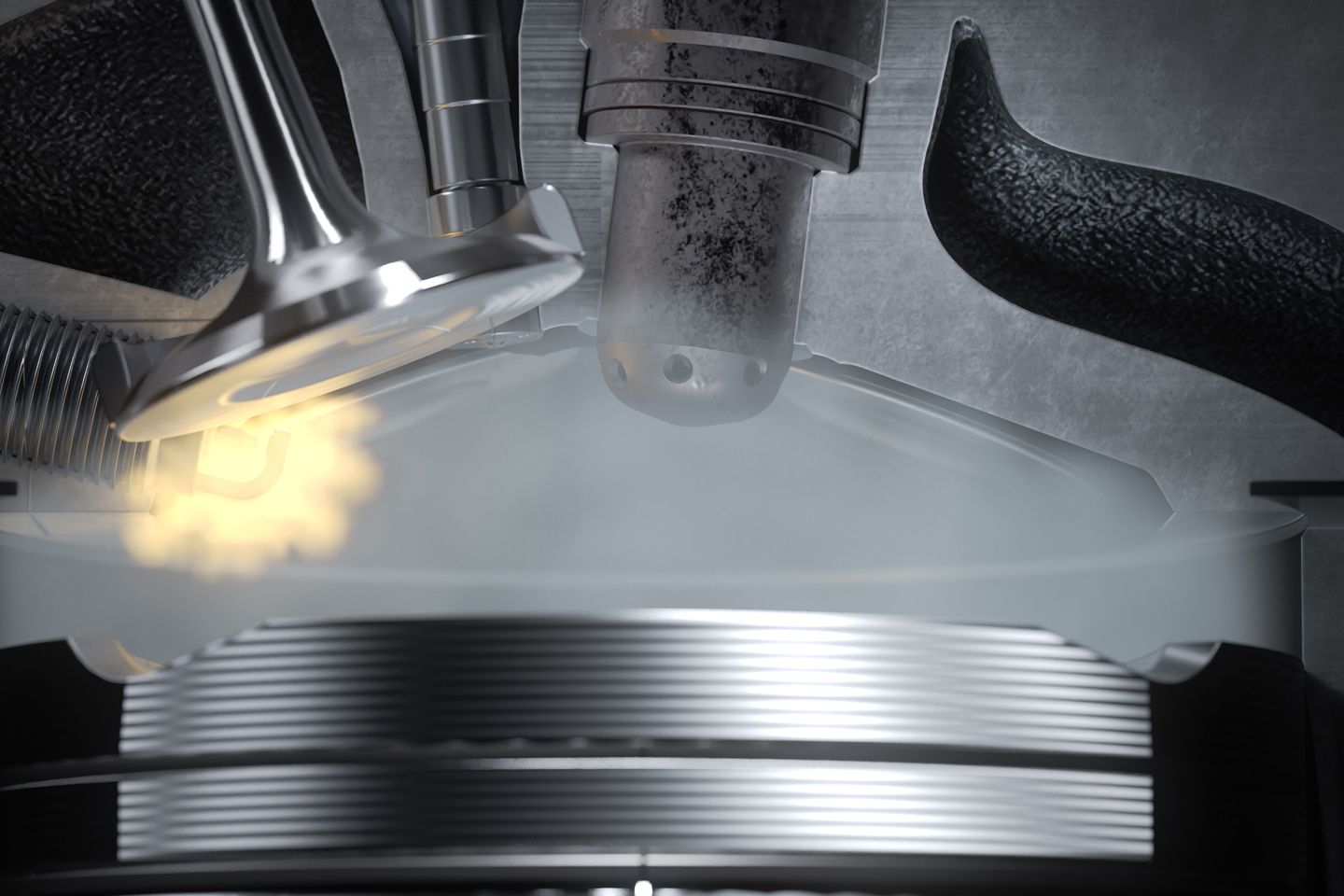
BMW M Ignite technology is the latest innovation, a pre-chamber combustion system said to significantly benefit efficiency. While we have seen a similar sort of thing before, most notably in the Maserati MC20’s Nettuno V6, applications remain pretty rare. Pre-chamber can also claim some motorsport kudos, as it's already used in BMW racers, so it therefore sits pretty nicely under the bonnet of series production M cars.
As for how it works, we’ll do our best. BMW M Ignite essentially introduces another ignition system to the engine; as well as the conventional combustion chamber, where the air and fuel mix is ignited by the spark plug, there’s another setup in the cylinder head. That pre-chamber comprises its own spark plug and ignition coil, which typically fires after the main arrangement.
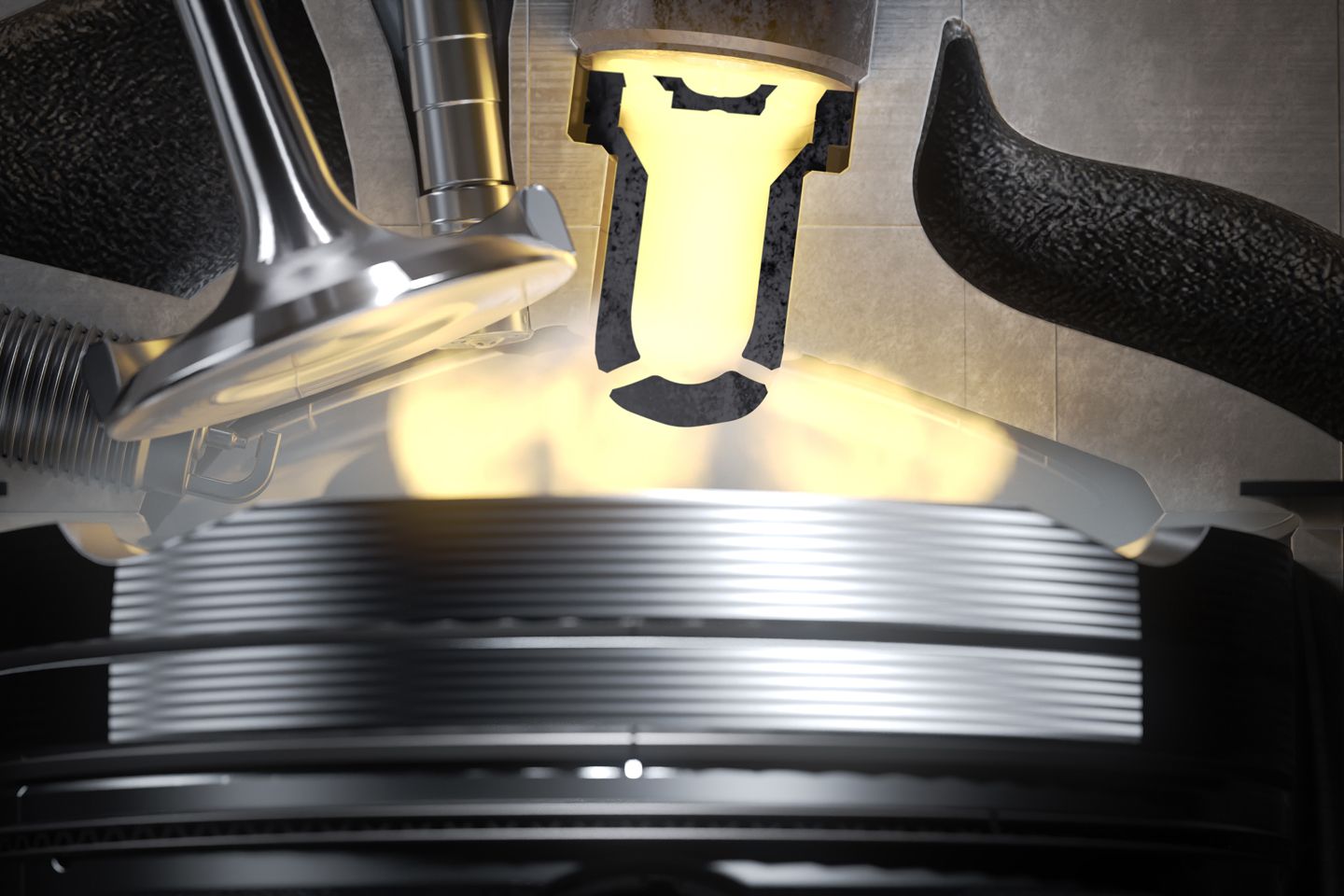
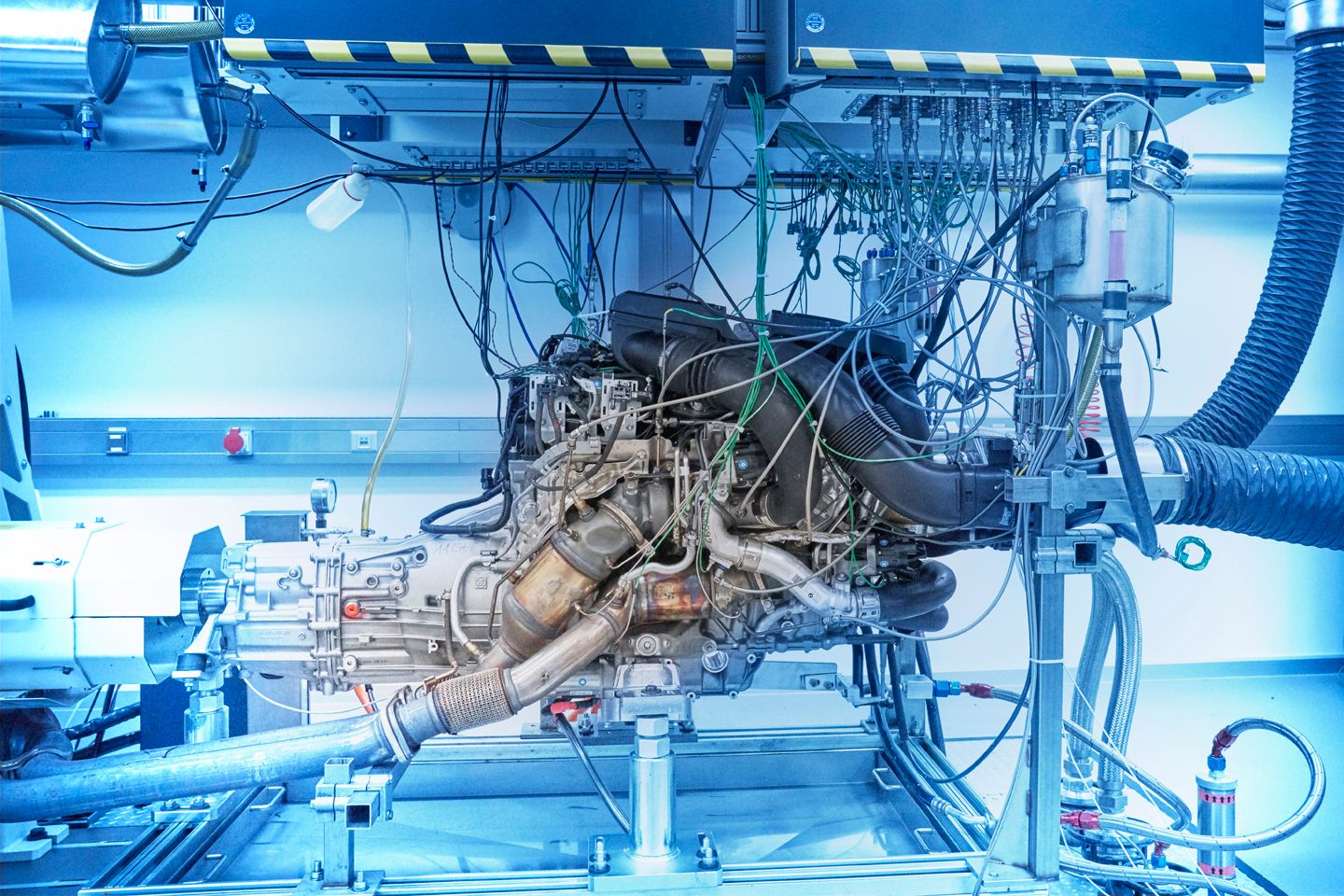
But when under significant load at high revs, it’s all done by the new tech, ‘with part of the fuel-air mixture channelled through the openings into the pre-chamber also ignited there.’ BMW says knocking is ‘countered effectively’, and that actually exhaust gas temperatures are down. The swept capacity of the S58 (2,993cc, like you didn’t already know) is unchanged.
There are also no claims of a power boost for cars with BMW M Ignite - but they won't go down either, and all should benefit from better fuel consumption when ‘the engine is pushed to its limits’ - i.e. how an M car should be driven. Conveniently for its brand, the biggest benefit is claimed for those attending track days, so there’ll be no excuse not to book one of those. Also introduced with the pre-chamber combustion is a higher compression ratio and variable turbine geometry turbos. Which sounds expensive, but there’s no mention of increased costs just yet.
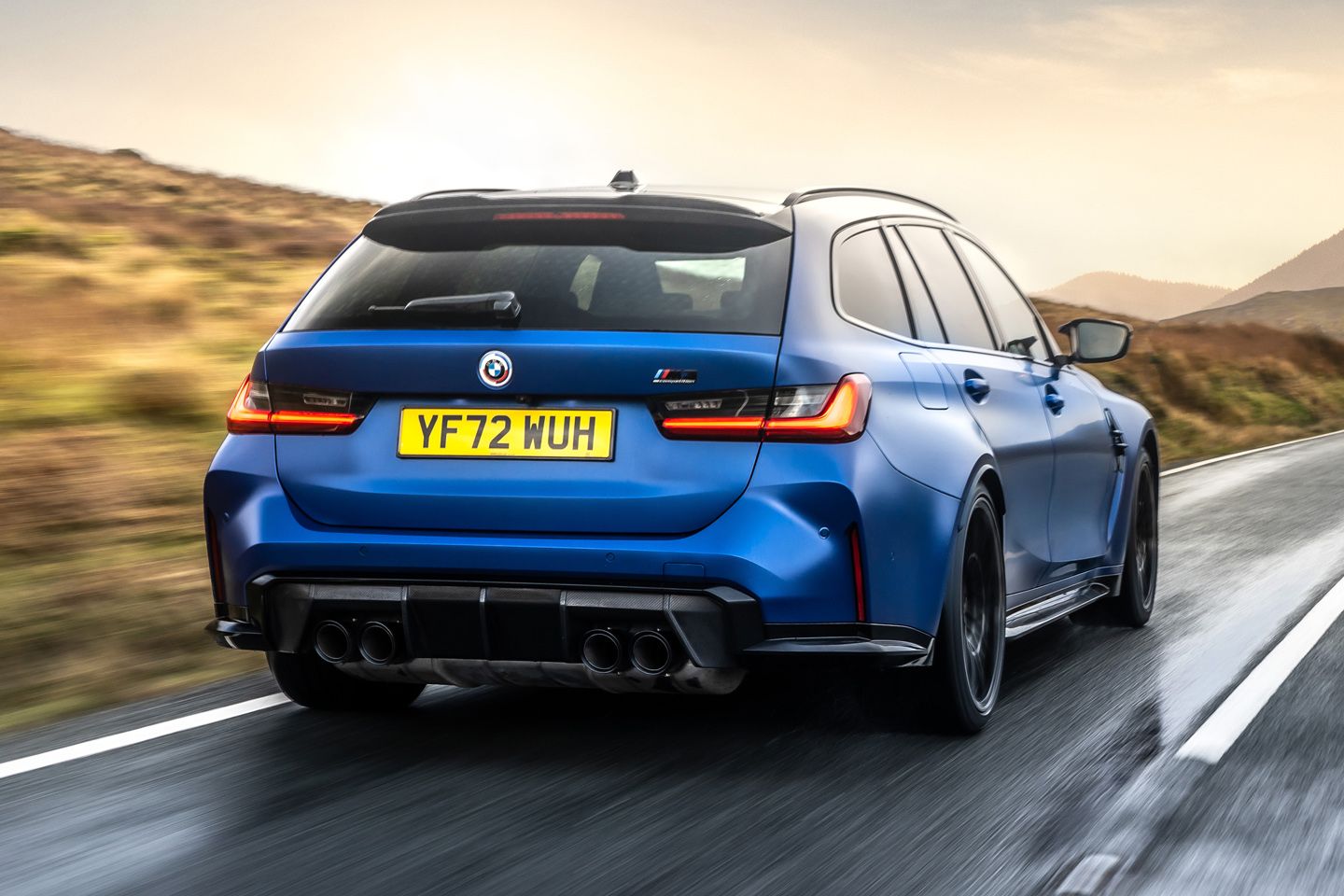
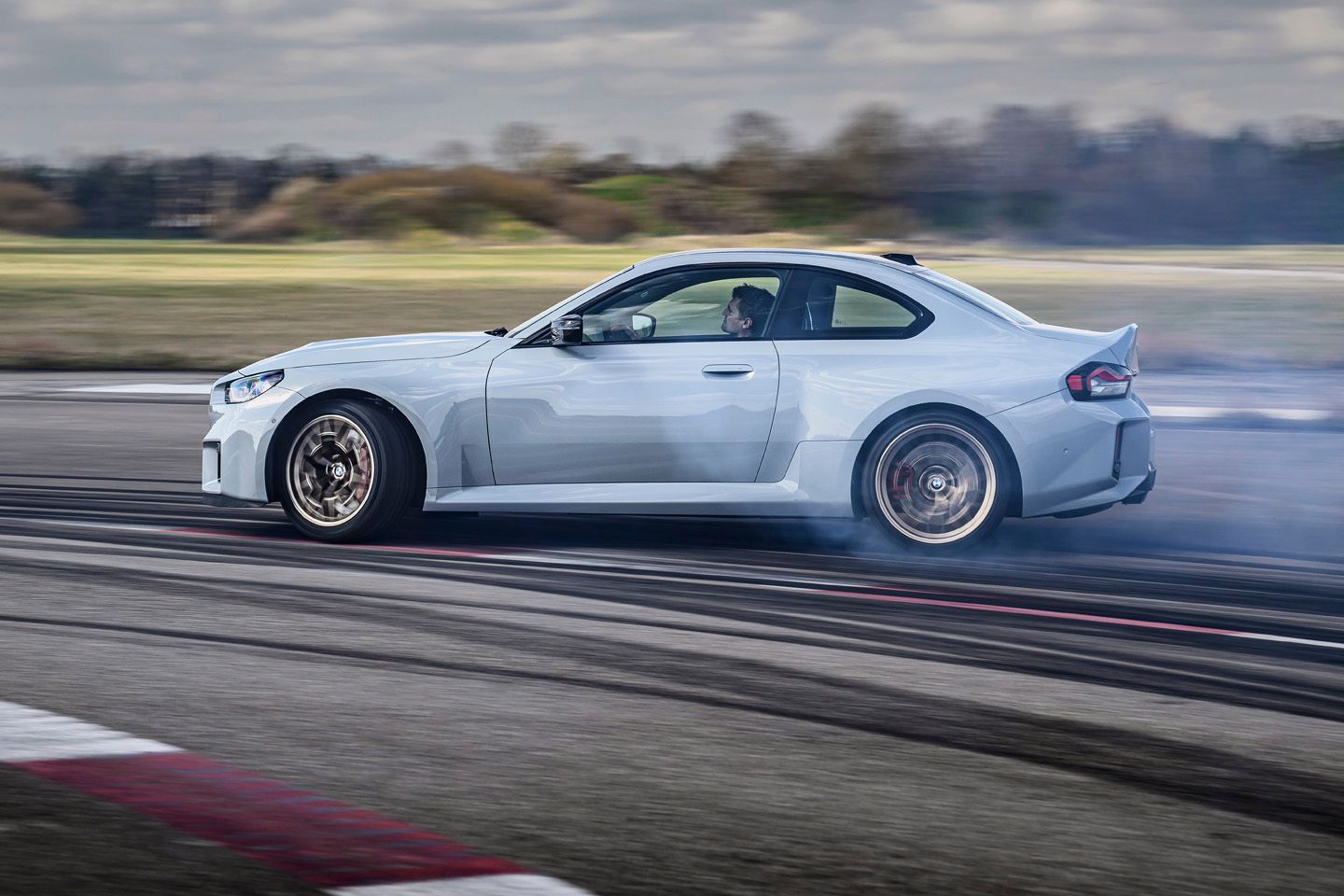
With Euro 7 coming into force from November, we can expect M Ignite cars on sale soon. BMW says that M3s and M4s with the new straight-six are coming from July, with production of the modified M2s coming from August. As with the pre-Euro 7 M5s, then, it might be a good time to do a deal with some new technology incoming. It’s hardly like the current crop of six-cylinder M cars really felt like they were missing much. And from manual M2s to Viper Green M3 Tourings, the S58 selection is generous to say the least.


This is a great explainer on pre-ignition and the difference it can make. I assume BMW's implementation will be at least as impressive.
Like many on here, I switch off my start stop and cylinder deactivation as for the 0.something mpg benefit vs. the mechanical damage these system cause it's not worth it in the long run and I tend to keep my cars 5 - 10 years.
The only downside being the engine must be designed with it in mind, or extensively overhauled as looks to be the case with the S58, where the head, pistons, valve configuration, ignition system, not to mention the control strategies in the ECU will all have had to be redone.
As I said above, there's almost nothing to go wrong. The pre-ignition chamber is just a dumb bit of metal. Yes, there is another plug/coil pack/injector to go wrong meaning the overall MTBF will drop (more things, higher chance that one of them will develop a fault over a given period) but this stuff is a known quantity, not going to lunch your engine or leave you stranded without parts for months, and it's not going to hugely change the overall engine reliability.
This definitely isn't a wet belt type scenario.

Like many on here, I switch off my start stop and cylinder deactivation as for the 0.something mpg benefit vs. the mechanical damage these system cause it's not worth it in the long run and I tend to keep my cars 5 - 10 years.
Which means in 5-10 years, you could potentially buy one.
This looses you about 8 to 12 % of power depending on the engine
The use of a Pre-chamber and VGT turbo pretty much lets you recover all of the power you would lose
The problem is that whilst pre-chamber work really well at high loads (lots of air and fuel in the cylinder) at light loads and especially for catalyst heating they really don't work well at all. So, the answer is, as Maserati did on their V6 a few years ago and now BMW is to add an extra spark plug which is pretty much only used for those conditions where the pre-chamber doesn't work well
The net result is a good engine but it does mean you need two spark plugs (one in the prechamber and one in the main chamber) and two coils per cylinder (or possibly use one high power coil for the two plugs with an HT lead to one of the plugs) so adds to the cost and complexity of the engine
Likely we will only see pre-chambers in the highest power engines (150 BHP/litre and above (ish))
The fact does remain, however, that modern cars have more and more tech to go wrong before this pre combustion should be considered a worry.
I do think there are already much bigger issues to be concerned with when it comes to modern engines and long term reliability though.

Which means in 5-10 years, you could potentially buy one.
TX.
Gassing Station | General Gassing | Top of Page | What's New | My Stuff