
2026 Honda Super-N | PH Review
Funky A-segment EVs are seen as the next big thing - is Honda's latest a worthy contender?
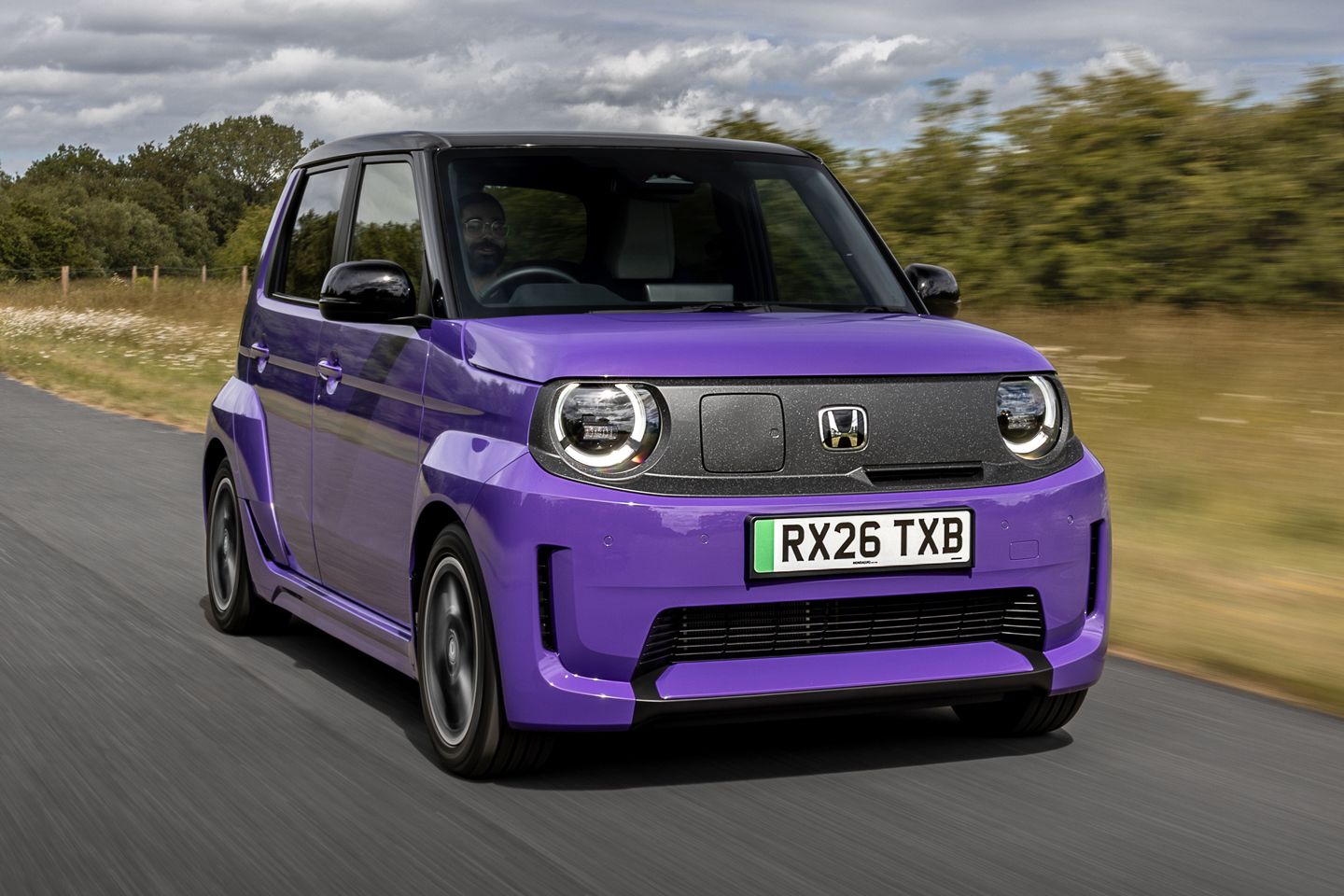
It feels like the current boom in A-segment EVs - Honda reckons sales are up 294 per cent, year on year - should have come much sooner. Electrification suits city cars so well: they don’t travel far, responsiveness and agility are great boons, and it’s hardly like glorious engines are being lost in the process. Plus, even if depreciation is severe, being cheap and cheerful to start with means not so much lost. For all the reasons that battery power doesn’t quite fit larger luxury vehicles, it’s the perfect fit for urban runarounds.
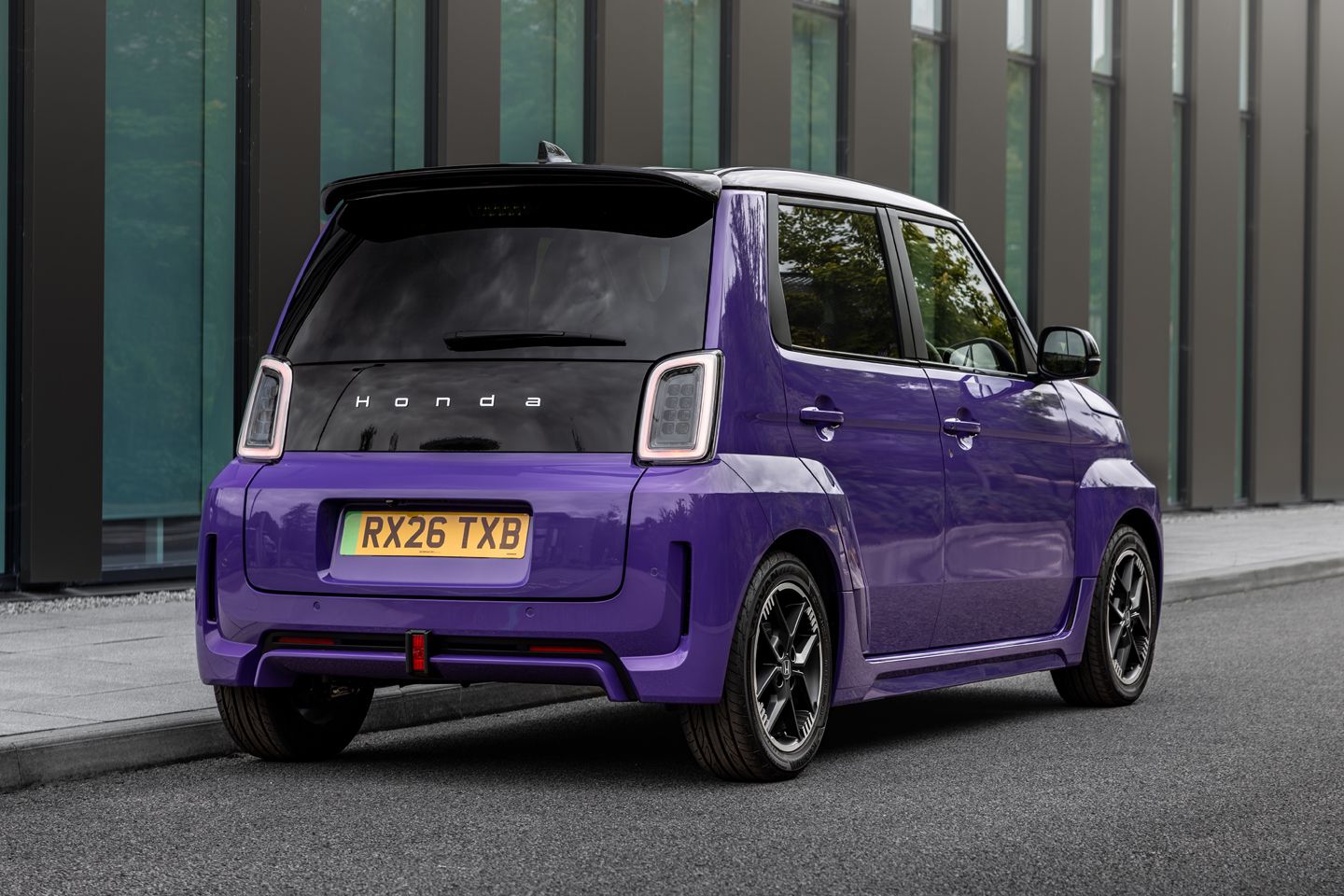
Expect to see a lot more like the Honda Super-N, on sale next week at £19k - with the purple as standard - as a competitor to the Twingo, Panda, Hyundai Inster, BYD Dolphin Surf and whatever the small VW EV becomes. Now carmakers are aware of the A-segment’s potential (and the cost of batteries continues to fall), more baby BEVs will likely arrive as the decade progresses.
Only we’ve been here before with Honda, haven’t we? At the start of the 2020s there was the Honda e, a small, stylish, beautifully built and very desirable small EV. But it cost a lot of money and didn’t really go far enough, so its commercial success was limited. While targets for the Super-N are modest - around 3,000 units in the UK for its first year - it surely needs to be a bigger hit with buyers. Hence the price.
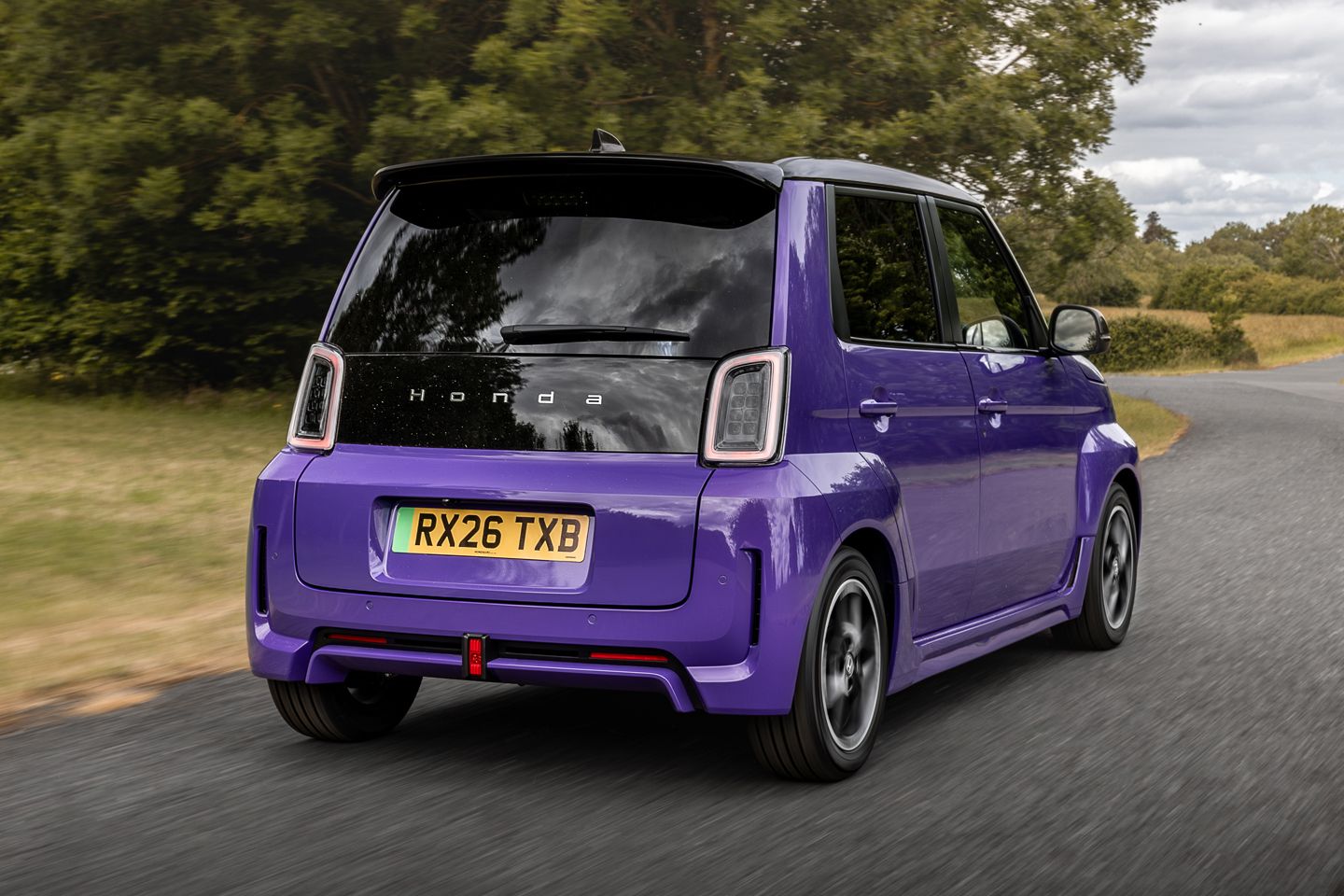
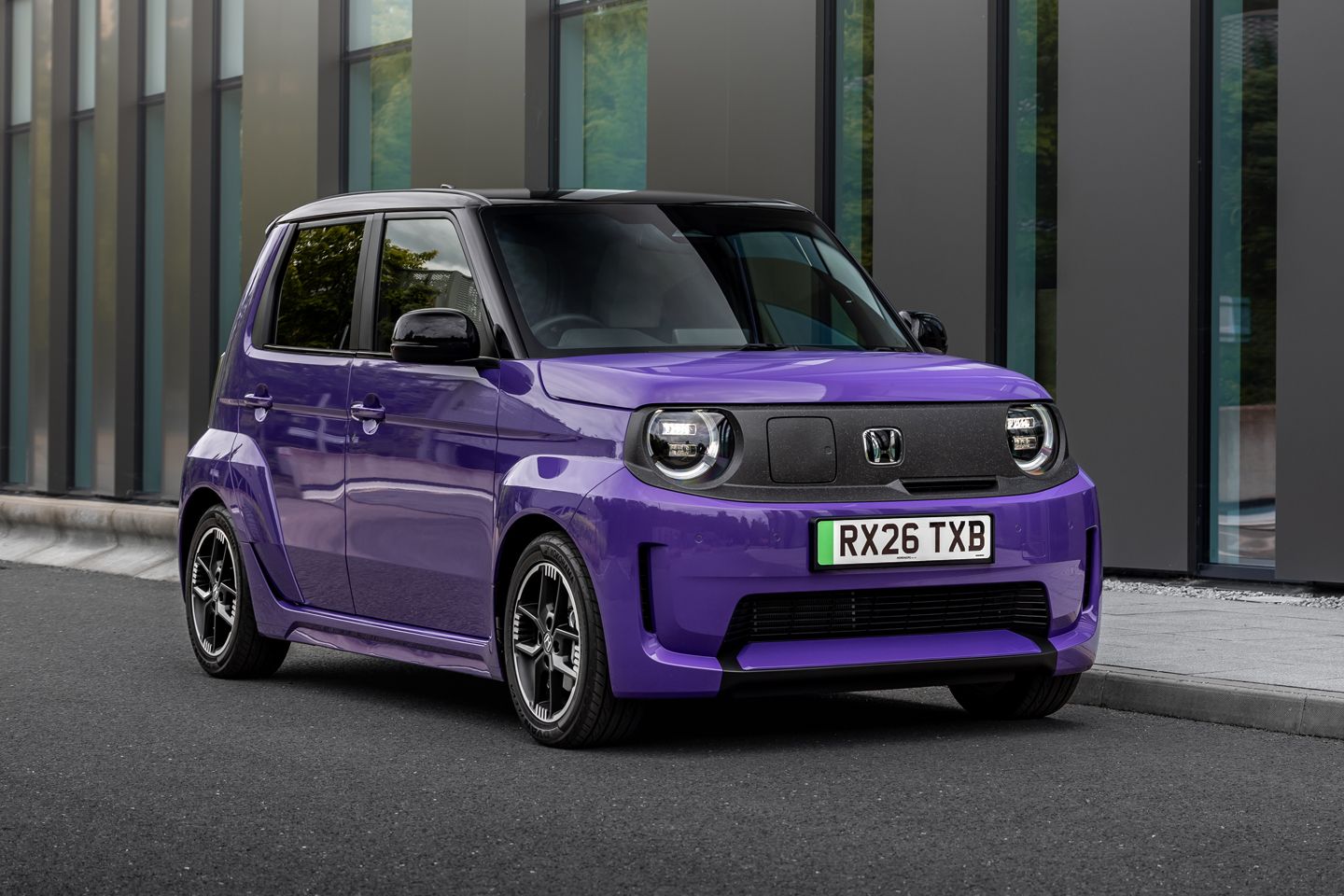
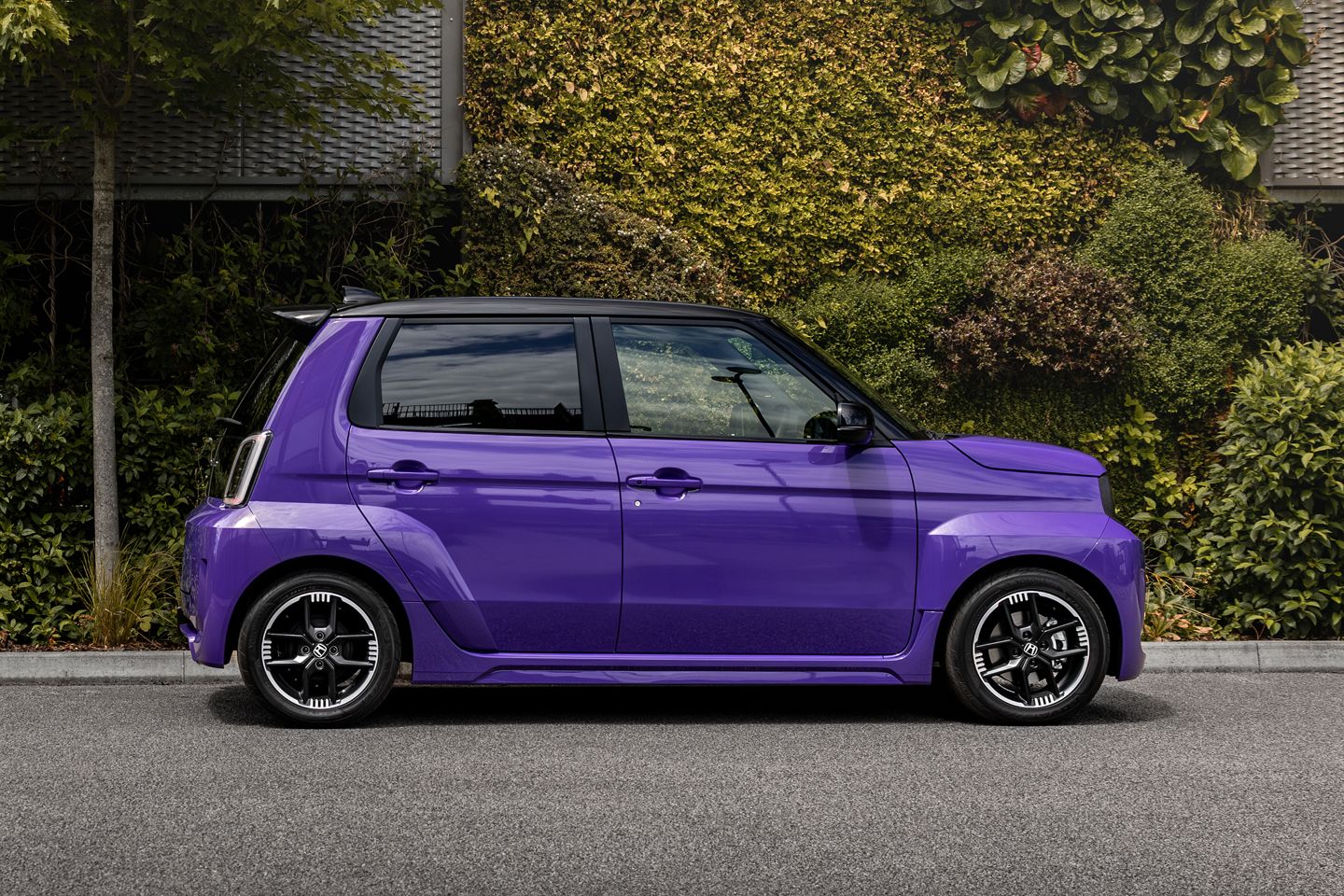
While new for Britain, the Honda N Series - N for Norimono, Japanese that translates as ‘mobility’ - has been a kei car mainstay for yonks. There are hatches, MPVs, trucks and more built on the tiny platform; we’re just getting the hot one. Which, courtesy of its puffed-out hamster cheek add-ons, is actually too large to qualify as a kei car.
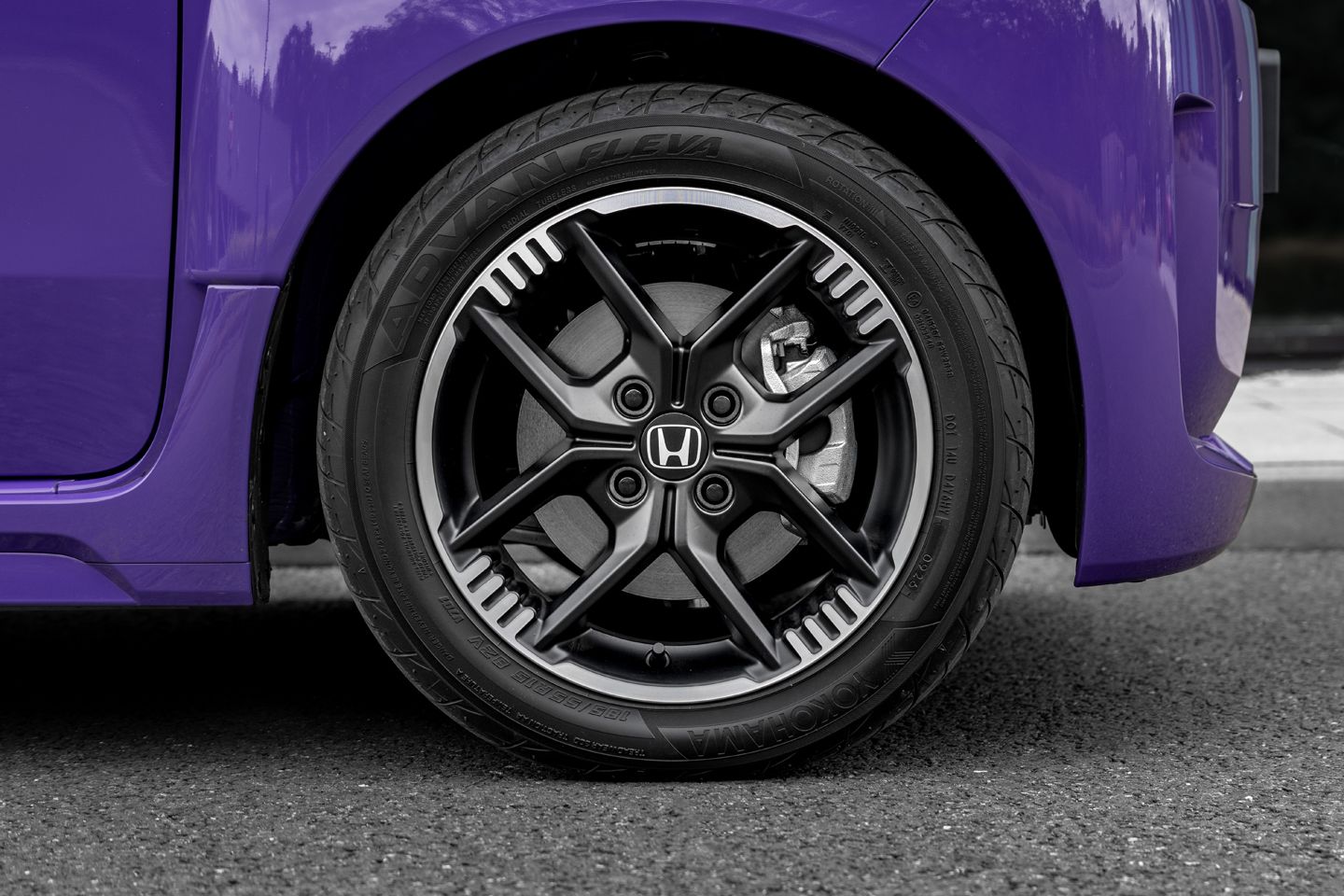
Still, the spirit is there in abundance. Those who know what a Sunday Cup is will immediately be won over by the Super-N aesthetic, tall and narrow but with some funky Mini GP-style wheels squeezed all the way to the corners and occupying my first flared arches. You’ll coo at the rear spoiler, chortle at Yokohama Advans on a four-wheeled Quality Street, and soon be wondering if the optional stripes are worth having or not. In a world of wanton design aggression, cute feels very cool.
And there’s more to the Super-N that meets the eye, even if that’ll probably be enough for most folk. Honda was apparently determined to make this small car the most fun it could be, to remind people of the joy of driving. So those arches cloak 50mm wider tracks compared to a standard electric N, the steering has been revised ‘to heighten driver confidence and pleasure’, and the Super-N weighs just 1,097kg. Maybe a lot for something so titchy, and nearly 200kg more than the heaviest petrol N-One - but when even a Twingo is 1,200kg, the Honda’s doing alright.
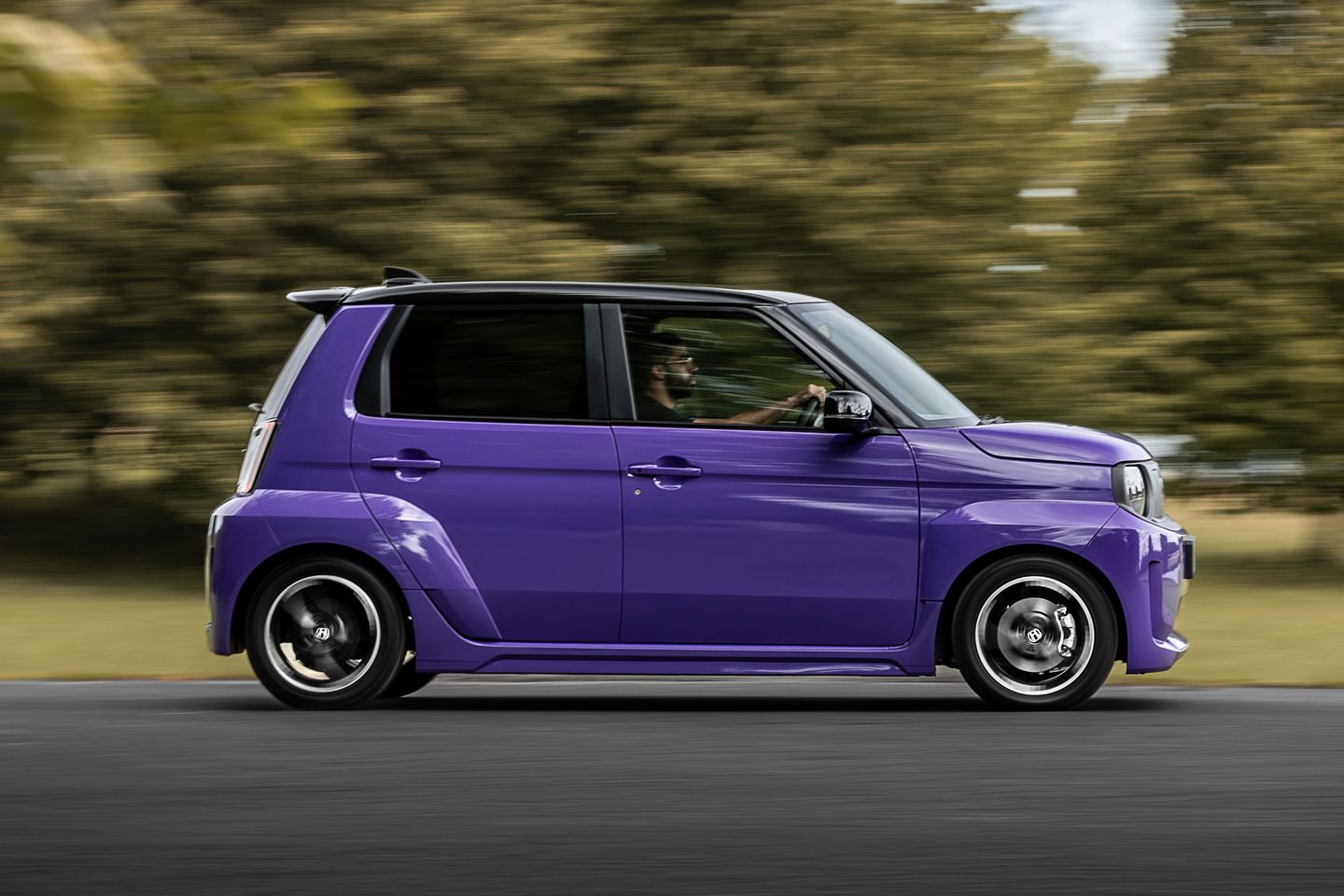
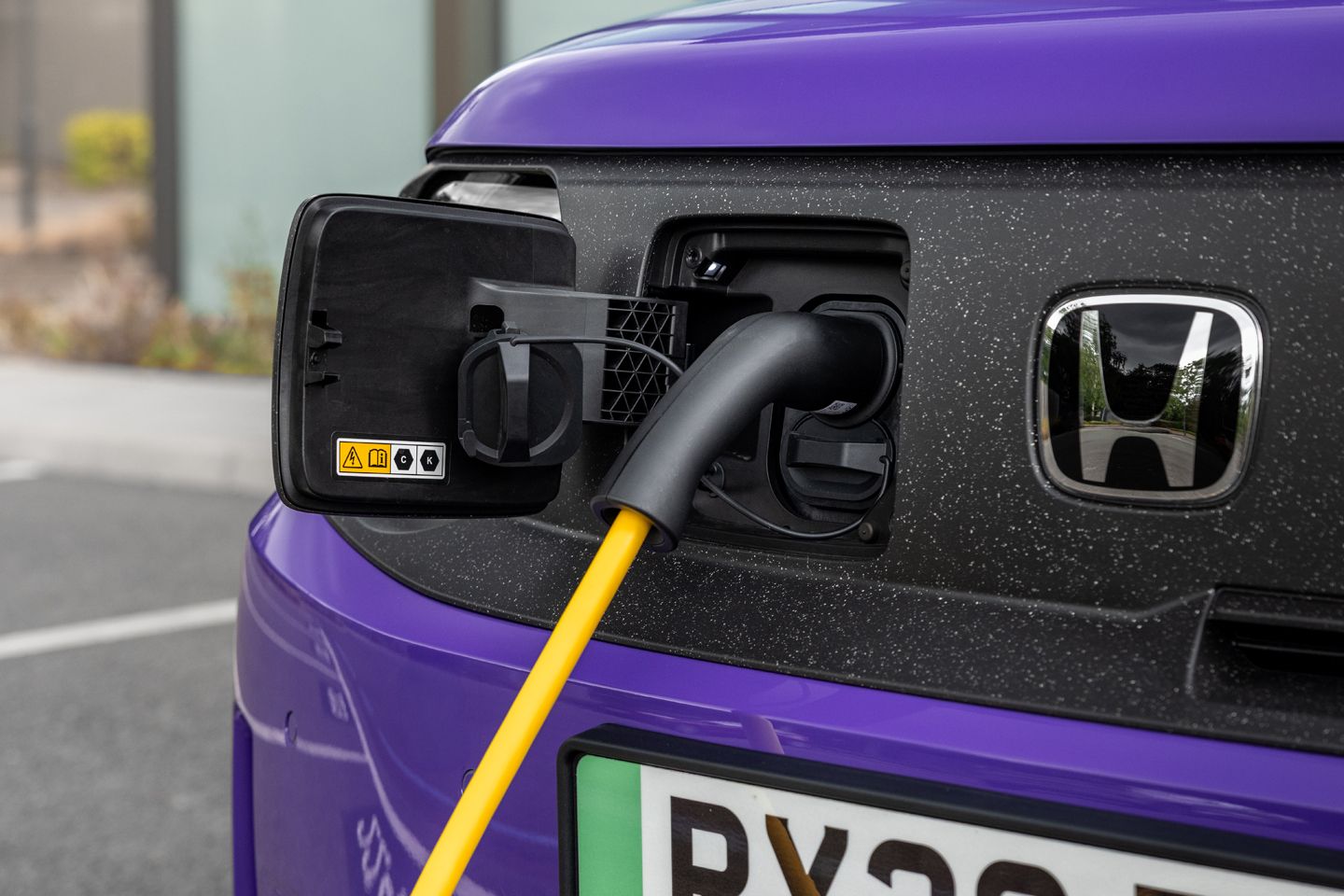
There’s bespoke hardware for the Super as well, including stronger hubs for the driven axle, new aluminium suspension arms, a beefier rear beam and uprated driveshafts intended to quell torque steer. The springs and dampers have their own tune as well, with ‘extensive’ testing said to have taken place in the UK. Which is promising; the Prelude, for example, may have a limp powertrain, but the chassis is excellent.
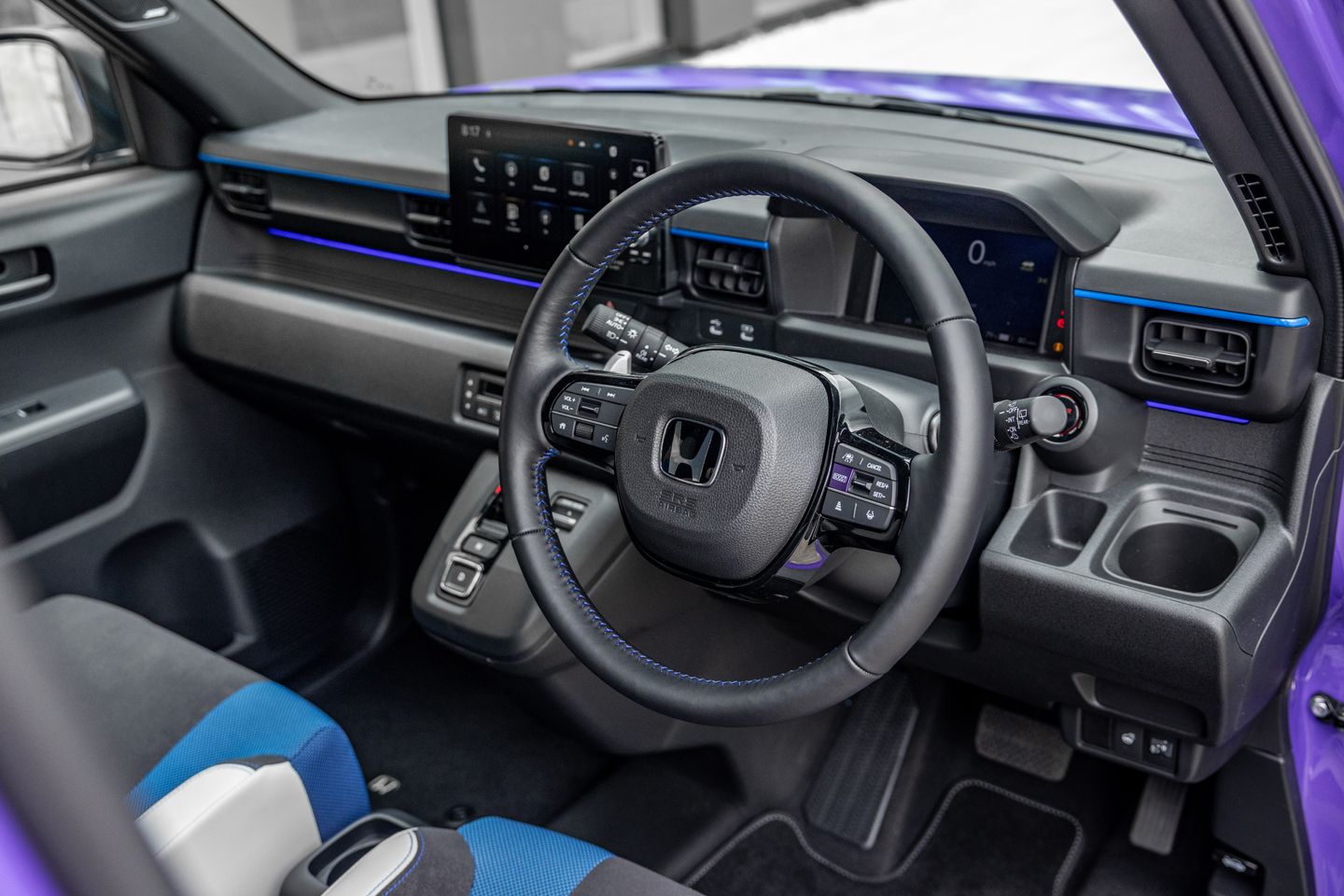
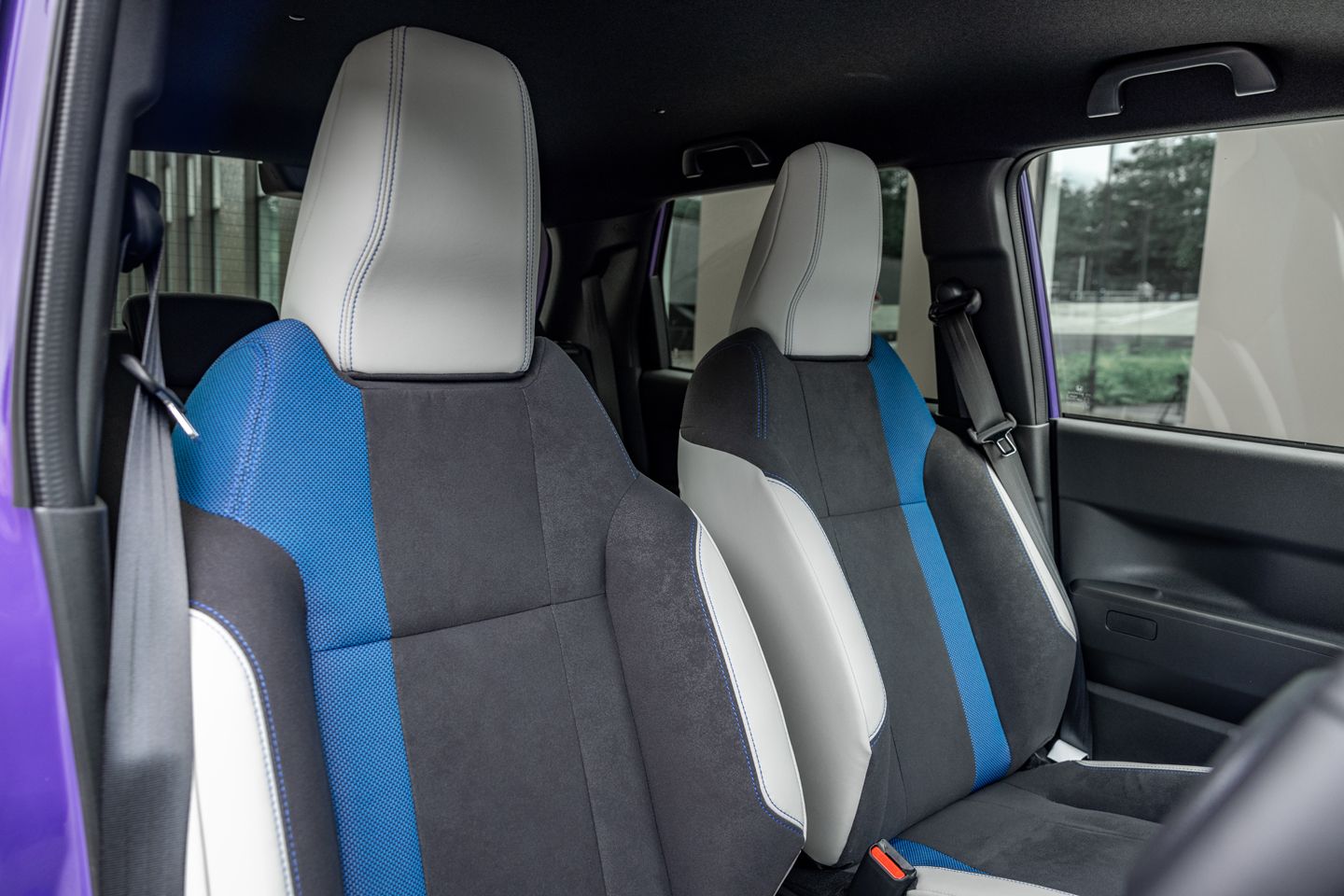
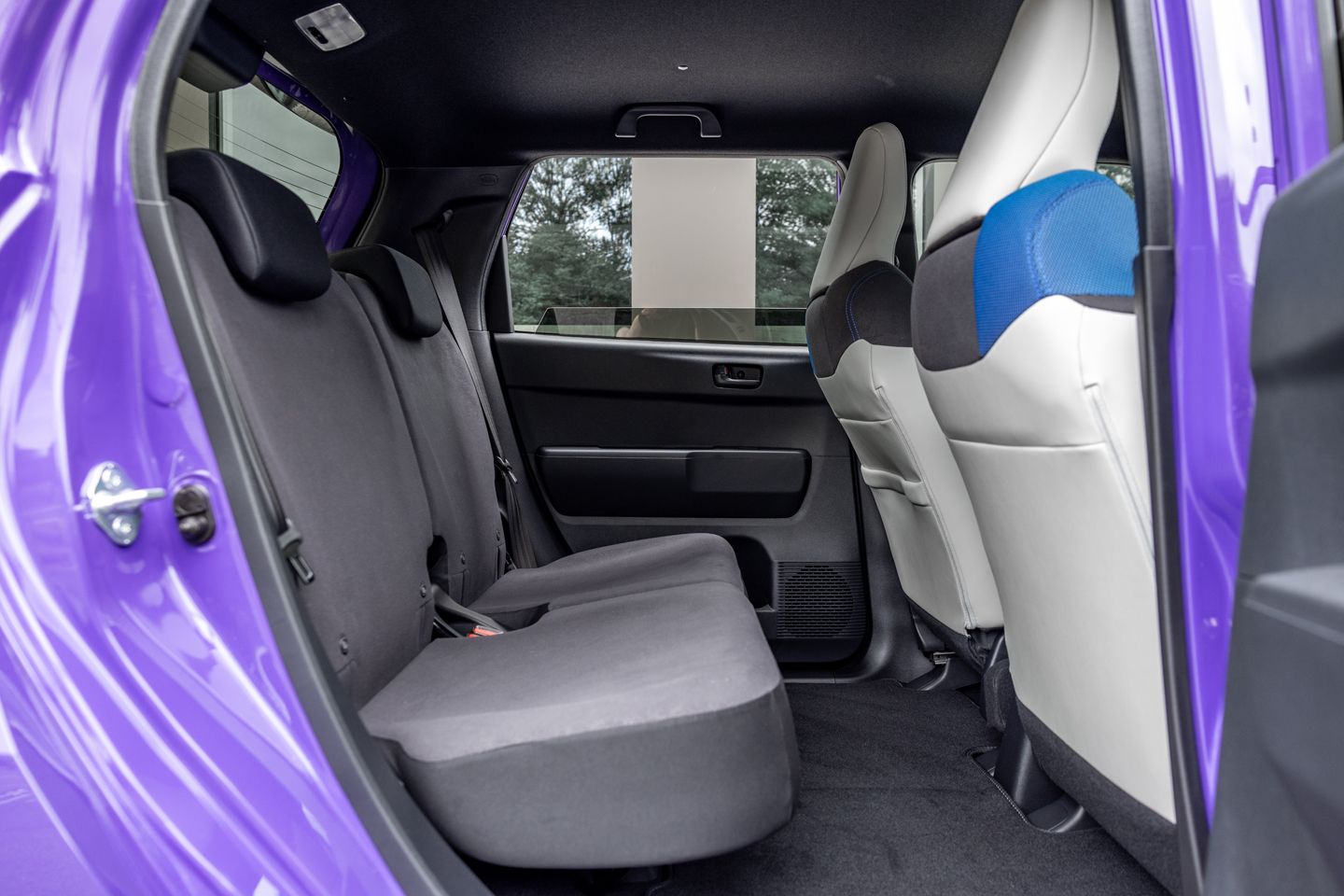
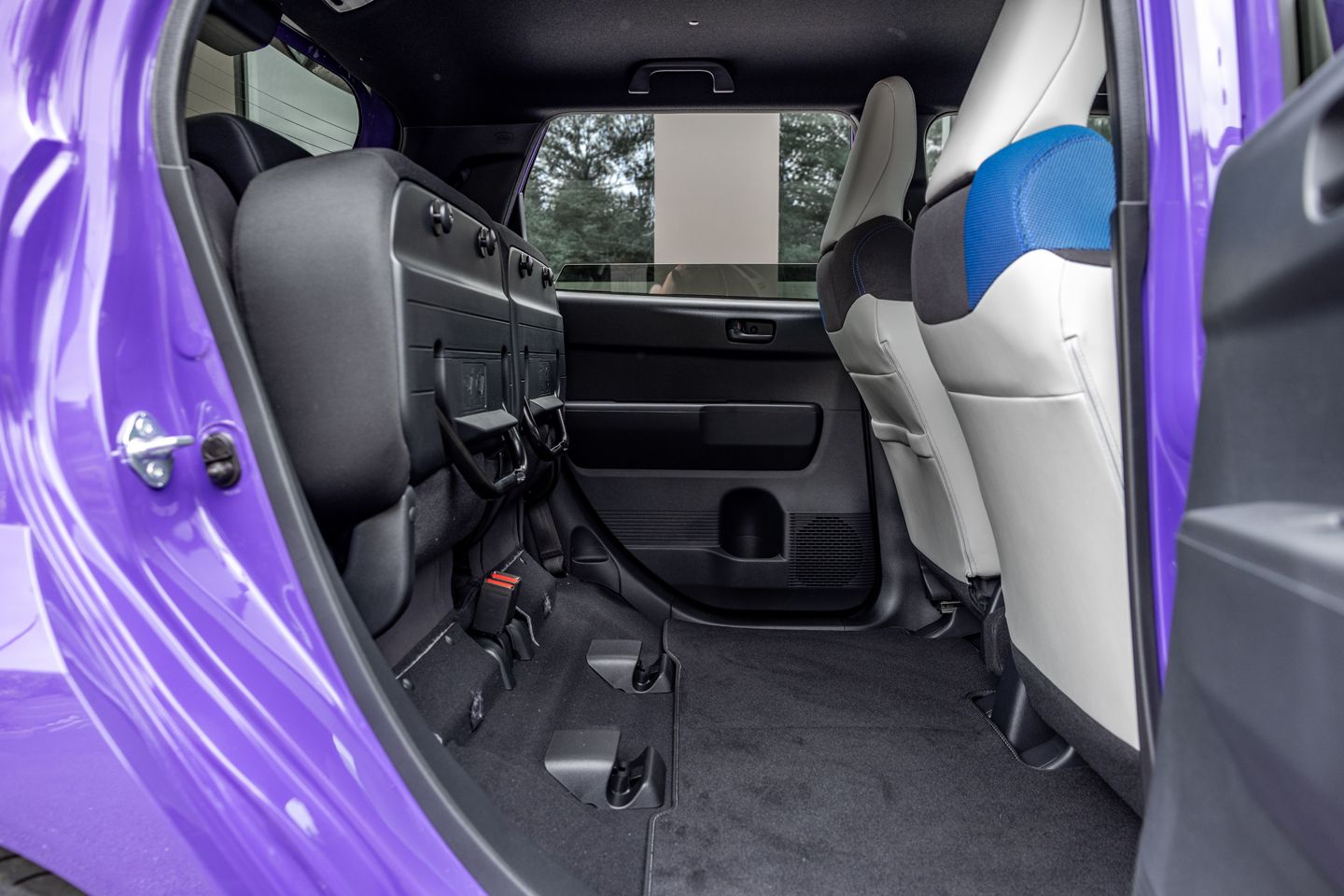
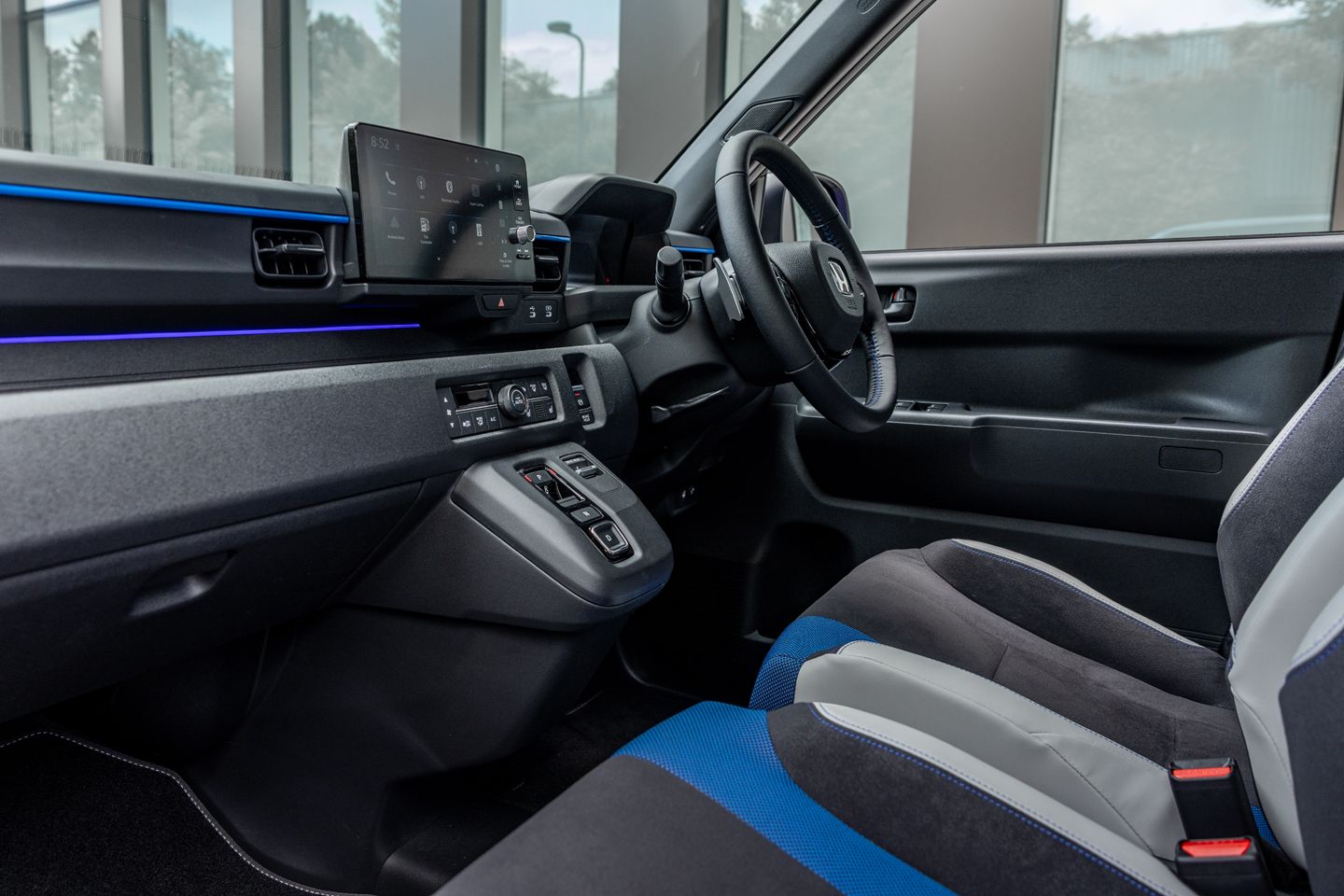
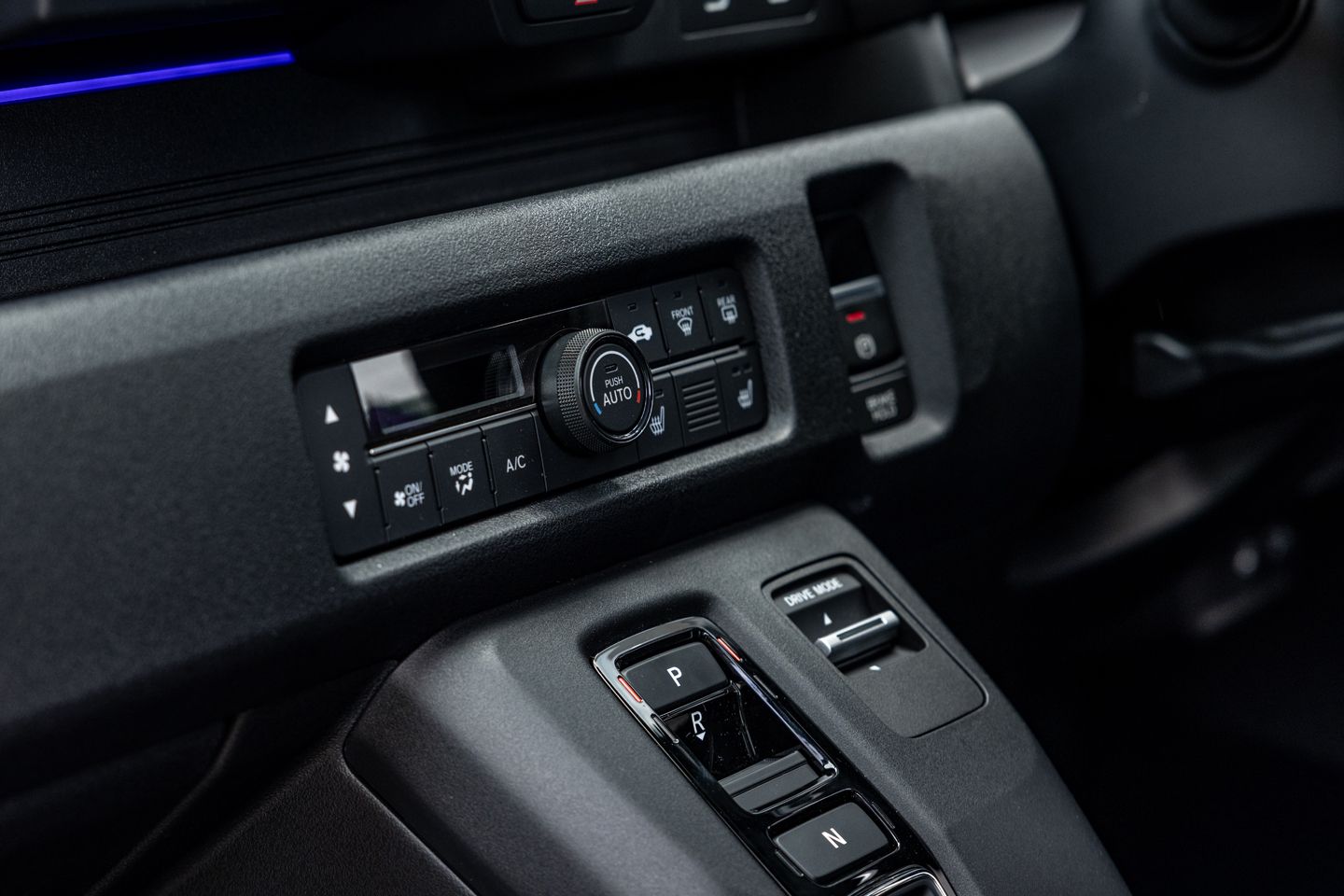
Short of fitting Bride bucket seats with Takata harnesses and a pod of gauges atop the dash, Honda could never match the Super N’s JDM nostalgia vibe outside with the interior. And £19k, plus the fact this isn’t a brand new design, had to have its tell somewhere. So while the seats, particularly the one for the driver, are very good, and there’s more space than might be expected, the Super-N cabin is a little short on surprise and delight. Certainly compared to something like a Twingo.
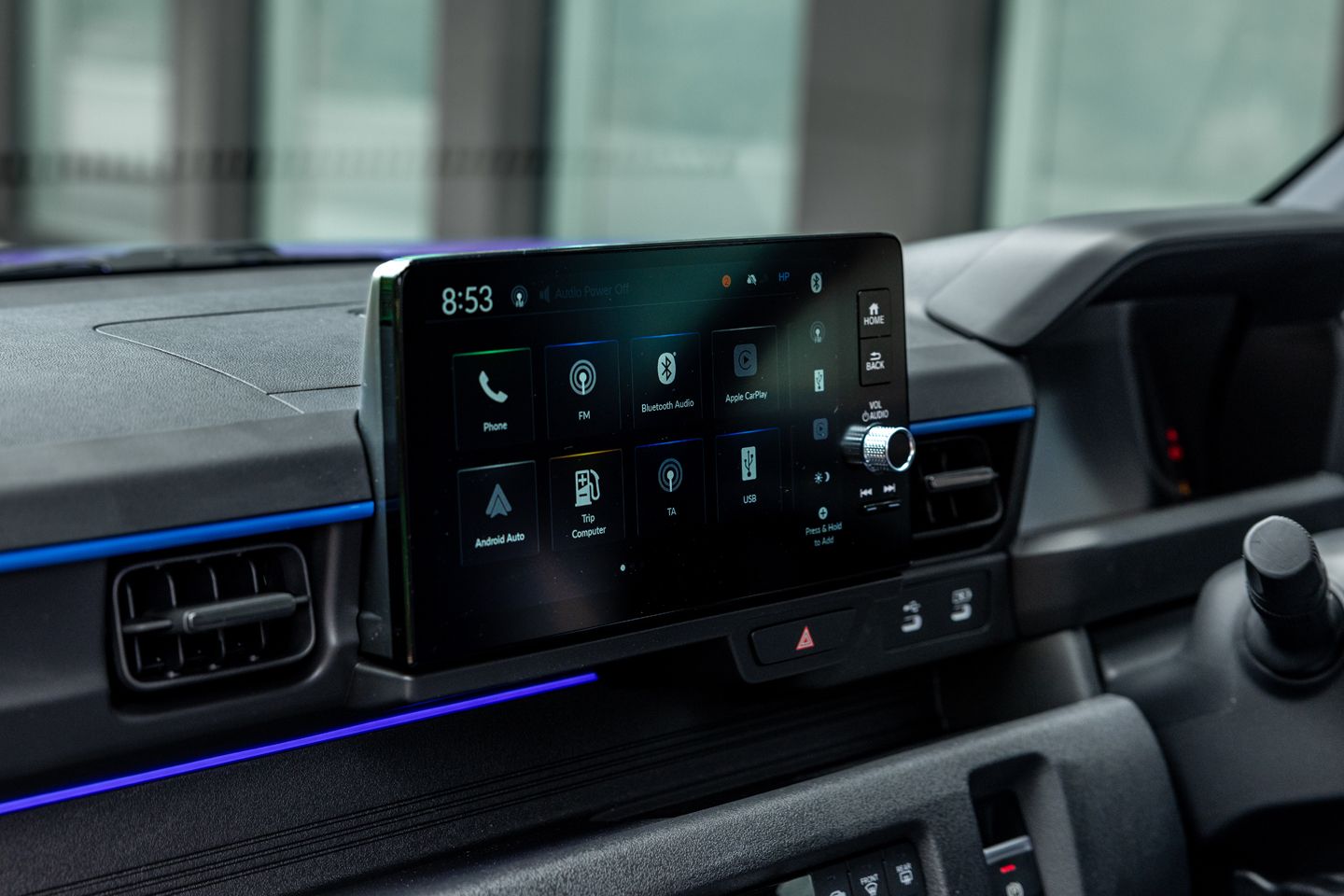
As RumbleofThunder put it so neatly in the news story thread: ‘That interior might please the beards here on PH but it's unquestionably dull and uninspired compared to its retro EV counterparts.’ It’s a Honda driving environment in miniature, functional and sensible (and snug) but very far from exciting. To be kind, these days an interior that just works and doesn’t drive you berserk feels as valuable as all the ambient lighting colours in the world.
To have five drive modes - Econ, City, Normal, Sport and Boost - and six settings for regen is too much for the Super N. Outside of Boost, which adds the extra horsepower and opens up the gearshifting potential, they mainly just adjust throttle response anyway. And with City the only one to offer one-pedal driving, you tend to use that or Boost. In Normal, the Super-N feels a lot like any other modestly powered small EV, keener than its stats would suggest and easy as pie to drive; City initially feels sluggish by comparison, though you soon adapt to what’s actually quite a clever calibration of pedals to scoot through city streets using one pedal.
But we’re all here for Boost, really. It won’t go unnoticed, that’s for certain, because adding more than 30 per cent extra power to anything will certainly liven it up. Once this real-life Mario Kart has had its power up it’s hard to go without, tyres scrabbling from junctions (though not torque steering, as suggested) and ring roads made into Expressways. The purple-tinged display that comes with it might look like something from an early (very early) Gran Turismo, though if joy was the aim, then Boost definitely brings it.
The simulated shifts are a mixed bag, as with the Prelude. The paddles themselves are nice and the feel of the changes brings some welcome sensation, but the finer details are off. The Super-N doesn’t feel to build its power through each ‘ratio’, which is really the difference between these features feeling authentic rather than artificial. And the Active Sound Control is really disappointing, truth be told; Honda promised an ‘evocative simulated engine note’, inspired by both the City Turbo II and even the Integra Type R. The reality is a dull drone that never really changes in pitch, only volume. While no EV quite has the combustion sound sorted, this is the furthest from it. Perhaps it was unrealistic to expect a sub-£20k city car to be totally convincing in this regard. Ultimately, Boost mode tended to be left with the Super N left in auto, neither the shifts nor the sound quite adding as much as hoped for to the driving experience.
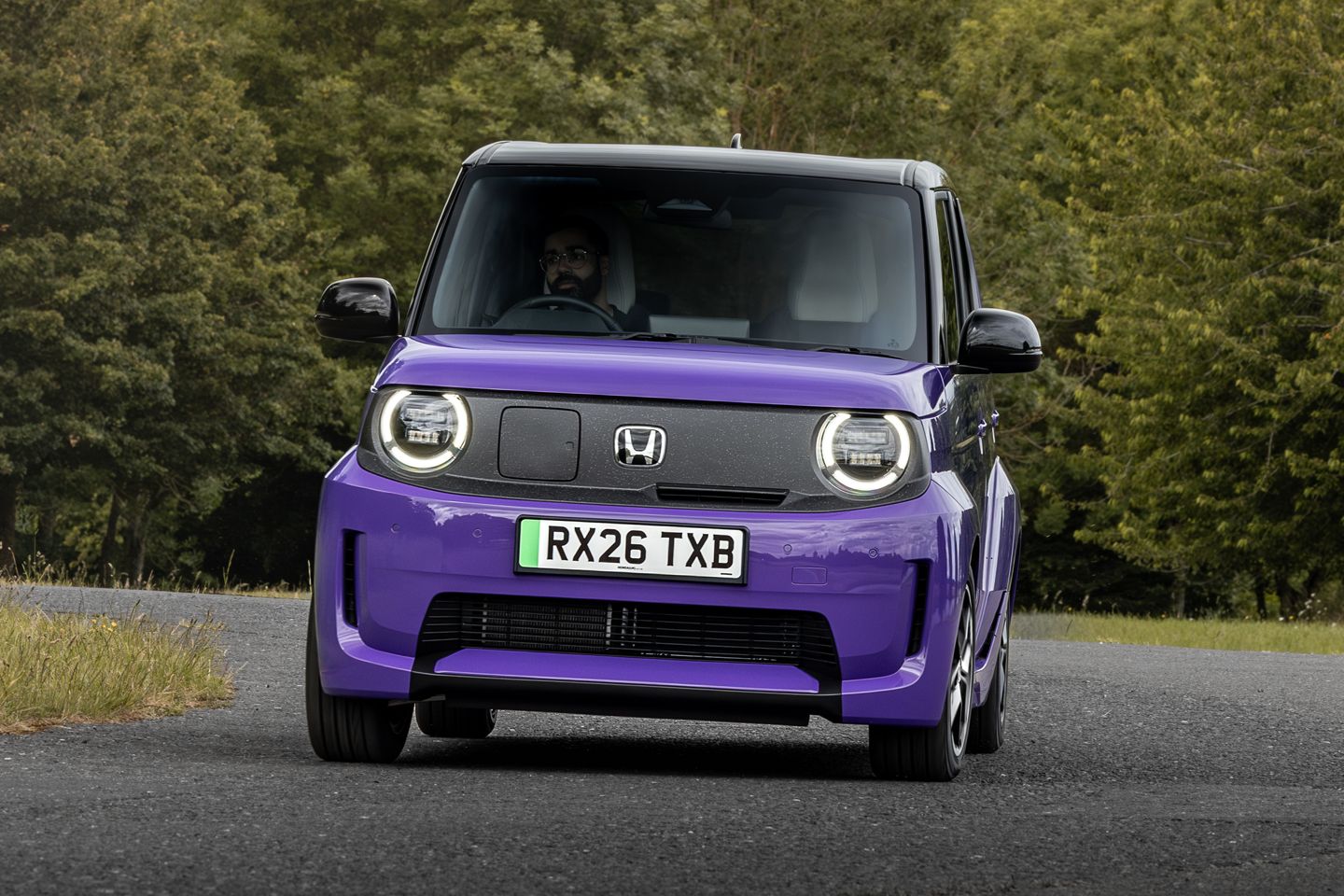
Which isn’t to say there isn’t entertainment on offer. In a world where an M5 is more than five metres long and an RS5 more than two tonnes, to point a tonne of very slender city car wherever you want, without delay or intervention, is very welcome. Roads that would hem in most other cars can be exploited in the Super-N, width restrictors hold no fear, and dual carriageways feel like epic highways. It’s sufficiently mature, too, tolerable at a few mph of its vmax if needed; while firm and obviously not as sophisticated as something like an Alpine A290, the suspension does a decent job of balancing isolation and connection.
For whatever reason, however, the Super-N doesn’t quite elicit the same joy as the best small cars. It doesn’t fizz with quite the same energy in its direction changes and acceleration, the steering is always a bit too light, and that soundtrack really puts a dampener on things. Despite the vibe, the experience on this occasion feels more like a conventional Honda city car than a pint-sized Type R.
Maybe a comparison will show the Super-N in a more favourable light. And just maybe, none of this is all that tremendously important. Here’s a fun-looking EV city car that’ll do more than 4.5mi/kWh, has Magic Seats, will cost £199 a month, and feels smartly executed. The Honda bit of the Super-N is in absolutely no doubt; it’s just the Super part that the jury’s still out on.
SPECIFICATION | 2026 HONDA SUPER N
Engine: 29.6kWh lithium ion battery, single electric motor
Transmission: Fixed reduction single speed, 7 augmented ratios, front-wheel drive
Power (hp): 70 (95 boost mode)
Torque (lb ft): 119
0-62mph: 14.5 seconds
Top speed: 84mph
Weight: 1,097kg
MPG: 4.2mi/kWh, 128 miles range (WLTP)
Charging: Up to 50kW DC, up to 7kW AC
Price: £18,995


More of this kind of car please.
FWIW I think it looks awful vs the Renault options especially. If I wanted a short range EV for running around town and it had to be a Honda, it'd be a used Honda e over one of these.

People who live in a town and have a need for a local runabout.
People who live in a village and need a local runabout.
Older folk who just want a small car to do short trips in.
Car to leave at a holiday home or tow behind an RV.
People who want a first car for their kids.
The Aygo etc sold in huge numbers, there arent many really small cars out there. Imagine how little it costs to run, where you can park it etc.
Why not have a selection of soundtracks from their various F1 engines, 1980's V6 turbo, V10, three different versions of V12, 1.5 litre, 3.0 litre and 3.5 litre
Or bike engines, 250cc six or 500cc super screamer V4 two stroke, a low droning V4 from the original RVF?
But the implication is that it is a low usage car for a person or family that rarely use it.
However - such city dwellers will probably use it on occasions when they want to escape the city. In which case they need a bigger car with better range and / or ICE
Gassing Station | General Gassing | Top of Page | What's New | My Stuff