
New Vertex ushers in refreshed design for Defender
Land Rover finally updates Defender styling - but is forced into drastic measures with petrol V8 variants
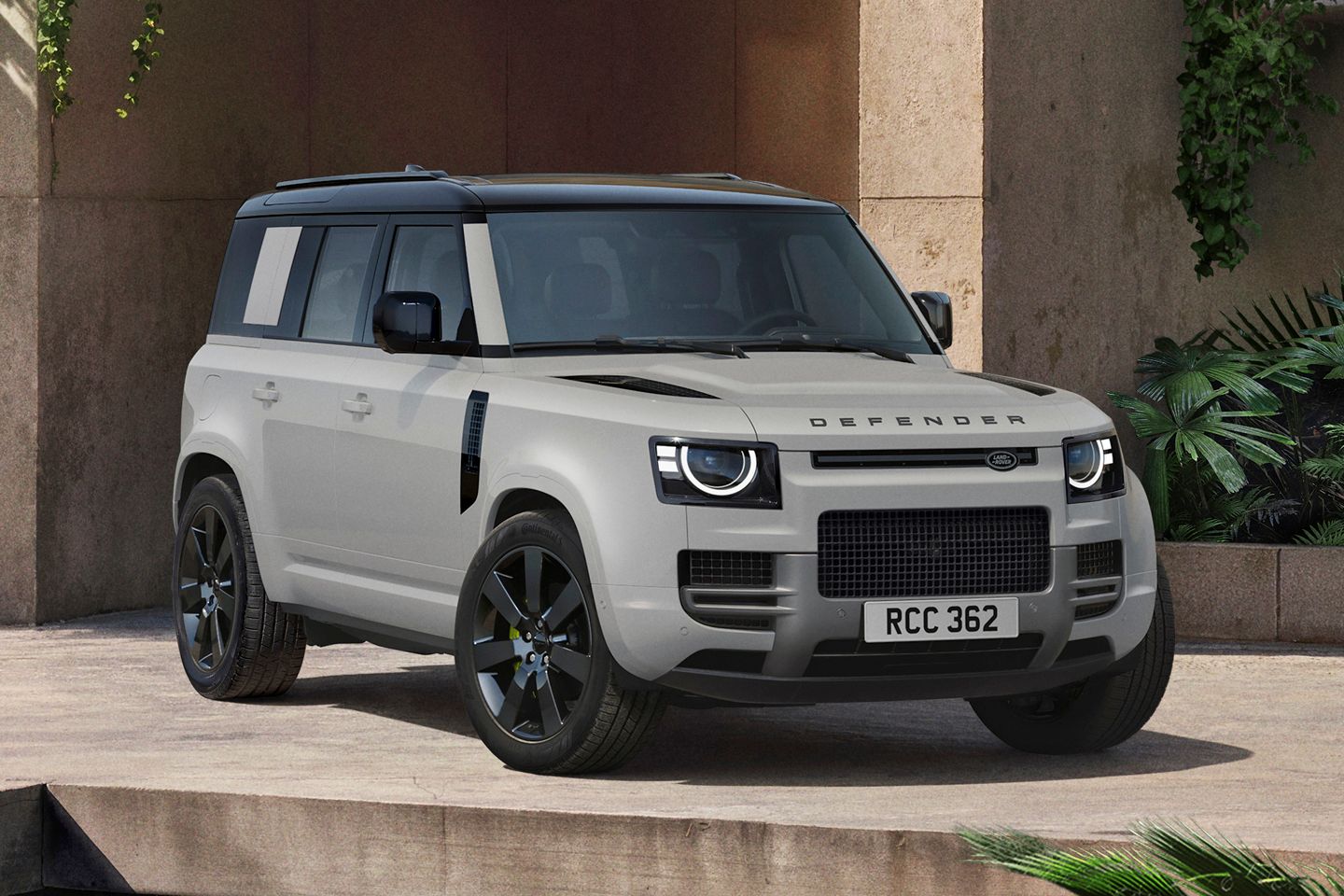
One of the more remarkable things about the current Land Rover Defender, beyond its enormous sales figures, is that its maker has not previously felt the need to execute a mid-life facelift. Generally speaking, most manufacturers aim to spruce up the appearance of a volume seller every three years or so - otherwise owners might forget to trade in their old model for a new one (perish the thought). But minor updates aside, and the introduction of the larger 130 and pumped-up OCTA notwithstanding, the Defender has been chugging along mostly as it was since 2020. That’s almost five prime ministers ago.
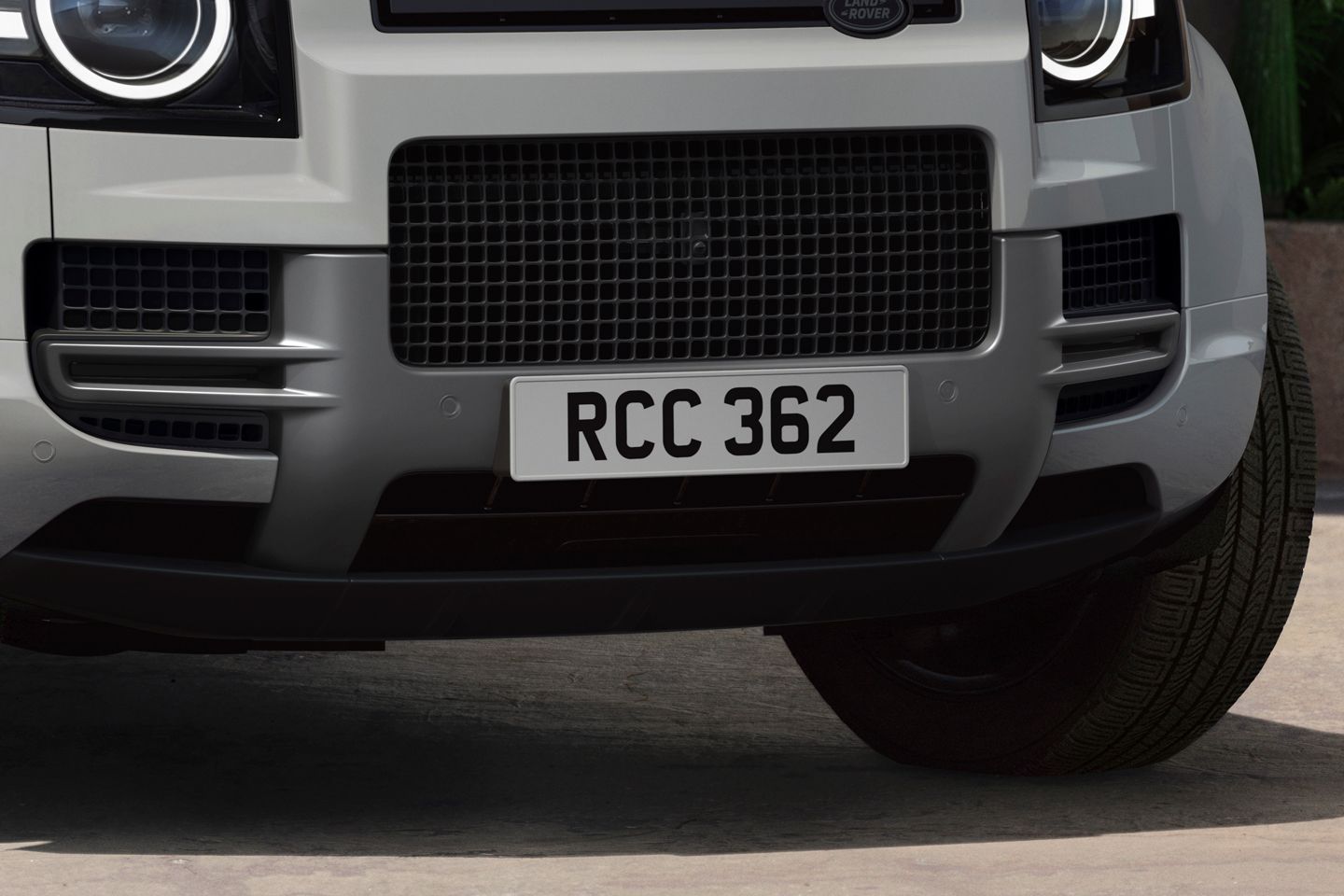
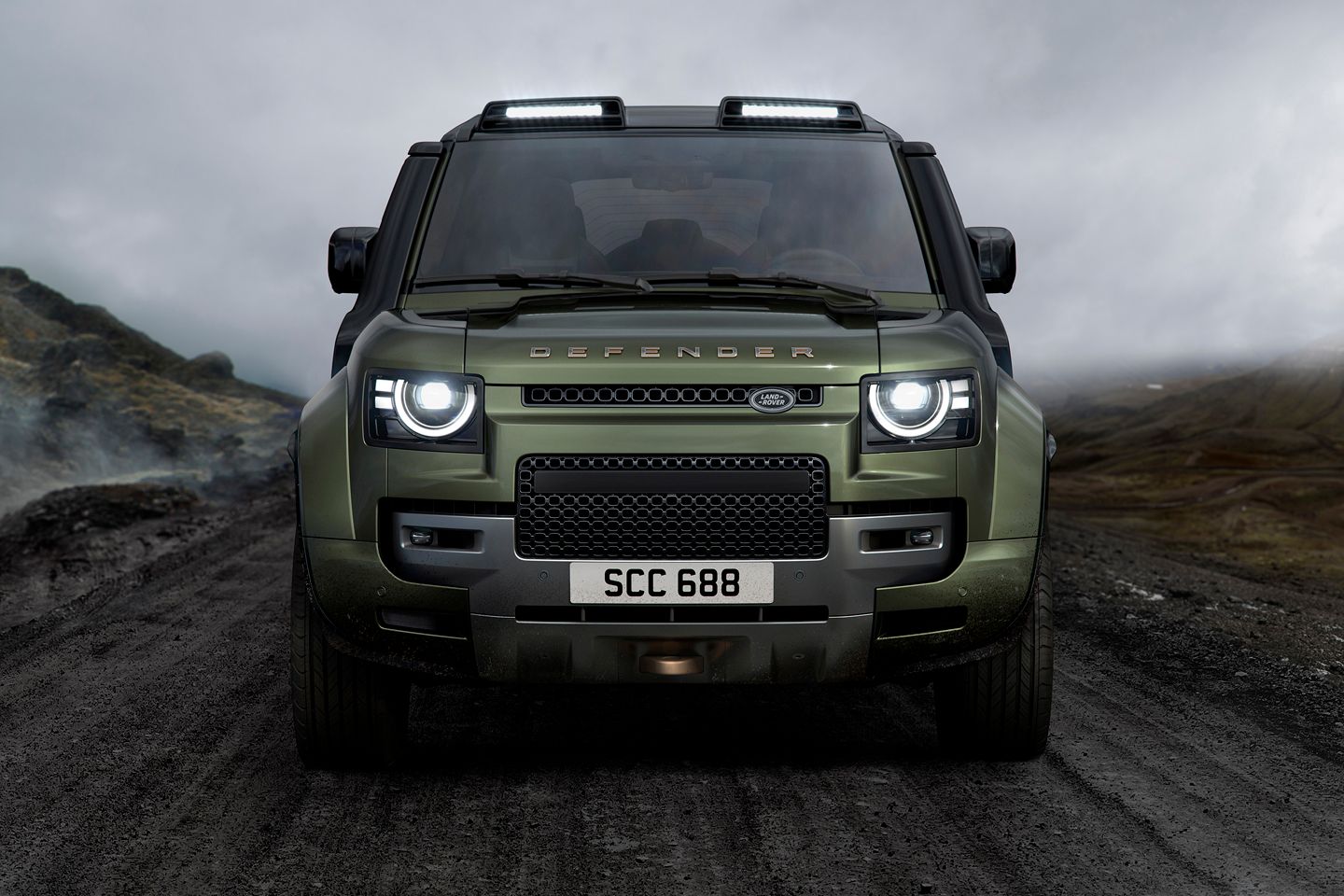
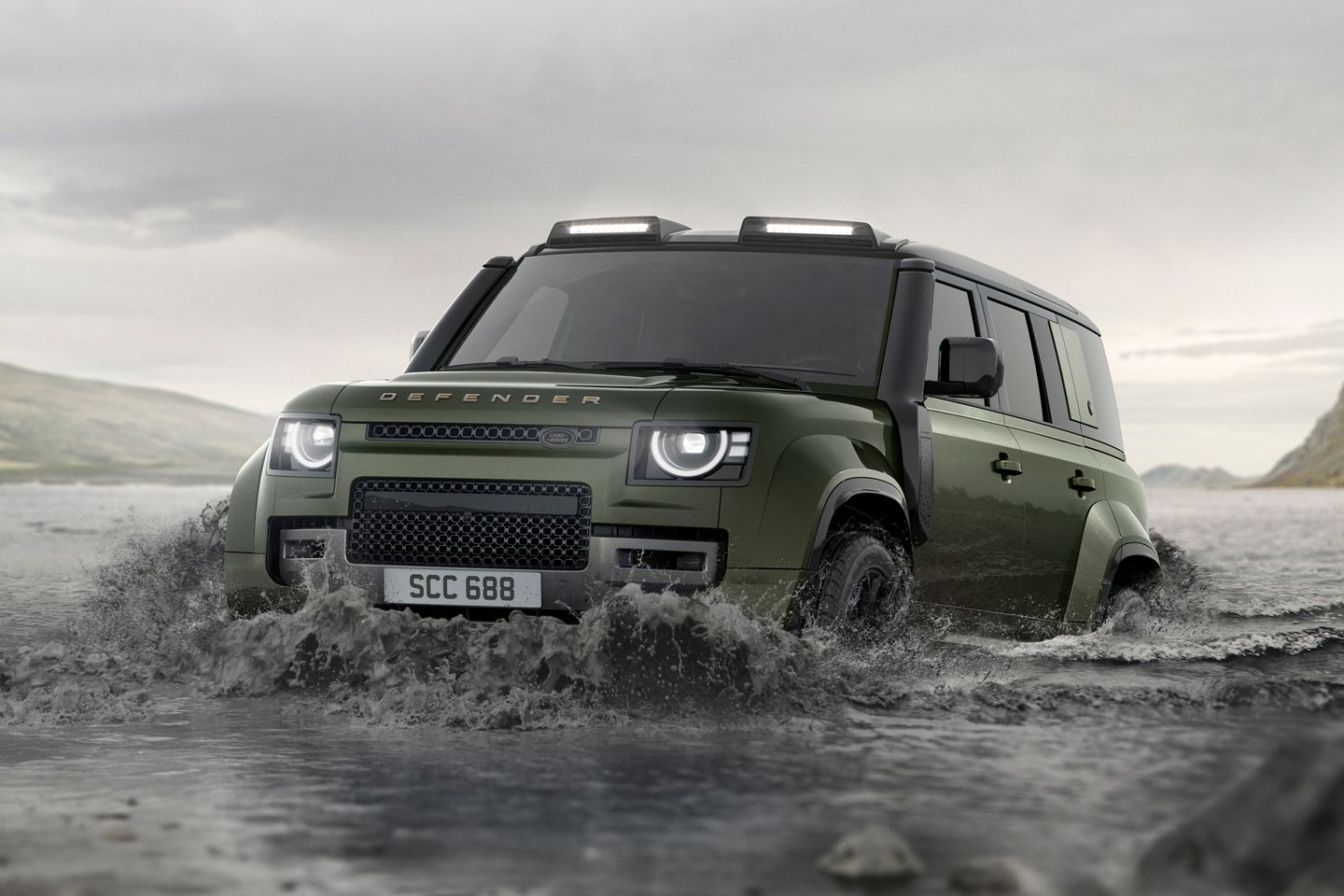
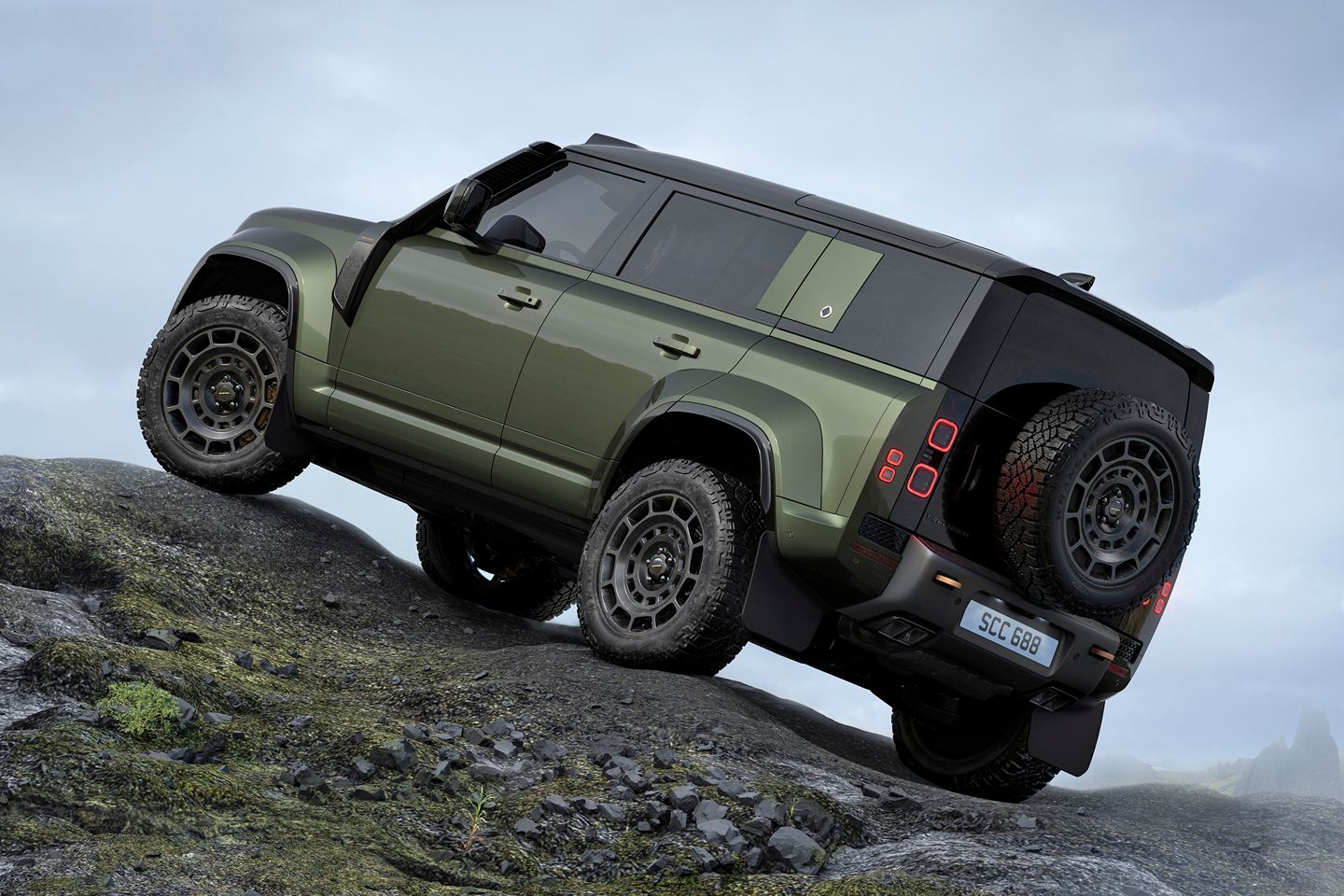
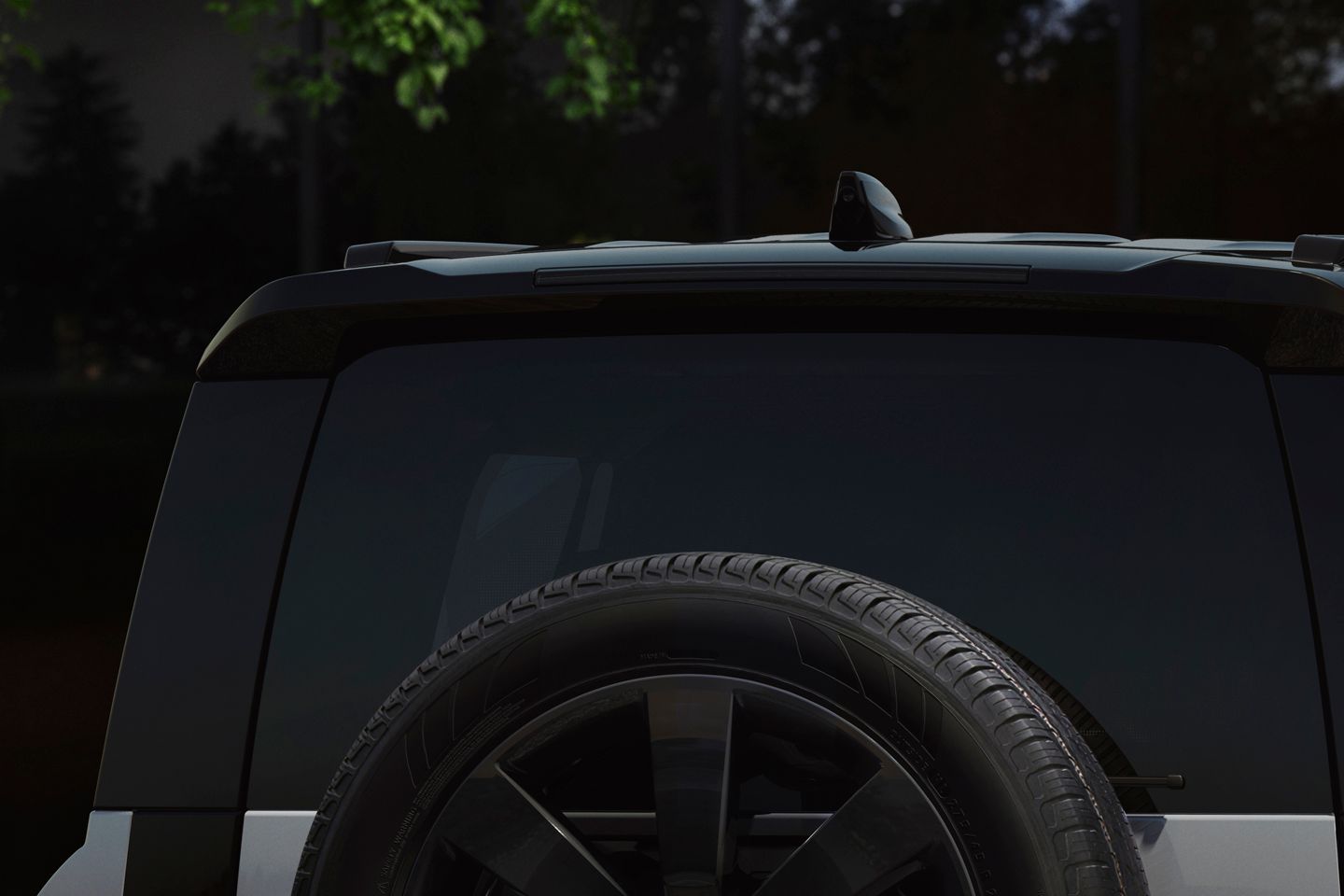
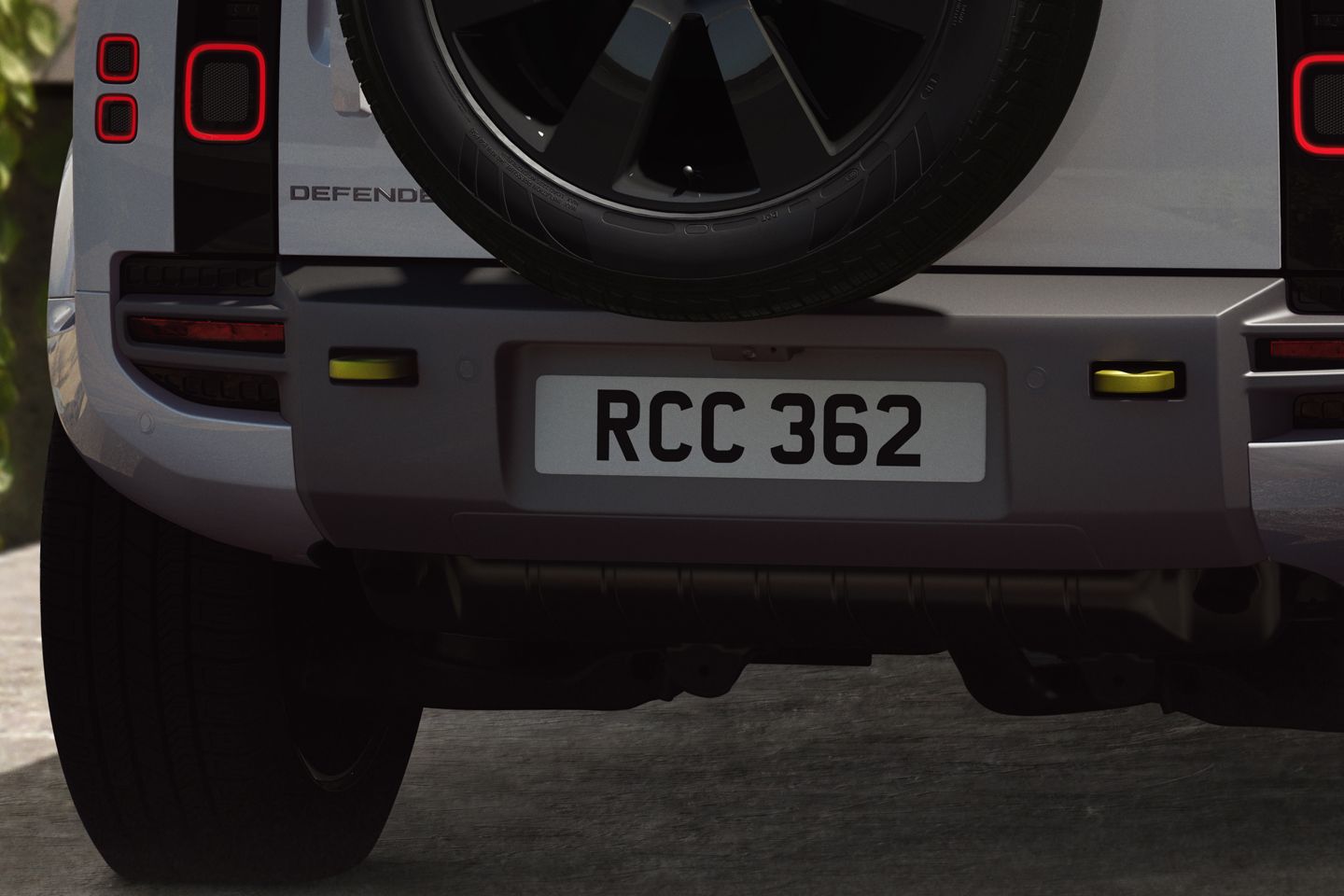
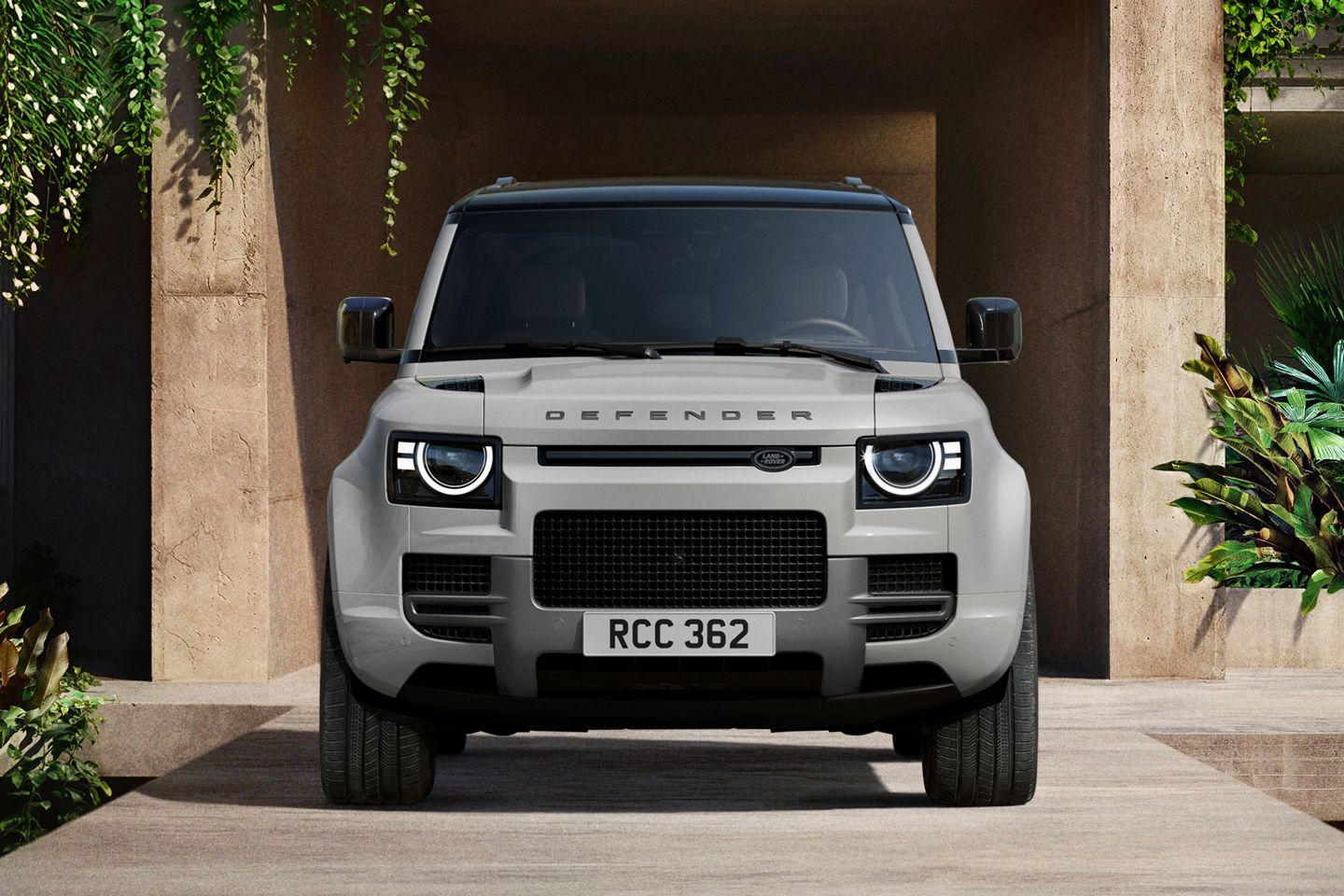
Now, finally, it has returned to the drawing board to have a fiddle with the original design - although even now it has done so in a way that seems partly aimed at not upsetting anyone (understandable, given the Defender’s cash cow status). Accordingly, rather than applying the chosen ‘new character’ range wide, Land Rover has launched a new trim grade called Vertex, which will sit alongside the X model, but look slightly different courtesy of extended front and rear bumpers, a larger grille, body-coloured lower cladding, gloss black spoiler and revised fog lamps - i.e. the traditionally mild ingredients of a conventional facelift.
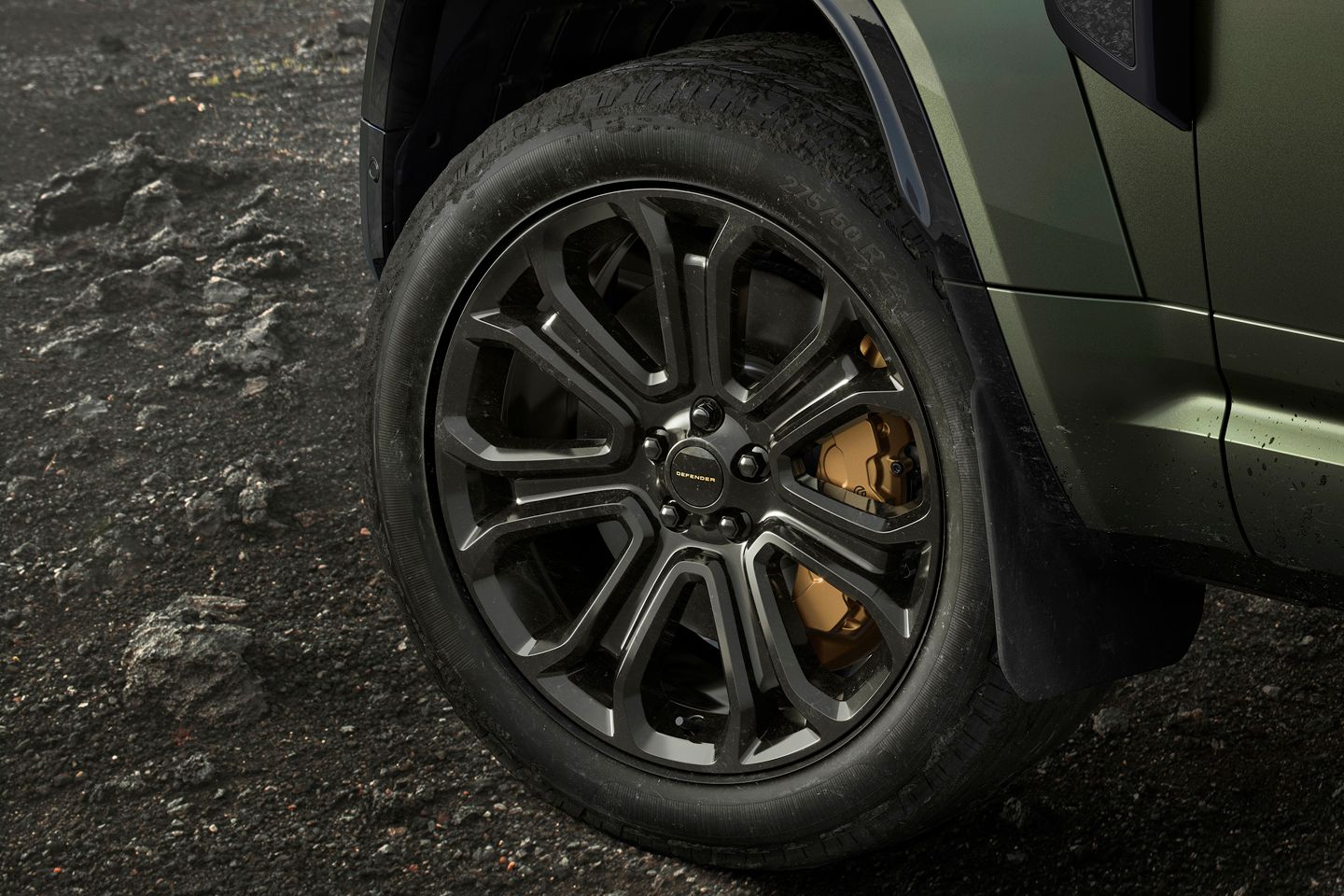
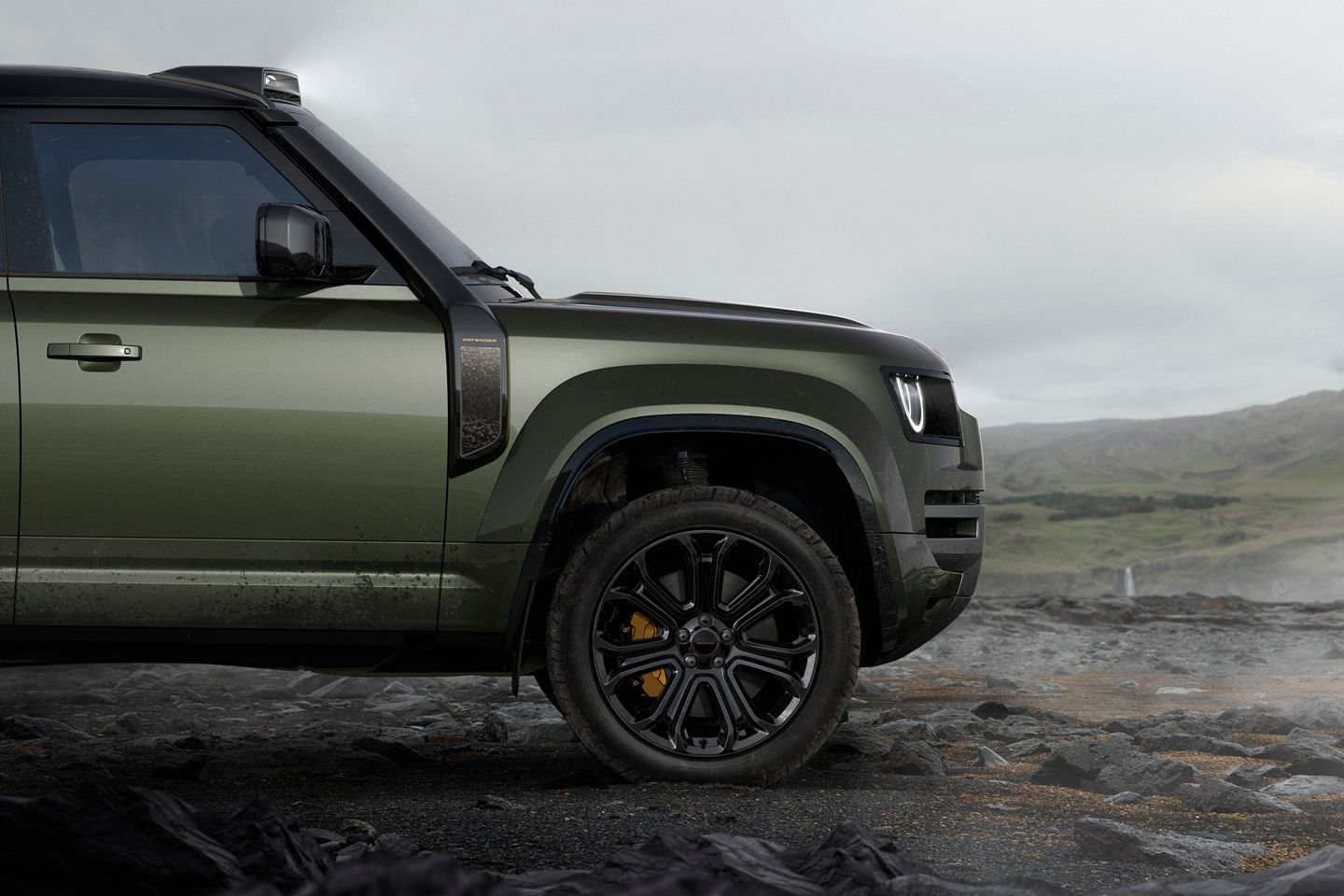
As ever, you can make your own mind up about whether you like the result - Land Rover suggests it gives the Defender a more muscular stance, although the introduction of standard-fit 22-inch wheels helps in that regard. Its buyers though will be encouraged to consider the Vertex at length, because if the new look appeals (but the Vertex doesn’t) its presence is said to have ‘inspired’ a new Extended Exterior Pack, which is available as an upgrade to the X-Dynamic SE and X-Dynamic HSE. So you can have the new front and rear bumpers, and the rear spoiler - but only if you’re sure you like them. And are prepared to pay for them.
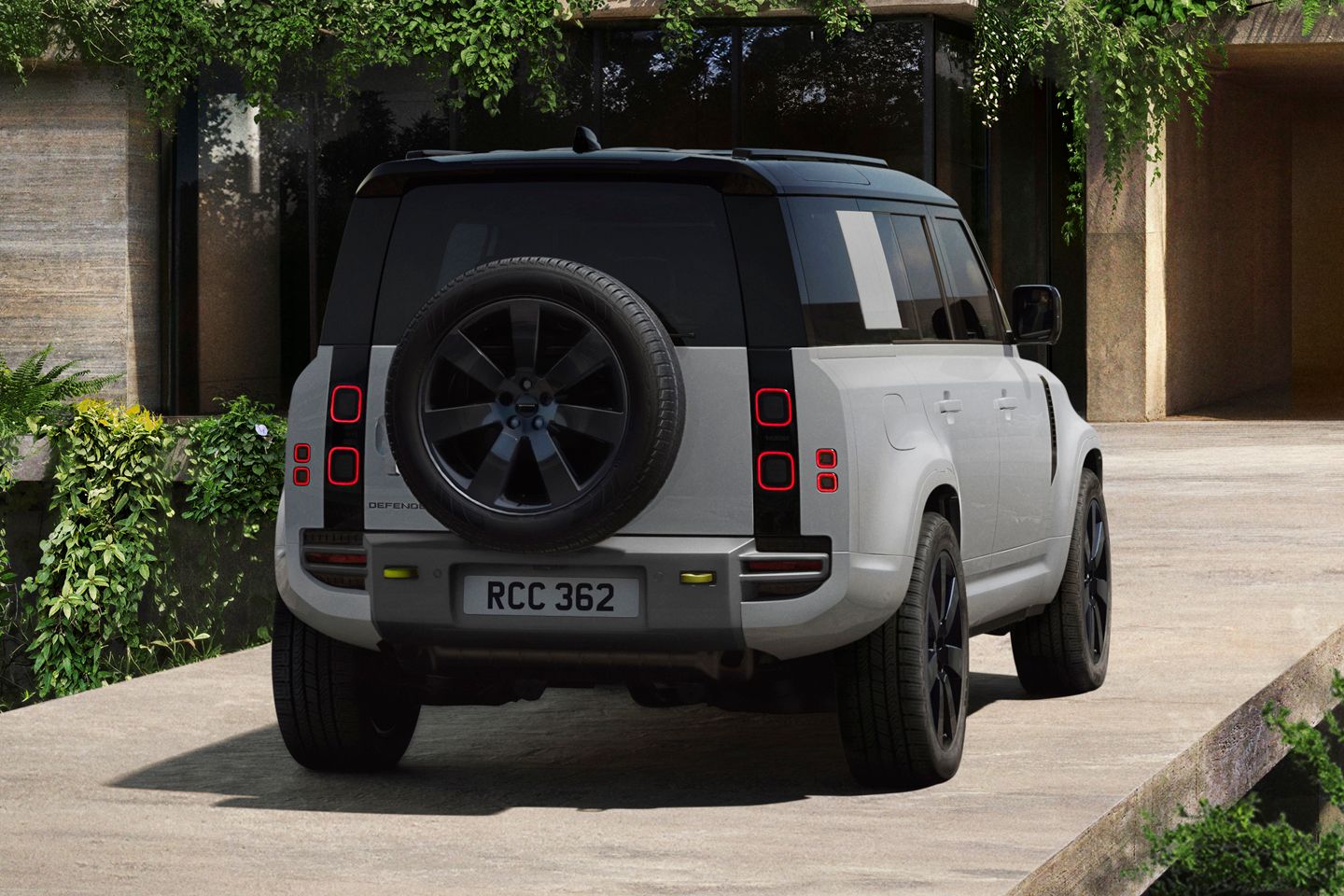
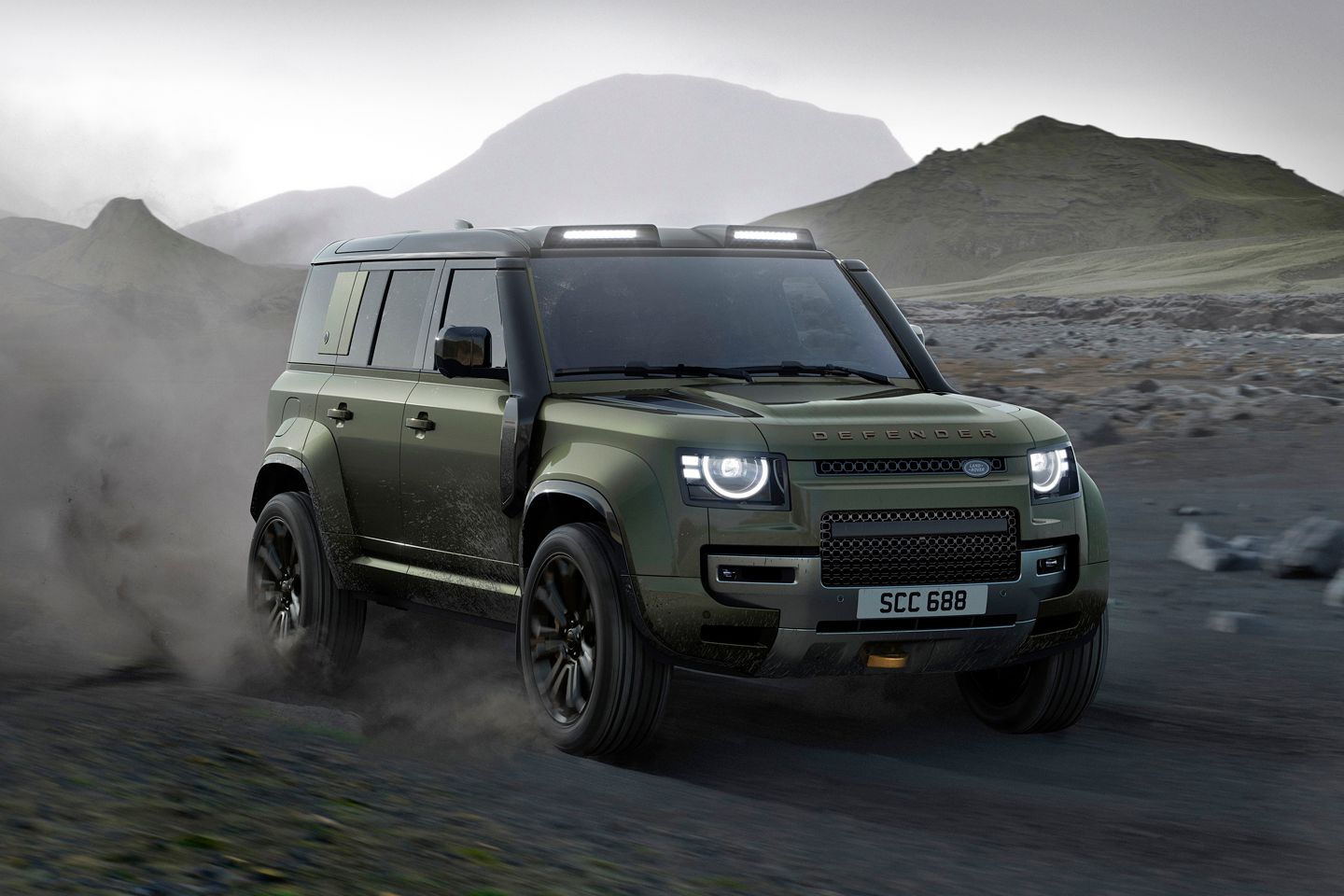
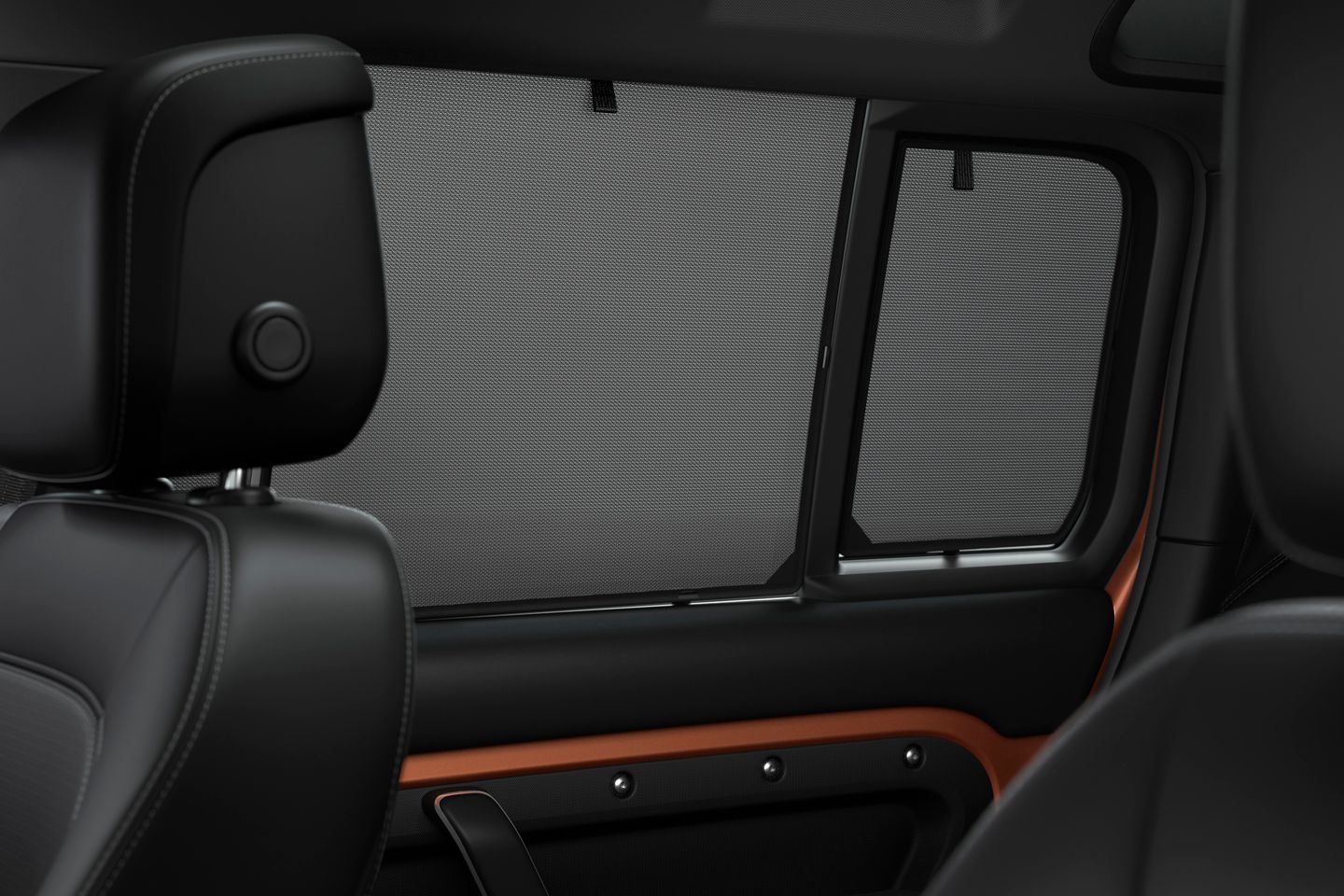
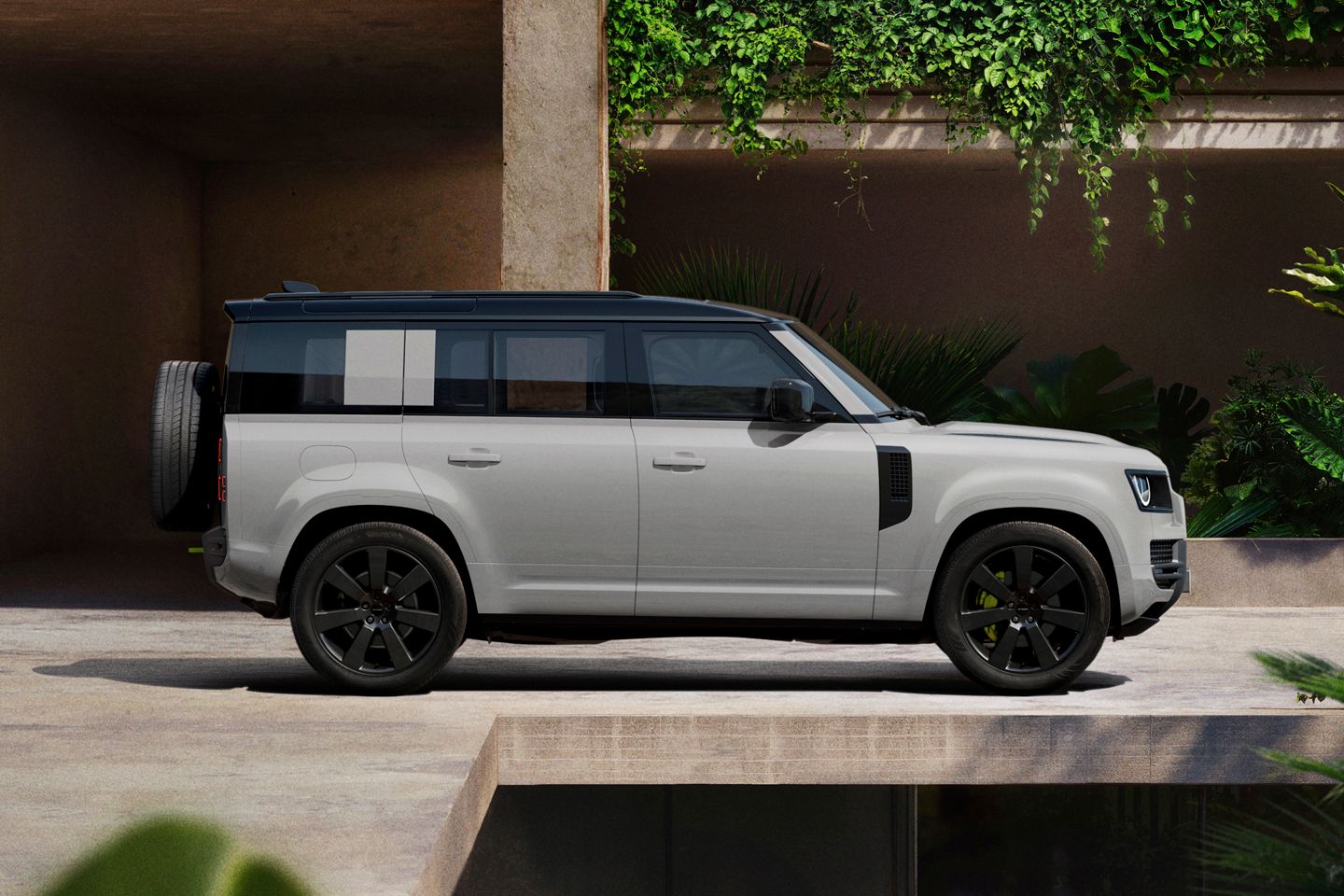
Other changes include revised colour palettes and yet more options - you can now have the 110 Trophy Edition in Santorini Black, for example, and the OCTA in Woolstone Green (both of which you should consider) and Land Rover now offers a Gloss Protective Film to provide protection against scratches and stone chips, something that was previously only available to cars with matte paint. There is also a ‘raft’ of new factory-fit accessories, including an Expedition Roof Light (9,000 lumens worth, apparently), and a Tail Door Gear Carrier, which adds 60 litres of lockable storage.
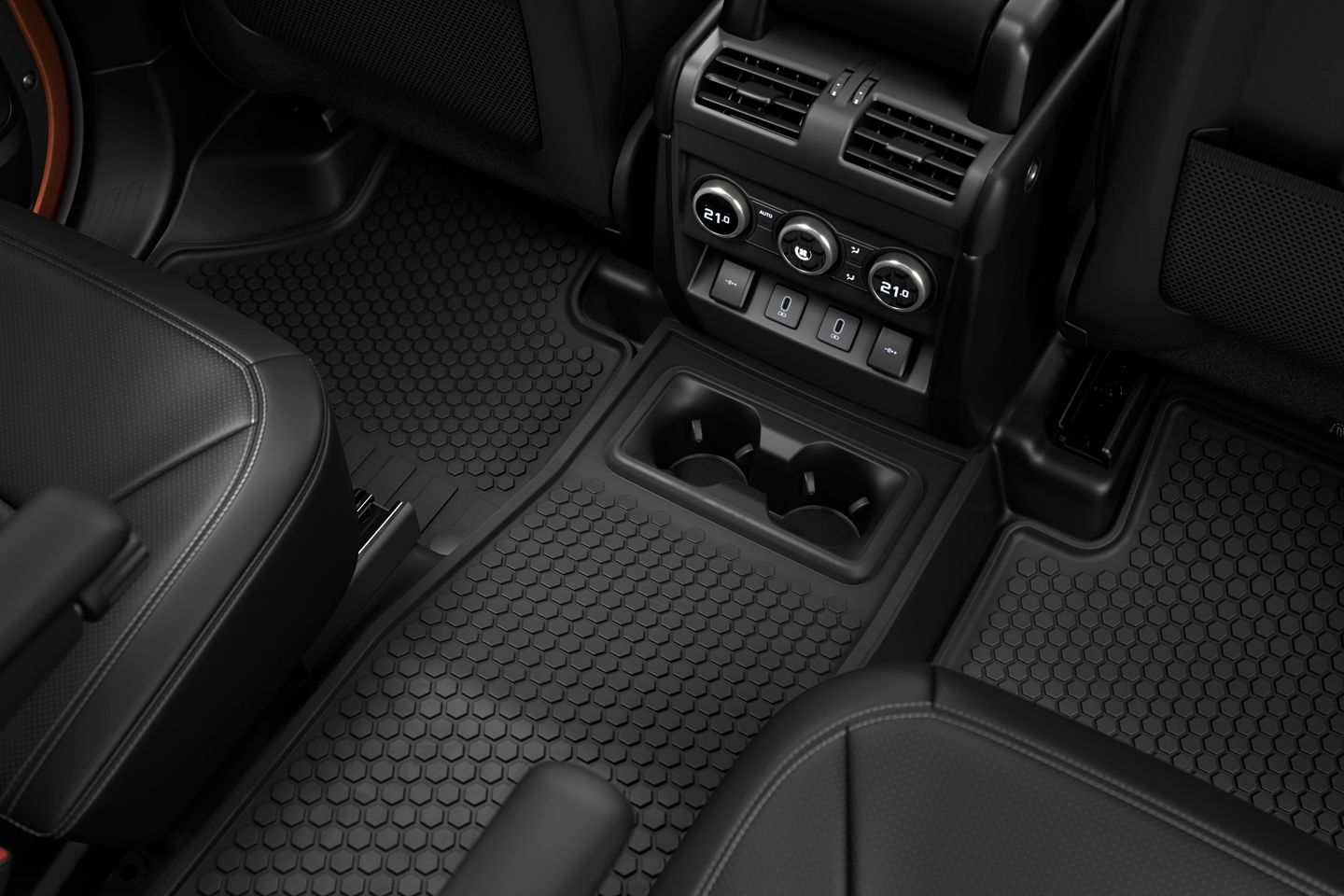
The latter ought to come in handy if you plan to make use of a new six-seat layout, now available for the 110. If memory serves PH correctly, this option was already offered to 130 buyers, and basically means replacing the rear bench with so-called Captain Chairs for a 2+2+2 configuration (i.e. still with two jump seats in the third row). Obviously the main attraction is a far superior level of comfort for those in the back, with easier access to the pews in the boot. Probably win-win if you’ve got two teenagers and only very occasionally need to make room for their mates. You even get cupholders set into the floor.
Perhaps less welcome, on the face of it anyway, are changes made to some petrol powertrains in the pursuit of Euro 6e EB status. Probably buyers won’t notice the 20hp difference between the new P380 MHEV and the old P400 version, but future OCTA customers are likely to be unimpressed by the near 100hp haircut the V8 has required to become the new P540. Torque remains at 553lb ft and Land Rover promises a ‘more characterful and deeper exhaust note’ thanks to changes in the manifold, but the latest OCTA will still be slower to 62mph. Worse still, the old 5.0-litre V8 - which was replaced by the OCTA in the 110, yet still doing the rounds in the 90 and 130 - will be discontinued for the MY27 model lineup. That effectively signals the end for the supercharged engine (in Europe, at least) and brings down the curtain on a spectacular run. Thank goodness you can still buy one here - and you absolutely should.


Our Defender has been faultless in 3 years of use - motorway, towing and off-roading included - and will be replaced by another one next year.
I think Land Rover absolutely nailed the design with these too, so I can understand why they've left it alone for a bit longer than usual.
"Torque remains at 553lb ft" so no problem then unless your goal it to best your pals out of Chelsea and down the Kings Road.
We've been very happy with our Defender and I would have another. The Discovery has become too much like the Range Rover Sport in that yes, technically you can use it off road but with massive wheels, low profile tyres and what amounts to bodykits on a vehicle with larger overhangs, you're just going to smash it up if you do dare to use them as a Land Rover and not a "Mall Roamer".
As with the poster above, ours has been completely reliable and the only real frustration is that these vehicles are extremely vulnerable to getting cracked windscreens from stone impacts for some reason. We've currently been waiting for 3 months for a new screen after the big national chain our insurance company deals with managed to order the wrong one (it was missing the inner coating for the optional HUD that our car has). Land Rover dealers are quoting something like £2,600 for a replacement!
Hopefully JLR are getting closer to them not being a total liability, some evidence there that folk are having good service from them.
I think Land Rover absolutely nailed the design with these too, so I can understand why they've left it alone for a bit longer than usual.
Mostly because of BIK rules.
I think Land Rover absolutely nailed the design with these too, so I can understand why they've left it alone for a bit longer than usual.
 king the UK car market up. JLR are obviously just buying credits from other manufacturers to allow them to continue selling ICE vehicles.
Still one of the best cars I have ever owned. Highly recommended before the "buy a LC" brigade turn up. Oh they have already.
In Iceland it performed faultlessly, it tackled F Roads, mountain tracks, river crossings and all with no difficulty. Air suspension, wade mode, rock crawling, hill descent control were all used extensively, it even navigated the notorious route 622 in the Westfjords without breaking sweat.
And then transported me in the same comfort all the way back to the UK. I genuinely can’t think of a better vehicle to do that trip in. 2,000 miles of motorway in a Grenadier? No chance. Land Cruiser would be better - but with a Hilux 4pot diesel? Both would be more ruinous on fuel, and far slower. Neither would be any better in Iceland where full off roading is strictly prohibited.
If you went for more luxury you’d be worried about the damage you might inflict on a more delicate vehicle in the harsh Icelandic conditions.
Mine has been perfect for two years, I’d have another without hesitation. It’s just one of those vehicles that they got right from the start, once they’d ditched the smaller engined options.
Living in Warwickshire they are absolutely everywhere and all the best to JLR for having such a success on their hands and for providing lots of decent jobs for UK plc.
Gassing Station | General Gassing | Top of Page | What's New | My Stuff