
Range Rover Electric officially unveiled
550hp, more than 300 miles of range and 'revolutionary traction management' for £154k L460 EV
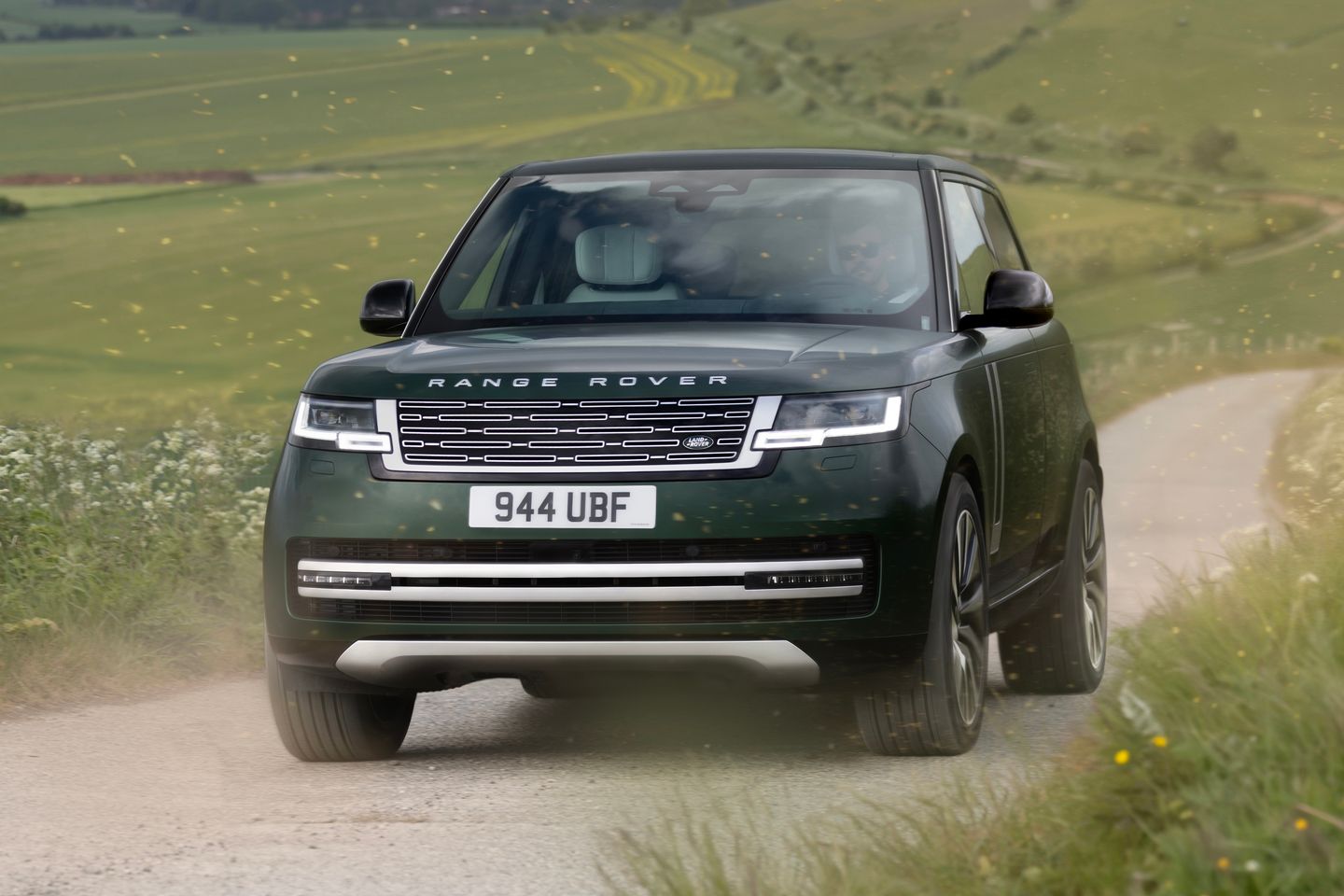
It would be fair to say we’ve been waiting a little while for the Range Rover Electric. A wait list opened back at the end of 2023, and with it came thousands of expressions of interests. We’ve seen it testing, we’ve driven it at Eastnor, we’ve even seen the Range Rover Sport Electric as well. Market conditions have probably played a part in the process as well; it’s hard to think of a good time at any point since 2023 to launch a £154k electric car - even one with a much-loved badge - but now is the chosen moment. Takes some heat off the Jaguar for a bit, at least.
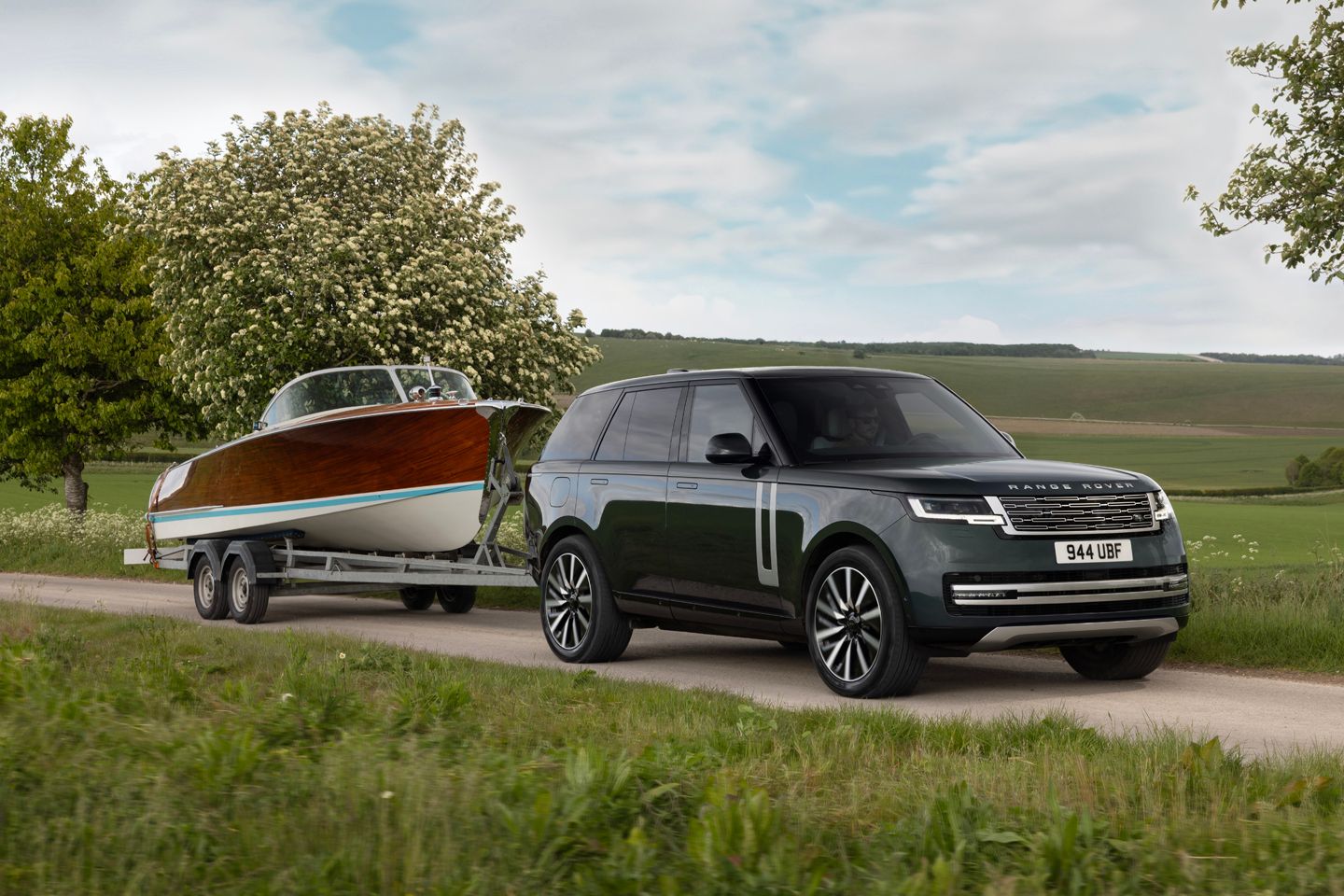
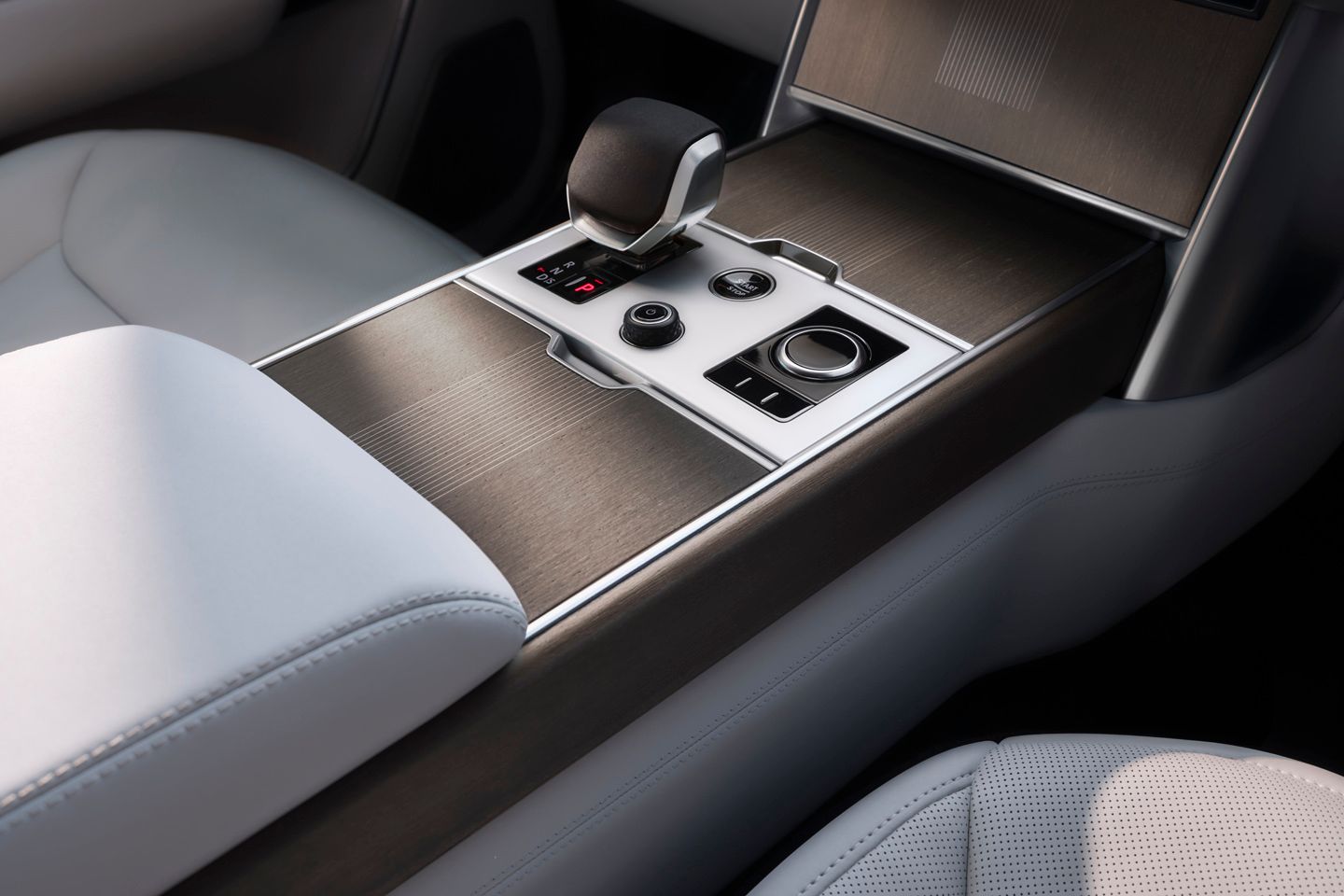
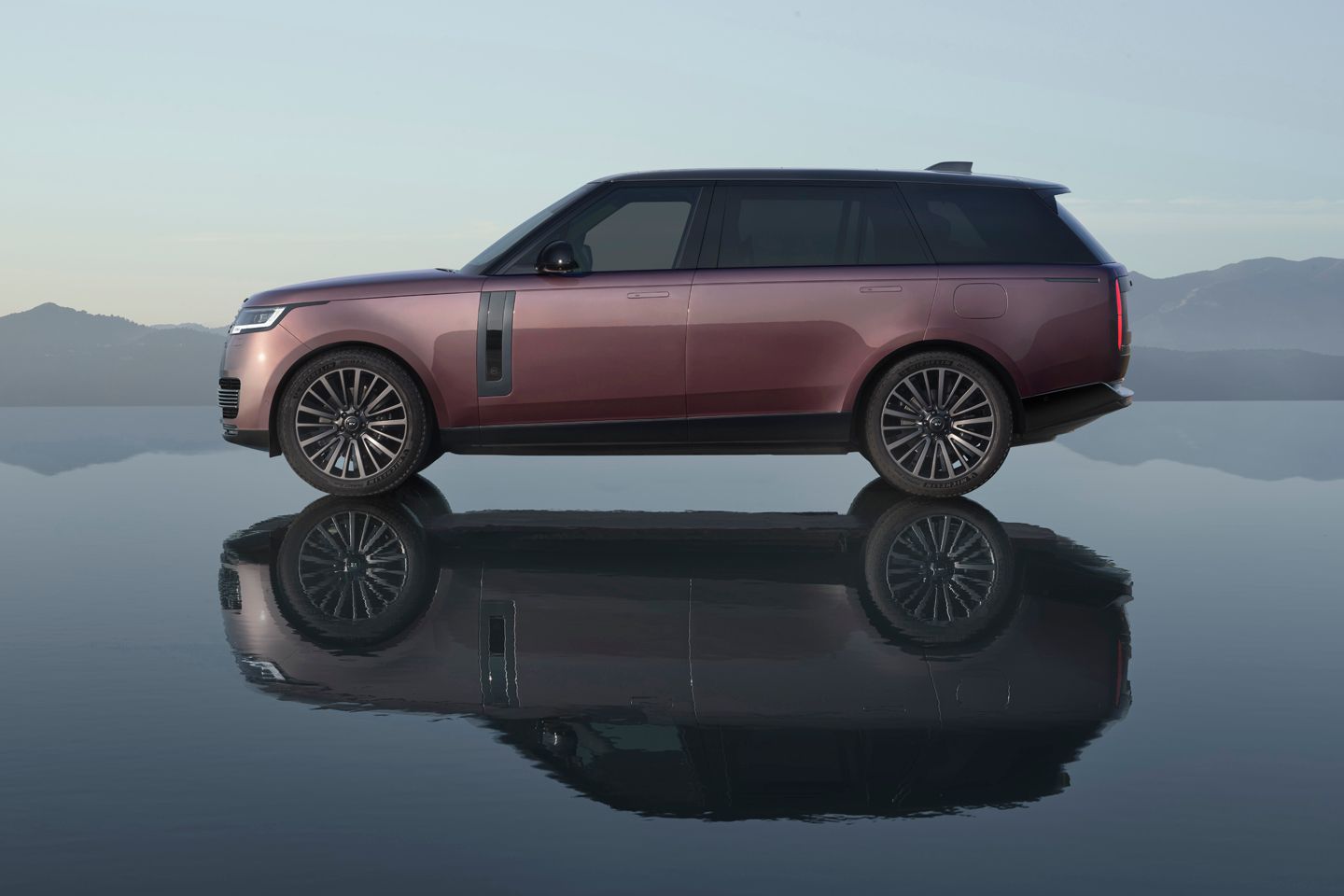
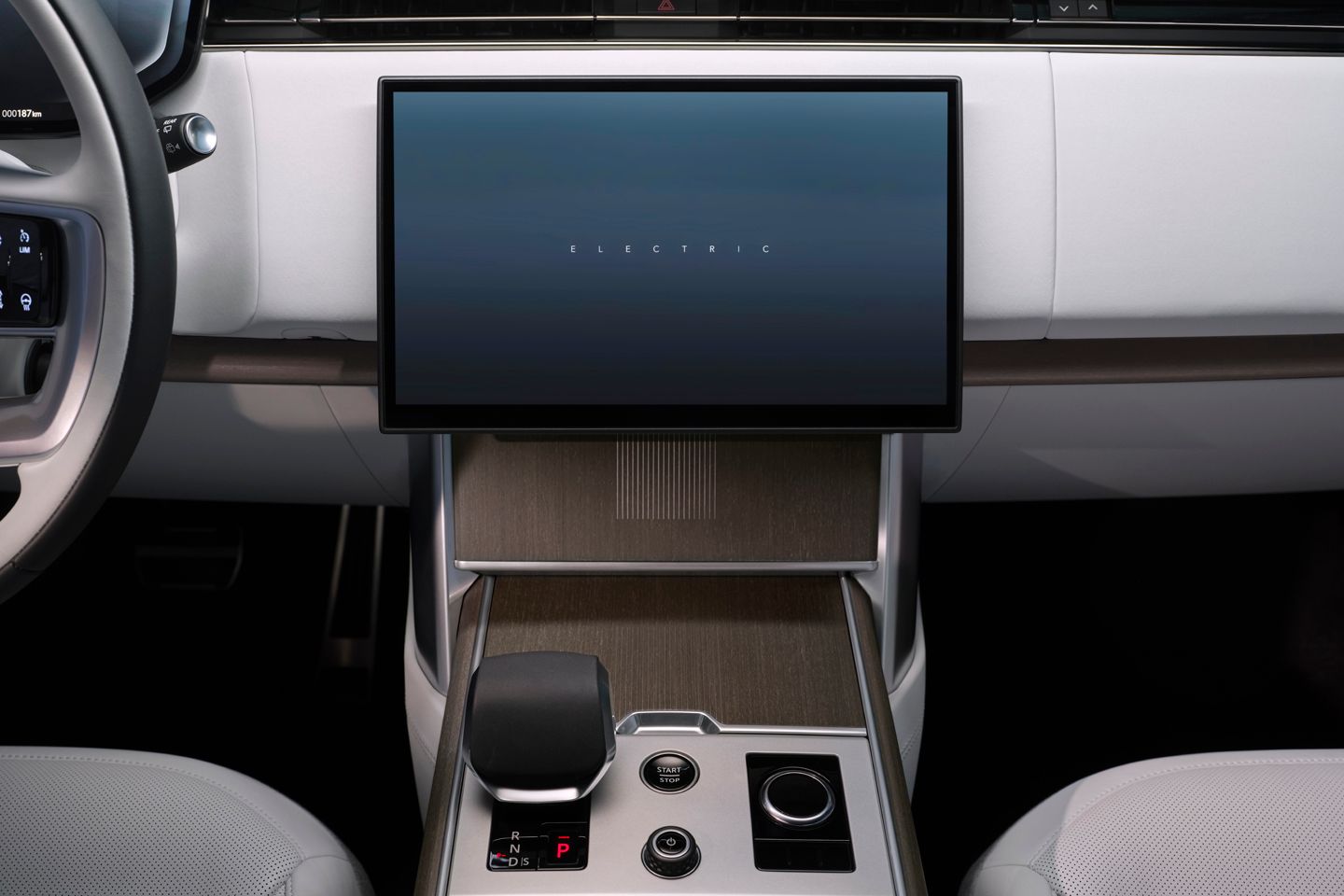
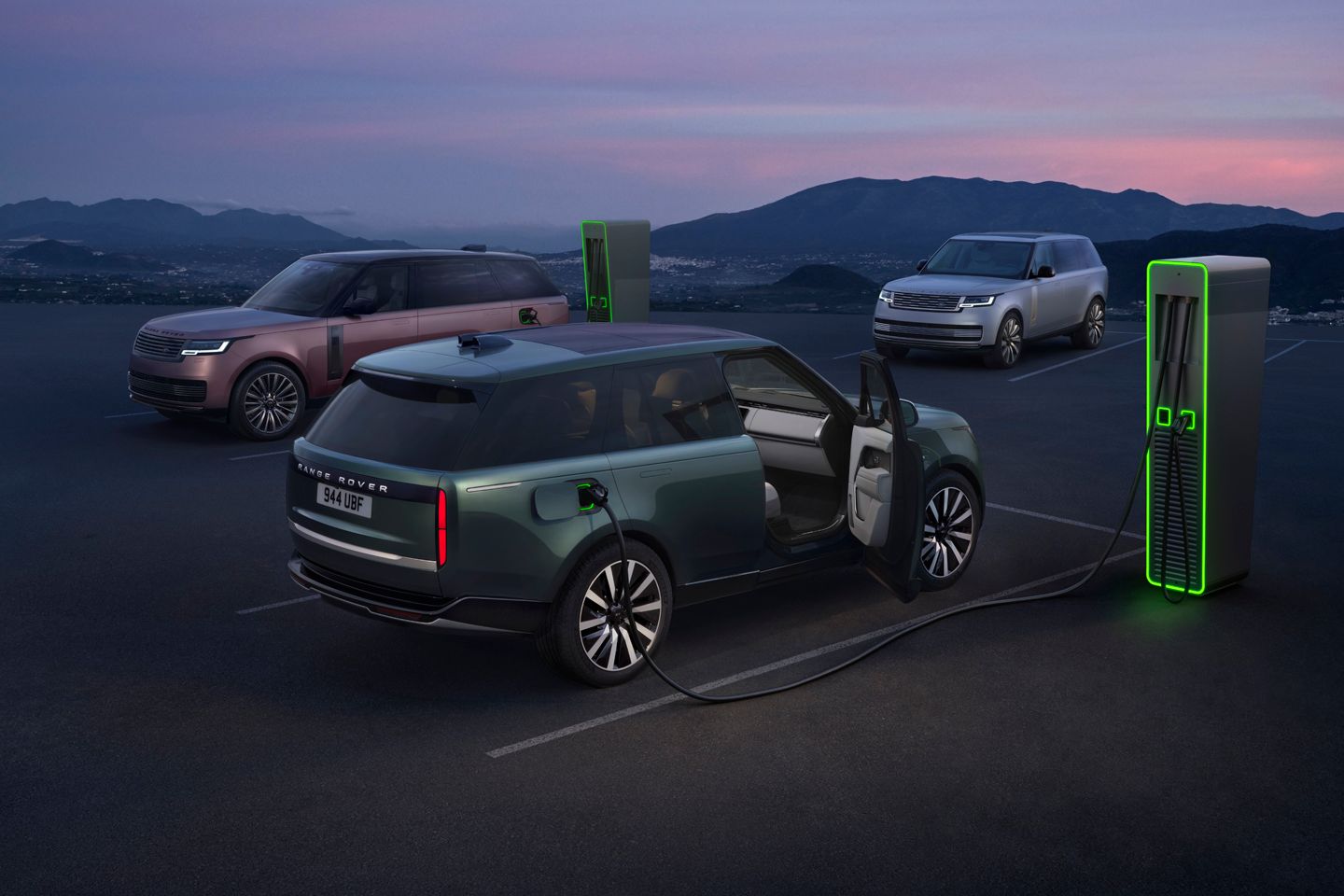
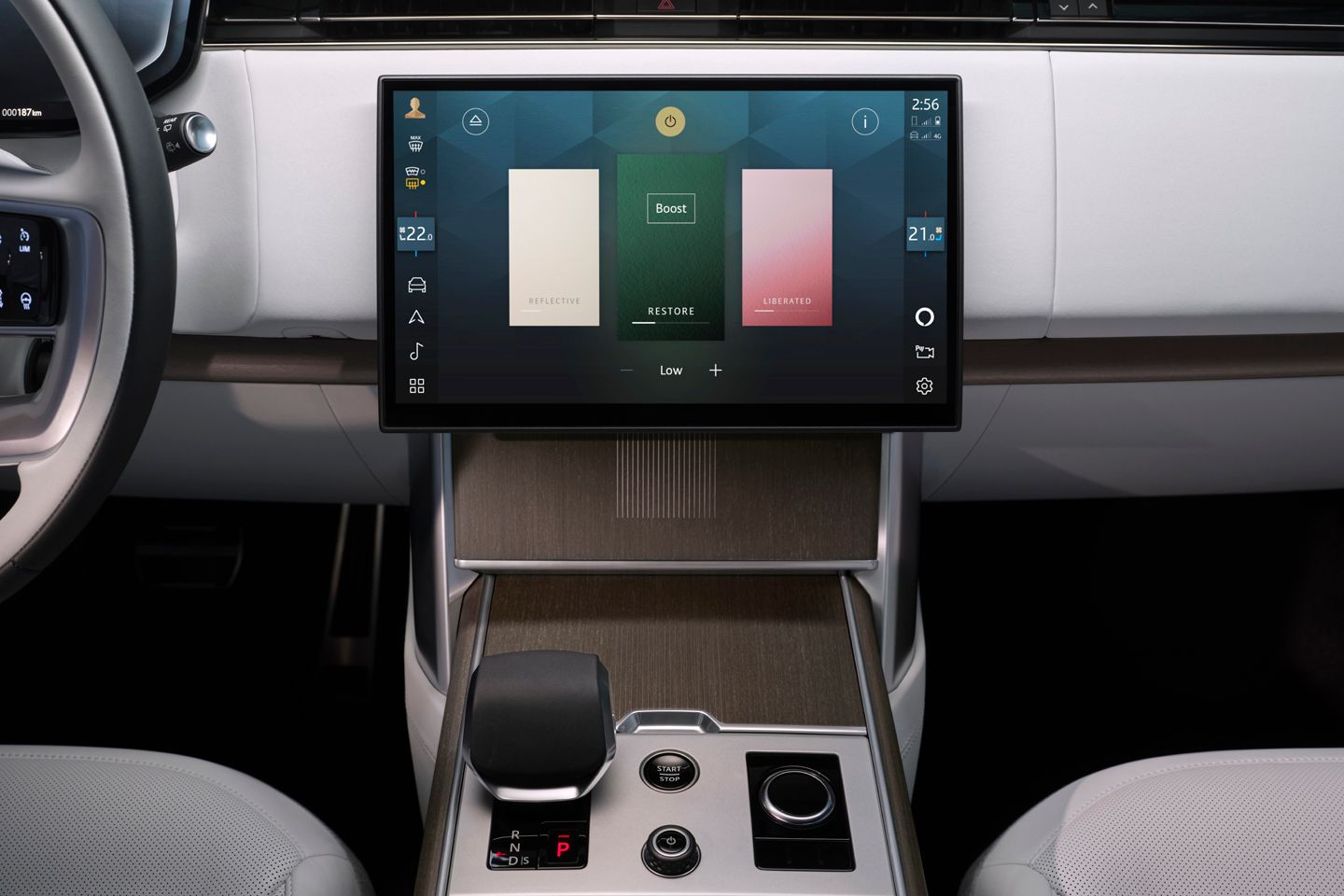
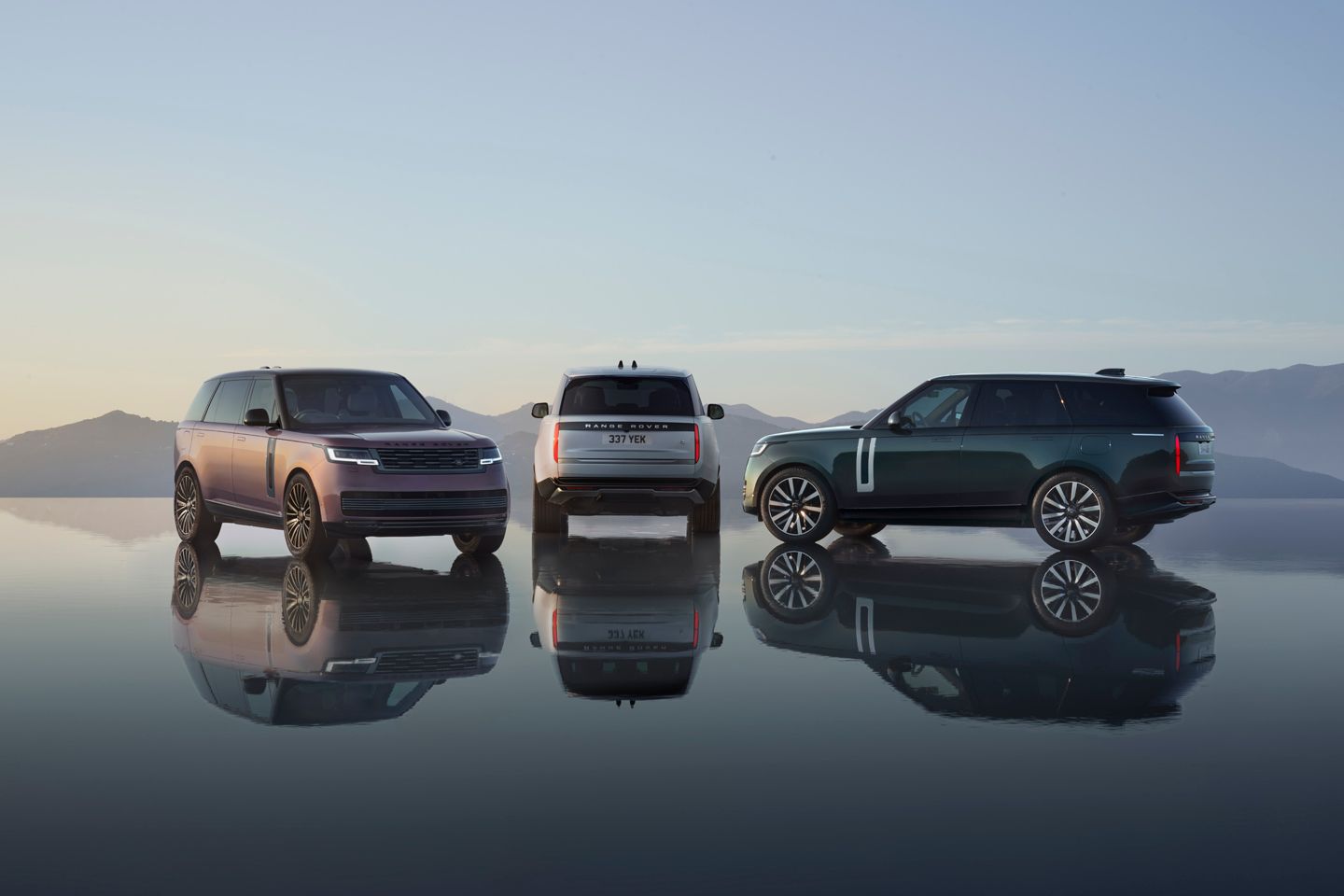
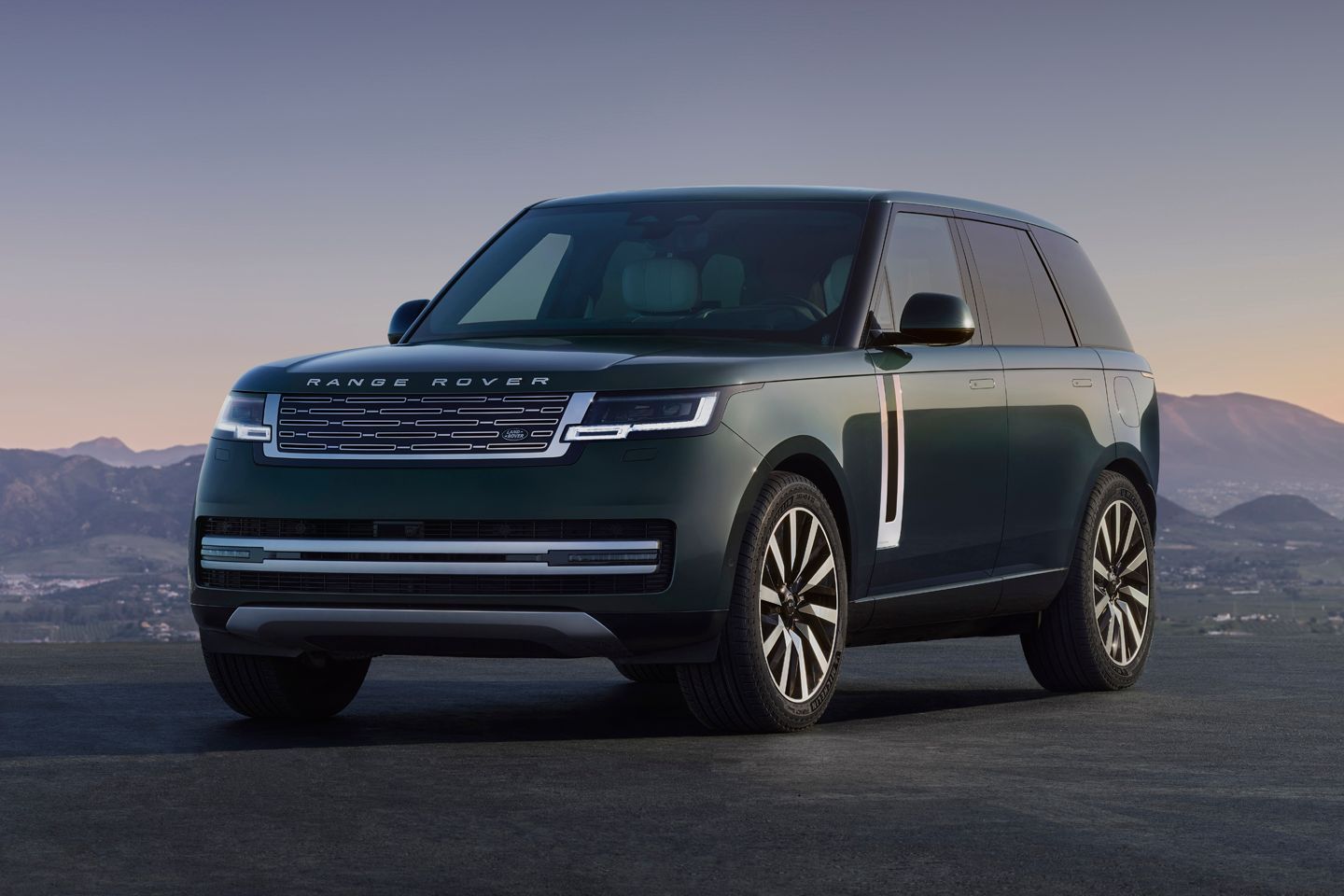
So this is the first Range Rover Electric, truly a new era as the first battery-powered Range. More torque, more response and more refinement are being promised, as well as the usual all-terrain mastery. Indeed, perhaps the most notable trait from the off is just how normal the new model looks; much like a G-Class, this is very much a Range Rover first and an EV second. It’s immediately recognisable as an L460, with only the aero-optimised wheels and grille marking the Electric out. The underneath is revised to boost motorway range. Obvious concessions to the Range as a ‘green’ car (do people still use that phrase?) are limited to the introduction of a new Belgravia Green paint.
To the important stuff. The Range Rover Electric is underpinned by 800-volt architecture with split charging (like the electric Porsche SUVs). The battery is rated at 118.5kWh, supplying a pair of identical 260kW motors for 550hp and 627lb ft - making this the torquiest Range Rover ever made. The national limit comes up in 4.3 seconds, and the car ought to be good for 125mph, despite gaining around 75kg of weight compared to the PHEV hybrid. Nevertheless, the result - all 2,885kg of it, if we take Land Rover at its word - has been homologated at 372 miles of WLTP range, which is suggested to be 333 in the real world.
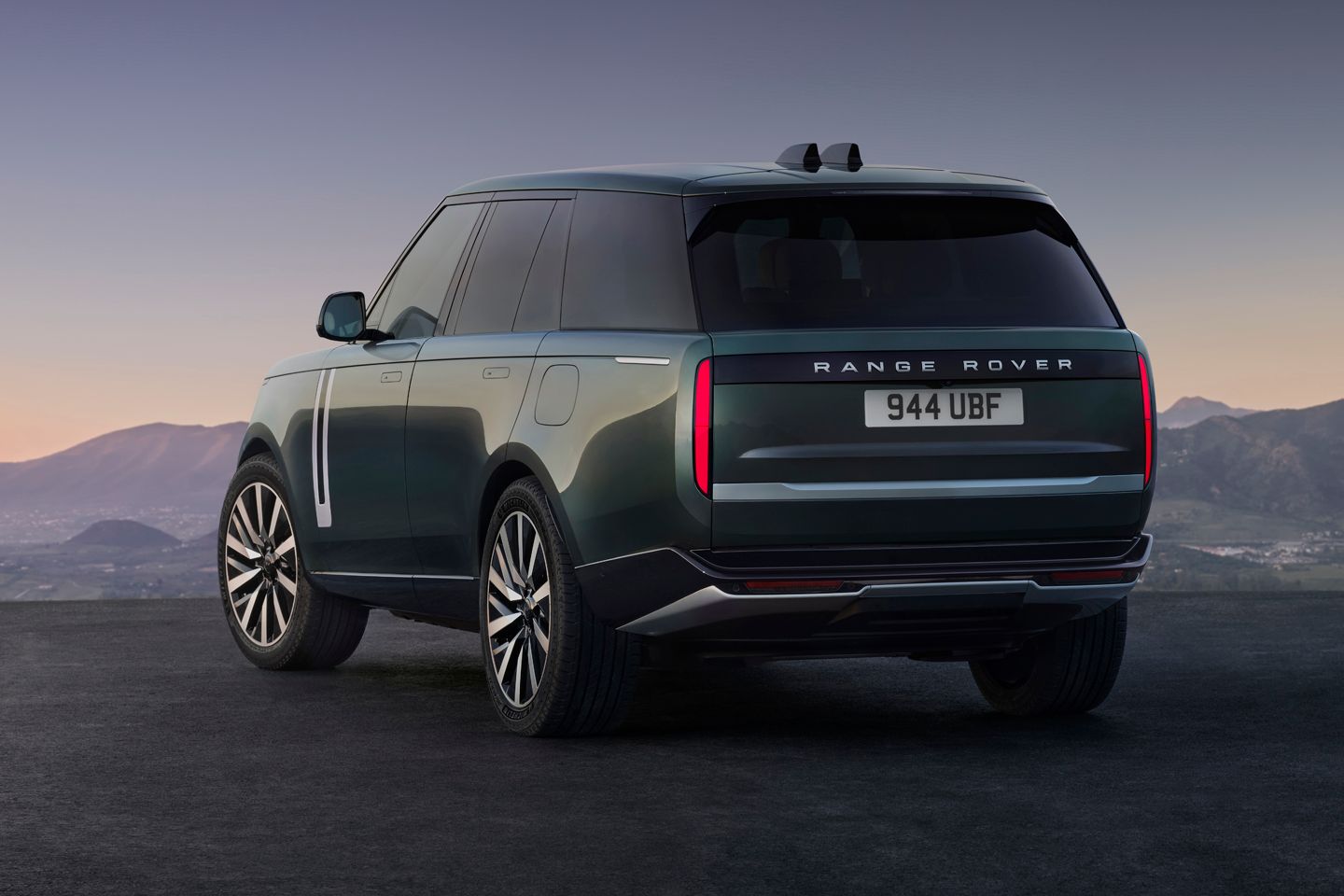
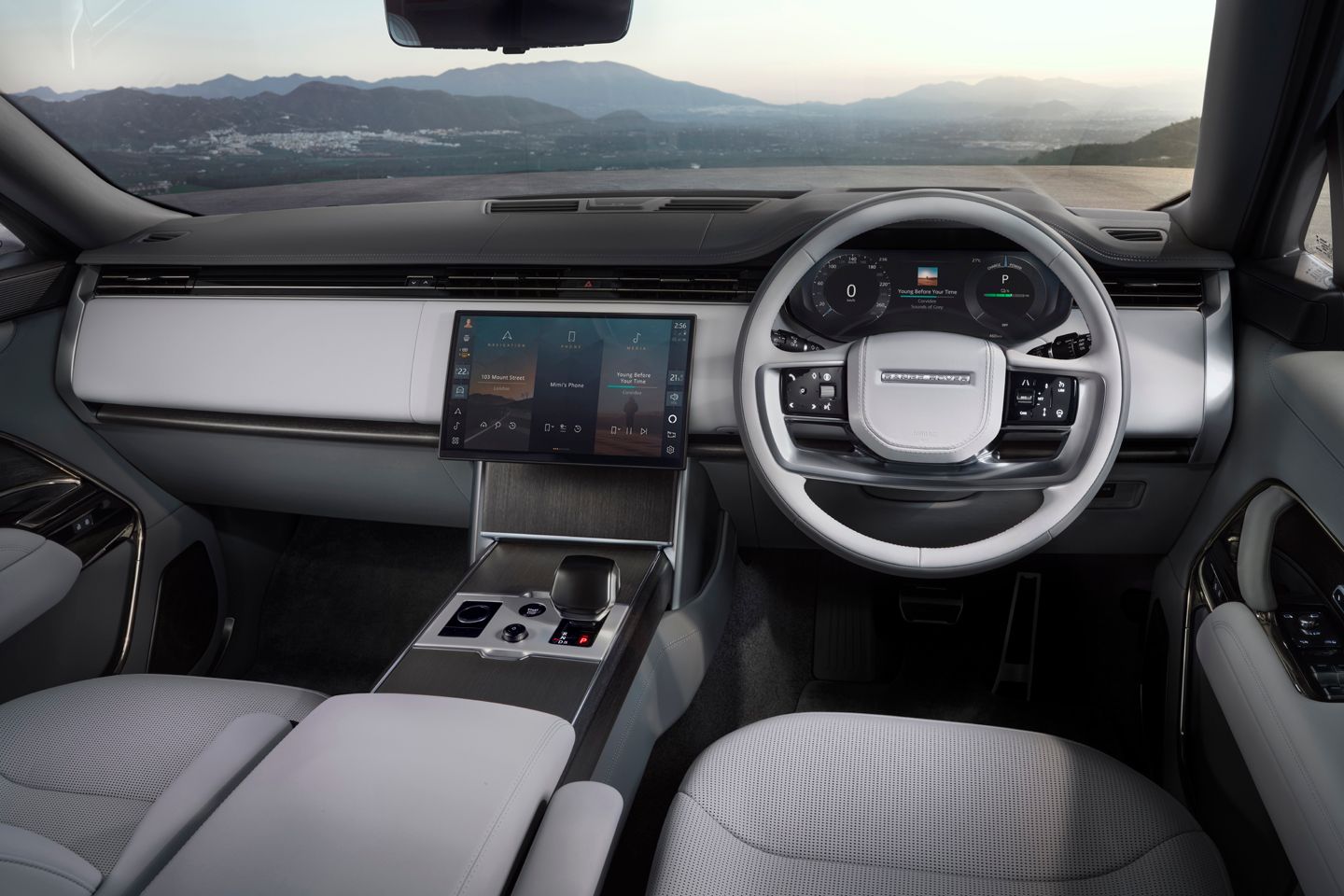
Plugged into a 350kW charger, a 10-80 per cent charge should take ‘around 22 minutes’. So a little way off the 400kW and 16 minutes for the same charge claimed for the Cayenne Electric, though arguably of less importance for something like this (surely it’s going to be plugged in to one of the ‘elegant new optional Range Rover chargers’ overnight). Regardless, the double-stacked battery pack is its own work of art, not just for its design (which is accommodated beneath the floor without stealing cabin space), but also for its innovative ThermAssist heat management system.
As you might expect, all the available space has been used, with the control module custom-made to sit atop the battery in the transmission tunnel. Meanwhile, the rear driver unit occupies the space previously taken up by the rear diff, meaning there is no loss of boot space. The MLA Flex platform was designed from the start with an EV in mind, though Land Rover admits that its approach changed during that time, not least the decision to change from an induction motor at the front to a permanent magnet solution for greater consistency.
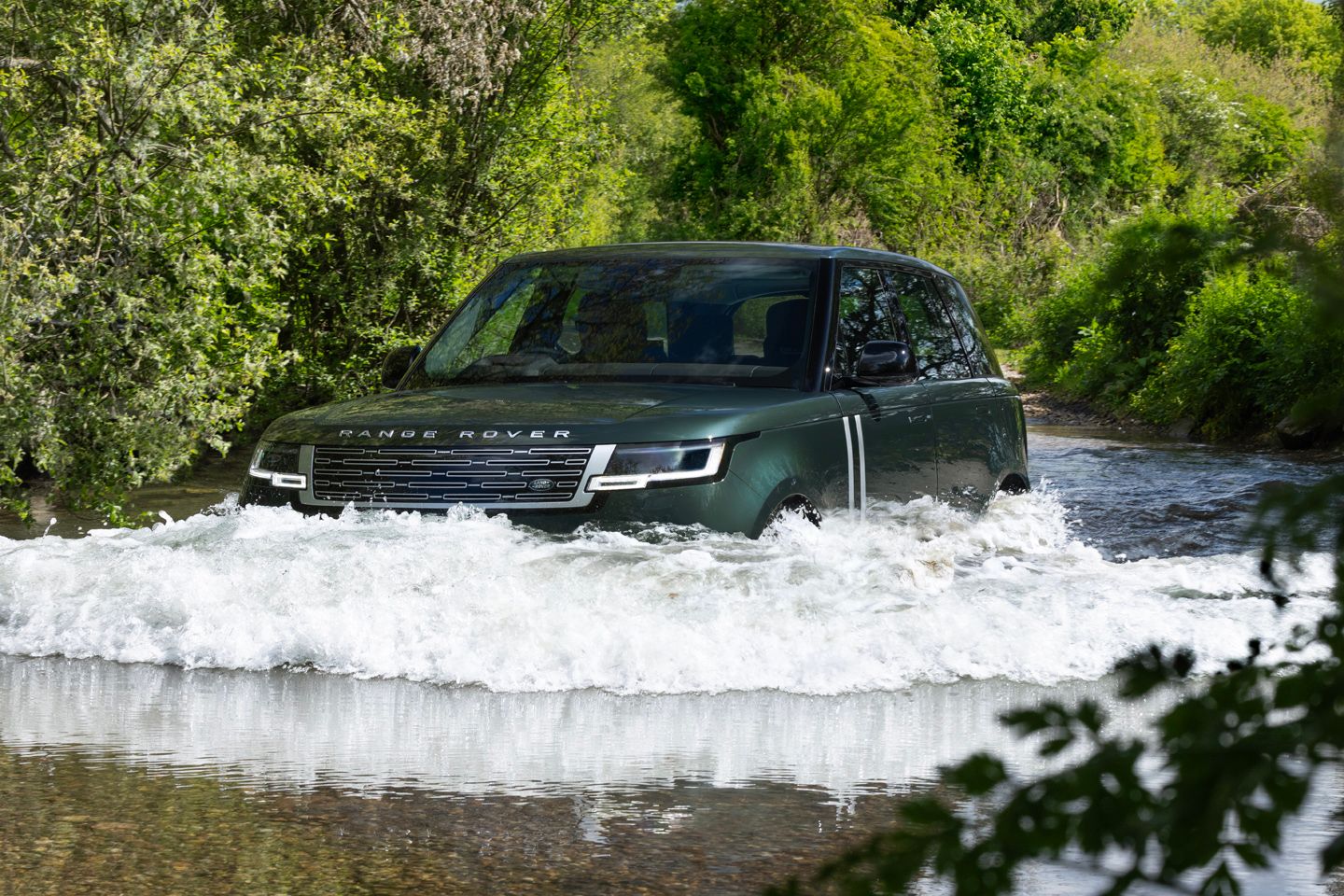
Accordingly, a new traction management system is claimed to respond in as little as 50 milliseconds, or 100 times faster than a comparable system in a car with an engine. Thanks to the presence of the battery, the centre of gravity is 88mm lower than the V8 (the model used to benchmark the Electric) and it gets the twin-valve dampers from the Range Rover Sport SV to complement its dual chamber air springs. The battery-powered version does sit 15mm lower by default, meaning its ground clearance is ultimately 29mm lower, though Land Rover still claims the same 900mm wading depth thanks to some high-mounted breathers (the breakover angle is modestly reduced versus the ICE model). In short, there is ‘no compromise to legendary Range Rover all-terrain drive capability’. That extends to a Single Pedal mode that can both pull away on a 33-degree slope and do a rolling climb on anything up to 45 degrees. It will tow up to 2,500kg.
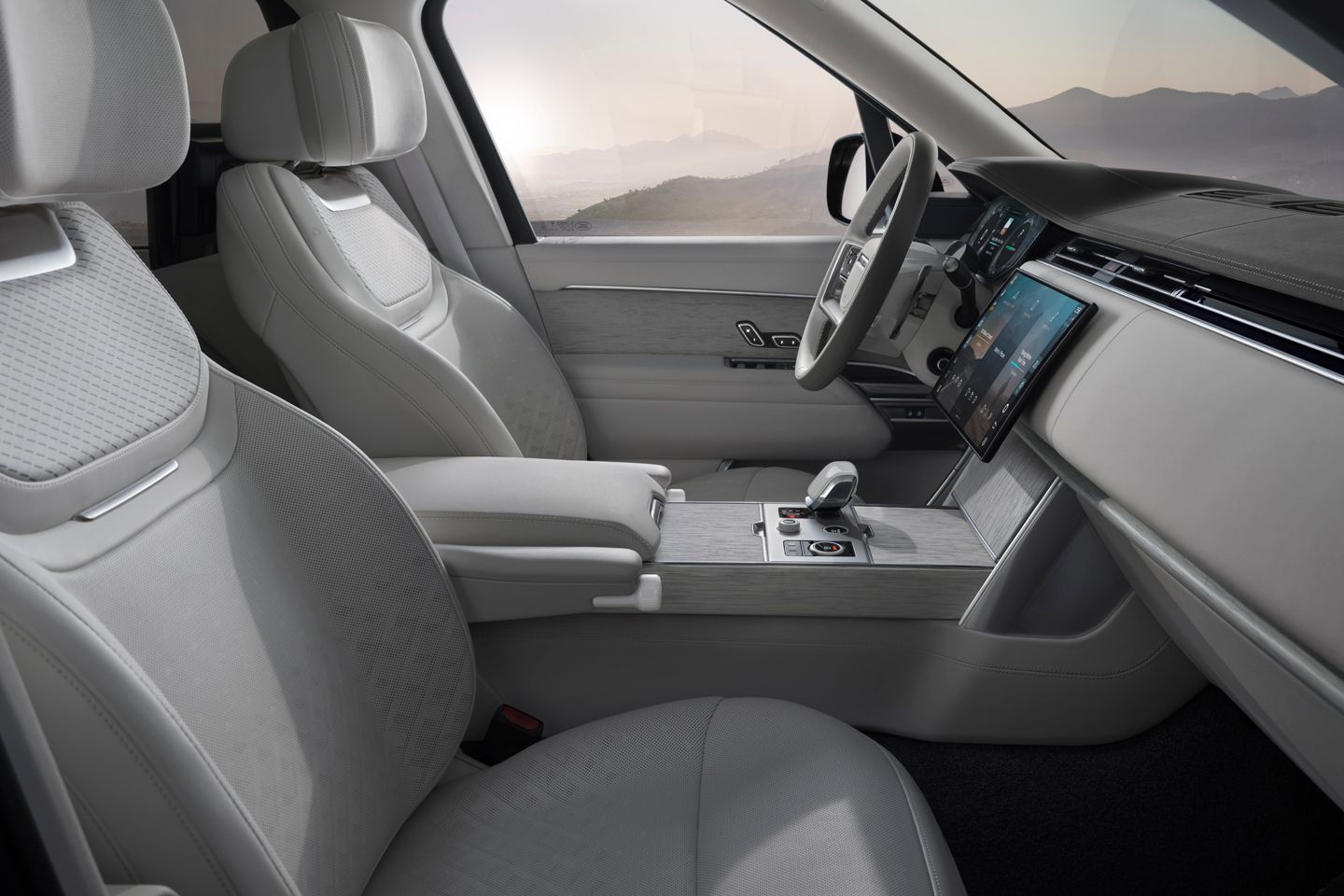
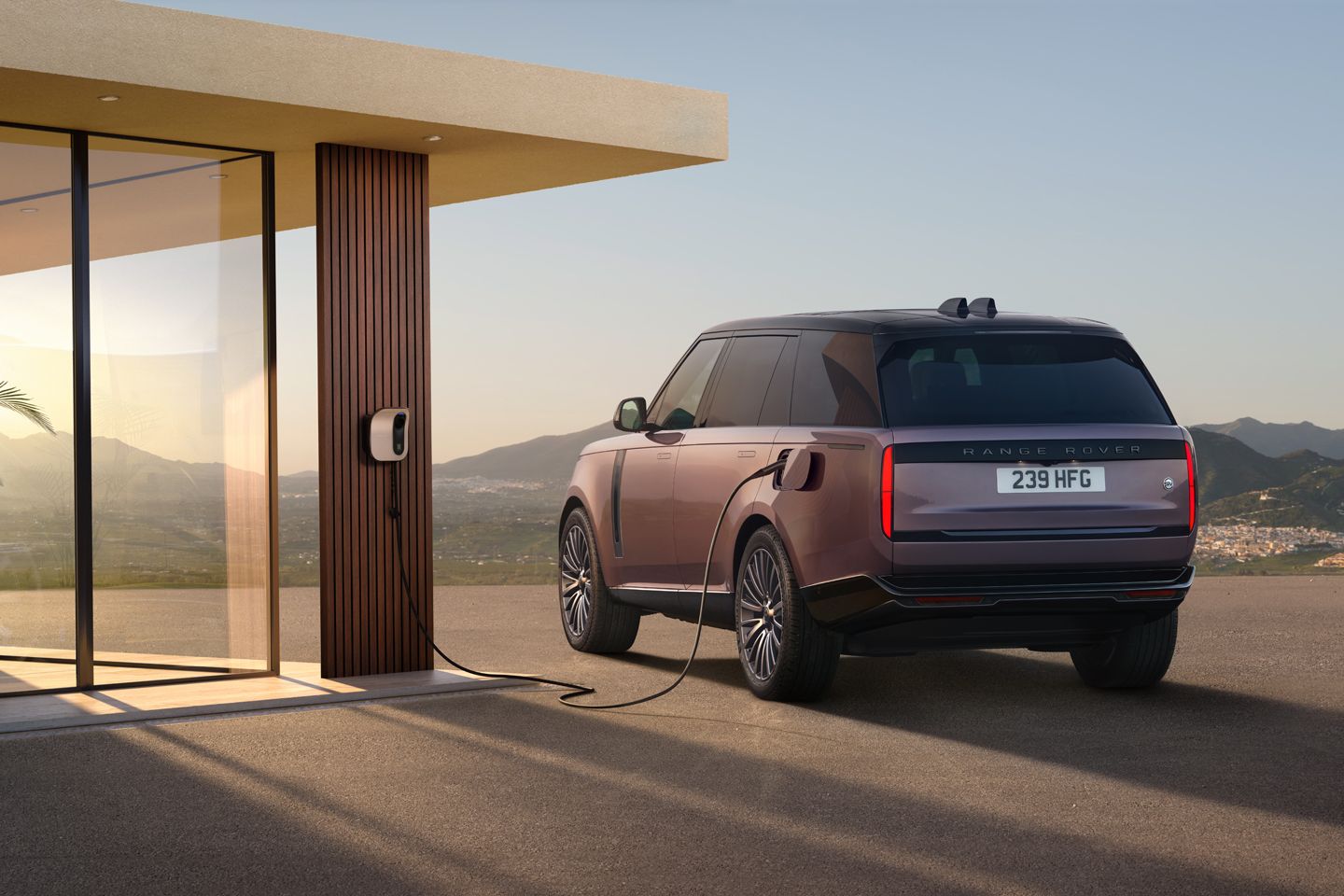
The battery is protected by a ‘high-strength’ aluminium enclosure, and has been subjected to ‘extreme multi-axis vibration and shock testing’ up to 90c - so it’ll be able to withstand summer 2027, hopefully. The instant response of electric, plus Intelligent Driveline Dynamics, Integrated Traction Management, Terrain Response - the usual array of off-road conquering Range Rover tech - should make the Electric near enough unbeatable off-road (see below).
Should buyers ever venture there, of course. They will surely spend the majority of their time on the beaten track, where we’re promised an “incredibly composed and refined” car according to Matt Becker. Apparently testing, from Dubai to the Arctic Circle, has racked up almost a million miles, with more than 250,000 hours of virtual and real-world development. This is no mere additional derivative. Indeed, the introduction of the Electric has seen retailers ‘upskilled’ throughout the country, as well as the retraining of thousands of manufacturing employees in the West Midlands. This is the biggest upgrade for the Range Rover in a generation, perhaps more. MD Martin Limpert added that the Electric “is the result of a decade of considered engineering and technological development, setting a new benchmark for the original luxury SUV.”
So there you have it - expect to hear a whole lot more about the Range Rover Electric for the rest of this year and well into 2027. The EV550, as it will be known in the range, is available to order now, priced from £154,070 for a Short Wheelbase Autobiography. A First Edition, offered in Varesine Blue, Santorini Black or the new Belgravia Green - with a Light Cloud Ultrafabrics and Kvadrat interior - is from £157,610. Move up to LWB spec and the Electric is more than £200,000, with an SV at £215,670 and the SV Black at £225,240. The G 580 electric is just a few hundred pounds more than the Range, at £154,870 - talk about an intriguing twin test.
What is the new Range Rover Electric like to drive?
We’ve driven the Range Rover Electric twice now; once at an earlier stage of its development, and more recently at the car’s technical briefing. Both experiences were short-lived, but intended to underline Land Rover’s core message: that the battery-powered model drives in a very similar manner to the combustion model - and in some ways better. Indeed, when it talks of the Electric being the most ‘pure’ distillation of Range Rover values, it is not merely hyperbole.
Or at any rate, not if you favour an extremely quiet and pleasingly brisk version in the manner of the V8. That model is perhaps the more unfamiliar solution in the UK, but it is the most refined example - up to this point, of course. It will come as no shock to learn that the Electric easily surpasses it in terms of rolling refinement and cabin isolation: the peace and quiet Land Rover has delivered here ought to rank very high on anyone’s reasons for buying. The car takes stress reduction to sensory deprivation levels.
But it does not want for the usual Range Rover strengths in terms of control weights, and easygoing yet purposeful dynamic. The flagship model is always intended to be ‘easy to drive’ in its broadest sense, and unsurprisingly the Electric doubles down on this approach. The V8 is a smooth and effortless thing; the battery-powered alternative only more so. Yes, from a standing start, where it naturally belies the kerbweight (part of the reason for its SV dampers is to combat pitch), but also at speed where Land Rover points to the 3.4 seconds it takes to get from 50-75mph.
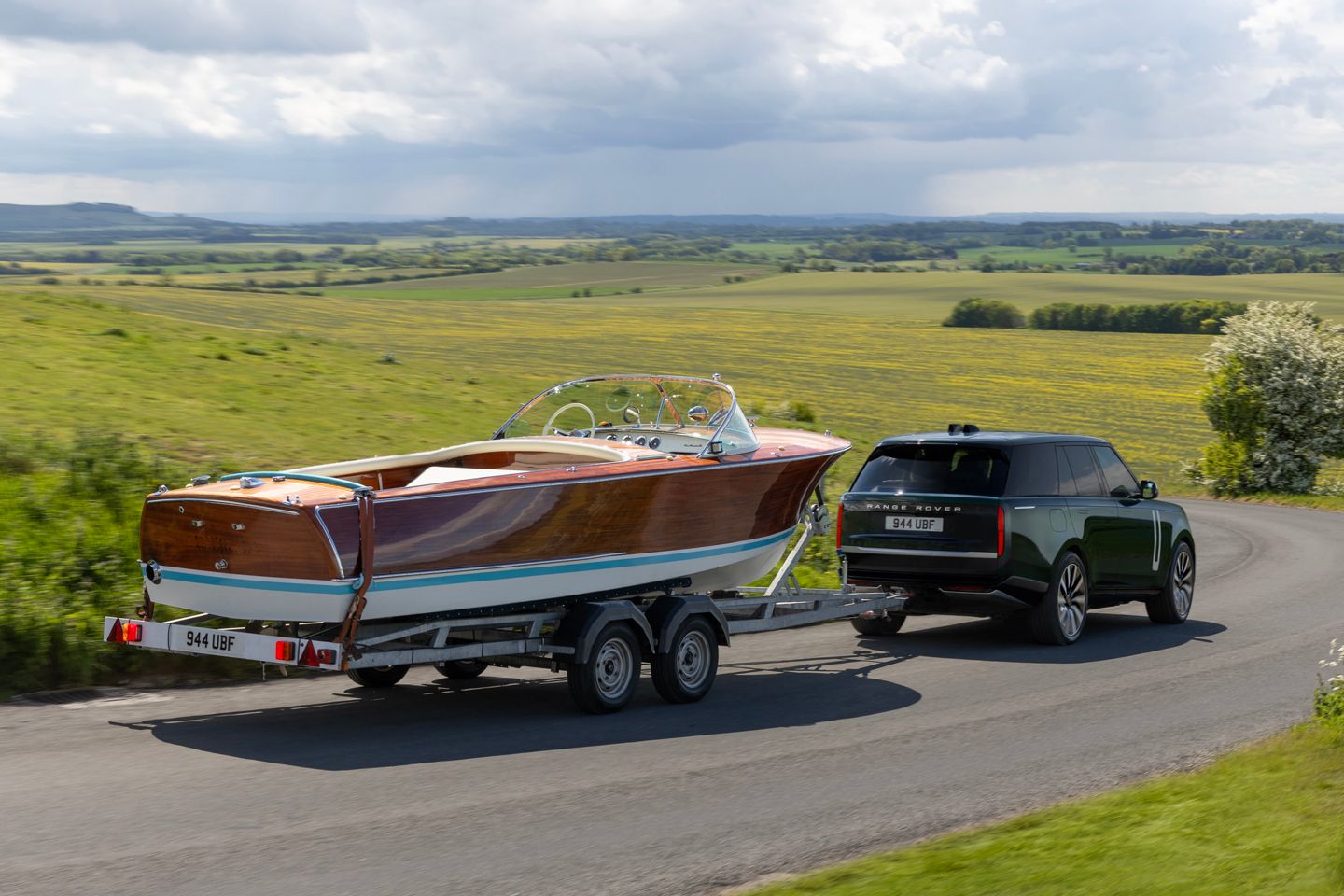
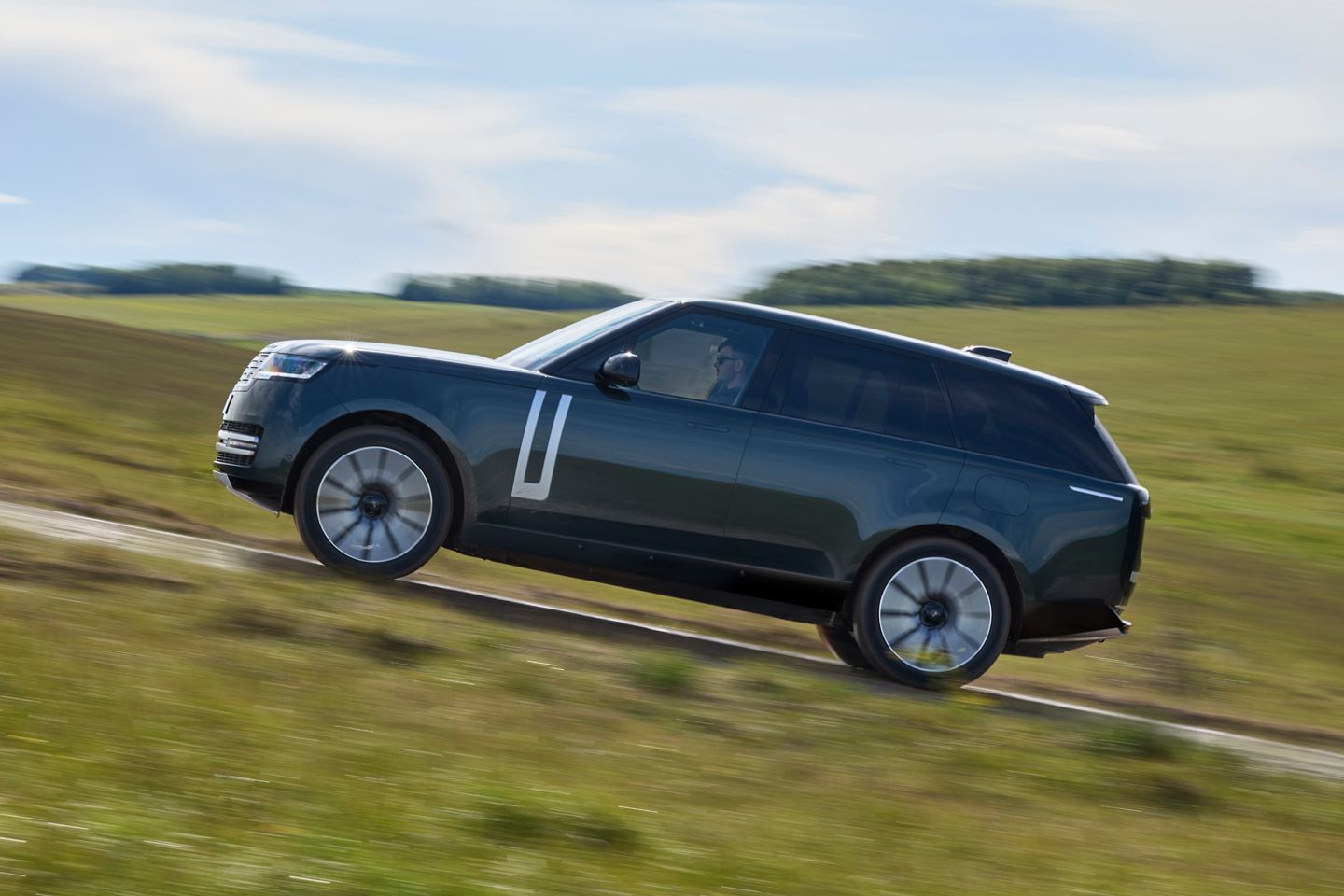
The output of the electric motors - essentially replicating the V8’s - is obviously meant to complement the chassis’s sweet spot, and in the limited amount of driving so far, does so in a way that most repeat Range Rover owners will consider identical. There is perhaps a subtle impression of its lower centre of gravity - and of the additional mass that sits beneath your feet - though obviously this requires a longer go than driving benignly between the off-road stages at Gaydon’s test track.
Plainly, there is zero chance of the Electric failing any of these, even under the ham-fisted command of international motoring hacks - but the salient point is made well enough: within reason, the EV version makes for a sensationally good off-roader. Granted, with just two motors it cannot mimic some of the party trick features of the four-motor Mercedes G-Class - and its open diff design must rely on a wheel to be braked so that power can be supplied to the one with grip - but there is precious little it doesn’t do remarkably quickly or with what seems like exemplary control.
Indeed, as with the G580, it is the very precise metering of the Electric’s output that makes off-roading seem effortless, with no slack or delay in the drivetrain. Even more so than the V8, there is an unstoppable, tank-like vibe to its progress. Which includes wading. Elsewhere there are adjustable levels of regen to get to grips with - PH preferred freewheeling to the single-pedal driving function - though again, this requires a longer stretch of road. Probably it is sufficient at this point (particularly for anyone on the waiting list), to say that we're very much looking forward to the prospect of getting back behind the wheel of a fully-fledged production model in the coming weeks.
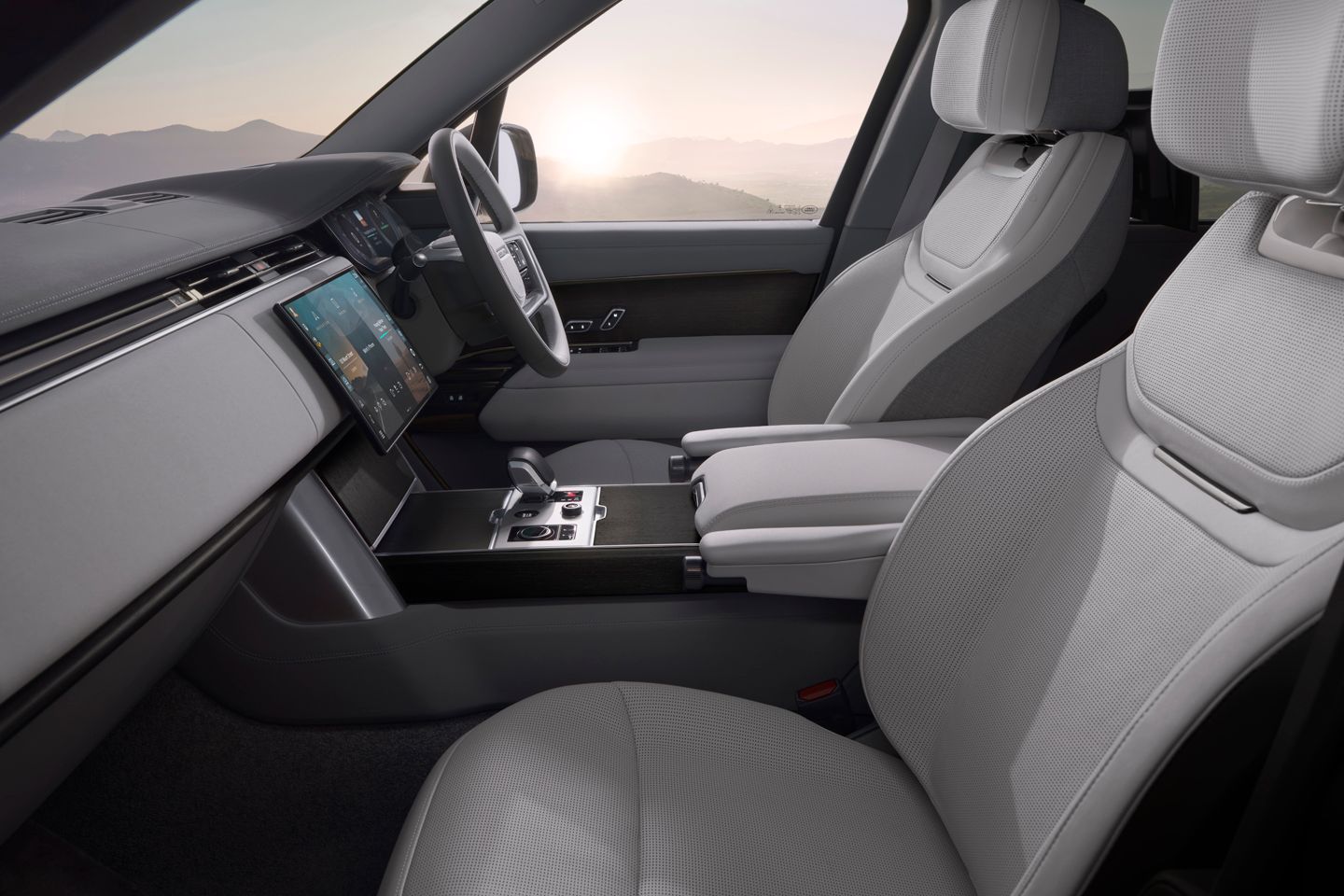
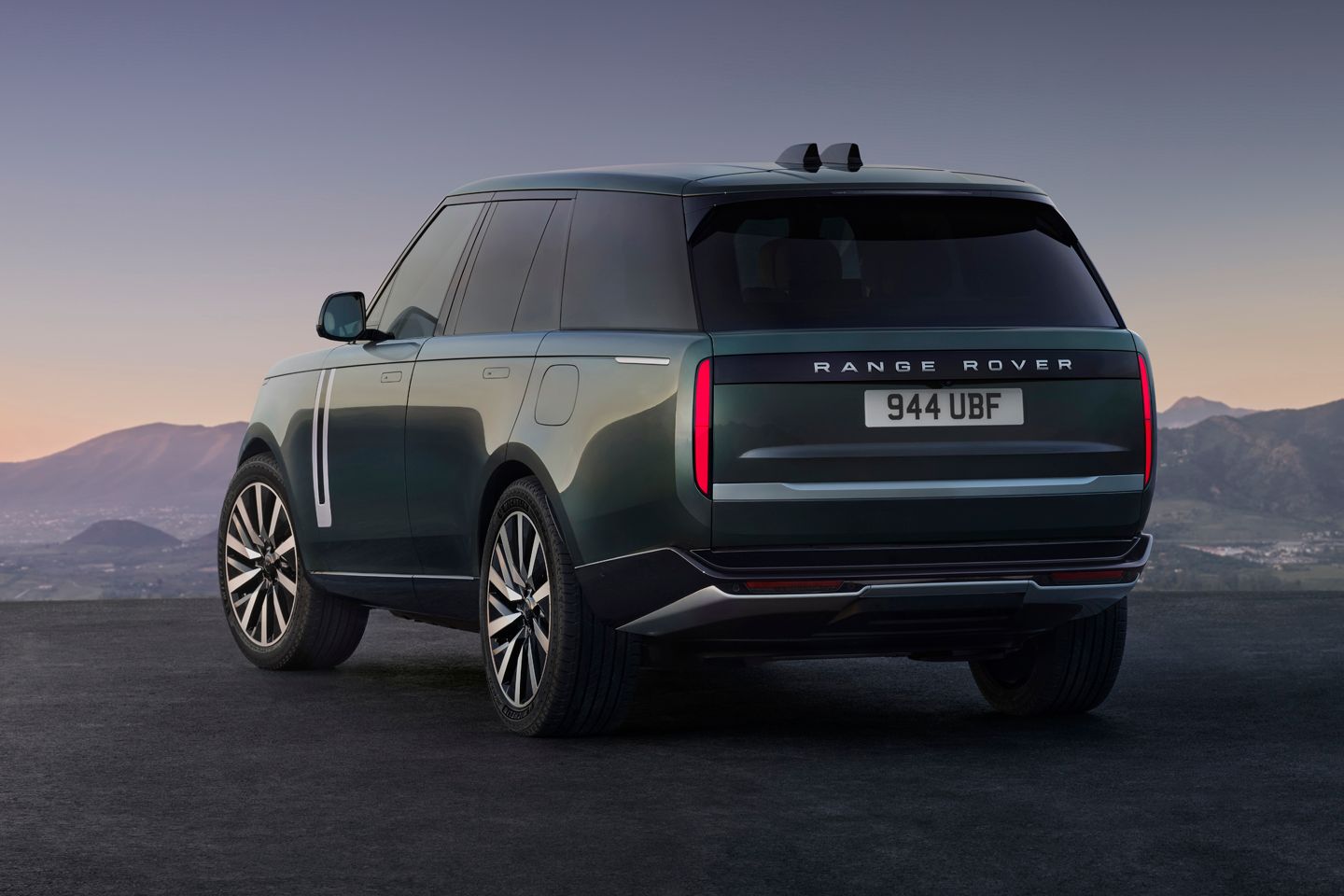


I'm far happier with a car which looks 'normal' and just so happens to be electric, than something which is trying to be weird on purpose.
Wonder how reliable it'll be? Stands to reason that JLR will have learned a tremendous amount since the iPace; fingers crossed this marks a turning point. A lot of their recent reliability issues have been down to exhaust treatment (DPF oil dilution anyone?), and the ingenium engines; getting rid of both should hopefully be a big step up.
 king heavy.
2,885kg

Also I see it can tow up to 2,500kg so it can't even tow another version of itself!
TX.
king heavy.2,885kg
Also I see it can tow up to 2,500kg so it can't even tow another version of itself!
TX.
king heavy.2,885kg
Also I see it can tow up to 2,500kg so it can't even tow another version of itself!
TX.
 king heavy.
2,885kg
Also I see it can tow up to 2,500kg so it can't even tow another version of itself!
TX.
TX.
Gassing Station | General Gassing | Top of Page | What's New | My Stuff