
VW Golf GTI (Mk2) | PH Heroes
The difficult second album? Anything but...
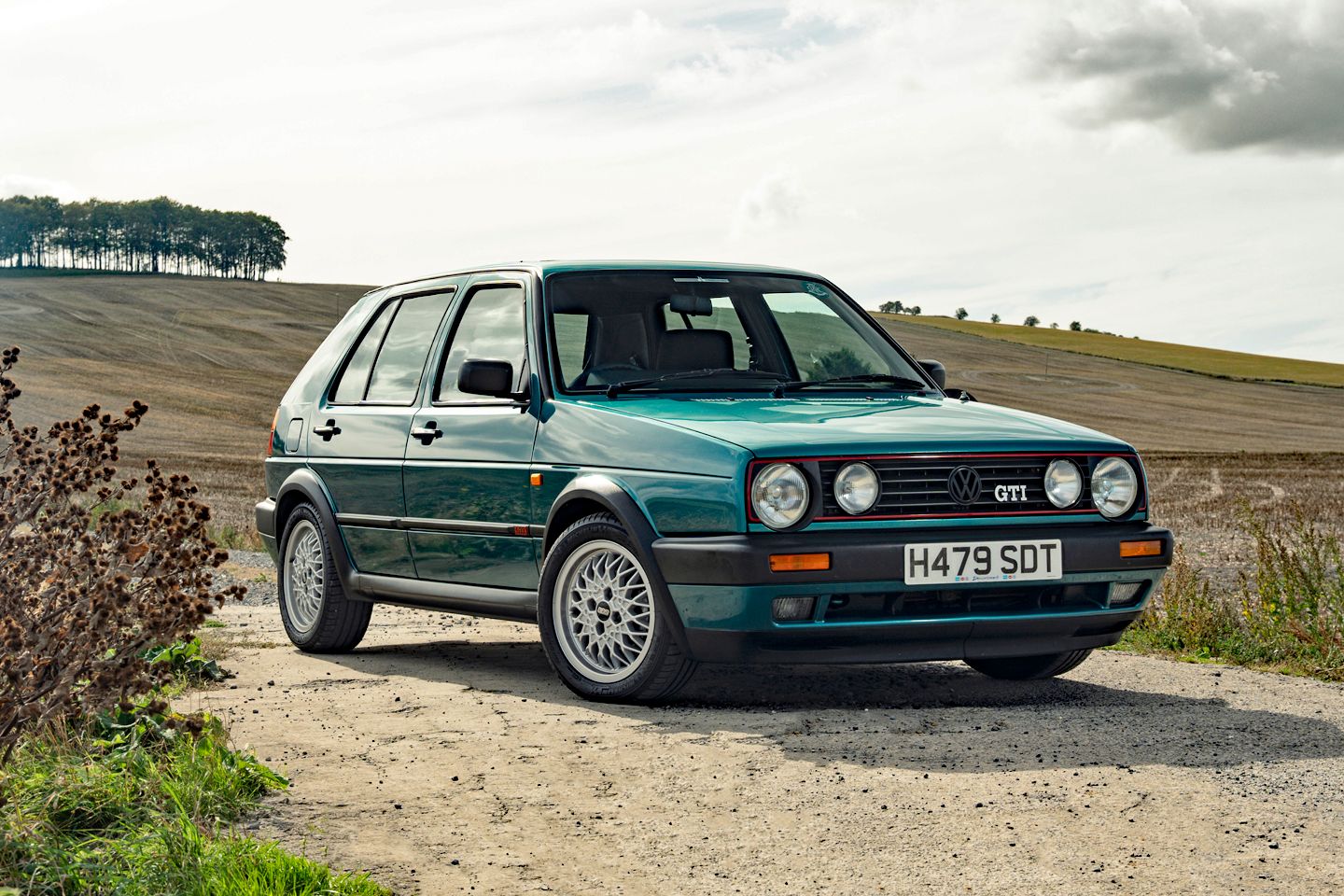
If the Mk1 GTI was the car that proved the validity (and the popularity) of the Sport Golf idea, then the Mk2 was the version that refined it, enlarged it, and, over time, made good on its original promise. Certainly, it was a definitive hot hatch of the '80s and early '90s, offering something for everyone: five doors if needed, then 16 valves for the boy racers, followed by the big bumpers you really needed in a shoulder pad decade. A longer, wider Golf than the one that preceded it but not a millimetre taller, the Mk2 GTI reflected the confidence of a VW probably pleasantly surprised by the original’s rip-roaring success.
That very much continued second time around, too; it’s not just rose-tinted nostalgia that’s telling you Mk2s were everywhere - they were. By 1985, just a year after its introduction, 25,000 Golf GTIs had been sold in the UK. That would have mostly been Mk1s, of course, but by 1988 the number was 50,000 and a year later that total was 50 per cent higher again. By the time the Mk2 was taken off sale in the UK, more than 80,000 had been sold here. And that’s just GTIs.
So it was no surprise, really, that in this century Mk2s became ideal donor vehicles for engine swaps, motorsport projects and crazy conversions. They were cheap, they were plentiful, and just look at that engine bay - it’s impossible not to wonder what else could fill all the empty space. Then, as numbers dwindled, so the realisation dawned: the Mk2 was a hero of the GTI story in period, its reputation only further enhanced by the Mk3 and Mk4 dropping the ball. Instead of being cut up for VR6 swaps, they should be saved at all costs - fortunately, that belief won out before it was too late. But only just: by the data on HowManyLeft, there were 8,500 cars registered as ‘Golf GTI 16v’ on our roads - this year the number is little more than 500. So if you’re thinking that the Mk2 might soon follow the Mk1 in being subjected to money-no-object restorations and asking prices of a new Golf, it’s already happened…
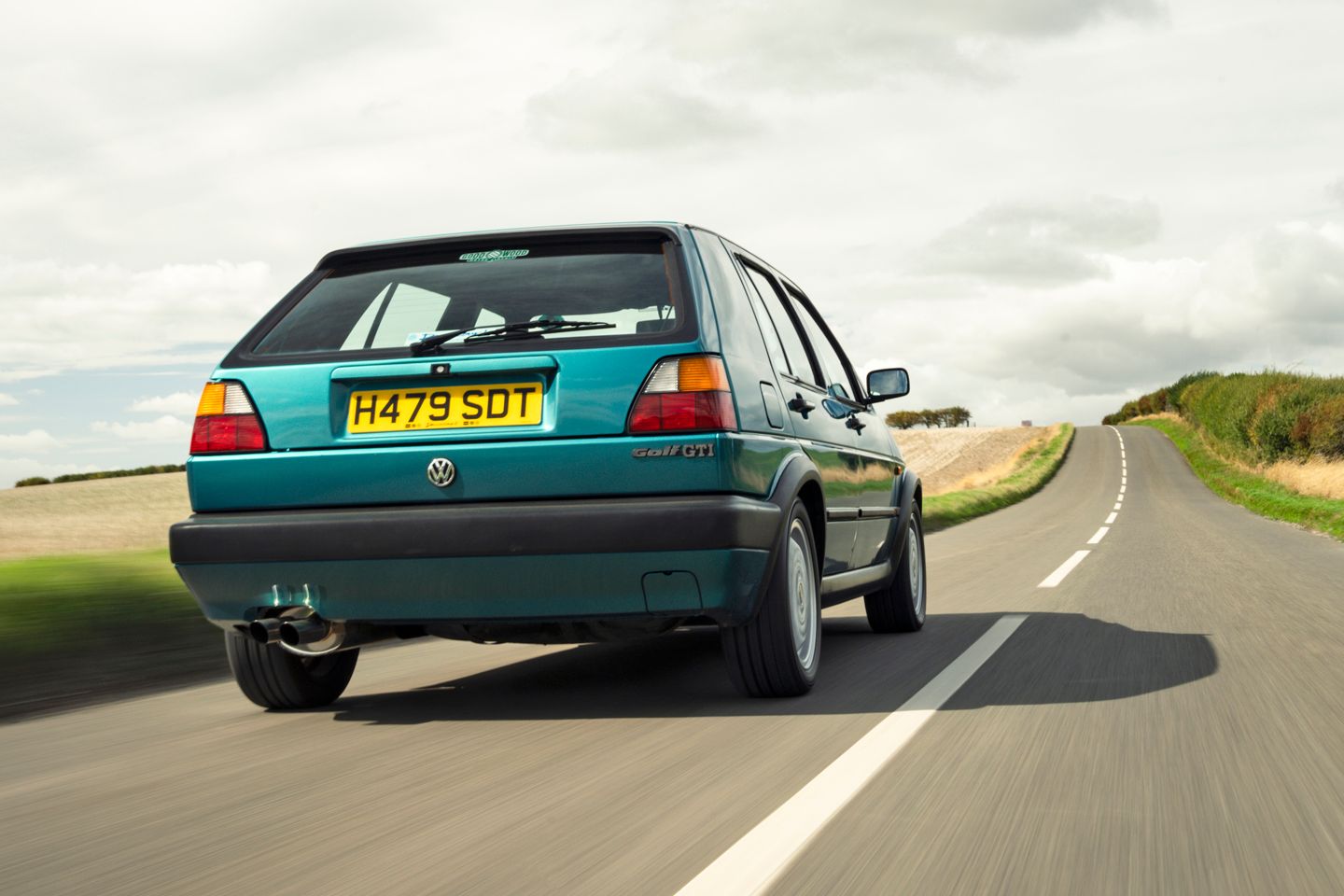
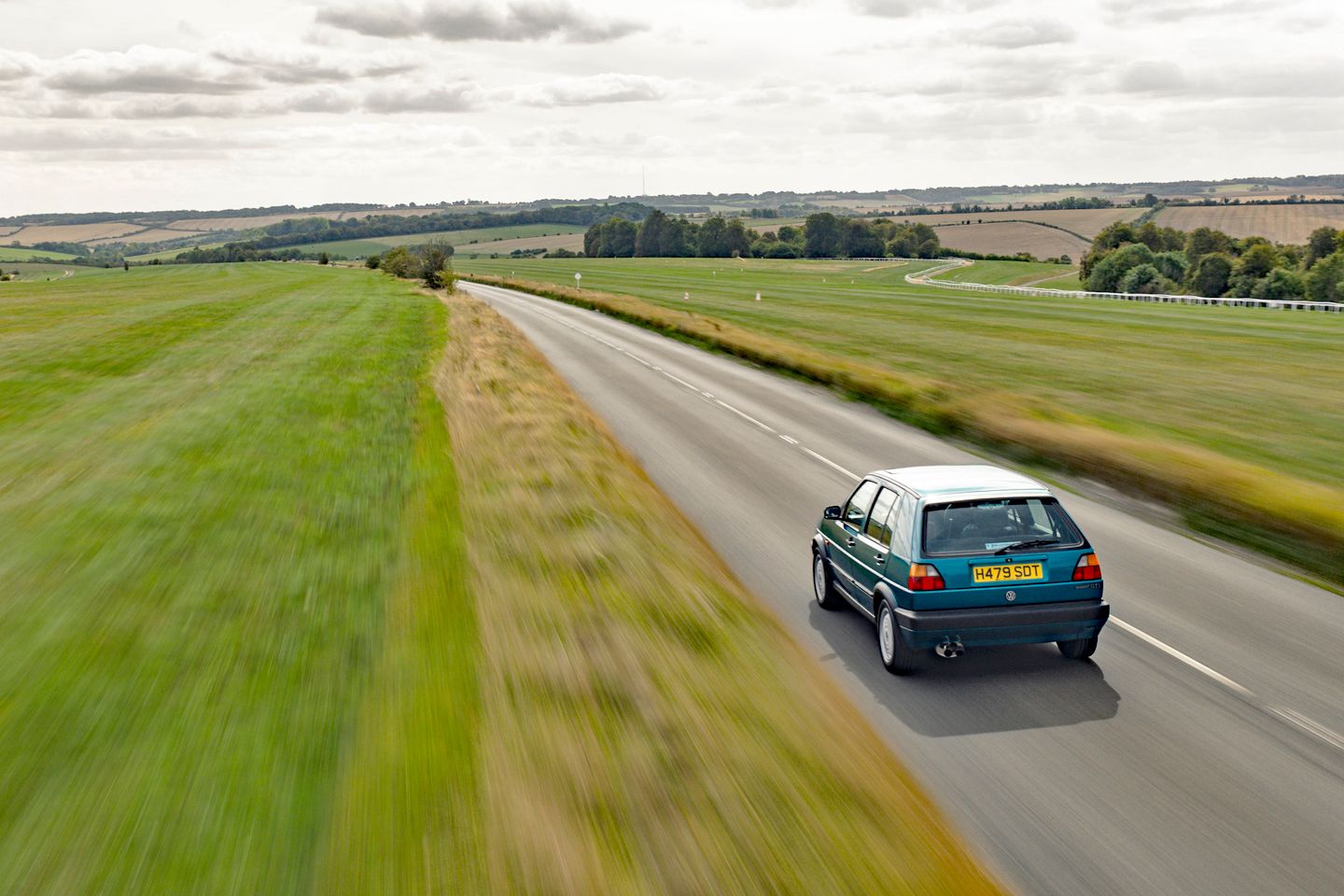
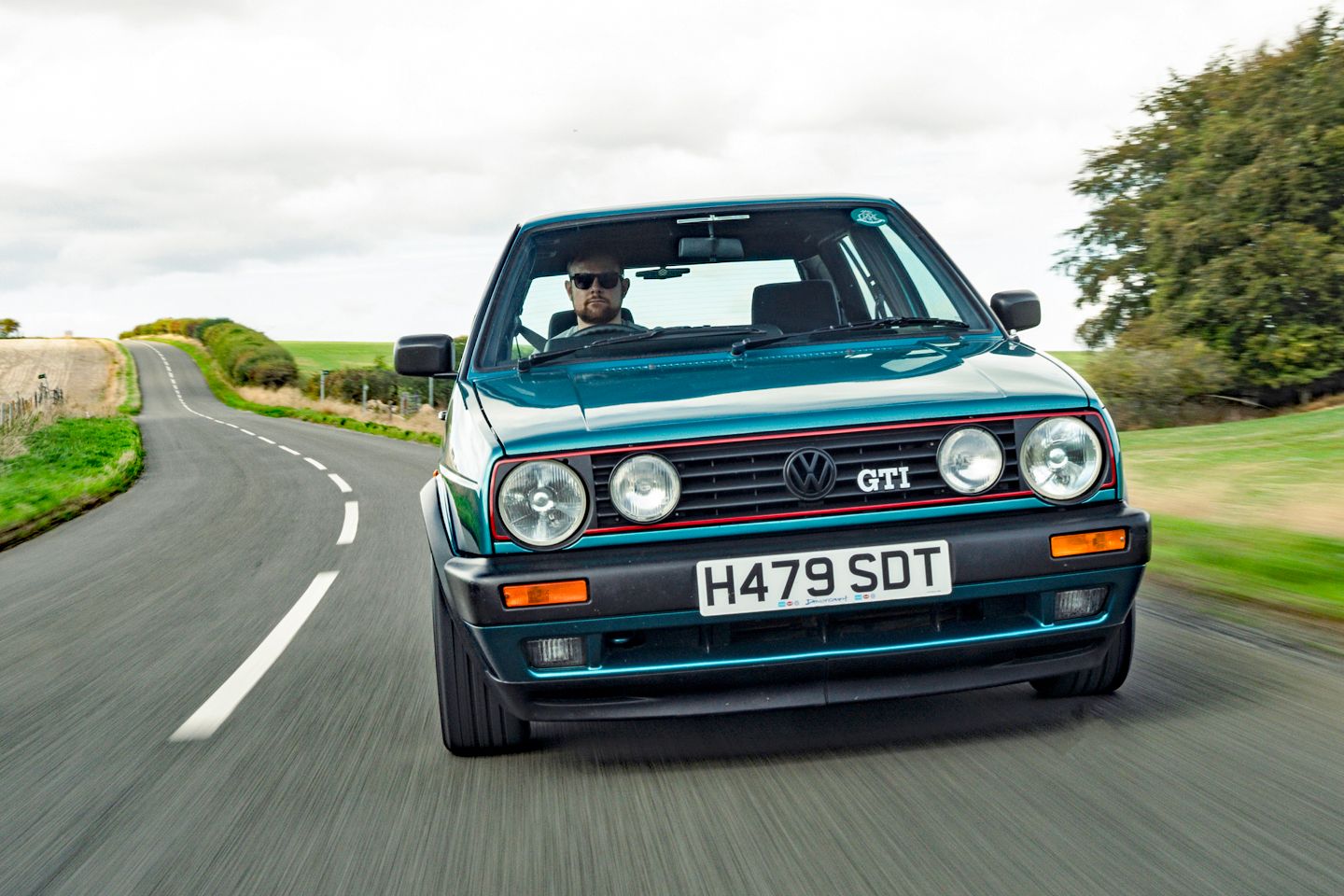
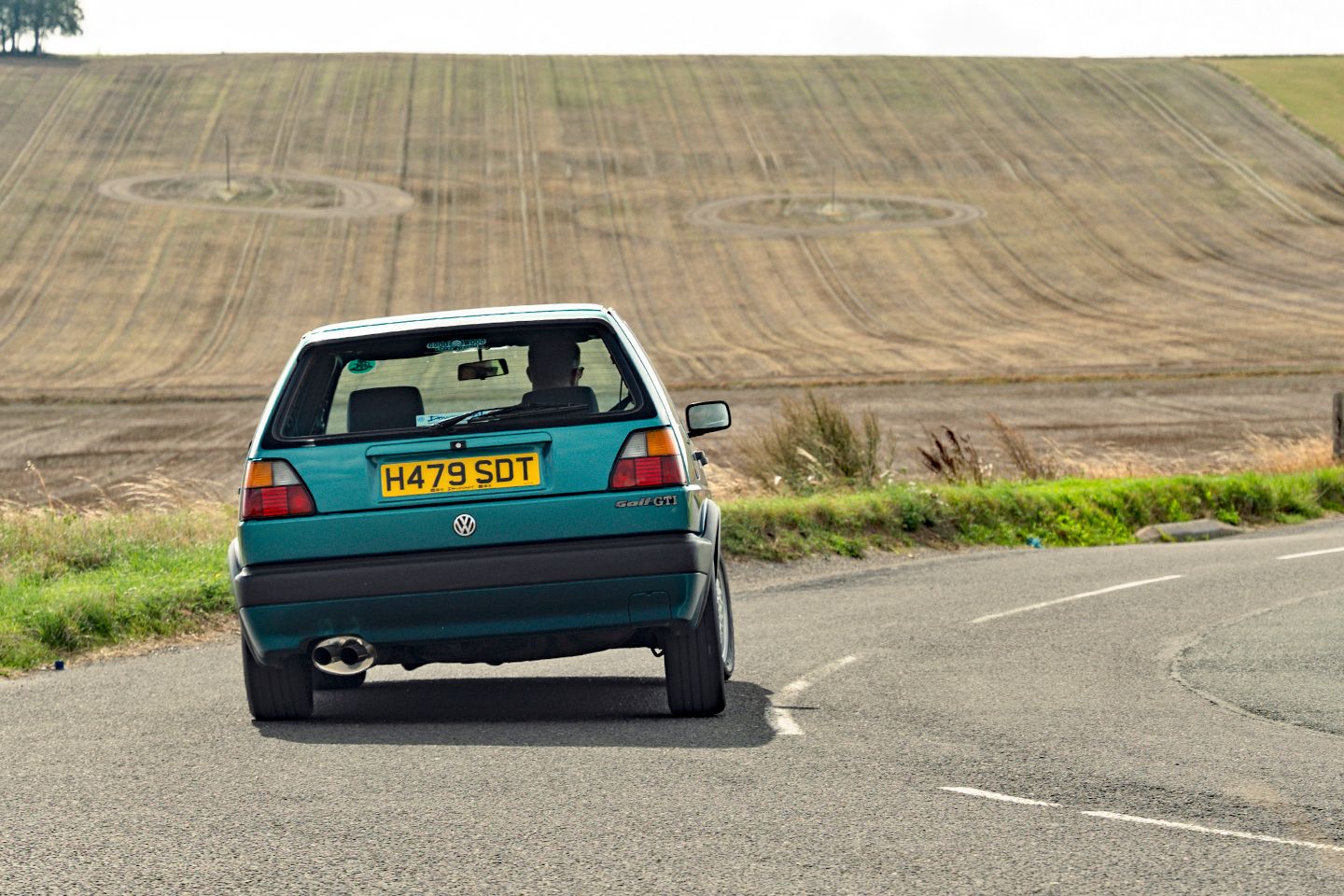
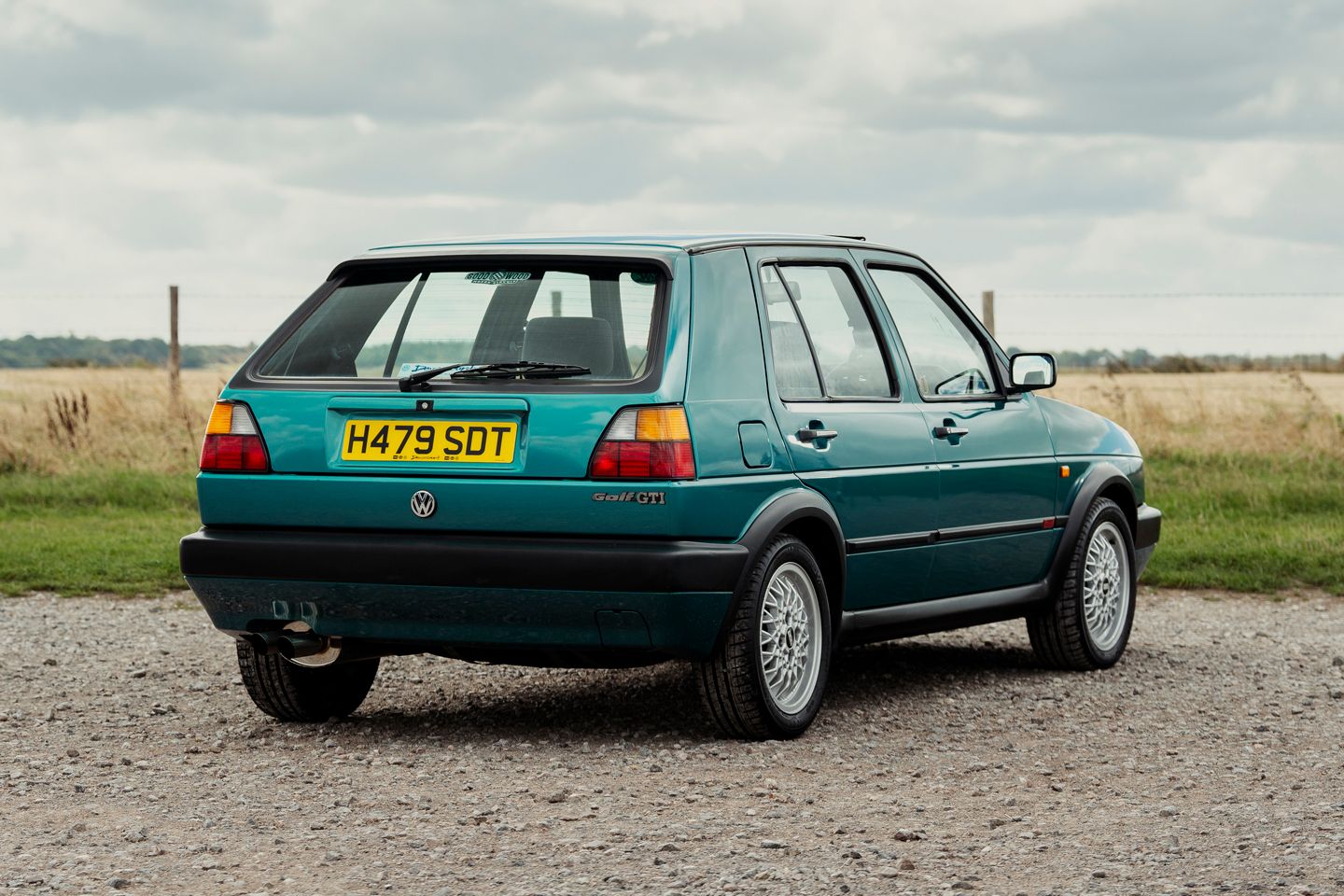
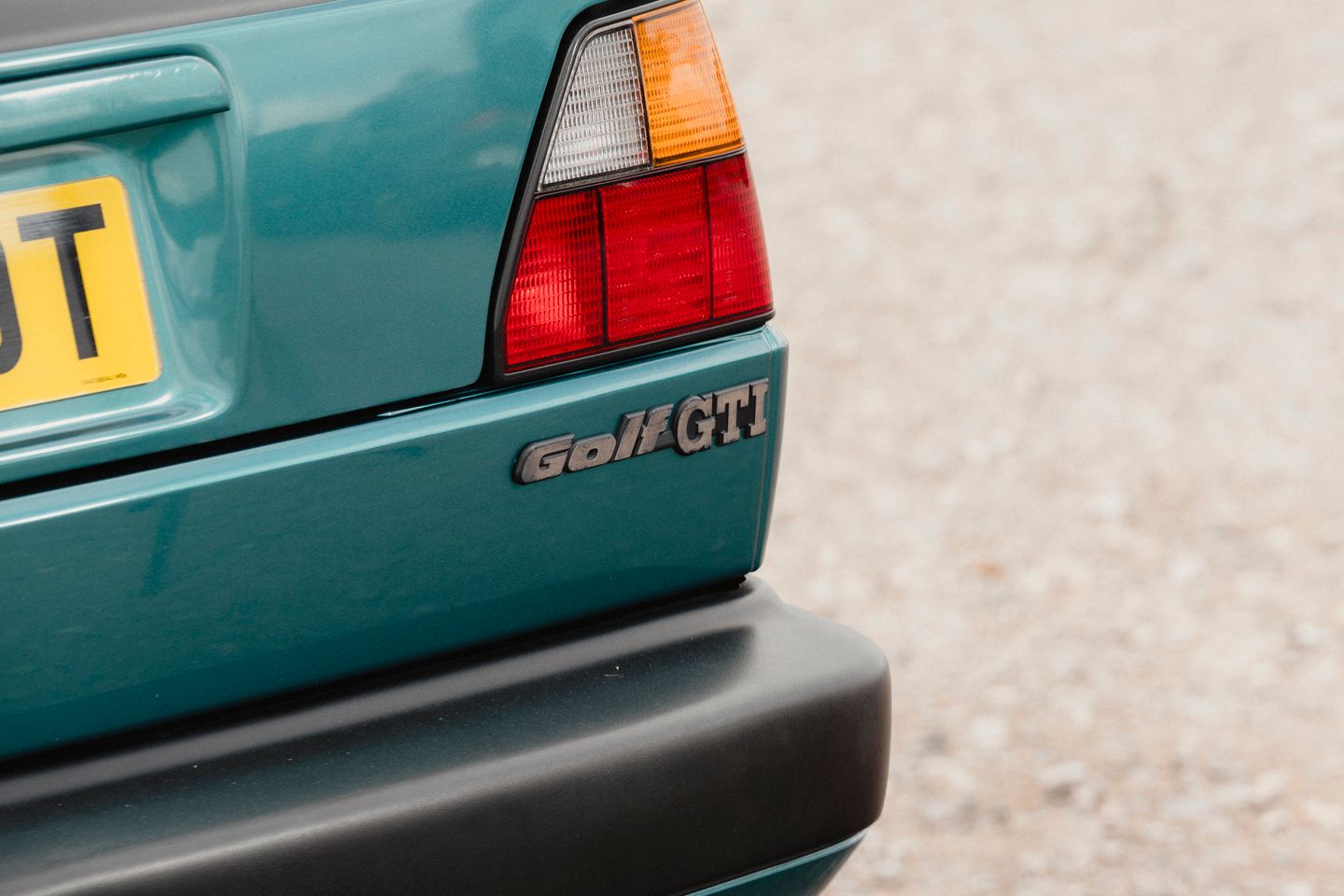
This one isn’t one of those, instead a well-loved and thoroughly enjoyed example approaching 160,000 miles. But it is the spec everyone wanted (and still does): there was no 205 GTI-style debate here between eight-valve and 16-valve - 139hp was the Golf as it was meant to be, not 112. It’s a later big bumper, twin headlight machine in Capri Green with power steering (tick, tick, tick), and while the purists may want a three-door, it’s hardly like an extra pair of doors spoils the appearance.
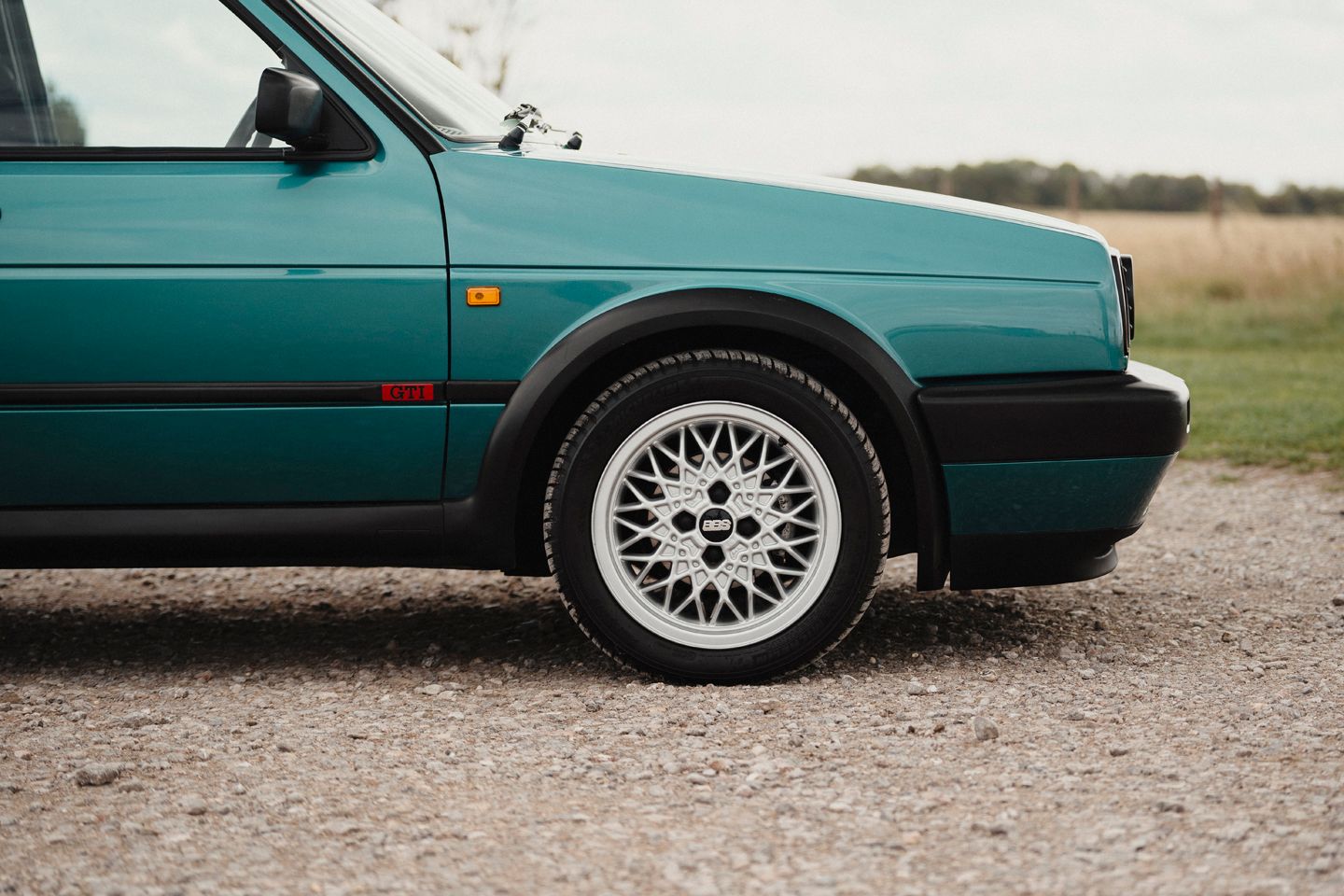
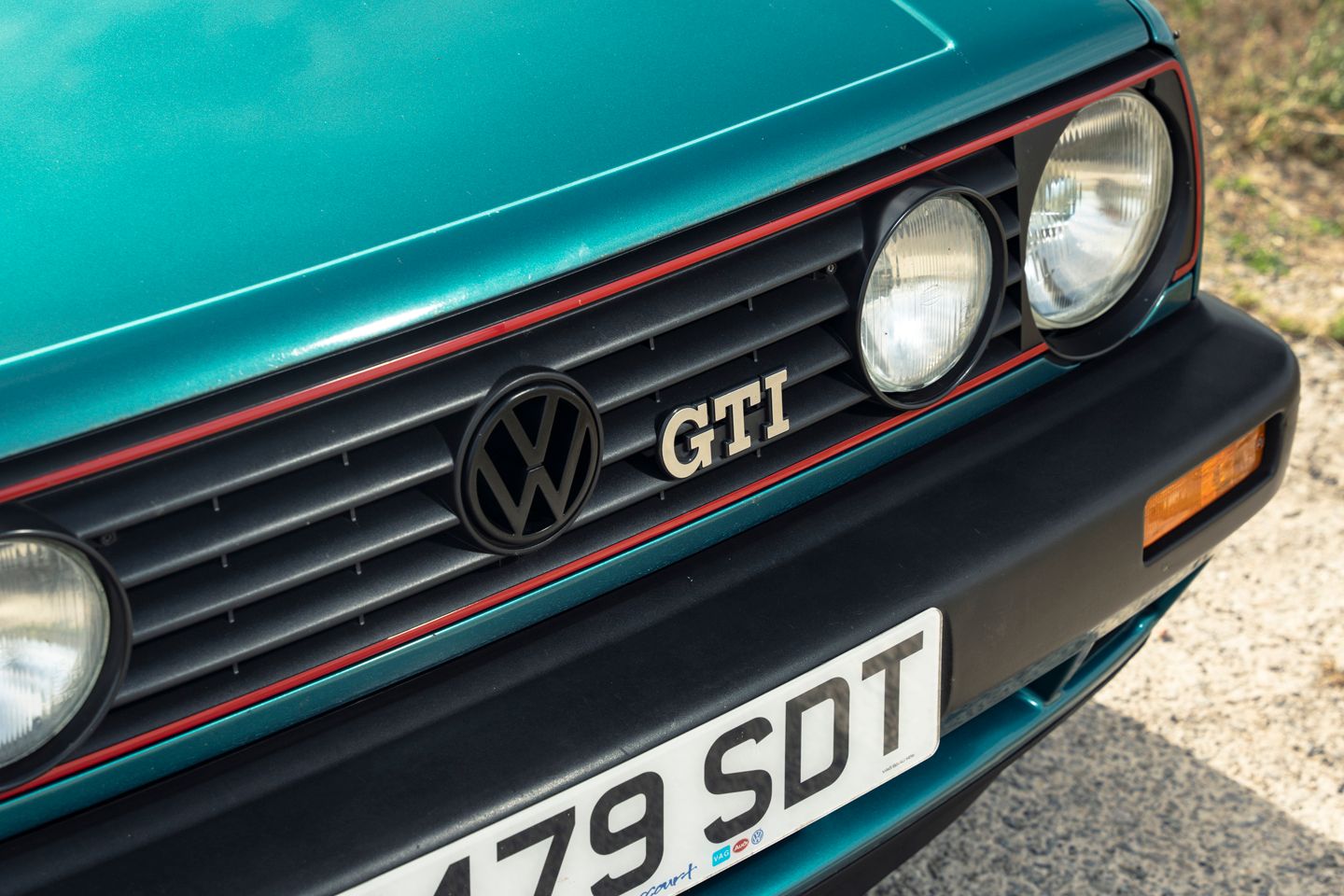
Indeed, if somewhat inevitably smaller and daintier than modern machines, there’s no doubting the Golf’s specialness. The knack of the GTIs over the years (the good ones, at least) has been to blend sportiness with sophistication, and it’s a balance the Mk2 pulls off with aplomb. The red accents and the BBS tell everyone it’s not just any old Golf, without resorting to any of the era’s various excesses. It’s crisp and it’s cool; still sufficiently so for people to take an interest at petrol stations and car parks. They wouldn’t have done that for a Mk3.
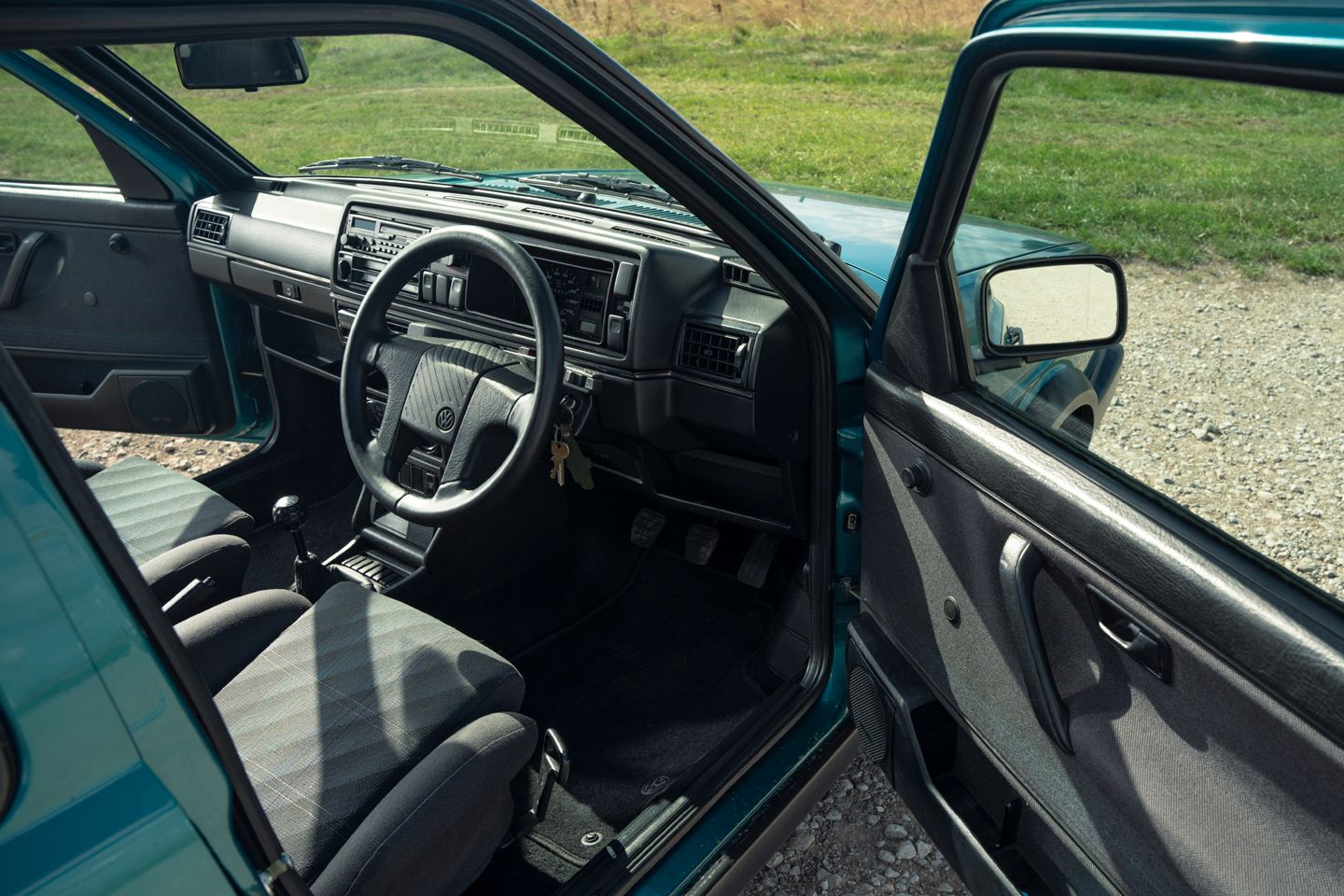
Furthermore, there really is nothing assembled quite like a car with ‘Made in West Germany’ stickers dotted around it. Even at 36 years old, there’s a heft to every latch, switch and lever that’s reassuring - and which it’s hard to imagine anything very much newer boasting. Look at all the old cars on PH that are for sale with higher mileages and higher asking prices and they’re almost all VWs, Porsche, BMWs and Mercedes of this era - they really were built to last. And withstand anything.
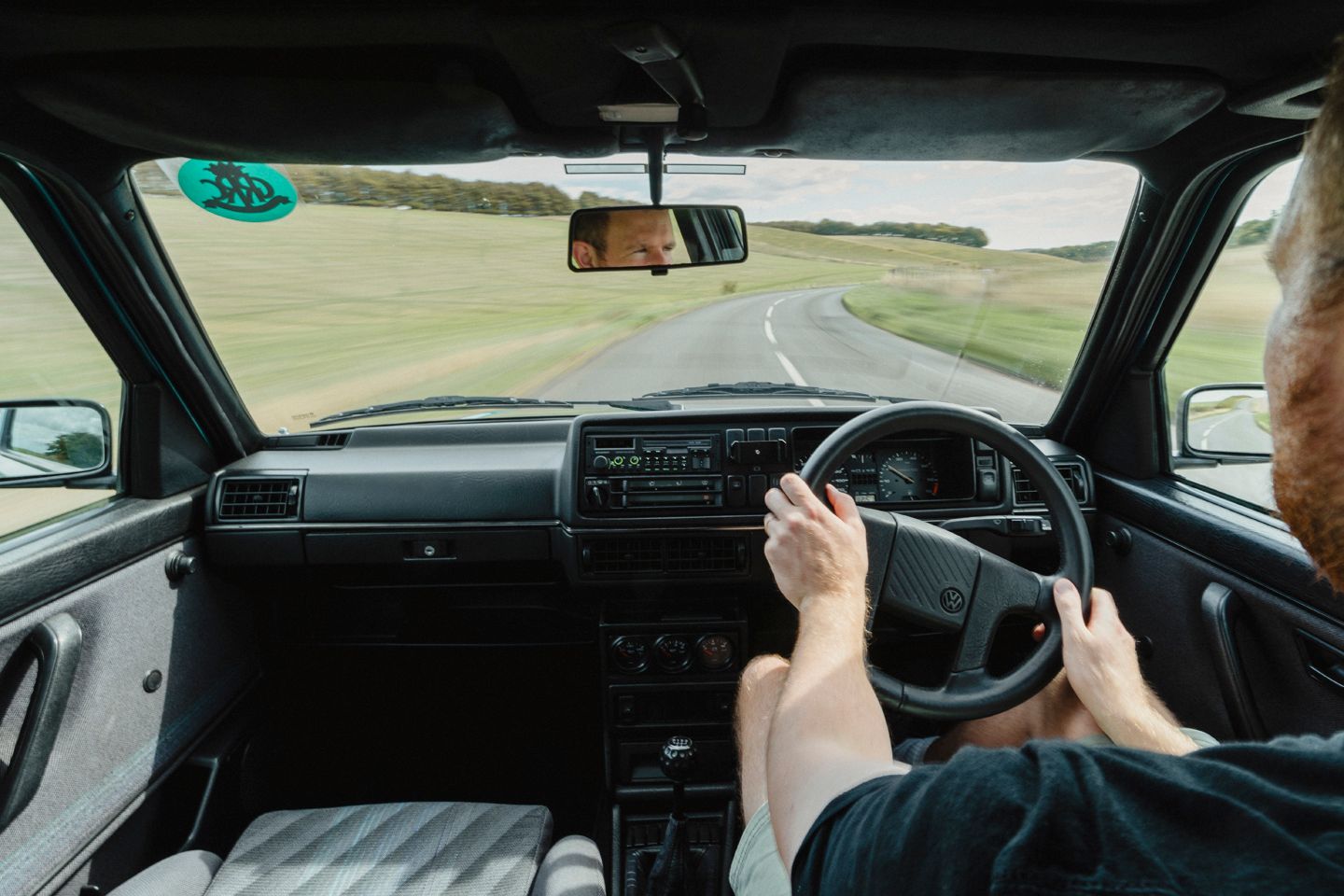
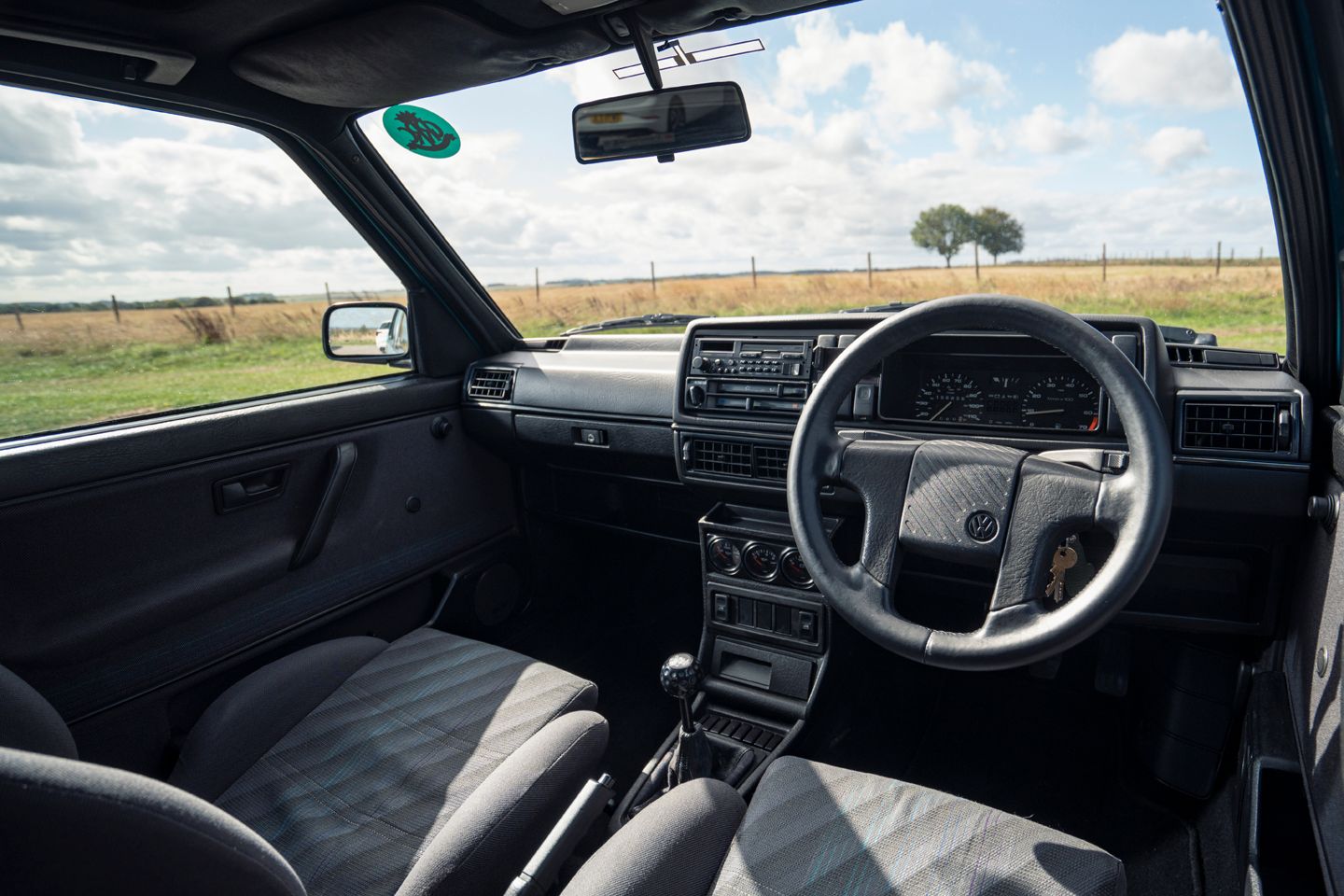
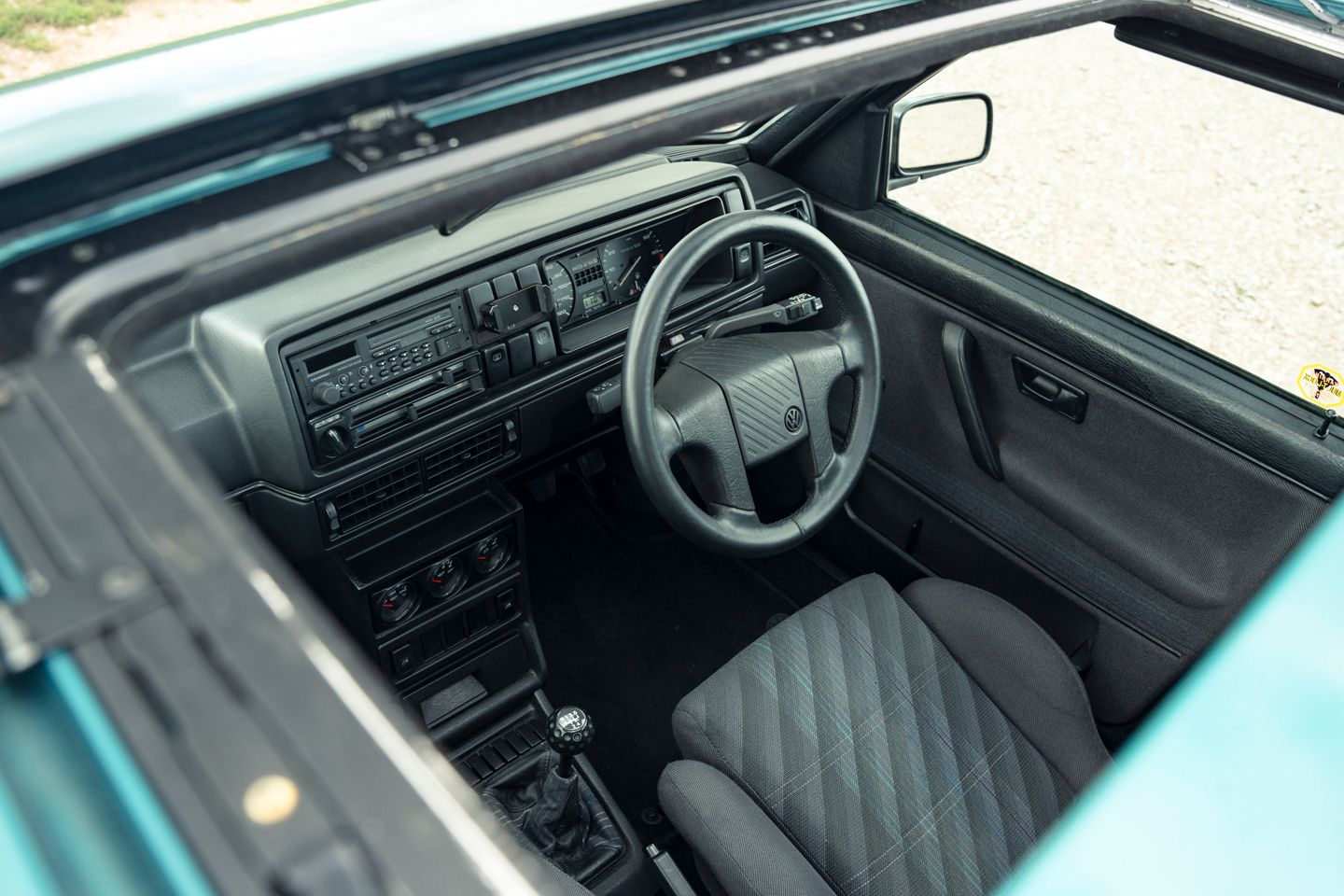
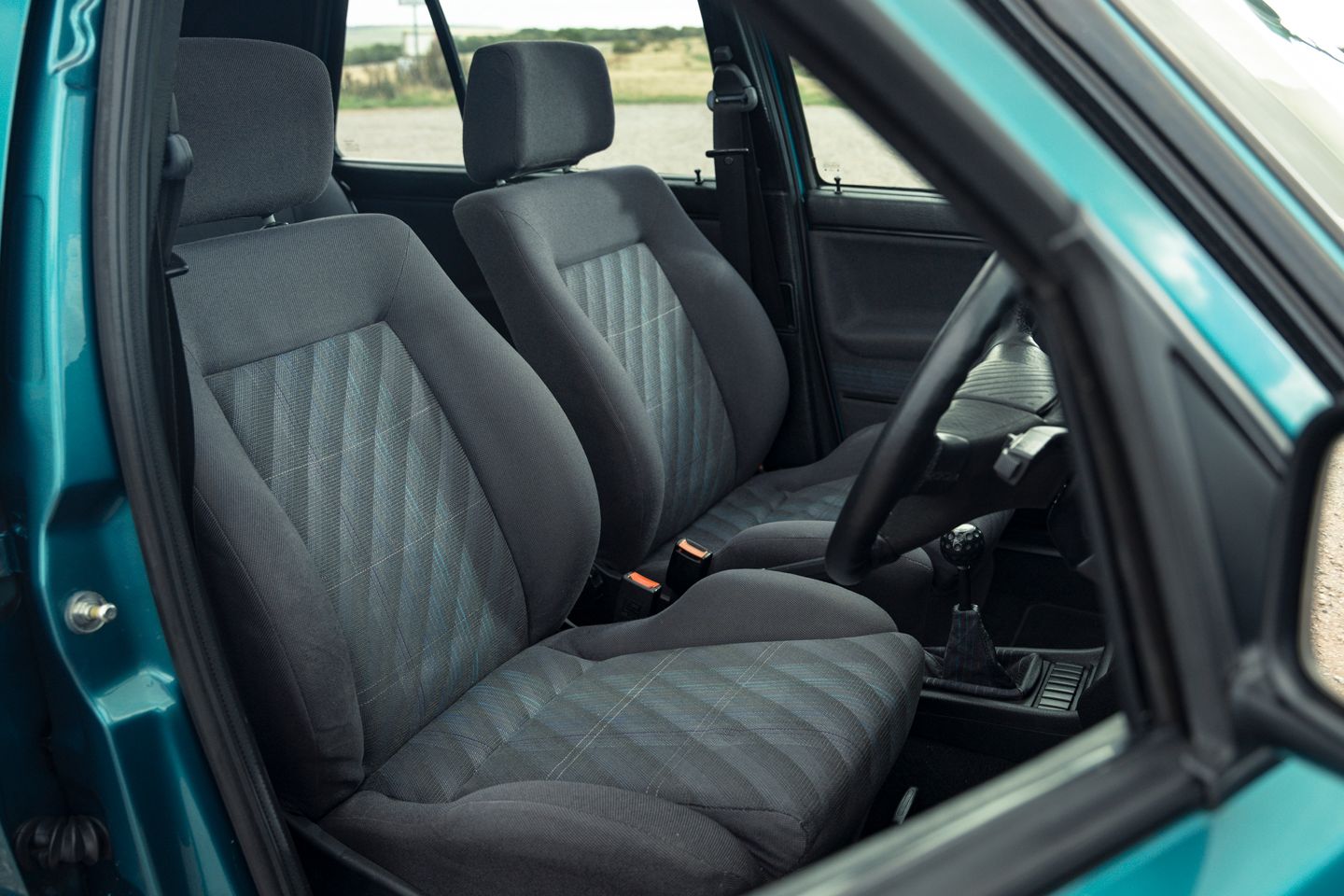
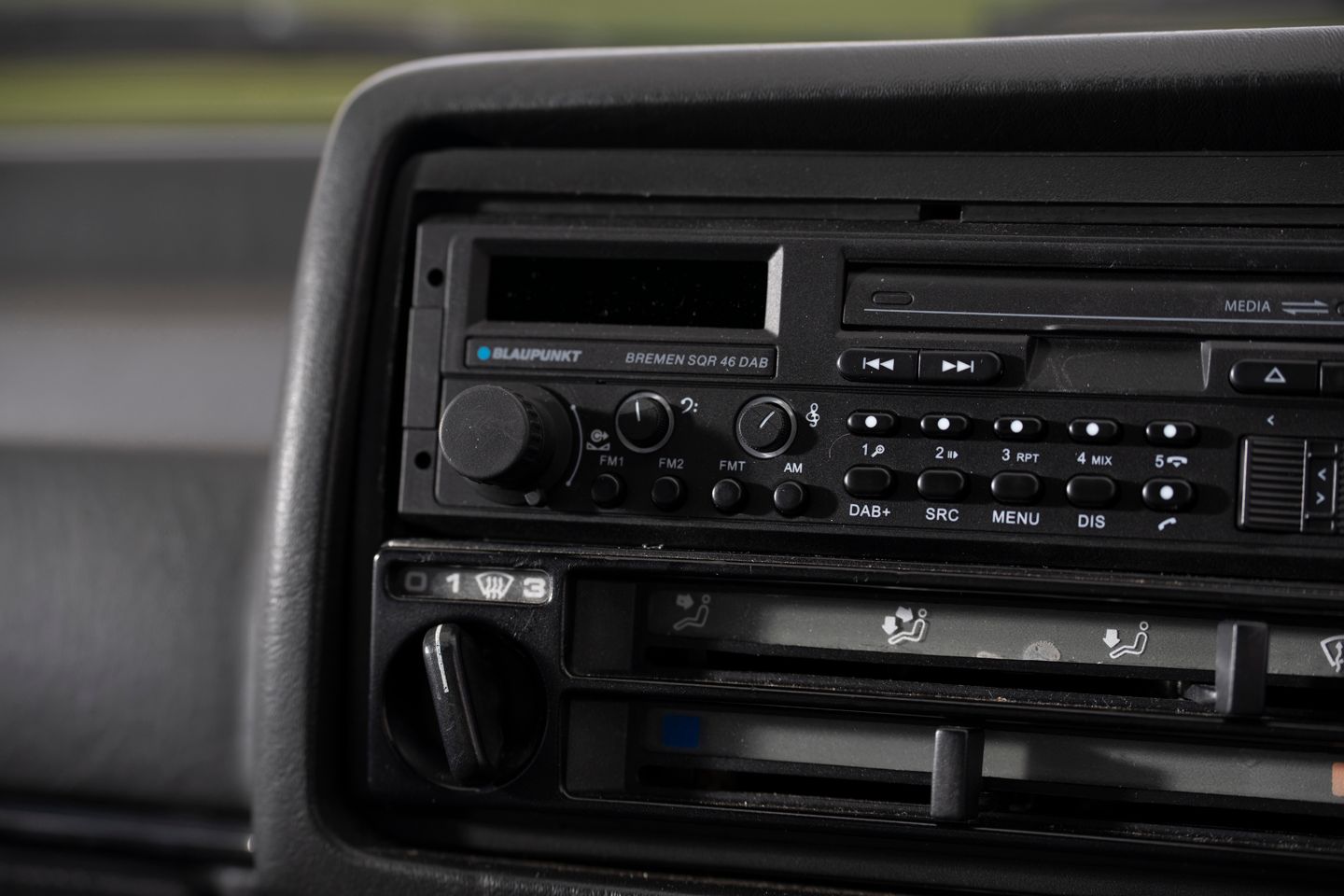
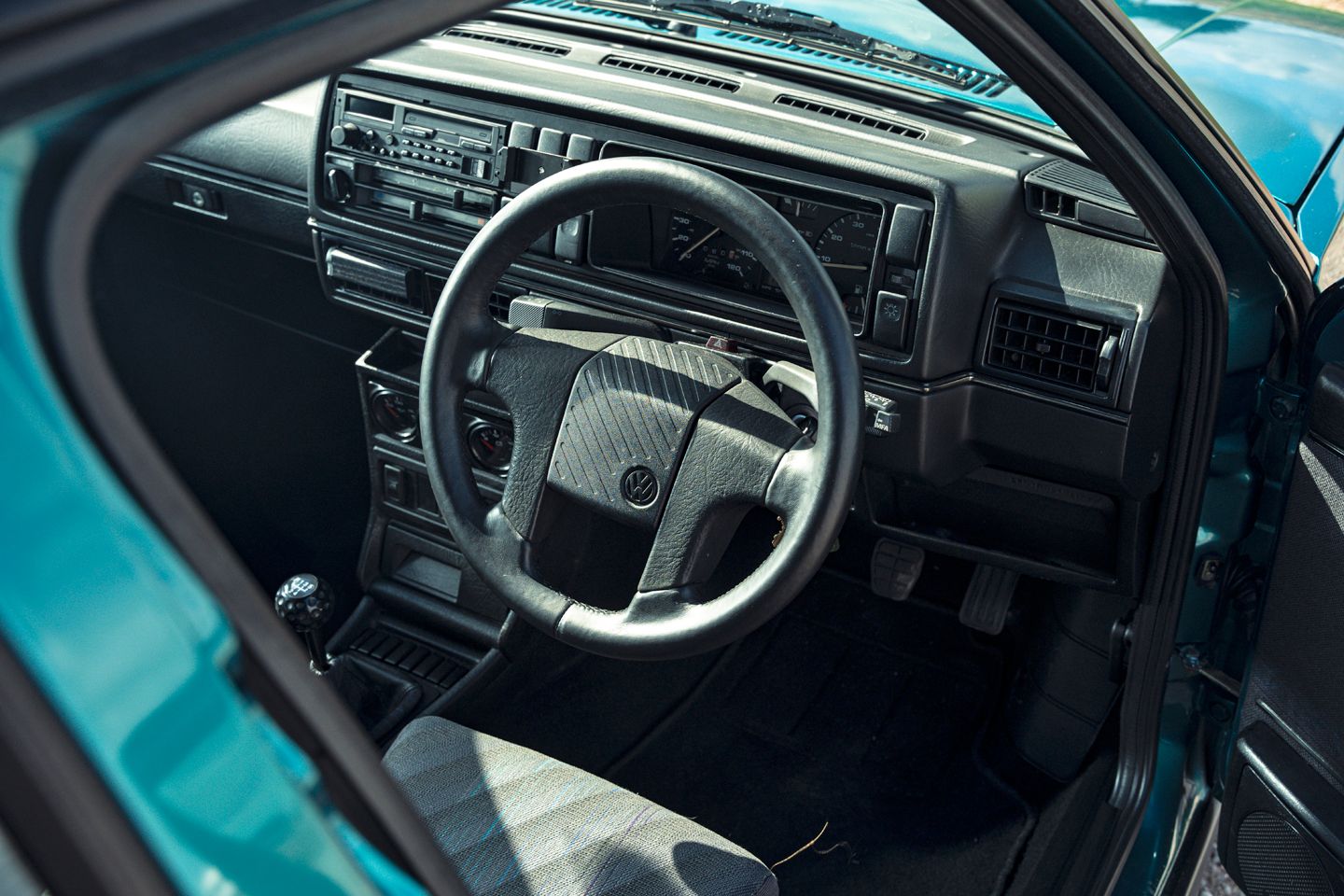
While not exactly flamboyant, there’s a charm to its simplicity and the ergonomic good sense that laid a foundation for much that was to follow. Everything is where you’d expect to find it and works as expected (apart from steering wheel adjustment, which is absent); with the build quality on top, it makes for a car you’d never hesitate to use. Nothing needs deciphering or understanding, every font a model of clarity and every button a delight.
Being simple and easy to use is part of what makes it so persuasive as a classic to enjoy regularly. You wouldn’t expect much less from a Golf, of course, though plenty of 35-year-old cars have proven much trickier. Here you aren’t priming carbs or helping a lumpy idle or worried about bits falling off; there’s the style and charm of an old car, with turnkey usability.
In fact, it’s that ability to just be a car in 2026 that initially stands out as the Mk2’s greatest asset. Not so long ago, the thought of driving a family hatch approaching 40 could have been nervewracking; here, while the wonderful visibility and the daft fixed wheel mean you’d never mistake this for a modern car, it’s so eminently capable you don’t give the vintage a moment’s thought. A 16-valve GTI is accelerative enough to keep pace with traffic, subdued enough to cruise, solid enough to feel safe. Forget restomods - you’d could take this as is.
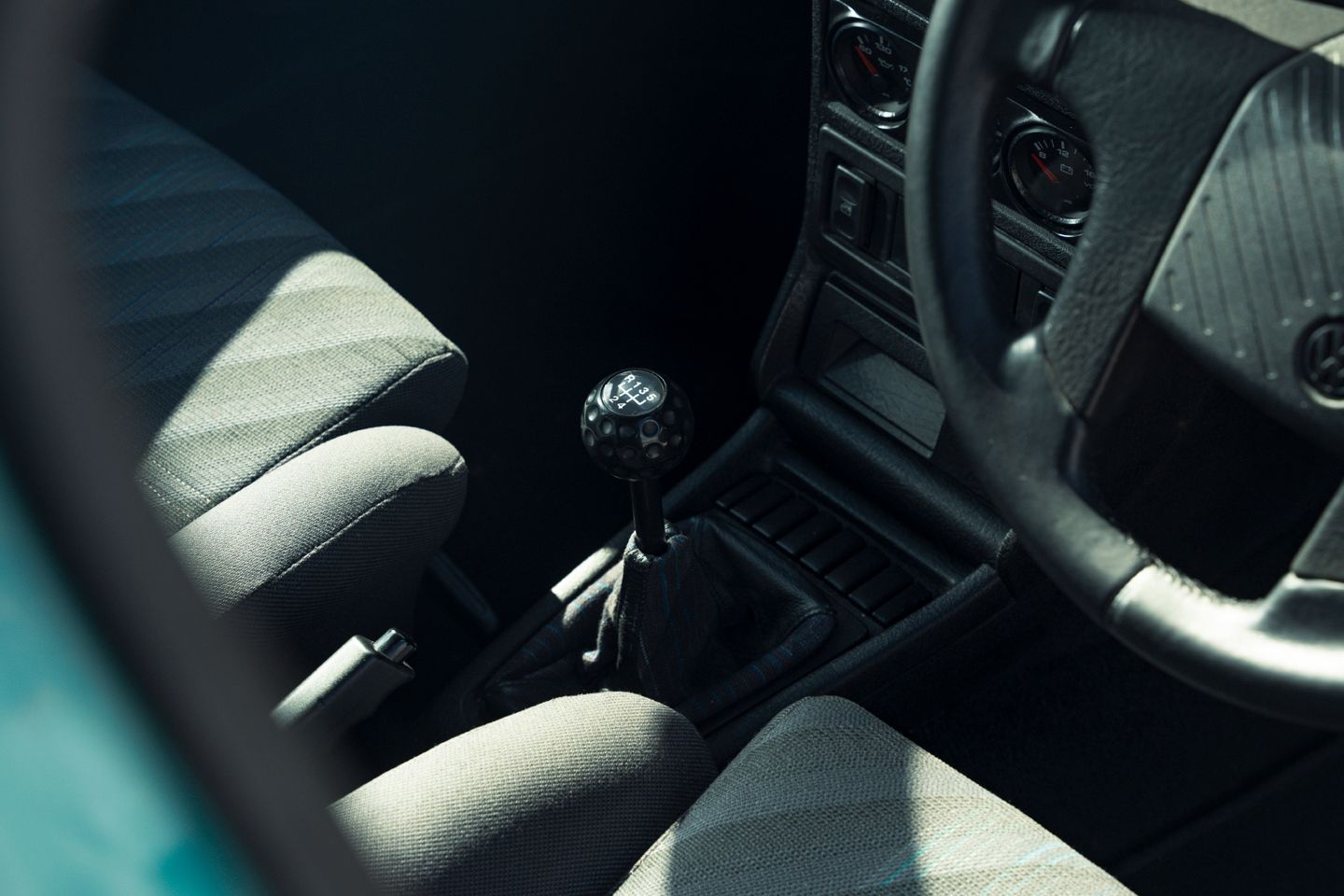
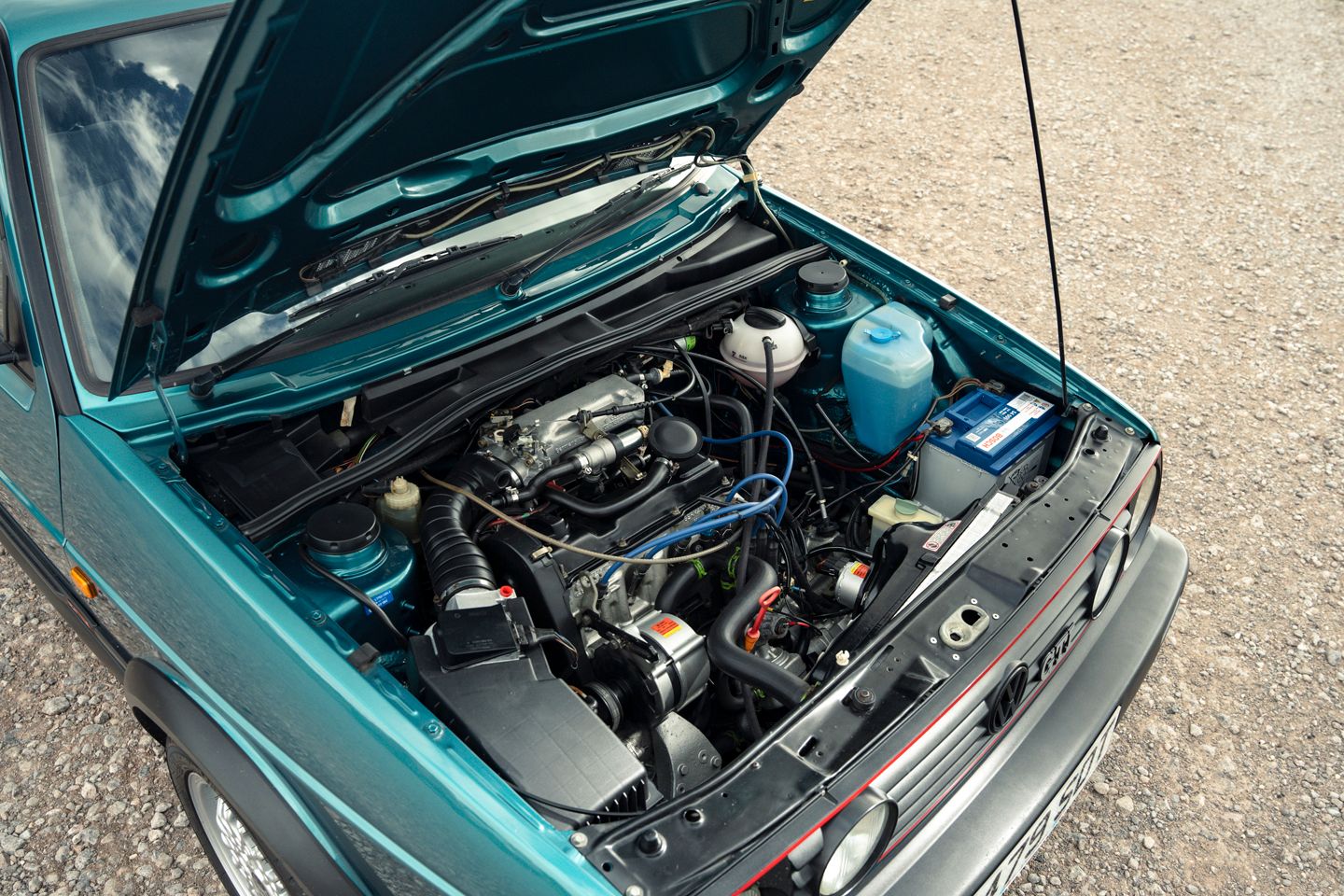
With a recently rebuilt 1.8 basking in all that space under the bonnet - and less than a metric tonne to shift - the Golf feels gutsy and willing everywhere: probably its best work is done in the mid range, as befits the hot hatch for all occasions, with sufficient energy around 6,000rpm if there’s an XR3 in close proximity. Ample torque and an obliging manual make brisk progress as easy as pie.
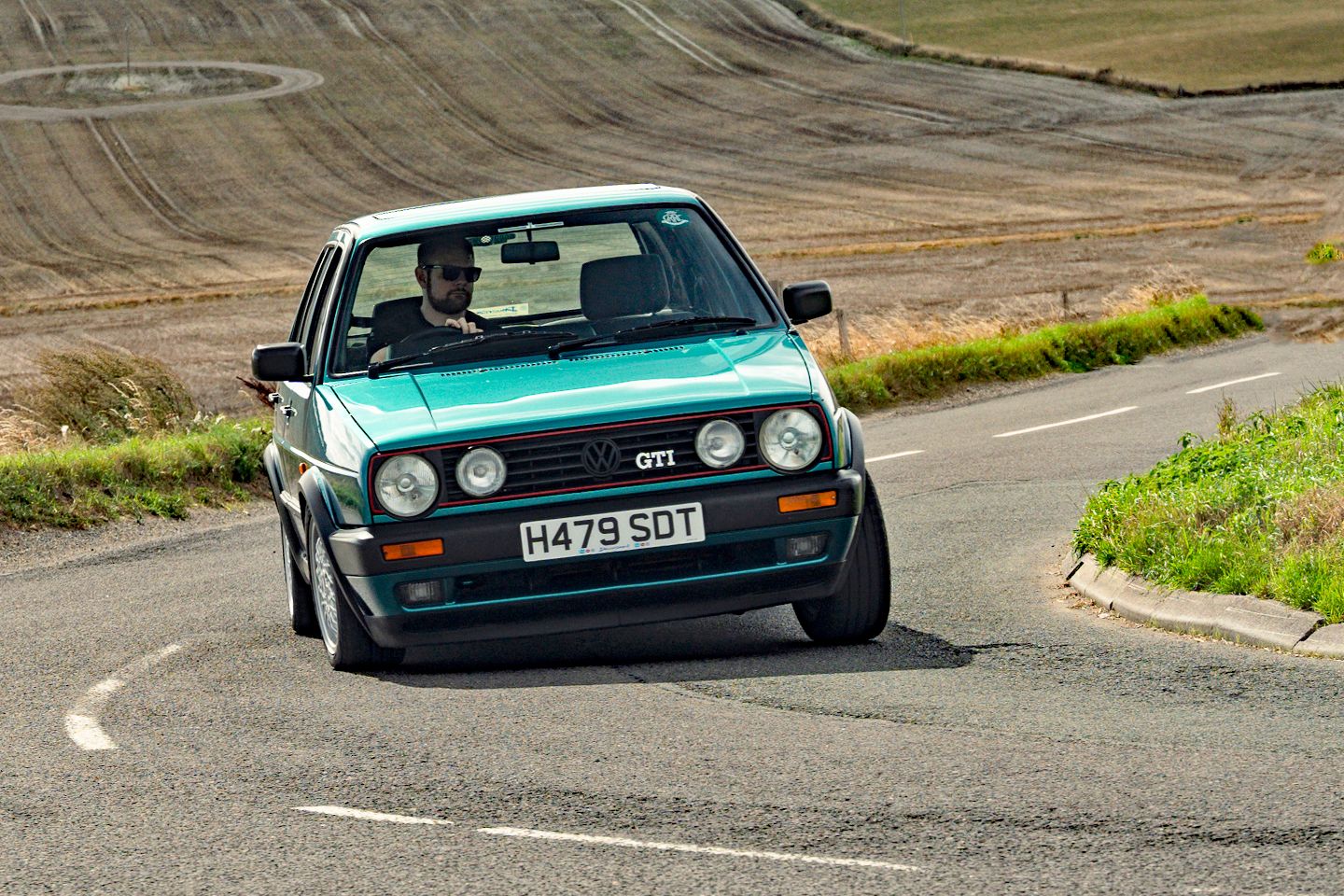
All of which would make for a fine old car, which is broadly as the Golf seems for a lot of the time. But there’s definitely still a GTI in there, and it’s a joy to discover. Every response is so immediate and authentic, rather than being programmed to feel that way. There’s always a bit more brake pressure, a bit more front-end bite, a bit more throttle travel to explore, and it becomes hard to resist. The GTI is as willing to be driven more keenly on a B road as it is to trundle down the A34. The hot hatch duality that we associate with the very best GTIs - basically making them compelling to drive virtually everywhere - is certainly in evidence here. Perhaps not the most exhilarating - there will be revvier, more communicative hot hatches of the era, as with every Golf - but the one that’s the most enjoyable for the most amount of time. The life partner, not the fling.
In other words, this is a car that feels good for another 40 years yet. Probably more so than the Mk1, it is a carrier for all the Golf DNA that has subsequently made the model famous; it being thoroughly engineered, timelessly styled, very usable and credibly brisk. Silly though it might sound, it’s easy to imagine many more miles happy motoring still to come when you sit in a well-looked-after Golf GTI from 1990. That’s its genius - and the mark of a PH Hero for the ages.
SPECIFICATION | VW GOLF GTI MK2
Engine: 1,781cc, four-cyl
Transmission: 5-speed manual, front-wheel drive
Power (hp): 139@6,100rpm
Torque (lb ft): 124@4,250rpm
0-62mph: 7.9sec
Top speed: 130mph
Weight: 860kg
MPG: 26.6 (urban)
CO2: N/A
On sale: 1984-1992 (UK)
Price new: £14,449 (five-door 16v in 1990, £37k adjusted for inflation)
Price now: from £7,500
See every Mk2 Golf GTI for sale
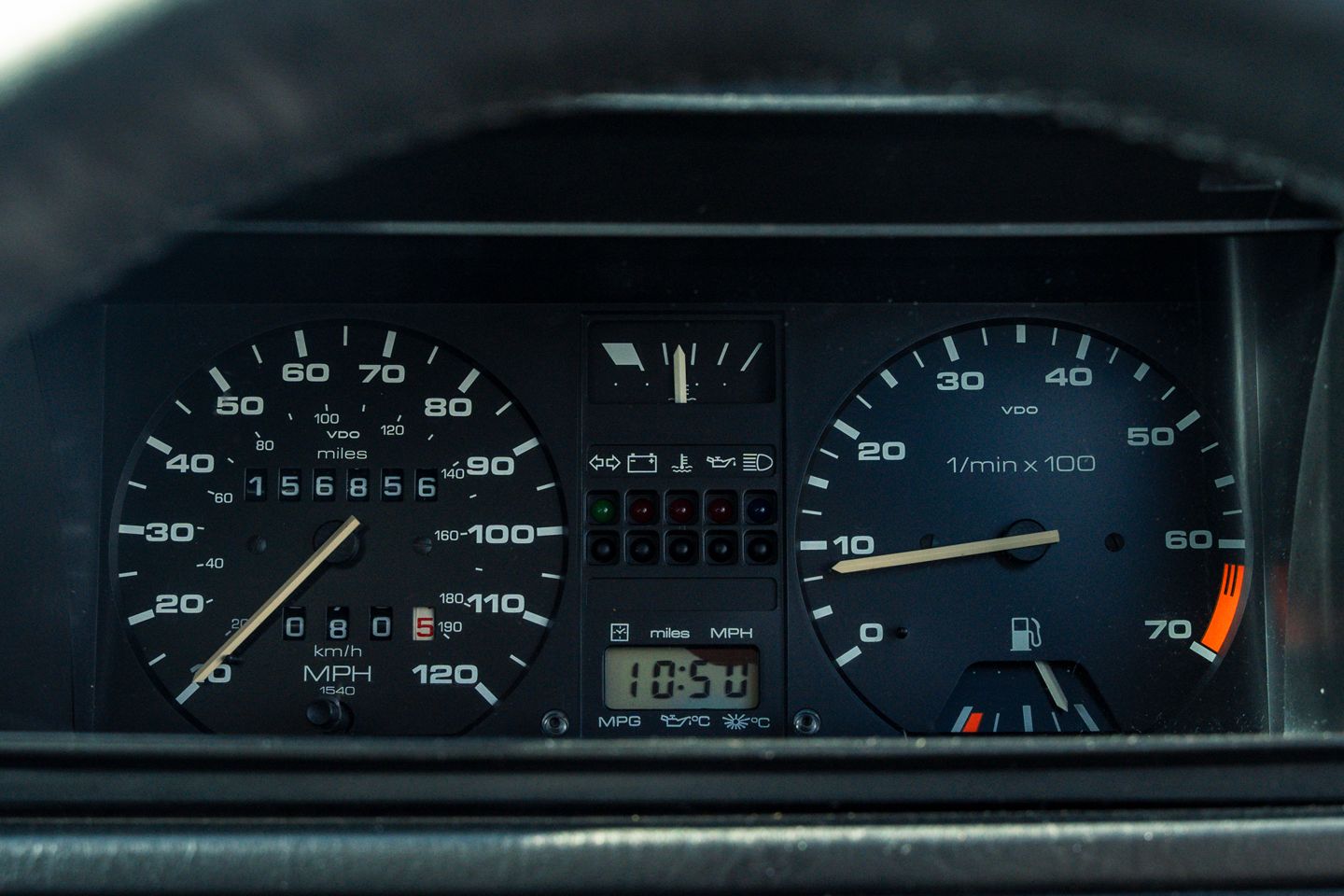


On hard acceleration the needle would climb past the end of the scale, then continue on to disappear off the gauge completely!

I'd put a MK7 Clubsport S in there.
I'll confess I've not been in the clubsport, although it's definitely what I'd look at out of the lineup.
I'll confess I've not been in the clubsport, although it's definitely what I'd look at out of the lineup.

My mk2 had a few engines in it, ending with a 2.0 16v ABF out a Seat Ibiza (essentially a Mk3 Gokf GTi). It was plug and play the loom just plugged into the fuse box. The immobiliser ring clipped on the steering column, only had to split out the wiper loom if I remember.
But, I probably should have stopped with the 2.0 2E bottom end and Newman cam. I think the whole thing cost less than £500 with gaskets and fluids. More torque and more revs. With the 8v’s box it was superb. Especially after ‘hot golf’ fitted a Quaife and his shift kit and solid front engine mount. I hate the term rifle like gear change, but…….
Think it also had a ‘man in the shed’ ported head and matched manifolds. Long live club GTi!
Gassing Station | General Gassing | Top of Page | What's New | My Stuff