
2026 Range Rover Sport Electric | PH Review
The Range Rover Electric was a triumph - can Land Rover instantly repeat the trick?
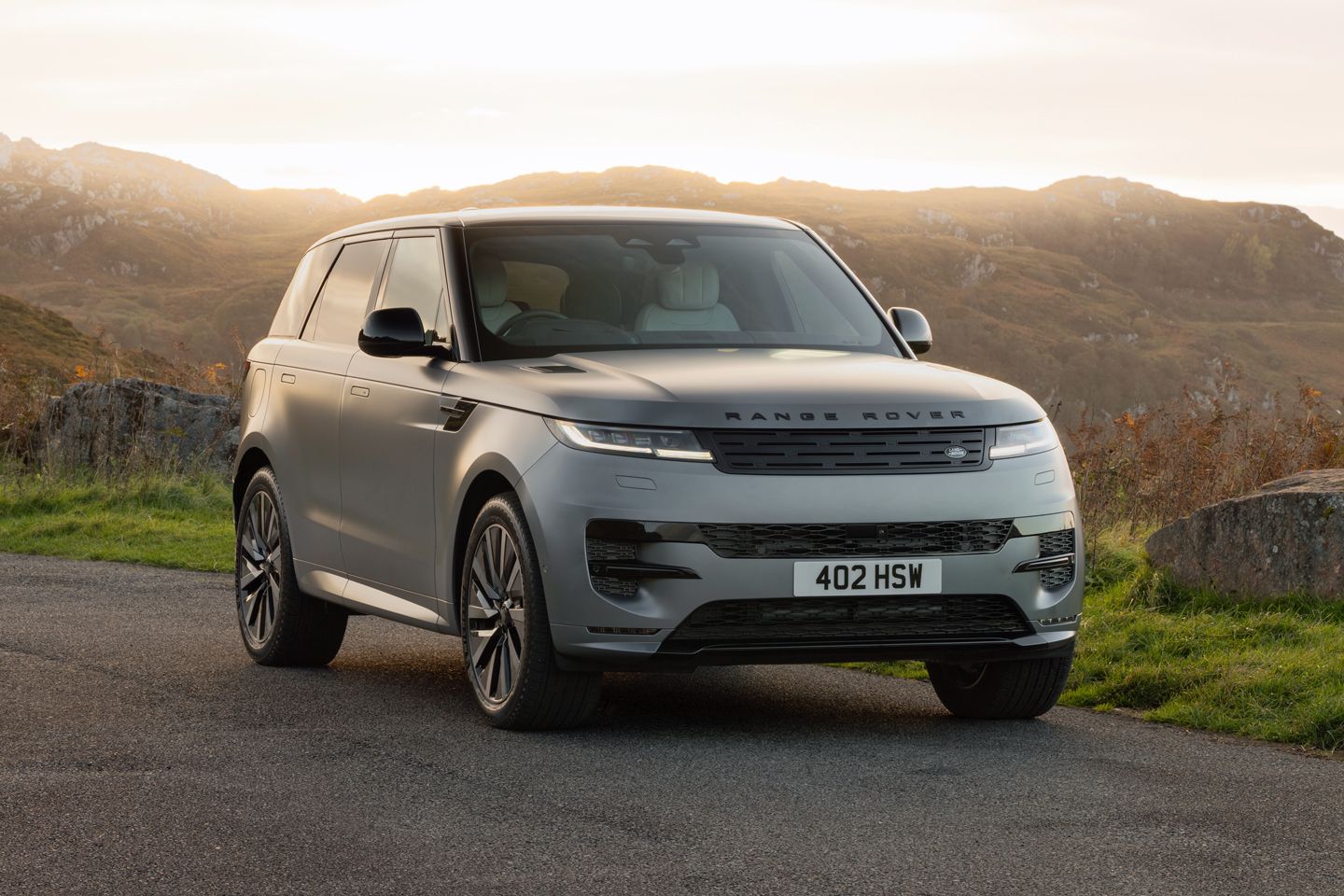
While it makes logistical and even conceptual sense for the Range Rover Electric and Range Rover Sport Electric to share the same launch event - they’ve gone on sale together, after all, and share most of the same hardware - there was always the risk that Land Rover’s contracted schedule would mean one battery-powered variant of the MLA Flex overshadowing the other. It is for this reason that there was half a year between the combustion models when they were originally introduced. Why muddy the luxury SUV water?
But wider circumstances have forced the manufacturer’s hand (certainly it could do with seeing a timely return on its investments), and so, having driven about as far north in the Scottish Highlands as you can get before falling into the sea in the Range Rover, we made the return journey to Inverness in the Range Rover Sport Electric. Less time, less distance and a less challenging off-road section; faced with no choice when it came to playing favourites, Land Rover prudently chose the bigger profit margin. The Sport Electric starts at £109,810; the Range Rover version, £154,070.
Plus the Range Rover is a rock star, sold globally and still the quintessential benchmark by which all other full-size SUVs are judged. The Sport, while a striking sales success in its own right and vastly more popular in the UK, it is a smaller fish internationally - the Electric variant will not initially be offered in North America - and it has arguably suffered for time spent in the Range Rover’s shadow in JLR’s somewhat messy House of Brands reshuffle. Land Rover privately conceded that the cars themselves have been too poorly distinguished from one another in recent times; there was much gesturing about where the Sport Electric could go from here in the not-too-distant future.
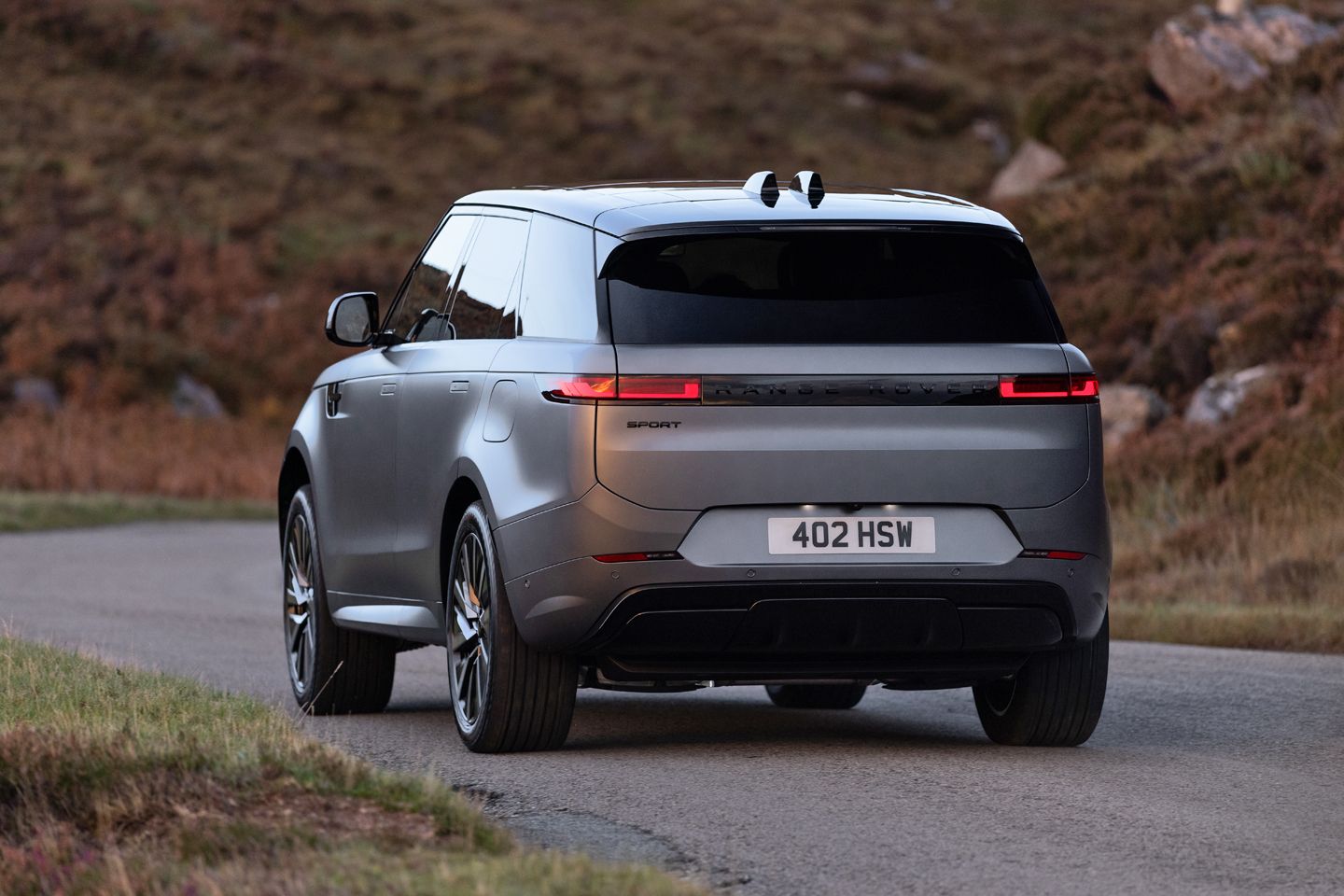
But for now it mirrors the Electric configuration established by its larger sibling. This means you get 550hp provided by two EDUs (one 260kW motor per axle), which are in turn powered by a double-stacked 118.5kWh battery that can charge up to 350kW courtesy of an 800v electrical architecture. Land Rover quotes much the same 378-mile WLTP range, and, unsurprisingly, repeats its claim that owners can expect around 330 miles from the car in the real world. In terms of its outright performance, the Sport takes the same 4.3 seconds to get to 60mph as the flagship Range Rover does.
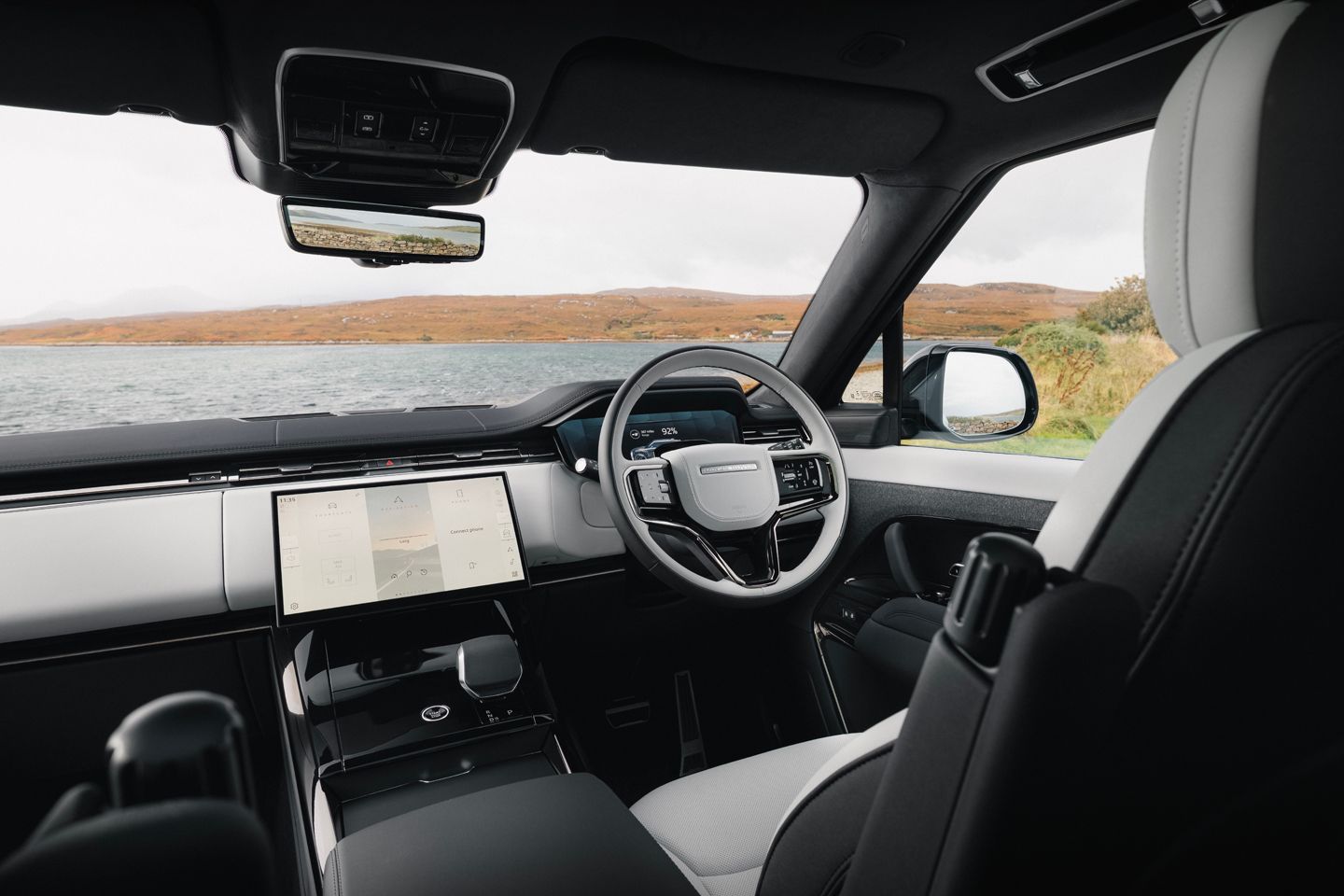
As you might expect given these far-reaching similarities, the models weigh about the same. And the Sport does not fall far from the tree in terms of styling decisions either; it too looks exactly like the combustion-powered variant, aside from some minor details and the obvious lack of tailpipes. Nevertheless, it does feel slightly smaller than the Range Rover, both in terms of its physical footprint (the Sport remains marginally shorter and lower, though the cars share the same 2,997mm wheelbase), and inside, despite it sharing the same hard points and basic layout, the Sport is the cosier and swaps out a number of core features - seats, steering wheel, centre console - for its own model-specific items.
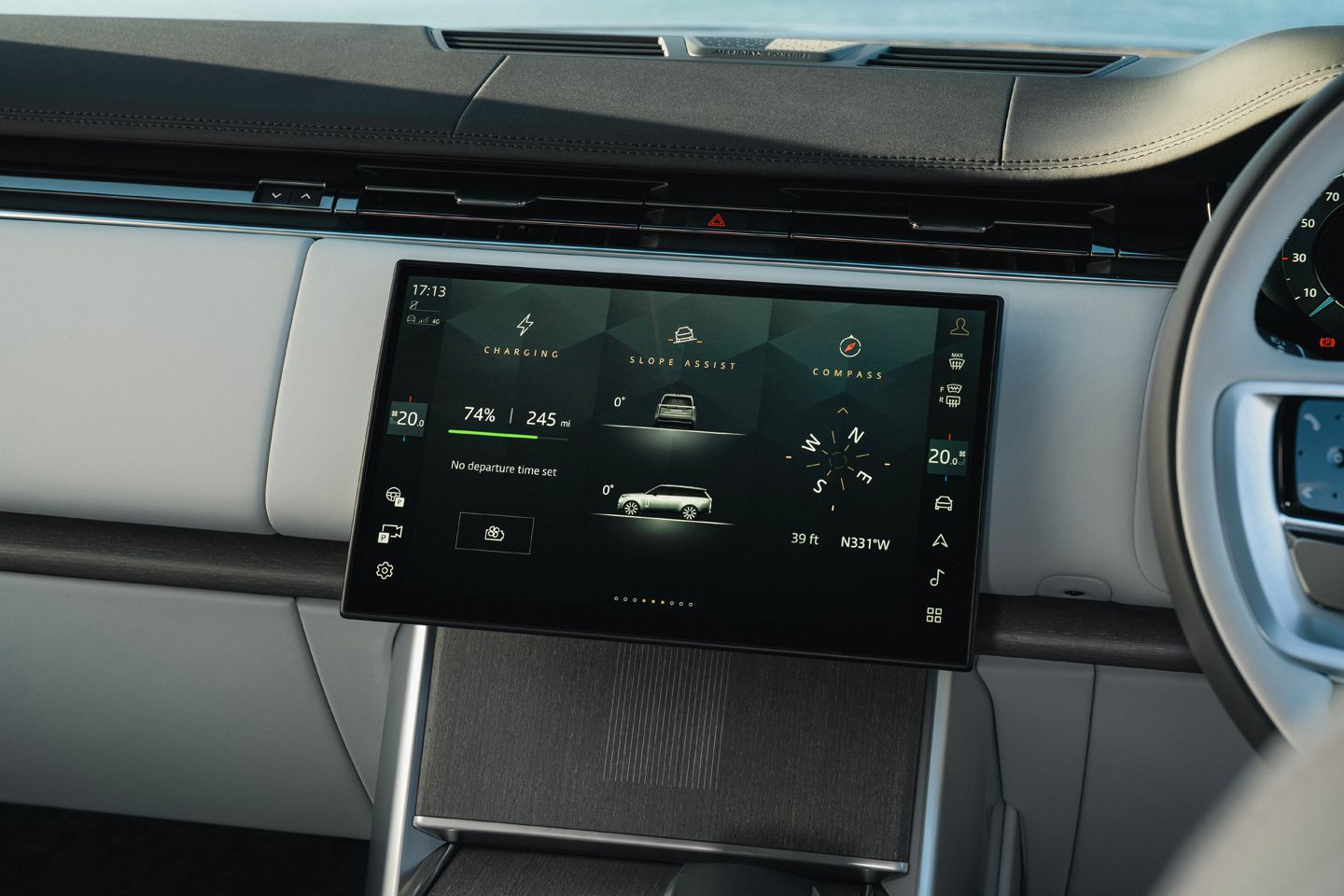
At any rate, aside from missing paddle shifts and the S on the gear selector now indicating Single pedal mode, the Electric is going to seem mighty familiar to the Sport’s current owners. Again, this is precisely the point: Land Rover wants it to appeal to people already convinced by the model’s established qualities. Neither the battery pack nor its control module infringe on the existing cabin space, nor on its boot capacity. It is all very pleasant and hardly any less plush than the Range Rover, even if it does retain the knack of seeming, by an admittedly scant degree, that bit more business-like. Or more accurately, ready for business.
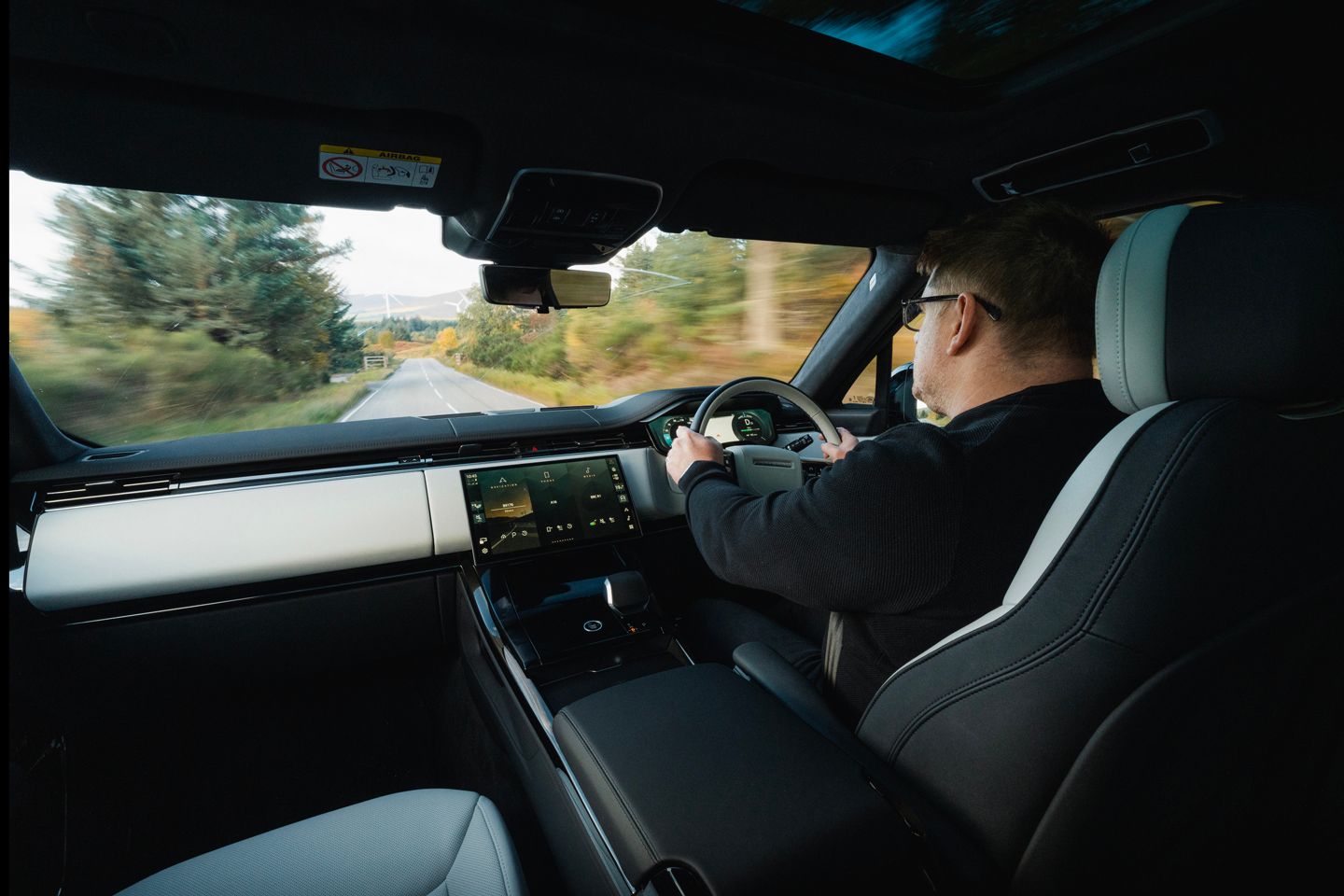
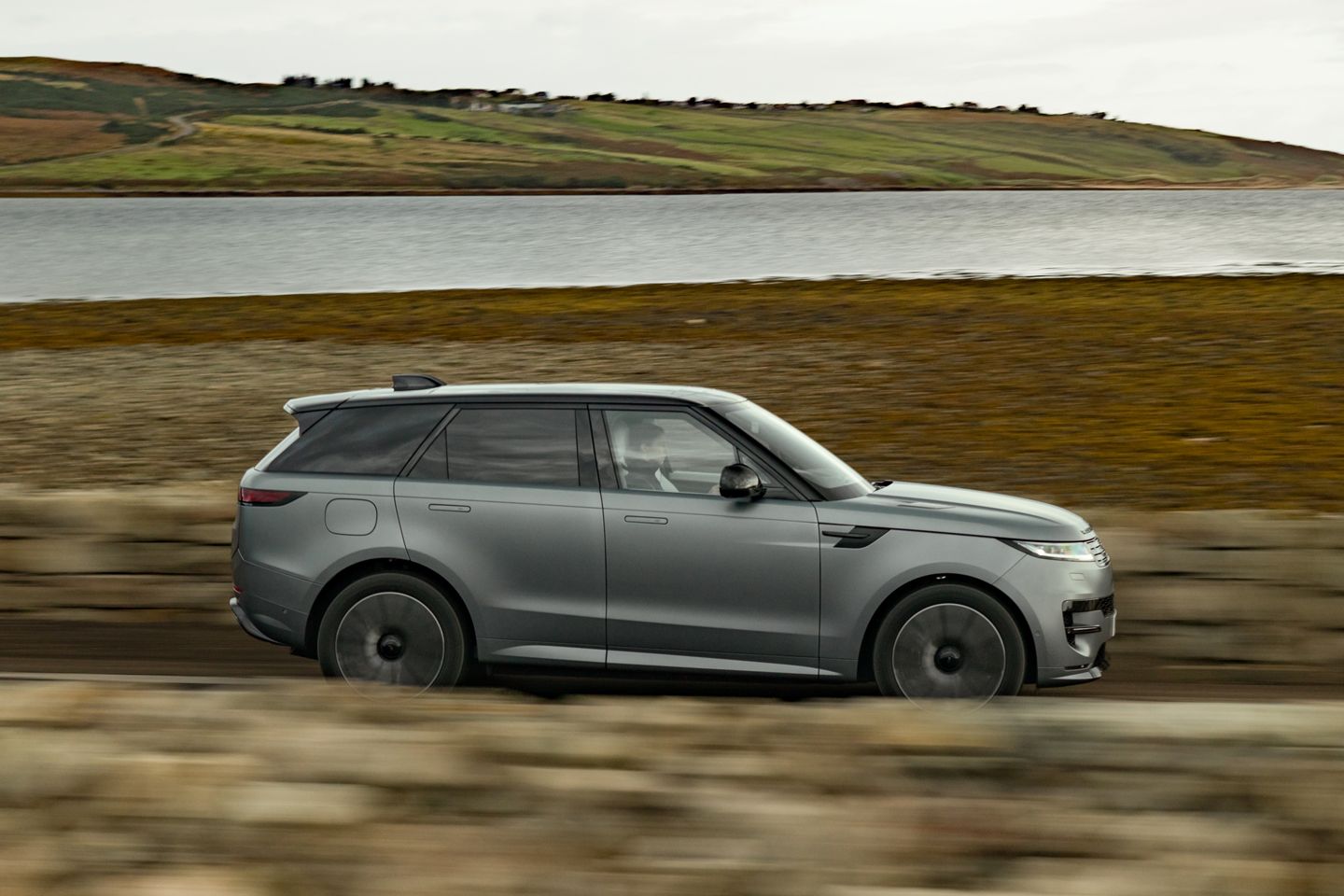
This is appropriate for a model that, perhaps more so than ever, is meant to be capitalising on the ‘Sport’ part of its remit. Here Land Rover has worked hard (both literally and figuratively) to impress on people that an electric powertrain has resulted in the ‘most dynamic expression of Range Rover’ yet, one capable of taking the model’s reputation for ‘visceral engagement’ to new levels. Which, all things considered, sounds like a tough ask for an EV that weighs nearly three-tonnes and must, for now, play second fiddle to the V8-powered SV above it in the range pecking order.
Still, it gets off to an impressive start. As it was in the Range Rover Electric, and indeed any EV, the Sport is more about the 627lb of torque ultimately available to it than anything else. That figure is unchanged from the Range Rover, though it ramps up more quickly in the Sport - less for charging at the horizon (though it will do that too), and more to make the car feel wieldy. Similarly, the adaptive air springs and twin-valve dampers remain the same, but clearly they are working harder even at low speeds to better control the pitch angle; again, with the intention of making the Sport seem that bit more purposeful.
It works, too. Any powerful EV does a good job of concealing mass during acceleration, but Land Rover’s talent for keying you into the magnitude of its cars without sacrificing their core drivability is immediately to the fore. Thanks to the position of its battery, the Electric benefits from the lowest centre of gravity of any Sport - and plainly the equitable weight balance is doing it a number of dynamic favours - but the initial sensation (much as they were in the Range Rover) is how impressively conventional the new model feels above all else. There is very little noise, very little fuss, and in terms of being spirited from a private residence on a Scottish loch, very little not to like.
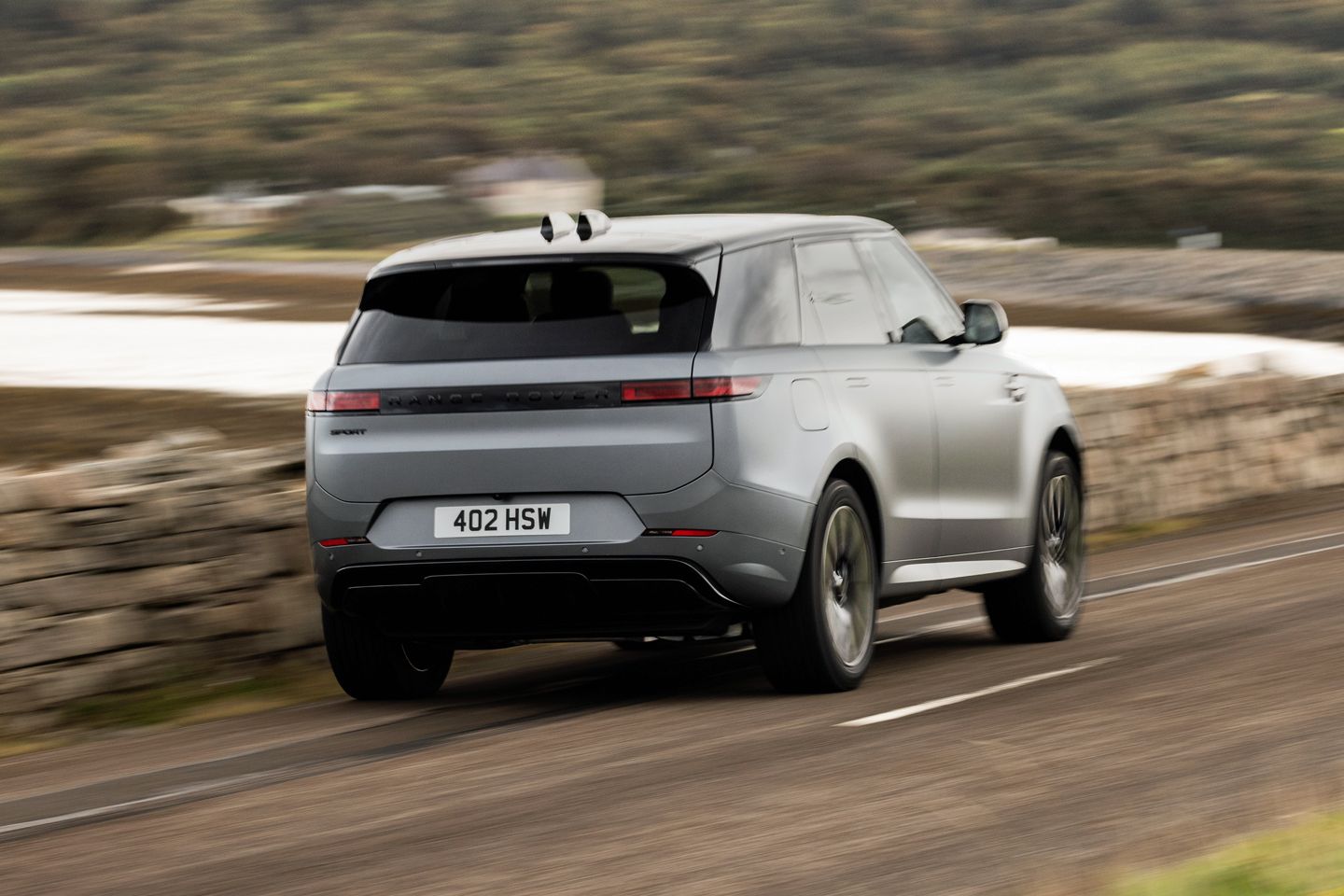
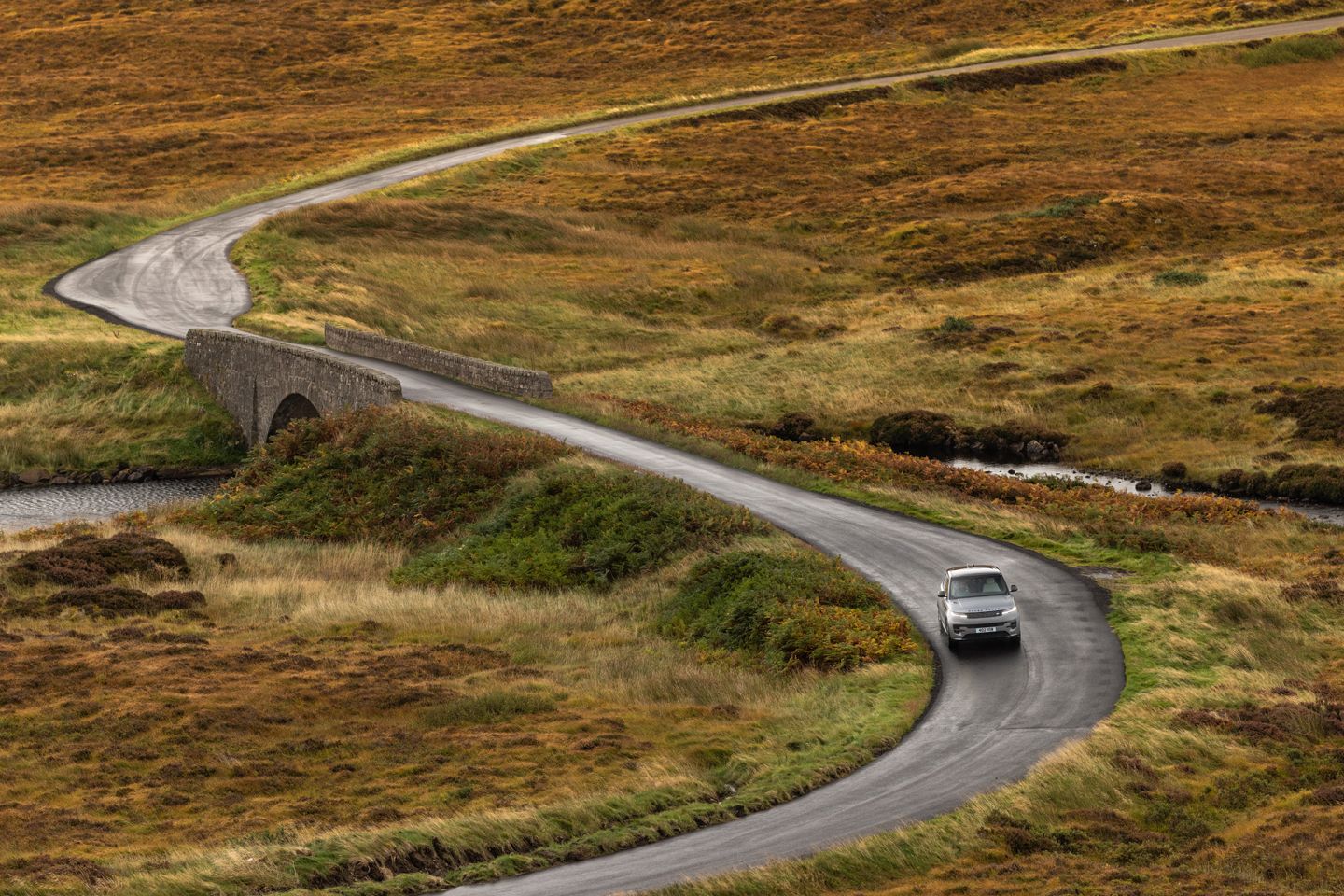
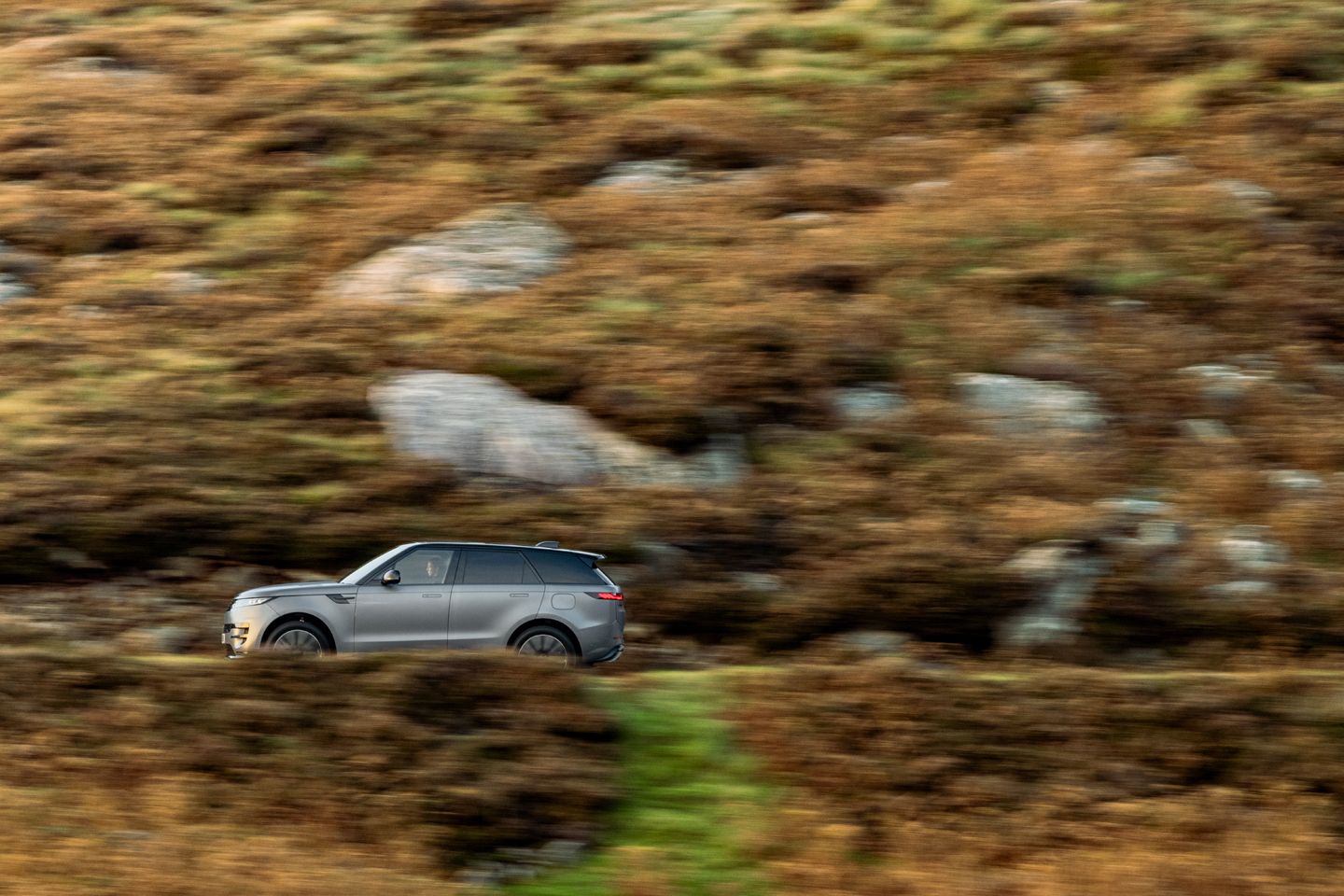
Returning down some of the same single track roads, the Sport works to convince you that its endless metering of spring rate and damping force (Land Rover suggests its latest overseer, Adaptive Dynamics 2, is monitoring up to 100 parameters 500 times per second), results not just in a tauter sense of control than the Range Rover attempted, but also a more likeable one. A subjective claim, plainly, especially among so many sighted corners - but when Land Rover says ‘visceral’ it is shorthand for the kind of intuitive, tractable and big-shouldered handling that keener drivers are always likely to favour in wide open spaces, especially with the superlative ride quality intact.
To further pander to their tastes, Land Rover has retained the active anti-roll system it opted to do without in the Range Rover Electric. As you might expect, the faster you go, the more tenacious and prevalent its 1,400nm of lean resistance becomes - yet despite the scale of the challenge, it feels less otherworldly than the hydraulically-interlinked chassis you get in the SV. It serves to make corners faster and your head less prone to drift, but not unnaturally so - or at any rate, it chimes sufficiently well with the four-wheel steer and stiffer platform that you dial in almost immediately. Indeed, via slightly burlier steering and all that indefatigable torque, you end up soaring between apexes like a buzzard catching an updraft.
There isn’t much about the Sport to break you out of this low-effort reverie, though, for me, the additional tenacity of Dynamic mode didn’t add much to the mix in Scotland. For one thing, unlike the Range Rover, it needs to be accessed via the infotainment display (a sure sign that it will rarely get used), and for another it introduces an edge to the otherwise supple primary ride. Neither is an insurmountable issue, and it’s easy to appreciate the faster change of direction that results from the more aggressive settings - but (as ever with EVs) speed isn’t necessarily a synonym for fun, and you do start to ponder the places the amenable powertrain can’t reach.
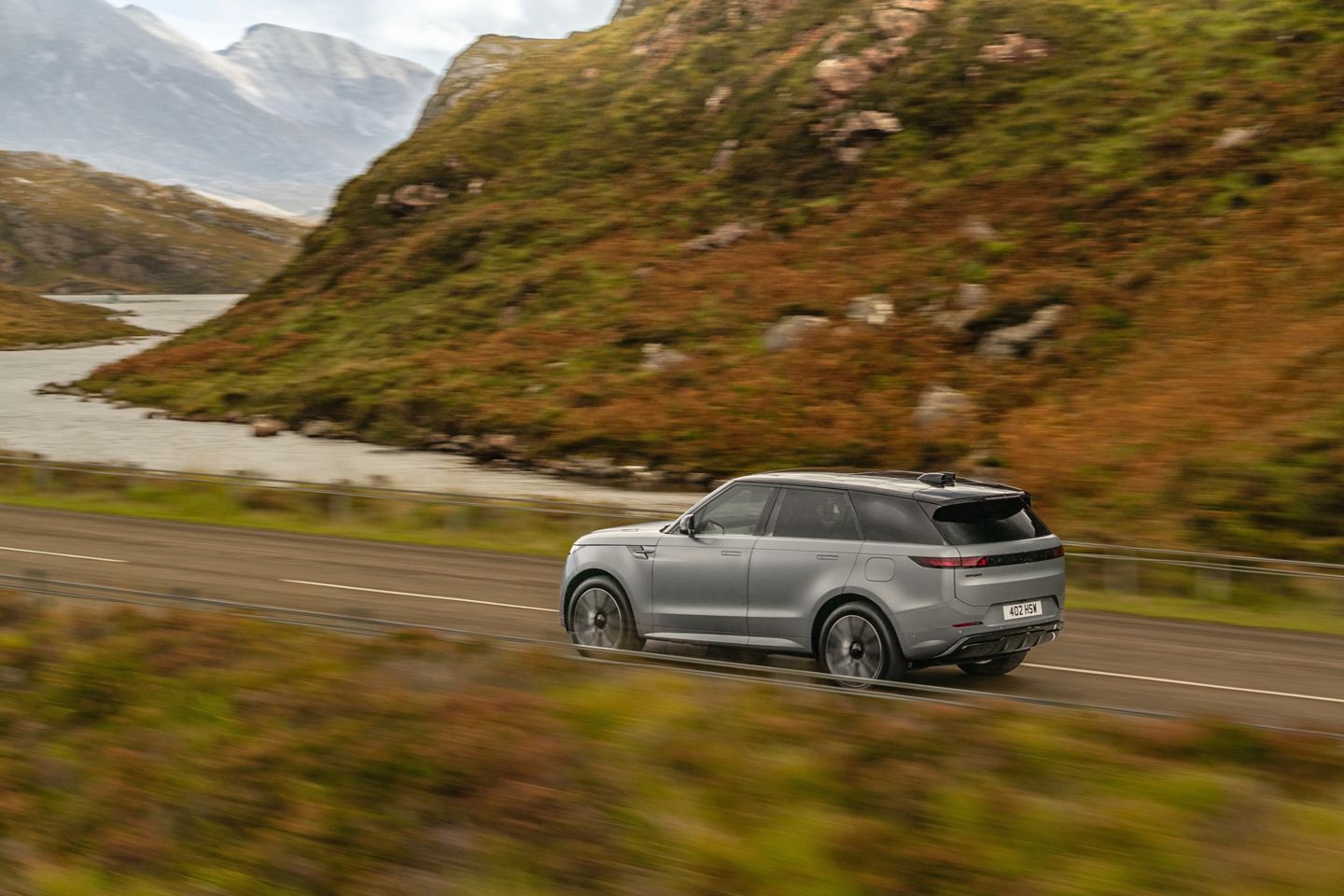
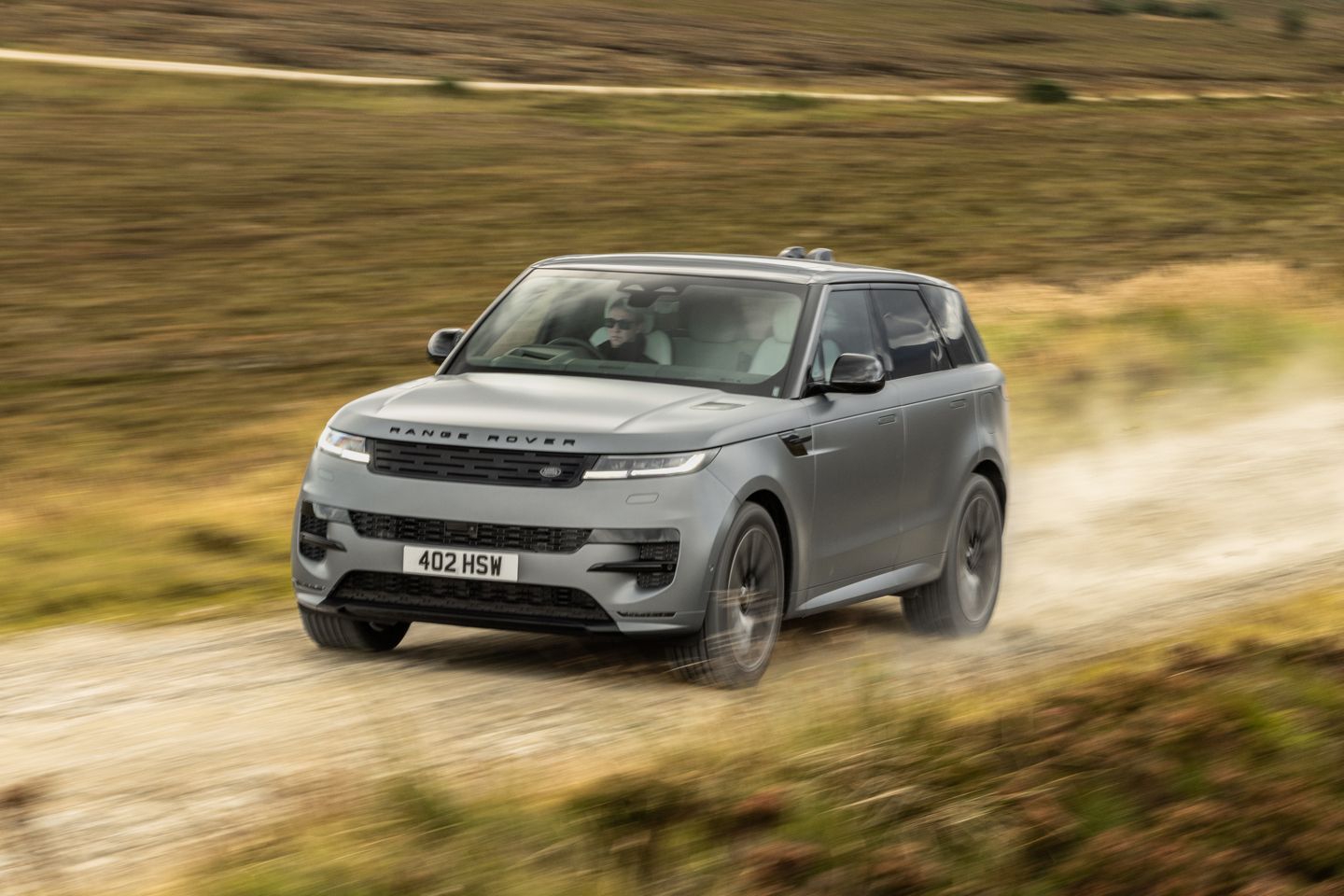
Again, Land Rover says it has modelled the Sport Electric on the V8 - specifically the P540 - and, as with the Range Rover, it has undoubtedly exceeded it in a number of aspects, not least because there is no engine perched high in the front end, nor a transmission to juggle. And yet, unlike in its sibling, where the silence is golden, it is the engine and transmission you eventually start to miss when really pushing on. For all the progressiveness of its accelerator pedal, and the head-rush of asking everything from the EDUs, the intrinsic thrill factor of a V8 in full flight remains notable for its absence in a car previously made better by hosting one.
But the provisos are obvious enough here, too. The Electric is not currently a replacement for big, multi-cylinder engines in the Sport, meaning Land Rover can reasonably point any customer to the P540 Autobiography (from £121,270) or full-fat SV (from £146,195) if they crave the missing ingredient that no cleverly engineered soundscape could adequately replace. For eight-tenths of the experience, they would possess arguably the inferior model. Though beyond that hazy red line, and in the long-running tradition of V8-powered Sports, a consistently goofier grin would be the payoff.
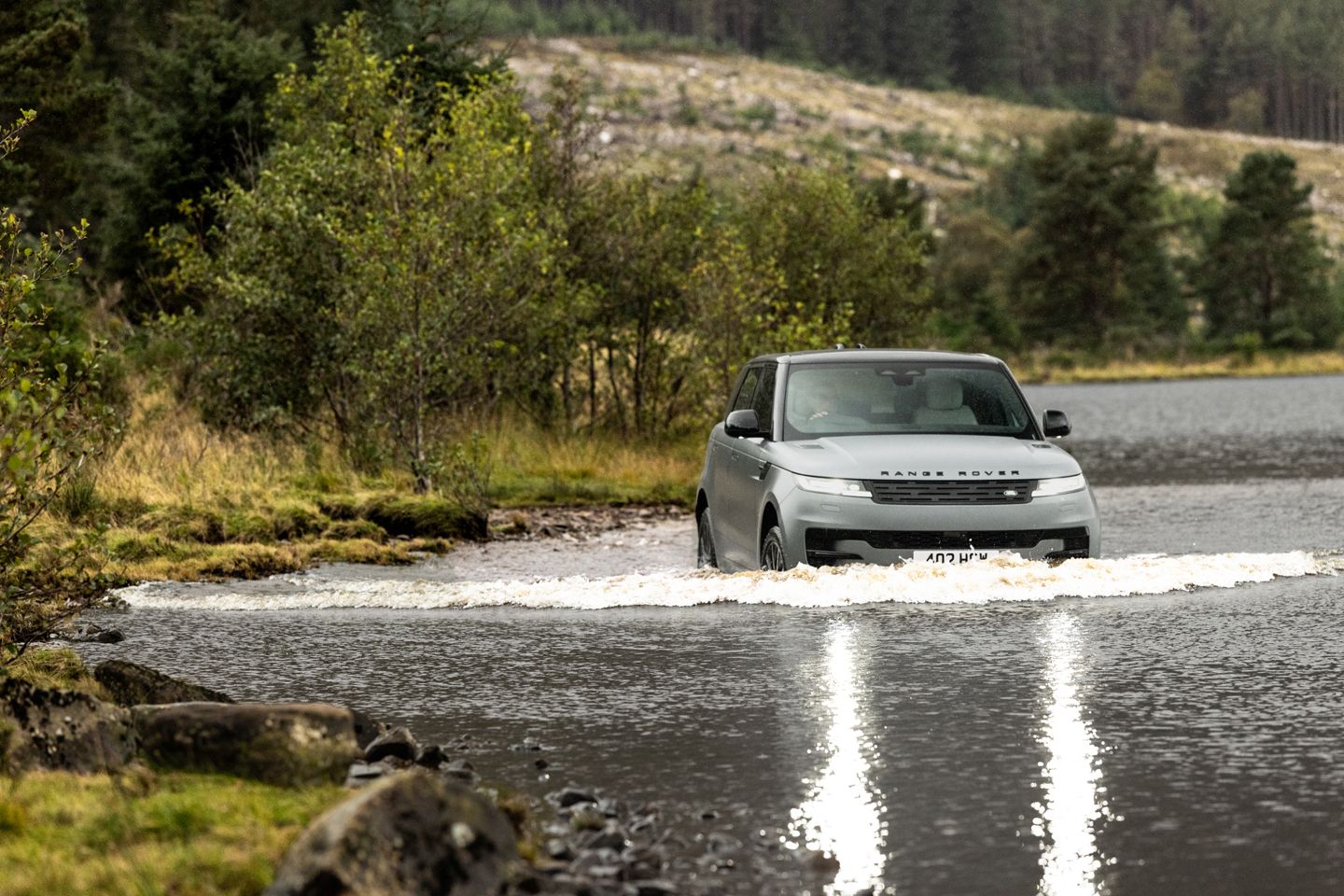
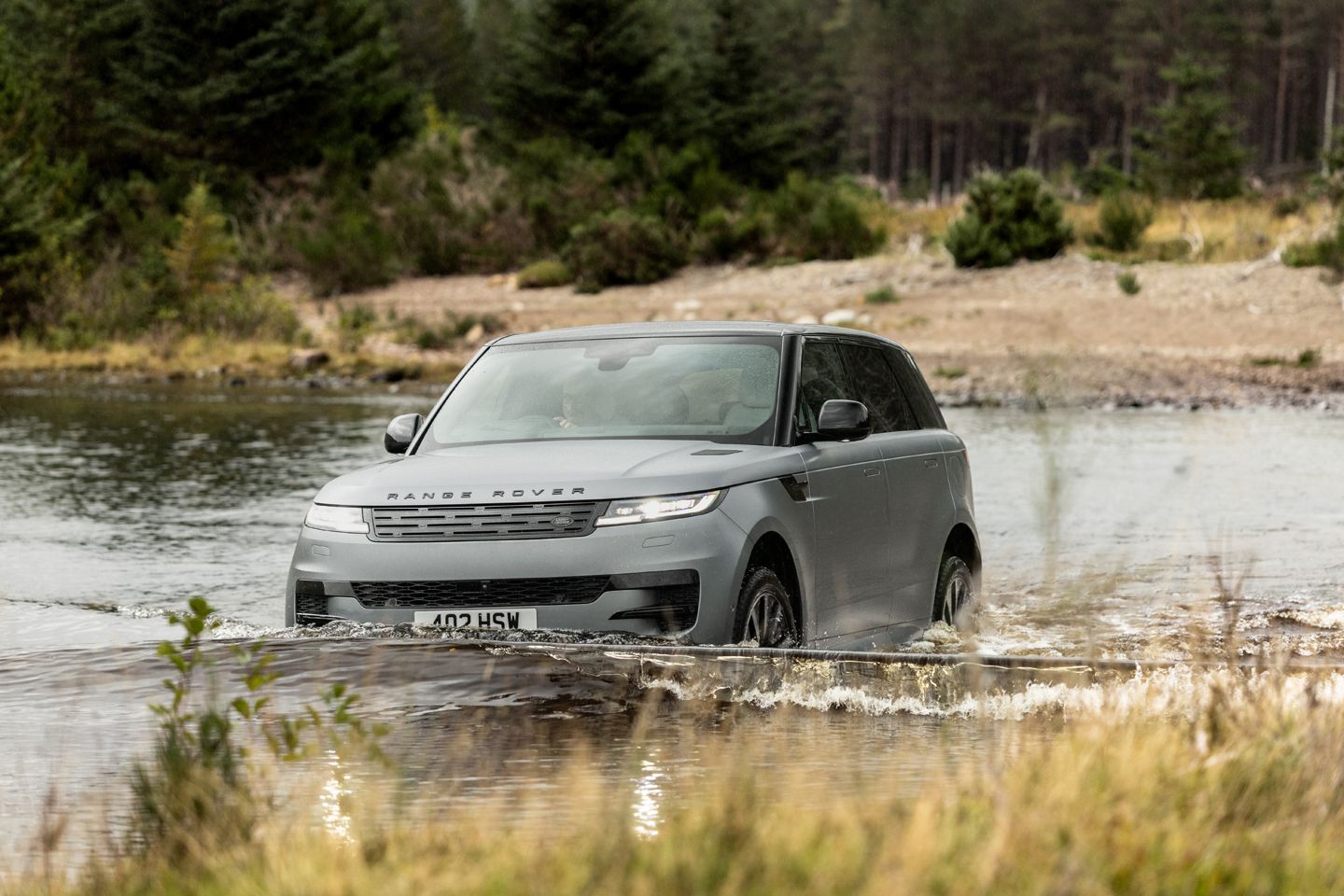
Certainly, they wouldn’t gain much additional value off-road, where, despite some issues on the day (full disclosure: our test car’s suspension declined to raise to its maximum height), the Electric proved itself no less adept at relentlessly plodding forward - albeit on a much less challenging course than faced the Range Rover. It too will wade 900mm, and shares the same familiar suite of terrain settings, which, if nothing else, still provide a useful point of differentiation from a host of battery-powered rivals that regard their all-terrain ‘utility’ status more as add-on than essential. Ultimately, it is against the likes of the Porsche Cayenne S Electric and the BMW iX5 60 xDrive, both handily cheaper, quicker and with greater claimed ranges, that the Sport will be judged. But already, on only the second day of its EV roll-out, Land Rover has laid down another prodigiously good marker.
SPECIFICATION | 2026 Range Rover Sport Electric EV550
Engine: Twin permanent magnet synchronous electric motors
Transmission: Single-speed, all-wheel drive
Power (hp): 550hp
Torque (lb ft): 627lb ft
0-60mph: 4.3 secs
Top speed: 124mph
Weight: 2,810kg (DIN)
Battery: 800V, 118.5kWh (useable) capacity
Range: 378 miles WLTP
Max DC charging: 350kW; 10-80% charge in 22mins
Price: £109,810 (starting Dynamic SE; £122,780, Autobiography; £126,290, First Edition)
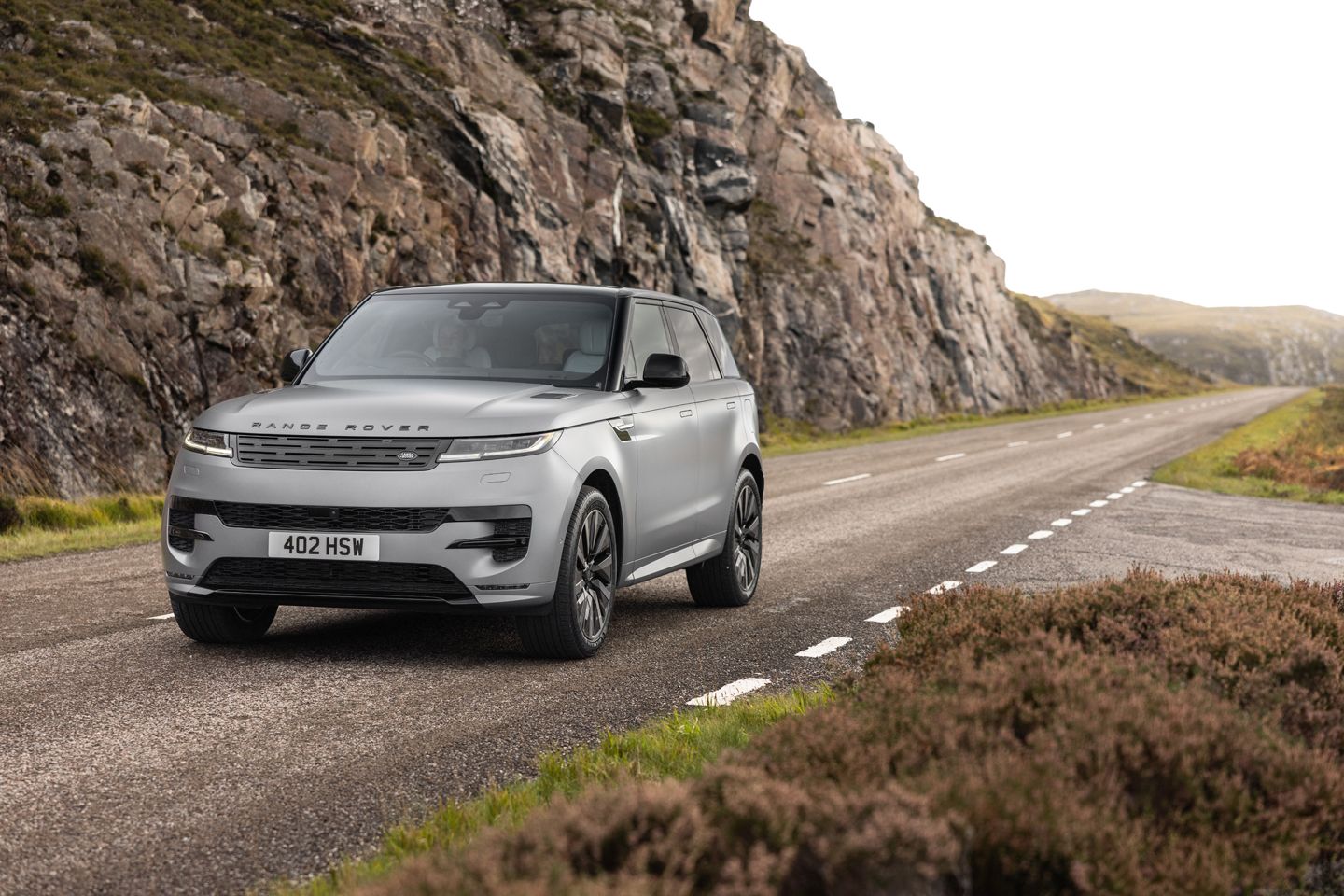
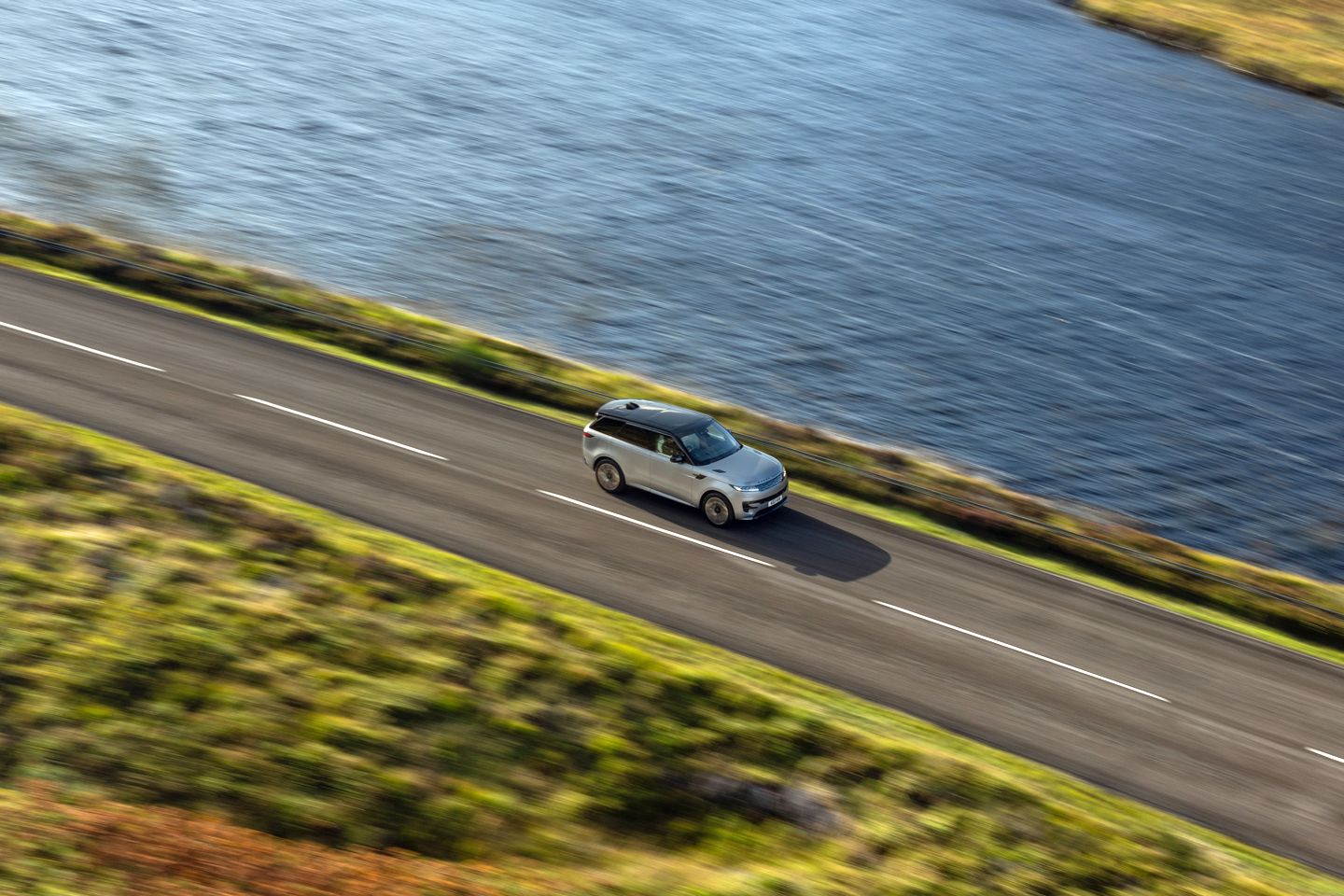
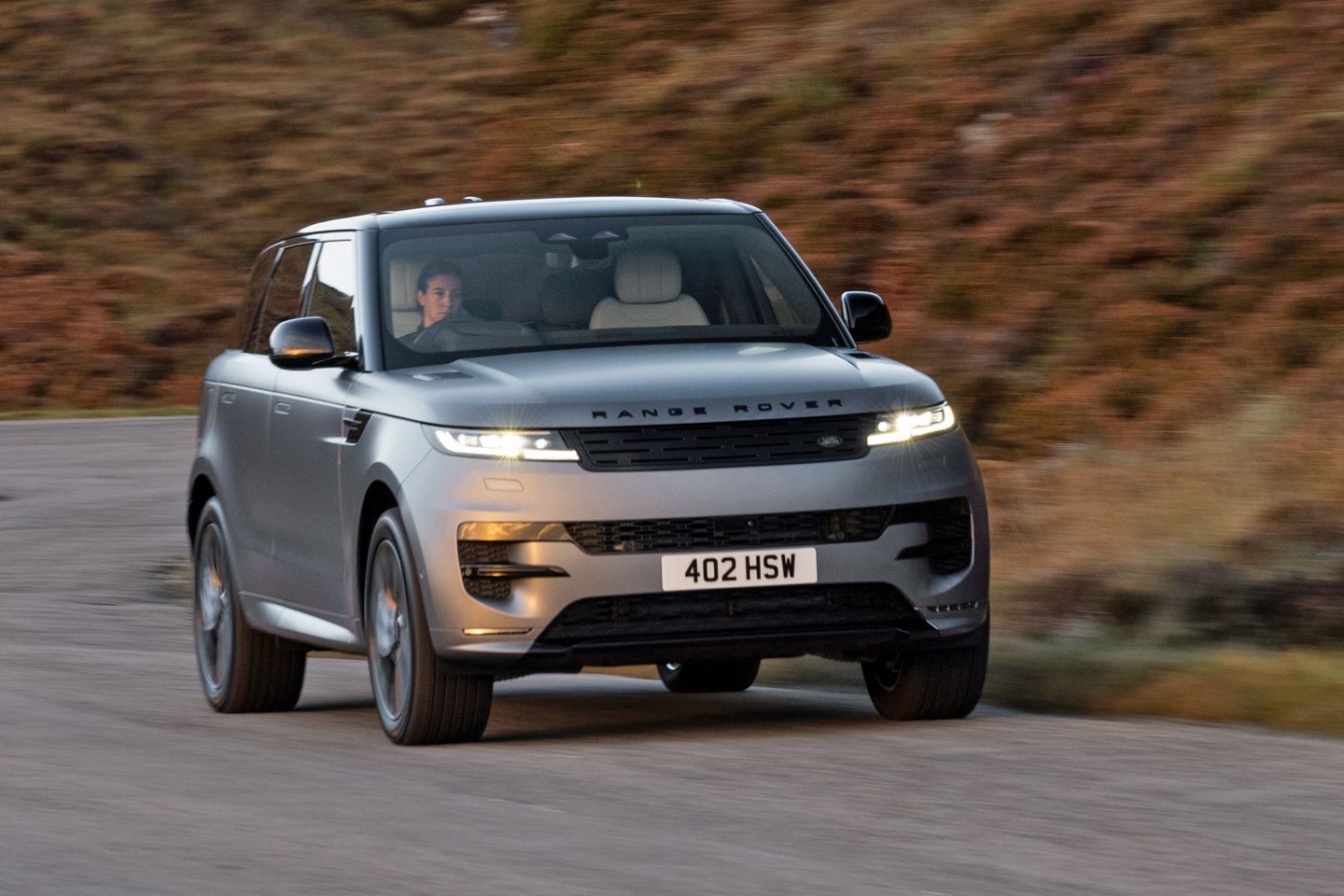
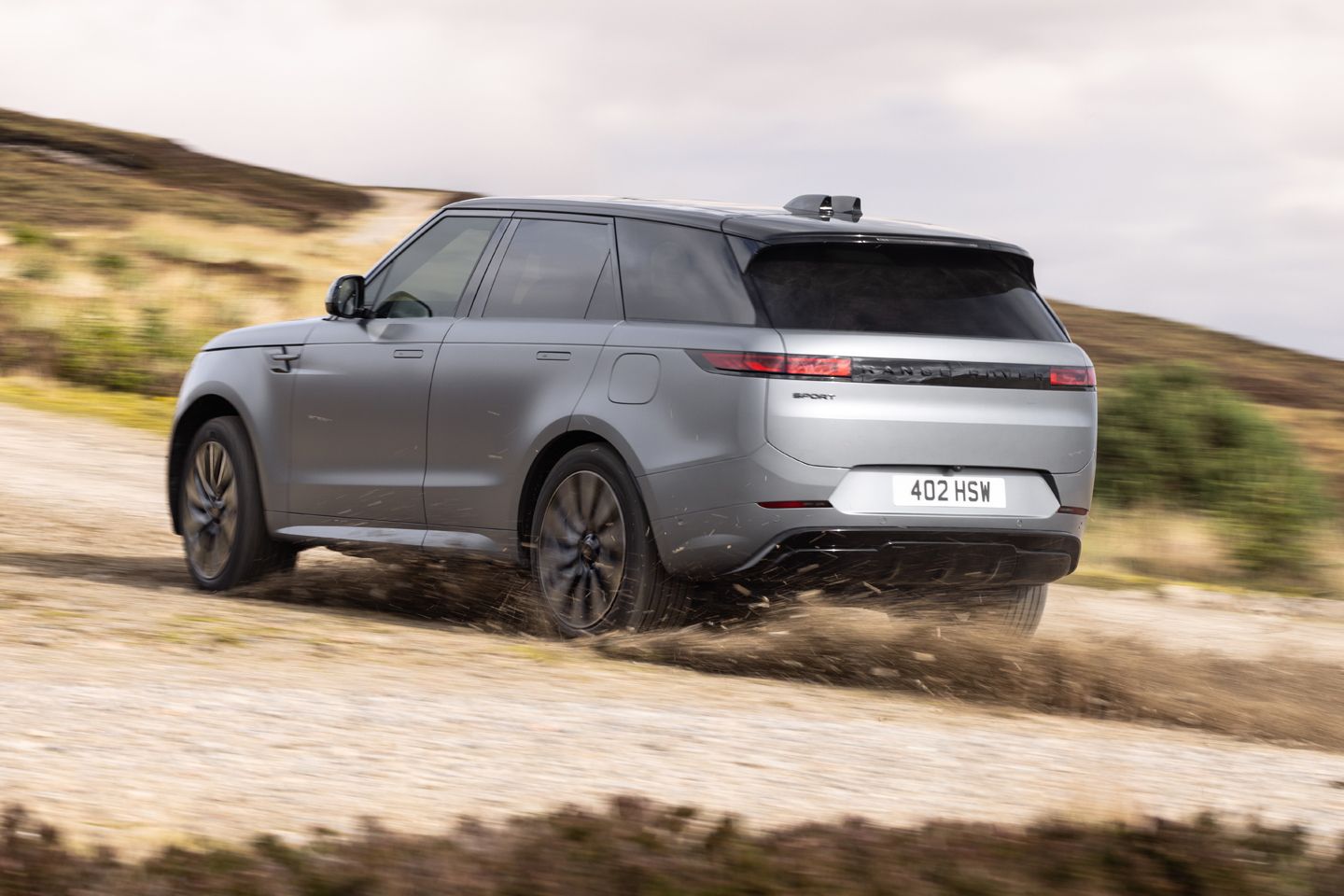


Full electric is going to be a great option for many people.
Full electric is going to be a great option for many people.
Also the BMW and VWs are a worst of both worlds where JLR products have that luxury off roader look and appeal.
As long as JLRs customer service meets expectations, they will do ok.
Full electric is going to be a great option for many people.
Or is your right to speed trump their right to road captain

The technology was there to really impress the market if it was launched in 2024. Hope it sells well even today, JLR cannot afford a blunder here.
Just saying.
And yes, it "needs" to be lighter, as you will use it for trackdays? Why does it "needs" to be lighter? First gen RRS was 2,5t with lowest engine. And it was much smaller car. And much much slower. And mpg was not good.
Gassing Station | General Gassing | Top of Page | What's New | My Stuff