
Rimac Nevera doesn't leave us cold
Most buyers probably won't take their 1,900hp EV into the snow, but it's nice to know they can...

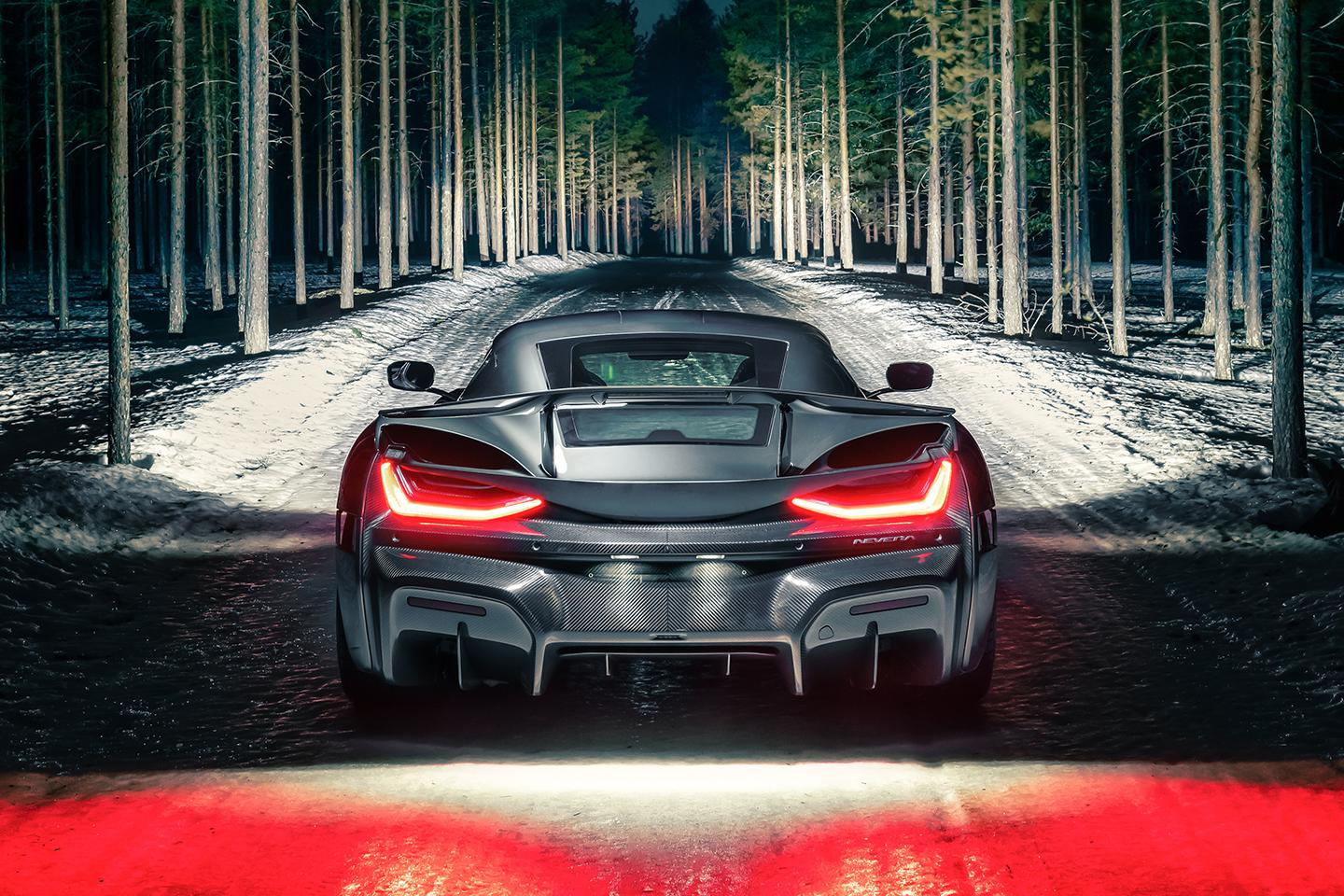
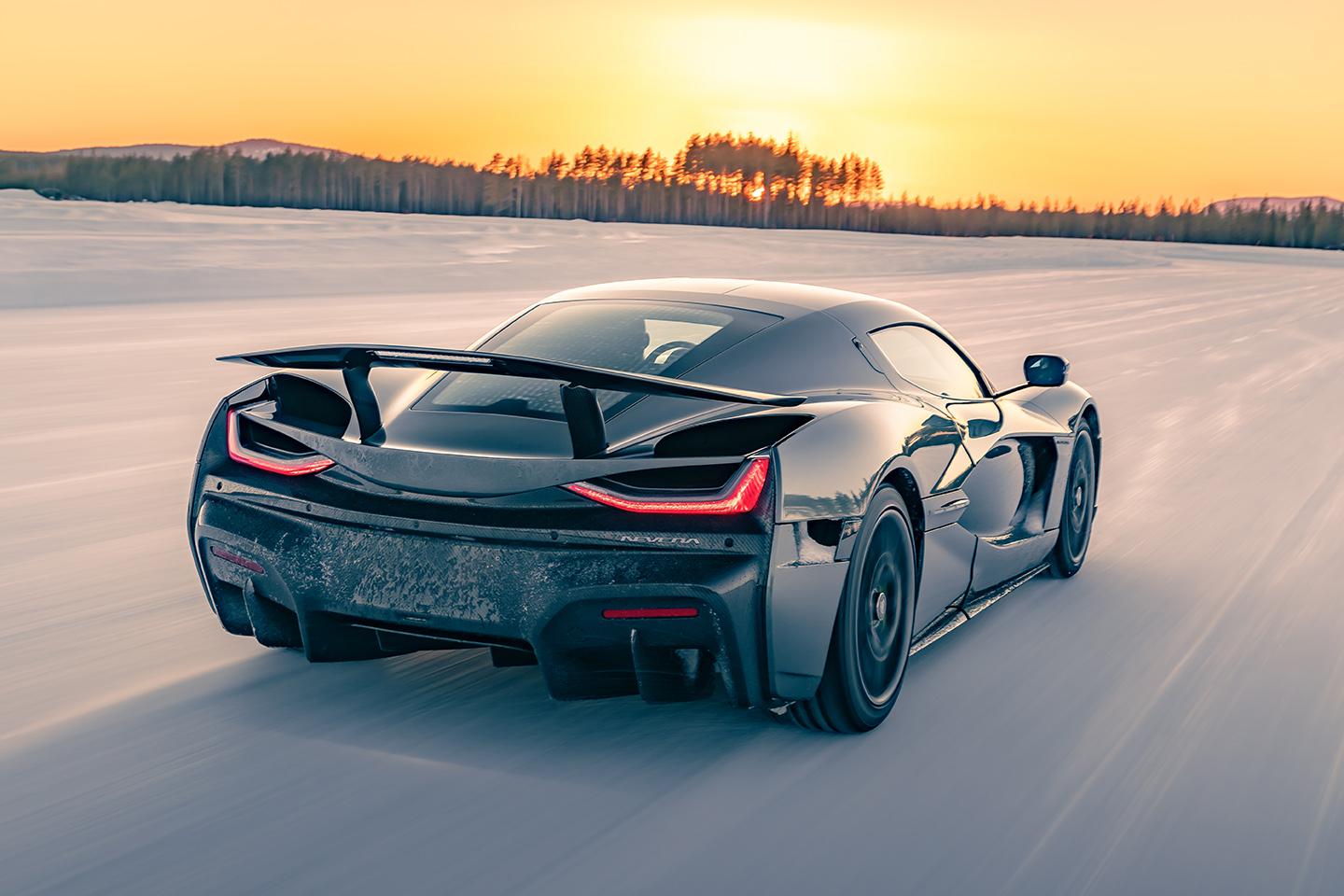
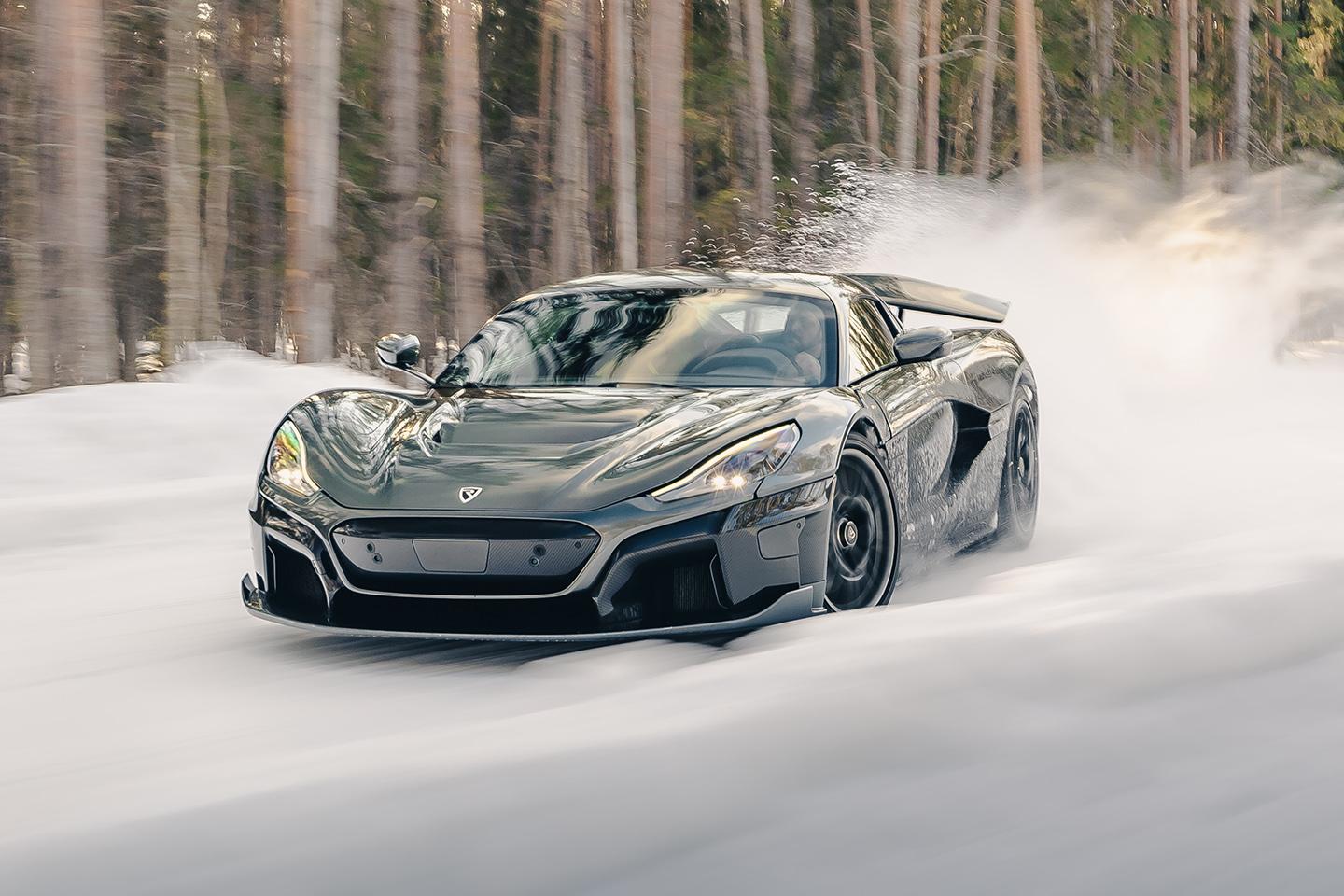
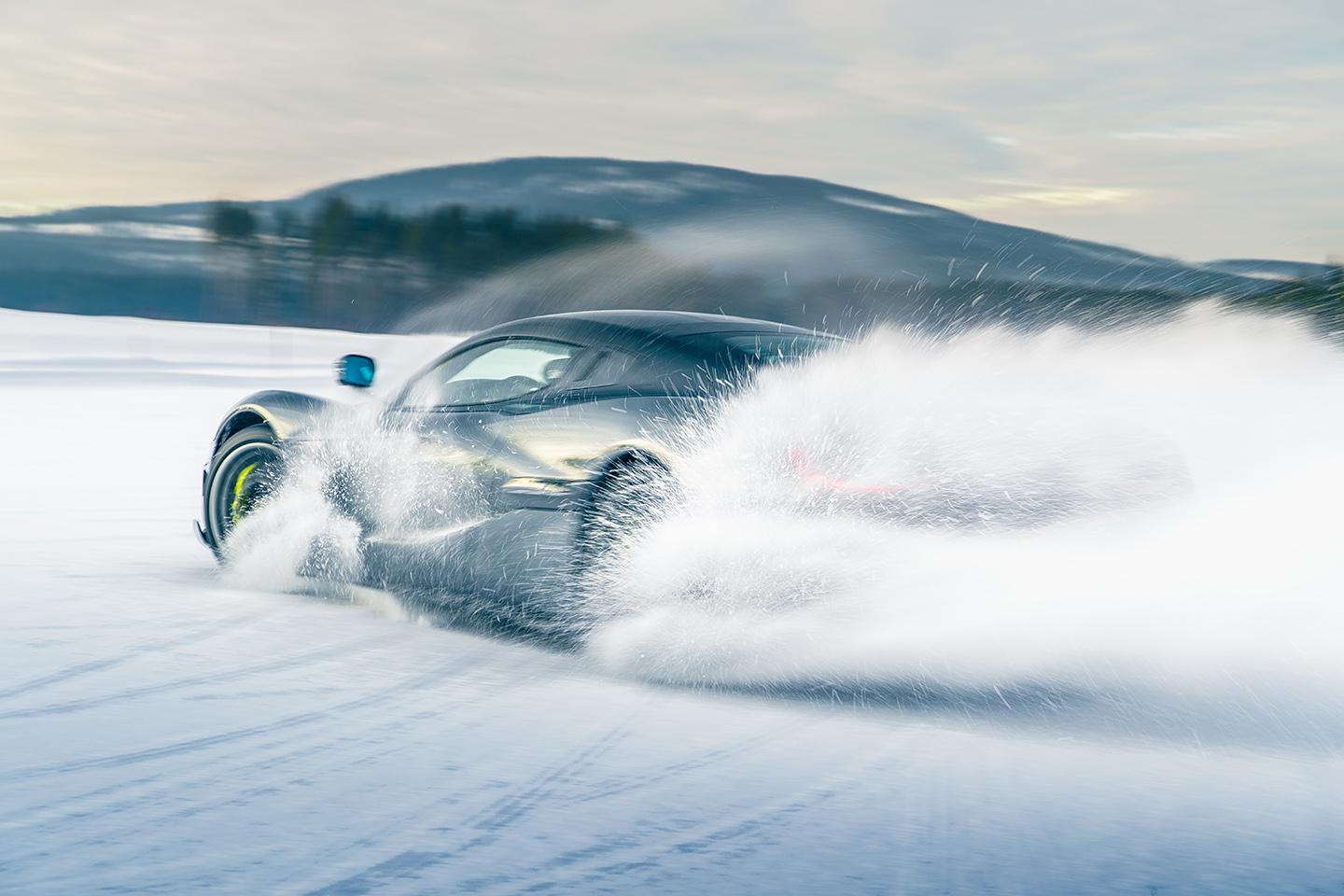
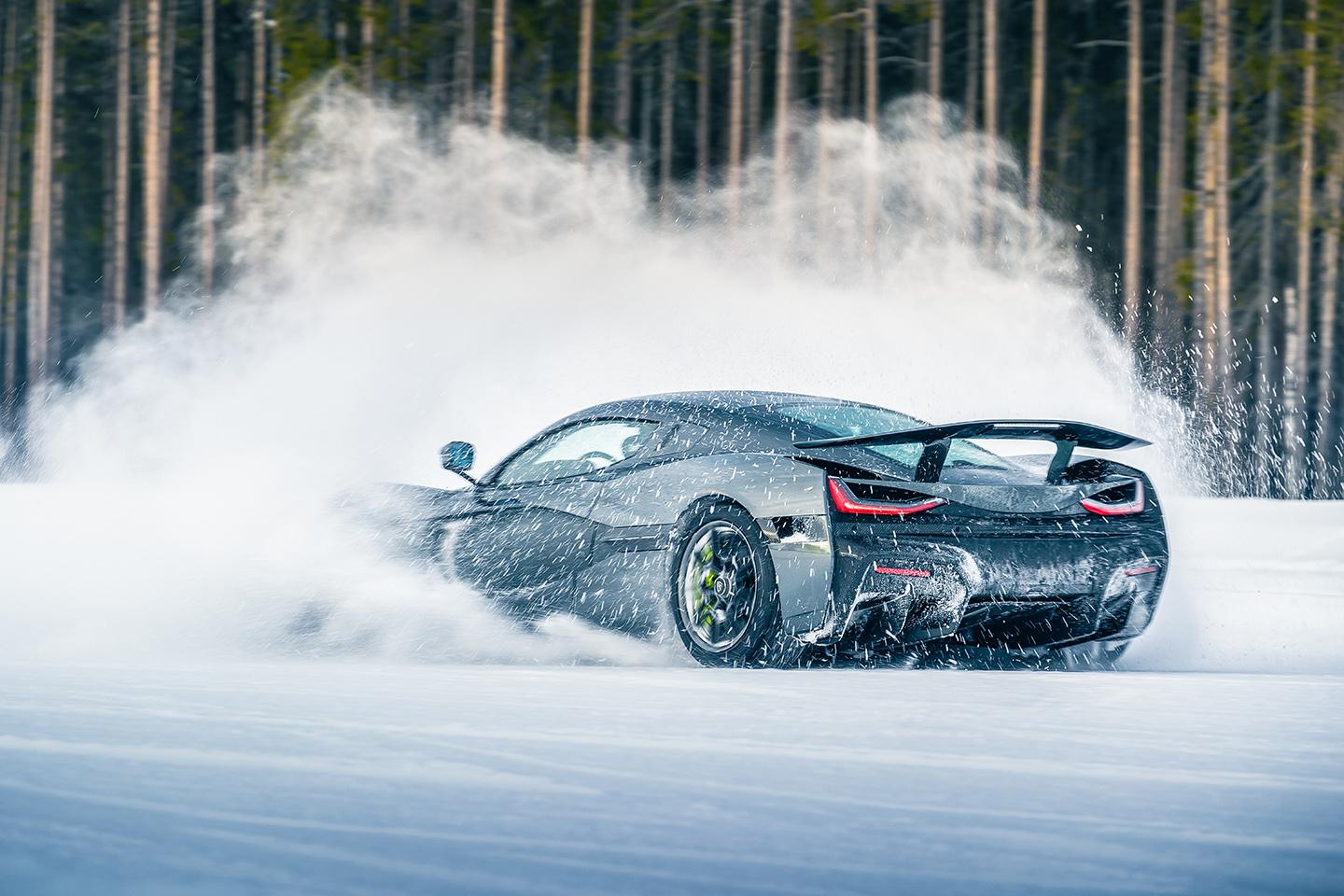
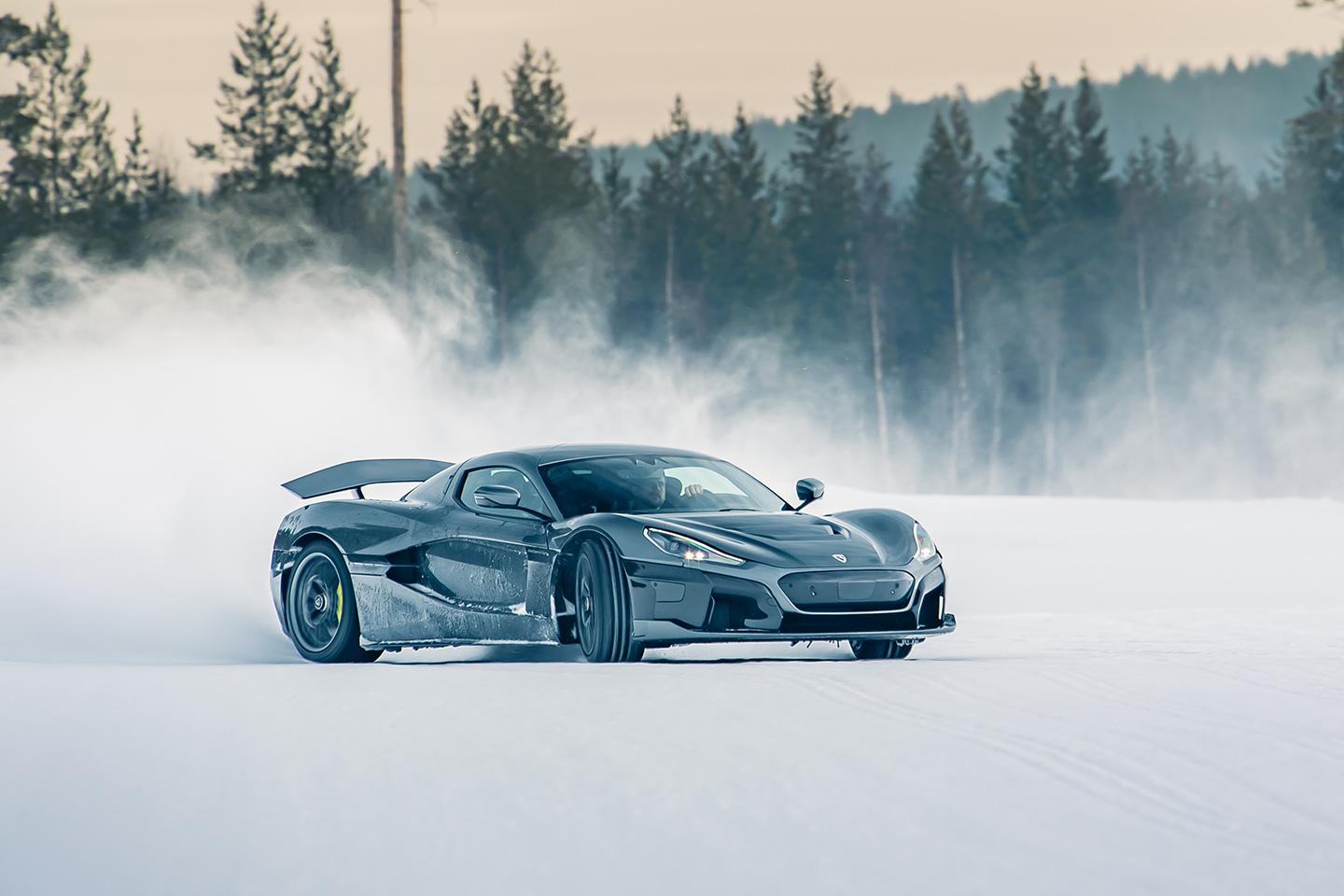
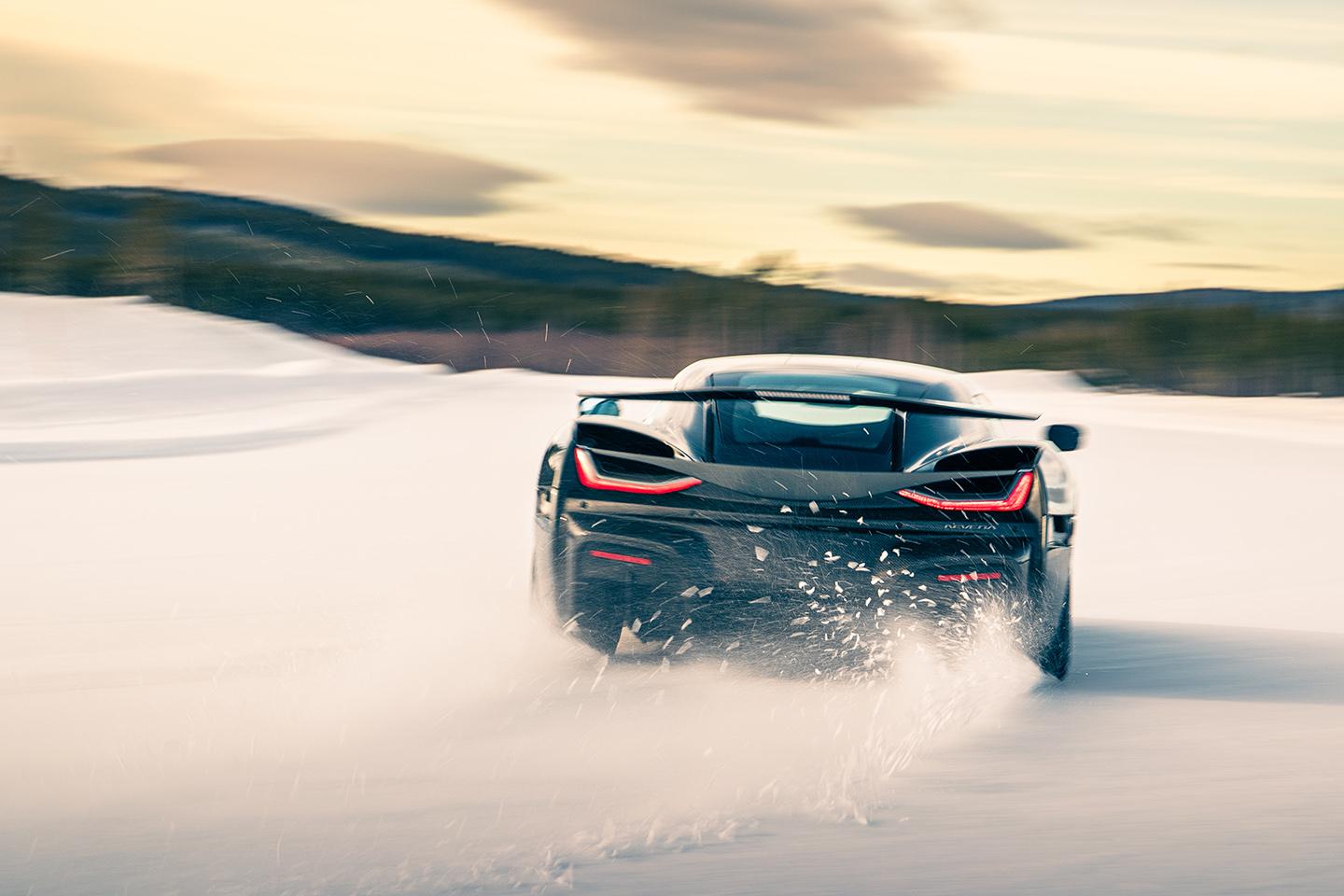
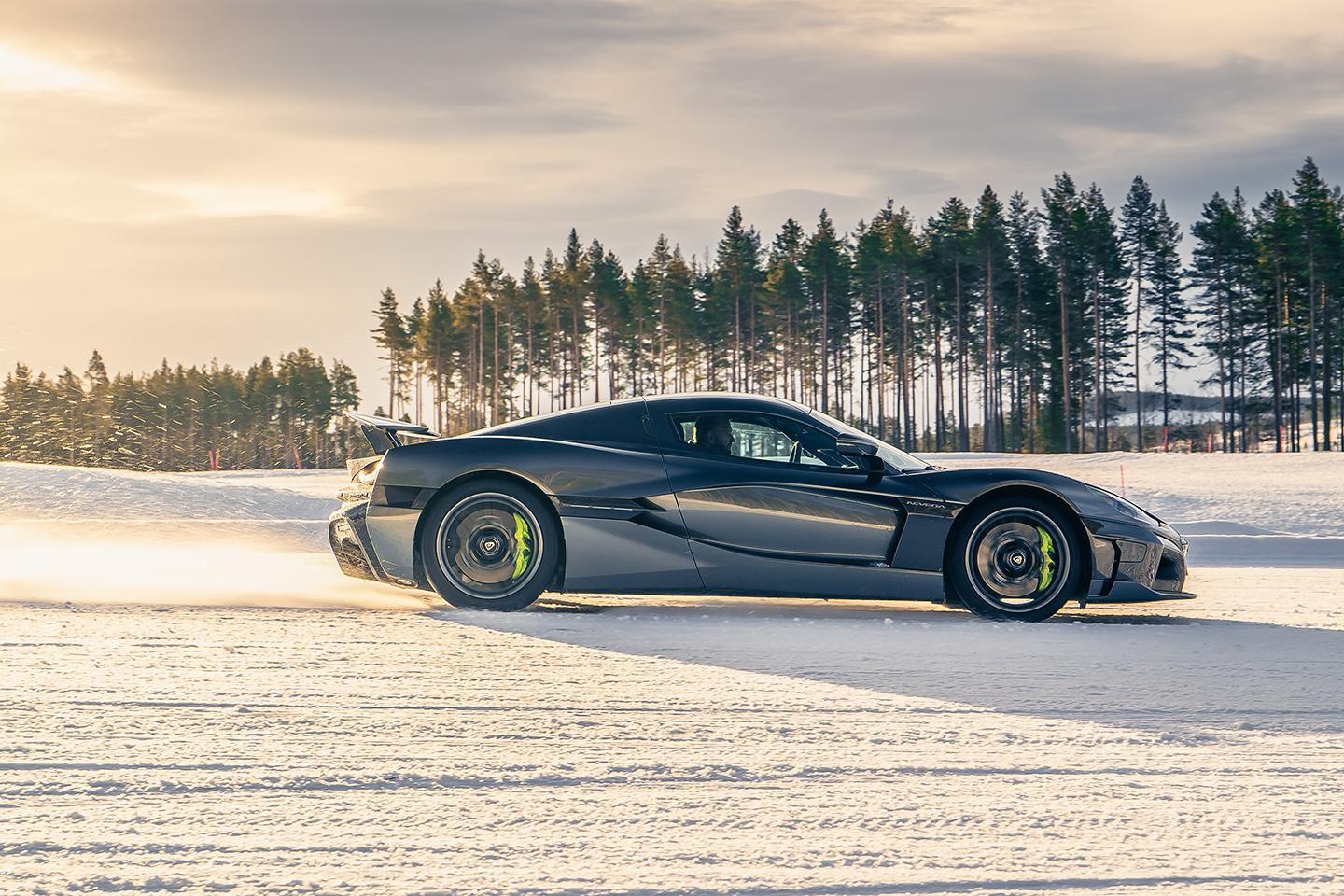
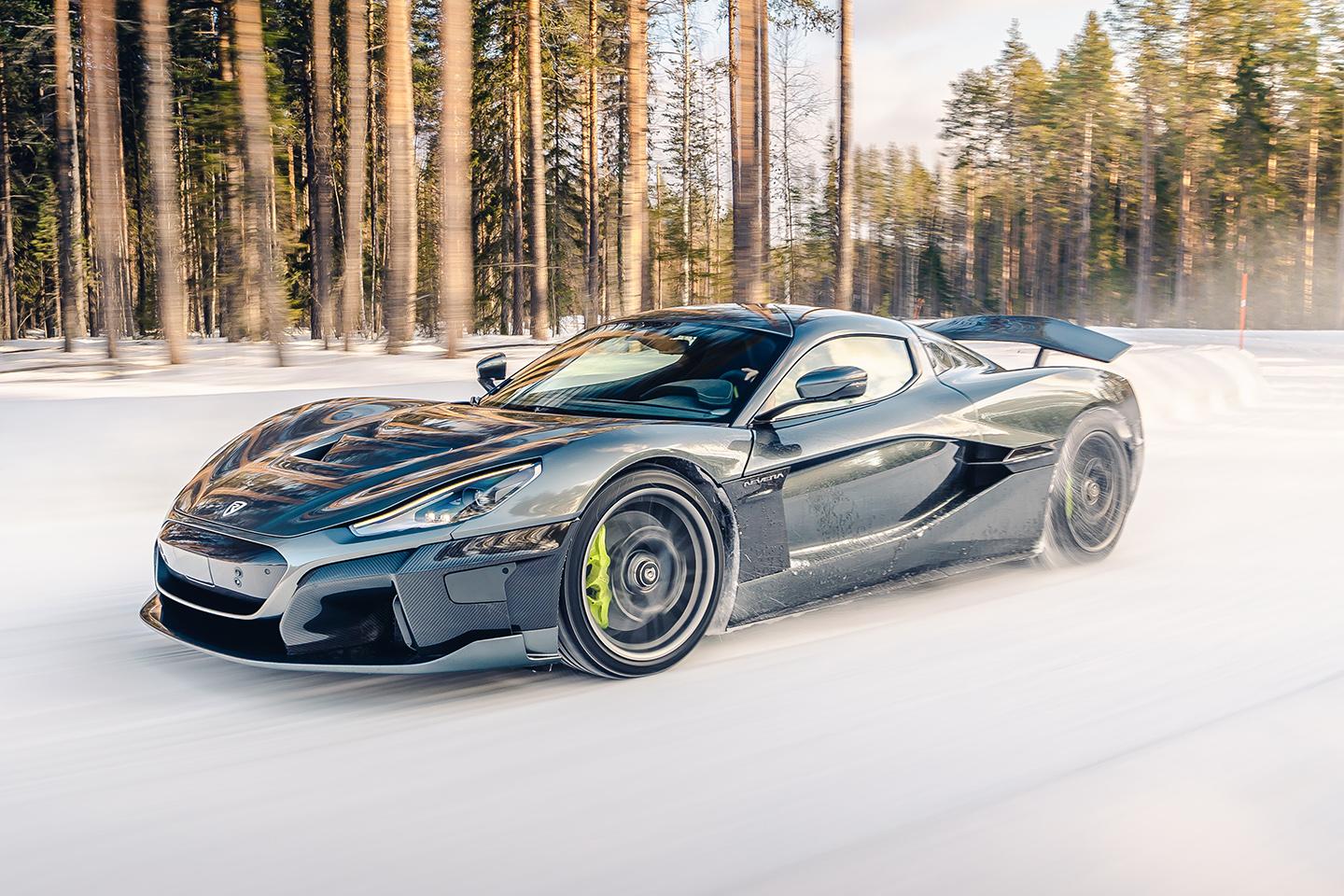
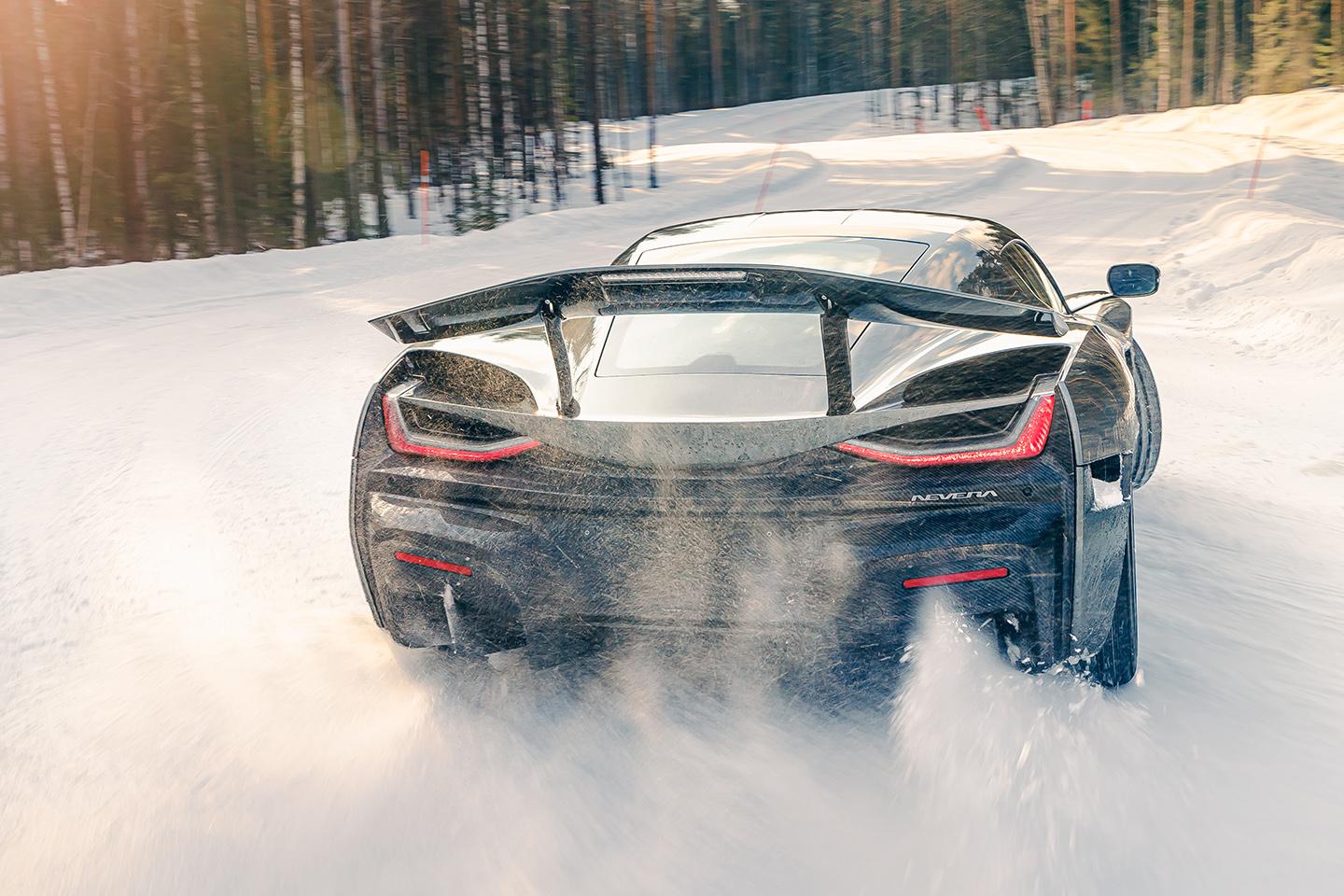
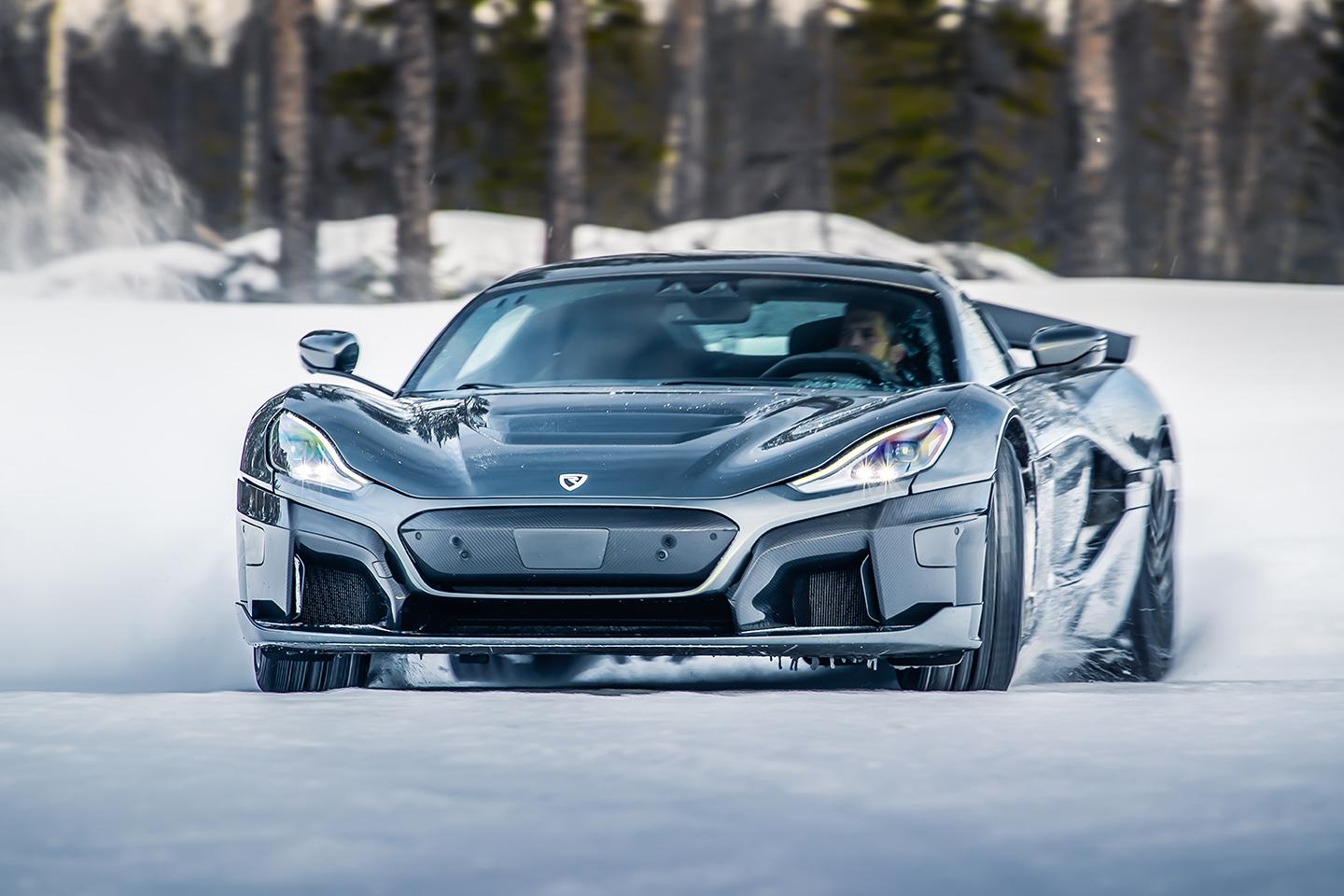
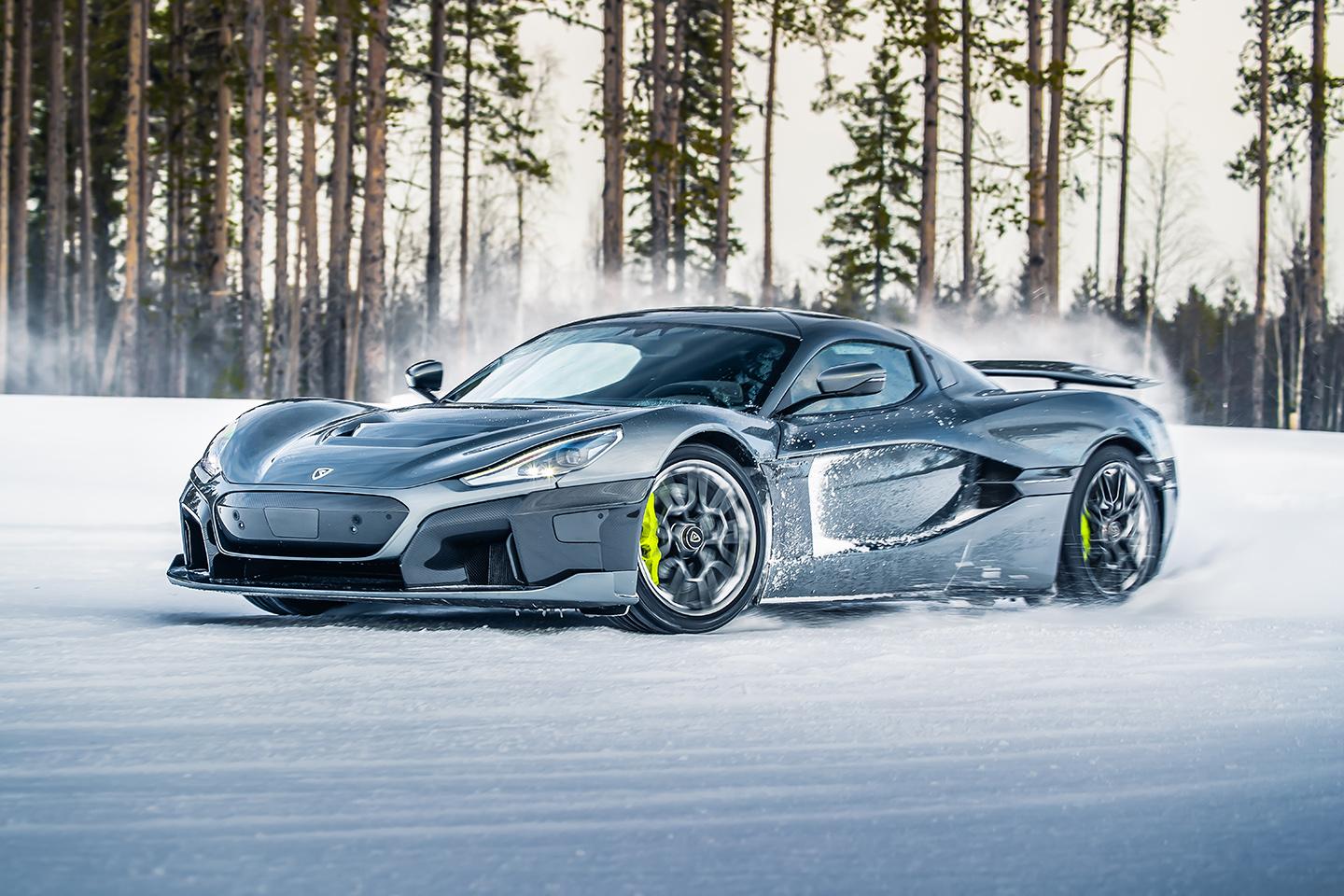
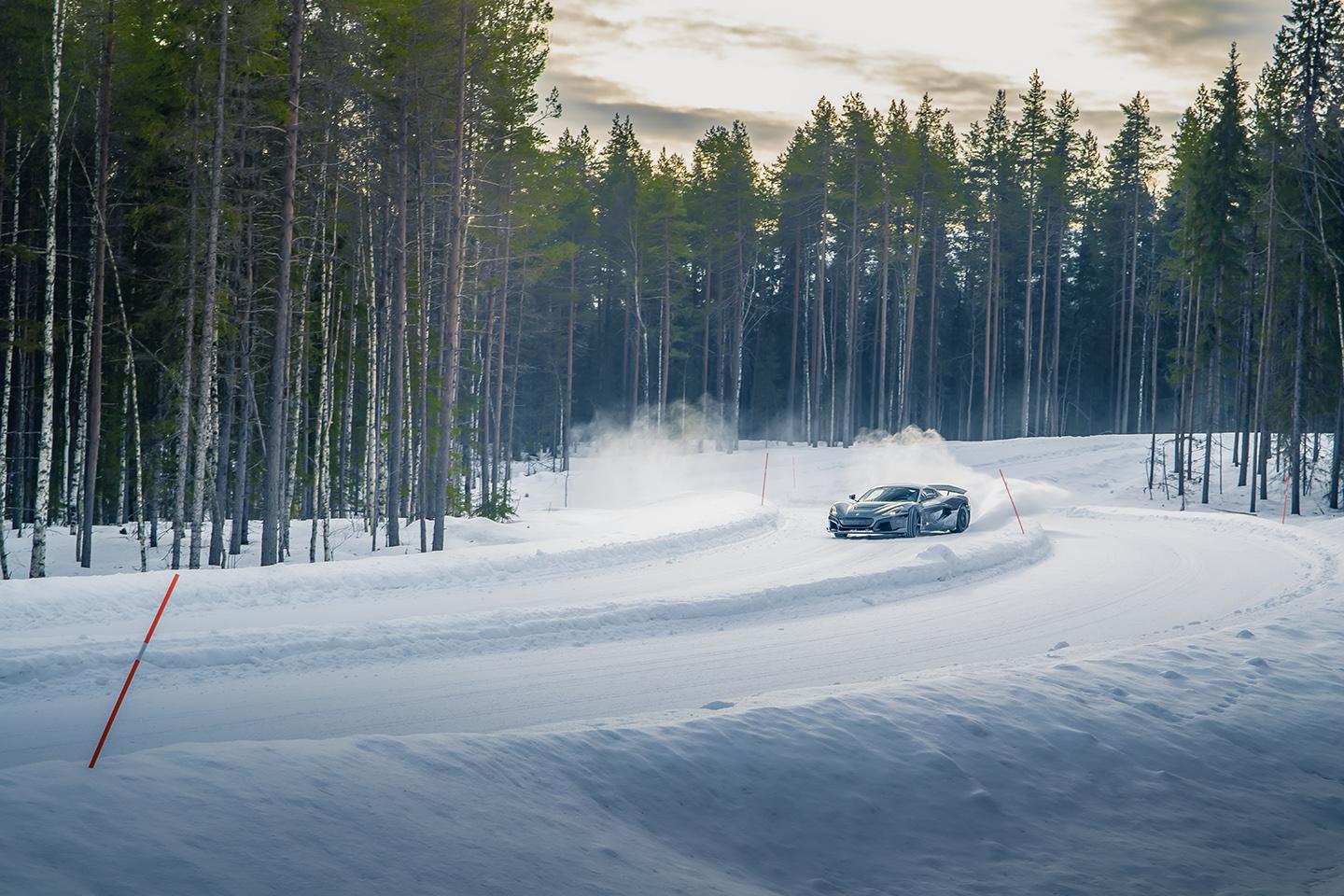
Winter testing isn't typically a glamorous affair, with hard-worked prototypes driven to destruction in far-flung (and flipping freezing) corners of the earth. Seemingly nobody told Rimac, however; as part of final sign off for the Nevera's ESP, ABS and torque vectoring, the 1,914hp EV has been tested at Pirelli's 'Sottozero Centre' in Sweden, and at the same time been photographed in spectacular fashion. No creeping about in the snowy sludge here - this looks about as appealing as winter testing gets. That some of it had to happen at night because temps were to warm during the day only makes the spectacle cooler (no pun intended).
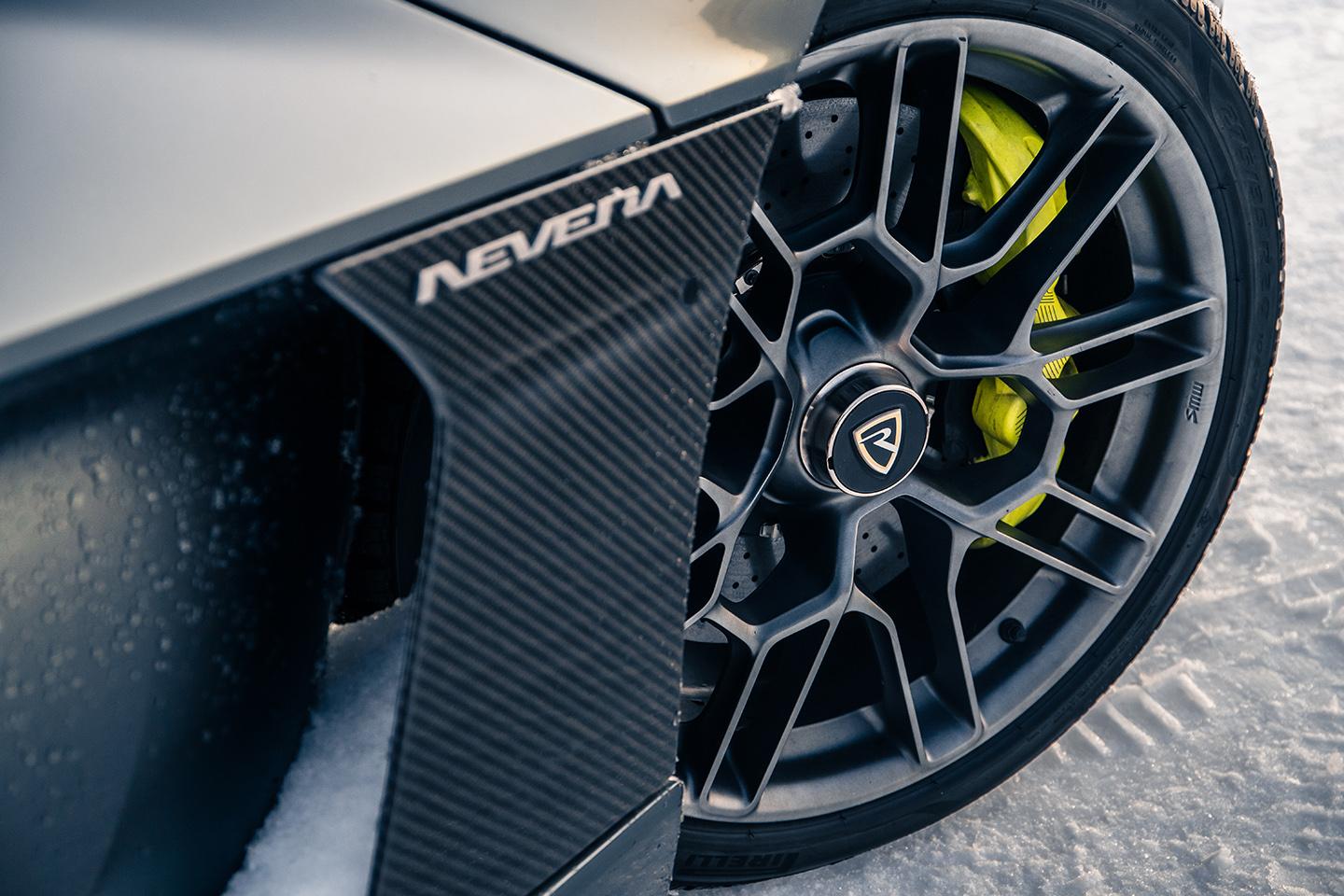
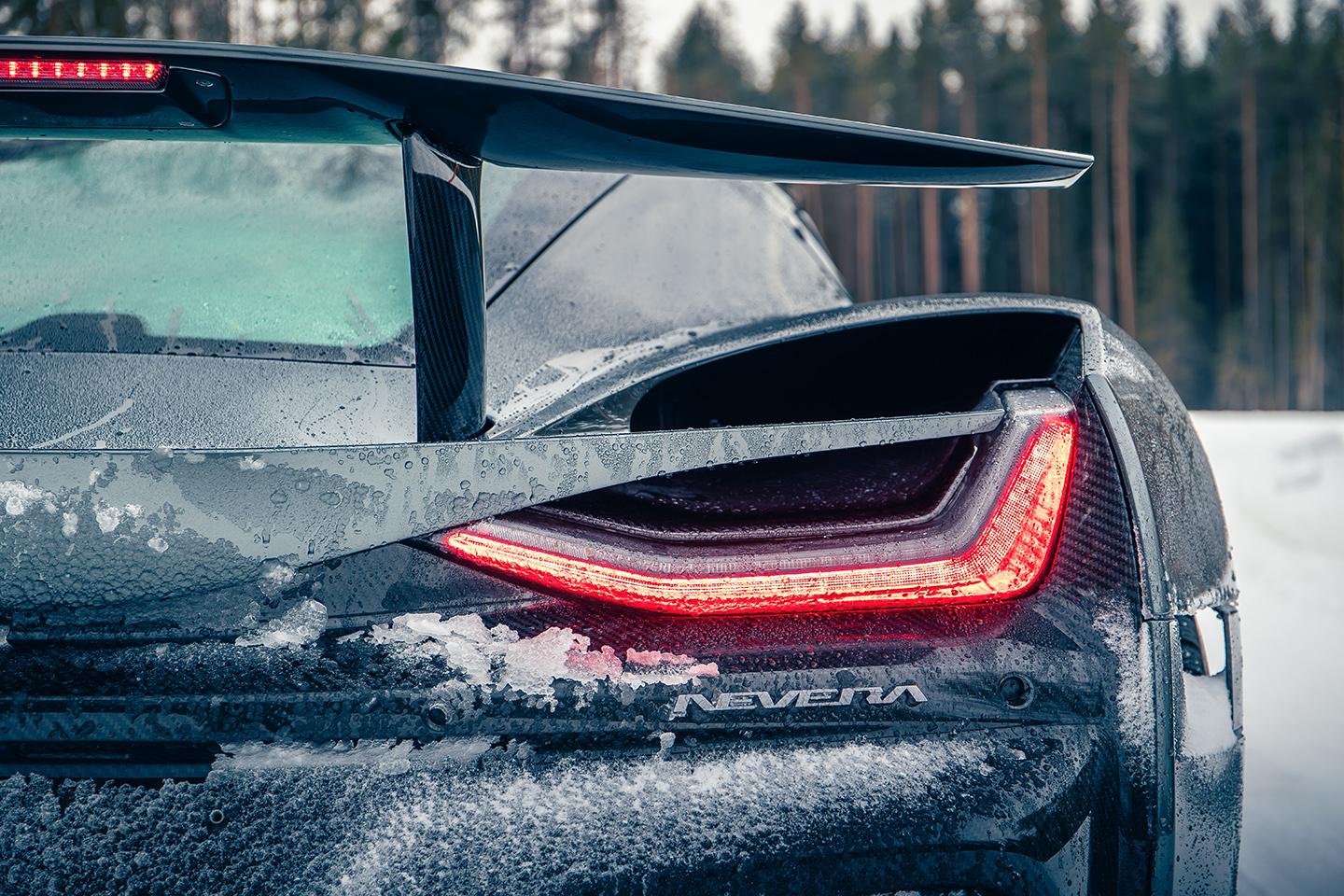
Of course, prior work with less pristine cars has clearly been in motion for awhile - and this surely isn't representative of customer use - but nothing quite gees up enthusiasm for a new car like silly, snowy powerslides. It's easy to be cynical about 2,000hp EV hypercars, but who wouldn't want a go in this? There was more to the Swedish sojourn than merely killer snaps for the 'gram, too, as Rimac used the opportunity to test the Nevera's winter tyre option. Unsurprisingly given the location, it's a Pirelli P Zero Winter, to go alongside the standard Pilot Sport 4S. Pirelli's involvement with tyre development is shown by a marking on the sidewall. So if any of the 150 Nevera buyers want to use their car year round, they'll have all the tools required at their disposal...
Miroslav Zrn?evi?, Bugatti Rimac Chief Test and Development Driver (fantastic job title, btw), said: "Testing on a low grip surface like this allows us to make consistent and accurate observations on how our systems are performing in low temperatures. Things happen much more slowly than they would do on asphalt, and we have nice, even, smooth handling tracks so we know the data we get isn't affected by surface imperfections or temperature swings. After these two weeks of testing, we're happy to see exactly the results we wanted to achieve."
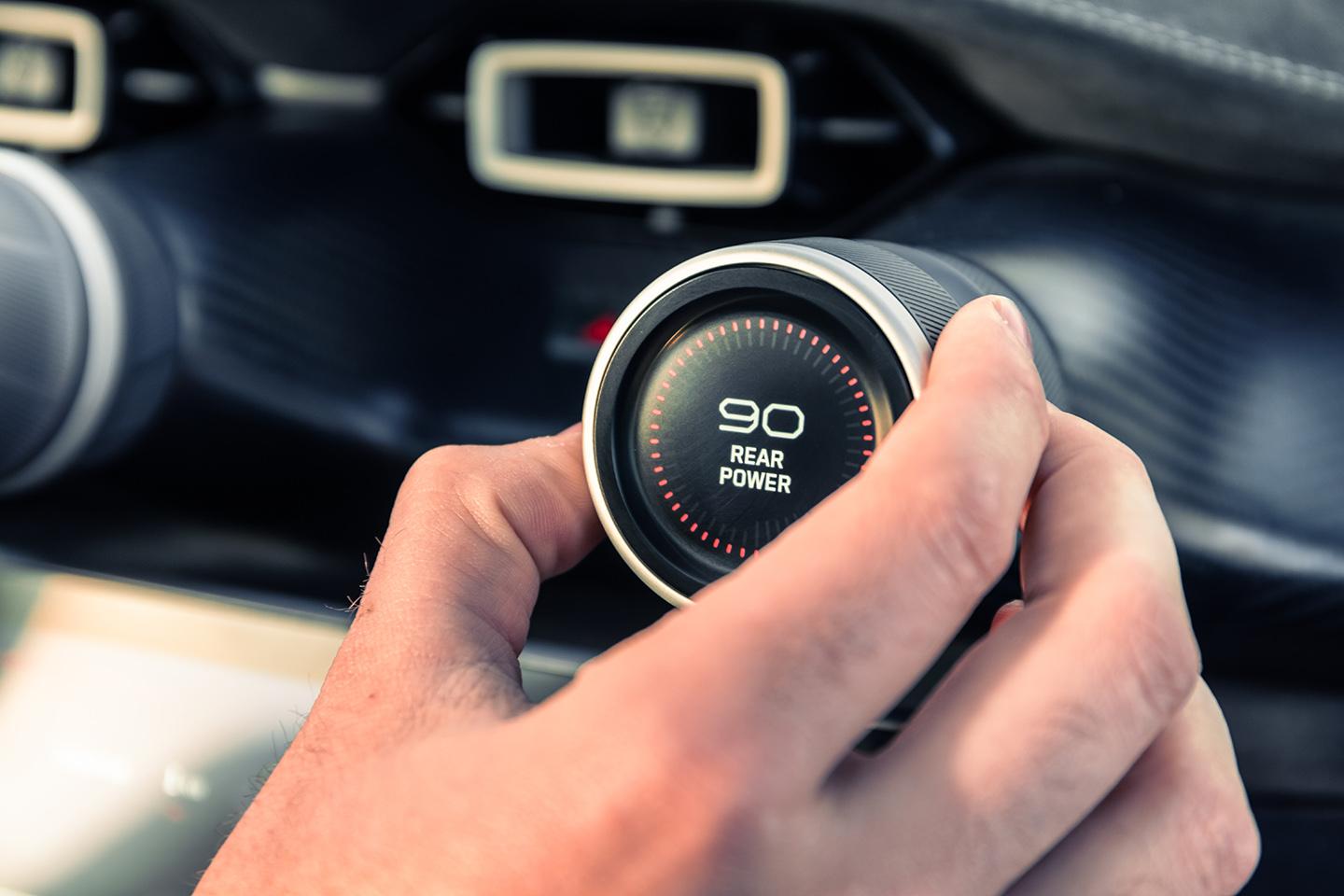
Mate Rimac himself added that the test was useful for "the final 0.1 per cent of polish" to the car, ahead of imminent deliveries. He said the car "performed at 100 per cent throughout" the two weeks at minus fifteen - though there was no comment on what the temperature (and the hooning about) did for the Nevera's claimed 340-mile range. More encouragingly, Rimac said that his aim for the car and the testing time - "creating a rewarding, but safe, drive in a 1,914hp car with four independent electric motors while also building a chassis that delivers delicate on-the-edge adjustability" - has been achieved. Which certainly sounds exciting. It's only a couple of months now until customers get to experience all that for themselves - though maybe start on the black stuff first, eh...



Guess that's the only way they can justify expensive supercar EV's

I did a 50 mile journey in my polestar on Saturday with the heating turned up and the heated seats on - it reduced my range by 100 miles.
I typically now drive in a coat in the heater is pretty useless and eats the range big time. Which is why they suggest you preheat the car while it is still plugged in
Guess that's the only way they can justify expensive supercar EV's
I did a 50 mile journey in my polestar on Saturday with the heating turned up and the heated seats on - it reduced my range by 100 miles.
I typically now drive in a coat in the heater is pretty useless and eats the range big time. Which is why they suggest you preheat the car while it is still plugged in
50 miles at an average speed of 40mph is 75min (4500 seconds)
Your polestar probably does around 3 ml/kWh, so 100 miles of range is 33 kWh.
33 kWh used in 4500 seconds is an average power of 7.2kW
You car would be on fire is you had contnuously pumped 7.3kW into the cabin! (and the cabin heater isn't actually that powerful)
(heated seats are around 150 watts each at peak, but fall to around 75w once up to temp)
Typical cabin air heating loads in the Uk sit at around 5 kW for an inital period of about 20 min, then fall to around 2 kW to maintain that temperature. You 75 min journey therefore will have used approximately 3.8 kWh, or about the energy needed to move your car 1.3 miles
If you the range displaid fell by 100 miles then this was due to other factors (such as battery temperature, driving style, ambient conditions, average speed etc)
Forums | General Gassing | Top of Page | What's New | My Stuff