
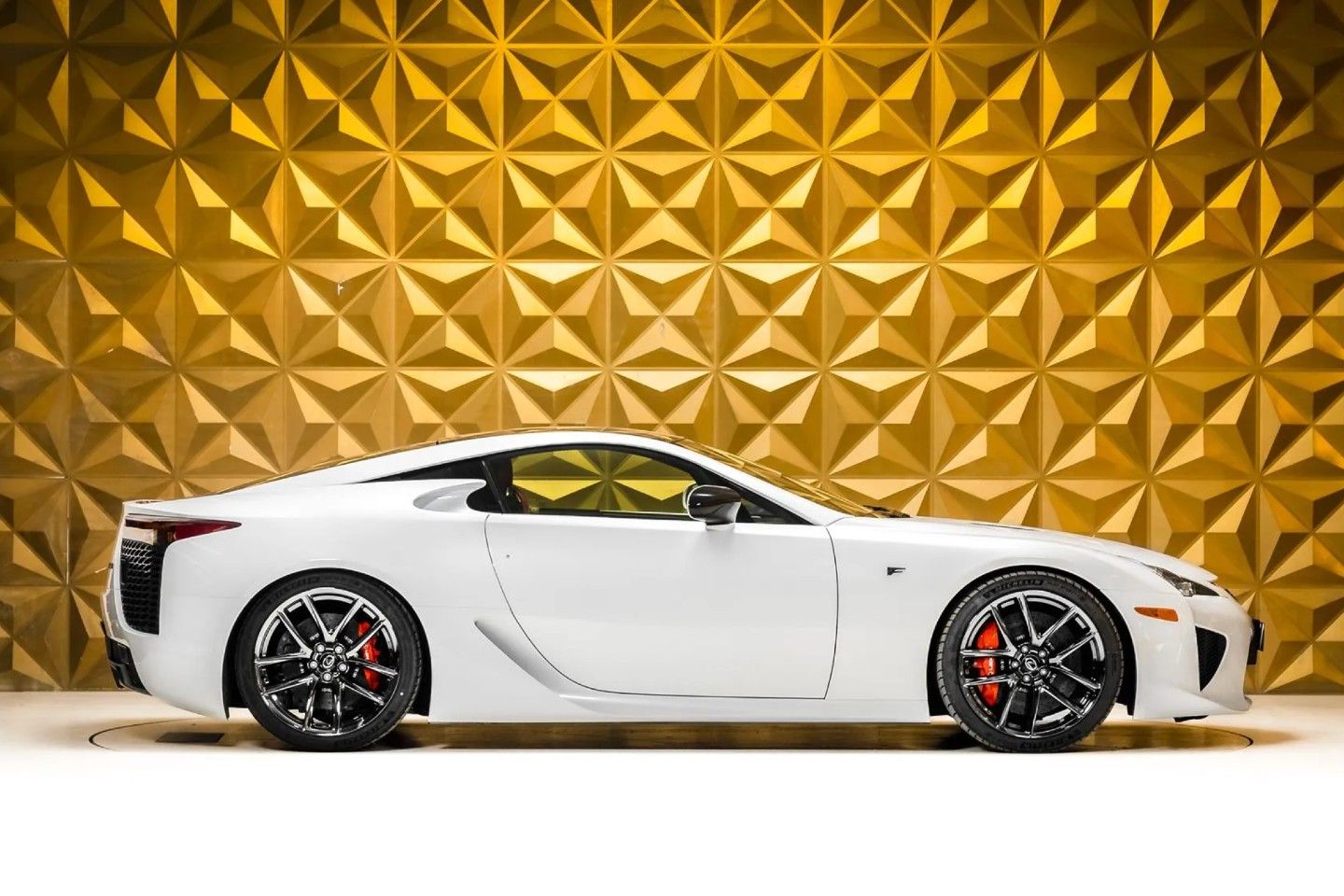
Sublime Lexus LFA for sale
There's no such thing as a sensible million-pound supercar. But the LFA comes closer than most

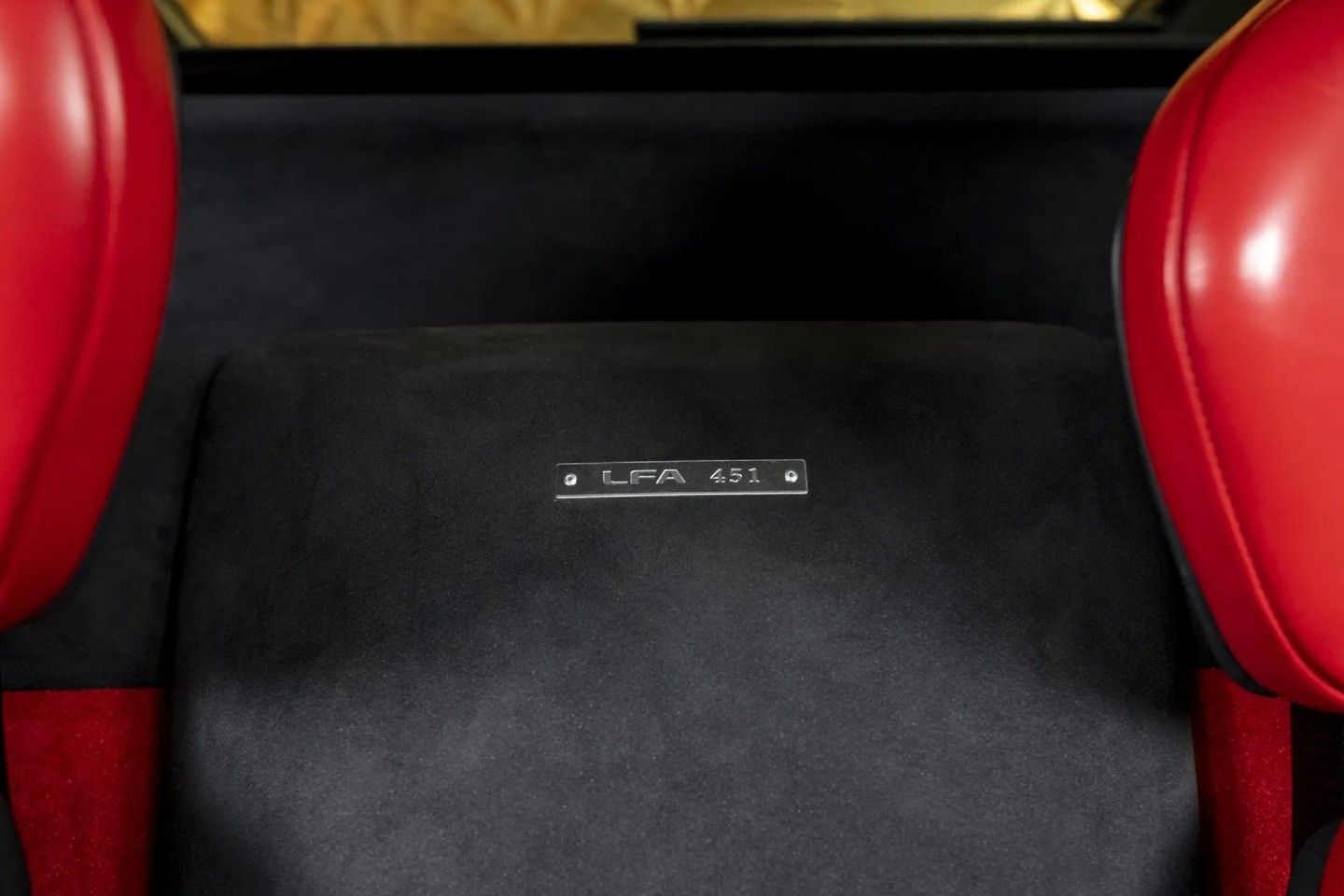
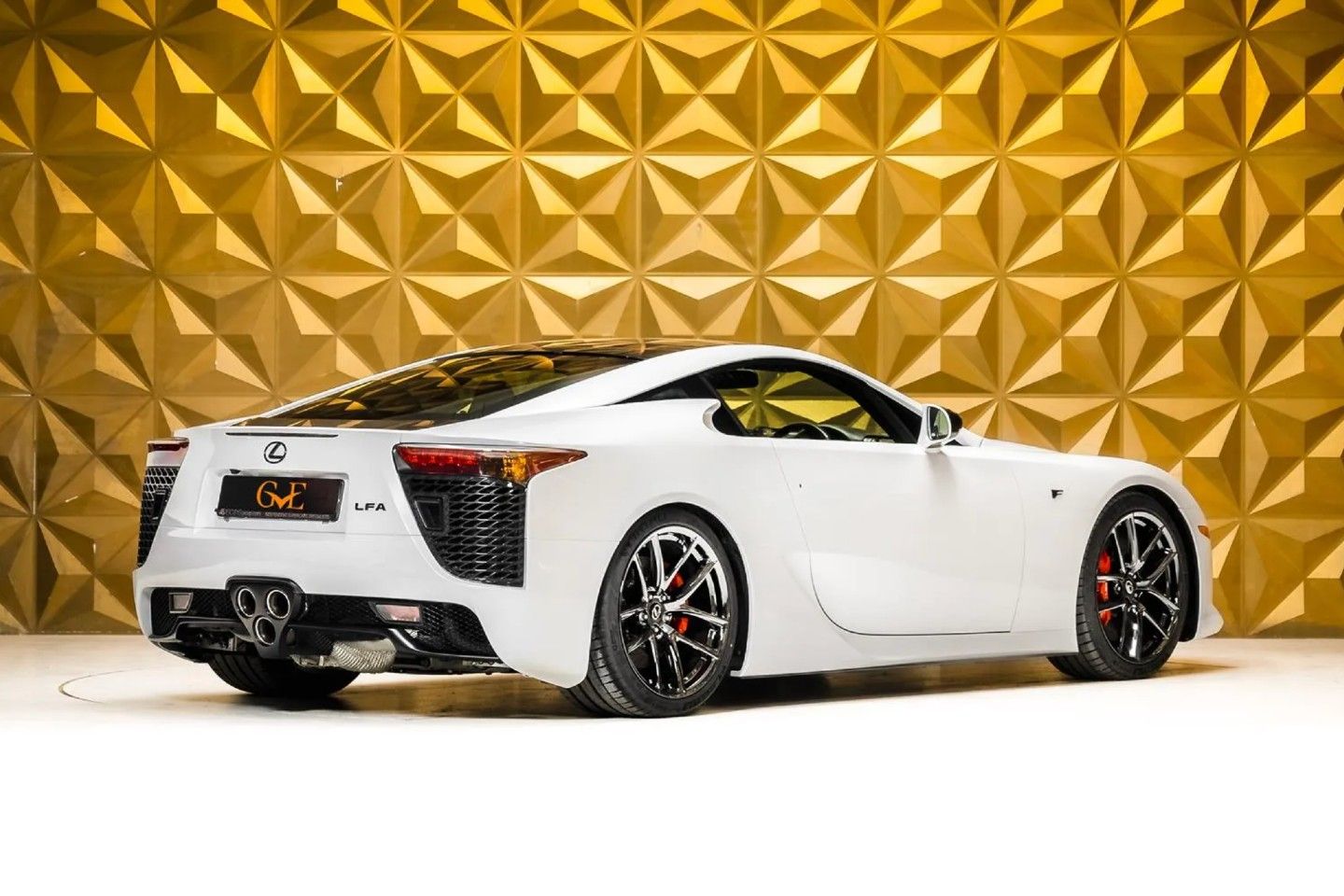
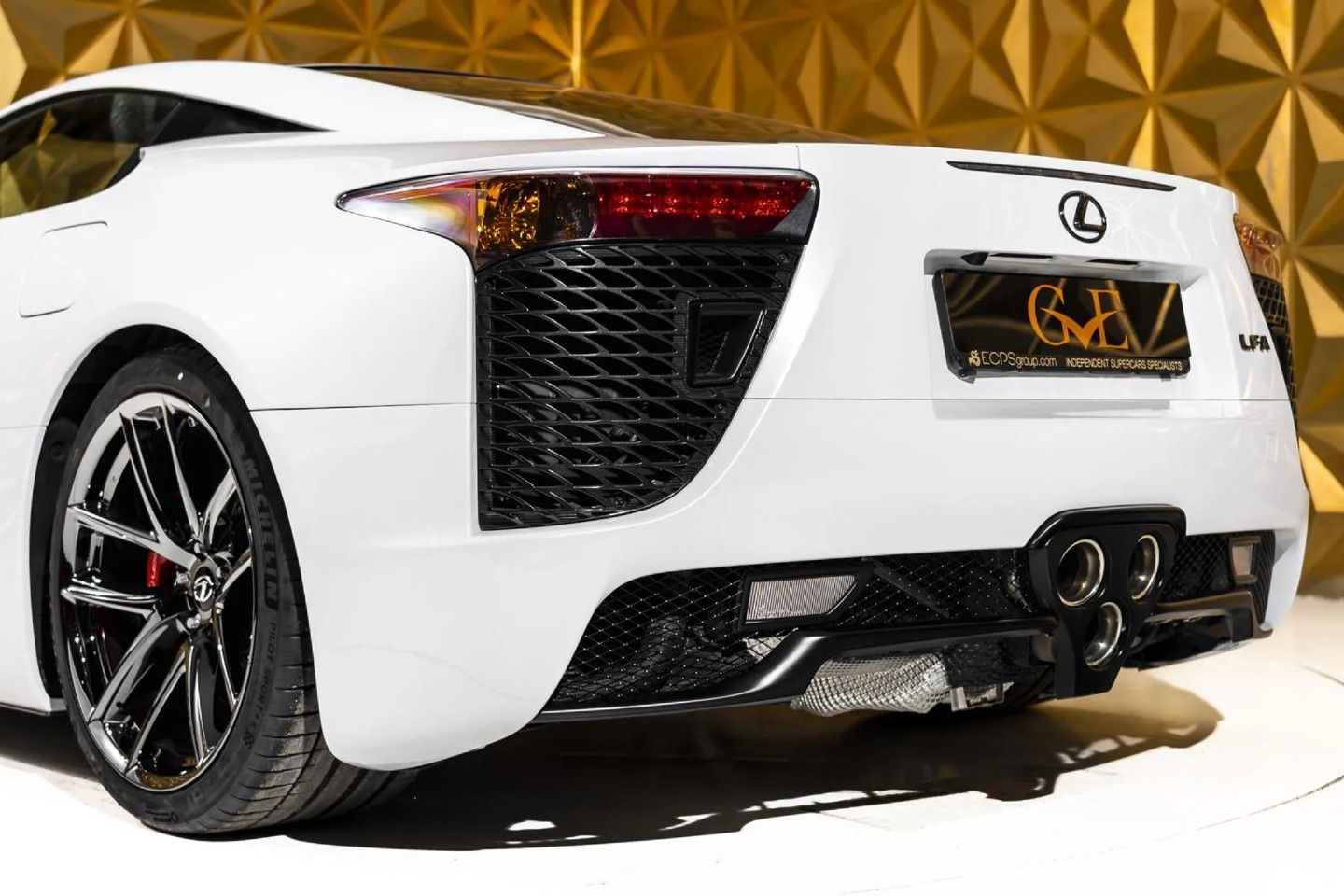
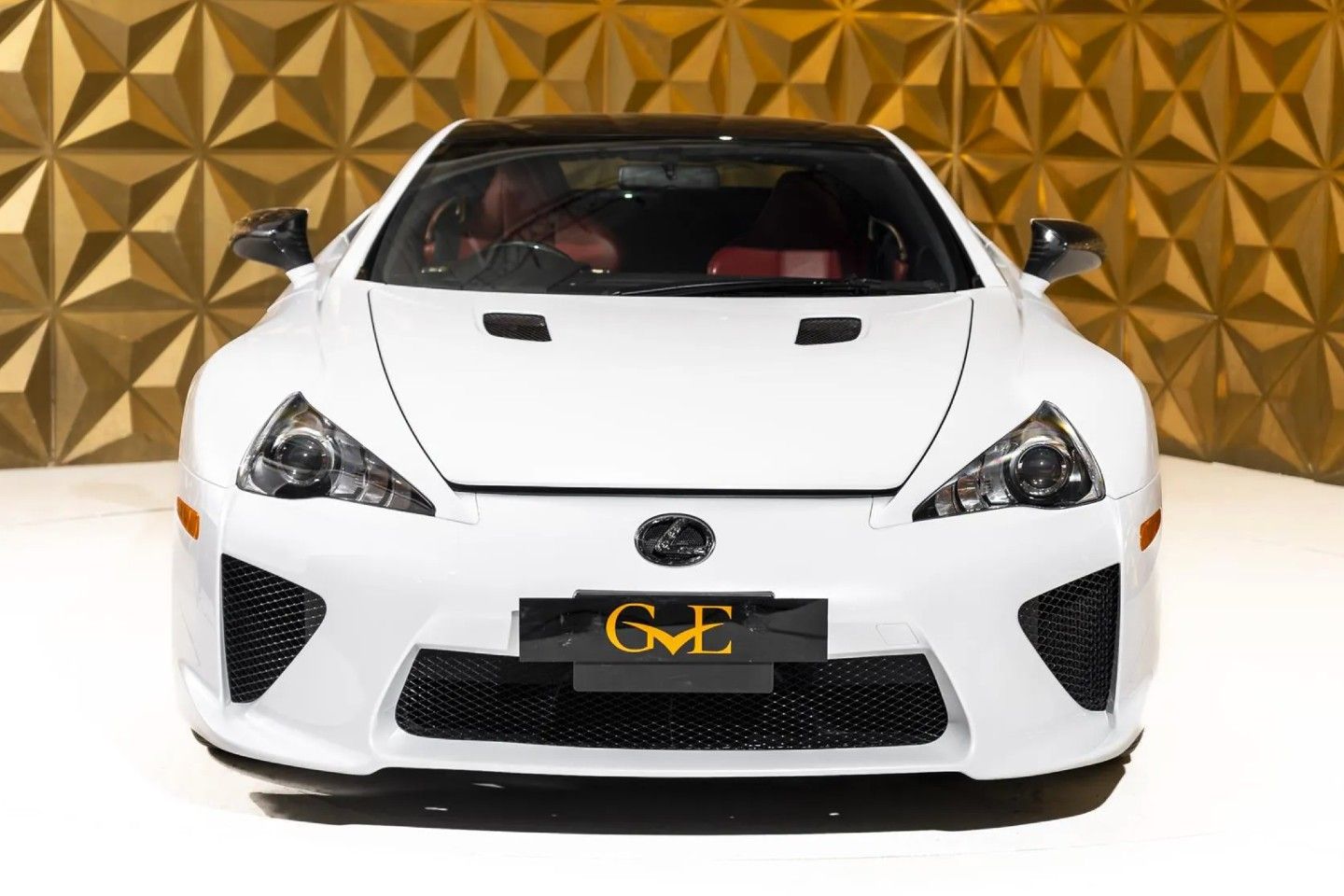
We don’t know much about the ownership experience of a Lexus LFA. The company only made 500 of them, after all, and most are owned by people who are far too busy ogling at them in dry storage to fill out customer experience surveys online. But if we had to hazard a guess, it’d be the only naturally aspirated V10 supercar in existence not inclined to serve up the heart-stopping warning lights the configuration is arguably known for.
That’s the benefit of a company that over-engineers everything it touches. Lexus had – and still has – a reputation for building cars that, while not a paragon of desirability, can survive a nuclear apocalypse. Probably. The only issue was that when the LFA arrived, the company had almost no presence in the performance car market. Sure, it released the boisterous IS F a couple of years prior, but while that car is celebrated today as a cult-classic super saloon, it faced a far tougher time in period against the mighty BMW M3 and Mercedes-Benz C63 AMG. In a similar vein, how would Lexus convince people to fork out £340,000 for a Lexus when similar money could buy you a Ferrari?
Here's where the V10 bit comes in. Lexus engineers allegedly chose to develop its own 4.8-litre naturally aspirated V10, rather than whack some turbos on the IS F’s V8, partly because it best-reflected Toyota’s efforts in Formula 1 - even if said efforts were a bit rubbish. The engine itself wasn’t lifted from an F1 car (as if often rumoured) but it was designed to sound like it was. A crack team of engineers was able to devise an intake that contained a surge tank which mimicked the howl of Toyota’s Formula 1 cars, amplified in the cabin through natural induction noise.
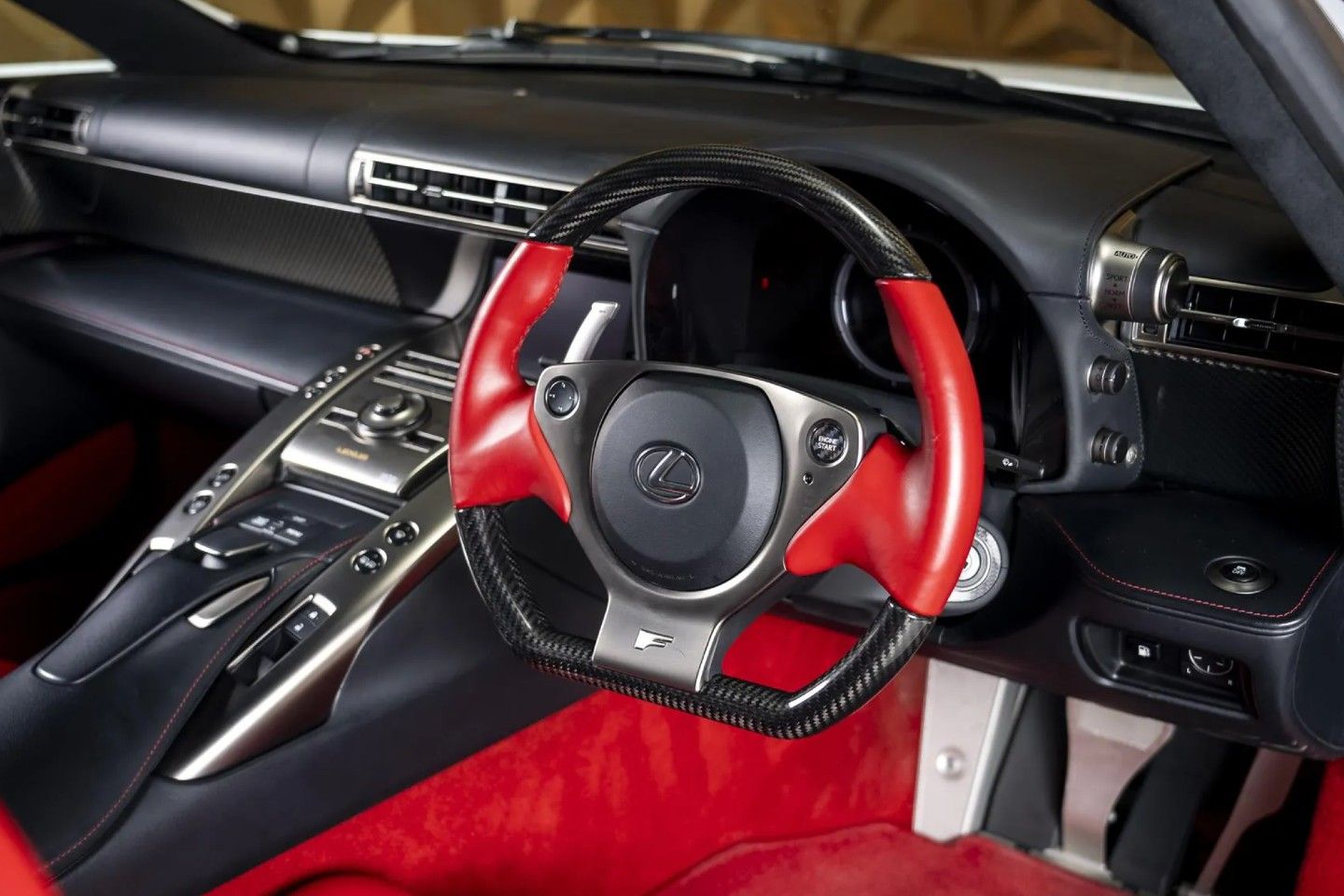
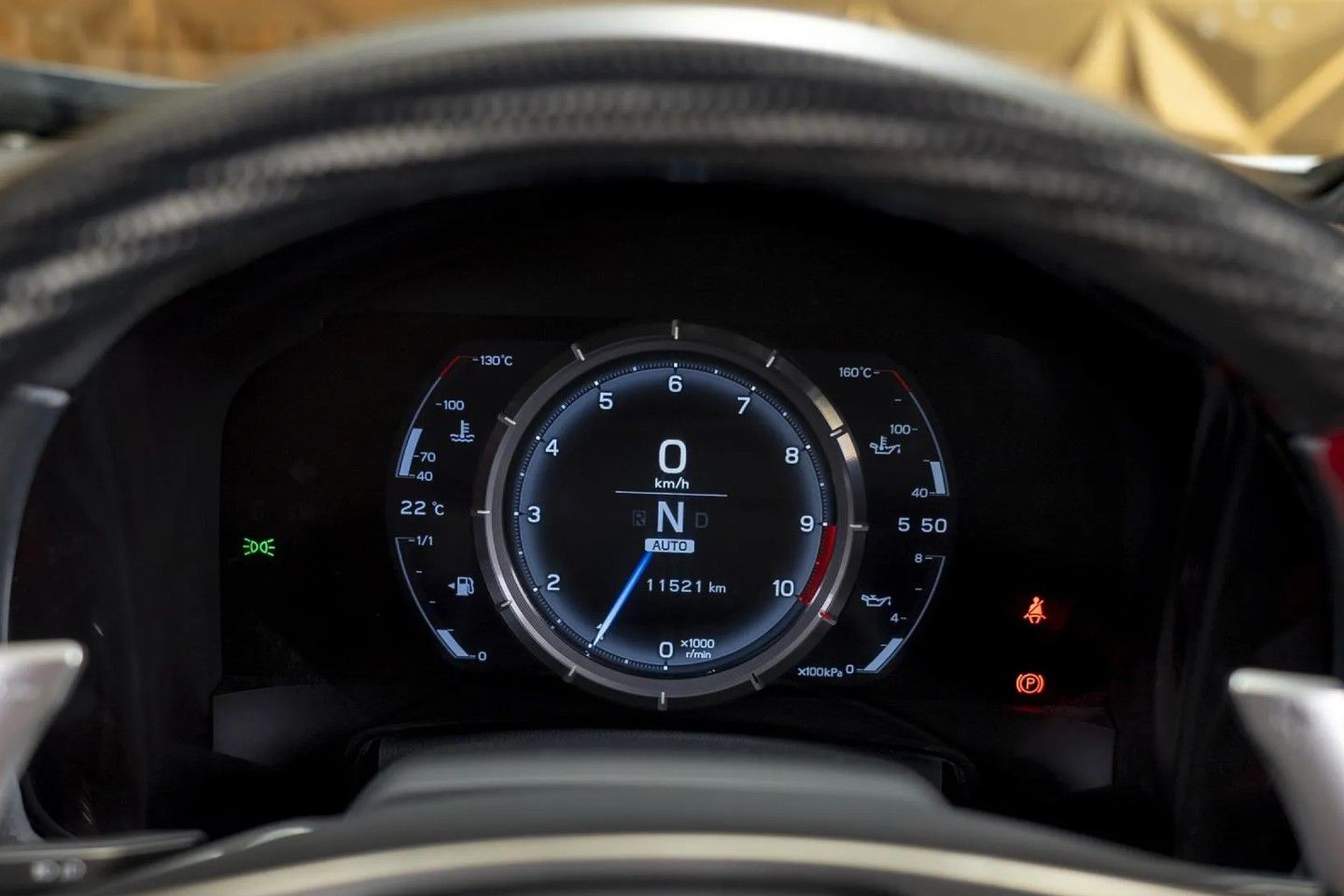
At the time, the LFA’s 560hp at 8,700rpm was considered a smidgen underpowered, especially as the Ferrari 599 GTO was available for similar money with 110 more horses and a V12 to boot. But what made the LFA so appealing was Lexus’ signature attention to detail. For all the effort put towards making an F1-style engine note, just as much attention was given over to refinement. The motor was subjected to the same vibration standards as other Lexus engines in the name of reliability, all while being in a smaller package to the V8 in the IS F and lighter than most V6 engines at the time.
Sure, it didn't possess the attention-grabbing looks of other supercars – though time has been kind to the LFA – yet it followed a philosophy where every nut and bolt is under scrutiny. Much more so than the bottom line. The car was among the early pet projects of former Toyota president and motoring legend Akio Toyoda, and survived Toyota's endless cost analysis by occasionally posing as a testbed for exotic new technologies that might be used elsewhere. Of course, we never got another V10 supercar from the firm (an EV successor could be on the cards, mind), but Toyoda had made something approaching a point. The biggest car maker in the world could still do exciting if it wanted to. See the GR86 and GR Yaris for how that policy worked out.
Whatever way you slice its legacy, the LFA is a landmark car, and, as such, they now command the same values as most other prestigious supercars. Thought the initial price was high? This example, like other LFAs on the classifieds, will set you back £1,020,000. That’s Porsche Carrera GT money. We’ll let you fight over which is more important or desirable, but this is one of the few occasions where the heart and head are both pointing in the same direction – and it’s towards the Japanese car. Just need to check if a million pounds slipped down the back of the sofa.


“ it’d be the only naturally aspirated V10 supercar in existence not inclined to serve up the heart-stopping warning lights the configuration is arguably known for.”
Having had quite a few V10 engined cars they have all been totally reliable. I have never heard any stories about fundamental unreliability of any of the V10 supercar engines.
Please back this up with facts not opinion.
Isn’t this car just an example of excellent engineering?
It would be interesting to find out which components were overly elaborate or more complicated than needed for the desired effect. Ensuring a car doesn’t break down is never over-engineering in my book.
Nick Clackett articles however….

Some of the stuff in the LFA did indeed make its way elsewhere in the Toyota/Lexus line-up. There are a good few details in the LC that were carried through from the LFA - it's made in the same factory by the same takumi craftsmen, too - and that's a great way to experience a little of the LFA's magic for a fraction of the cost.
The LFA has very much grown on me over the years; amazing now to think that the reception was somewhat lukewarm when it was first released but it has aged beautifully and it really does deserve the high regard in which it's held. (From my recollection, Chris Harris was one of the few to recognise just how special it was in the early days)
In a world where every other supercar is starting to look a bit samey it's still distinctively Japanese and very much its own car. Add in that engine note - and the fact that you know it's been properly engineered - and it really is something special. It'll even satisfy the average PHer with interior materials and design far above those of most Japanese cars

The only downside is that it's now a million pound car that so few of us will get to drive. For us car enthusiasts, Akio Toyoda has left a remarkable legacy.
For a lot less than a million, there's always the LC500.

“ it’d be the only naturally aspirated V10 supercar in existence not inclined to serve up the heart-stopping warning lights the configuration is arguably known for.”
Having had quite a few V10 engined cars they have all been totally reliable. I have never heard any stories about fundamental unreliability of any of the V10 supercar engines.
Please back this up with facts not opinion.
The sound was intense, and overall, a proper jaw drop moment. Only car that came close only other car I'd seen actually on the wild was a 288
I suppose the one drawback of owning a car like this, having seen this happen, is that a lot of places you'd go you'd get a lot of attention, which might become a little irritating.
The sound was intense, and overall, a proper jaw drop moment. Only car that came close only other car I'd seen actually on the wild was a 288
I suppose the one drawback of owning a car like this, having seen this happen, is that a lot of places you'd go you'd get a lot of attention, which might become a little irritating.

https://www.youtube.com/watch?v=p6D7S2rcyIQ
Absolutely incredible.
Isn’t this car just an example of excellent engineering?
It would be interesting to find out which components were overly elaborate or more complicated than needed for the desired effect. Ensuring a car doesn’t break down is never over-engineering in my book.
Nick Clackett articles however….
Well or excellently engineered is better terminology, if you are an engineer / nerd :-)
Forums | General Gassing | Top of Page | What's New | My Stuff