
BMW Z1 | Spotted
A near-perfect, low-mileage example of one of the most interesting BMWs ever made...
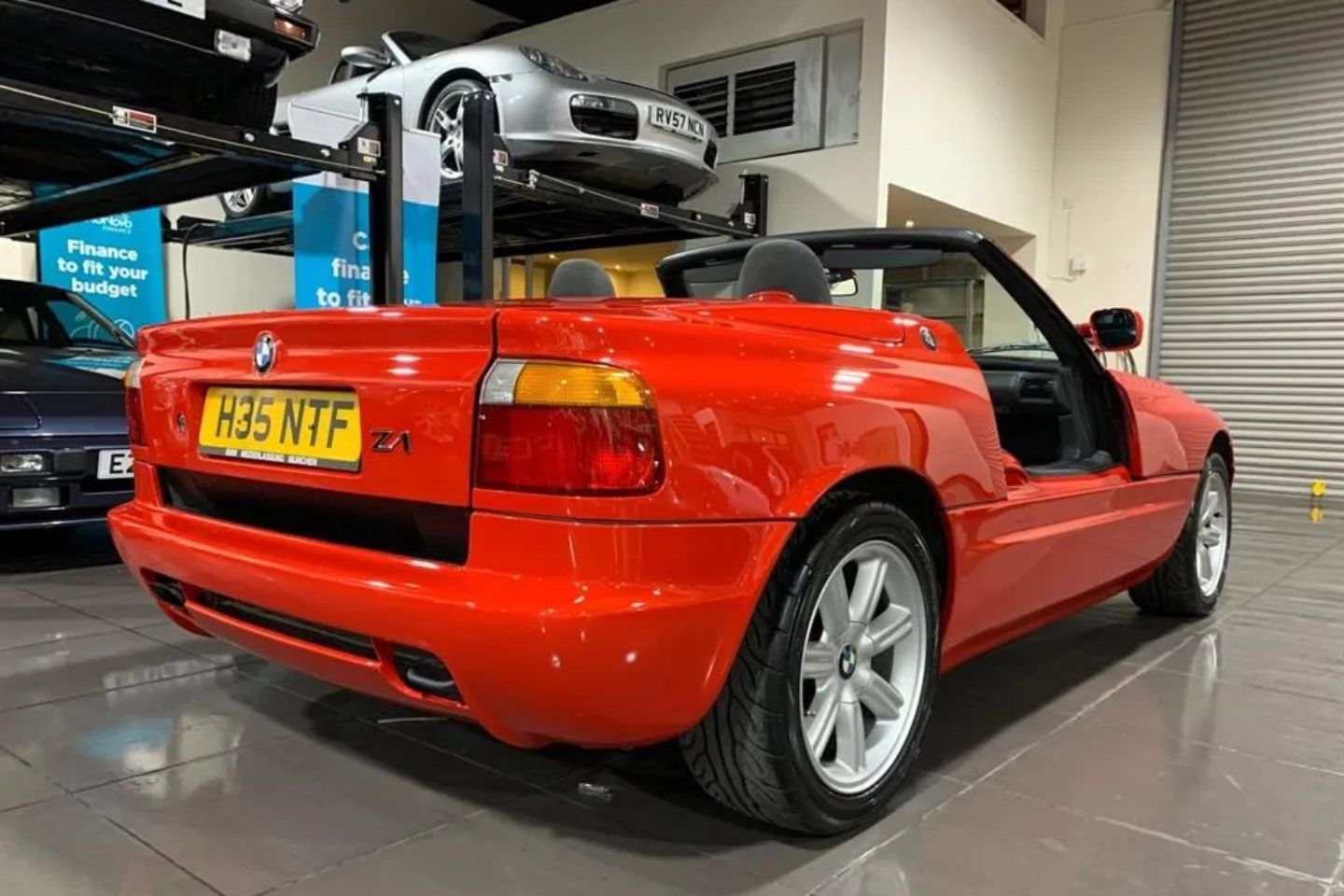
There was a time, way back when, that the BMW Z1’s design was considered a bit avant-garde for the traditionally conservative Munich giant. Fast forward a quarter of a century and look at it now. Compare it in your mind’s eye to, say, an XM. The once ‘out there’ BMW looks a bit ordinary, doesn’t it?
It was nothing of the sort, and still isn’t, of course. The Z1 is a great example of the left field coming to a showroom near you. It was the very first in the now longish line of Z cars, but rather than being remembered for that, the Z1 is most notable for its disappearing doors. Yet there’s so much more to this car than those.
The Z1 was produced for a relatively short amount of time between 1989 and 1991. Why such a stunted production programme? Probably the car’s quirky looks had something to do with it, which no doubt put a few buyers off, but mostly it was the price. The Z1 was a £37,000 car back in 1989, and with the passing of time – and a boost from Liz Truss’s even shorter-lived government – that’s a cool £96,000 in today’s money.
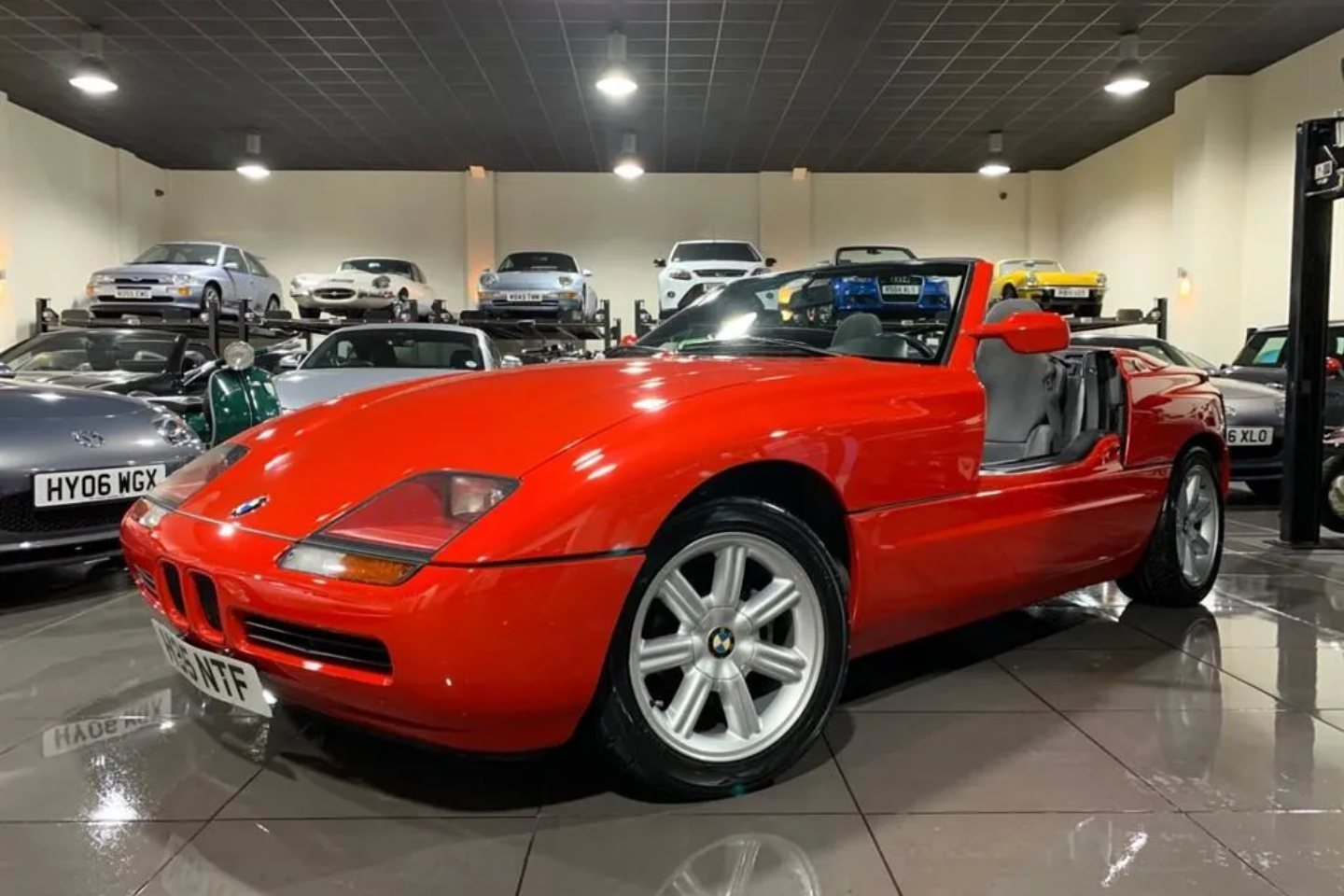
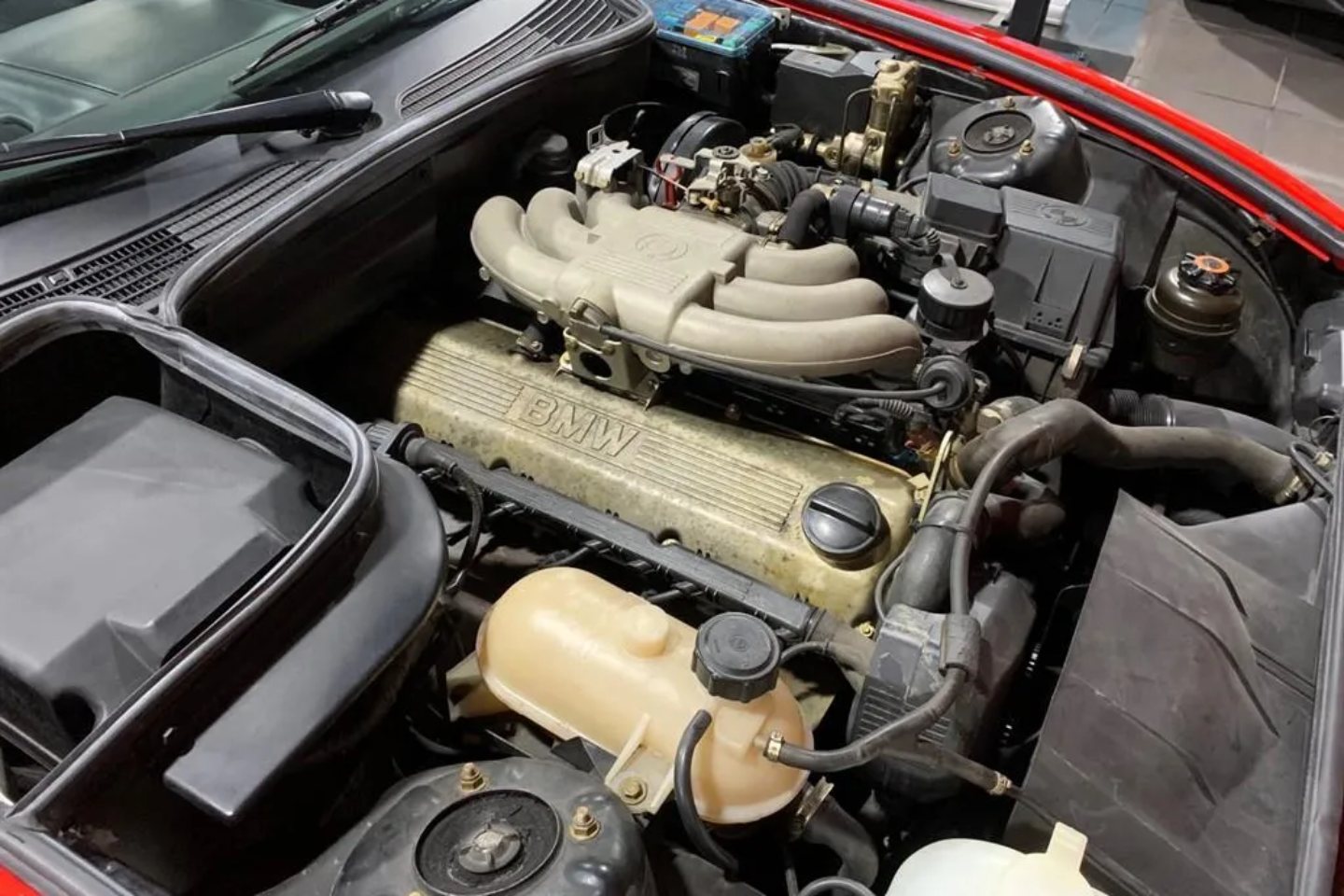
So very nearly £100,000 for a small, two-seat roadster, then. No wonder they only sold 8,000 Z1s. Especially when you bear in mind that the next Z car, the Z3 that arrived at the end of 1995, cost from as little as £20,000. Why was the Z1 so expensive? After all, its drivetrain isn’t very exotic. It uses the same M20 2.5-litre straight six that was in the ubiquitous E30 325i, tuned to give 168hp. It has the E30’s five-speed manual gearbox as well, and its front suspension. Unless you count a couple of MacPherson struts as high-tech that was rather ordinary, too. But the rear suspension is where you start to see the expenditure that went into the Z1’s design and build.
It was the first mainstream BMW to use its now famous Z Axle. This multi-link arrangement is something we take for granted these days, but back when the Z1 came along it was a rare beast and expensive to produce. Still is, as it happens. That’s why a lot of hatchbacks today will use a twist beam at the back for the cheaper versions, and reserve the costly multi-link set-up for the sportier models. The current Ford Focus is a case in point.
The far greater cost incurred with the Z1 was for its bodywork, though. In 1985 BMW had established a new department, called BMW Technik GmbH. This was a think-tank division designed to be totally separate and independent of the regular product series and development programmes. It employed some of the company’s top designers, engineers and technicians, whose brief was to develop ideas and concepts for ‘the BMWs of tomorrow’. The Z1 was one of the first cars to be developed by this new skunkworks operation (Cool fact: did you know that the Z in Z1 stands for Zukunft, which is the German word for future?)
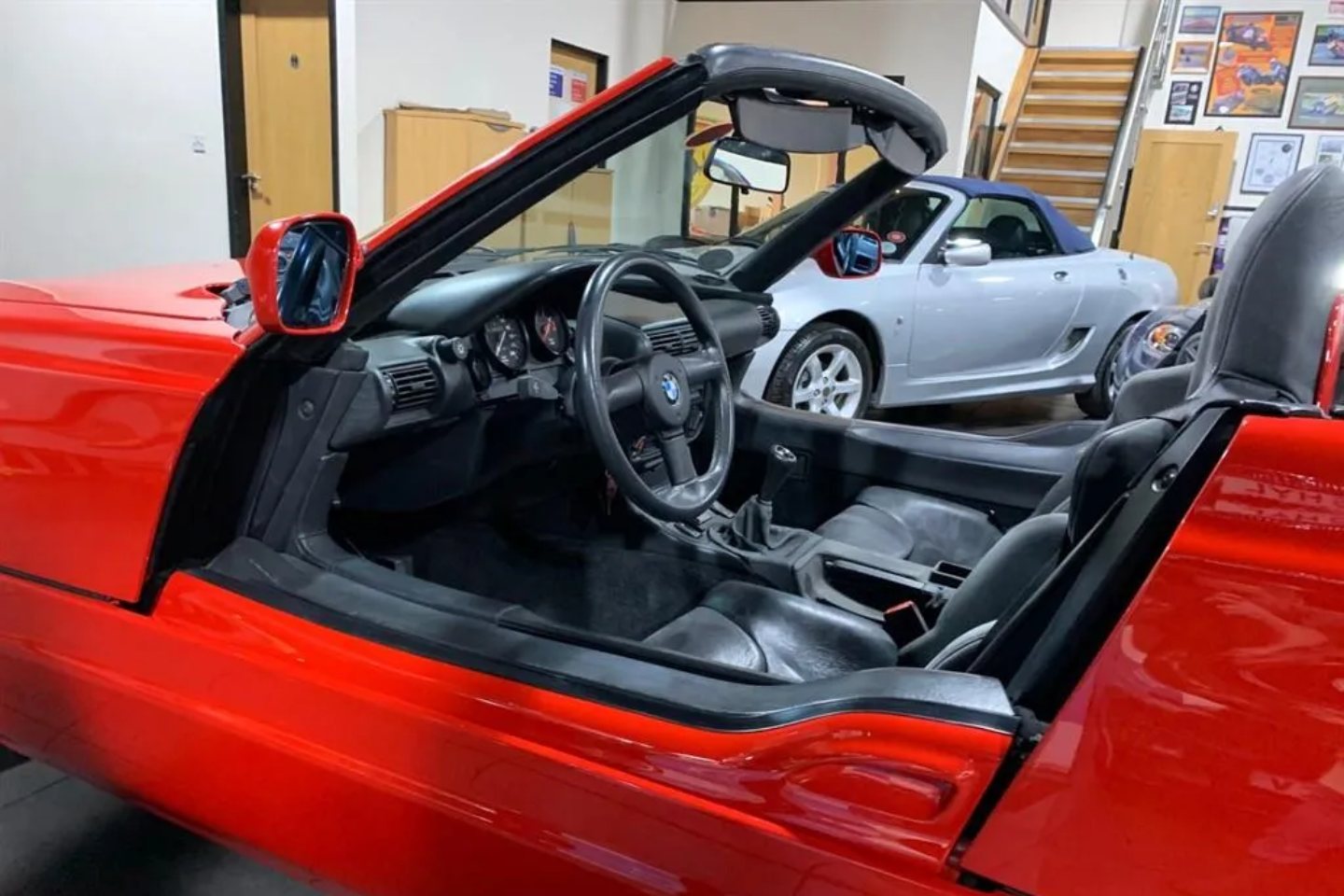
The trouble was all their blue-sky thinking was so outlandish as to end up in the stratosphere. Sills big enough to take doors that powered downwards electrically, rather than opening out in the conventional fashion, were just the start of it. The basic monocoque is made of galvanised sheet steel, with a plastic-sandwich floor bonded in to give it immense strength. All of the outer panels are injection moulded plastic of some sort. The sides and the doors are thermoplastic, with the rest being largely glass-fibre-reinforced plastic.
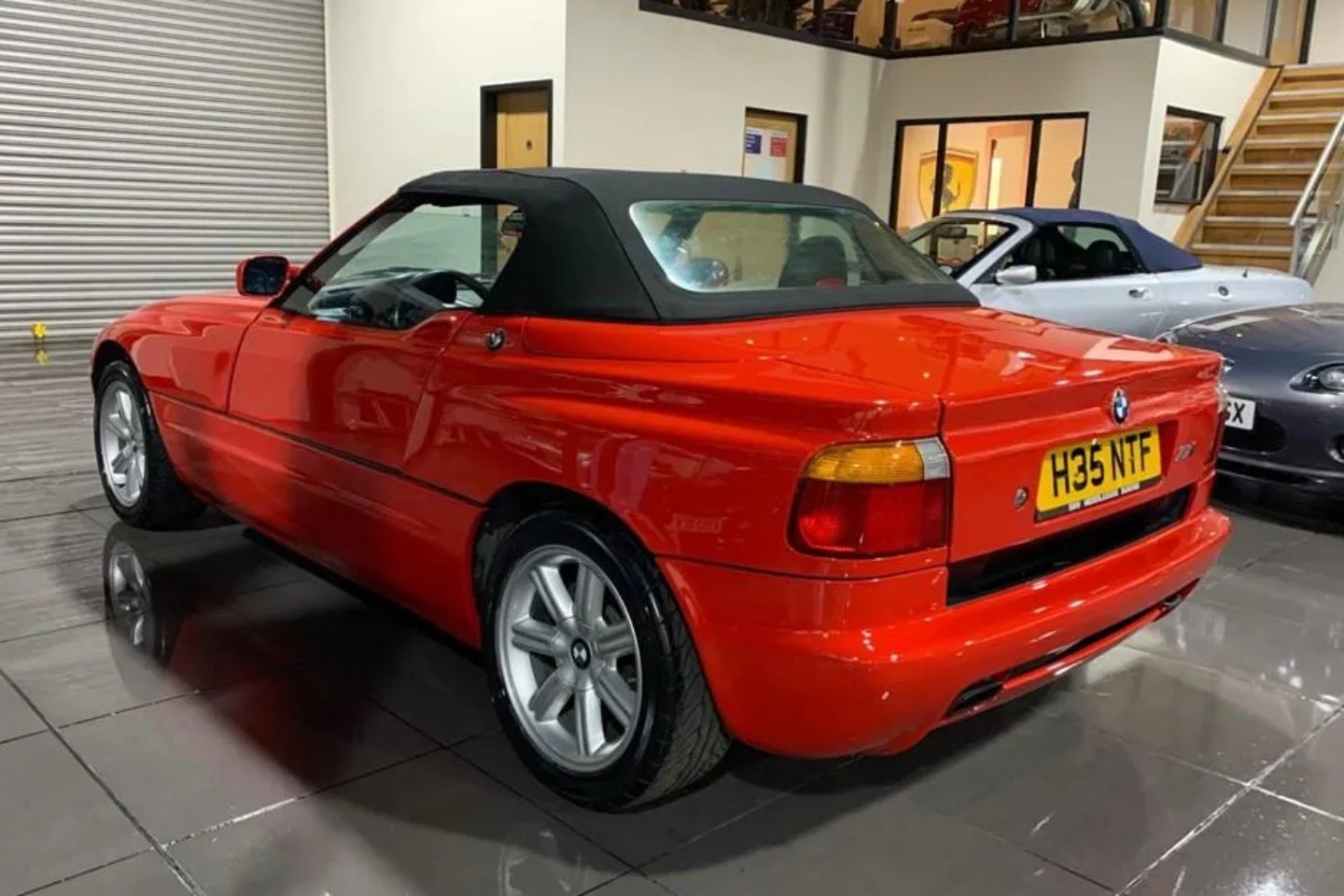
And all the panels bolted on, which meant you could, if you wanted to, change the colour of your car completely. If you got bored of this car's red paint, for example, you could change it to a blue hue if you wished, then vice versa. It would take you around a day to swap all the panels over, and if you ran out of time halfway through you could even drive the Z1 with no bodywork at all. Remember, this isn't a prototype show car we’re talking about, but a car that actually sat on people’s driveways.
There were many reasons for using plastic panels. Weight was one, which pleased the engineers no doubt, while the designers were happy because it gave them a freer hand. They could create far more complex shapes with injection-moulded panels than they could with pressed steel. The other reason was durability, and this was two-fold. No corrosion problems, obviously, and no more parking dings. If someone walloped a bumper or a door, then it would just spring back into shape.
Incidentally, talking about designers means I have to mention Harm Lagaay, who was responsible for the Z1’s shape. This Dutchman has a rich CV and is surely one of the most prolific car designers in the world. Before designing the Z1 he was at Simca, then moved to Porsche in ‘71 where he worked on the 911 revamp for ’73 and, subsequently, the 924. He left Porsche to become chief of design at Ford in Cologne, where he was responsible for radical designs such as the Mk3 Escort and original Sierra. That’s what brought him to the attention of BMW, who employed him for four years between ’85 and ’89, after which he returned to Stuttgart and Porsche. And look at the list of things he did in his second stint there: 993, 996, 997, Boxster, Cayman and Carrera GT. He also did the original Cayenne, mind, so he wasn’t perfect, but still…
What is the Z1 like to drive? I’ve no idea because I’ve never driven one. But collating some reports from back in the day, the general consensus is the engine was smooth but a bit flat below 4,000rpm – as per the E30 325i. It was an easy car to cruise in, though, because its aerodynamic shape made it quiet, but the Z1’s real joy came from its handling. No doubt thanks to that Z Axle, which went on to make the E36 so much sharper than its predecessor, the Z1 delivered good balance, bags of grip, and all with a supple ride. All the things you want from a two-seater to bring out the joy of a twisty road. The driving position seems to have got the thumbs up as well, although the design of those doors appears to have made getting in and out a challenge. Specifically, it was the width and height of the sill needed to stow them that was the issue.
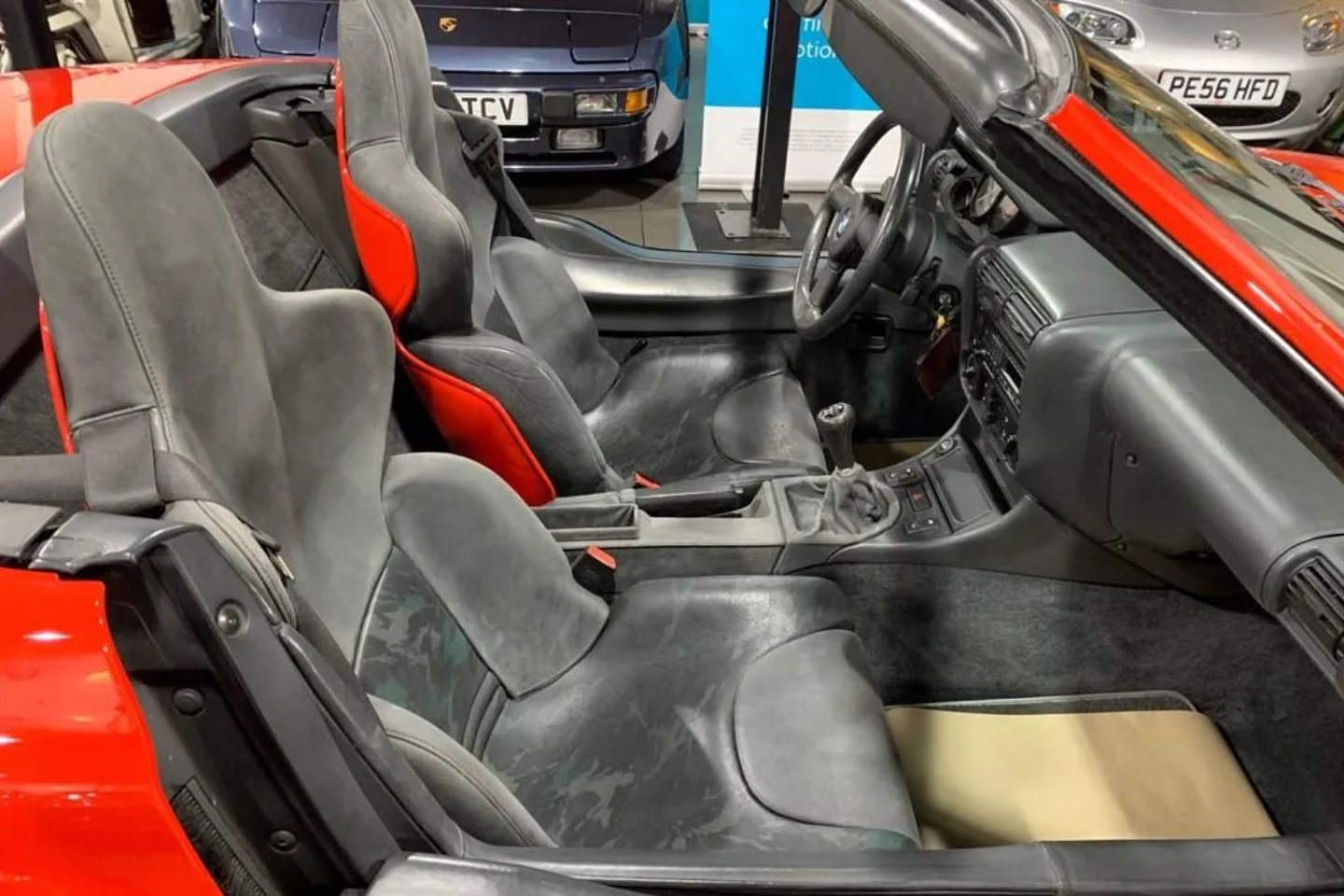
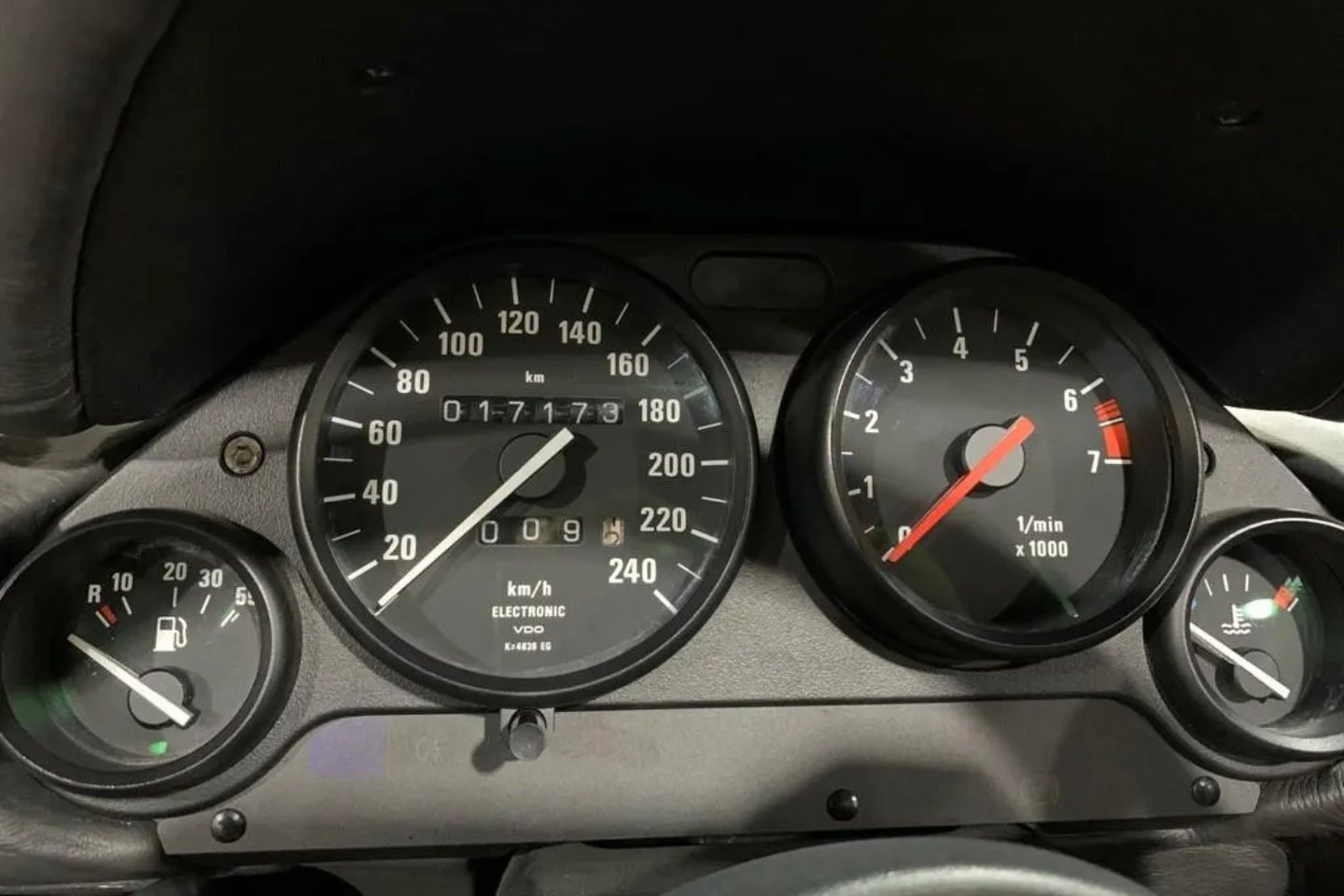
I think it’s fair to say, then, that the Z1 is one of the more interesting cars we’ll ever feature in a spotted. There really is so much to talk about. And that’s before we get on to this actual car, which has to be one of the nicest examples out there. Plenty of people will see the colour as right for a little sports car, and even more will recognise that with just 11,000 miles on the clock, it’s rather special. That's reflected in its condition, which, as you would imagine, is pretty much perfect inside and out. And original, right down to the radio, handbooks and factory car cover. It even comes with a copy of the BMW parts microfiche on a USB stick. It’s not a cheap car, then, but for one so rare and so interesting, arguably £70,000 isn’t a bad price...
SPECIFICATION | BMW Z1
Engine: 2,494cc, straight six, naturally aspirated
Transmission: 5-speed manual, rear-wheel drive
Power (hp): 168 @ 5,800rpm
Torque (lb ft): 167 @ 4,300rpm
CO2: N/A
MPG: N/A
Recorded mileage: 11,000
Year registered: 1990
Price new: £37,000
Yours for: £69,995


See M1, Z1, Z8, i8 as examples of what I mean.
When launched, BMW claimed that during development the Z1 generated so much cornering grip the engines would seize because of oil starvation.
Solution: the M20 2.5 was given an upgraded oil pump.
True?
That and the fact that, in reality ‘spring back’ is an optimistic behaviour for the panel, even more so for the paint finish.
It was galling when the dealer pointed out how many indents there were on my i3s doors from other doors that I’d been oblivious to but become conspicuous under strong side lighting.
There’s plenty with reasonable low and usable mileage about for under £40k
I have to applaud BMW for building it and absolutely would love one myself just for the occasion of driving it rather than the dynamics of it
Met a fantastic collection of them last year in the alps along with some exquisite Z8’s .. but that’s a whole other level of want
Here’s a sample of red BMW loveliness on the Furka


In about 1994/5 an uncle of a college friend had one in a barn in the middle of east anglia. Wanted £18k for it, which on reflection didn't seem that much as it wouldn't have been that old. But I was a poor student and looking back, pretty odd it was parked up in a barn with a number of other expensive cars. Probably dodgy.
Then in about 2010 I was curious about them again, and found one for sale that happened to be less than three miles from where I was living. Again, wanted about £18k for it. Didn't quite have the disposable, but it was fitted with some non-standard seats too, which looked odd. Was that lovely green colour. By the time I'd scrimped some more, he'd sold it.
At todays prices, a bit of a missed opportunity. I'd still like one though.
Then the Z3 came along. BMW had decided to go for a 'safe' design that wouldn't really excite anyone.
It's like the Z1 had been nothing more than a concept car to grab a bit of attention. And seeing as I only ever saw one on the road, I guess you can't blame BMW for avoiding risks for a while after that.

A few years later I was stopped by a policeman at the entrance to the City. He asked why “an obviously brand new car” had an F plate. I told him it was the original reg, the car was from 1989. He shook his head not believing it. Until the z3 arrived there was nothing else like it on the road.
I loved the handling and the suspension was way ahead of its time; not used again until the E46 if memory serves. Slightly underpowered but then again not particularly overendowed with safety systems. Driving with the doors down was not advisable above 50 km/h. The plastic panel behind the door lock cracked easily. Surprising capacity for luggage under the roof lid.
Ultimately made way for an E46 M3 Evo saloon as kids and pets started arriving. Kept its value well though it needed money spent on new rims, cracked panels and other blemishes.
Z3M/Z4M and keep the change ta
Forums | General Gassing | Top of Page | What's New | My Stuff