
2023 Kamm 912c | PH Review
We've tried the flat-four restomod in track-orientated format - time for the road-friendly version
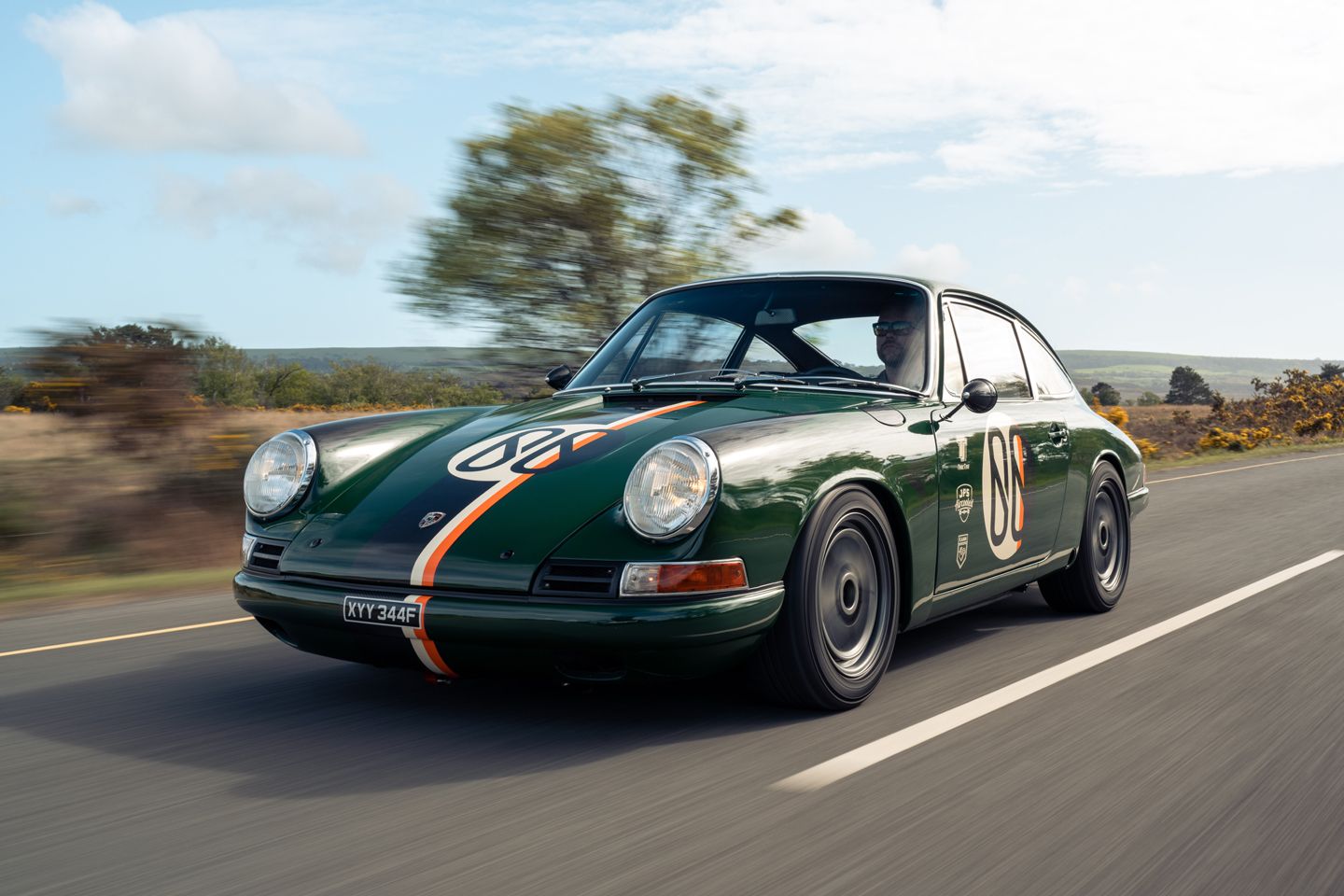
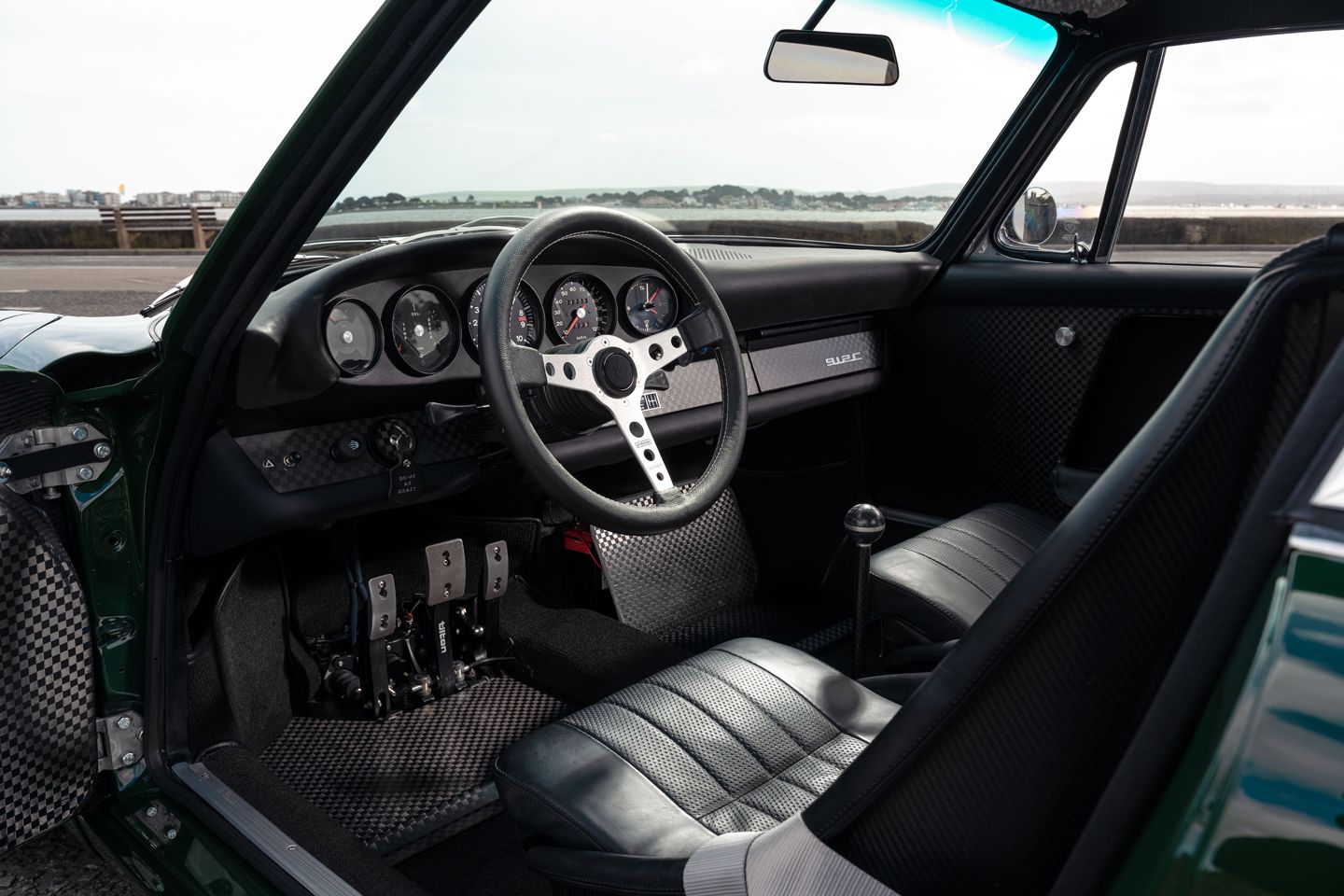
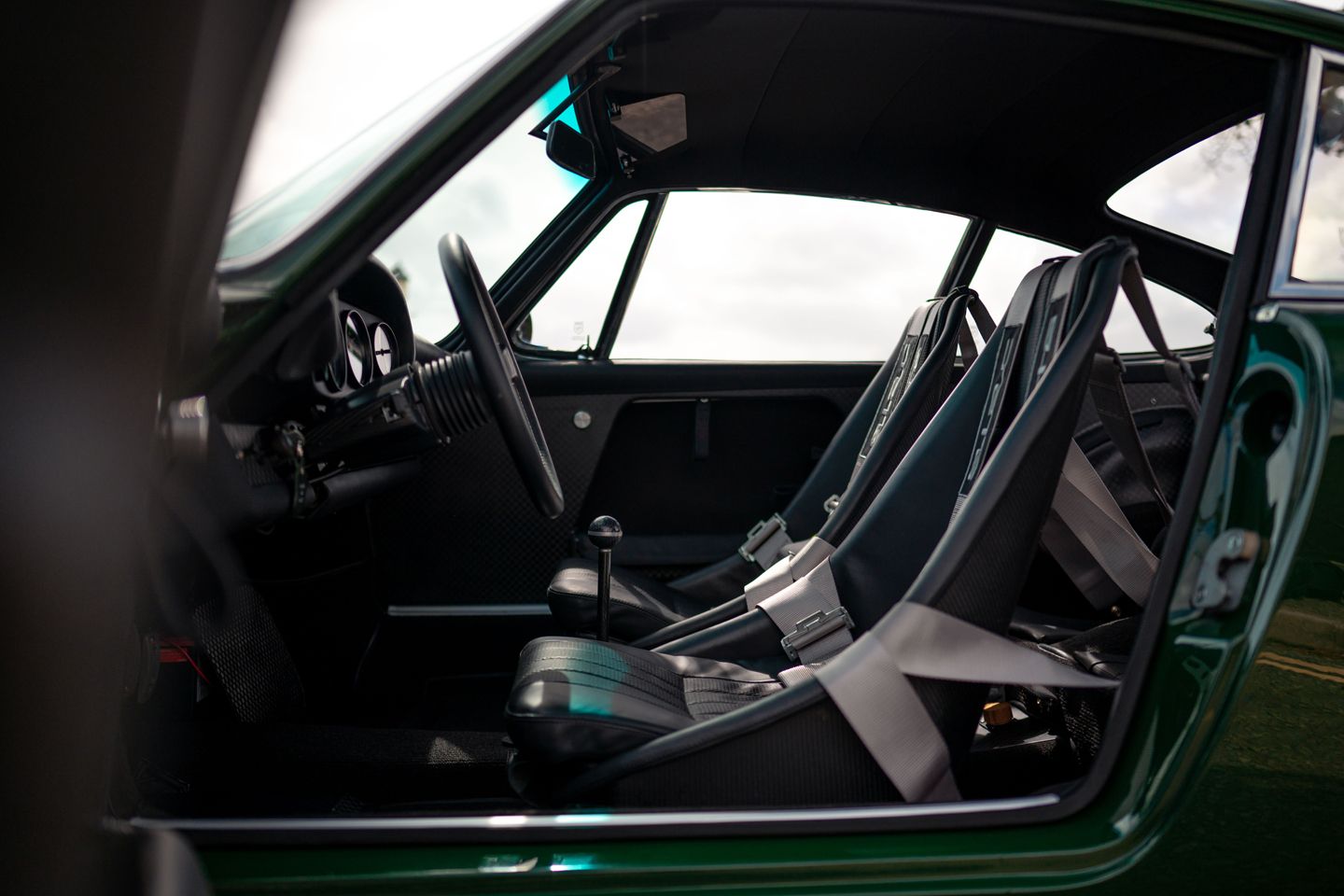
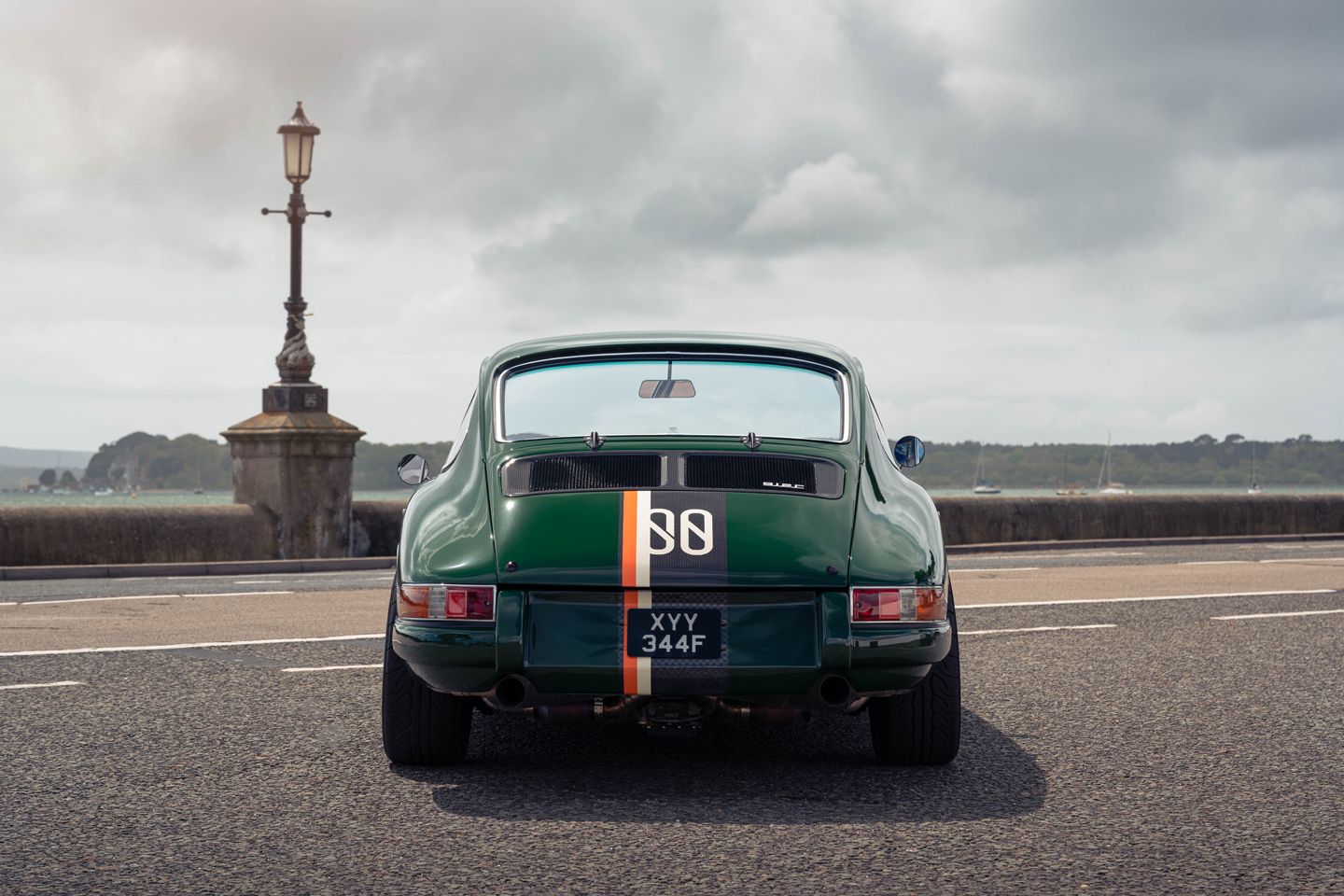
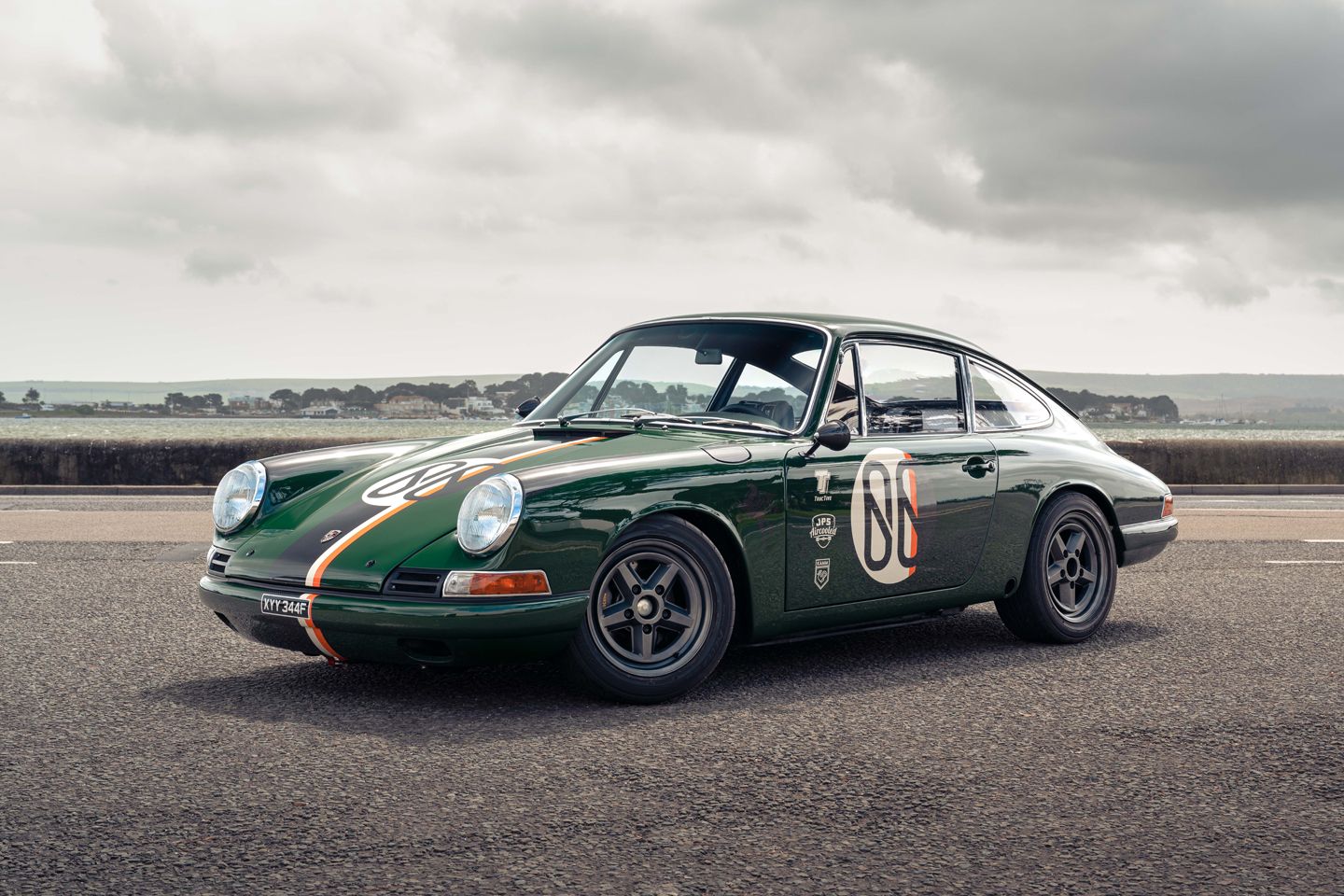
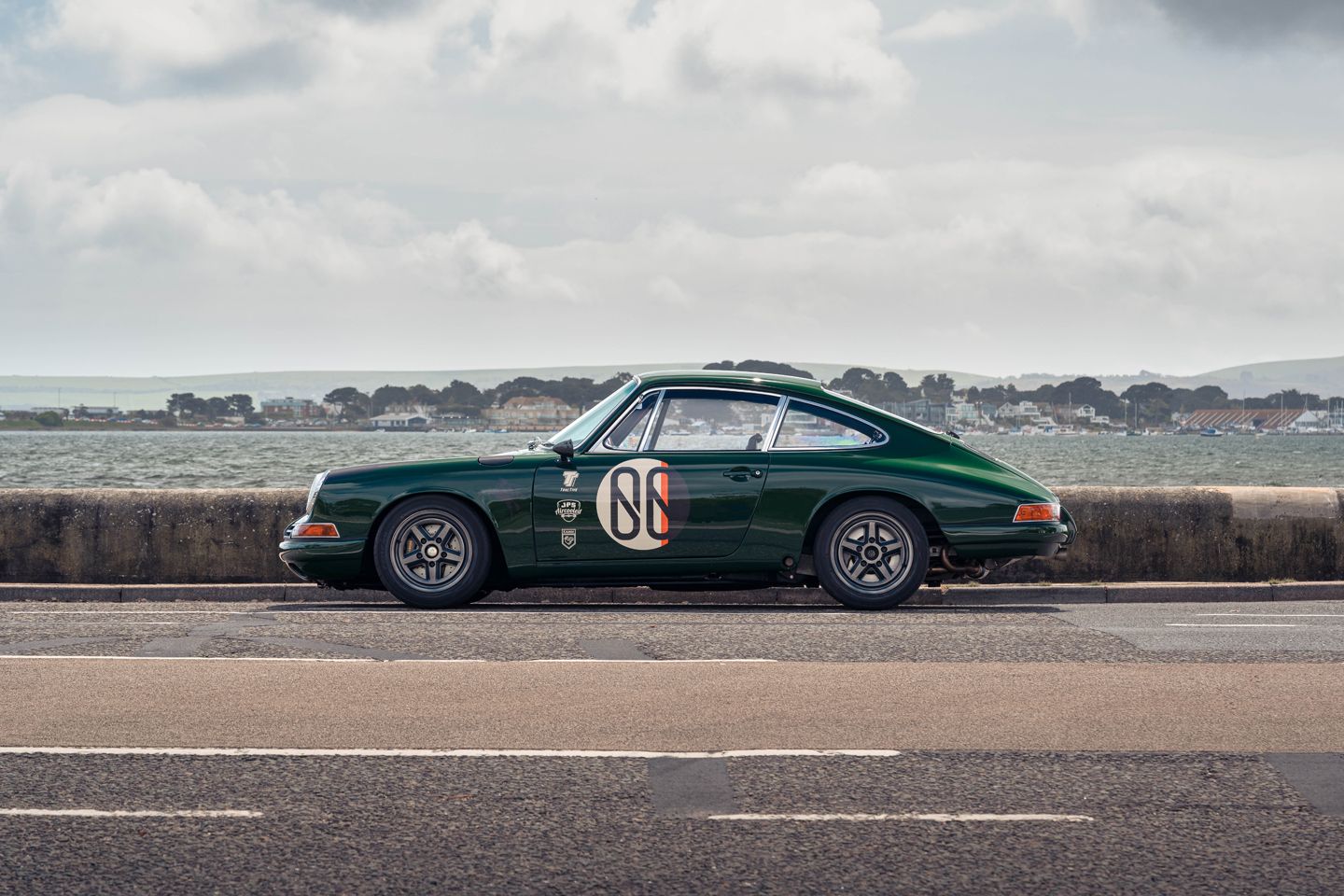
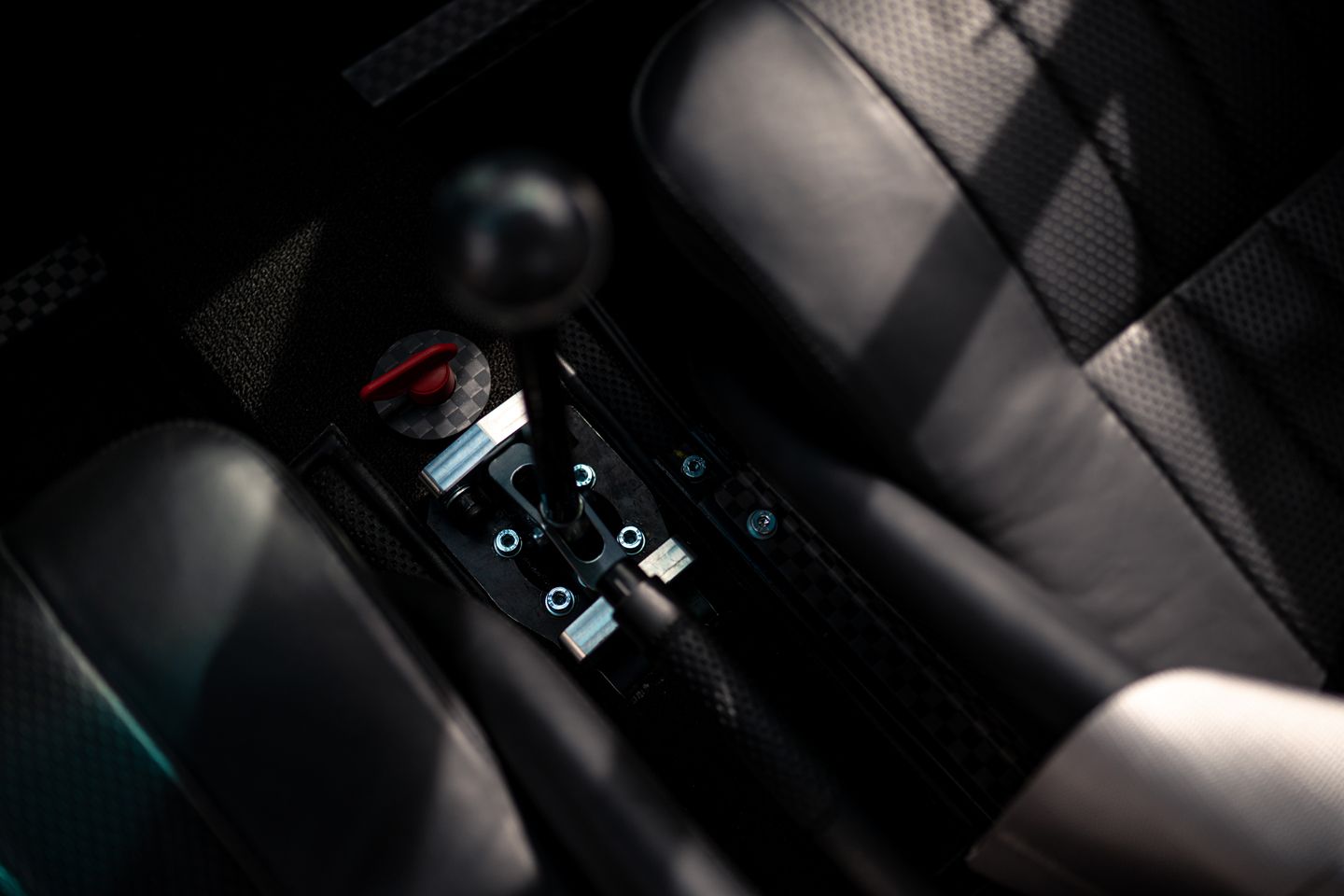
Even in its earliest form, the Kamm 912c was a very easy car to like. It was clearly a beautiful object, a feast of carbon this and lightweight that making for the rudest four-cylinder Porsche in a very long time. There was undoubtedly a huge amount of enthusiasm behind the project, too. And in the times we find ourselves in, that its joy centred on little power and not much weight seemed more than apposite. Less than 200hp and little more than 700kg had seldom seemed so compelling.
However, in its racy original spec, the 912c was a bit much for the road, too firm and too hyper with its track-focused settings and short ratio gears. Now it’s back in a more road-oriented spec that will also be offered to customers. And despite appearances, a huge amount has happened under the semi-carbon skin. The 2.0-litre flat-four now has fuel injection and throttle bodies in place of the carbs, with a Life Racing ECU monitoring it all. As well as a bit more power - now 192hp instead of 170hp - ditching the carbs helps starting in tricky conditions (useful when the first one is going to Florida) and overall driveability, with extra torque low down. The gear ratios are now longer to improve cruising, and the steering has been substantially slowed down - from 1.7 turns lock to lock to 2.5 - for slightly more mellow experience. Kamm semi-active coilovers, based on a TracTive design, are part of the standard kit, with five settings.
The 912c is immediately and significantly more relaxing to drive. Partly that’ll be due to familiarity (and the big boss not looking on this time), but the new settings are the major contributing factor. Even at low speed the additional compliance of the suspension is welcome, as it absorbs the impact of drain covers and the like with far less fuss. Being able to do the initial trundling in first gear (and not fiddle with that up-and-across to second) is a real boon as well. A calmer car makes for a calmer driver.
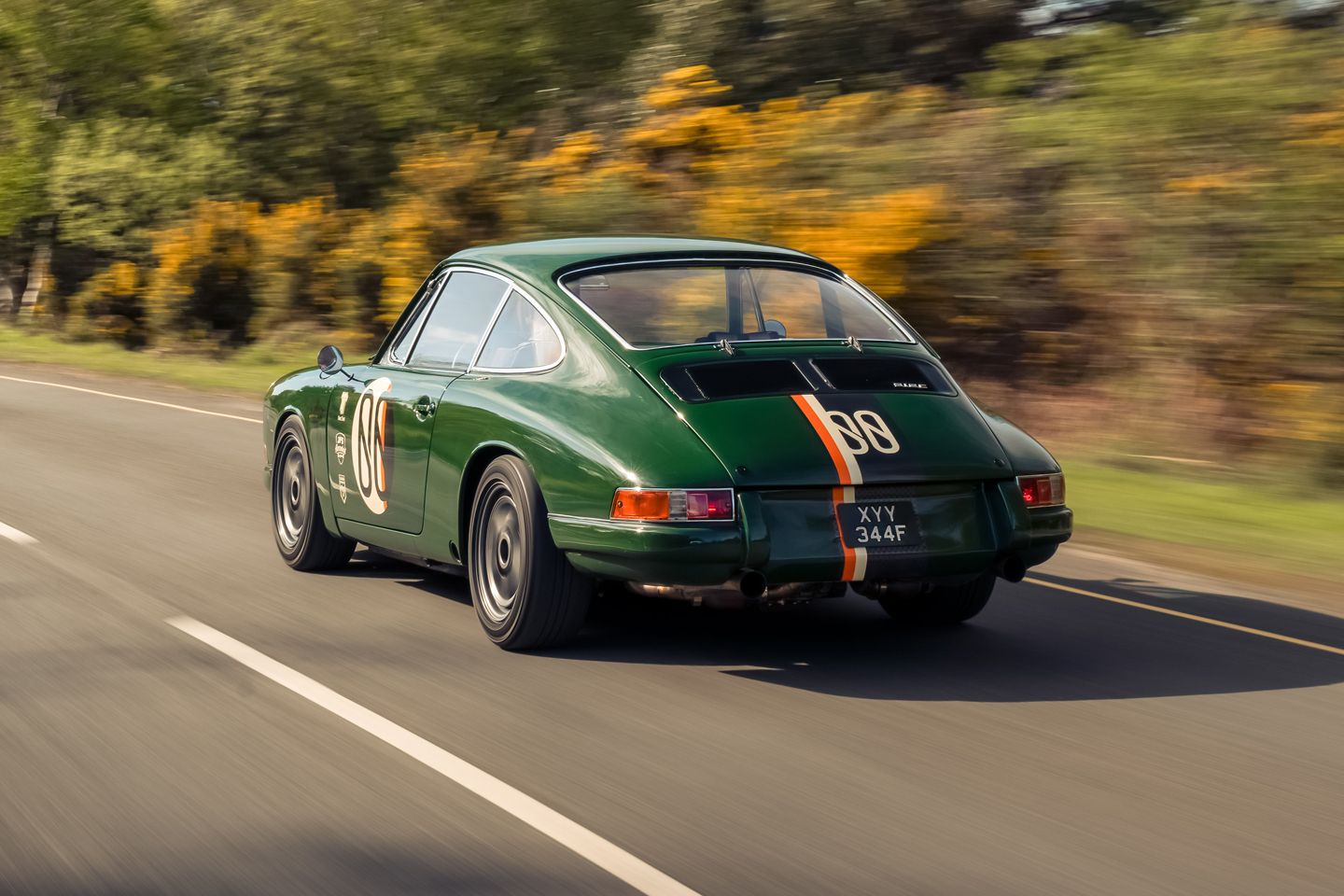
The steering though is probably the most notable change. Previously having an unassisted rack that was so fast took a lot of getting used to, as it was easy to add too much lock; combine that with aggressive geo that picked up a lot of surface changes and you were constantly adjusting the wheel, trying to make incremental changes and often affecting large ones. Well, not any longer. Everything is much less frantic but without sacrificing the feeling of inherent agility that will always come with something so light and so small. The response of the wheel and the front axle is now more instinctive, and certainly more confidence-inspiring when it comes to aiming the little Kamm at a bend. It’s fantastic, in fact.
Similarly, the suspension does a great job of smothering the bad bits while keeping the driver front and centre of the action. Of the five settings available, my preference was for one up from softest, which cut out a bit of the bob from the cushiest mode but retained some flow and some movement. The stiffer settings, on this test, just felt a tad too harsh. Alongside the steering, the suspension means a road drive can be properly revelled in. Where previously it felt like you had to adapt to its quirks and idiosyncrasies, the Kamm now seems much keener to have your will imparted on it and drive the way you want. While being comfier.
The engine’s a real tonic, too, happier to bimble about, cruise at a constant rpm with those new ratios and scream to 7,000. There’s some flat-four rough and grumble at low revs for those who like that kind of thing, but also that glorious, furious honk of a throttle-bodied four-pot as load and engine speed increase. It’s an addictive sound that really adds to the hot-rod character of the Kamm, transporting you back to the good old days of Porsche tuning. Here’s proof that boxer engines don’t need six cylinders for a really captivating sound. A new exhaust that pops and bangs just the right amount is the cherry on top.
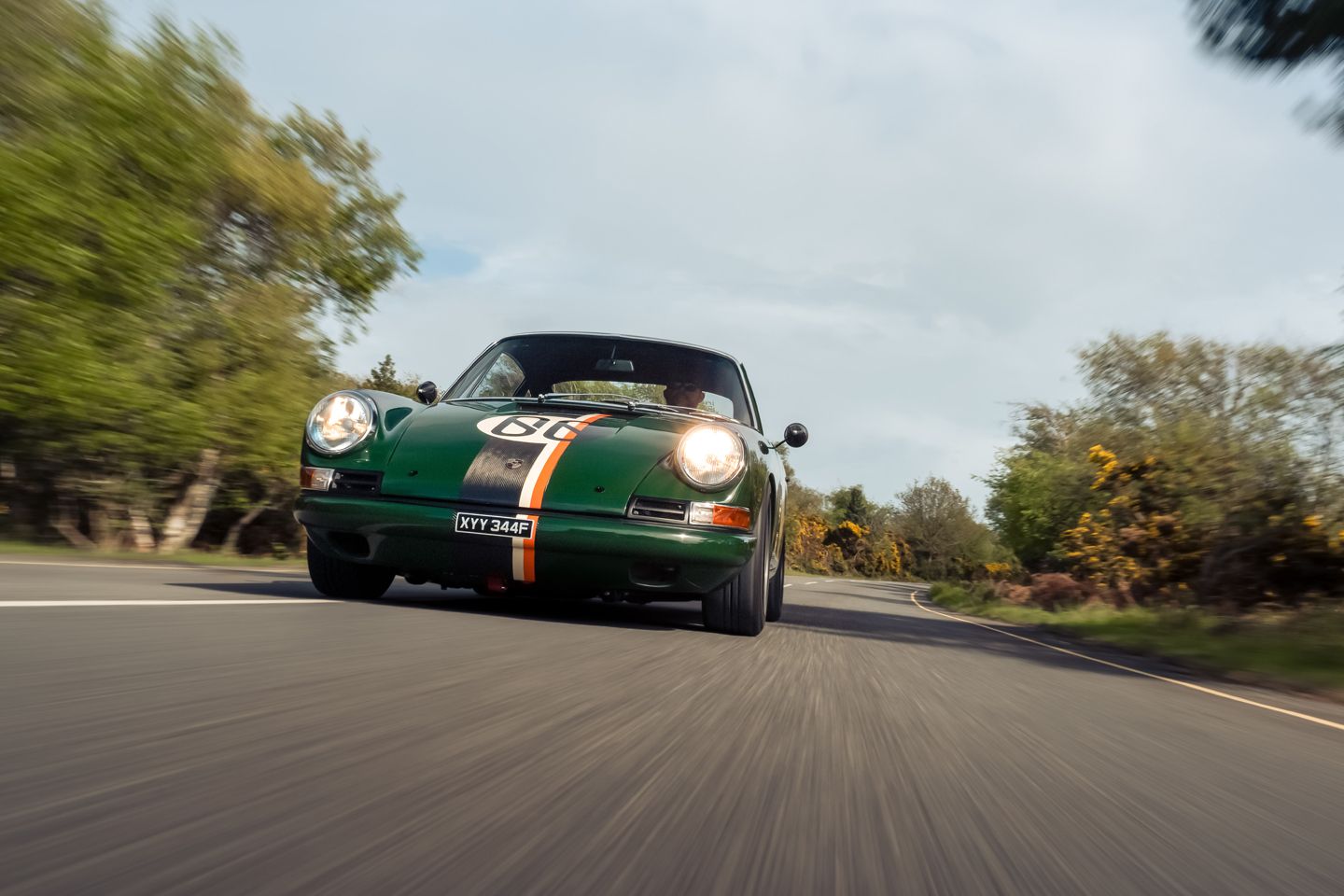
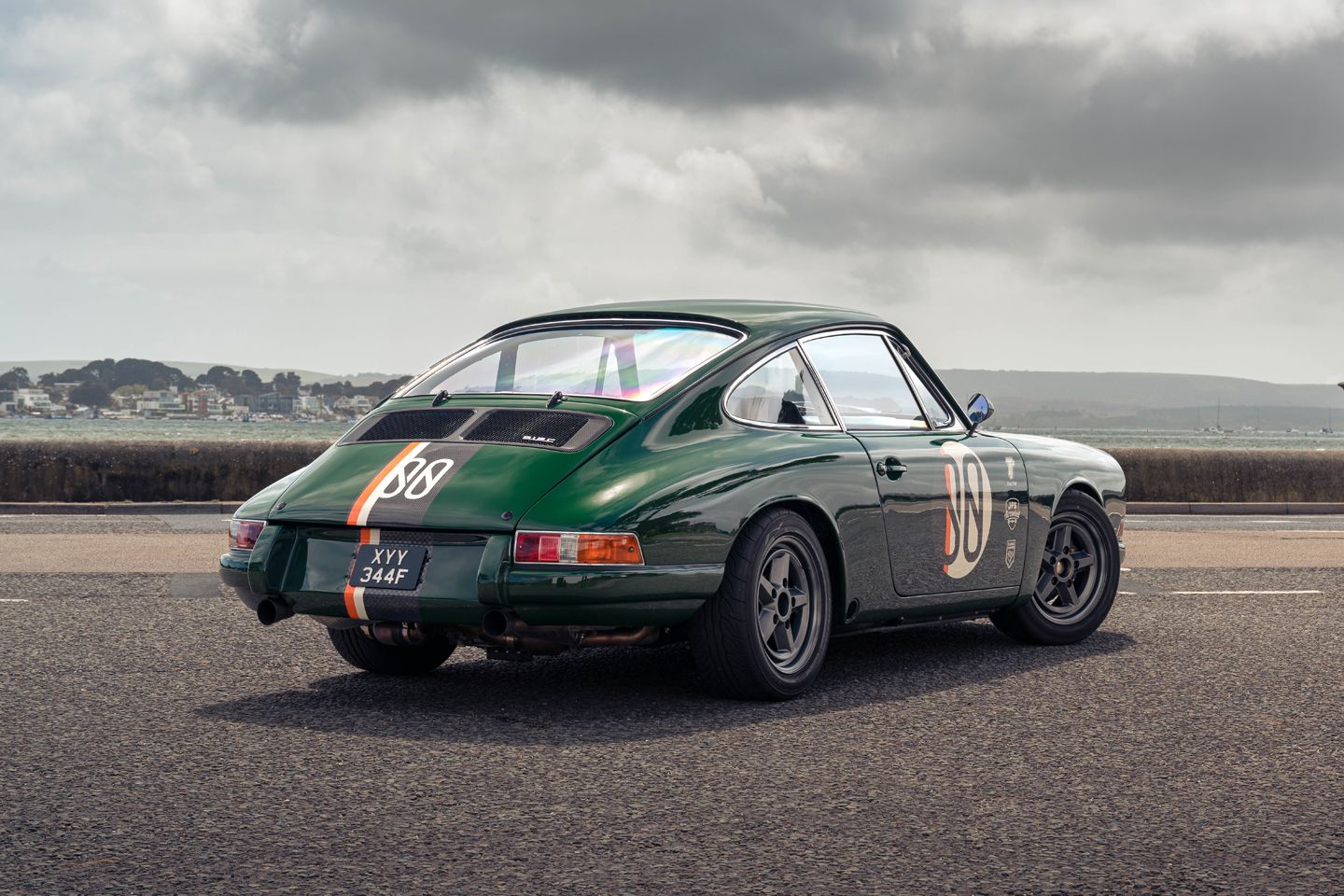
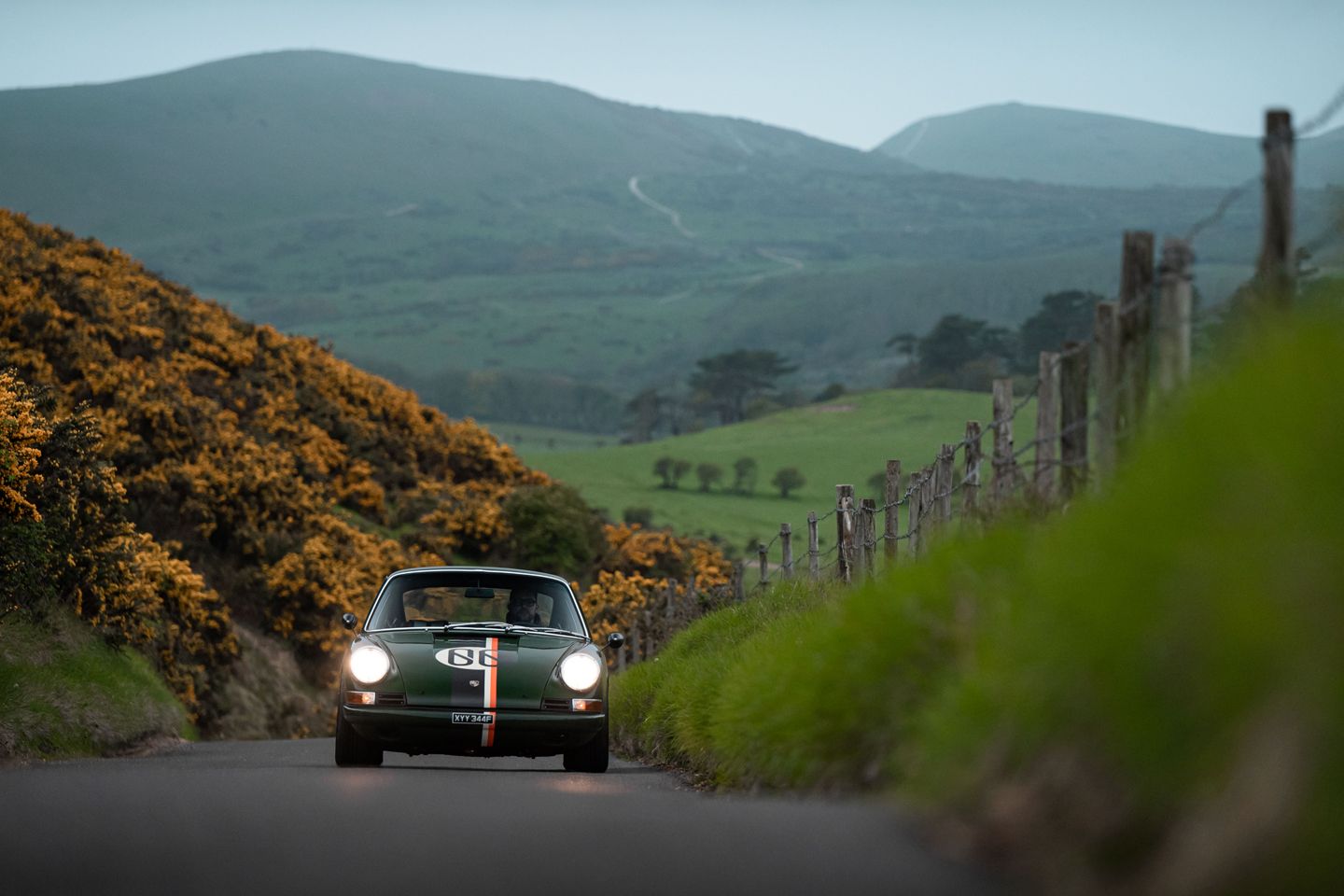
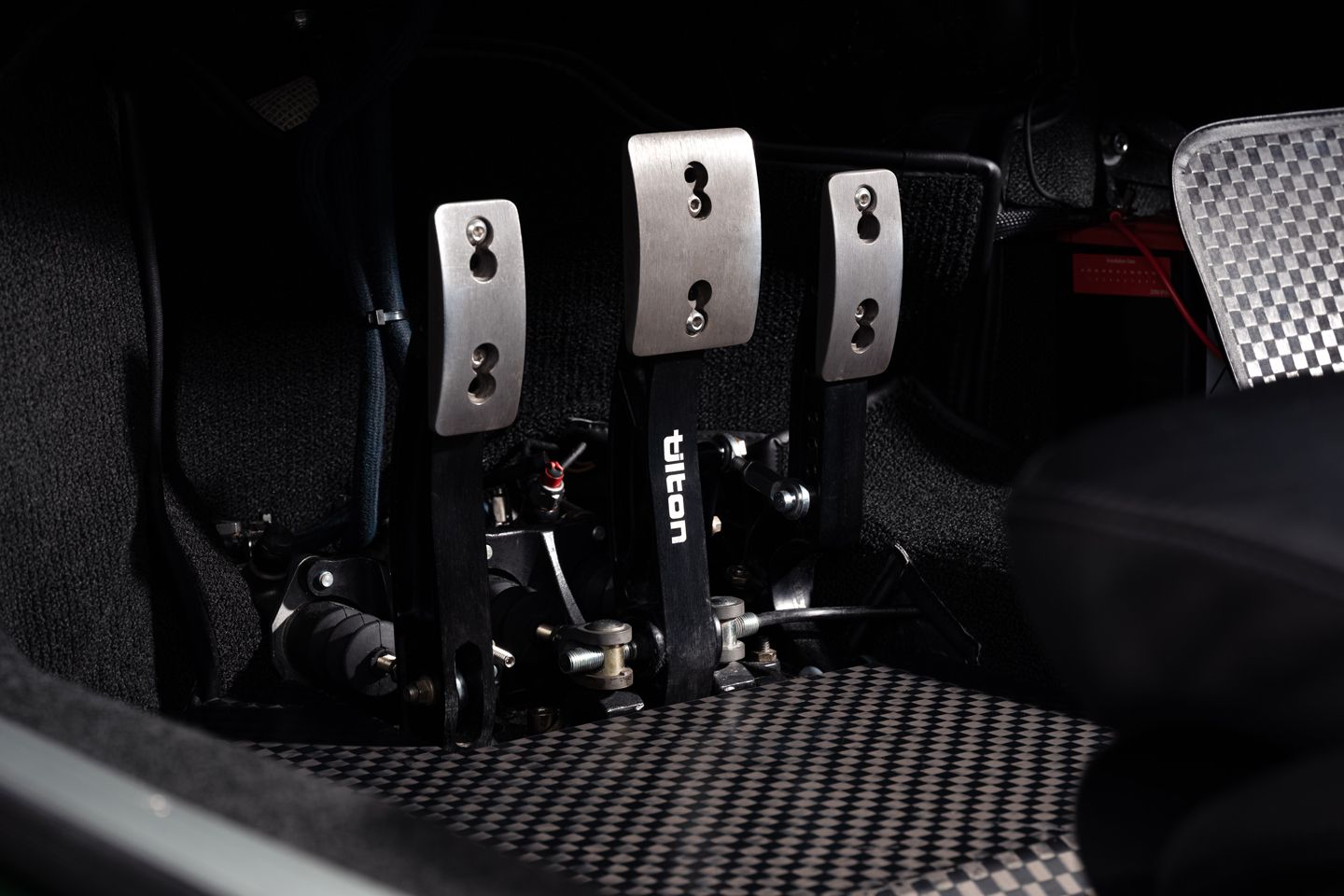
With a performance boost alongside - 20hp goes a long way with just three-quarters of a tonne to shift - the Kamm 912c is a joy on a country road. Perhaps in this new set of ratios third is a little long, a shift at the top of second dropping you from the engine’s best bit for a sec, but not enough to spoil the fun. It’s light, compact and agile as before, albeit now with some subtlety and composure to proceedings, not such a wild ride and the better for it. Your attention is freed up for considering clipping points and getting your footwork sorted, rather than worrying about every last bump in the road and how the car might react. There’s spare brain capacity to appreciate details like the visibility, the performance and the pedal feel - no longer are you consumed by keeping it on the straight and narrow.
It remains a strange driving experience from a modern perspective, because here’s a car that weighs half what a hot hatch does yet needs hefty inputs on everything, but it soon makes sense. The inclination is to be delicate because this old Porsche looks so dainty, when actually the 912c feels at its best with deliberate, meaningful inputs, whether that’s braking, changing gears or pointing it at a corner. When that clicks, the whole car makes sense, dancing gleefully along a road like little else could. Certainly unlike the old version would have.
Though some others have preferred the Kamm in its more intense configuration (including a couple of customers, it should be said), this more rounded offering will surely shave a broader appeal. Crucially, however, adding longer gears and slower steering hasn’t substantially diluted or altered the appeal here. This is still a beautifully restored old Porsche, one boasting a properly high-quality powertrain and the kind of thrill that only light cars can really offer. It demands some skill to get the very best from, but even some way from that it’s one of the great four-cylinder experiences. And who wouldn’t be keen on one of those?
SPECIFICATION | KAMM 912C
Engine: 2.0-litre flat-fourTransmission: 5-speed manual, rear-wheel drivePower (hp): 192Torque (lb ft): N/A0-62mph: c. 6 secondsTop speed: N/AWeight: 760kg (with fluids)MPG: N/ACO2: N/APrice: from €325,000 (currently £288,000)


Alan Partridge : [opening a file] Right, OK - Shoestring, Taggart, Spender, Bergerac, Morse. What does that say to you about regional detective series?
Tony Hayers : There's too many of them?
Alan Partridge : That's one way of looking at it, another way of looking at it is, people like them, let's make some more of them.
Porsche Restomods remind me of this quote, could substitute "regional detective series" for "Porsche Restomods" very easily.

Tony Hayers : There's too many of them?
Alan Partridge : That's one way of looking at it, another way of looking at it is, people like them, let's make some more of them.
This car is lovely but a huge chunk of change as normal, think if I had the cash for a Porsche restomod it would be an Icon 917K.
Maybe classed as a recreation rather than restomod though.
Reader's cars thread: https://www.pistonheads.com/gassing/topic.asp?h=0&...
So they assume you have a €40,000 condition 912.
Even the hot rod 912s are slow, they are fast for early 911 or 356C. The €350,000 question is does this make a €400,000 driving experience given that the 912 was a carry over from the 356C?
Before you write that check to be the Luft Bro bong water specialist as you tell people that they just need to experience a real Porsche not some 911 with a bigger motor.
It is worth noting that a regular VW Up Gti has the same Co efficient of drag, the same power and it weighs the same as an early 911 or 356C. Yes this humble hatchback is the same magic as this hot 912.
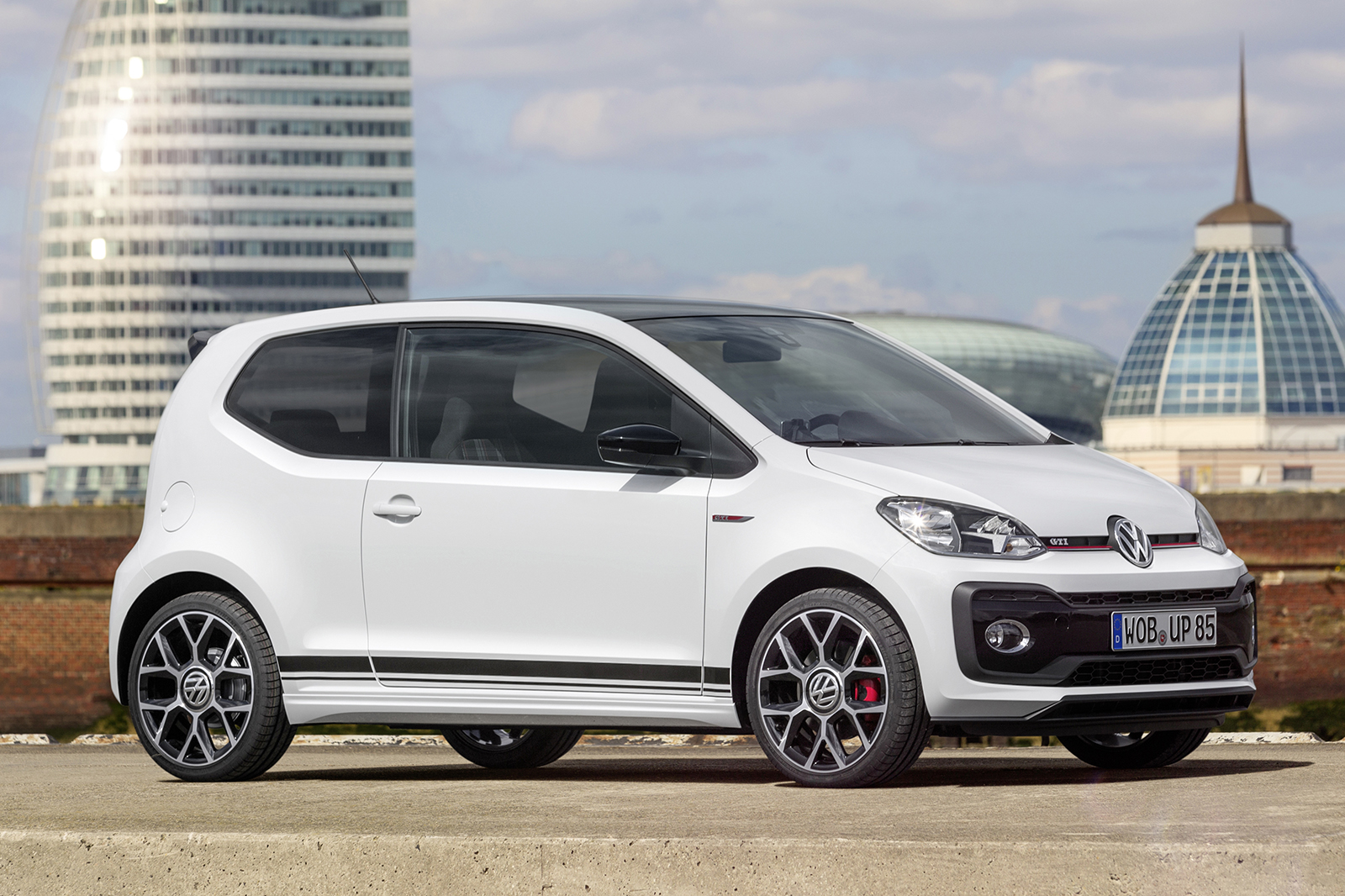
If you were to spend €350,000 on another car would you get a better result?
I am not saying you should start with an UP, but this was the starting point that they are going from and whist a tuned, carbon fibre shelled Up would be quick. There are other options in the world.
TX.
So they assume you have a €40,000 condition 912.
Even the hot rod 912s are slow, they are fast for early 911 or 356C. The €350,000 question is does this make a €400,000 driving experience given that the 912 was a carry over from the 356C?
Before you write that check to be the Luft Bro bong water specialist as you tell people that they just need to experience a real Porsche not some 911 with a bigger motor.
It is worth noting that a regular VW Up Gti has the same Co efficient of drag, the same power and it weighs the same as an early 911 or 356C. Yes this humble hatchback is the same magic as this hot 912.
If you were to spend €350,000 on another car would you get a better result?
I am not saying you should start with an UP, but this was the starting point that they are going from and whist a tuned, carbon fibre shelled Up would be quick. There are other options in the world.
Forums | General Gassing | Top of Page | What's New | My Stuff